Nearly half of Canadians say asylum seekers who have not already made a refugee claim in the United States should be given a full hearing upon crossing the border, but are divided over how people who already claimed asylum in the United States should be treated, according to a new poll.
A Nanos poll, commissioned by The Globe and Mail, found that 48 per cent of Canadians think asylum seekers who have not already made a claim in the U.S. should be given access to a full hearing, while 33 per cent said they should be refused entry and returned to their country of origin, and 13 per cent said they should be given a shorter claim process; 6 per cent said they were unsure.
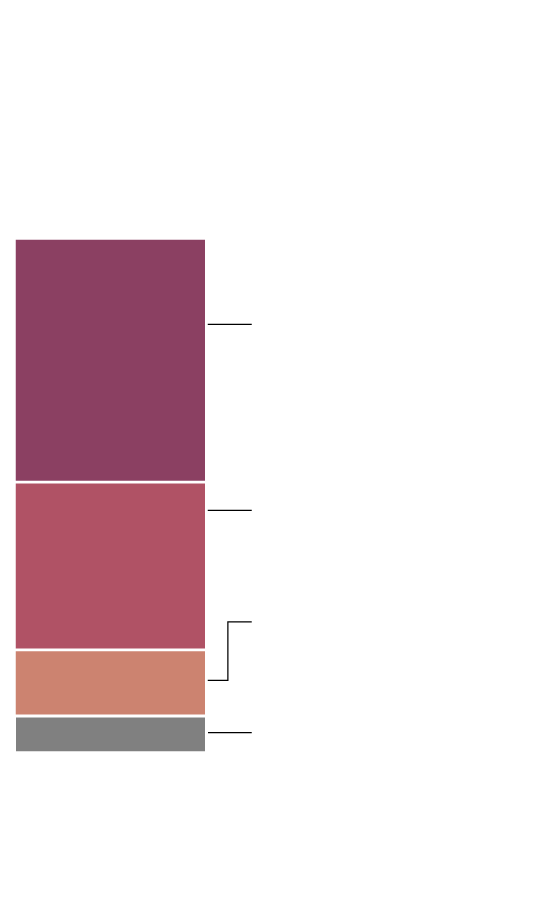
preferred government action–
no claim
If an asylum seeker has not made a refugee
claim in the U.S. and walks across the Canadian
border where there is no border crossing, what
should the government do for that asylum
seeker?
Be given a full refugee
hearing to determine
whether the person should
be allowed into Canada or
returned to their country of
origin
48%
Be refused entry into
Canada and returned to
their country of origin
33%
Be given a shorter process
to determine if it is safe to
send them back to their
country of origin
13%
Unsure
6%
Nanos Research, RDD dual frame hybrid telephone and online
random survey, April 2 to April 28, 2019, n=1000, accurate 3.1
percentage points plus or minus, 19 times out of 20.5
JOHN SOPINSKI/THE GLOBE AND MAIL
SOURCE: nanos research
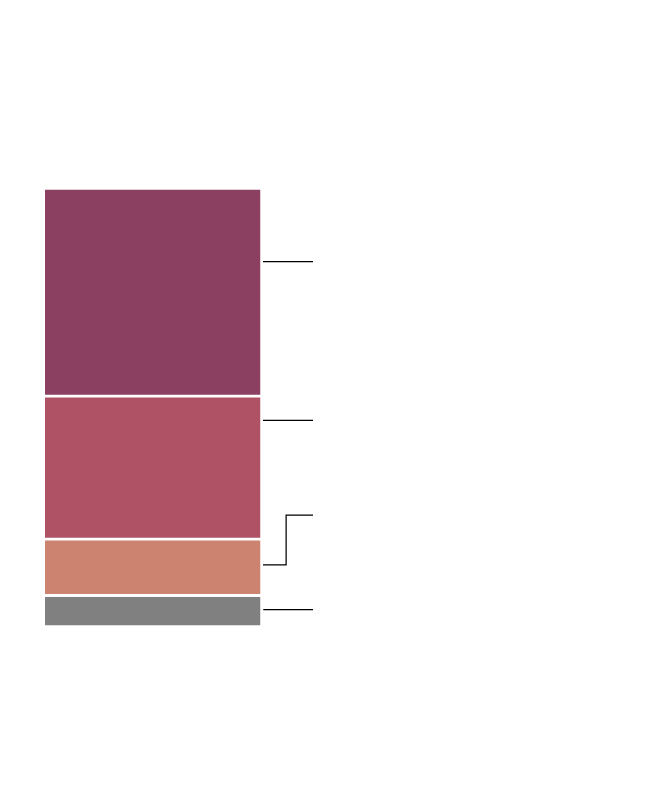
preferred government action–no claim
If an asylum seeker has not made a refugee claim in the
U.S. and walks across the Canadian border where there is
no border crossing, what should the government do for
that asylum seeker?
Be given a full refugee hearing
to determine whether the
person should be allowed into
Canada or returned to their
country of origin
48%
Be refused entry into Canada
and returned to their country
of origin
33%
Be given a shorter process
to determine if it is safe to
send them back to their
country of origin
13%
6%
Unsure
Nanos Research, RDD dual frame hybrid telephone and online random
survey, April 2 to April 28, 2019, n=1000, accurate 3.1 percentage points
plus or minus, 19 times out of 20.5
JOHN SOPINSKI/THE GLOBE AND MAIL
SOURCE: nanos research
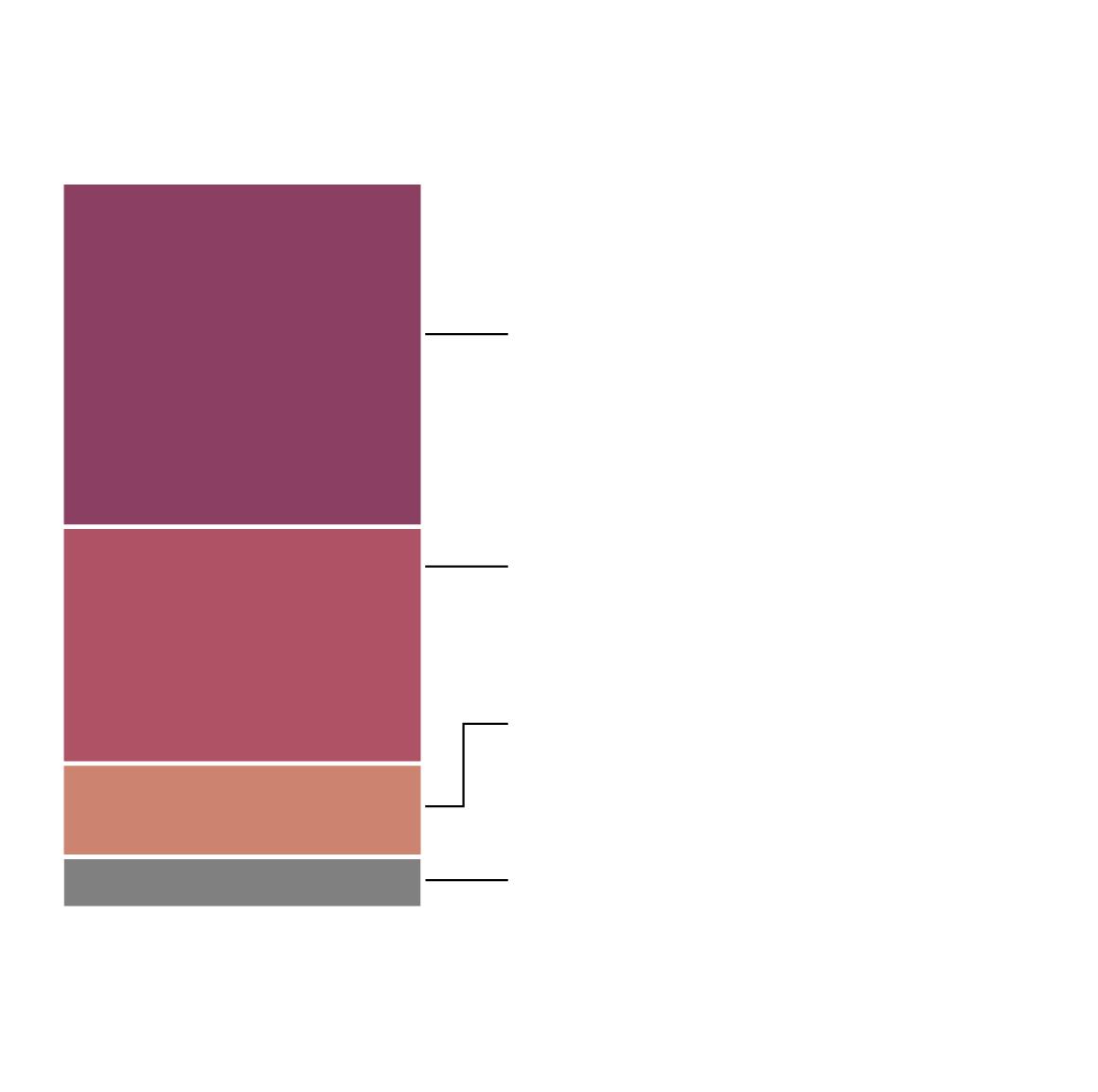
preferred government action–no claim
If an asylum seeker has not made a refugee claim in the U.S. and walks across the
Canadian border where there is no border crossing, what should the government do
for that asylum seeker?
Be given a full refugee hearing to deter-
mine whether the person should be
allowed into Canada or returned to their
country of origin
48%
Be refused entry into Canada and
returned to their country of origin
33%
Be given a shorter process to determine if
it is safe to send them back to their coun
try of origin
13%
Unsure
6%
Nanos Research, RDD dual frame hybrid telephone and online random survey, April 2
to April 28, 2019, n=1000, accurate 3.1 percentage points plus or minus, 19 times out of 20.5
JOHN SOPINSKI/THE GLOBE AND MAIL, SOURCE: nanos research
Respondents were also asked how the government should treat asylum seekers who have already made a claim in the United States and, thus, would be affected by the Liberal government’s proposed tougher line on asylum seekers. Thirty-six per cent of Canadians said those asylum seekers should be given a full refugee hearing, while nearly just as many respondents – 34 per cent – said they should be refused entry entirely; 20 per cent said they should be given access to a shorter process and 11 per cent were unsure.
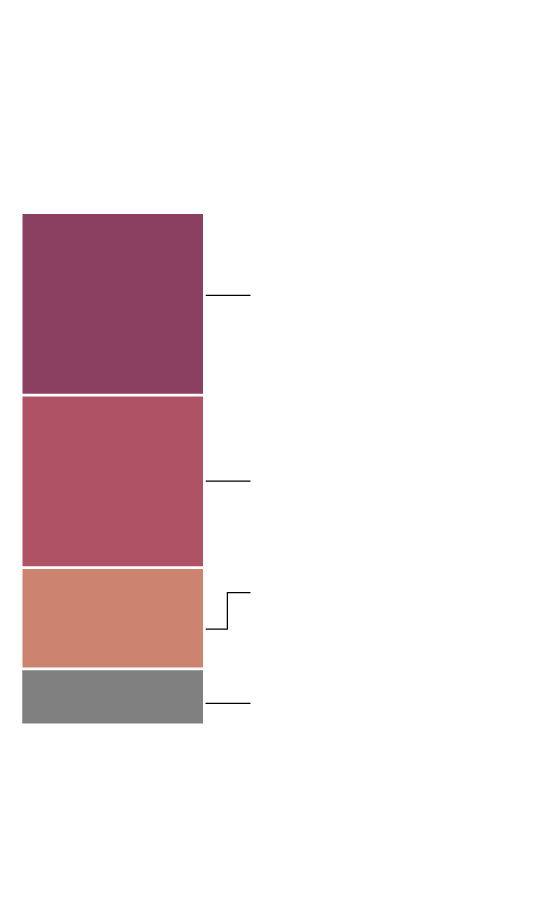
preferred government action–
claim has been made
If an asylum seeker has already made a refu-
gee claim in the U.S. what should the govern
ment do for that asylum seeker if they show
up at the Canadian border?
Be given a full refugee
hearing to determine
whether the person should
be allowed into Canada or
returned to their country of
origin
36%
Be refused entry into Canada and returned to their country of origin
34%
Be given a shorter
process to determine if it
is safe to send them back
to their country of origin
20%
11%
Unsure
Nanos Research, RDD dual frame hybrid telephone and online
random survey, April 2 to April 28, 2019, n=1000, accurate 3.1
percentage points plus or minus, 19 times out of 20.5
JOHN SOPINSKI/THE GLOBE AND MAIL
SOURCE: nanos research
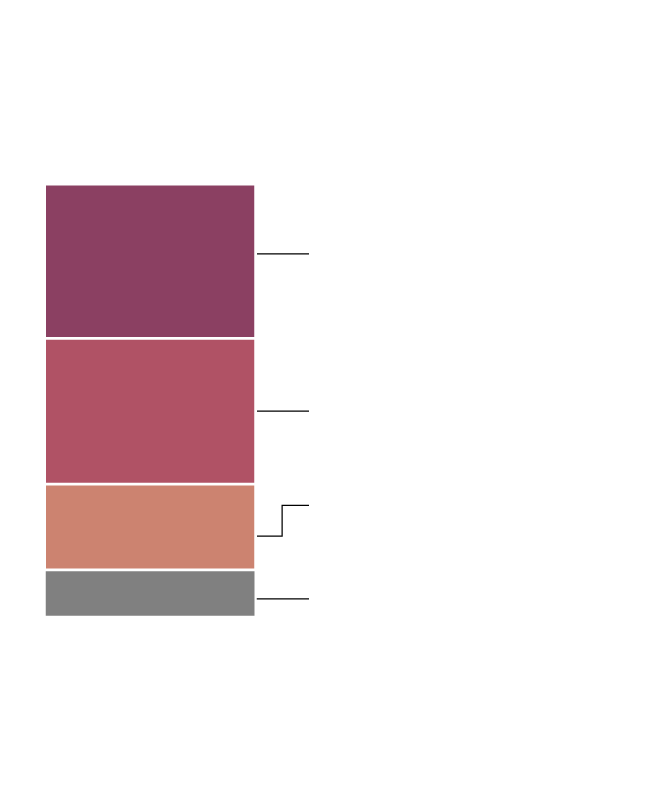
preferred government action–
claim has been made
If an asylum seeker has already made a refugee claim in
the U.S. what should the government do for that asylum
seeker if they show up at the Canadian border?
Be given a full refugee hearing
to determine whether the
person should be allowed into
Canada or returned to their
country of origin
36%
Be refused entry into Canada
and returned to their country
of origin
34%
Be given a shorter process to
determine if it is safe to send
them back to their country
of origin
20%
11%
Unsure
Nanos Research, RDD dual frame hybrid telephone and online random
survey, April 2 to April 28, 2019, n=1000, accurate 3.1 percentage points
plus or minus, 19 times out of 20.5
JOHN SOPINSKI/THE GLOBE AND MAIL
SOURCE: nanos research
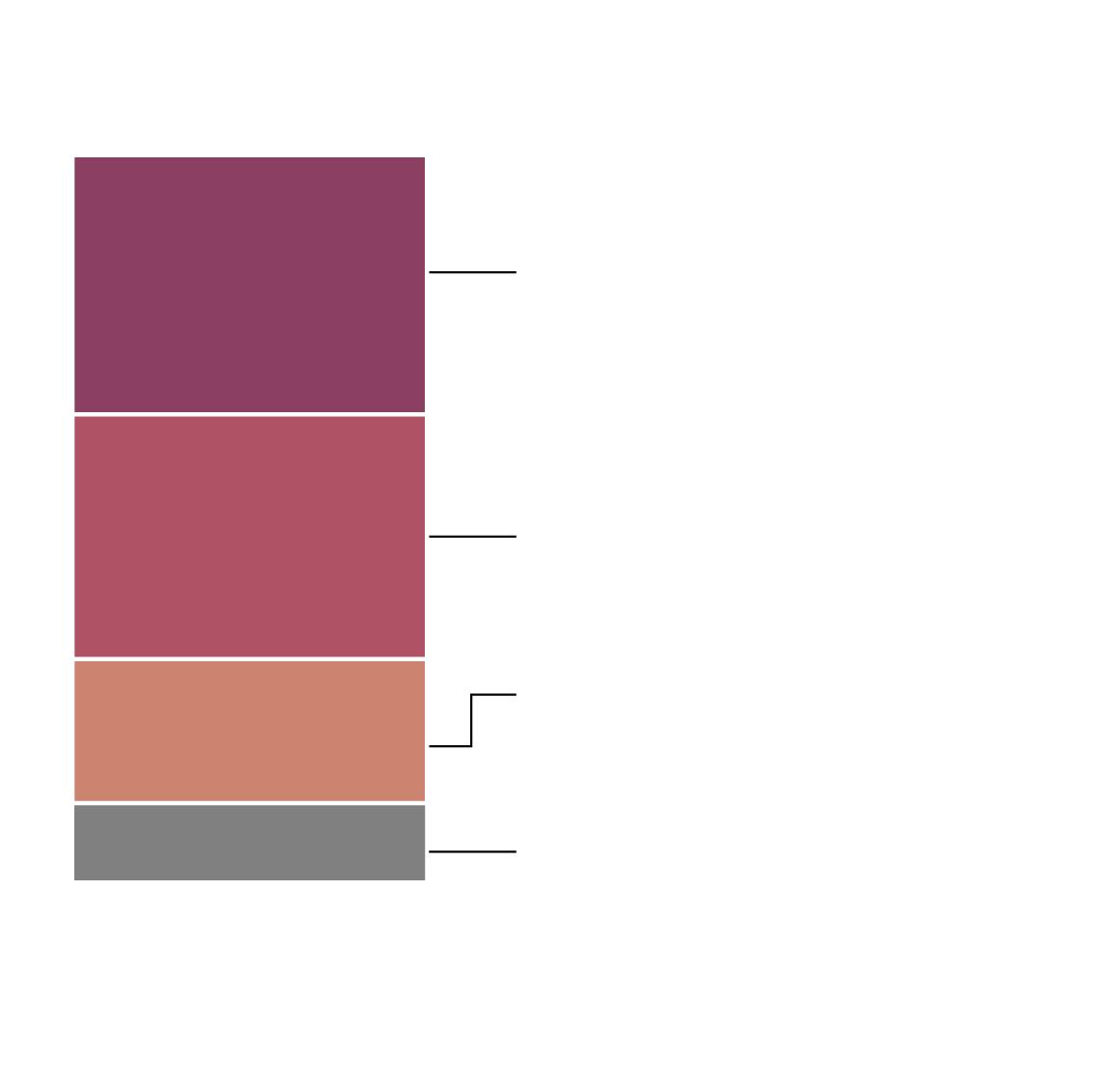
preferred government action–claim has been made
If an asylum seeker has already made a refugee claim in the U.S. what should the
government do for that asylum seeker if they show up at the Canadian border?
Be given a full refugee hearing to determine
whether the person should be allowed into
Canada or returned to their country of origin
36%
Be refused entry into Canada and
returned to their country of origin
34%
Be given a shorter process to determine
if it is safe to send them back to their
country of origin
20%
11%
Unsure
Nanos Research, RDD dual frame hybrid telephone and online random survey, April 2 to
April 28, 2019, n=1000, accurate 3.1 percentage points plus or minus, 19 times out of 20.5
JOHN SOPINSKI/THE GLOBE AND MAIL, SOURCE: nanos research
The poll comes after the government proposed major changes to Canada’s refugee system. The changes, contained in last month’s budget bill, mean asylum seekers who have already made a refugee claim in the United States, Britain, Australia or New Zealand would be prevented from having access to a full refugee hearing by an independent tribunal. Rather, they would be offered a preremoval risk assessment, which is overseen by the Immigration Department instead of the Immigration and Refugee Board, the tribunal responsible for making decisions on most asylum cases.
Pollster Nik Nanos noted that nearly one in three Canadians say asylum seekers should be refused entry to the country entirely, regardless of whether they already made a claim in the United States.
“I think this speaks to why politicians are engaging on this in terms of taking a hard line or being more compassionate and that this is a divisive issue," Mr. Nanos said.
However, refugee advocates see the poll in a different light, welcoming the fact that respondents most often think asylum claimants should be given access to a full refugee hearing.
“It’s great to see that a fair proportion of Canadians recognize that refugees need a full hearing and I was particularly struck by the high percentage in Quebec, which is of course where we’ve seen the largest number of people crossing over from the U.S.," said Janet Dench, executive director of the Canadian Council for Refugees.
More than 42,000 asylum seekers have entered Canada through unauthorized points of entry over the past two years. Most have been able to remain in Canada through a loophole in the Safe Third Country Agreement, which requires Canada and the United States to refuse entry to most asylum seekers who arrive along the shared border, as both countries are considered safe for refugees. Since the agreement applies only to those who arrive at official points of entry, asylum seekers can avoid being immediately turned away by crossing between border posts, requiring Canada to process most of their claims.
Mireille Paquet, an immigration policy expert at Concordia University, said it’s important to remember that most Canadians don’t have a full understanding of the asylum system when responding to polls.
“Research shows that people have very limited understanding of the overall refugee determination process – how it works, what are the entitlements associated with getting status, what is the difference between a refugee and an asylum seeker – all of the new terms that have been much more present in the public discourse in the last two years,” Prof. Paquet said.
The poll surveyed 1,000 Canadians through phone and online surveys between April 25 and 28; the margin of error is plus or minus 3.1 percentage points, 19 times out of 20. The results were statistically weighted by age and gender using the latest Census information and the sample is geographically representative of Canada.