

It’s always weird to be reminded that the world as it is – to borrow a phrase, if I may – was a very different place not so long ago, and that what now seems constant and obvious was once strange or unknown.
The phone you unthinkingly grab from your pocket to do, well, everything, used to be a crazy technological magic trick. The person snoring on the couch next to you in front of the TV was once a first date. The new building that went up in your neighbourhood at first looked like it dropped out of the sky, but now you can’t remember the block without it.
And 18 months ago, 30 per cent of Canadians had no idea who Mark Carney was, according to the Angus Reid Institute’s polling. Can you imagine? In the fall of 2024, nearly one in three of us were clueless about the Davos darling, the unTrump, the Prime Minister who has now wrapped the national conversation around giving ourselves more than any foreign power can take away.
Can you rewind your brain to when spending boatloads of money on defence would have seemed tedious or ridiculous to your Canadian sensibilities, rather than prudent? To when the United States was a friend, or at least not a hostile nutjob?
It was exactly one year ago that Mr. Carney was sworn in as Prime Minister, following his landslide win in his party’s leadership race. Since then, he’s conjured up a wildly unlikely Liberal resurrection, reshaped how we talk about domestic policy and foreign affairs, and set out on what he pitches as a complete rehabilitation of the Canadian economy – all while the next-door neighbour waves a gun over the fence.
But Mr. Carney has also spent these 365 days doing something no prime minister in Canadian history has ever done before: figure out how to be a politician in real time, in front of us all.
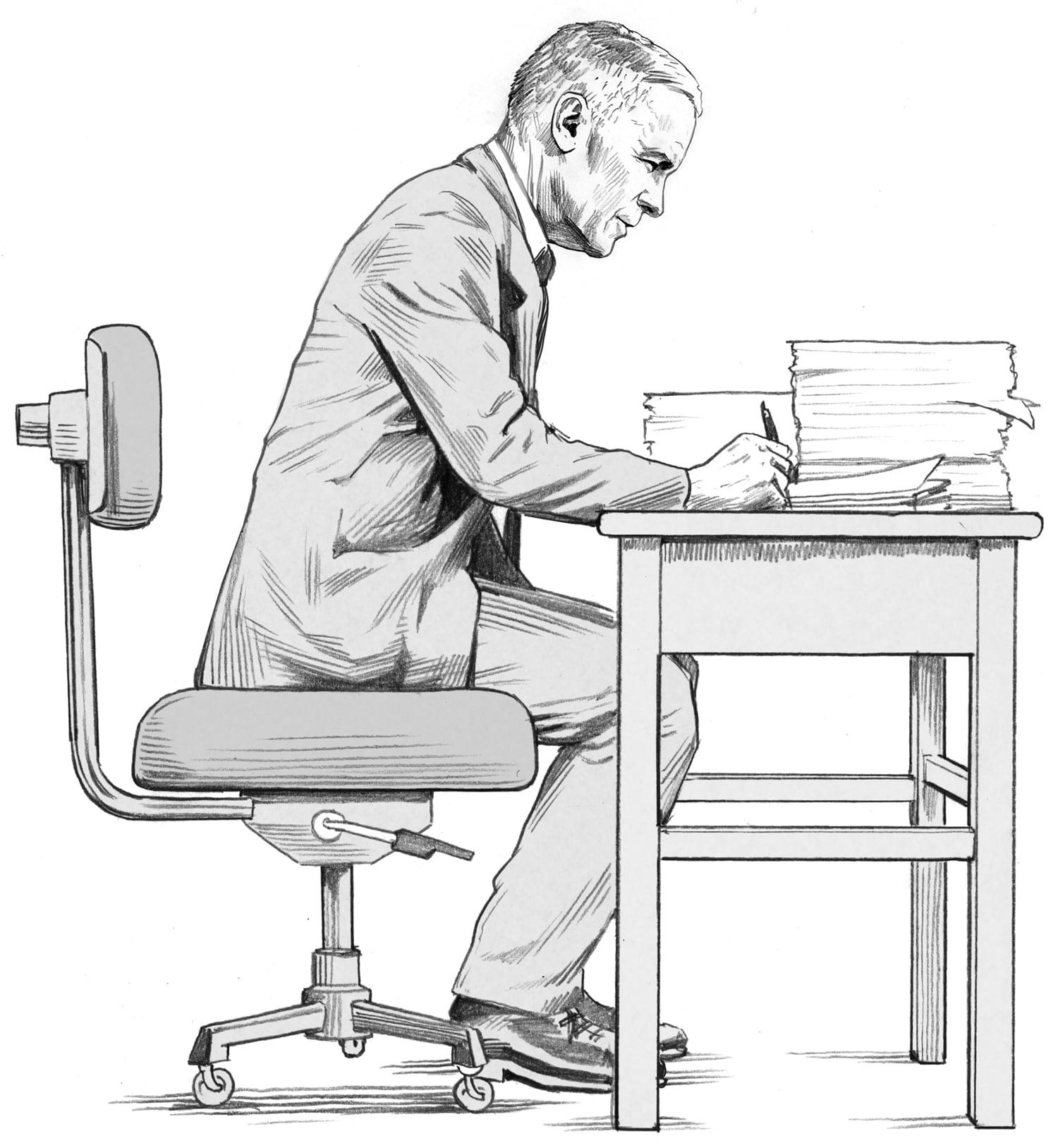
The math that underpins his political career is weird, but simple: If there’s no second term of President Donald Trump, then there is no Prime Minister Mark Carney right now.
The Conservatives were 20 points ahead; the price of everything was enough to make you want to burn it all to the ground; the Liberals were smug, desperate and out of touch; and Conservative Leader Pierre Poilievre was the indignant champion of the everyman, grown in a lab for that anti-elite moment.
But then, Mr. Trump put his foot through the wall, and the hole he left was a precise match for the rather elite silhouette of Mr. Carney. So, he brushed the plaster dust off his navy suit and walked in.
The Prime Minister’s essential offer wasn’t really policies or strategies – though there’s been plenty of those. It was just him, and the aura of competence and calm he acquired steering two countries’ central banks through the 2008 financial meltdown and Brexit.
“If there’s not a crisis, you wouldn’t be seeing me,” he told the crowd in a Barrie, Ont., brew pub last winter. “Honest. I am most useful in a crisis. I’m not that good at peacetime.”
Shachi Kurl, president of Angus Reid, describes Canadians gravitating to Mr. Carney less as a grand love affair than a marriage of convenience.
“It’s not as though it was a conscious, pro-active choice for Mark Carney: ‘I know Mark Carney, I like Mark Carney, Mark Carney is great. I’m going to vote for him,’” she says. “It was almost, ‘This guy seems to know how to tell Donald Trump off, and we don’t want Pierre Poilievre.’”
The question was, once Canadians got to know Mr. Carney, how much would they like him, she says. His approval numbers started in the mid-40s during the leadership race, then locked in the mid-50s from his leadership win until election day. Canadian opinion of him rose a little over the summer, then dipped in September, around the time he cancelled reciprocal tariffs against the U.S.
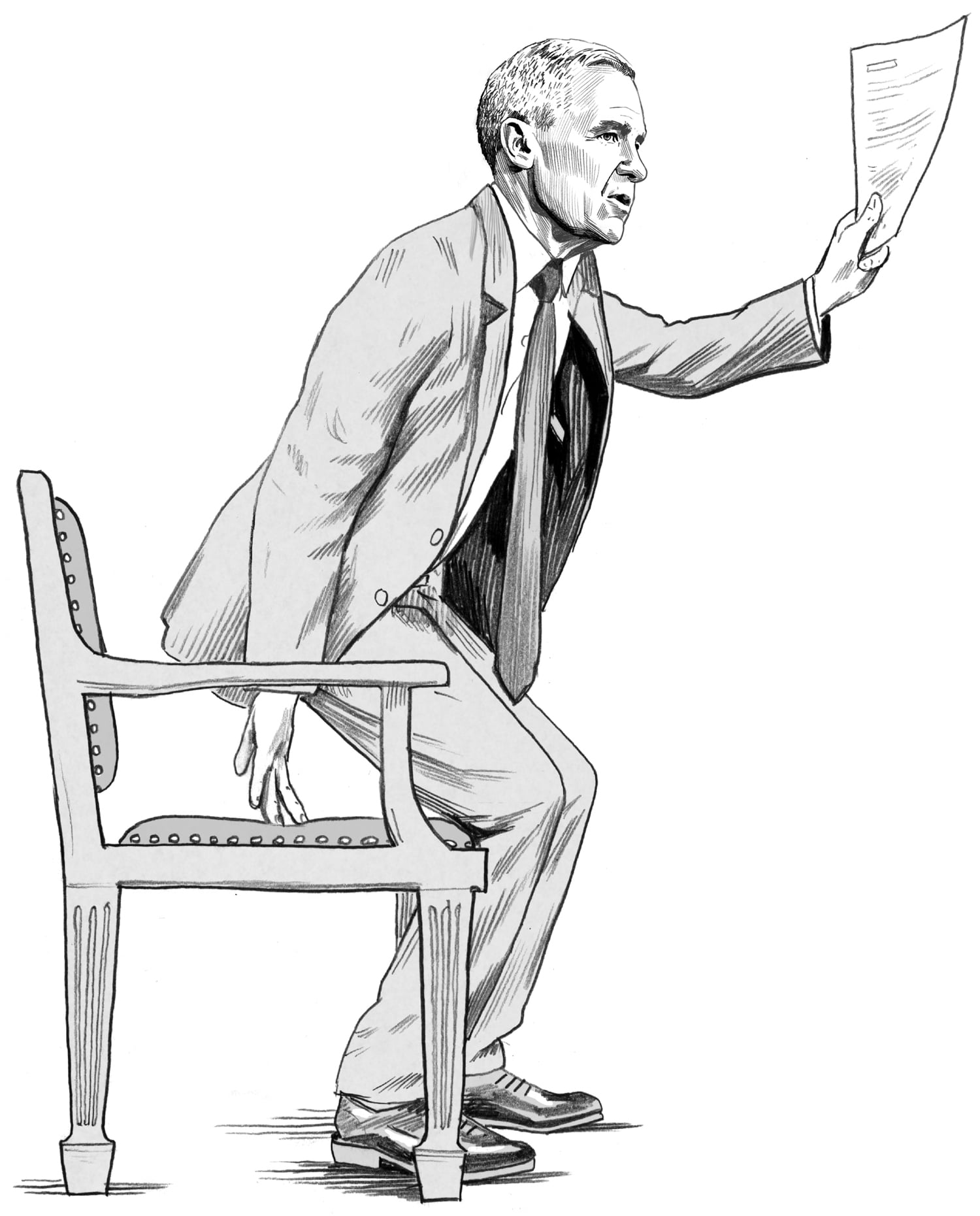
Those numbers were pretty good, Ms. Kurl says, but nothing like the “swoony” enthusiasm of the first year of Justin Trudeau. At least not right away.
“His approval has picked up almost 20 points over the last year,” she says. “But it’s really only been in the last six weeks and post-Davos that we’ve really seen that big bump.”
Now, the Prime Minister sits at 63-per-cent approval, and his party has surged over the Conservatives. In early March, Leger clocked the Liberals at 49-per-cent support, the highest level they’ve found in a decade.
And yet repeatedly over the past year, it seemed like Mr. Carney had reached a put-up-or-shut-up reckoning, when the confidence Canadians placed in him would run smack into his inability to deliver swift or satisfying results.
The tariffs are still in place and the survival of the United States-Mexico-Canada Agreement (USMCA) is an open and ugly question. And while the President is too busy destroying the Middle East at the moment to threaten Canadian sovereignty, surely one day he’ll get back to it.
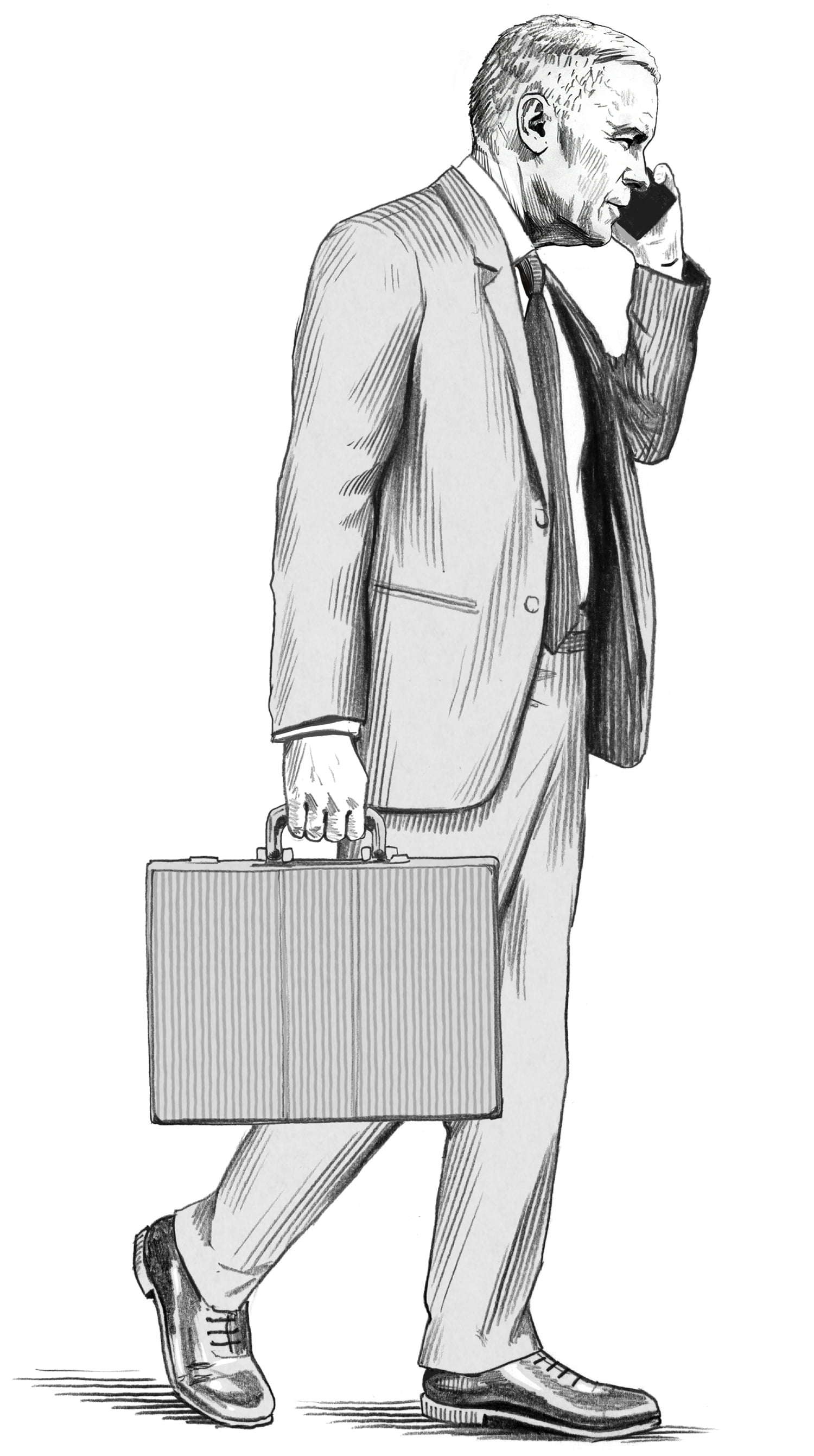
Domestically, Mr. Carney’s major pledges – building homes faster, creating a culture of permission rather than obstruction on resources and big projects, transforming the Canadian economy into something more robust and unified – are not short-horizon issues.
As he’s cycled between pugnaciousness, dismissiveness and strategic docility toward Mr. Trump, the Conservatives have tried – reasonably enough – to pin Mr. Carney on the idea that he hasn’t really fixed the big, sweaty orange problem he was hired to solve. But then, no one has. It’s not like Canadians are glancing in envy at countries who curtsied more deeply or flipped the bird more vigorously and then landed a better deal.
There is an odd permission slip for Mr. Carney in the fact that Trump insanity is the world’s most reliable renewable resource.
Scott Reid, a Liberal strategist who worked in Paul Martin’s PMO, likens the current man-made disaster to COVID-19, in the sense that Canadians didn’t expect politicians to fix the unfixable, but they wanted them to be competent, present and responsive.
“I think a lot of voters are saying, ‘I don’t know how I would handle a creature like Trump. I don’t know how I would handle a world that seems so busted. But I know I don’t know that, so I’m hoping that this guy knows it,’” he says.
For a while, it still seemed that time was on Mr. Poilievre’s side, and that Mr. Carney was floating inside a soap bubble destined to pop. Canada was overdue for a throw-the-bums-out election fought over the cost of living, the thinking went, and surely at some point we would return to the national headspace that had the Tories 20 points ahead.
It doesn’t seem like that any more. Mr. Poilievre is staggering, while Mr. Carney basks.
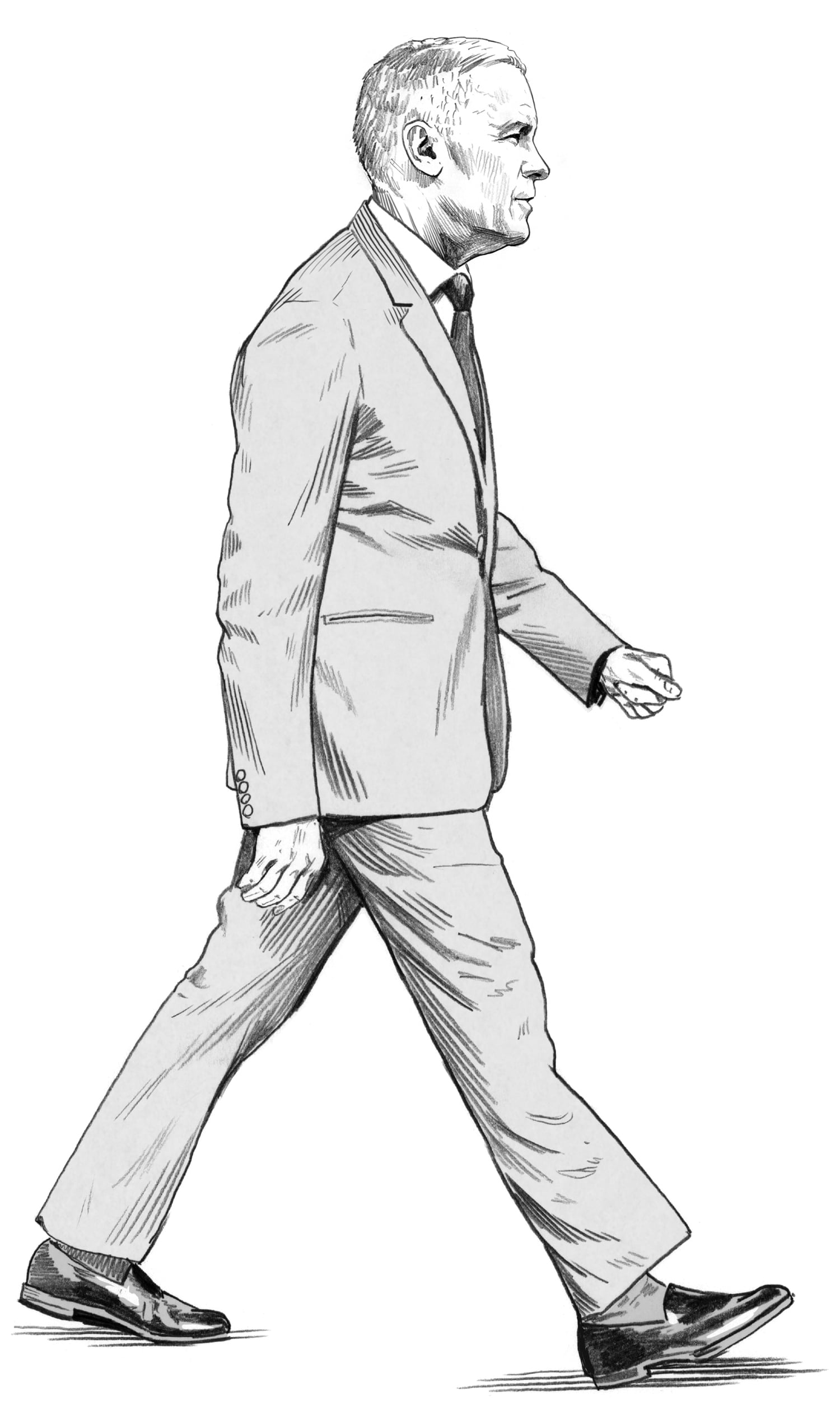
“He is the da Vinci’s notebooks of politics, because it’s all written in reverse, a mirror image,” Mr. Reid says. “It, at a glance, is the opposite of what conventional political assumption would tell us to do and think.”
He likes to imagine a political adviser pitching the standout moment of Mr. Carney’s first year: So, boss, we’re going to take the knees out of right-leaning populism by having you deliver a speech about international relations at the World Economic Forum, the absolute cashmere-clad bosom of the elites. And that speech is going to ignite Beatlemania enthusiasm across the globe and on every Canadian street corner. Sounds good?
“And they would look at you after you said this in a meeting at PMO and go, ‘Would you mind going out to get a carton of cigarettes?’ And lock the door behind you,” Mr. Reid says.
The central image of Mr. Carney’s speech was Vaclav Havel’s greengrocer, who decides to stop “living within a lie” and refuses to put up a sign he does not believe in to prop up the communist system.
“Friends, it is time for companies and countries to take their signs down,” Mr. Carney told the crowd in Davos. “Stop invoking ‘rules-based international order’ as though it still functions as advertised.”
There was immense force in someone saying so eloquently what everyone was living. And then there was a week of rapturous international coverage of the Canadian Prime Minister as the guy who did it. For a middle power prone to insecurity – and after a year of being told by the thug next door that we aren’t a real country – Mr. Carney commanding that global spotlight tickled an erogenous zone Canada might not have realized it had.
Of course, the Davos speech left some big and vexing questions. What exactly does it mean to take the sign out of the window and stop pretending? What if you do that and then they burn your shop to the ground? Can you really persuade your fellow middle powers to stand in solidarity, like some geopolitical labour union, even as the malevolent factory owner works to manipulate and divide?
But what landed hard in that moment was Mr. Carney pointing at the reeking bulk in the centre of the room and saying it was an elephant – though he never once called it by its real name: Donald.
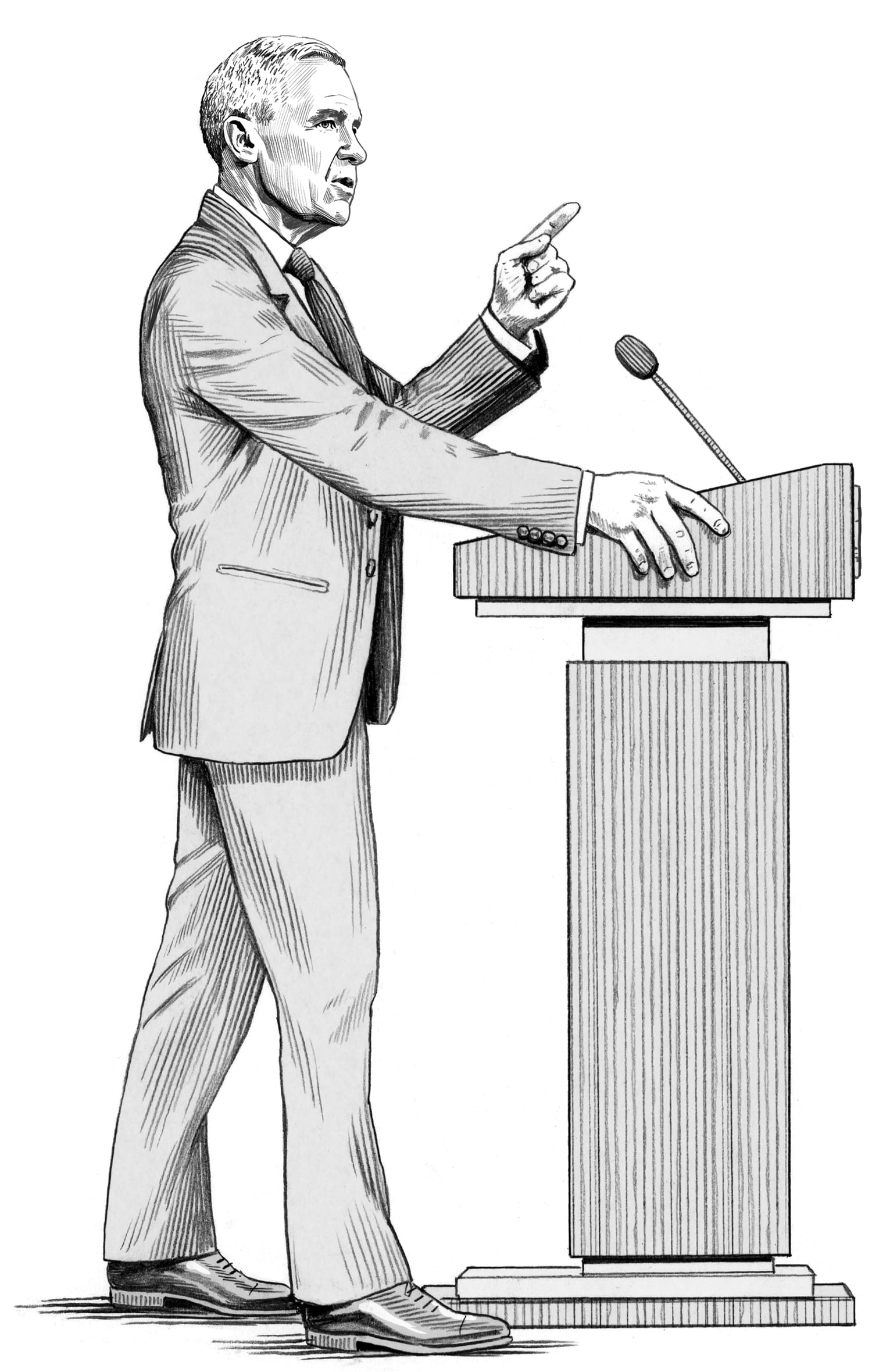
In fact, for a political rookie, Mr. Carney has demonstrated a remarkable flair for deploying symbolic gestures with heft.
His election rallies were so drenched in red-and-white nationalism that his campaign probably should have paid royalties to Tim Hortons and the word “eh.” In his first press conference after being sworn in, he told a tripartite origin story of Canada being built by the French, English and Indigenous. Days later, he embarked on his first international trip as Prime Minister: to Paris, London and Iqaluit.
Then he brought King Charles over to read the Throne Speech – possibly one of the niftiest geopolitical “How do you like them apples?” plays of all time.
He’s not above pop culture diplomacy, either, donning the famous Heated Rivalry fleece on the red carpet and inviting Hudson Williams to climb him like a koala in a eucalyptus tree.
From Washington to Iqaluit, Carney’s travels reveal a lot about his priorities
It’s hard to remember now that the big knock on Mr. Carney that everyone who knows these things definitely knew would hamper him in politics was that he’s a dry technocrat who can’t talk like a normal person, much less operate like a politician.
A good person to ask about this alleged weakness would be Mr. Poilievre – if he could stop gnashing his teeth long enough to answer.
Just hours after he replaced Mr. Trudeau, Mr. Carney summoned the TV cameras so that everyone could watch him axe the carbon tax, depriving Mr. Poilievre in a single day of the two best enemies a boy ever had.
The Conservative Leader used to say with a grin that he would love for the Prime Minister to steal his best policy ideas. But Mr. Carney has so thoroughly and shamelessly done so – cancelling the capital-gains inclusion hike, introducing bail reform and repealing the EV mandate, just as a start – that Mr. Poilievre might as well show up for Question Period in a barrel held up by suspenders.
And then there’s Mr. Carney apparently strolling around Parliament Hill with his pockets full of delicious Floor-Crosser Snausages. Each of these new Liberals is presented by the Prime Minister and his caucus as some kind of political immaculate conception. Gosh, they’re not sure why MPs keep turning up on their doorstep with big, sad eyes searching for better leadership, but the Liberals are honoured to offer them a home.
On the public stage over the past year, charm and wit are a big part of how Mr. Carney has operated. But in his candid responses, there’s a translucence that’s unexpected given how controlled, adept and ego-driven he is. Surely a central banker has the skills for a casino, but this one has no poker face.
His features go elastic and cartoony as he reacts to things around him, his opinions often as easy to read as a stock ticker. His conspiratorial winking could be reasonably described as A Problem, and “If I may” functions as his verbal timeout chair.
And there’s a brittle, imperious gear Mr. Carney slips into when he doesn’t like a line of questioning. Most infamously, this came out at a press conference in London early on, when he told CBC’s Rosemary Barton to “look inside yourself, Rosemary” and admonished that “you start from a prior of conflict and ill will” when she pressed him on potential financial conflicts of interest.
Another moment that sticks in Ms. Kurl’s memory was Johannesburg in November, when a reporter asked Mr. Carney when was the last time he spoke to Mr. Trump, who had broken off trade negotiations because he was infuriated by the Ontario government’s Ronald Reagan ad.
“Ah, who cares?” Mr. Carney muttered, literally waving off the question. He seemed to realize immediately how abrasive this was and attempted to talk around it, but he later walked it back entirely, telling the House of Commons that it was a “poor choice of words.”
Those acerbic responses seem to come from a man who hasn’t fully clocked that public accountability means you get pestered about things that might seem unfair or asinine to you. It serves as a reminder of what’s so easy to forget because of how completely Mr. Carney has occupied the role of Prime Minister: He is, still, new at this.
What stands out to J.D.M. Stewart, a historian who’s authored two books on Canada’s prime ministers, is the impish, winky side of this one.
“I think he sees a certain amount of absurdity to the theatre of politics,” Mr. Stewart says. “I remember in one of his first speeches after becoming PM, he said something and the audience all applauded, and he went off script and said, ‘That wasn’t an applause line.’ ”
At the opposite end of the emotional register, Mr. Stewart found Mr. Carney’s reaction to the British Columbia shooting that left nine people dead remarkable, for a very different reason.
”This morning, parents, grandparents, sisters, brothers in Tumbler Ridge will wake up without someone they love," the Prime Minister said, as his eyes filled with tears. “The nation mourns with you, and Canada stands by you.”
The moment stayed with Mr. Stewart because it seemed to be genuine, raw emotion.
“We always kind of get the prime minister that we need,” he says, and here he means the pendulum swings of politics and persona over time.
Lester Pearson was pedestrian and buttoned-down, and he was followed by the electric Pierre Trudeau. After folksy Jean Chrétien ran out the clock, austere Stephen Harper looked like the answer, Mr. Stewart says – until everyone got fed up with the dourness, and then the personable charm of Justin Trudeau was just the thing.
“That wears pretty thin after a while, and we needed somebody who took the serious parts of the job seriously,” Mr. Stewart says.
So what are the aspects of Mr. Carney that seem novel and appealing now, but will eventually set people’s teeth on edge when the pendulum swings against him? Does intelligence and sure-footedness slide into arrogance? Will confidence come to look like imperiousness? Does elitism become a liability again, rather than a national security blanket?
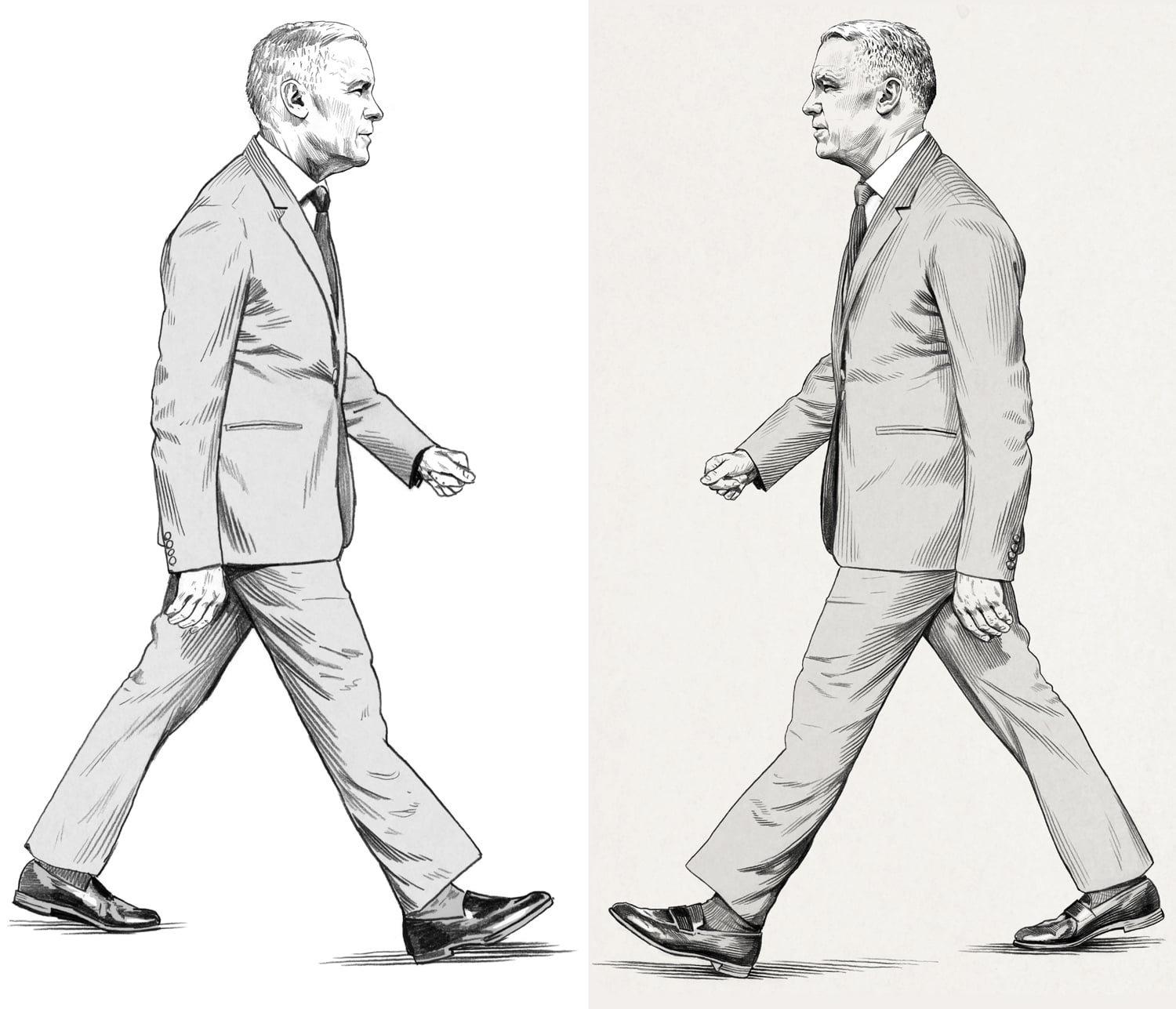
Ms. Kurl detects a potential weakness in the role for which Canadians hired Mr. Carney.
“Crisis leadership is: ‘Follow me, do what I’m telling you to do. Trust me, I’ll get us out of this,’” she says.
That approach doesn’t invite discussion. The Prime Minister has already ruffled caucus feathers for lack of consultation on loosening climate policies, cozying up to India despite foreign interference, and his initially unqualified support for Mr. Trump’s war on Iran.
Opinion: After shackling Canada to Trump’s war in Iran, Carney’s course correction is wise
Those situations are more reminders that Mr. Carney is a novice. There has always been a loud subtext to his still-young political career, which is that he could be doing other things, but this moment spoke to him, and so here he is. Like he told the Barrie brew pub: only good in a crisis.
That notion has a few very attractive offspring. It means he’s just here to help in a dark moment, not because he’s trying to make his already stuffed resume into a foie-gras goose. And it means that each decision he makes should be taken at face value, not cranked through the usual political perception machine of disingenuousness and opportunism.
That is an incredibly powerful force for Mr. Carney to have on his side. But, like most powerful forces, if it whipsaws back on the person who’s wielding it, it’s going to open an artery.
Mr. Reid walks out the brutal math of what looks like a political dreamscape, but is in fact something wilder and more dangerous. Mr. Carney has managed to embody a uniquely apolitical identity, he says, and Canadians have showered approval and permission on him because they see that as proof that he’s operating in the public interest. The external force that’s driven the Prime Minister’s success is Mr. Trump, and the existential nature of that threat just keeps buying Mr. Carney more credibility.
But if he leverages any of that for self-interested gain – by, say, calling a snap election while he’s ahead in the polls – he instantly explodes all the reasons people believed in him in the first place.
“This is a terrible bind,” Mr. Reid says.
And so we arrive at the upside-down, backwards-in-the-mirror truth about the political career of this rookie who was supposed to be bad at politics, but has turned out to be quite good at it, by breaking all the rules about how politics goes.
Being the anti-politician is Mark Carney’s greatest strength, and doing anything to puncture that is the biggest risk to him. He’s managed it for a year now, but it will get harder to practise politics without looking like a politician with every day he remains in the job.