Voters were asked if they would support a 0.5-per-cent sales tax to fund $7.5-billion in transportation infrastructure projects that would include a new subway in Vancouver and light rail in Surrey.John Lehmann/The Globe and Mail
The Liberals have announced the first wave of a decade-long infrastructure spending plan, pledging to fund a broad range of investments in transit, community and environmentally-focused projects.
The 2016 federal budget promised to double infrastructure spending over 10 years, with $60-billion in new funds available to build transport and energy systems meant to grow the economy over the long-term.
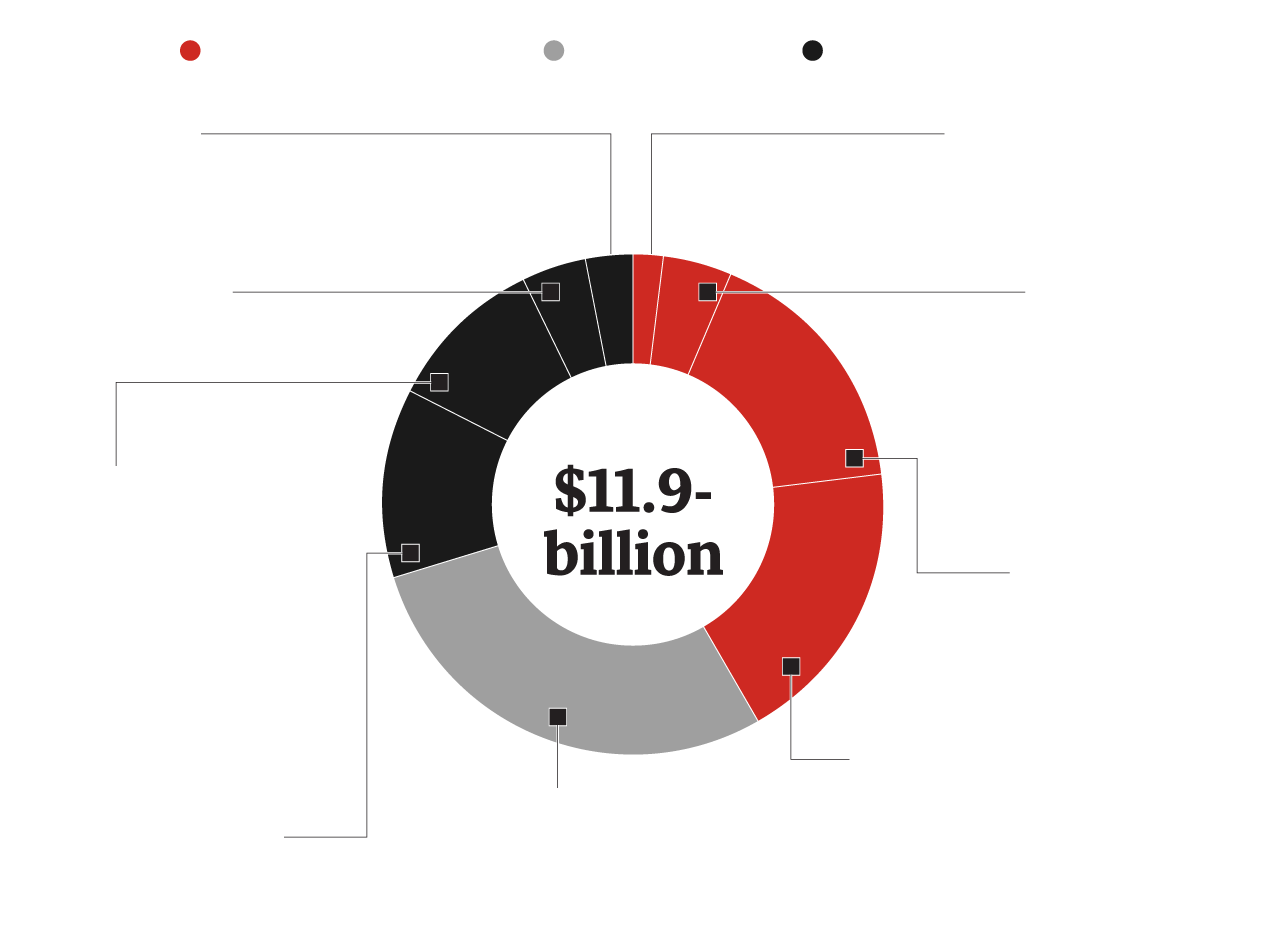
On Tuesday, the Liberals outlined plans for the first $11.9-billion of those funds, to be allocated in the next two to five years, with intentions to ramp up spending on larger and more ambitious unnamed projects years from now.
Initial spending is primarily focused on updating and repairing existing infrastructure systems – from affordable housing projects to faster Internet in remote areas. The money will largely be put to work alongside contributions from provinces and municipalities, and is touted as a way to boost employment and start to address climate issues.
"Some [investments] are urgently needed and require the government to act quickly," Finance Minister Bill Morneau said in his speech to the Commons. "But in every case, investments will be made with a focus on long-term value – so that Canadians will reap the benefits far into the future."
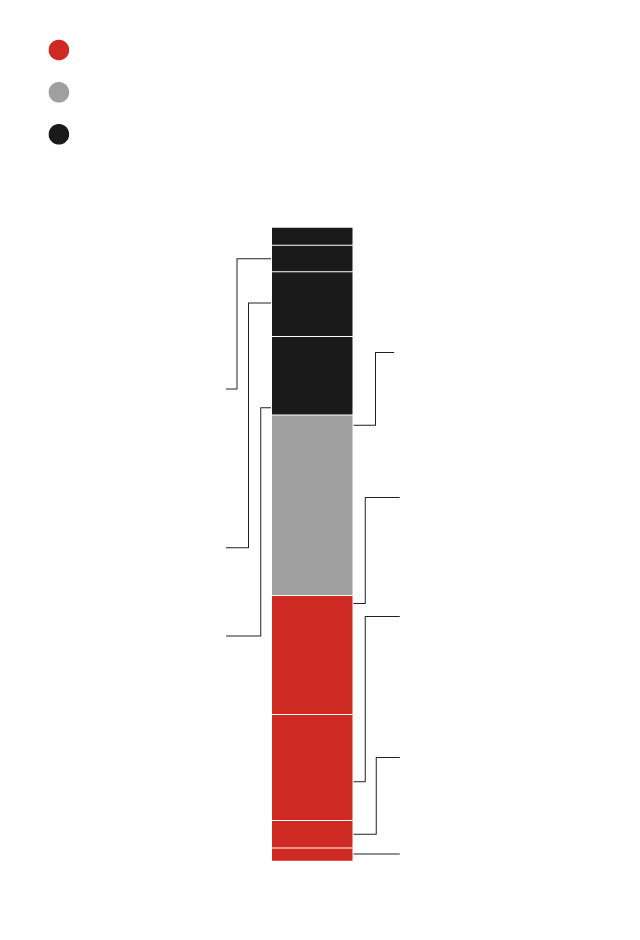
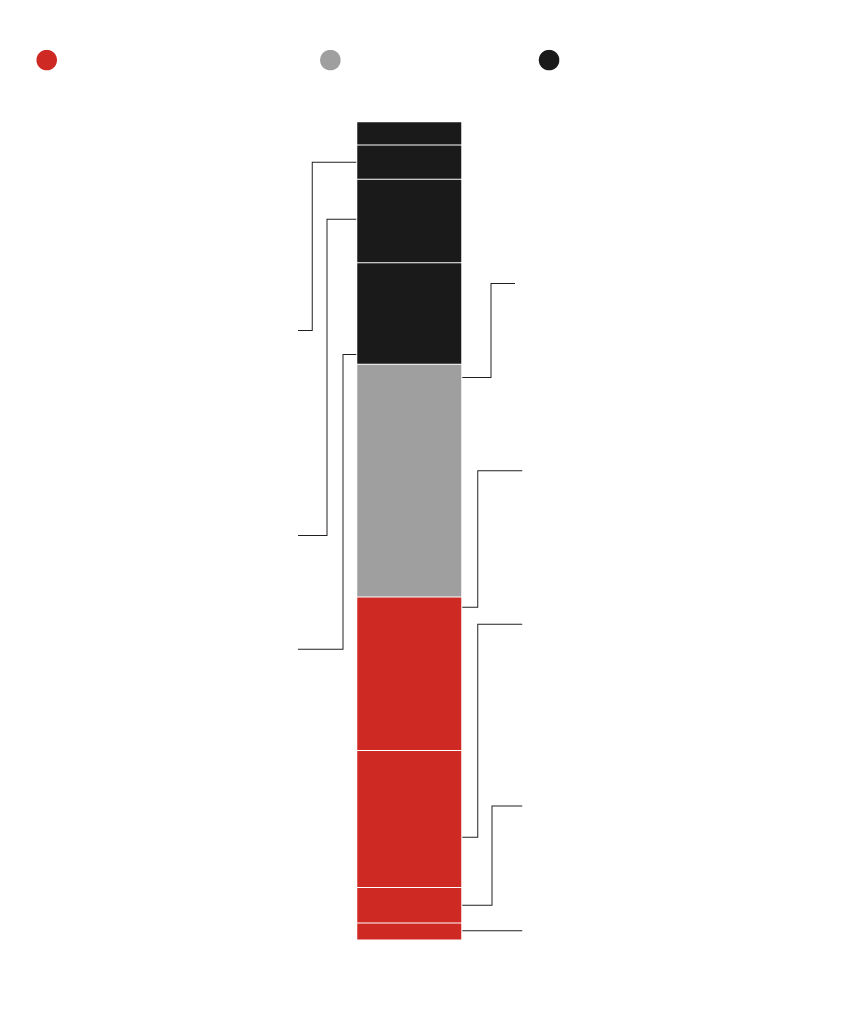
The federal government has allocated $3.4-billion in new funds for public transit projects across the country over the next three years. The budget highlights the Montreal Metro, Toronto Transit Commission and potential light-rail transit construction in Greater Vancouver and Ottawa as projects that could get funding. The government plans to spend the most in Ontario, which is poised to receive nearly $1.5-billion.
Green infrastructure, water and developments that reduce greenhouses gasses will get $5-billion worth of funding over the next five years. Money could be put toward flood-proofing to protect more homes and communities from water damage at a time when the frequency and severity of natural disasters is on the rise, the document suggests. New pools of money, such as the Clean Water and Wastewater Fund, worth $2-billion over four years, are being created to bolster water distribution and treatment systems.
While the budget outlines new funds being created to allocate this capital, the government has provided few details on how projects will be chosen or how they will receive funding.
Social infrastructure is a broad spending category that encompasses affordable housing developments, shelters, museums and parks. Over the next five years, the government plans to spend $3.4-billion on clean drinking water, health facilities and other community support to indigenous communities.
There is also $3.4-billion earmarked for spending on the maintenance and improvement of federal infrastructure over the next five years, such as $191-million invested in trails and highways in national parks.
Striking the right balance between "shovel ready" projects that can quickly get up and running and future building that can reshape a city has been a central tension in the government's plans to invest in infrastructure.
As the Canadian economy contends with a lower dollar, sunken commodity prices and unsteady global financial markets, there's a demand for projects that can quickly spur development. Against those demands, the government must balance projects that will take more time, but could better support economic development in the long term.
Over the next decade, these three investment areas of transit, green and social infrastructure will receive even more new funding. In the 2016 to 2017 fiscal year, the government will spend less than $4-billion, but by 2025 to 2026, nearly $10-billion in new spending is expected to be committed.
There are scant details on what Canada's infrastructure investment plan will look like 10 years from now. Focus areas include transportation – both within cities and across trade corridors – and reining in the "carbon footprint of the national energy system."
"People are really interested in Phase Two and we didn't get much on Phase Two," said Kevin Page, former parliamentary budget officer and research chair at the University of Ottawa. He added a deeper analysis of the country's infrastructure needs should have been done.
The budget notes that Statistics Canada will begin to collect more detailed data on infrastructure to determine the condition and performance of significant assets for all levels of government.
Five years of infrastructure spending
Five-year total, in millions of dollars
Green infrastructure
Public transit
Social infrastructure
Cultural and recreational
$342
Public Transit
Infrastructure Fund
$3,400
Early learning and child care
$400
Water, wastewater and waste management infrastructure for First Nations communities
$2,242
Social infrastructure investments in First Nations, Inuit and northern communities
$1,219
Clean Water and Wastewater Fund
$2,000
Affordable housing
$1,481
Climate change
mitigation and
adaptation
infrastructure projects
$518
Supporting municipal capacity-building
$250
Green infrastructure
Public transit
Social infrastructure
Cultural and recreational
$342
Supporting municipal capacity-building
$250
Early learning and child care
$400
Climate change mitigation and adaptation
infrastructure projects
$518
Total
Social infrastructure investments in
First Nations
Inuit and northern communities
$1,219
Clean Water and Wastewater Fund
$2,000
Water, wastewater and waste management infrastructure for First Nations communities
$2,242
Public Transit Infrastructure Fund
$3,400
Affordable housing
$1,481
Green infrastructure
Public transit
Social infrastructure
Cultural and recreational
$342
Public Transit
Infrastructure Fund
$3,400
Early learning and child care
$400
Water, wastewater and waste management infrastructure for First Nations communities
$2,242
Social infrastructure investments in First Nations, Inuit and northern communities
$1,219
Clean Water and Wastewater Fund
$2,000
Affordable housing
$1,481
Climate change
mitigation and
adaptation
infrastructure projects
$518
Supporting municipal capacity-building
$250

Green infrastructure
Public transit
Social infrastructure
Supporting municipal capacity-building
$250
Cultural and recreational
$342
Climate change mitigation and adaptation
infrastructure projects
$518
Early learning and child care
$400
Total
Social infrastructure investments in
First Nations
Inuit and northern communities
$1,219
Clean Water and Wastewater Fund
$2,000
Water, wastewater and waste management infrastructure for First Nations communities
$2,242
Public Transit Infrastructure Fund
$3,400
Affordable housing
$1,481