The vast majority of new products fail. Here's a look at some prominent flops from the past.
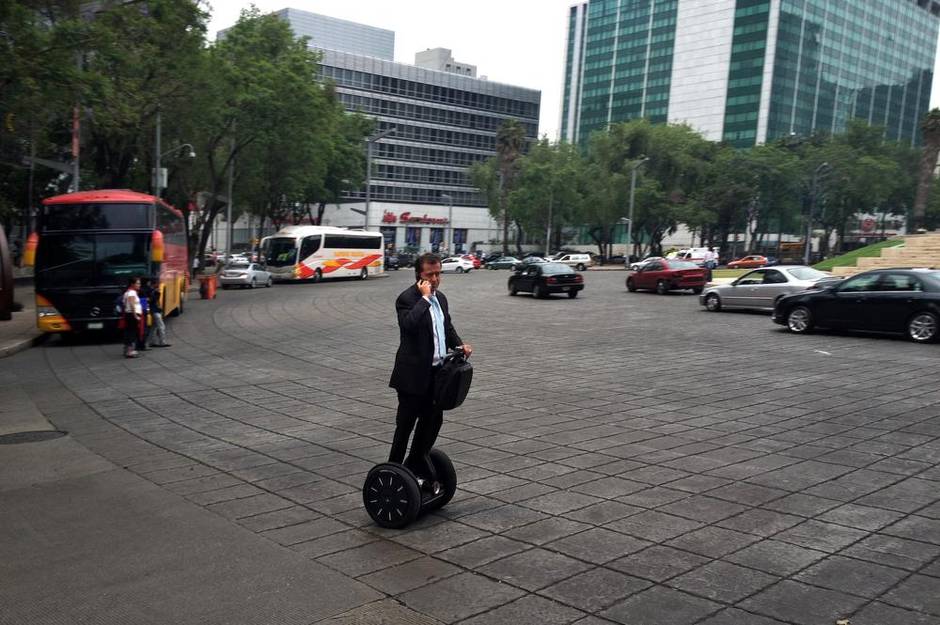
The Segway
Before the overhyped, two-wheeled contraption launched in 2001, the Segway’s inventor, Dean Kamen, predicted it “will be to the car what the car was to the horse and buggy.”
Not so much.
Despite roughly $100-million spent on product development, the Segway was never priced right to catch on. In some cities, safety concerns led to banning the vehicles on sidewalks. By September, 2006, the company had sold only 23,500.
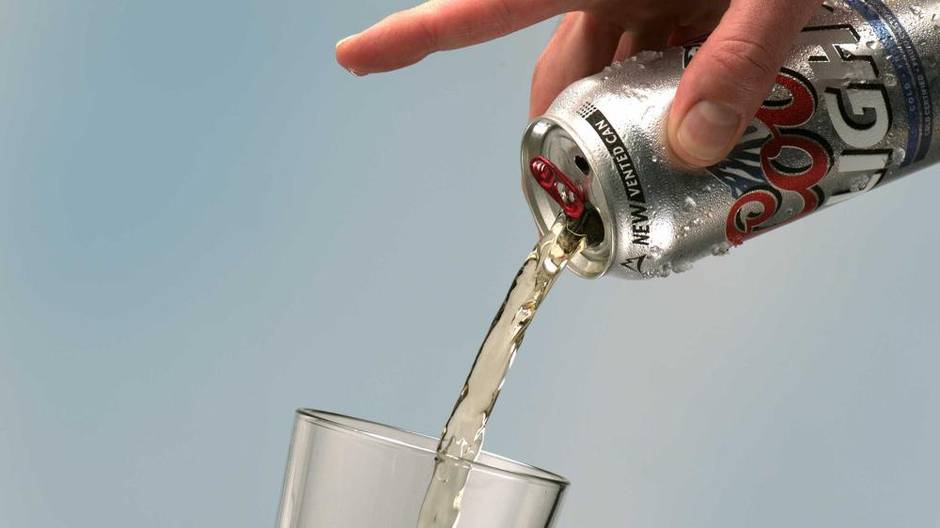
Coors Rocky Mountain Sparkling Water
In 1990, Coors saw the growing market for bottled water and decided it wanted in. After all, its marketing had boasted of the crystal-clear rocky mountain water that went into its beer for years. It offered the product in plain, lemon lime and cherry.
“Bottled water is the fastest-growing beverage category in America,” brand development manager John Recca said at the time.
Turned out no one wanted to buy water branded by a beer company. It was discontinued.
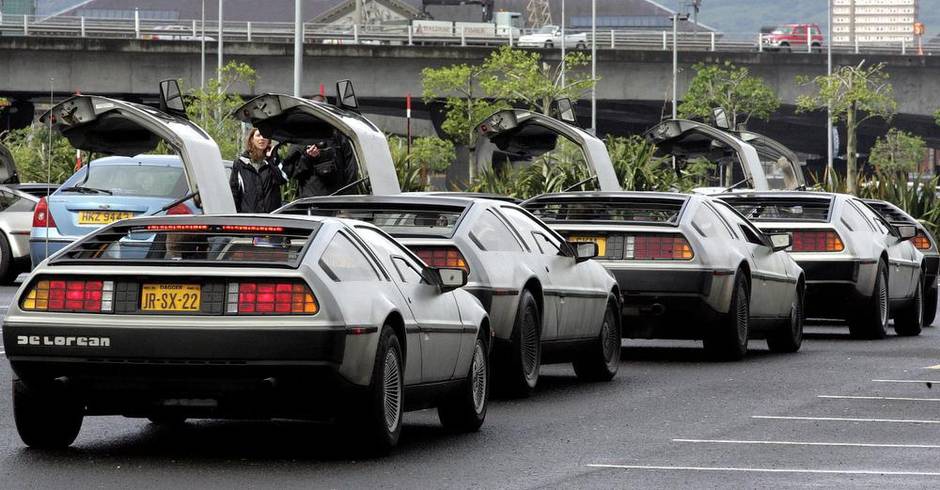
DeLorean
Sure, it holds a special place in the hearts of eighties children thanks to a starring role in Back to the Future. But by the time the movie came out, the real life DeLorean – sans time travelling capabilities – had already faltered. The futuristic cars with the top-hinged doors hadn’t sold well, and the company went bust in 1982 after turning out roughly 9,000 units.
Nostalgia is a powerful marketing tool, however. One company in Texas bought the trademark and is dedicated to reselling used DeLoreans and refurbishing old models for a niche crowd of enthusiasts.
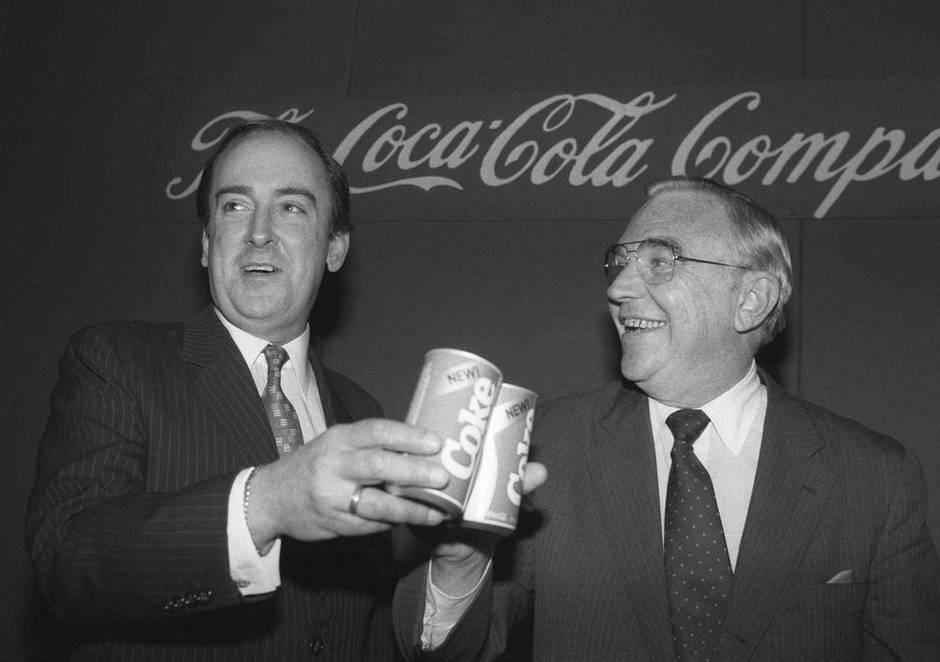
New Coke
The ne plus ultra of brand failures, New Coke seems destined to be a business school case study forever.
In 1985, Coca-Cola Co. was feeling the heat in its competition with Pepsi. Coke was entrenched in American culture, but the competitor was having success marketing itself as the soft drink of choice for the younger generation. By 1983, Coke’s market share had dropped to a record low of less than 24 per cent. The Pepsi Challenge was claiming that its product tasted better.
So Coke worked on a new recipe, and did 200,000 taste tests of its own. Once it was sure it had a winner, it replaced its 99-year-old flagship product with New Coke. It vastly underestimated consumers’ link to its heritage. Outraged letters poured in, and people threatened boycotts. In less than three months, the company was forced to bring back the original Coke, naming it “Classic” for good measure.