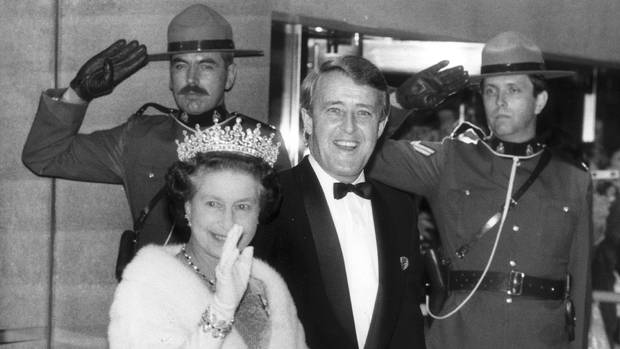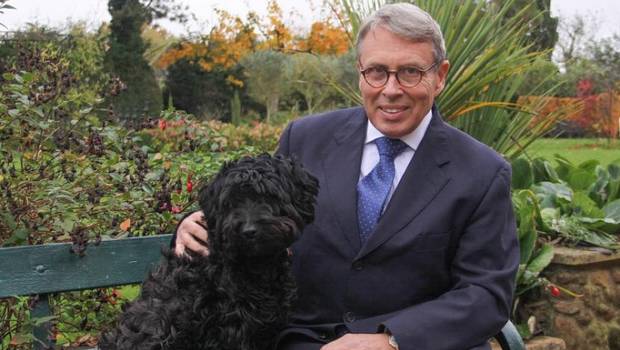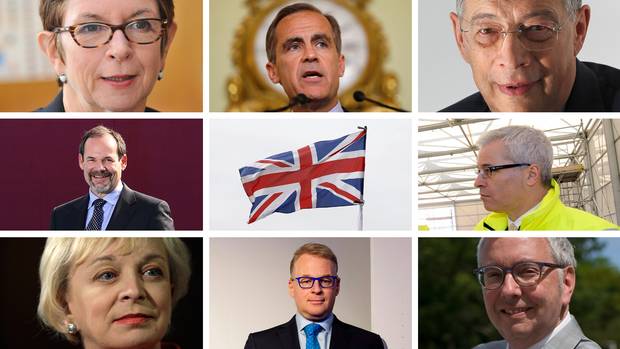
Stephen Toope, bottom right, is the latest of several Canadians in charge of key British institutions.
The nomination of Stephen Toope as vice-chancellor of Cambridge University has added to the growing number of Canadians in prominent positions in Britain. From the Bank of England to Heathrow Airport and Wimbledon, more Canadians than ever are running some of Britain's most important institutions.
And Canadian companies and pension funds own more of Britain too. That includes landmarks such as the London City Airport, the company behind the National Lottery and Vue Cinemas, one of the largest theatre chains in Europe. (Read more on this below.)
Prime Minister Theresa May's government has been calling on Canadian trade and immigration experts as the country prepares to negotiate its exit from the European Union.
Here's a look at some of the high-profile Canadians in Britain and how they are doing.
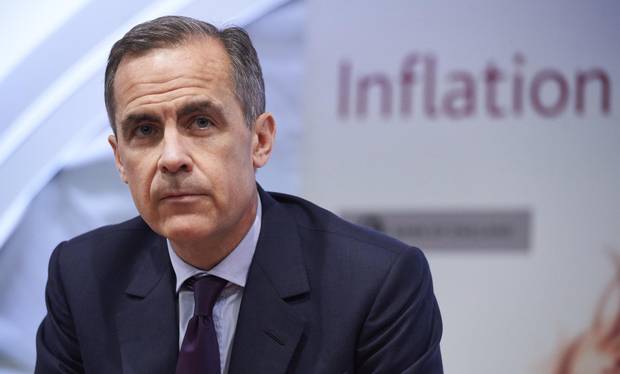
Mark Carney, governor of the Bank of England
NIKLAS HALLE’N/ASSOCIATED PRESS
Mr. Carney became the first foreigner to run the Bank of England in its 322-year history, on July 1, 2013.
After a smooth start, he ran into trouble when some economists questioned his forward guidance policy, which involved linking future interest-rate hikes with unemployment. Critics called it confusing and ineffective.
But his biggest challenge has been Brexit. Mr. Carney faced harsh criticism during the referendum campaign from Brexit backers who accused him of being partisan and issuing dire warnings about the impact of Britain leaving the European Union. He said he was only doing his job by pointing out the risks, but the animosity remained among some Brexiteers after the vote.
Mr. Carney has won kudos for moving quickly to support the economy in the wake of the vote by lowering the bank's key interest rate and easing some banking restrictions to free up money for lending. But he also faced surprising criticism this month from Ms. May, who openly questioned the bank's interest-rate policy and quantitative easing strategy, saying they were having "bad side effects" and that "change has got to come and we are going to deliver it."
It hasn't helped that Mr. Carney was recruited by former chancellor of the exchequer George Osborne, who has been dumped by Ms. May.
When Mr. Carney took the post, he agreed to stay for five years instead of the eight-year term. After much speculation about his intentions, he announced on Monday that he will stay on as governor until the end of June, 2019, extending his stay by one year.
Normand Boivin, chief operating officer of Heathrow Airport
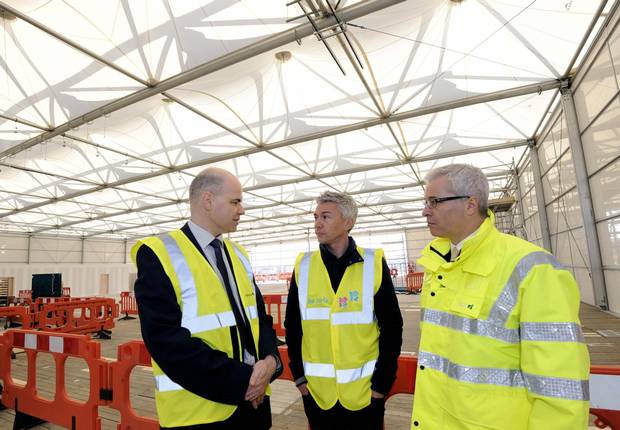
Normand Boivin, right, is chief operating officer at Heathrow Airport.
ARCHANT LONDON
Mr. Boivin joined Heathrow in 2011 from Aéroports de Montreal, in part to help the airport better tackle winter weather.
The airport's main priority now is encouraging the government to back its controversial plan for a third runway, which would cost up to £19-billion ($30-billion). Heathrow is competing against a rival proposal from Gatwick Airport for a second runway and the government has spent years studying the issue.
Ms. May has backed the Heathrow option, but a final decision won't come for another year when MPs vote on the project. The delay has frustrated many business groups, but the Prime Minister is conscious of splits within her own government over the issue. Foreign Secretary Boris Johnson, the former mayor of London, bitterly opposes the Heathrow runway and has said he will lie down in front of bulldozers to stop the construction of a third runway. And one Conservative MP has resigned over the issue.
Mr. Boivin and other Heathrow executives have argued that the airport needs another runway in order to better serve passengers and keep up with global competitors such as Dubai International Airport.
George Iacobescu, chief executive officer of Canary Wharf Group Plc.

SIMON DAWSON/BLOOMBERG
In the late 1980s Toronto developer Paul Reichmann sent Mr. Iacobescu to London to turn a derelict part of the docklands district into a thriving financial centre. Today, Sir George (he was knighted in 2011) still oversees Canary Wharf, which includes 36 buildings and is now home to some of the world's largest financial firms.
And there is much more to come, with the construction of dozens of office towers, condominiums, retail outlets and recreational facilities. By 2030, about 240,000 people will live and work on what was once better known as the Isle of Dogs.
But Brexit poses a challenge. Britain's financial firms could lose so called passport privileges once outside the EU, which allow firms to base in the United Kingdom and provide services across the EU, and the commercial real estate sector in London has slowed since the Brexit referendum in June.
Sir George isn't happy with Brexit and he campaigned for the country to remain in the EU. But he is convinced that Canary Wharf can weather any Brexit slowdown.
Keith Pelley, CEO of the European Tour

NATHAN DENETTE/THE CANADIAN PRESS
When Mr. Pelley left Rogers Media last year to take over as CEO of the European Tour, he saw it as a dream come true. He is a golf fanatic and running the world's second-largest professional golf tour hardly seems like work.
But he's not coasting. He has introduced a number of radical changes to the London-based tour, including "Beat the Pros" contests, a six-hole playoff and a bid to get into Guinness World Records for playing the fastest hole. And he's keen to do much more, such as introducing a shot clock and putting microphones on players during tournaments.
Many of the innovations are aimed at keeping players from bolting to the much more lucrative PGA Tour, run out of the United States.
For now though, Mr. Pelley is still adjusting to life in Britain. "Nobody told me that it gets dark at 3:30 [in winter] and nobody told me about the rain. I own five umbrellas," he said in a recent interview.
Michael Downey, CEO of the Lawn Tennis Association
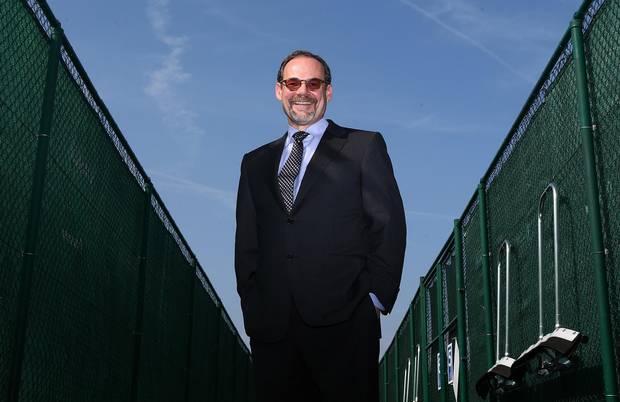
JAN KRUGER/GETTY IMAGES FOR LTA
These should be the best of times for Mr. Downey, who has led British tennis for nearly three years after spending more than a decade running Tennis Canada.
Andy Murray is closing in on the No. 1 ranking and Britain won the Davis Cup in 2015 for the first time in 79 years. Mr. Murray also won this year's Wimbledon tournament, which is run by the LTA, beating Canadian Milos Raonic, someone Mr. Downey knows well from his many years with Canadian tennis.
But Mr. Downey and the LTA have faced criticism from Mr. Murray and others for the state of British tennis, which they argue hasn't capitalized on the success at the top level.
Mr. Downey says he is pressing ahead with plans for a Tennis for Kids program, a free six-week course for children five to eight years old. He says he accepts the criticism, and that it's now up to the LTA to respond.
Moya Greene, CEO of Royal Mail
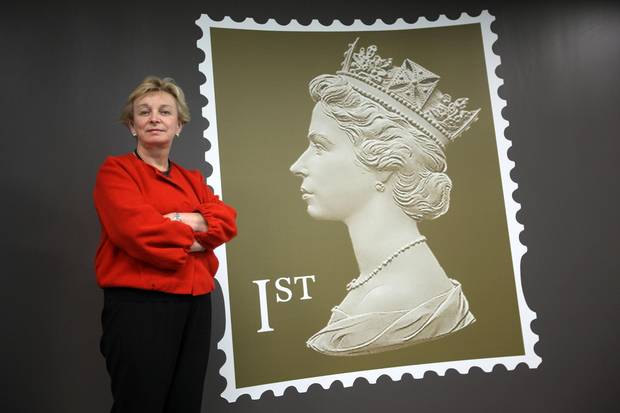
RANDY QUAN FOR THE GLOBE AND MAIL
Ms. Greene made history when she was named CEO of Royal Mail in 2010, coming over from Canada where she had been head of Canada Post. She was the first woman and first non-Briton to run the country's postal service since it was created in 1512 by Henry VIII.
Since then, she has moved to slash costs, battle unions and privatize the corporation with a share listing on the London Stock Exchange.
Turning the company around is no easy task. Royal Mail has 150,000 employees and nearly £10-billion in annual revenue. Like many other postal services, it is grappling with changing consumer habits and rising competition from Amazon. It's also facing a potential slowdown in Britain because of Brexit.
Wendy Thompson, managing director of the Norfolk County Council
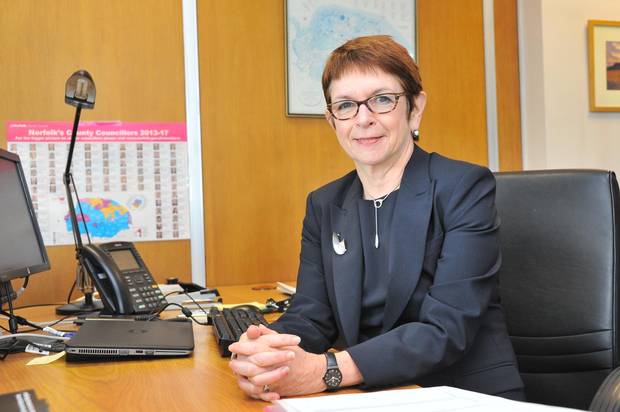
SIMON FINLAY/ARCHANT NORFOLK
Dr. Thompson has been the managing director of Norfolk County Council for just over two years. She is the top-ranking non-elected official at the county council, which oversees a largely rural part of eastern England with a budget of £1.5-billion.
Dr. Thompson, who is from Montreal, has worked at local councils in London and served as an adviser to former prime minister Tony Blair.
Her job in Norfolk has been made particularly difficult by a push to cut costs, streamline services and consider plans for the creation of a new authority that would combine Norfolk and neighbouring Suffolk chaired by a new elected mayor.
BUSINESS
Seven major Canadian-owned enterprises in Britain and Ireland
by Jacqueline Nelson

People walk through Canary Wharf, London’s financial district, on Sept. 8, 2016.
KEVIN COOMBS/REUTERS
Canary Wharf
Owners: Toronto-based Brookfield Property Partners and the Qatar Investment Authority
Location: London
Investment date and price: On April 20, 2015, the investors completed their takeover of Canary Wharf Group through the £2.6-billion acquisition of Songbird Estates PLC.
About: Canary Wharf Group has been redeveloping approximately 40 hectares of docklands into office and retail space. This financial district in London boasts five malls – with more than 300 shops and restaurants – and the centrally-located One Canada Square skyscraper.
London City Airport
Owners: Ontario Teachers' Pension Plan, Ontario Municipal Employees Retirement System's Borealis Infrastructure, Alberta Investment Management Corp. and Wren House, an arm of the Kuwait Investment Authority.
Location: London
Investment date: Feb. 26, 2016
Price: About £2-billion ($4-billion)
About: Investors were drawn to the busy business airport for its potential for expansion and proximity to the Canary Wharf financial district. Teachers' portfolio also contains investments in other airports such as Birmingham Airport and Bristol Airport in the U.K.
Irish Life Group Ltd.
Owners: Winnipeg-based Great-West Lifeco Inc.
Location: Dublin
Investment date: Feb. 19, 2013
Price: $1.75-billion
About: After establishing a presence in Ireland through its Canada Life business in 1903, Great-West had been looking to expand through the acquisition of Irish Life since 2011. The insurer wound up walking away from the business as waves of downgrades, bailouts and government spending cuts swept across Europe, leaving the Irish government to step in and acquire it. Two years later, the economic climate had steadied and Great-West moved in.
UK National Lottery
Owner: Ontario Teachers' Pension Plan
Location: Watford, U.K.
Investment date: March 25, 2010
Price: £389-million
About: The pension plan bought Camelot Group PLC, which has an exclusive license to operate the U.K. National Lottery, drawn to its "steady cash flow and growth potential over a long term."
Vue Entertainment
Owner: Ontario Municipal Employees Retirement System in partnership and Alberta Investment Management Corp.
Location: London
Investment date: June 10, 2013
Price: £935-million
About: Vue operates a range of movie theatres in the U.K., and in other countries including Germany, Denmark and Taiwan. The company had been acquiring cinemas aggressively in the years leading up to the investment by OMERS and AIMCo and continued to do deals afterward. In 2015, Vue bought the second-largest movies theatre chain in the Netherlands, for €85-million ($125-million). The company now has more than 1,875 screens and 8,500 staff.
Associated British Ports (ABP)
Owner: Canada Pension Plan Investment Board, with Hermes Infrastructure
Location: England, Scotland and Wales
Investment date: March 31, 2015
Price: $2.9-billion
About: ABP has a large network of 21 ports across England, Scotland and Wales. In 2006, a consortium led by Goldman Sachs that included OMERS' Borealis Infrastructure won a bidding war to take the company private for $5.1-billion (U.S.). About a decade later, Canada Pension Plan Investment Board and Hermes Infrastructure swooped in to take a stake of at least 30 per cent in the business.
Survitec Group Ltd.
Owner: Onex Corp.
Location: Southampton, U.K.
Investment date: Jan. 12, 2015
Price: $680-million (U.S.)
About: Private equity firm Onex Corp. bought this survival gear maker which employs 2,000 workers and operates seven manufacturing facilities around the world. The company makes life rafts, submarine rescue systems, survival suits and other equipment for industries such as marine, defence and aerospace.
MORE FROM THE GLOBE AND MAIL