

Forgive me for saying this, but I don’t really feel like I am covering an Olympics at the Milan Cortina Winter Olympics. I feel I am covering a bunch of isolated World Cups.
Take my opening day in Bormio, about three hours by car north of Milan, deep in the Italian Alps. Bormio hosts the men’s alpine sports – only them, nothing else. The small medieval town hugs the base of the savage Stelvio ski run, which was the site of the men’s downhill on Feb. 7.
The spectators perched on the makeshift grandstand were enthusiastic but numbered no more than a couple of thousand, by my guess. The streets behind the grandstand were mostly blocked off and hardly infused with energy. Were it not for the few Olympic flags and rings here and there, you would never have guessed that you were at an Olympic site.
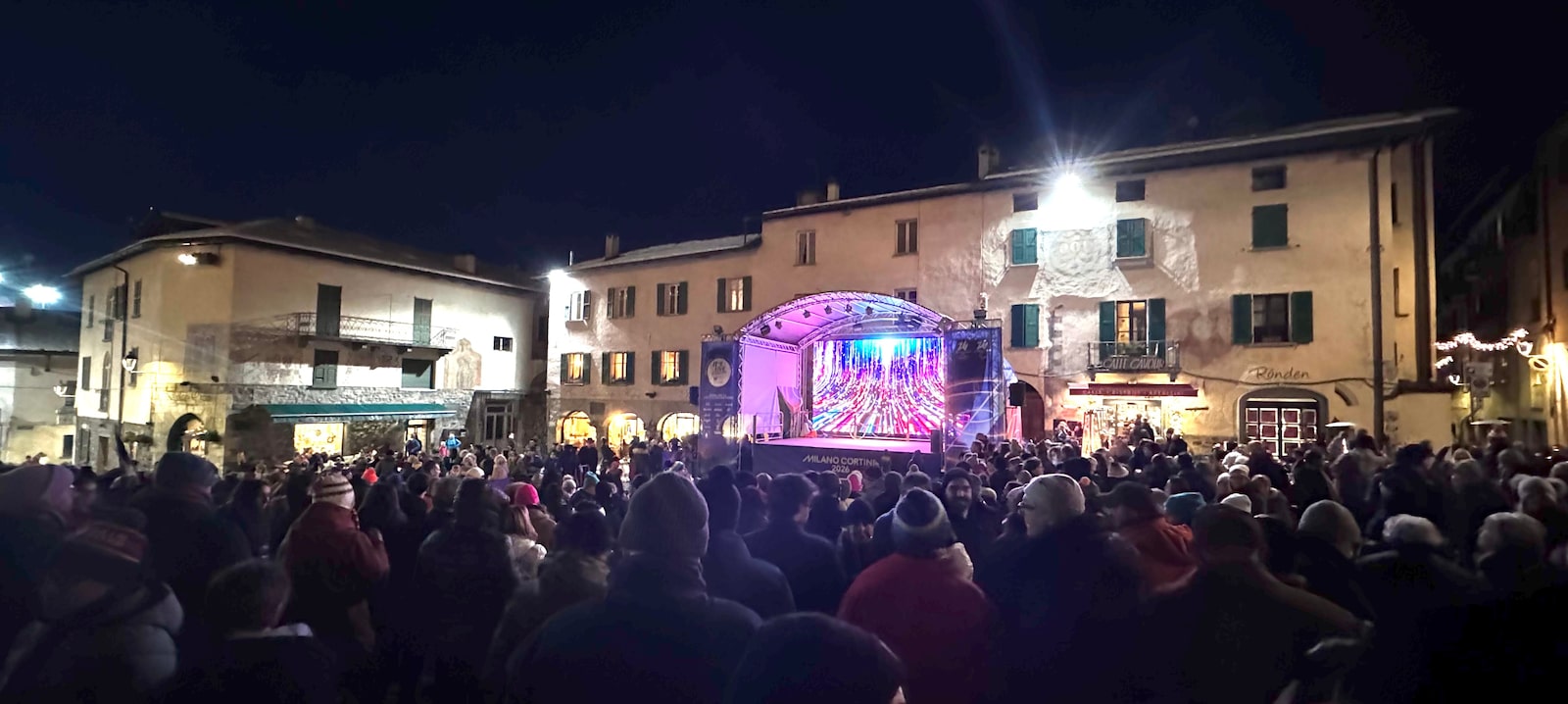


Repeat elsewhere in the Games. The feeling of isolation, of not being part of the greater Olympic fun-fest, was, in effect, planned. In 2019, when Italy won the right to host the 2026 Games, the Italian organizers, backed by the International Olympic Committee, devised a new strategy: Spread the events all over the map.
They did so to keep costs down – or so the argument went. Cortina, for instance, had hosted the 1956 Winter Olympics and had some structures in place that could be tweaked for 2026. The other argument was regional development. They wanted events, and visitors, dispersed across northern Italy.
The Italian edition of the Olympics became the most decentralized Games in history, covering regions spanning some 22,000 square kilometres.
Nice idea to spread the goodies around, but the concept doesn’t work, in my opinion, and the opinion of others – visitors, journalists, national Olympic organizations – who are dealing with the enormous travel times.
“It’s not an ideal set-up,” Thérèse Brisson, the former Olympic hockey player who is the chief executive of Alpine Canada Alpin, told me. “We have had to double up on support staff here because we can’t keep them all in one village. I hope we can get back to more compact Winter Games in the future.”
So Milan Cortina is a misnomer. There are actually nine Olympic sites, not two. Other than Bormio, they include Milan (skating, hockey); Livigno (freestyle skiing); Cortina D’Ampezzo (women’s alpine skiing); Predazzo (ski jumping); and Tesero (cross-country skiing). Milan hosted the opening ceremonies and Verona will host the closing ones.
Even the events theoretically in Milan are not really in it. The hockey and speed-skating rinks are buried in grim, distant suburbs, where the sense of central Milan’s history, energy and beauty is entirely absent. You could be in suburban Toronto or Dallas for all you knew.

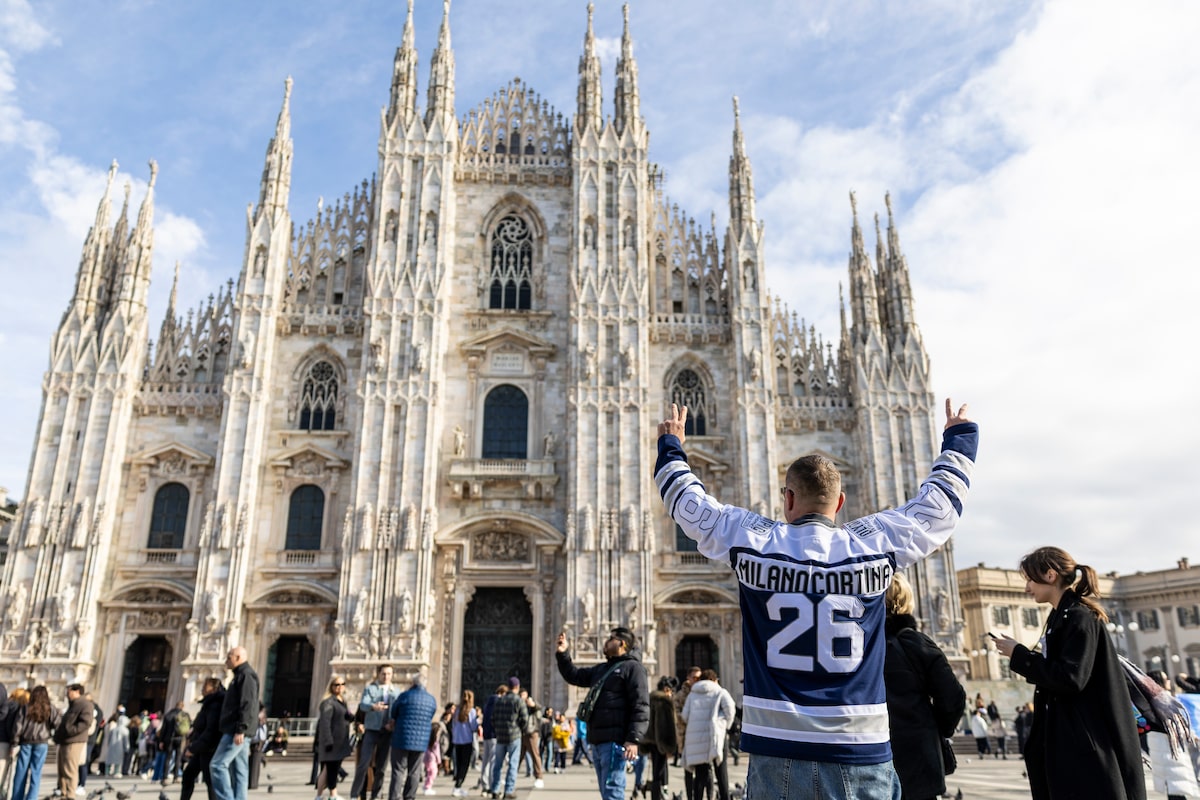

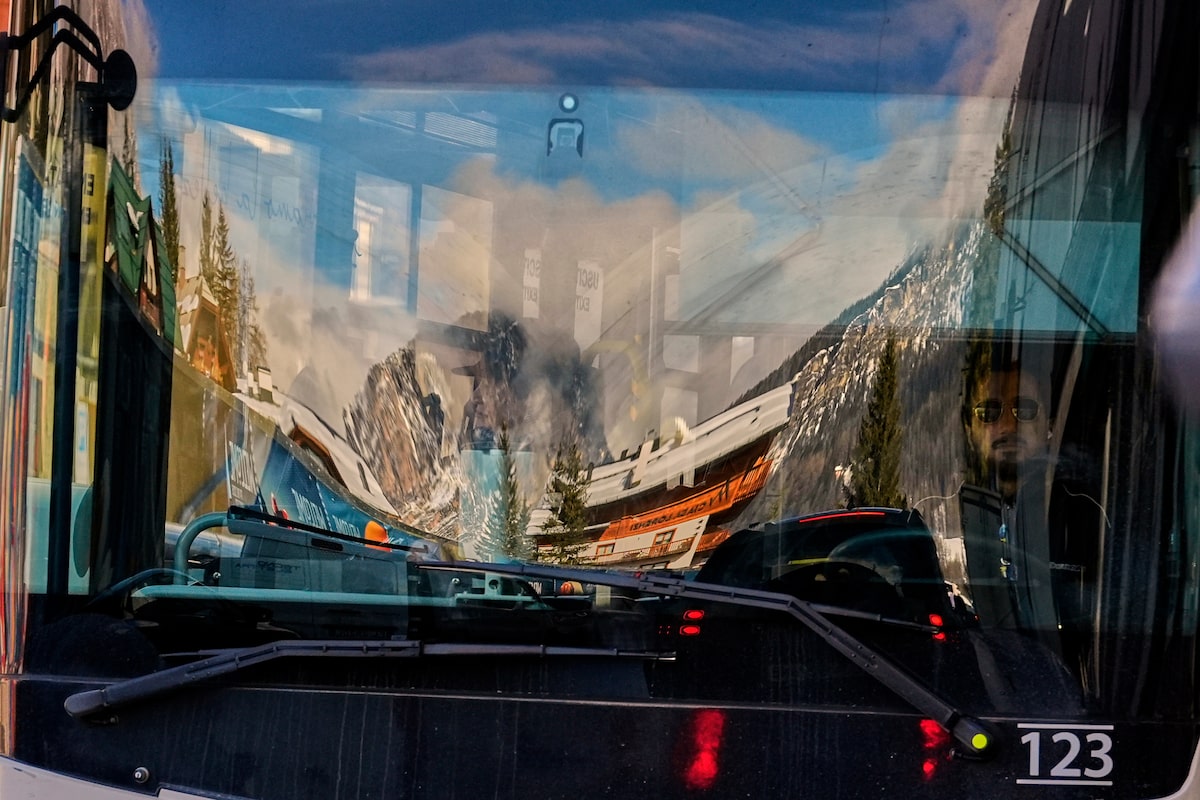
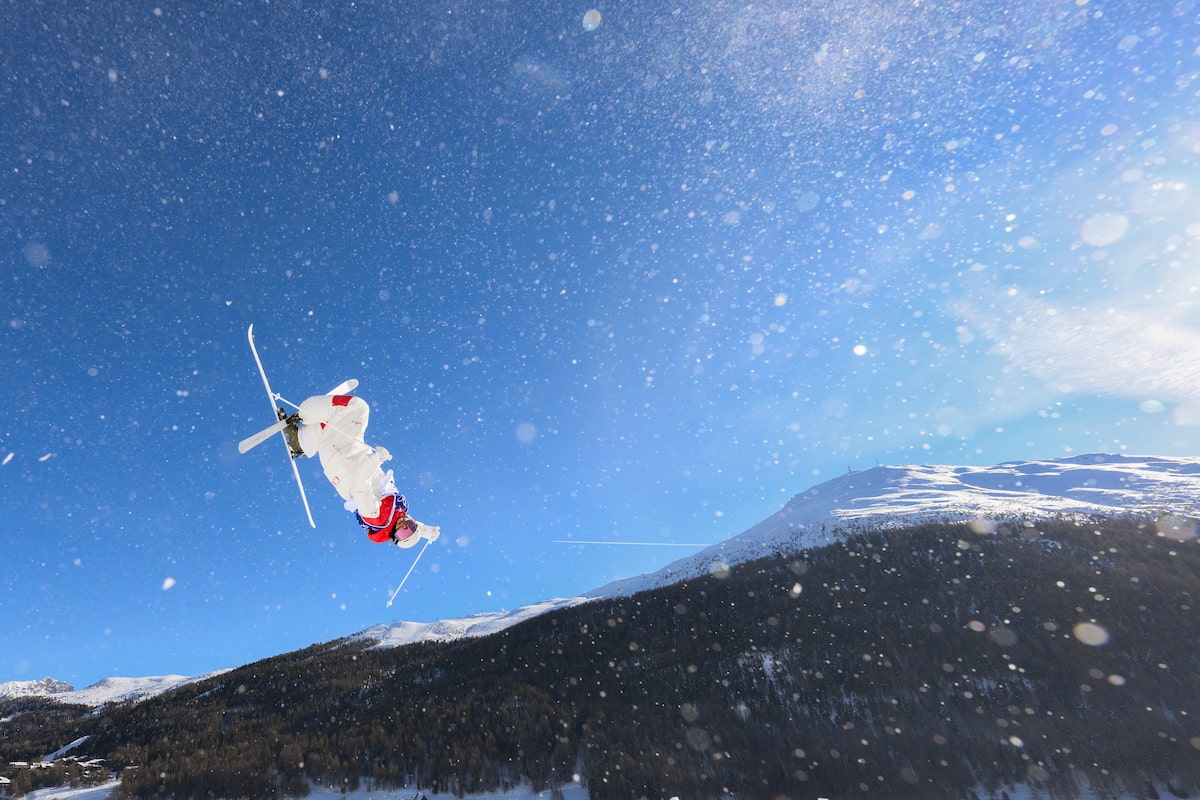
The Games don’t work if you would like to see different sports. Bormio to Cortina is a drive of 300 kilometres. In the winter, on possibly icy roads, budget six hours for that journey. Bormio to Livigno is just under 40 kilometres, a route I have driven almost every day in the last week. Theoretically, it should take a bit more than half an hour. Most days, the heavy bus traffic along the narrow alpine roads means it takes take an hour and a half or longer. Then you have to find parking.
The distances are so great that the Olympic schedule makers had to cancel a few events that were in previous Games. The mixed-team parallel team event, a slalom format, with men and women competing with one another, had to go because the men and women skiers were housed nowhere near each other.
It didn’t have to be this way. With more planning and perhaps more investment, the events could have been grouped into three or four sites as opposed to nine. Bormio could have hosted both the men’s and the women’s alpine events, for instance. Either Bormio or Livigno could have added other sports, from ski jumping to cross-country skiing, to their event portfolios.
Milan-Bormio-Livigno would have been logistically far simpler for spectators and national Olympic staff. Also journalists. With the endless budget cutbacks, many media outlets are leaving some sports uncovered because they can’t get their reporters and video crews to them.
Ultimately, the spectators suffer the most, because getting from one Olympic site to another in the same day is, at best, a slog; at worst, impossible. The Olympic organizers wanted armies of paying spectators. What they seem to have assured is that TV coverage is the best option. Let’s hope Milan Cortina’s all-over-the-map format is not repeated.

Aleksandra Szmigiel/Reuters
Follow our live daily coverage of the Winter Games.