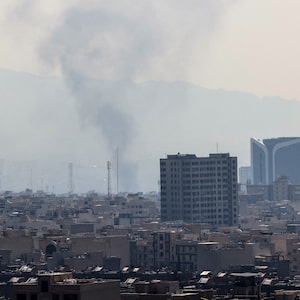
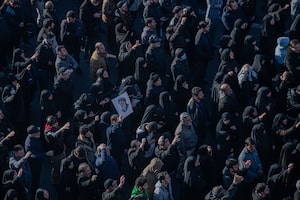
The most recent Middle East conflict started Feb. 28, 2026, when the U.S. and Israel launched co-ordinated military attacks on Iran, targeting critical infrastructure including nuclear facilities, and killing the country’s supreme leader, Ayatollah Ali Khamenei.
Iran responded with a wave of retaliatory missile and drone attacks directed at Israel and countries across the Gulf region that are home to several U.S. military bases. Strikes have hit Qatar, Bahrain, Oman, Jordan, Syria, the United Arab Emirates, Azerbaijan, Kuwait, Saudi Arabia, Iraq, as well as Cyprus.
Lebanon was drawn into the conflict after militant group Hezbollah, long backed by Iran, launched a volley of rockets at Israel, an attack it said was retaliation for the U.S.-Israeli strike. Israel has responded with air strikes largely focused in the southern suburbs, southern Lebanon and eastern Lebanon.
The conflict has sent oil prices soaring and shed new light on the importance of the Strait of Hormuz, a narrow waterway that links Persian Gulf energy exporters with global markets. Iran’s Islamic Revolutionary Guard Corps declared Wednesday it has taken control of the passageway, halting most vessel traffic and choking off the flow of Middle Eastern oil and gas.