
The ancient artifacts at the Sudan National Museum in Khartoum fared poorly during its occupation by paramilitary groups, recently driven by forces loyal to the government.AFP via Getty Images
Early in 2023, the curators of the Sudan National Museum were filled with excitement. A multimillion-dollar renovation was nearing completion, and their vast collection would soon take its place on the global stage with the world’s great museums.
The building in Khartoum contained more than 100,000 objects from 5,000 years of Sudanese history: treasures from the pyramids and temples of some of Africa’s oldest civilizations, including the famed Kingdom of Kush. Delicate objects, carefully packed in storerooms, had been preserved for the reopening, and the curators had prepared an audio guide for the anticipated crowds.
And then, on April 15, 2023, the city erupted into a catastrophic war. The curators fled. Bombs and missiles exploded, and Khartoum was cut off from the world. The museum was captured by paramilitary fighters, its fate unknown.
Two years later, with Khartoum recently recaptured by Sudan’s military, the first verified photos and videos are emerging from heritage officials who entered the museum – and the destruction is worse than anyone had imagined.
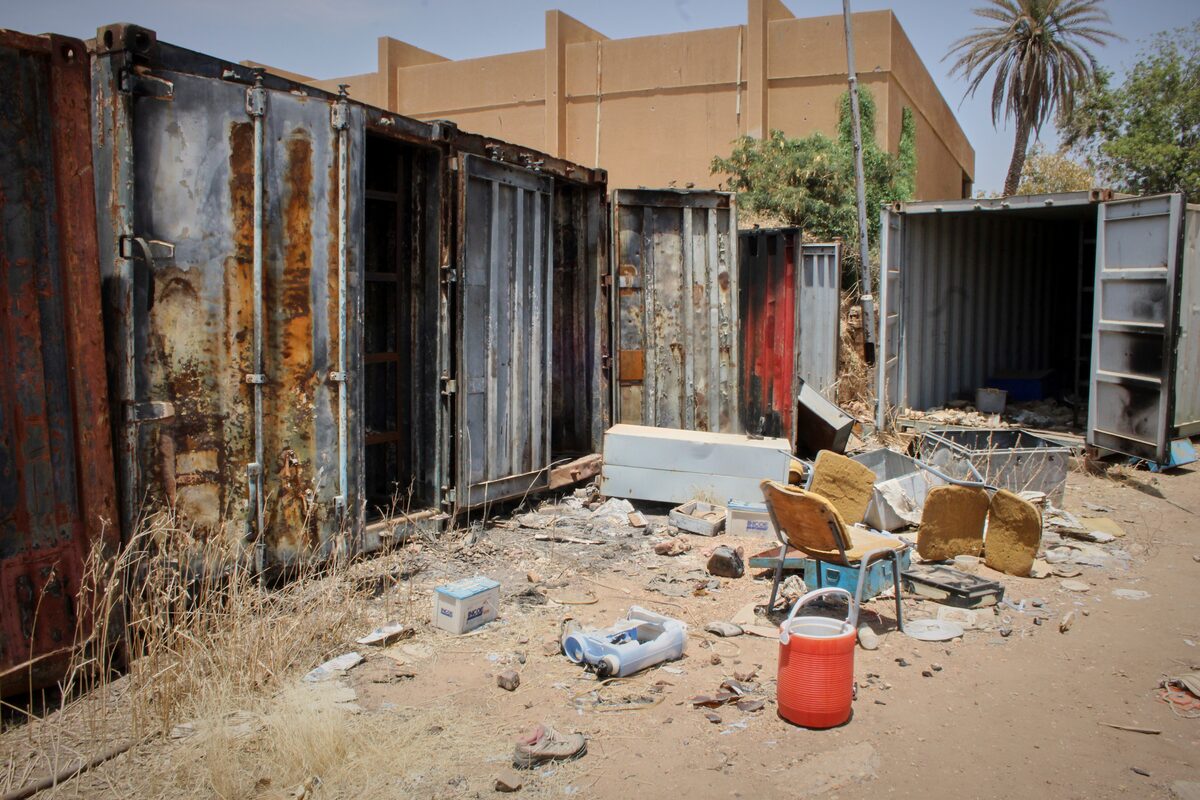
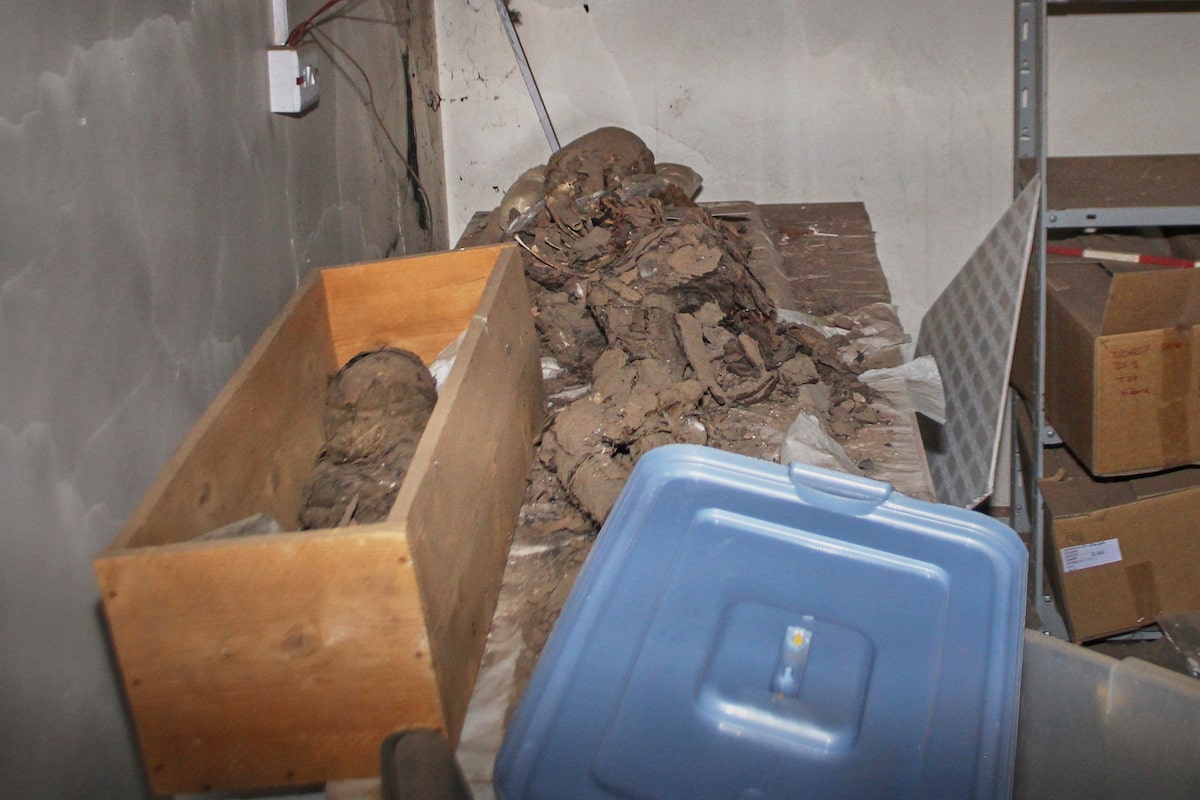
Display cabinets are shattered. Storage rooms have been looted, with irreplaceable ancient objects stolen and trucked away. A fortified room with unique golden objects was broken open and emptied. Laboratories and excavation containers were torched. Many of the museum’s treasures were simply smashed and abandoned on the floor. Embalmed mummies from the Nubian period were damaged.

Before the war, this Christian fresco depicting the birth of Jesus, recovered from Faras Cathedral in northern Sudan, was one of many treasures at the Khartoum museum.Arthur Larie/The Globe and Mail

In its heyday, the museum housed relics from ancient African kingdoms such as Nubia, Kush and Meroë. Curators are taking stock of what is missing or damaged.Courtesy of Sudan National Corporation of Antiquities and Museums
“We have the feeling of a terrible nightmare,” says Salaheldin Mohamed Ahmed, former director of fieldwork at Sudan’s National Corporation of Antiquities and Museums (NCAM).
“We still don’t believe what happened,” he told The Globe and Mail. “The disaster seems much more serious than had been anticipated.”
Ikhlas Alkrm, a senior curator at NCAM who worked in the National Museum, remembers the optimism of the renovation project. Then she thinks about the horrific images emerging from the museum today, and she is overcome by tears.
She lost her own house in Khartoum as the war intensified. “But that wasn’t as painful as seeing the museum looted and destroyed,” she says.
“It’s unspeakable. When we go back there, we won’t be able to see those objects that we worked with. They are gone now.”

Until last month, the museum and its environs were under the control of the Rapid Support Forces, which is still at war with the Sudanese government.AFP via Getty Images


Inside and out, the museum is littered with broken glass. A Meroitic lion statue still stands in the garden.Khaled Abd Al Gader/The Associated Press
The war, which marked its second anniversary on Tuesday, has devastated Khartoum and much of the country. The paramilitary Rapid Support Forces (RSF) are locked in a destructive power struggle with their former allies, the Sudanese army, in a battle that has descended into massacres and widespread sexual violence.
According to some estimates, at least 150,000 people have been killed. A further 13 million were forced to abandon their homes. Millions of children are malnourished, and famine has been declared in some regions.
Sudan’s ancient heritage – so rich that it boasts more pyramids than Egypt – has been extensively plundered by the RSF and other fighters during the two years of war. The National Museum in Khartoum is just one example of the destruction that has spread into many corners of the country.
Mr. Ahmed, who keeps careful track of the damage, has a detailed list of the threats to Sudan’s museums and archeological sites. In a few cases, curators were able to rescue their collections and hide them in safe places, but many other museums across the country have been ransacked, he says.
Tombs, palaces and colonial buildings have been damaged by bombing or by their RSF occupiers. Some ancient items have surfaced in online black-market sites as the looters seek to profit from their theft. Two trucks with smuggled goods from the museum were intercepted on Sudan’s southern border last September, but almost all the looted objects are still missing.
“These actions indicate a premeditated design to erase Sudan’s national cultural identity,” Sudan’s Foreign Ministry said in a statement this month. The destruction should be prosecuted as a war crime, it said.

Frescoes like this one, shown before the war, are among the best surviving examples of Christian Nubian art.Arthur Larie/The Globe and Mail
Even when ancient sites and museums have survived, they are often unprotected and vulnerable to damage from gold miners, farmers and newly arriving refugees. Most government departments have collapsed and their staff have fled, leaving sites without caretakers or guards. Some pyramids and temples have suffered damage from rainwater, humidity and encroaching sand dunes.
Earlier this month, Mr. Ahmed was alarmed to see the RSF launching a drone strike at a power station in the archeologically rich Meroë region. The explosions, just 30 kilometres from the famed pyramids of Nuri, raised the spectre of further damage in the region.
“The worst aspect of the situation is that it was done by a group of Sudanese – and possibly their foreign allies – to their own heritage,” said Krzysztof Grzymski, curator emeritus at the Royal Ontario Museum in Toronto, who conducted fieldwork at Sudan’s archeological sites for nearly four decades.
He sees parallels to the destruction of ancient sites in Iraq and Syria during the recent wars there. But Sudan’s history has its own unique value. “Sudan’s archaeological remains were extremely important as witnesses to the contacts and influences of the Mediterranean, Near Eastern and African civilizations,” he told The Globe. “The Nubian Nile Valley was often referred to as a ‘corridor to Africa.’”
Ms. Alkrm thinks of one of her favourite items from the National Museum: a tall glass chalice, decorated in gold with portraits of kings and gods, found in an ancient tomb from the Meroitic era when Sudan’s early civilization was flourishing. She can only hope that it somehow survived the destruction.
“Most of the unique objects were lost,” she says. “The next generation won’t be able to study them and discover new things about them.”
Video: A firsthand look at Khartoum’s destroyed museum
The Sudan National Museum has been wrecked by war: Most of its artifacts are stolen, with the paramilitary Rapid Support Forces blamed. Officials are assessing in hopes of one day restoring it.
The Associated Press