
A combine loads a truck whith grain while harvesting wheat in the Russia-controlled village of Muzykivka, Ukraine, on July 26.ALEXANDER ERMOCHENKO/Reuters
At first glance the port of Chornomorsk, tucked along Ukraine’s Black Sea coastline, looks like a picture of calm. The water is still and rows of giant loading cranes stand largely silent next to a dozen or so cargo ships.
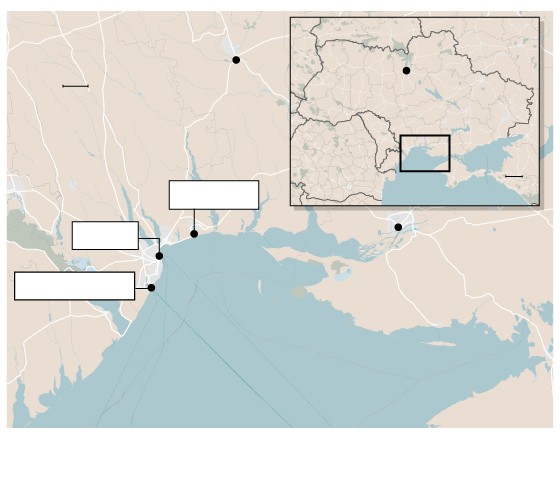
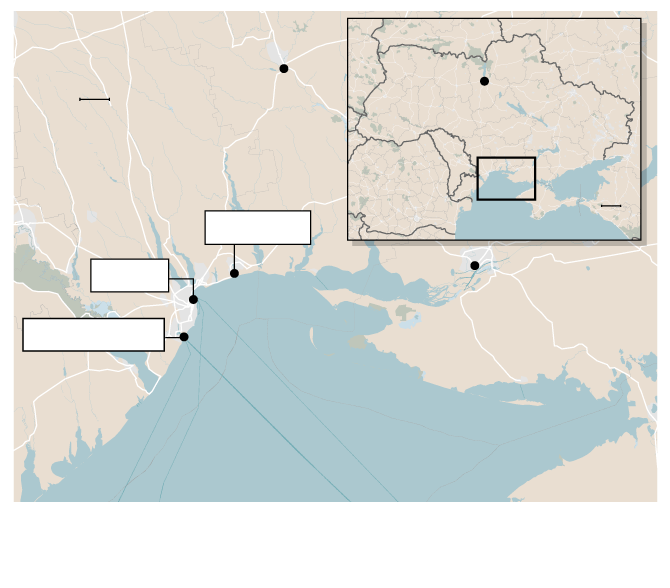
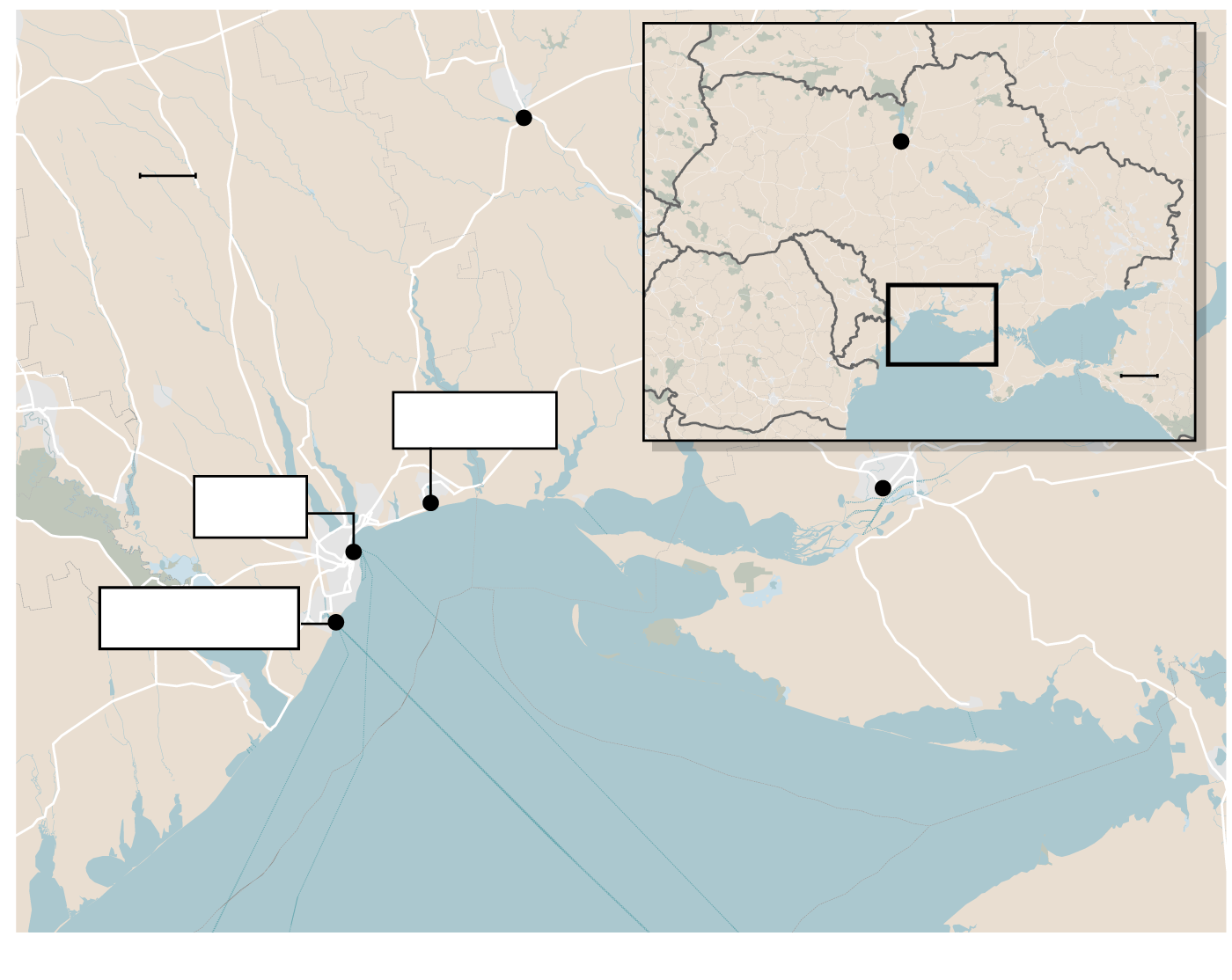
But this peaceful image belies the growing anxiety here about the fate of a deal struck last week by Ukraine, Russia and the United Nations to resume shipping out of Chornomorsk and two other nearby ports – Odesa and Pivdennyi. The first ships could leave within days but already the agreement has been jeopardized by a Russian missile strike near Odesa last Saturday, one day after the deal was concluded.
The implications of the agreement are far reaching. Chornomorsk is one of the largest grain handling ports in Ukraine and around 20 million tonnes of wheat, barely, corn and other foodstuffs have been sitting in storage bins across all three ports since the war began in February. The port closures have created a global food crisis in countries that rely on Ukrainian grain: most of that supply was destined for Egypt, Indonesia, Pakistan and a host of countries on the brink of famine. Grain stores have also slashed domestic prices, harming Ukrainian farmers.
Until Feb. 24, Ukrainian farmers couldn’t plant wheat fast enough. The country produced a record 32.2 million tonnes last year and farmers were on track to top that amount in 2022. China snapped up Ukrainian barley and an estimated 180 million people in North Africa, the Middle East and Asia depended on Ukrainian wheat as a staple for bread and baked goods. Some countries, such as Lebanon and Qatar, have relied on Ukraine for more than two-thirds of their wheat supply.
“Four, five years in a row, Ukrainian farmers made huge money,” said Viktor Korobko, manager of VEA Brokers, a grain trader based in Odesa. “They were so rich they could have given loans to banks.”
Voznesens'k
RUSSIA
Kyiv
0
15
UKRAINE
UKRAINE
KM
Detail
MOL.
ROMANIA
0
90
KM
Pivdennyi
Odesa
Khershon
Chornomorsk
Black Sea
CRIMEA
THE GLOBE AND MAIL, SOURCE: TILEZEN;
OPENSTREETMAP CONTRIBUTORS
Voznesens'k
RUSSIA
Kyiv
0
15
UKRAINE
UKRAINE
KM
Detail
MOL.
ROMANIA
0
90
KM
Pivdennyi
Odesa
Khershon
Chornomorsk
Black Sea
CRIMEA
THE GLOBE AND MAIL, SOURCE: TILEZEN;
OPENSTREETMAP CONTRIBUTORS
Voznesens'k
RUSSIA
Kyiv
0
15
UKRAINE
KM
UKRAINE
Detail
MOL.
ROMANIA
0
90
KM
Pivdennyi
Odesa
Khershon
Chornomorsk
Black Sea
CRIMEA
THE GLOBE AND MAIL, SOURCE: TILEZEN; OPENSTREETMAP CONTRIBUTORS
The war changed everything. Ukraine’s wheat exports are expected to fall by 41 per cent this year, according to Viktoria Rozhko an analysts at APK Inform, an agriculture consulting firm based in Dnipro. So much grain has been put in warehouses that prices for Ukrainian wheat and barley have fallen by more than half, making it virtually impossible for farmers to cover their production costs. Throw in the complications of trying to harvest in the middle of a war, the rising price of fuel and freight charges, and the future for Ukrainian agriculture is bleak.
That’s why so much is riding on the shipping agreement. The three Black Sea ports have been closed since the war began. Up until now, the only way to move grain out of Ukraine has been by truck, rail or through three small ports located on the Danube River. But all of that is slow and costly.
The port closures have slashed revenue for Ukraine’s treasury and forced dozens of logistics companies to cut staff. “We are hoping that it will be full scale shipping,” said Artem who works for a grain storage company in Chornomorsk and didn’t want to give his last name. His company laid off nearly all of its staff in March and only a handful have returned.
Under the shipping deal, Ukrainian boats will escort cargo ships through mined waters. Russia has promised not to attack the ships or any port infrastructure. Turkey and the UN will also inspect the cargo ships to make sure they are not smuggling weapons. Meanwhile, the European Union and the United States have agreed to ease some sanctions on the export of Russian agricultural products, including fertilizer. The deal runs for 120 days and can be extended.
There is plenty of unease in the ports about whether the arrangement has any chance of success.
“For me it’s 50-50,” said Anna Khokholkova, director of Greymar LLC, an Odesa-based logistics company. “First of all, we have to think of the lives of the people. I will not send people to the port because I know that this is not safe. Of course they want to have money, they want to have a salary to feed their families. But to me, in such a not safe situation, life is more important than money.”
She’s not convinced that ships will be able to cross the sea safely and she questions whether insurance companies will be willing to take on the risks. “The problem is that maybe the vessel can go outside of the waters of Odesa region, but then what happens in the Black Sea?,” she asked. “We don’t know.”
There are signs that some cargo carriers and insurers will consider resuming operations in the Black Sea. “Some entities have pulled back from the region and had their appetite limited by reinsurance constraints, but there will be support for this initiative among insurance specialists, not least because it is so clearly humanitarian,” said Neil Roberts, head of marine and aviation at the Lloyd’s Market Association.
Ukrainian officials have also insisted that they will keep preparing for the shipments despite the recent Russian attack on Odesa. “This is as important for us as it is for the entire civilized world,” said Oleksandr Kubrakov, Ukraine’s Minister of Infrastructure. “If something happens in the Black Sea, of course, the whole initiative will be stopped.”
But Mr. Korobko, the grain trader, is still unsure. He said the 26 ships that have been stuck in the three Ukrainian ports since the outbreak of the war would likely leave soon with full cargos. But he questioned whether new ships will enter the port. “That’s really unclear at the moment: how the entire supply chain would be secured,” he said. Referring to the recent Russian missile attack he added: “How many sober captains or ship owners would love to go into a possible situation like the one that already happened?”
Our Morning Update and Evening Update newsletters are written by Globe editors, giving you a concise summary of the day’s most important headlines. Sign up today.