
The Abadan oil refinery in southwest Iran, from the Iraqi side of Shatt al-Arab in Al-Faw south of Basra, in September, 2019.ESSAM AL-SUDANI/Reuters
You can safely bet that oil prices will climb a lot when the energy markets reopen Monday. They probably won’t go through the roof, though, and the White House energy sages know this. The last scenario U.S. President Donald Trump needs ahead of the congressional midterm elections is US$150 oil triggering runaway inflation when the “affordability” emergency is already handing him problems.
To be sure, oil will play a role in determining the trajectory of the war. Once Iran depletes its inventory of missiles and drones, oil could emerge as the country’s last powerful weapon. But will it?
Israeli strikes rock Tehran after Iran retaliates for killing of Khamenei
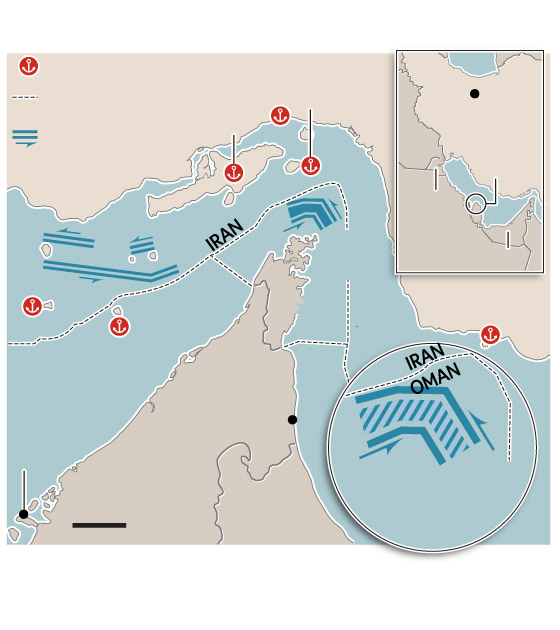
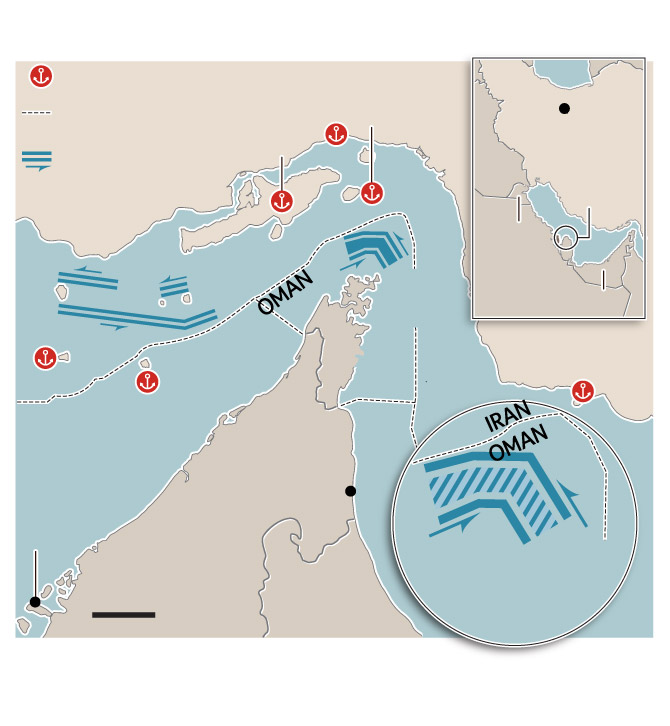
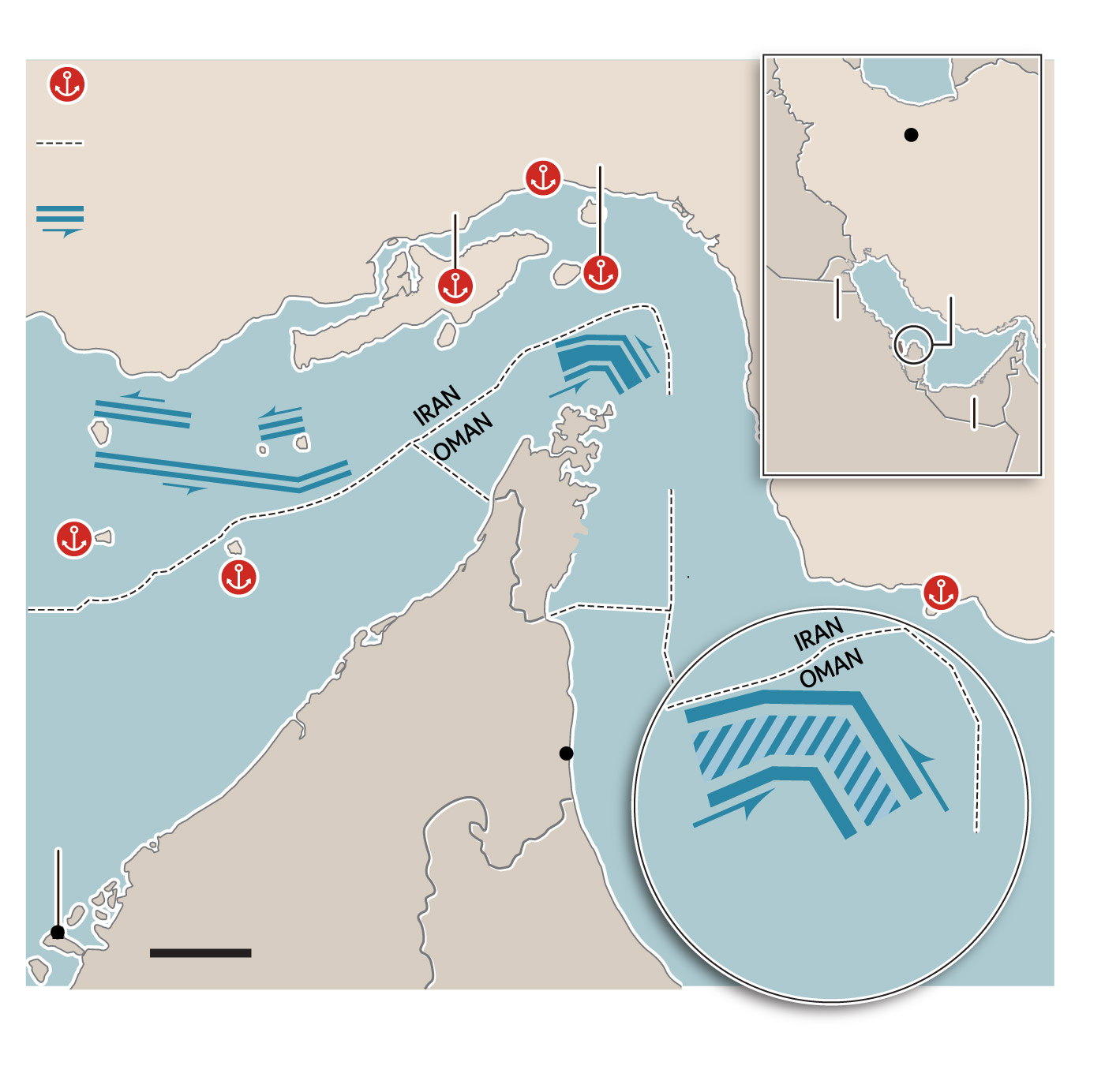
Iran is a member of OPEC, produces some 3.5 million barrels a day and, crucially, controls the narrow Strait of Hormuz, through which 20 per cent of global oil supplies pass. Shut down the strait for more than a few weeks and prices would surge to painful, vote-killer levels.
It’s not in Washington’s best interests to cripple Iran’s oil infrastructure, and the U.S. is apparently gambling that it’s not in Tehran’s best interests either, which means keeping Hormuz partly open or at least not closed for long.
Iran’s Revolutionary Guards reportedly warned captains on Saturday that no ship would be allowed to pass through Hormuz. Tanker traffic fell off sharply over the weekend as shipping insurance premiums climbed, but the Iranian regime has not closed the strait.
On Sunday, the United Kingdom Maritime Trade Operations Centre said three ships were attacked by Iran’s Revolutionary Guards near the strait, though details were unavailable and the ships appeared intact. The centre added that Chinese and Iranian vessels had passed through Hormuz.
Critical choke point
Islamic Revolutionary Guard Corps bases
Maritime
boundary
Tehran
IRAN
Bandar-e-Abbas
Larak Island
Bahrain:
HQ of U.S.
5th Fleet
Qeshm
Deepwater
shipping lane
IRAQ
IRAN
KUW.
OMAN
SAUDI
ARABIA
Strait of
Hormuz
U.A.E
Sirri
OMAN
Abu
Musa*
Jask
IRAN
U.A.E
Persian Gulf
Fujairah
Abu
Dhabi
UNITED
ARAB
EMIRATES
Shipping lanes are
2,700m wide, separated
by buffer zone
OMAN
40 km
*Occupied by Iran, claimed by U.A.E.
the globe and mail, Source: graphic news; iran
international; reuters
Critical choke point
Islamic Revolutionary Guard Corps bases
Maritime
boundary
Tehran
IRAN
Bandar-e-Abbas
Larak Island
Bahrain:
HQ of U.S.
5th Fleet
Qeshm
Deepwater
shipping lane
IRAQ
IRAN
KUW.
IRAN
SAUDI
ARABIA
Strait of
Hormuz
U.A.E
Sirri
OMAN
Abu
Musa*
Jask
IRAN
U.A.E
Persian Gulf
Fujairah
Abu
Dhabi
UNITED
ARAB
EMIRATES
Shipping lanes are
2,700m wide, separated
by buffer zone
OMAN
40 km
*Occupied by Iran, claimed by U.A.E.
the globe and mail, Source: graphic news; iran
international; reuters
Critical choke point
Islamic Revolutionary Guard Corps naval bases
Tehran
Maritime
boundary
Bandar-e-Abbas
Larak Island
IRAN
Qeshm
Deepwater
shipping lane
Bahrain:
HQ of U.S.
5th Fleet
IRAQ
IRAN
KUW.
SAUDI
ARABIA
Strait of
Hormuz
U.A.E
Sirri
OMAN
Abu
Musa*
Jask
IRAN
U.A.E
Persian Gulf
Fujairah
Abu
Dhabi
UNITED
ARAB
EMIRATES
Shipping lanes are
2,700m wide, separated
by buffer zone
OMAN
40 km
*Occupied by Iran, claimed by U.A.E.
the globe and mail, Source: graphic news; iran international; reuters
Iran needs the oil revenue to survive, and survival of the regime and the country is Tehran’s top priority. What’s left of the government – supreme leader Ayatollah Ali Khamenei was assassinated over the weekend – must realize it cannot possibly win a shooting war against the combined might of the U.S. and Israel.
Of course, anything can happen in war, and it can be reckless to make predictions as the bombs and missiles fly and decapitation strikes continue. Still, the dynamics of the energy markets were working in the U.S.’s favour ahead of the war – and could work in its favour during it.
The world was awash in oil well before the U.S. and Israeli air strikes began Saturday. Brent crude, the effective international benchmark, reached a year peak of US$81 a barrel last June. By December, it went under US$60, then started to climb as rumours of war gripped the energy trading desks. On Friday, the day before the attacks on Iran, oil gained US$3 to reach US$73. If the media didn’t know that attacks were imminent, the oil traders apparently did.
The inevitable rise in prices Monday should be blunted somewhat by the gusher of oil supplies in the global markets. The International Energy Agency reported inventories of 8.2 billion barrels at the start of the year, the highest since 2021. On Sunday, OPEC+ (the extended cartel that includes Russia, Mexico, Oman and several other non-OPEC members) announced a production increase for April. For its part, the U.S. is loaded with oil, thanks to the shale revolution. The country exports far more oil and oil products than it imports.
While these oil economies would love to see higher prices, they don’t want crippling prices, which would destroy demand and send oil spiralling down. That’s exactly what happened during the 2008 financial crisis, when oil went to an unprecedented US$145, then crashed to US$40.
There is another reason why both Iran and the U.S. are probably motivated to keep Iran’s oil industry, including Hormuz, in operation. While oil can be a weapon, it can also be a bargaining chip.
At some point, Mr. Trump will want to declare victory and retreat. In an election year, he cannot afford a long war full of U.S. casualties (on Sunday, three U.S. soldiers died in combat operations and five were seriously wounded).
Mr. Trump loves deals, and his inevitable “victory” statement might include one. He could offer to call off the dogs of war in exchange, or part exchange, for Iran ending its uranium-enrichment activity and opening its oil and other commodities to U.S. investment. The formula was set a year ago, when he offered investment and military aid to Ukraine in exchange for access to, and revenue sharing from, Ukraine’s rare earth mineral operations.
Iran is rich in oil – it has the world’s fourth-largest proven reserves – and holds enormous quantities of uranium, copper, iron ore, lithium and rare earth elements. With China holding a near-lock on rare earths, which are used for everything from electric car motors to defence technology, the U.S. is desperate for its own supply of those metals.
There is a huge potential flaw in this scenario. If the war drags on and the body counts climb on both sides, retaliation could be met with retaliation, and escalation with escalation, to the point that neither side wants peace, just revenge. That scenario would preclude an early ceasefire agreement – and possibly send oil soaring if either the U.S. or Iran, with vengeance in mind, decide to use it as a weapon.