
Nov. 9, 2018: Gabi and Jonah Frank walk on Pacific Coast Highway as the Woolsey Fire threatens their home in Malibu, Calif.ERIC THAYER/Reuters
The latest
- At least 77 people are dead in Northern California in what’s become the deadliest and most destructive fire on record in the state.
- About 1,000 names remain on a list of people unaccounted for more than a week after the so-called Camp fire began. Authorities don’t believe all those on the list are missing and the roster dropped by 300 on Sunday as more people were located or got in touch to say they weren’t missing.
- Meanwhile in Southern California, firefighters continue to mop up and patrol the 391-square-kilometre burn area in Los Angeles and Ventura counties. Fire officials now estimate that 1,500 buildings were destroyed and 341 buildings damaged in the southern wildfire.
How you can help

Araya Cipollini, 19, holds on to her dog T.J. near the burned out remnants of her neighbour's home in Paradise, Calif. She and her family lost their home nearby in the fire.John Locher/The Associated Press
Canadians wishing to help those affected those affected by the fires should first do some research in finding a reputable organization to donate to. The website Charity Navigator is one place to start. The American Red Cross and local branches of the United Way are also raising funds for wildfire relief, while the crowdfunding site GoFundMe has collected a page of verified crowdfunding campaigns in the northern and southern parts of the state.
Where are the fires now?
There are several fires burning across California. Three fires in particular, one in the north and two in the south, have been causing the most damage recently.
- Camp fire: The most destructive and deadliest of the fires started Nov. 8 near the town of Chico, in the northern part of the state. In its initial 24 hours, the destruction was so fast and total that there was virtually no firefight at all, just rescues. It largely incinerated Paradise, a town of 27,000 residents, and surrounding communities in the Sierra Nevada foothills. By Nov. 19, 77 people had been confirmed killed, setting a new state record for the most fatalities in a single fire.
- Woolsey fire: This fire in Southern California’s Ventura and Los Angeles counties started Nov. 8 and killed at least three people, burning for more than a week before being mostly contained. It was stoked to even greater destructive force by the Santa Ana winds, a common fall occurrence in the state. The winds are produced by surface high pressure over the Great Basin squeezing air down through canyons and passes in Southern California’s mountain ranges.
- Hill fire: Another Southern California fire, smaller than Woolsey, started Nov. 8 and burned over some 5,000 acres in only a few hours. So far, no deaths have been attributed to the Hill fire and by week’s end it was almost completely contained.
Damage so far
The Northern California fire obliterated the town of Paradise. Searchers pulled bodies from incinerated homes and cremated cars, but in many cases, the victims may have been reduced to bits of bones and ash. By Nov. 19, more than 10,500 homes had been confirmed destroyed.
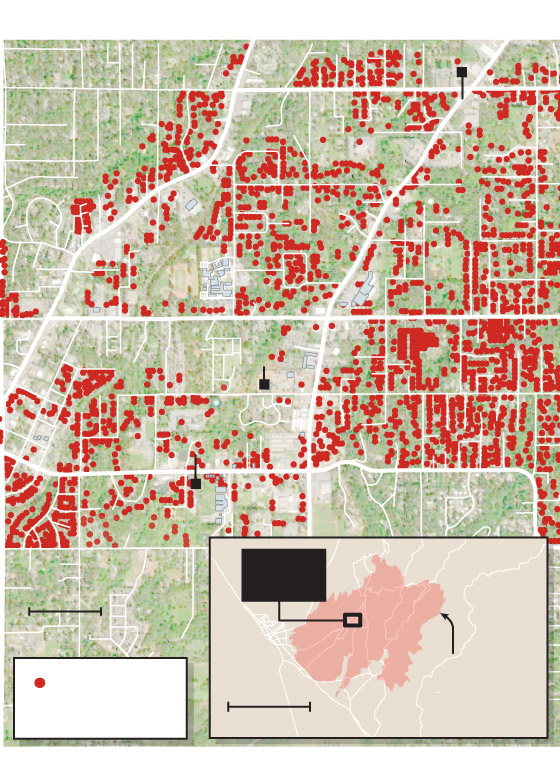
Downtown Paradise, California
BILLE RD.
Feather
River
Hospital
CLARK RD.
ELLIOTT RD.
SKYWAY
Performing
Arts Center
Gold Nugget
Museum
PEARSON RD.
Area of
detail
0
300
m
Chico
Area of fire
damage
Destroyed
building
0
20
KM
SOURCE: ASSOCIATED PRESS

Downtown Paradise, California
BILLE RD.
Feather
River
Hospital
CLARK RD.
ELLIOTT RD.
SKYWAY
Performing
Arts Center
Gold Nugget
Museum
PEARSON RD.
Area of
detail
0
300
m
Chico
Area of fire
damage
0
20
Destroyed building
KM
SOURCE: ASSOCIATED PRESS
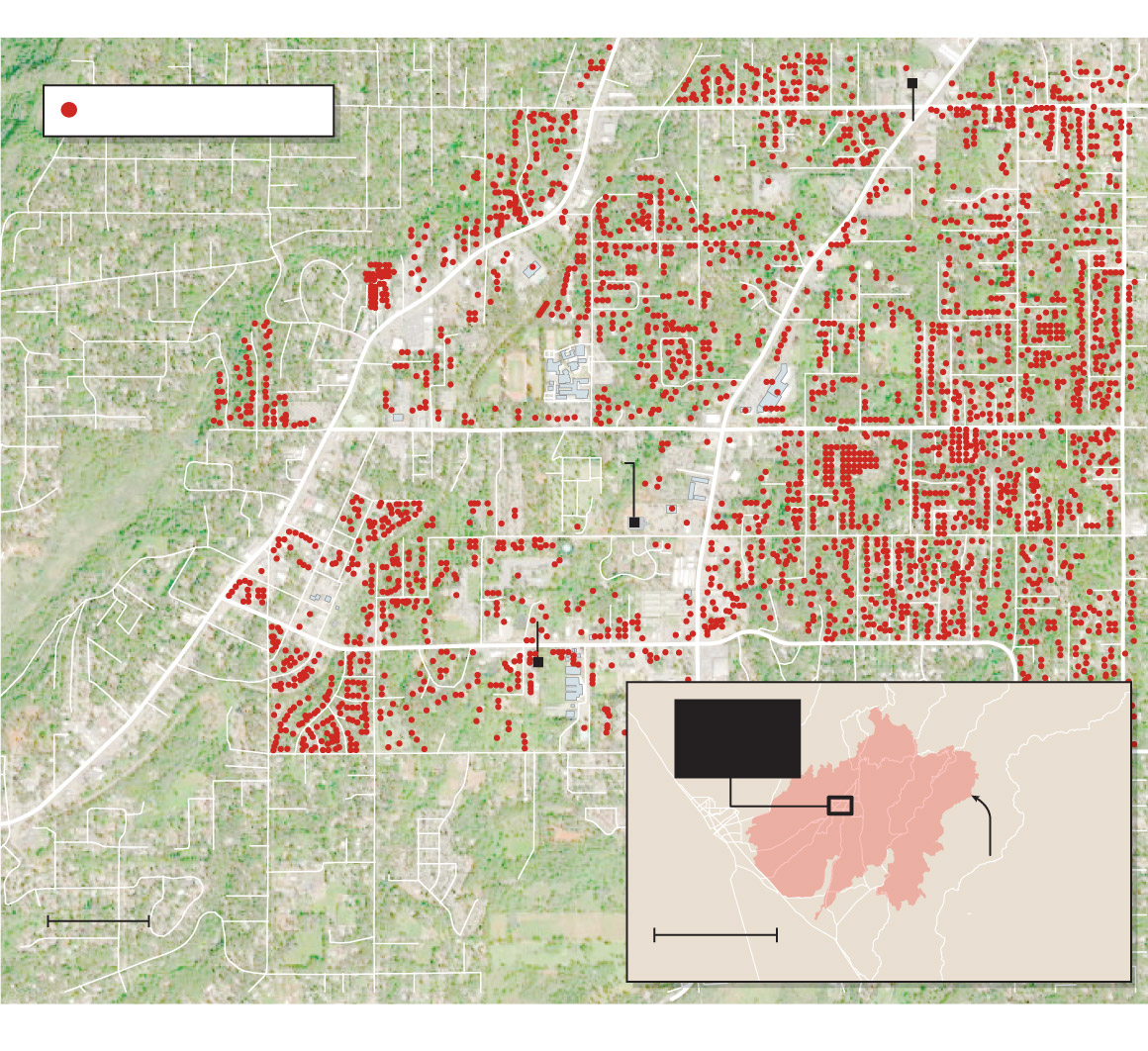
Downtown Paradise, California
BILLE RD.
Destroyed building
Feather
River
Hospital
CLARK RD.
ELLIOTT RD.
SKYWAY
Performing
Arts Center
Gold Nugget
Museum
PEARSON RD.
Area of
detail
Chico
Area of fire
damage
0
300
0
20
m
KM
SOURCE: ASSOCIATED PRESS
Damage to celebrity homes and filming locations
Many celebrities took to Twitter and Instagram last weekend, updating about the state of their homes in California and the safety of them and their families.
Canadian rocker Neil Young said on his website that he lost his Malibu-area home in the disaster, which he linked to climate change. “Firefighters have never seen anything like this in their lives. I have heard that said countless times in the past two days, and I have lost my home before to a California fire, now another,” Mr. Young said on neilyoungarchives.com.
Meanwhile, action star Gerard Butler posted a photo on Instagram that showed a burned-out structure and a badly scorched vehicle.
Robin Thicke’s Malibu home burned down entirely, according to his representative. The 41-year-old singer said on Instagram that he, his girlfriend and his two kids are “safe and surrounded by friends and family” and were thankful to firefighters. Miley Cyrus tweeted that her home burned, but that her animals and fiance Liam Hemsworth were safe.
Paramount Ranch’s “Western Town,” a landmark film location dating back to 1927 that included a jail, hotel and saloon, burned to the ground . The TV series Westworld is among the many productions that have filmed at the ranch in the mountains west of Los Angeles.
Sad for fans of @WestworldHBOand shows like Dr Quinn Medicine Woman, the Paramount Ranch western town movie set has burned to the ground in the Woolsey Fire @CBSLA #westworld #Woolseyfire pic.twitter.com/DhZWaGbr6g
— John Schreiber (@johnschreiber) November 9, 2018
Trump’s incendiary remarks
What Trump said: President Donald Trump has tweeted several messages of support to firefighters in the days since the infernos began, but before that, another tweet started a political firestorm in California. On his Remembrance Day trip to Europe, Mr. Trump blamed the fires on state forest-management policies, and threatened in a Nov. 10 tweet to withhold federal funding if those policies were not changed. His tone had softened by Nov. 12, when he approved the California Governor’s request for a major disaster declaration.
There is no reason for these massive, deadly and costly forest fires in California except that forest management is so poor. Billions of dollars are given each year, with so many lives lost, all because of gross mismanagement of the forests. Remedy now, or no more Fed payments!
— Donald J. Trump (@realDonaldTrump) November 10, 2018
I just approved an expedited request for a Major Disaster Declaration for the State of California. Wanted to respond quickly in order to alleviate some of the incredible suffering going on. I am with you all the way. God Bless all of the victims and families affected.
— Donald J. Trump (@realDonaldTrump) November 13, 2018
How California responded: Governor Jerry Brown said federal and state governments must do more forest management but that climate change is the greater source of the problem. “And those who deny that are definitely contributing to the tragedies that we’re now witnessing, and will continue to witness in the coming years,” he said. Gavin Newsom, the Democratic governor-elect who will replace Mr. Brown in January, also accused Mr. Trump of putting partisanship ahead of relief efforts.
Lives have been lost. Entire towns have been burned to the ground. Cars abandoned on the side of the road. People are being forced to flee their homes. This is not a time for partisanship. This is a time for coordinating relief and response and lifting those in need up. https://t.co/sAZ3QULV8G
— Gavin Newsom (@GavinNewsom) November 10, 2018
The political context: There is little love lost between Mr. Trump and California, a state that mostly voted for his Democratic opponent, Hillary Clinton, in 2016. In this fall’s midterm elections, the Democrats managed to flip several Republican-held California seats in the House of Representatives, while also maintaining their hold on the state’s two Senate seats and electing Mr. Newsom to the governor’s office.
Fire management’s fraught history: Decades of government policy have indeed played a role in making American wildfires worse, but for a federal leader to single out one state as the culprit – and without mentioning climate change’s impact (more on that below) – is stretching the truth. The federal government owns nearly 46 per cent of California’s land area, including many of the northern national forests in areas devastated by the Camp fire. In California, as in much of the U.S. and Canada, fire services adhered for decades to a “suppression” policy of putting out every fire in public forests as quickly as possible. Many scientists have concluded that suppression prevented natural fires from clearing out undergrowth and dead plants, which made forests more susceptible to larger, more destructive and less easily controllable fires. But one reason scientists can tell suppression isn’t a big factor in the current fires is that some Northern California areas now burning had fires in 2005 and 2008, and aren’t “fuel-choked closed-canopy forests,” University of Utah fire scientist Philip Dennison told Associated Press. The other major fire, in Southern California, burned through shrub land, not forest, Dr. Dennison said.
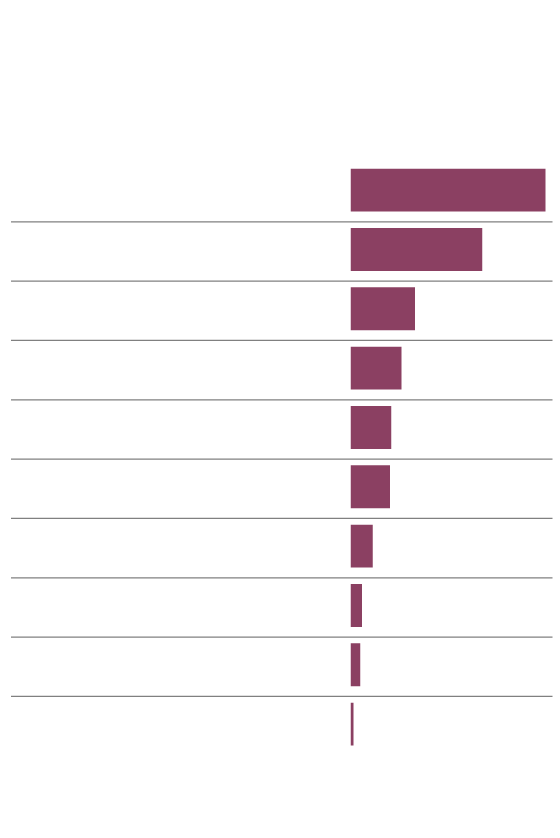
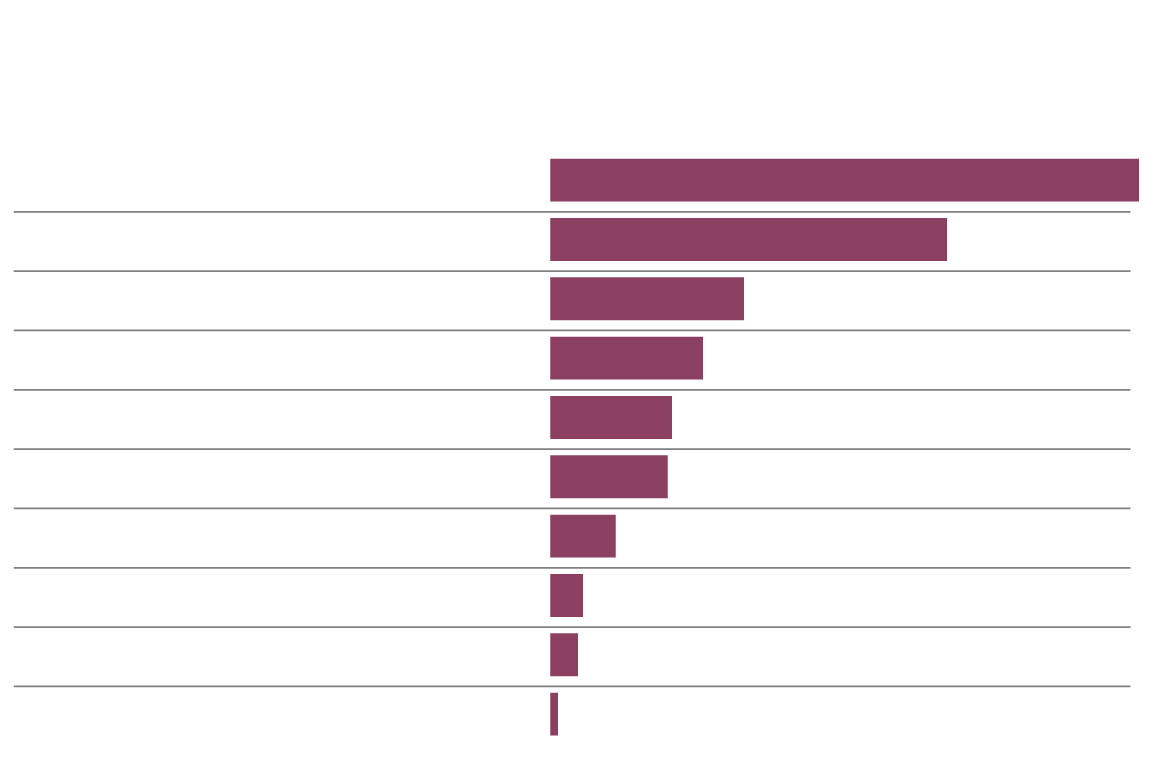
Major causes of wildfires
Top 10 human causes of major fires in Calif.,
1850-2018
CAUSE
FIRES
Vehicles/other equip.
702
Arson
473
Debris
231
Campfire
182
Smoking
145
Powerlines
140
Playing with fire
78
Escaped prescribed burn
39
Railroad
33
Structure
9
source: California Department of Forestry
and Fire Protection
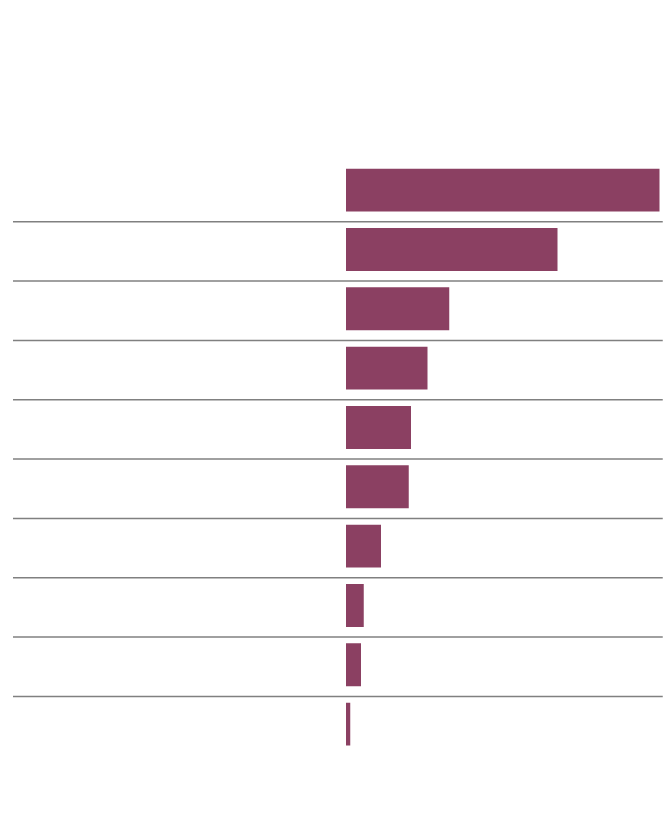
Major causes of wildfires
Top 10 human causes of major fires in California,
1850-2018
CAUSE
FIRES
Vehicles/other equip.
702
Arson
473
Debris
231
Campfire
182
Smoking
145
Powerlines
140
Playing with fire
78
Escaped prescribed burn
39
Railroad
33
Structure
9
source: California Department of Forestry
and Fire Protection
Major causes of wildfires
Top 10 human causes of major fires in California 1850-2018
CAUSE
FIRES
Vehicles/other equip.
702
Arson
473
Debris
231
Campfire
182
Smoking
145
Powerlines
140
Playing with fire
78
Escaped prescribed burn
39
Railroad
33
Structure
9
source: California Department of Forestry and Fire Protection
The bigger picture: California and climate change
Drought and warmer weather attributed to climate change have led to longer and more destructive wildfire seasons in California. While the state officially emerged from a five-year drought last year, much of the northern two-thirds of the state is abnormally dry. This means that when fires are started they have the potential to burn bigger and longer than in past decades. In light of the devastating Northern California fire, “it’s evident from that situation statewide that we’re in climate change and it’s going to be here for the foreseeable future,” Los Angeles County Fire Chief Daryl Osby told Associated Press.
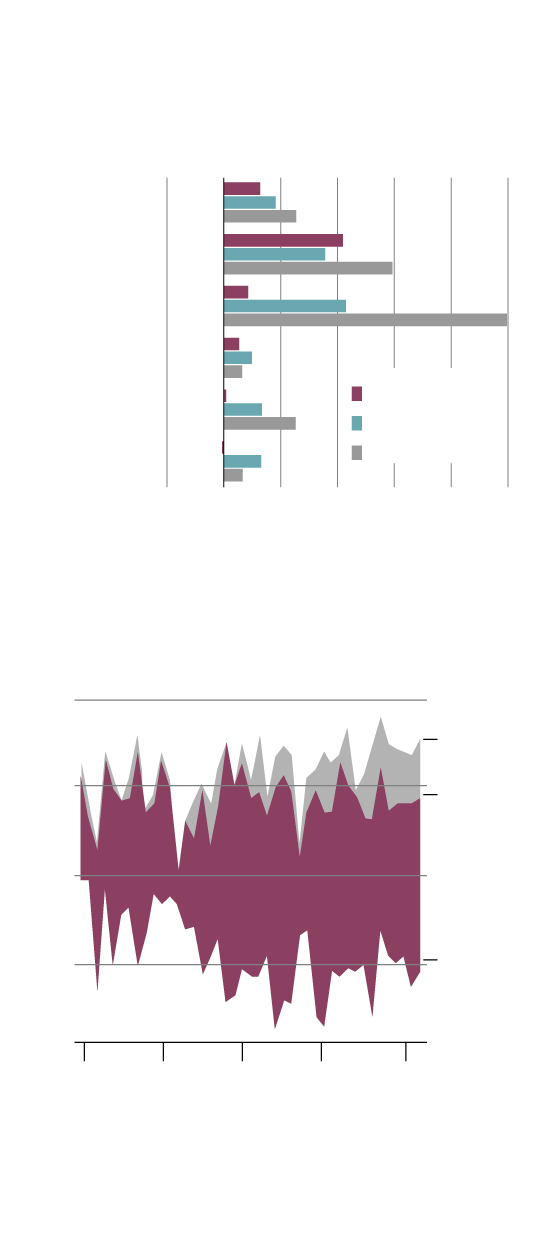
longer seasons and
more fires in the west
Per cent change in burnt area in Western U.S.
Over 1973–1982 average
Five forest areas
North. Rockies
Northwest
Sierra Nevada
1983-1992
Southwest
1993-2002
2003-2012
South. Rockies
-1,000
0
1,000
3,000
5,000%
Fire season length in Western U.S.
Annual time between first and last large-fire discovery
and last fire declared under control
400
Last
control
300
Last
discovery
Day of year
200
First
discovery
100
0
1970
1980
1990
2000
2010
‘Increasing western U.S. forest wildfire
activity: sensitivity to changes in the timing
of spring,’ Anthony LeRoy Westerling Sierra
Nevada Research Institute, Univ. of California
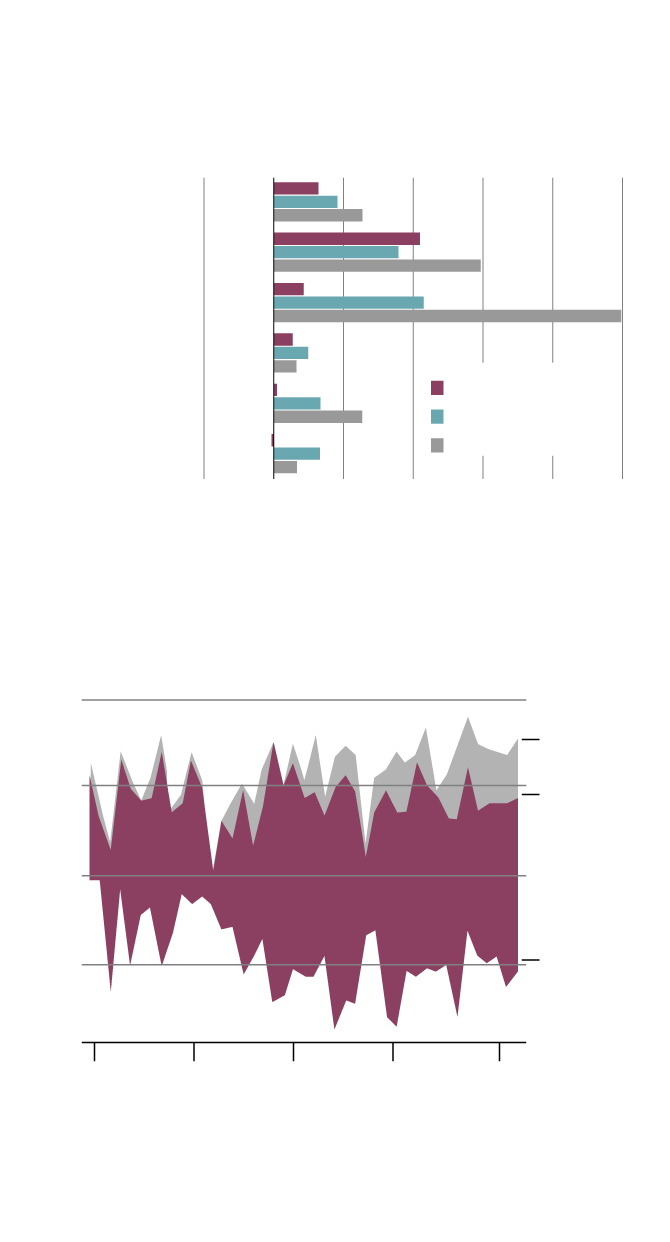
longer seasons and
more fires in the west
Per cent change in burnt area in Western U.S.
Over 1973–1982 average
Five forest areas
Northern Rockies
Northwest
Sierra Nevada
1983-1992
Southwest
1993-2002
2003-2012
Southern Rockies
5,000%
-1,000
0
1,000
2,000
3,000
4,000
Fire season length in Western U.S.
Annual time between first and last large-fire discovery
and last fire declared under control
400
Last
control
300
Last
discovery
Day of year
200
First
discovery
100
0
1970
1980
1990
2000
2010
‘Increasing western U.S. forest wildfire activity:
sensitivity to changes in the timing of spring,’
Anthony LeRoy Westerling Sierra Nevada Research
Institute, University of California
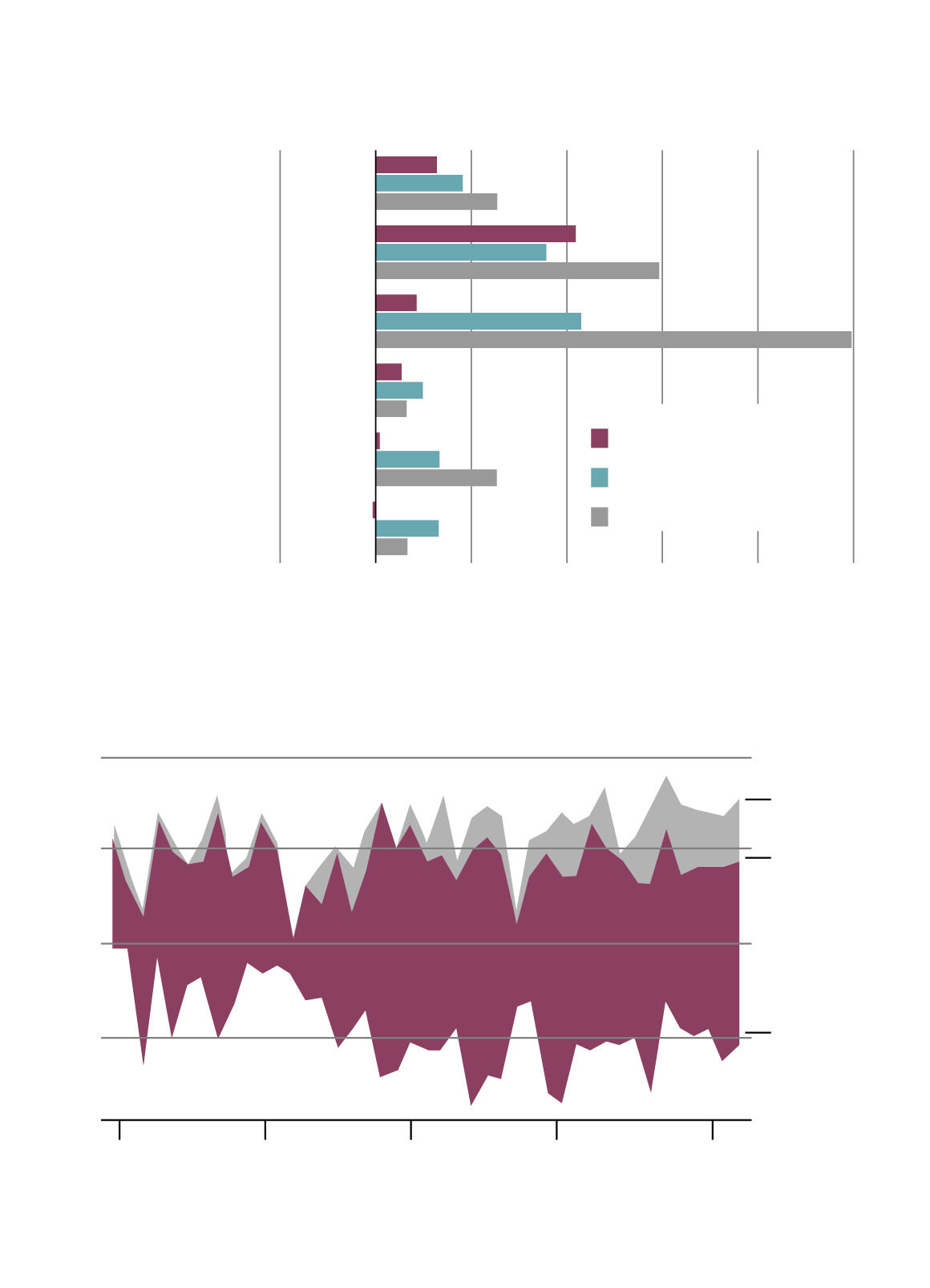
longer seasons and more fires in the west
Per cent change in burnt area in Western U.S.
Over 1973–1982 average
Five forest areas
Northern Rockies
Northwest
Sierra Nevada
1983-1992
Southwest
1993-2002
2003-2012
Southern Rockies
5,000%
-1,000
0
1,000
2,000
3,000
4,000
Fire season length in Western U.S.
Annual time between first and last large-fire discovery and last fire
declared under control
400
Last
control
300
Last
discovery
Day of year
200
First
discovery
100
0
1970
1980
1990
2000
2010
‘Increasing western U.S. forest wildfire activity: sensitivity to changes in the
timing of spring,’ Anthony LeRoy Westerling Sierra Nevada Research Institute,
University of California
Compiled by Globe staff
Associated Press, with a report from Tamsin McMahon