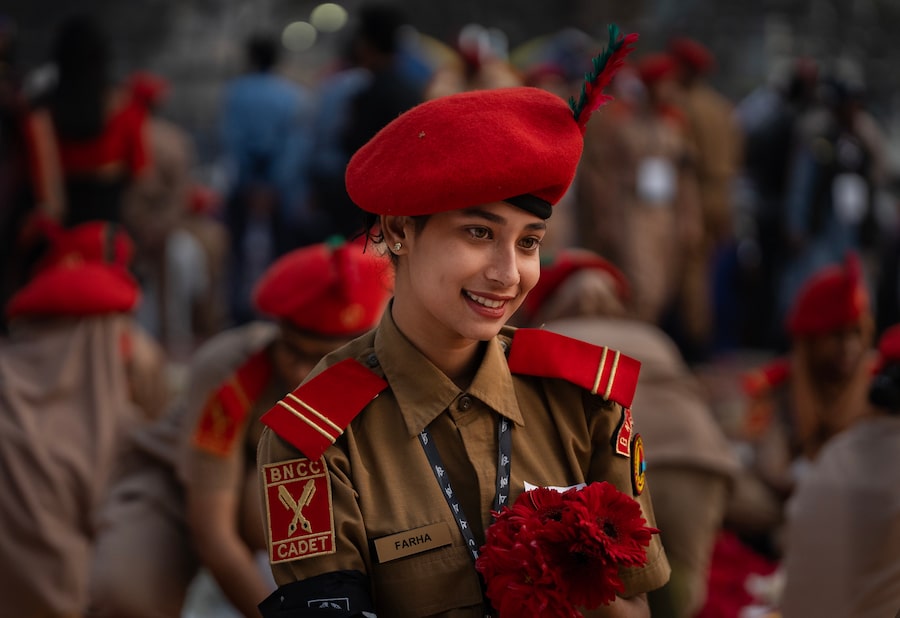
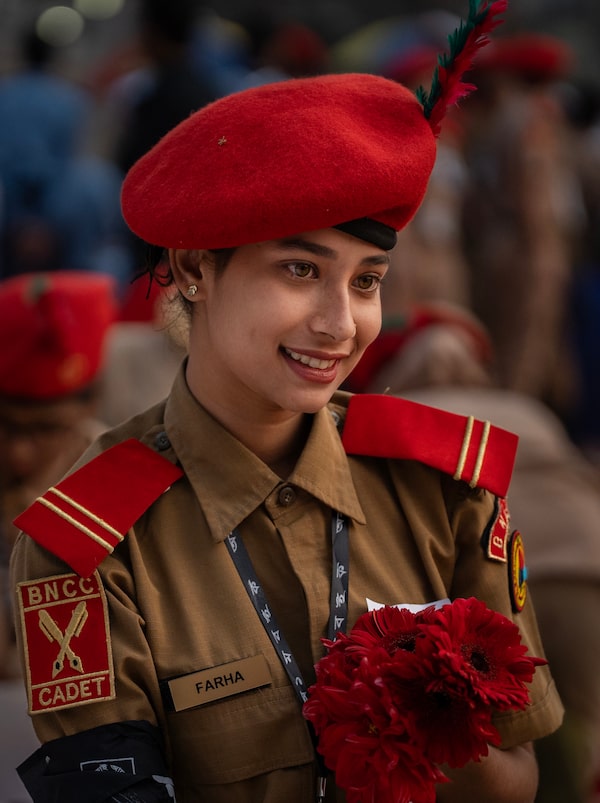
An authoritarian leader ousted by student protests. Democracy restored. A general election won by the Bangladesh Nationalist Party, led by a member of the Zia-Rahman political dynasty.
This was the Bangladesh of the early 1990s – and again in the 2020s.
Just as history echoes in the July, 2024, uprising that ended former prime minister Sheikh Hasina’s 17-year rule, many in the new Bangladesh being created in her wake fear that, without constitutional reforms and effective institutional guardrails, the country could slide once again into dictatorship.
Shoring up the South Asian manufacturing hub’s restored democracy is just one of myriad challenges facing the new government of Prime Minister Tarique Rahman and a BNP-dominated parliament, which opens this month.
The party won by a landslide in February’s general elections, the first free and fair vote in more than a decade − albeit without the involvement of Ms. Hasina’s now-banned Awami League.
“We are about to begin our journey in a situation marked by a fragile economy left behind by the authoritarian regime, weakened constitutional and statutory institutions and a deteriorating law and order situation,” Mr. Rahman said in a victory speech.
“To ensure that no evil force can re-establish autocracy in the country, and to ensure that the nation is not turned into a subservient state, we must remain united and uphold the will of the people.”

Tarique Rahman took office as Prime Minister last month after an election where the long-ruling Awami League, ousted last summer, could not take part.Mohammad Ponir Hossain/Reuters
The son of two former leaders of the country, Ziaur Rahman and Khaleda Zia, the new Prime Minister spent 17 years in exile and was convicted in absentia multiple times by the previous government. Mr. Rahman’s late mother was jailed and barred from standing for office. Other senior BNP figures were also targeted, and the party’s operations were heavily disrupted during Ms. Hasina’s rule.
In principle, then, the BNP should be well positioned to rip up the playbook that enabled authoritarian rule in the first place.
But others who suffered under Ms. Hasina were skeptical that, after winning such a convincing victory, the BNP will take the kind of radical action they feel is needed.
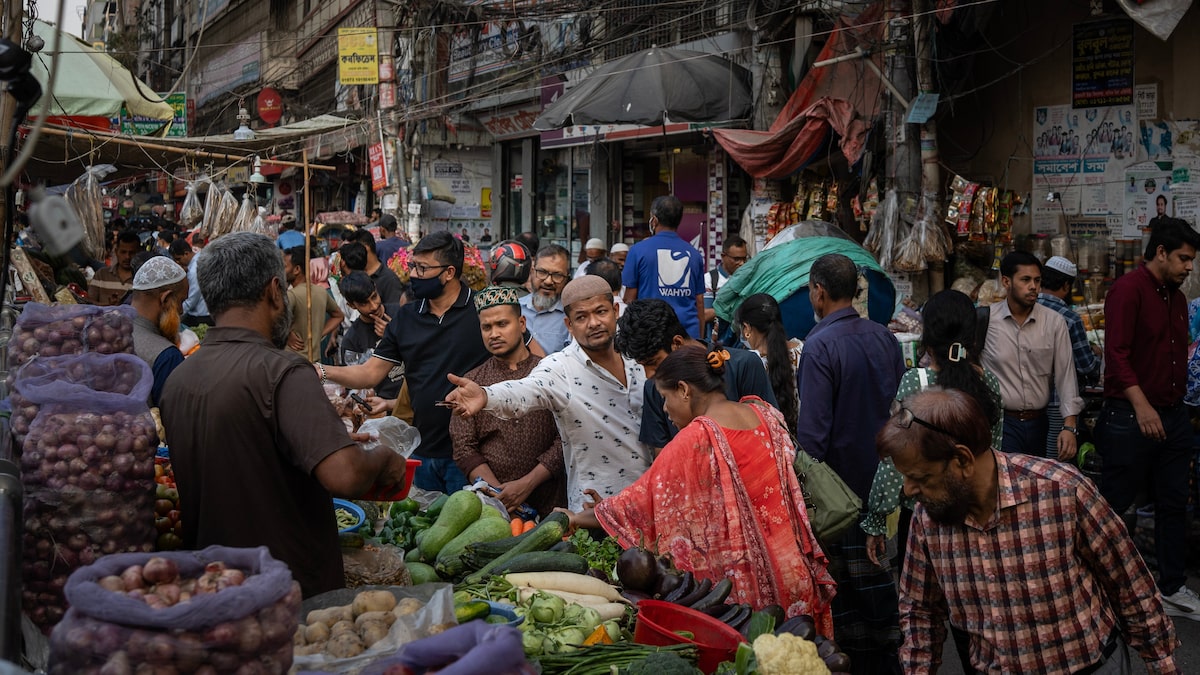

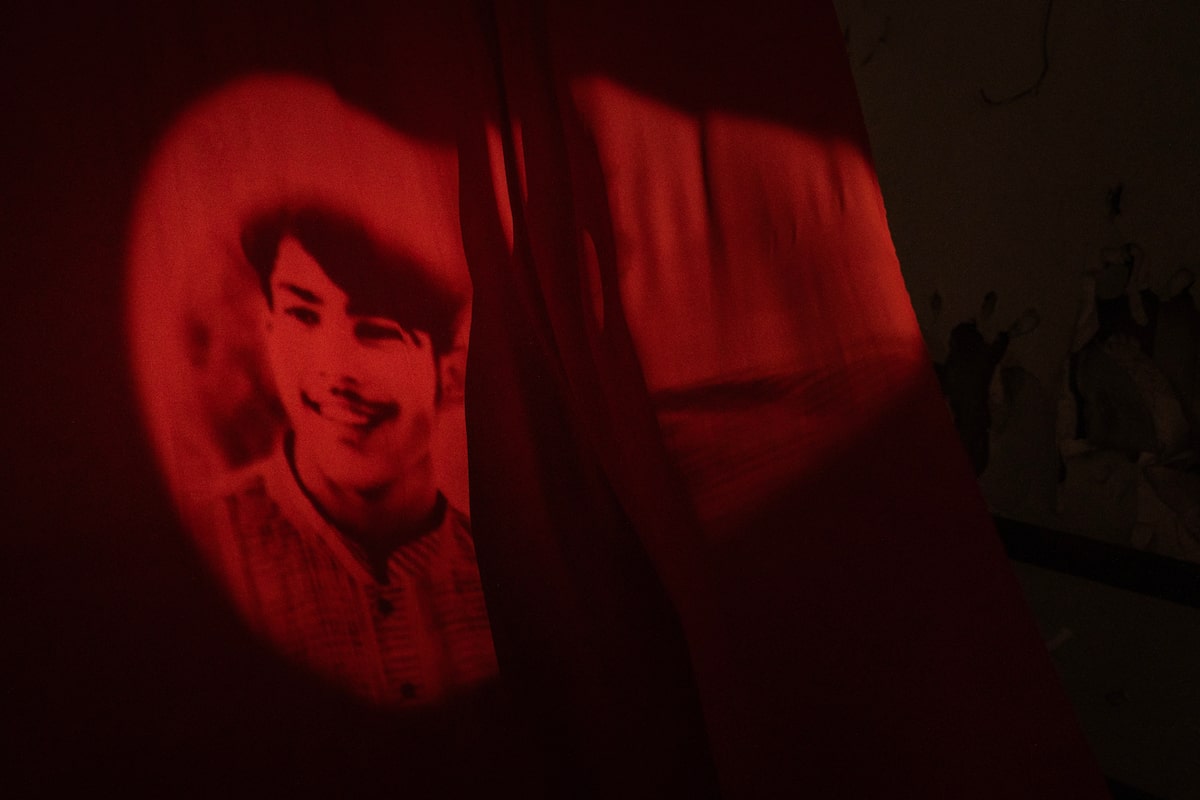
Human-rights lawyer Mir Ahmad Bin Quasem spent eights years in a secret jail under Ms. Hasina, awaiting what he was sure was his imminent execution.
“When I was dragged out, I thought that was it,” he told The Globe and Mail. “Instead, I learned that teenagers had toppled the iron-fisted leader.”
Mr. Quasem considered leaving the country and building a new life elsewhere, but ultimately decided to “try and fix things so what happened to me could never happen again.” In February, he was elected as a lawmaker for Jamaat-e-Islami, a party banned under Ms. Hasina that is now the second-largest in the new parliament.

Mir Ahmad Bin Quasem, right, a lawmaker with the once-banned Jamaat-e-Islami, embraces an emotional supporter in Dhaka.
Cautiously optimistic, Mr. Quasem was nonetheless wary of the BNP’s dominance of that body. “The history of this region shows that anyone ruling with a two-thirds majority has not been very receptive to opposition,” he said.
In particular, Mr. Quasem, like many opposition figures, was concerned the BNP has distanced itself from the July Charter, a raft of proposed constitutional amendments endorsed by all major parties prior to the election and approved in a referendum by 60 per cent of voters. Taking office last month, however, BNP lawmakers refused to take an additional oath as members of a council tasked with enacting the July reforms, arguing it has no basis in the constitution and that anything expounded in the charter would have to be formally adopted by parliament, not imposed from without.
“The opposition is committed to the charter. We want to hold them [the BNP] to their commitments, for the sake of the future,” Mr. Quasem said. “If they can stomach power sharing for five years, the charter will ensure a more accountable Bangladesh for 50 or 100 years.”
Abdul Moyeen Khan, a member of the BNP’s standing committee, dismissed concerns about the charter, arguing that many of the items contained within it were originally proposed by the BNP itself, which he said was “committed to reform.”
Along with the Awami League, both the BNP and Jamaat have been major players since Bangladesh became a parliamentary democracy in 1991, and it was they who benefited the most from the July revolution, taking advantage of deep community roots and more experienced organizers than any of the new parties or candidates who emerged from the protests.
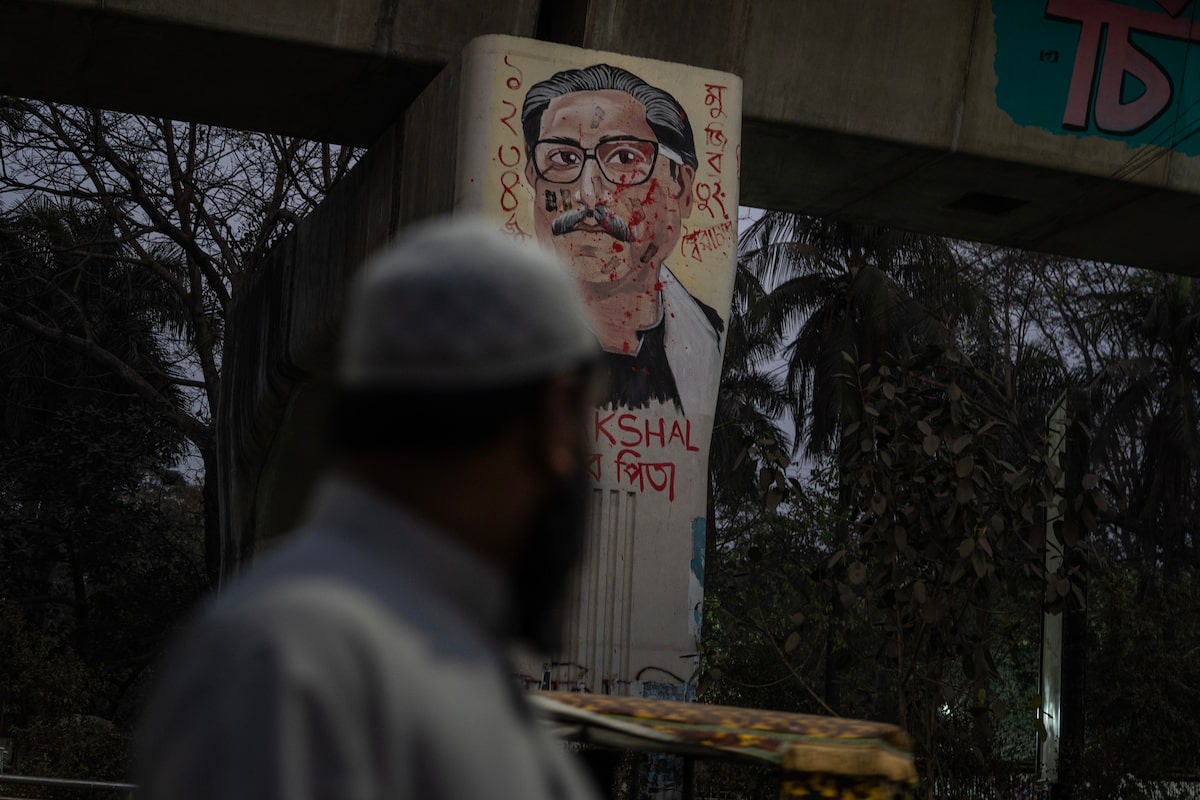
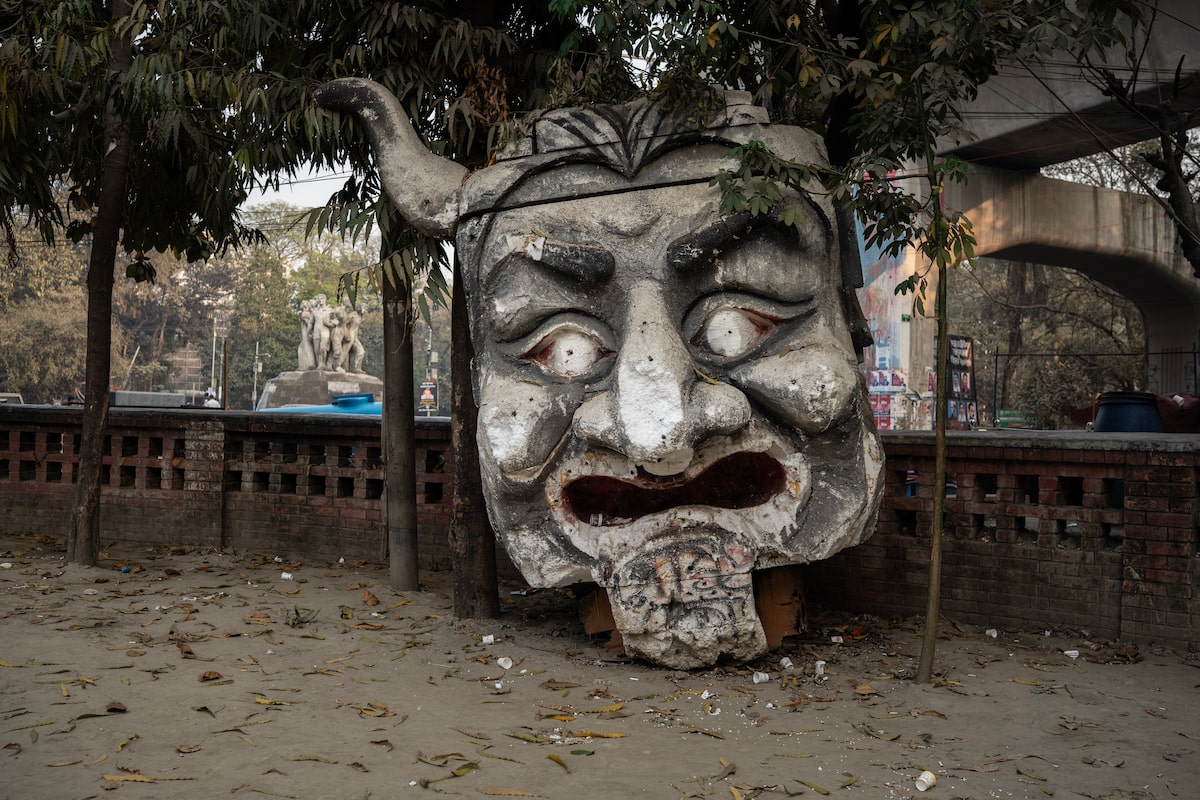
Among the revolutionary murals and graffiti now ubiquitous in Bangladeshi cities, one common slogan is “This is the new Bangladesh, created by Gen Z.” But to many younger Bangladeshis, the new government looks less like a break with the past and more like a different flavour of the old Bangladesh.

Tajnuva Jabeen.
“We’ve seen this all before. The BNP will never change the established order, they just want to take control of it,” said Tajnuva Jabeen, a former joint convenor of the National Citizen Party (NCP), a youth-led political movement founded in the wake of the July revolution.
Ms. Jabeen was one of a number of progressive female candidates who quit the NCP after it formed an electoral agreement with Jamaat, arguing the party had been taken over by right-wing elements who wanted to ally with the Islamist party for ideological, rather than tactical, reasons.
“It’s not just Jamaat. There were other Islamist parties [in the proposed alliance] who wouldn’t even share the same room, the same meeting table with women,” she said. “For those of us who talk about women’s empowerment, women’s participation in politics, how can we team up with people who see women as second-class citizens?”
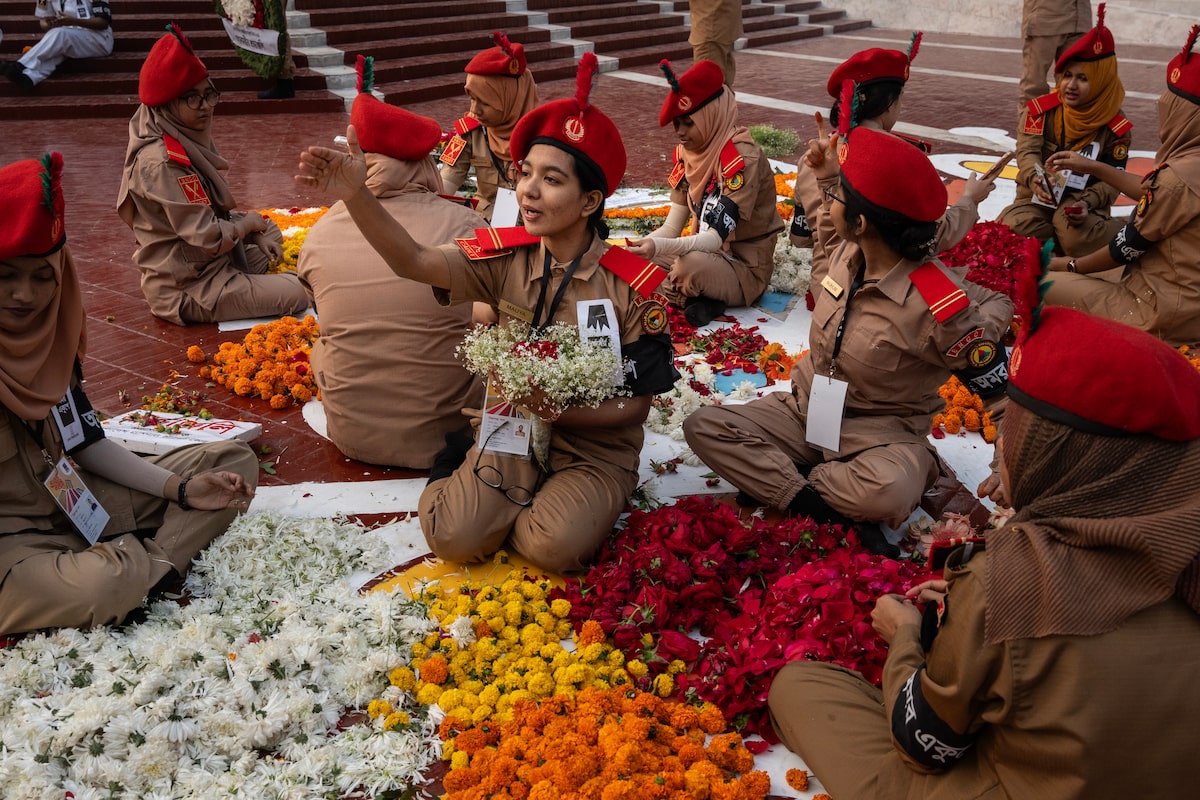
Women played a major role in the July revolution and in formulating the charter that emerged from it, but come election time, only 78 of nearly 2,000 candidates were women, many of whom ran as independents. The BNP put forward 10 women, the NCP two and Jamaat none at all. In a country that has had two female leaders since independence, the new parliament will seat just seven women MPs, a historic low.
“There has been a recession in terms of women’s liberties, women’s status,” said Kamal Ahmed, founder of the Chattogram-based Asian University for Women. “We have a political leadership in some parties that has explicitly degraded women’s position in society.”
Both Mr. Ahmed and Ms. Jabeen expressed concerns about a general shift toward the Islamist right, as exemplified by the relative success of Jamaat, which benefited far more from its alliance with the NCP than the student movement did. NCP candidates won only six of the 30 seats the party contested, compared to 68 for Jamaat, its best-ever showing.
Tasnim Jara, another former NCP leader who quit the party ahead of the election, said there was “a space which opened up after the July uprising for women and young people, but that has narrowed significantly,” adding that there has been “incessant cyberbullying, co-ordinated trolling, personal attacks and attempts to discredit and intimidate women from speaking out.”
“There are broader implications for democracy if harassment becomes the cost of participation. It further pushes women out of public life,” she said.

Without the centre-left Awami League, the new parliament is heavily tilted toward the right. And the country is still grappling with forces unleashed during the chaos after Ms. Hasina’s fall, when there was a breakdown in law and order and several shocking incidents of mob violence, including the torching of two newspapers and the targeting of women and ethnic and religious minorities.
Beyond the violence, hundreds of people associated with the Awami League, including journalists seen as sympathetic to the party, have been jailed on dubious charges, with many prosecuted for alleged complicity in murders committed by security services.
Mr. Ahmed said the interim government failed to protect minority communities or dismantle the system used to oppress Ms. Hasina’s political opponents, particularly the armed forces, which remain hugely powerful.
“Democracy died in Bangladesh for particular reasons,” he said. “It died because institutions that ordinarily protect democracy became slaves to political masters, whether it was the judiciary, law enforcement or what have you.”
For his part, Mr. Rahman has acknowledged the major challenges facing his new administration in uniting and rebuilding the country.
“Regardless of party, religion, race or differing opinions, under no circumstances will attacks by the strong against the weak be accepted,” he said. “Justice will be our guiding principle. If the rule of law is not established, all our efforts will be in vain. In upholding the rule of law, whether in government or opposition, regardless of differing views, the law must be equal for every citizen of Bangladesh.”


Men distribute small gifts for children as goodwill gestures during Ramadan. The new government has been stressing the need for religious tolerance.
Mr. Khan, the BNP standing committee member, said that while Bangladesh may have experienced periods of dictatorship, “the people of Bangladesh have a psychic attachment to freedom. They have never accepted authoritarian rule.”
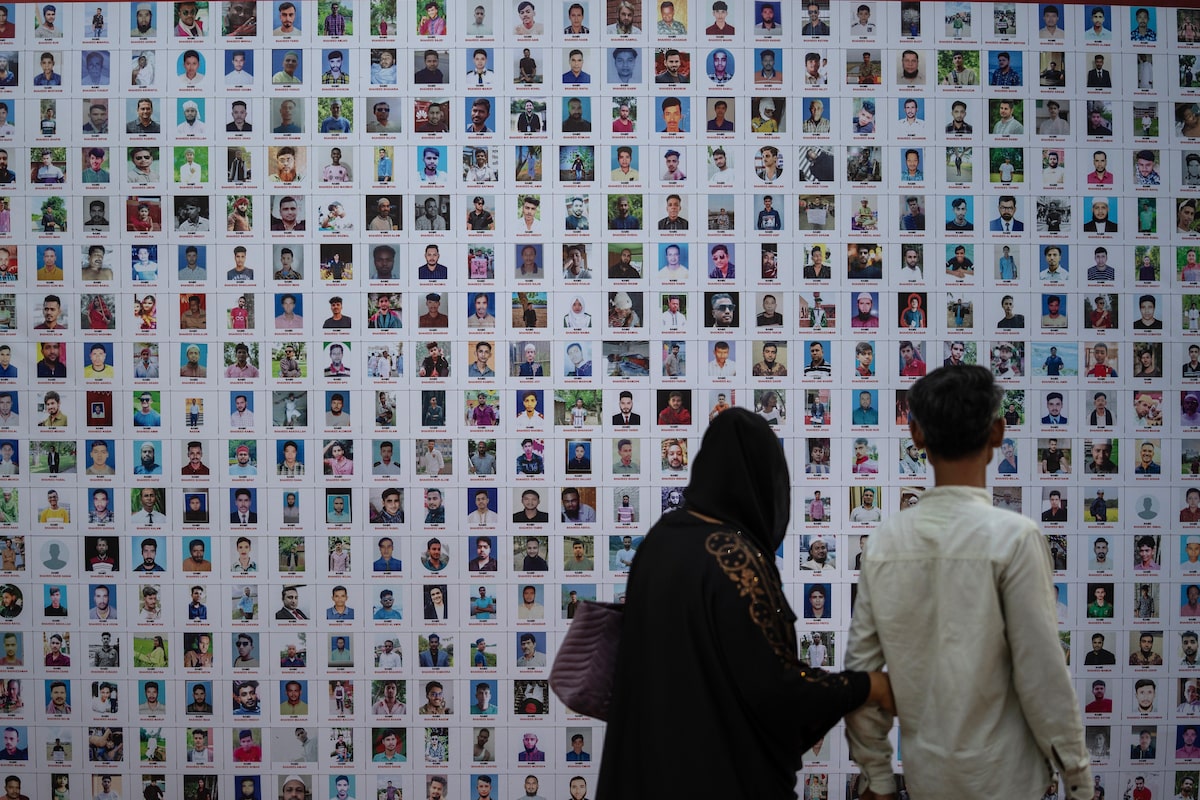
That attachment is stronger than ever after the events of July, 2024, when millions defied a brutal crackdown that left as many as 1,400 people dead to overthrow a ruler who only a year before had seemed unshakeable.
This month, a new museum is due to open in central Dhaka, housed in the building that was once Ms. Hasina’s home and still bears the damage and graffiti of protesters who stormed it at the height of the uprising. Dedicated both to the victims of Ms. Hasina’s dictatorship and those who overthrew it, the curators hope it will also remind Bangladesh’s future rulers of what could happen if they follow in her footsteps.
Ms. Jara, who ran unsuccessfully as an independent candidate after leaving the NCP, said the new Bangladesh “will not emerge overnight.”
“The July uprising created hope that people like us who were not part of the old guard could enter politics and effect change,” she said. “There is hope for a genuine political alternative in Bangladesh, but it will take time.”

Asia in depth: More from The Globe and Mail
The Decibel podcast
War between Iran, the United States and Israel has hit especially hard in Asia, which depends on energy from the Gulf states. James Griffiths spoke with The Decibel about what that means and why China has found itself on the sidelines of this conflict. Subscribe for more episodes.
James Griffiths reports
New Delhi’s ‘strategic autonomy’ in doubt after U.S. sinks Iranian ship in Indian Ocean
China’s Gen Z opts for Sunday coffee raves instead of nightclubs
China’s new language law could prove fatal for minority tongues