
A sign reading 'COVID-19 waiting area' at a vaccination centre in the city hall of the 13th arrondissement, in Paris, on Jan. 18, 2021.THOMAS SAMSON/AFP/Getty Images
Marianne Edwards, a British osteopath who has worked in southwestern France for a decade, could not believe what her own doctor, a local general practitioner, told her as COVID-19 tore through the charming stone villages in her region, the Dordogne.
“She actually discouraged me from taking the vaccine,” she said in an interview. “She told me that I should wait awhile.” She found the advice all the more surprising because, as an osteopath, physical distancing is not an option – her job is hands-on.
Dr. Edwards had that conversation with her doctor about a month ago, just as France, a laggard in the European vaccine rollout, administered its first Pfizer-BioNTech dose. She did not question the doctor; instead, she assumed she had encountered another example of puzzling French vaccine hesitancy.
By Wednesday, the French government had inoculated fewer than 1.2 million of its 67 million people, well behind the European Union average, according to Bloomberg’s vaccine tracker. While millions are upset that the rollout has been so slow, millions more don’t see the delay as a problem.
A December Ipsos-World Economic Forum poll found just 40 per cent of French people want to be inoculated against COVID-19. In China, it’s 80 per cent; in Britain, 77 per cent. An Angus Reid poll found 79 per cent of Canadians are willing to be vaccinated.
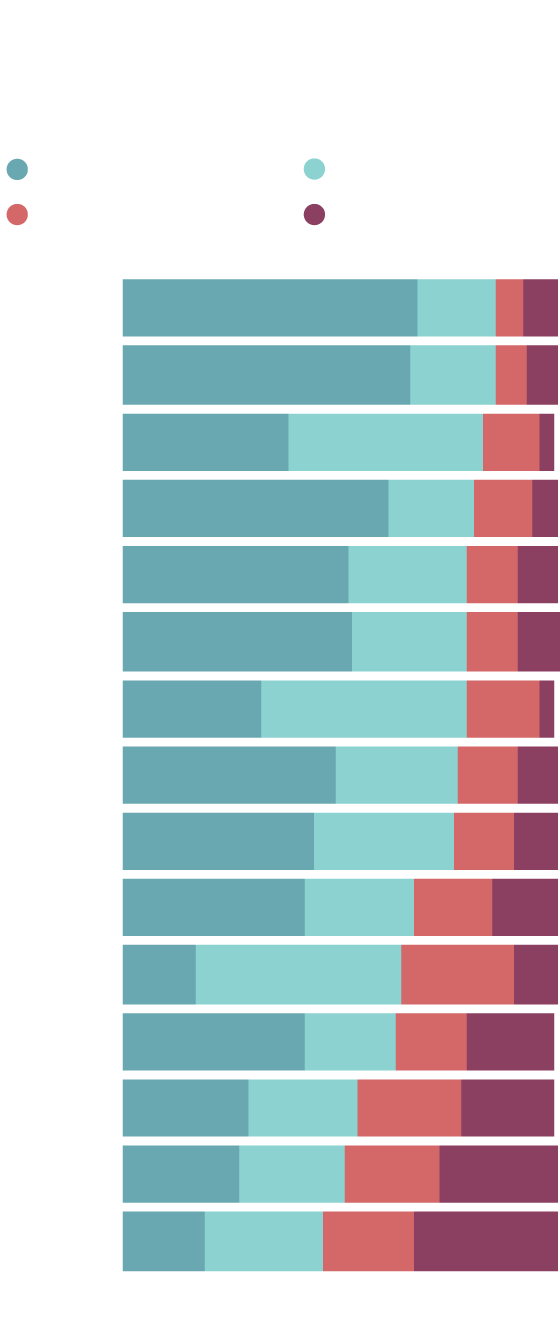
If a vaccine for COVID-19 were available, I would get it
Survey conducted Jan. 14 to 17
Strongly agree
Somewhat agree
Somewhat disagree
Strongly disagree
Brazil
68%
18
6
8
Britain
66
20
7
7
China
38
45
13
3
Mexico
61
20
13
6
Italy
52
27
12
9
Canada
53
26
12
10
South
Korea
32
47
17
3
Spain
49
28
14
9
Australia
44
32
14
10
Germany
42
25
18
15
Japan
17
47
26
10
U.S.
42
21
16
20
France
29
25
24
21
South
Africa
27
24
22
27
Russia
19
27
21
33
SOURCE: IPSOS
If a vaccine for COVID-19 were available, I would get it
Survey conducted Jan. 14 to 17
Strongly agree
Somewhat agree
Somewhat disagree
Strongly disagree
Brazil
68%
18
6
8
Britain
66
20
7
7
China
38
45
13
3
Mexico
61
20
13
6
Italy
52
27
12
9
Canada
53
26
12
10
South
Korea
32
47
17
3
Spain
49
28
14
9
Australia
44
32
14
10
Germany
42
25
18
15
Japan
17
47
26
10
U.S.
42
21
16
20
France
29
25
24
21
South
Africa
27
24
22
27
Russia
19
27
21
33
SOURCE: IPSOS
If a vaccine for COVID-19 were available, I would get it
Survey conducted Jan. 14 to 17
Somewhat
disagree
Strongly
disagree
Strongly
agree
Somewhat
agree
68%
18
6
8
Brazil
Britain
66
20
7
7
38
45
13
3
China
61
20
13
6
Mexico
52
27
12
9
Italy
Canada
53
26
12
10
South Korea
32
47
17
3
Spain
49
28
14
9
44
32
14
10
Australia
42
25
18
15
Germany
17
47
26
10
Japan
U.S.
42
21
16
20
29
25
24
21
France
27
24
22
27
South Africa
19
27
21
33
Russia
SOURCE: IPSOS
“I am guessing they don’t think the COVID vax is sufficiently tested – they don’t want to be guinea pigs,” Dr. Edwards said. “But it’s illogical and dangerous.”
While the French government officially has little time for vaccine skeptics and is trying to speed up its inoculation program, Health Minister Olivier Véran was accused of pandering to vaccine opponents in late December when he said the government needed to be “educational” in its rollout approach.
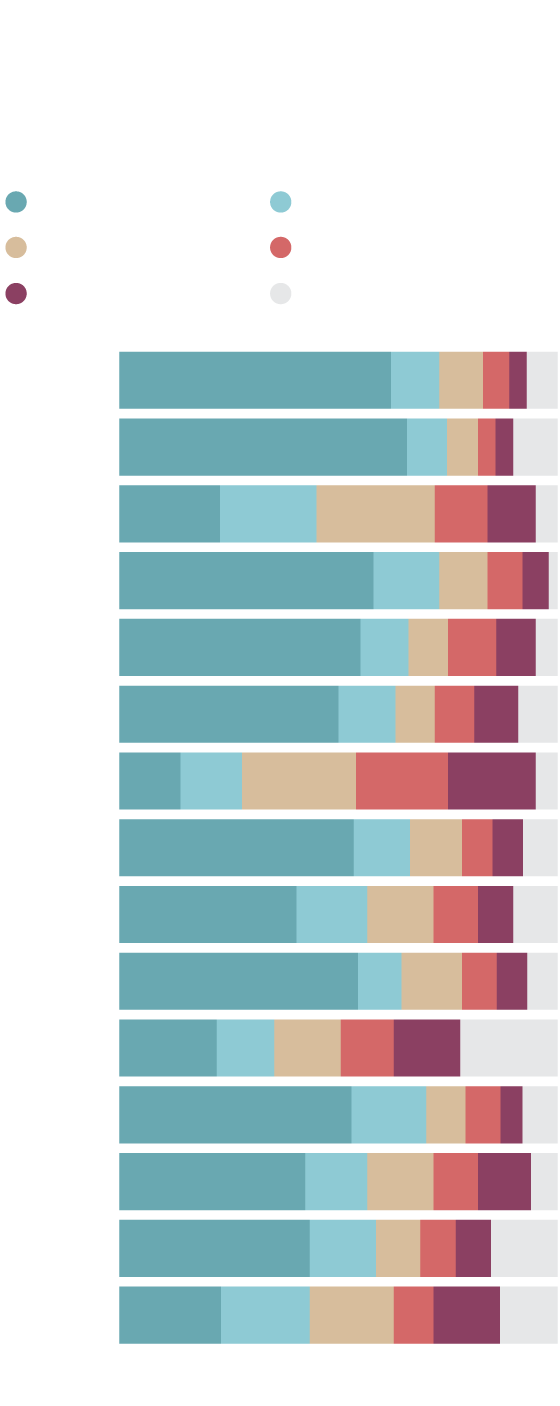
Once the COVID-19 vaccine becomes available to you, when would you get the vaccine?
Survey conducted Jan. 14 to 17
Immediately
Less than a month
1 to 3 months
3 to 6 months
6 months or more
Not sure
Brazil
7
62%
11
10
6
4
Britain
65
9
7
4
4
10
China
5
23
22
27
12
11
Mexico
58
15
11
8
6
2
Italy
55
11
9
11
9
5
Canada
50
13
9
9
10
9
South
Korea
14
14
26
21
20
5
Spain
54
13
12
7
7
8
Australia
40
16
15
10
8
10
Germany
55
10
14
8
7
7
Japan
22
13
15
12
15
22
U.S.
53
5
8
9
8
17
France
6
42
14
15
10
12
South
Africa
15
43
15
10
8
8
Russia
13
23
20
19
9
15
SOURCE: IPSOS
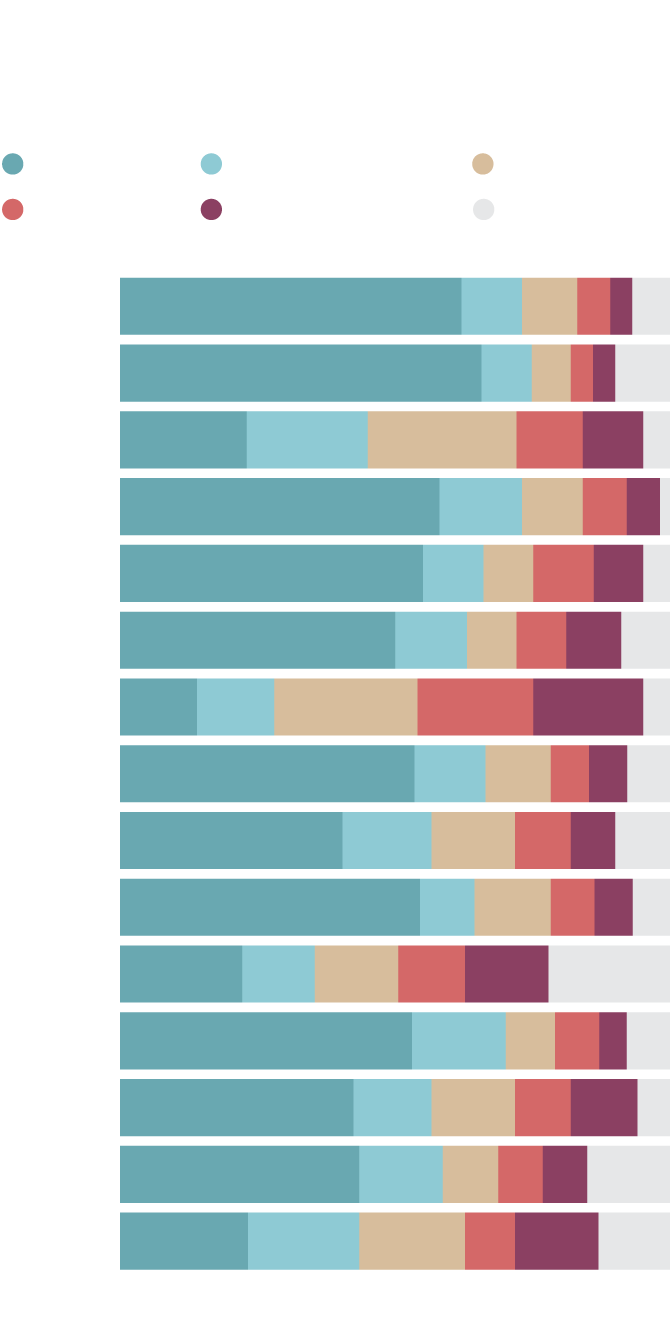
Once the COVID-19 vaccine becomes available to you, when would you get the vaccine?
Survey conducted Jan. 14 to 17
Immediately
Less than a month
1 to 3 months
3 to 6 months
6 months or more
Not sure
Brazil
62%
11
10
6
4
7
Britain
65
9
7
4
4
10
China
23
22
27
12
11
5
Mexico
58
15
11
8
6
2
Italy
55
11
9
11
9
5
Canada
50
13
9
9
10
9
South
Korea
14
14
26
21
20
5
Spain
54
13
12
7
7
8
Australia
40
16
15
10
8
10
Germany
55
10
14
8
7
7
Japan
22
13
15
12
15
22
U.S.
53
5
8
9
8
17
France
42
14
15
10
12
6
South
Africa
43
15
10
8
8
15
Russia
23
20
19
9
15
13
SOURCE: IPSOS
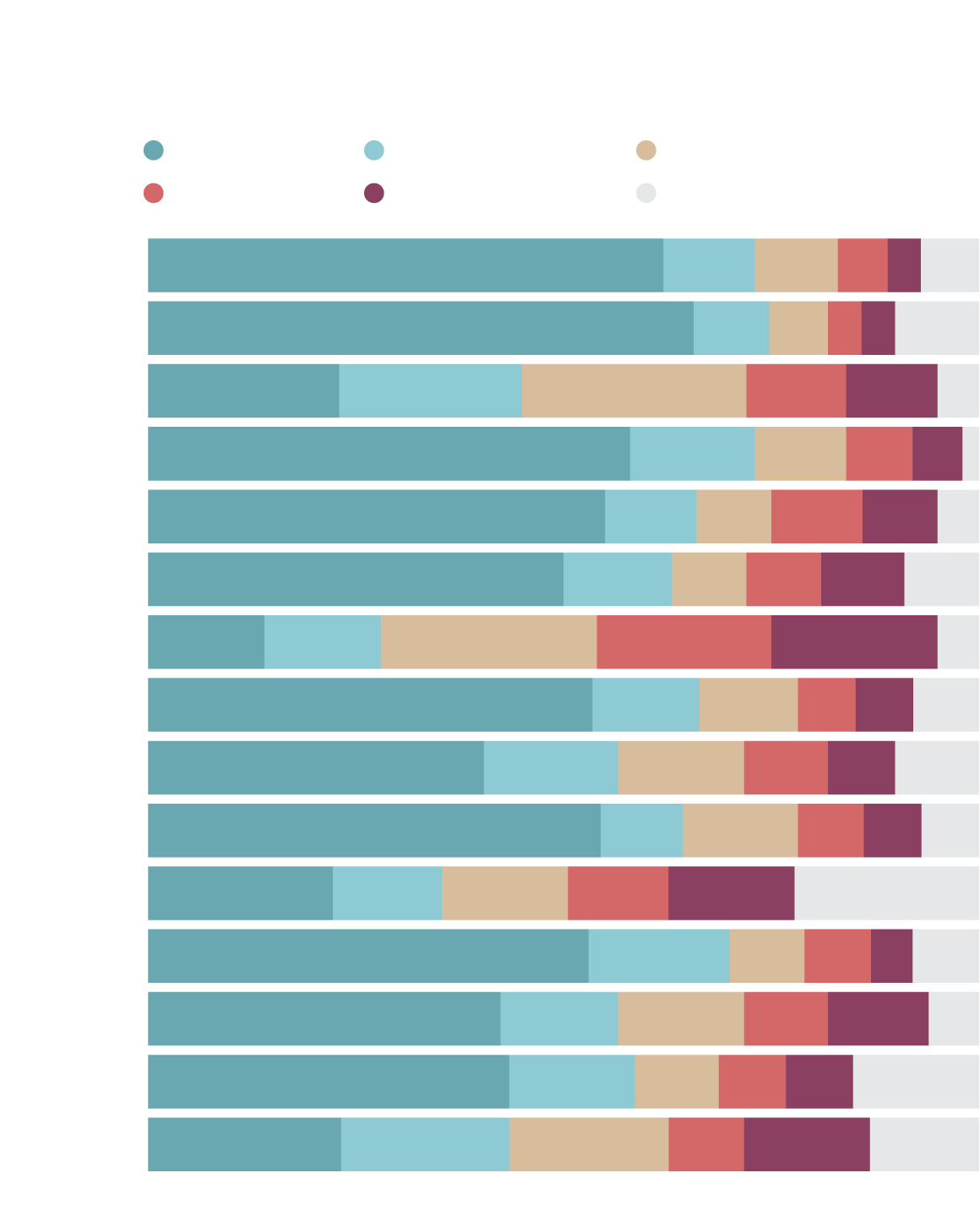
Once the COVID-19 vaccine becomes available to you, when would you get the vaccine?
Survey conducted Jan. 14 to 17
Immediately
Less than a month
1 to 3 months
3 to 6 months
6 months or more
Not sure
62%
11
10
6
4
7
Brazil
Britain
65
9
7
4
4
10
China
23
22
27
12
11
5
Mexico
58
15
11
8
6
2
Italy
55
11
9
11
9
5
Canada
50
13
9
9
10
9
14
14
26
21
20
5
South Korea
54
13
12
7
7
8
Spain
40
16
15
10
8
10
Australia
55
10
14
8
7
7
Germany
22
13
15
12
15
22
Japan
U.S.
53
5
8
9
8
17
42
14
15
10
12
6
France
43
15
10
8
8
15
South Africa
Russia
23
20
19
9
15
13
SOURCE: IPSOS
Meanwhile, Anthony Fauci, the director of the U.S. National Institute of Allergy and Infectious Diseases, has been raising his threshold for herd immunity. In recent weeks, he has bumped it to 80 per cent to 85 per cent. In other words, France and other countries that remain hesitant about vaccines are in trouble if only 40 per cent – even 50 per cent, 60 per cent or 70 per cent – of their populations are inoculated.
Gregory Poland, a professor of medicine at the Mayo Clinic and the director of its vaccine research group, said in an interview: “I actually don’t believe that only 40 per cent of French people will get the vaccine.” But he agrees that the percentage will have to rise a lot if France is to put the pandemic in reverse. By mid-week, France had recorded more than three million infections and 74,000 deaths – both figures the third-highest in Europe.
Fear of side effects alone does not readily explain French vaccine hesitancy or the rise of radical antivaccination movements across Europe. Other factors include vaccine scandals and historic distrust of the state and Big Pharma, but also the French government’s failure to develop a compelling communications strategy to promote the efficacy and safety of the COVID-19 vaccines.
On paper, France should be one of the COVID-19 vaccines’ greatest cheerleaders. It has a well-educated population, a health care system that is ranked among the best in the world and a law that requires every child to receive 11 vaccines, including ones for tetanus, polio and hepatitis B.
Yet millions remain leery of the COVID-19 vaccines. While the French have always been suspicious of governments telling them what’s good for them, strong vaccine hesitancy appears to be a relatively recent phenomenon. As recently as 2005, polls showed that 90 per cent of French people supported vaccines, according to various media reports.
So what turned them around?
Certainly the Andrew Wakefield scandal did not help. In 1998, Mr. Wakefield, then a physician, published an article in the British medical journal The Lancet that linked the measles-mumps-rubella vaccine to autism. The research was thoroughly debunked, but The Lancet did not retract the article until 2010.
About the same time, an effort in France to vaccinate children against hepatitis B coincided with a rise in multiple sclerosis cases. But no compelling evidence was found to connect the two.
At least two other incidents helped fuel French mistrust. The first was the 2009 HIN1 (swine flu) scandal, in which the government ordered way too many vaccine doses at a horrendous cost. Most of them went unused, triggering suspicions that the government was in league with Big Pharma.
The second was the Mediator scandal. Mediator was a drug developed by Laboratoires Servier to treat overweight diabetes patients but was widely used as a diet pill by healthy people. The drug was linked to as many as 2,100 deaths.
Dr. Poland of the Mayo Clinic says poor education everywhere has hindered public acceptance of COVID-19 vaccines.
“We don’t have trusted messages from trusted messengers,” Dr. Poland said. “Some people don’t believe COVID is deadly, and some don’t believe the government has a legitimate interest in using vaccines to help them. Both are wrong and hamper efforts to improve immunization rates.”
Sign up for the Coronavirus Update newsletter to read the day’s essential coronavirus news, features and explainers written by Globe reporters and editors.