President Donald Trump’s promised “golden age of America” is becoming a dark time for would-be asylum seekers, inside and outside the United States.
His first slate of executive orders has set the stage for mass deportations, the suspension of refugee resettlement, the scuttling of Biden-era tools for asylum applicants and, at the U.S.-Mexico border, a military deployment to counter what Mr. Trump characterizes as an “invasion.” Raids at schools and churches are no longer off-limits to immigration officers, and the Justice Department wants prosecutors to target any state or local officials who don’t co-operate with the new crackdown.
Here’s what you need to know about the orders, the policies enacted so far and the legal challenges Mr. Trump still faces.

Donald Trump tosses one of the pens he used to sign executive orders on Jan. 20, inauguration day, at an arena event for supporters in Washington.Brian Snyder/Reuters
What is an executive order?
Underneath all the legalese, an executive order is not really a law: It’s more like a wish list from the President to public servants.
Signing a lot of them is a time-tested way for new presidents to look as if they’re acting decisively on campaign promises. In his first term, Mr. Trump issued 220 executive orders – considerably more than Joe Biden’s 160, according to the tally by the American Presidency Project at the University of California, Santa Barbara. Neither is close to the all-time record of 3,721 set by Franklin D. Roosevelt, who served three terms spanning the Depression and Second World War.
Issuing orders doesn’t need approval from Congress or the courts, but implementing them sometimes does, especially if they promise a complicated or vague policy. Lawmakers can revoke executive orders, and litigation can challenge whether the president exceeded his legal authority with a given order.


Trump’s executive orders on immigration, and what they mean
National border emergency
The order: Mr. Trump declared illegal immigration a “national emergency” and gave the Defence Secretary a freer hand to send troops to the border. The Pentagon began deploying 1,500 active-duty soldiers and military aircraft for deportation flights.
What it means: Sending the military to the border is not new – George W. Bush, Barack Obama and Mr. Biden each did that with the National Guard – but the difference is in what their orders are.
For instance, the troops deployed by Mr. Biden in 2023 had no power to make arrests or use weapons: They were largely there for administrative help when pandemic-era restrictions on the border were lifted. Past presidents also faced criticism from Congress over the cost of sending the miliary. But the dynamic is much different with Mr. Trump, who characterizes border-crossers not as victims of a humanitarian crisis, but as invaders who should be met with force.
The result: “The people of Mexico can be sure that we will always defend our sovereignty and our independence,” Mexican President Claudia Sheinbaum said of Mr. Trump’s orders. She also signalled that she’d be open to dialogue with Washington on issues of borders and migration.

The day after Mr. Trump's inauguration, deported migrants walk back into Mexico at the El Chaparral pedestrian bridge in Tijuana. Mexico's President says the country will strive to treat migrants in a 'humanitarian' way, but also repatriate them to their home nations.Felix Marquez/The Associated Press

Immigration and Custom Enforcement officers, like these ones in New York, have new instructions from Mr. Trump on detaining people for deportation.Julia Demaree Nikhinson/AP
Mass deportations and the Laken Riley Act
The order: Anyone in the United States illegally is a priority target for arrest, Mr. Trump told U.S. Immigration and Customs Enforcement, whose officers had previously been told to focus on known serious criminals. But now, the Laken Riley Act, passed by the Senate on Jan. 21, allows Homeland Security to detain any non-U.S. citizens arrested for burglary, theft, larceny or shoplifting, and allows states to sue the federal government for perceived lapses in enforcement of immigration-related cases. In turn, a Justice Department memo encourages prosecutors to go after local law enforcement that doesn’t co-operate with the federal edicts.
What it means: As many as 11 million people in the United States got there by illicit means, according to U.S. government estimates, though some analysts say it could be 13 to 14 million. Arresting and detaining them in a hurry is a recipe for human-rights abuses, immigration advocates say.
If Mr. Trump succeeds in mass deportations on the scale he has promised, it would create huge labour shortages in sectors such as agriculture, skilled trades and construction. His supporters hope this would lift wages for the lowest-paid American workers, but getting to that point would be a chaotic process.
The result: For people who have fled poverty, gang violence and political repression in their home countries, being forced back could be a death sentence – and that’s assuming they’re able even to. Nicaragua, for instance, sometimes strips the citizenship of dissidents abroad, making them stateless and unable to return. Guatemala, however, has signalled it might accept deportees from other Central American countries, putting their skills to use in the domestic private sector.
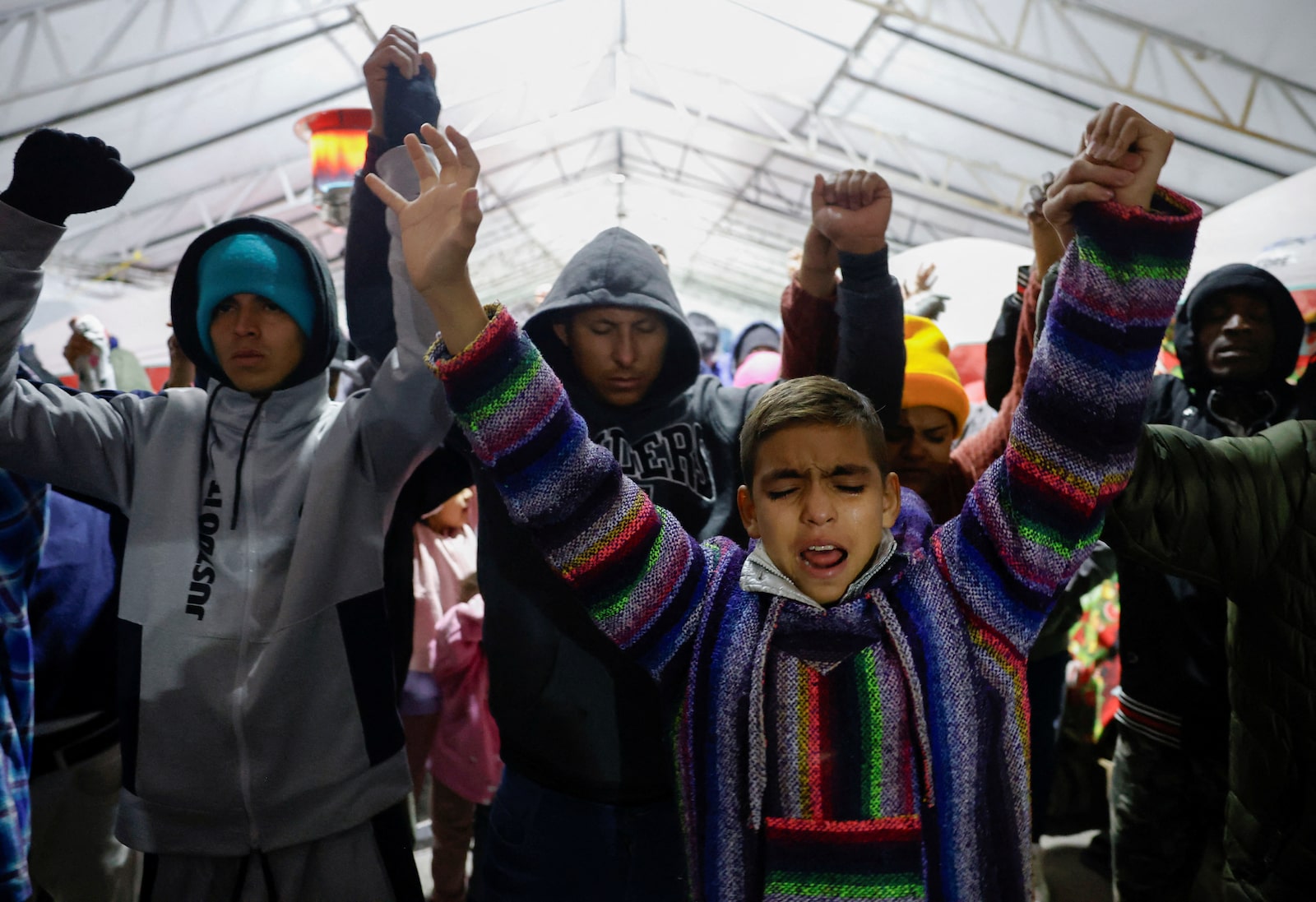
Refugee admissions, ‘remain in Mexico’ and CBP One
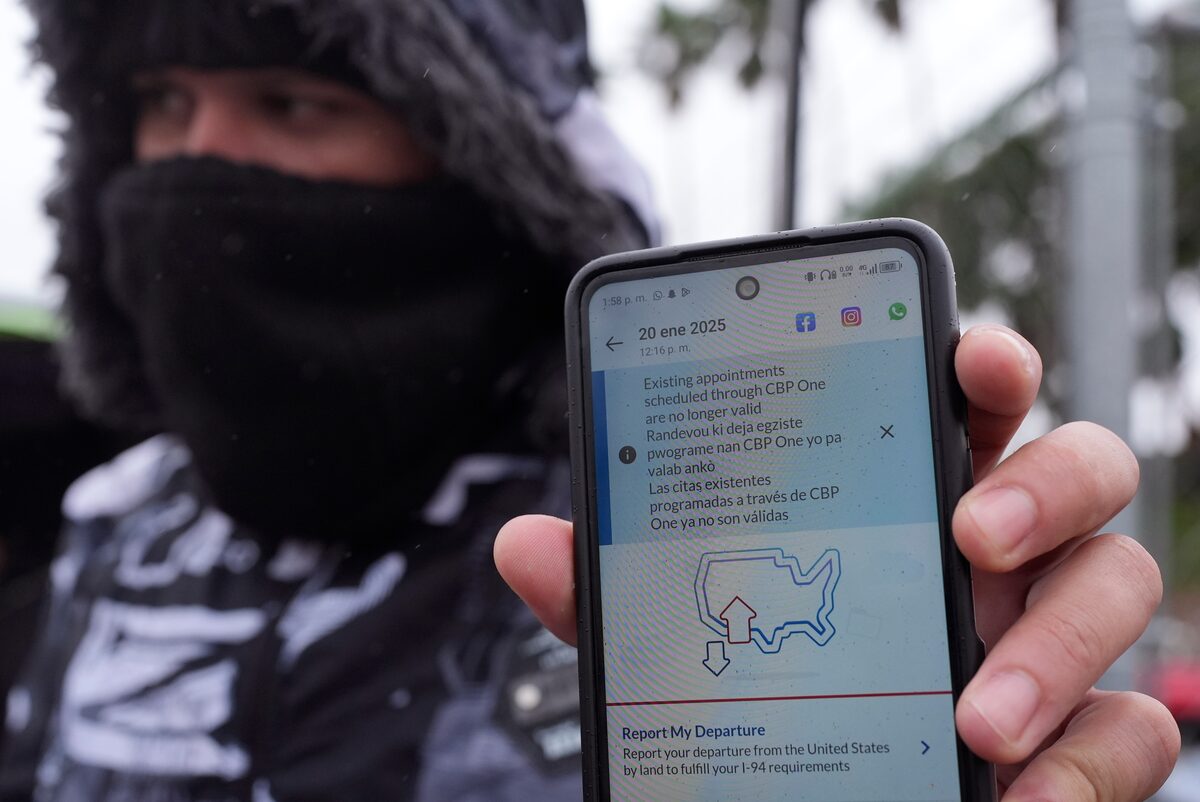
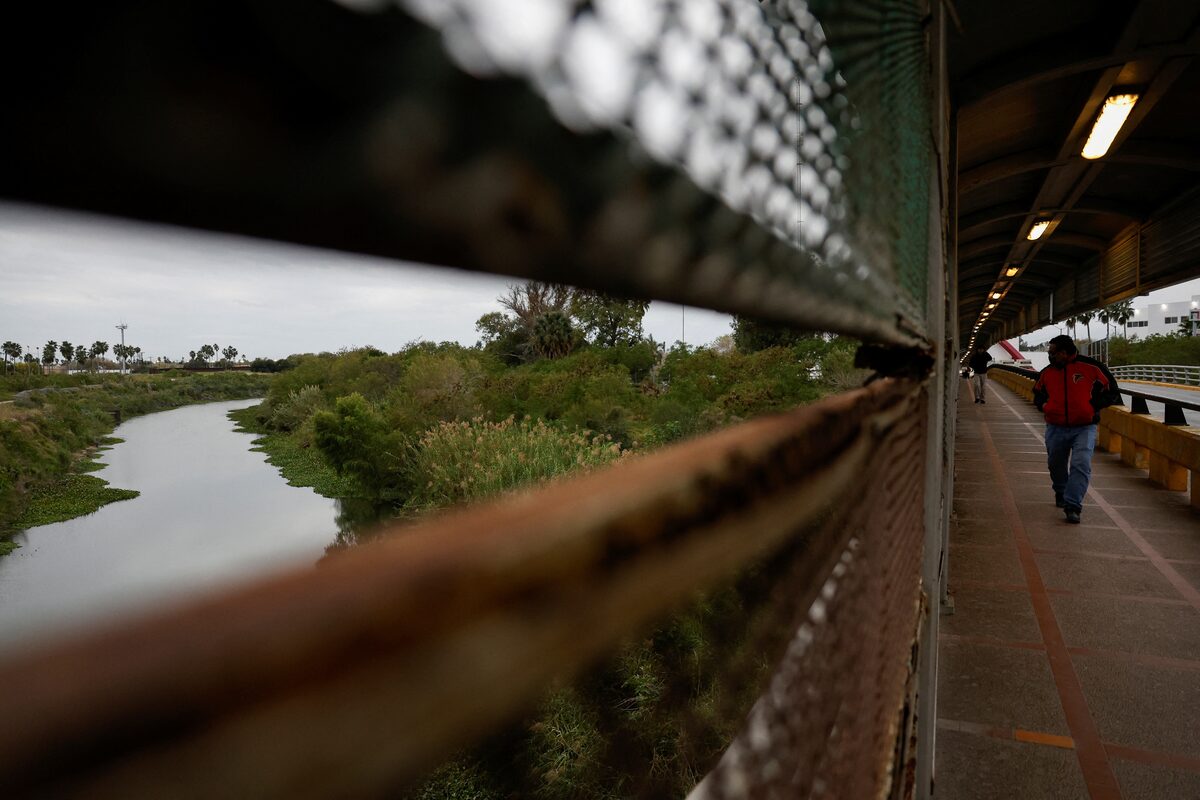
The orders: Mr. Trump suspended refugee resettlement programs for at least three months, ordering the Homeland Security and State departments to look into whether resuming them is “in the interests of the United States.” In the meantime, he wants to bring back a “remain in Mexico” policy he implemented in 2019, which left asylum seekers in Mexico while their hearings were under way. CBP One – an app that, under the Biden administration, allowed applicants to manage their hearings – has been shut down.
What it means: Under international law, people fleeing persecution in one country have the right to seek asylum in another. Refugee crises in the 2010s – fuelled by a wave of civil wars, climate disasters and related economic turmoil – put increasing pressure on the developed world’s asylum policies. Mr. Trump, exaggerating claims about the asylum system’s potential for criminal abuse, insists on keeping applicants out of the United States, hence the remain-in-Mexico policy, officially called the Migrant Protection Protocols. It consigned many asylum seekers to crowded slums where Mexican cartels held sway. When Mr. Biden took office, CBP One was meant to ameliorate this by letting some people into the United States legally and enabling them to stay in contact with immigration authorities through the app.
The result: CBP One’s shutdown cancelled asylum hearings for thousands of people, leaving their cases in limbo. More than 1,600 Afghans, some of them family of U.S. military personnel, had their flights cancelled on inauguration day as the refugee freeze took effect.

Angie, mother of baby Juan Pablo, is a migrant from Honduras, which has birthright citizenship – as does Mexico, where she is staying at a shelter in the capital.Gustavo Graf/Reuters/Reuters
Birthright citizenship
The order: Children born on U.S. soil will no longer automatically get U.S. citizenship, Mr. Trump says, if they meet two criteria: their mothers were in the country unlawfully or temporarily; and their fathers are not U.S. citizens or permanent residents at the time of birth.
What it means: Most countries in the Americas have unrestricted birthright citizenship, where a child’s legal identity is based on where they were born, not who their parents are. The U.S. Constitution guarantees this in the 14th Amendment, passed in 1868 to give Black people – recently freed from slavery by the Civil War – the same rights as other Americans. The key phrase in the amendment is this:
All persons born or naturalized in the United States, and subject to the jurisdiction thereof, are citizens of the United States and of the State wherein they reside.
The “jurisdiction thereof” gives room for authorities to deny citizenship to, for instance, the children of foreign diplomats. Mr. Trump’s order takes a wider interpretation: It argues that a mother “unlawfully present” in the country is not in U.S. jurisdiction, so neither should her child.
The result: Changing the 14th Amendment is a tall order for Mr. Trump: Both houses of Congress, and three-quarters of the states, would need to approve it. For now, the key question is whether the executive order is constitutional. Immigrant and civil-society groups argue that it isn’t, and are suing the government citing an 1898 case, U.S. v. Wong Kim Ark, that ruled the children of non-citizen parents count as U.S. citizens. Once that lawsuit works its way through lower courts, it may come down to the U.S. Supreme Court, which has three Trump-appointed justices among its nine members.
With reports from Reuters, Associated Press and Globe staff
Immigration and the Trump era: More from The Globe and Mail
The Decibel podcast
How can Canada’s immigration system find a better balance? The Globe’s editorial board studied the issue and how the Trudeau government has changed course on it. Editorials editor Patrick Brethour spoke with The Decibel about what they found. Subscribe for more episodes.
Consequences for Canada
Trump’s executive orders on immigration could prompt rise in asylum claims in Canada, experts say
Provincial border reinforcements limited in what they can do