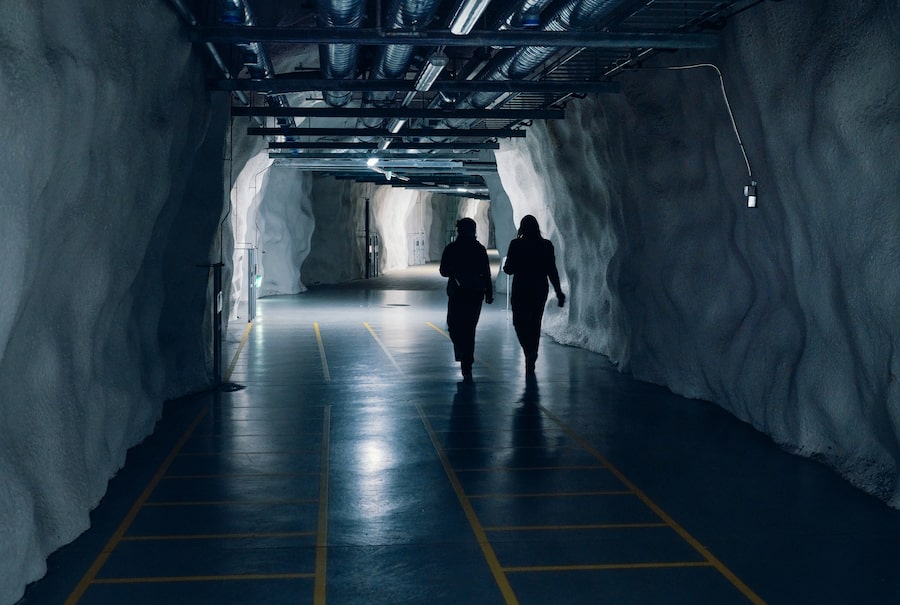
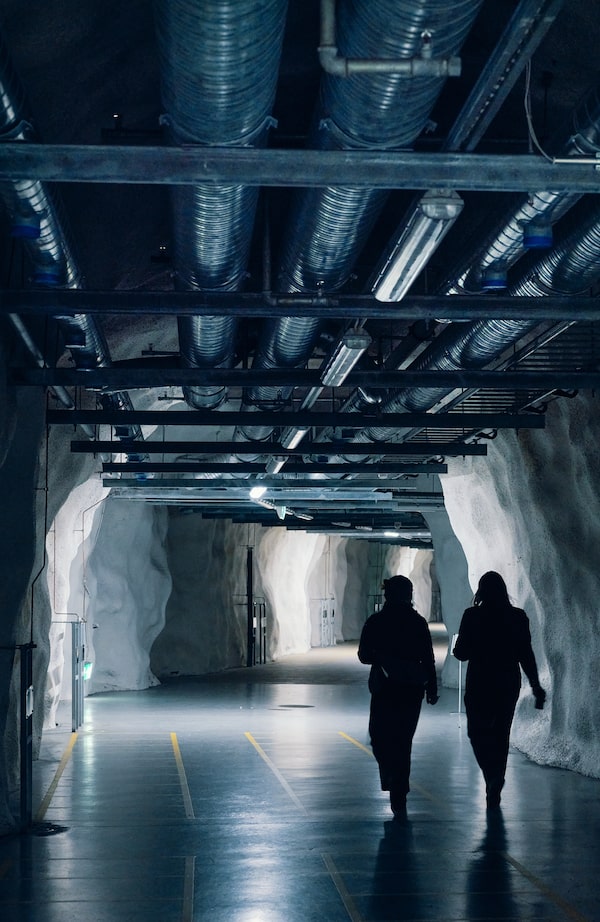
Finland is always prepared for war. It’s a way of life that’s tied to its history of Russian occupation – such as during the Winter War of 1939 to 1940 which ended with Finland ceding a significant amount of territory to the Soviet Union – and the roughly 1,340-kilometre border it continues to share with its aggressor. But it’s not a source of fear for most of those who live there. Nor is it something they think about every day. Rather, the country’s preparedness is taken as a form of reassurance, and hopefully deterrence, by most Finns.
“Russia has always been there. We have always been prepared. It’s a tradition in Finland,” says Annukka Ylivaara, assistant secretary general of the Finnish Security Committee.
Lately, Finland’s approach to comprehensive security has been put on a pedestal by many of its fellow NATO members. In the face of growing geopolitical threats – such as U.S. President Donald Trump’s threats to take over Greenland and the wars in Ukraine as well as the Middle East – the alliance of countries is collectively striving to enhance its defence capabilities. Finland’s security model – which relies on robust defence, psychological resistance and trust – isn’t something that can be bought, borrowed or exported. But its approach can teach its allies about how war preparedness must be infused into civilian life.
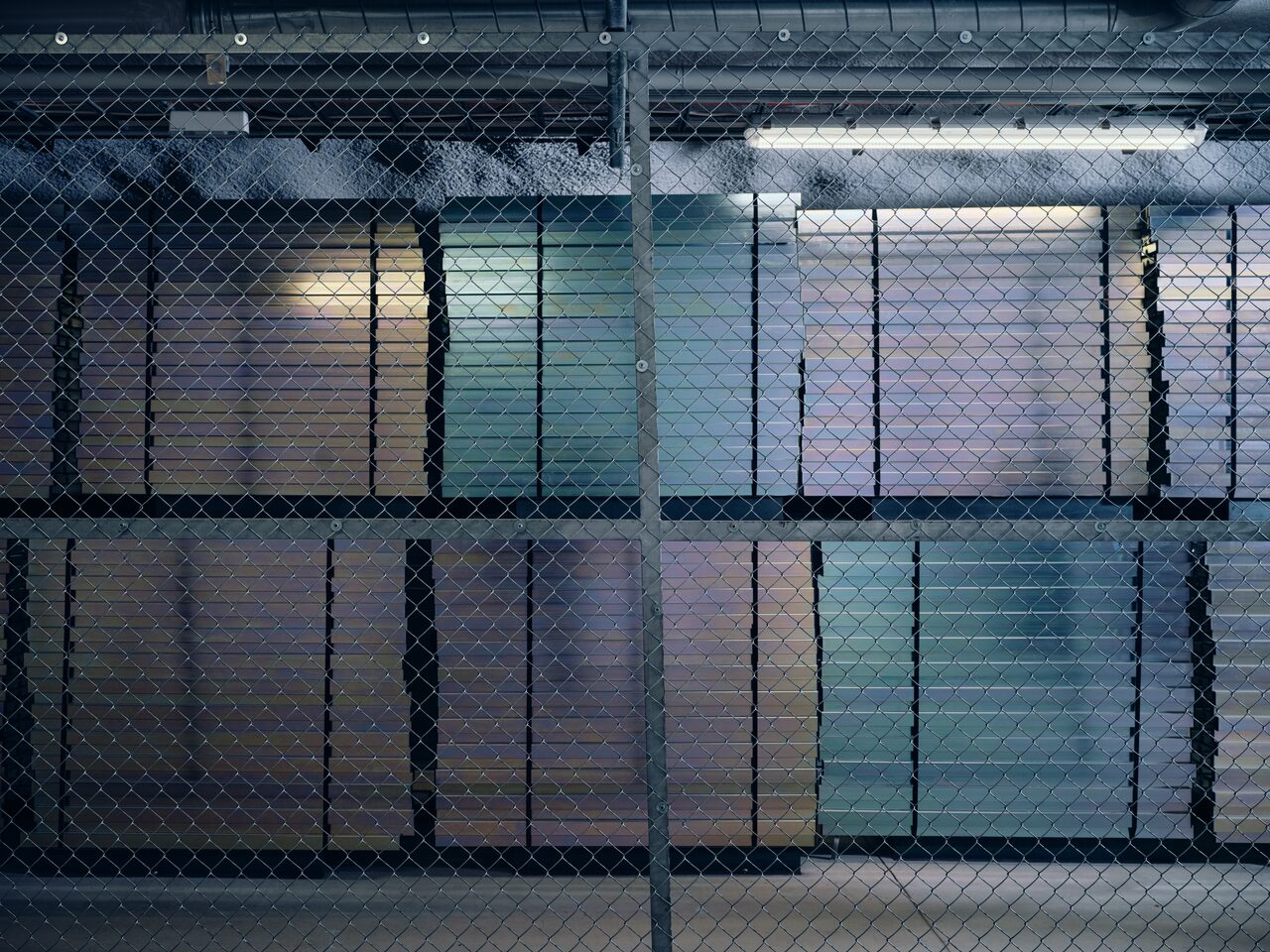
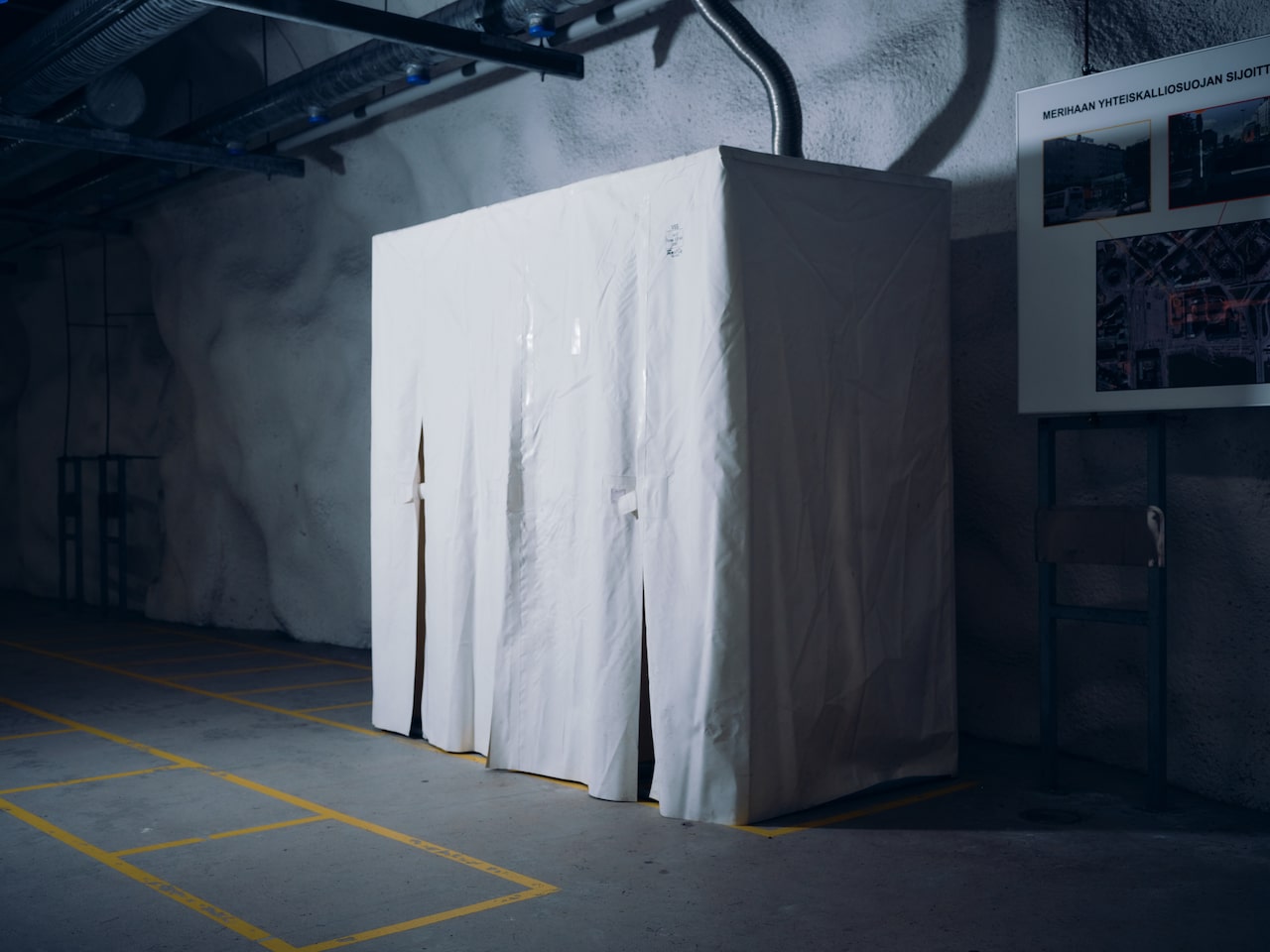

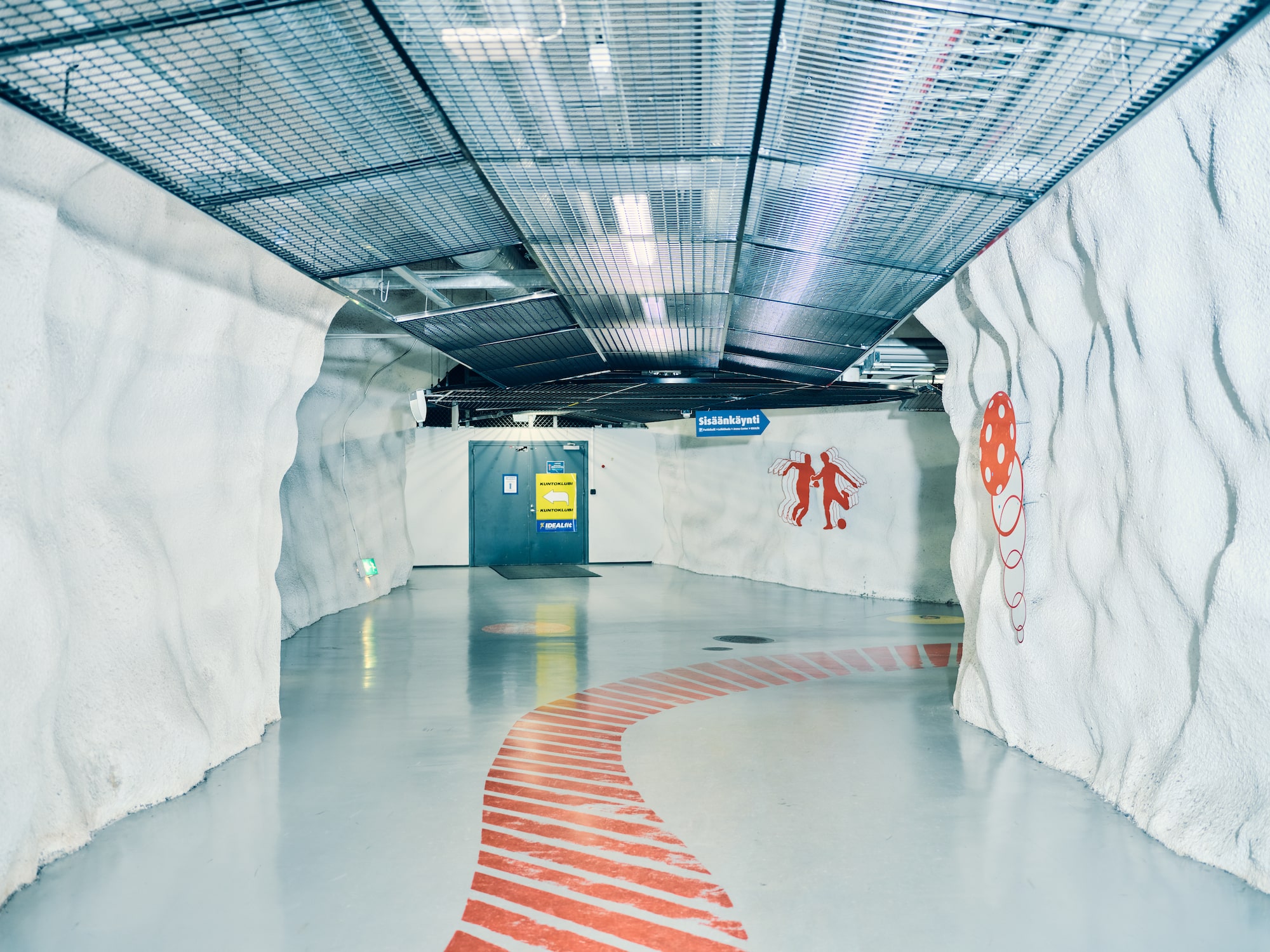
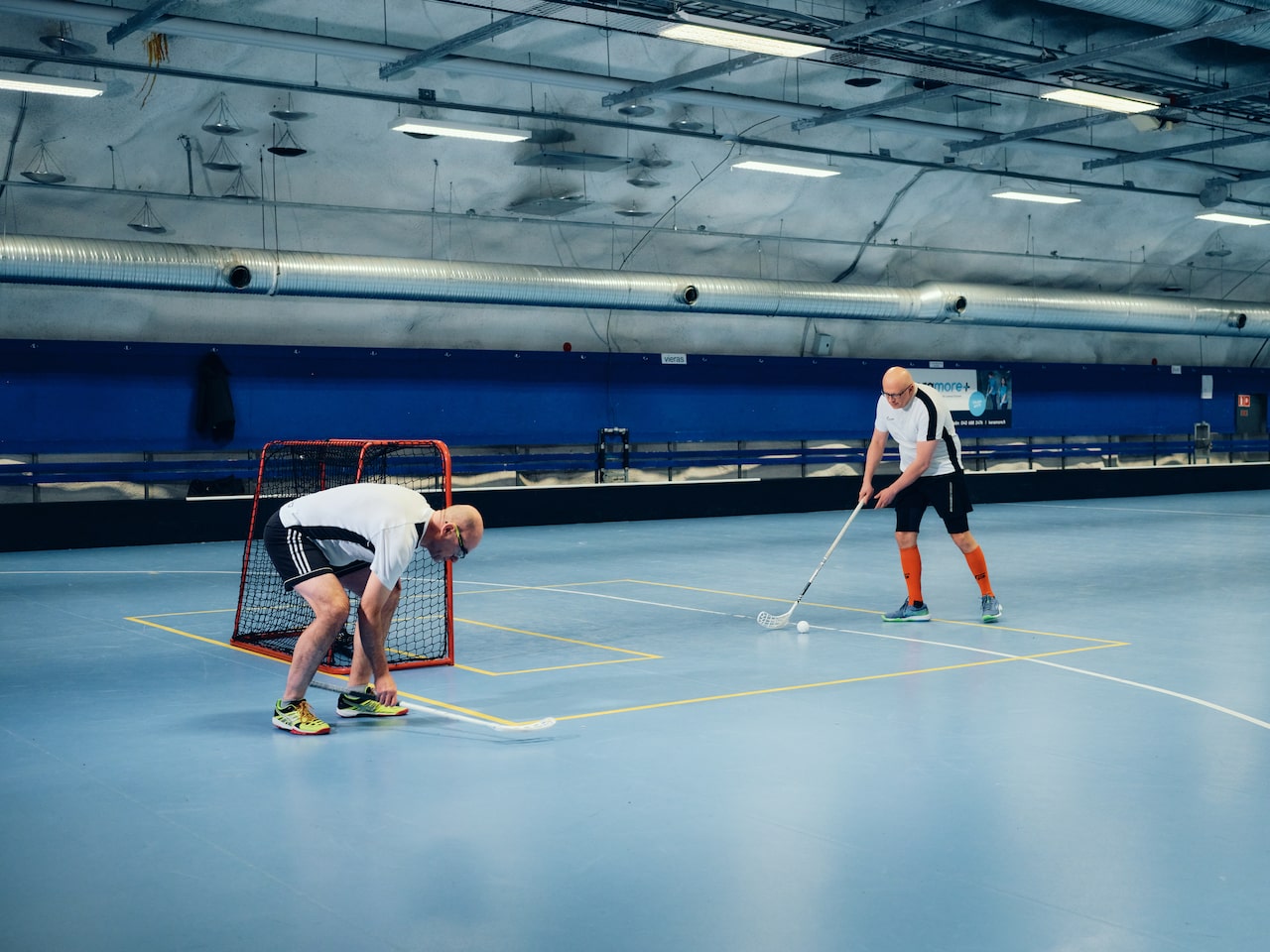
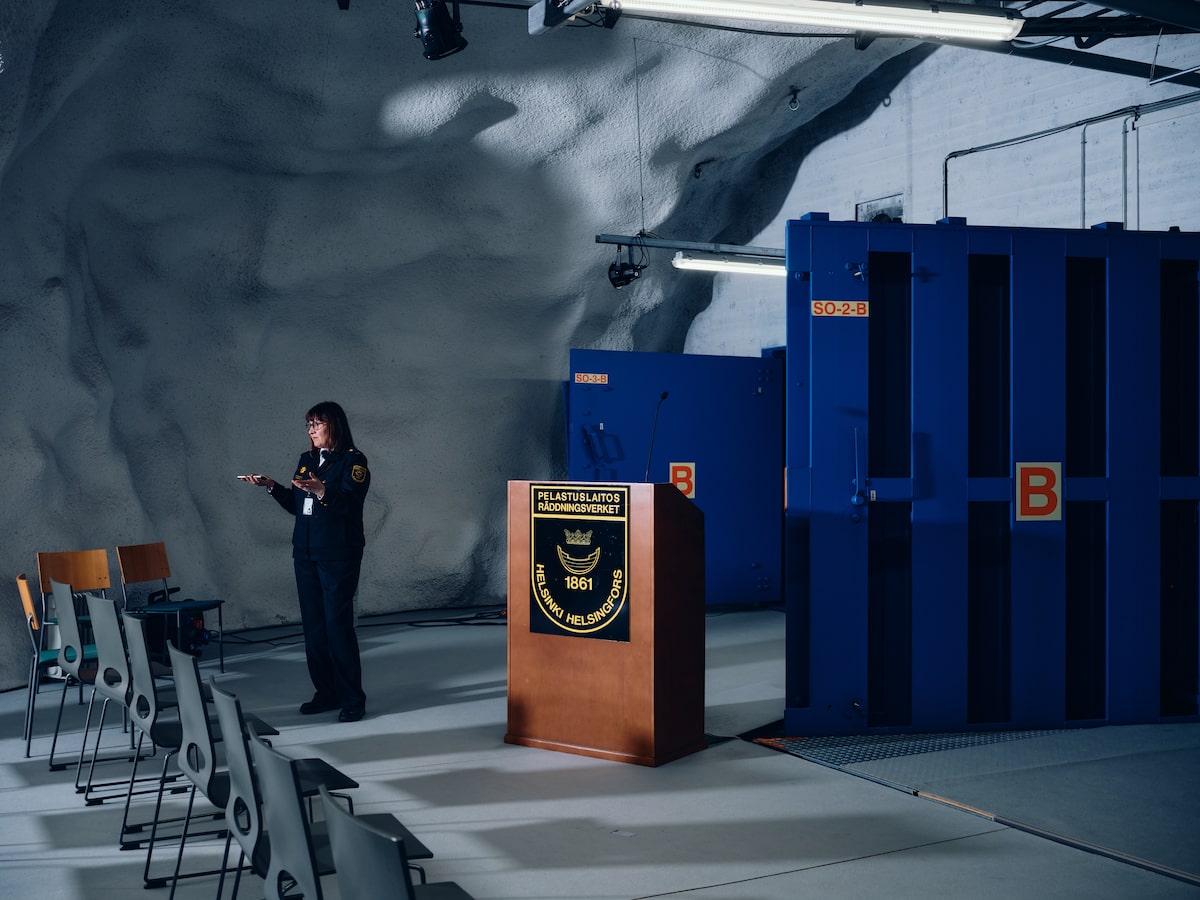
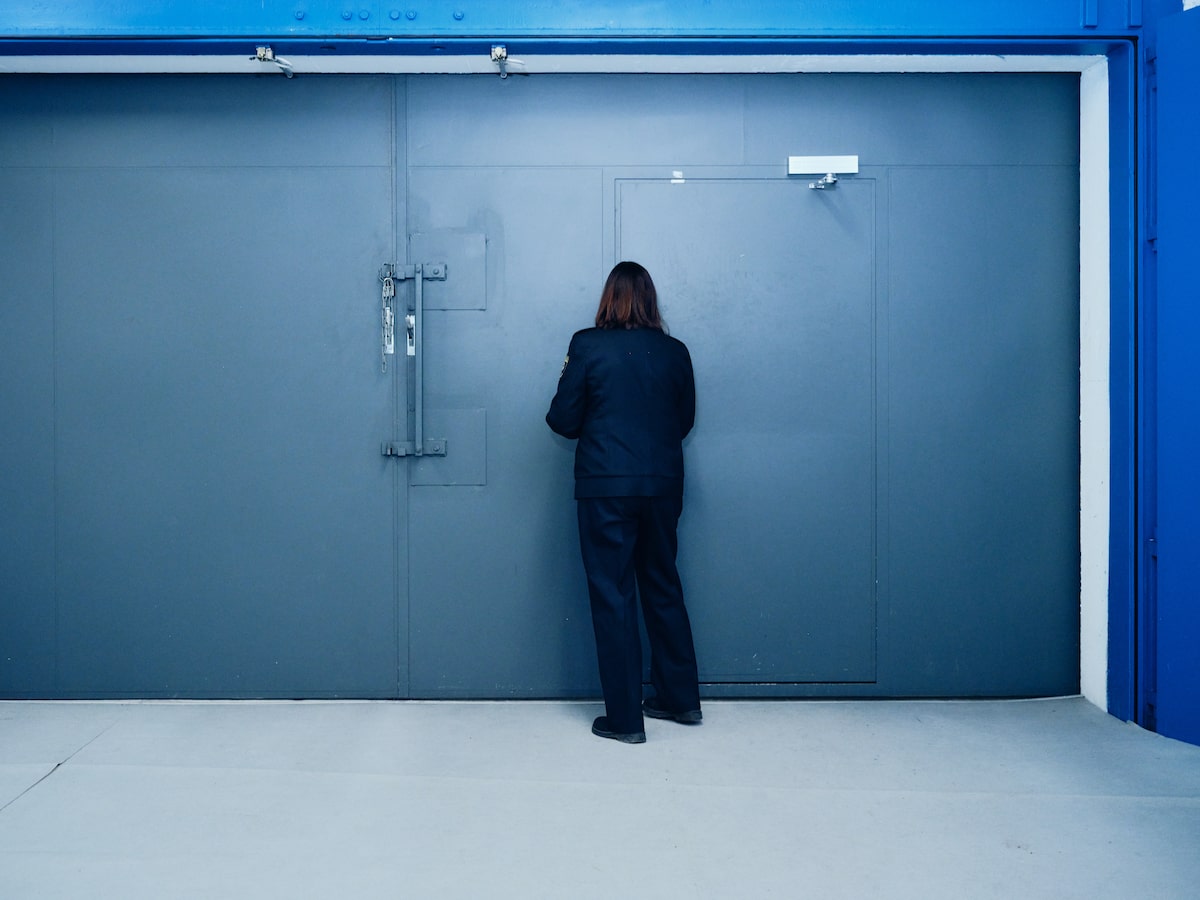
The Merihaka shelter is one of roughly 50,500 across Finland, Europe’s eighth largest country by area. Approximately 85 per cent of the shelters are private, typically basements in individual buildings that double as storage areas and altogether, they have the capacity to house nearly all of Finland’s approximately 5.5 million residents in a time of crisis. By comparison, neighbouring Sweden has 64,000 air raid shelters with the capacity to house around 7 million people. Sweden’s population is 10.6 million.
Finland began building its underground bunkers in the early 1950s after a series of conflicts with Russia and the implementation of legislation mandating the government provide civil defence to persons and property. Just as the Russian threat hasn’t dissipated, Finland hasn’t stopped building. “Our geography hasn’t changed. We have the same neighbour, so why would we?” said Nina Järvenkylä, a communications specialist for the Helsinki City Rescue Department.
Its shelter network is just one small part of the country’s comprehensive security strategy, a government resolution which aims to engage every citizen – not just its armed forces – in building a more resilient society. This includes protecting museums, religious centres and cultural sites to foster national identity. It also includes prioritizing equality in education to reduce societal exclusion among youth and maintaining its long-standing conscription to bolster Finland’s reserve forces and normalize military service.

Finland has conscription to replenish the ranks of its military. That includes the country’s border agency, which held exercises at this recent summit in Helsinki.Adrian Dennis/Getty Images/Getty Images
First published in 2003, the security strategy is reviewed every few years. In 2025, it was updated for a fifth time – spurred by COVID-19, Russia’s invasion of Ukraine and Finland’s new NATO membership – and assigned a total of 56 strategic tasks to various government departments whose execution is monitored through regular assessments. Only two of the tasks are assigned to the country’s Ministry of Defence, with the rest being purely civilian and the shared responsibility of other ministries.
These tasks include bolstering the importance of Finland’s defence capabilities and ensuring it can support the forces of its new NATO allies, as well as its own, after joining the alliance in 2023. It also includes prioritizing cybersecurity co-operation and the availability of space capabilities.
In an interview with The Globe and Mail in February, Foreign Affairs Minister Anita Anand said Canada’s federal government has been working through the fall to update its own national security strategy, which will be finished this year. She said each of the ministers has been working on their own line items for the strategy to be issued under its umbrella.
Canada’s current national security policy was published in 2004 under then-prime minister Paul Martin and cites threats such as the SARS outbreak and Sept. 11, 2001, as indications of an increasingly dangerous world. Canada has more frequently updated its defence policy.
In the past, Finland has emphasized political leadership among the vital functions of its society from a security lens, said Ms. Ylivaara of the Finnish Security Committee.
Today, a greater emphasis is being placed upon psychological resilience – something Finns see as critical to responding to crises which has been reinforced by the COVID-19 pandemic and the war in Ukraine, she said. Yet that resilience is also one of the most difficult societal functions to maintain.
“It’s not something physical that you can get, that you can maintain, because it’s based on the trust of society, whether you trust institutions, whether you trust your fellow citizens,” she said.
Trust is the most difficult part of Janne Kuusela’s job as permanent secretary of Finland’s Ministry of Defence.
Finland’s economy is not doing well. The small, export-oriented country never recovered from the 2008 financial crisis before being battered by the COVID-19 pandemic, closing its eastern border and stopping trade with Russia. Its aging population is feeling the strain of everyday expenses.
For a government to cut public services and invest more in defence, in times like this, takes a lot of trust, said Mr. Kuusela. His government has zero margin for error. Yet public trust in their actions persists. Likely, because Finns know what’s at stake, he said.

Shelters like Merihaka are just one part of Finland’s security strategy, one that increasingly focuses on psychological resilience and trust in civic institutions.
According to the 2025 edition of an annual survey commissioned by the Ministry of Defence, 80 per cent of Finns are content with the management of the country’s defence policy in recent years and 80 per cent are prepared to contribute to national defence if the country is attacked. The latter percentage varies slightly when separated by age group but never dips below 70 per cent, even among those aged 34 and younger.
“I think many Finns, deep down, would rather die defending Finland than live under Russian rule. So it galvanizes the will to be part of the security and defence system,” Mr. Kuusela said. In modern society and a Western democracy, psychological resilience isn’t something the state can enforce or control. It comes down to each individual citizen, their preparedness, their trust in their community and their willingness to do their part to defend their country, he said.
Finnish legislation outlines specific requirements of its citizens to participate in this defence, Ms. Ylivaara said. For example, Finland has long required every male citizen to serve for at least 165 days at age 18, given they’re fit for duty. Female citizens can apply for voluntary military service.
Finns are also required to be in school from ages six to 18, and there’s a dearth of private schools, encouraging equal access to education through public schooling irrespective of students’ background, age, wealth or location.
While it may feel far away from preparedness for war, on a societal level, cultural and religious activities, sports and volunteerism are also encouraged among citizens by the Finnish government. The idea is that the more somebody is invested in and supported by their community and country, the more resilient – and more willing to fight for it – they will be.
All of this ties into Finland’s defence capabilities and its interdependence on psychological resilience, leadership, the economy and societal infrastructure, among other things. This holistic perspective is something Finland’s allies could stand to learn from, Ms. Ylivaara said.

The recreational trappings of the civil defence shelter are designed to be quickly converted to emergency use in a crisis.
Of course, the psychological resilience of a population does little to ward off an incoming attack if the country isn’t also heavily armed. Finland’s defence industry is mostly made up of small-to-medium-sized companies, which the government buys from and helps export their products, Mr. Kuusela said.
The Finnish government also has strategic partnerships with a handful of its larger defence contractors such as Patria, which is jointly owned by the state of Finland and Norwegian company Kongsberg Defence & Aerospace. Mr. Kuusela said the government enters into long-term contracts with companies such as Patria to ensure they have a consistent demand signal to invest and provide steady employment.
The war in Ukraine has also shown the Nordic country how quickly supply bottlenecks can build up for necessities such as ammunition, Mr. Kuusela said. That’s why Finland is building a new explosives factory, where it will produce TNT to supply its own troops, as well as its allies.
“Most of our supplies for both the civilian economy and defence come through the Baltic Sea. We need to prepare for, eventually, if the Baltic Sea is a war theatre, that may not be available,” he said.

Still, arms aside, a country’s security starts with its people and their understanding of the role they have to play, said Mr. Kuusela. Without that basic understanding, there’s very little a government can accomplish.
“I have noticed that people are worried. They see the news, they read newspapers, but they don’t see the connection that concerns themselves, and that they could do something about it,” he said.
According to the Ministry of Defence’s annual survey, the state of global politics, including developments in Russia and the U.S., the erosion of the rules-based international system and war were among Finns’ top causes for concern last year. Additionally, 55 per cent said they believed the military situation in neighbouring areas will become “more threatening” over the next ten years.
To ensure its citizens are attuned to preparedness and defence, Finland employs a conscription model that dates back to the end of the nineteenth century. “Every Finnish family has a straight connection to the defence forces. It gets very personal, they have skin in the game,” Mr. Kuusela said.
The country also runs annual national defence courses for select individuals in influential positions, such as politicians, business and non-governmental organization leaders, he added. “When they realize the sheer importance of this and what they can do, that keeps the system going, and then we just need to train and rehearse it.” The courses typically consist of lectures, site visits and practical exercises intended to teach them about Finland’s comprehensive security strategy.
Since 1961, the country has organized 254 courses, held over three to five weeks, for roughly 10,000 participants to learn about its comprehensive security model. It’s also held more than 1,000 week-long regional defence courses since 1962, educating roughly 65,000 participants.
This, coupled with large-scale exercises to test its military response, such as NATO’s Cold Response 26 exercise which was partly held in northern Finland in March and designed to train the defence of NATO’s northern flank, are crucial for rehearsing what would really happen if the country were attacked, Mr. Kuusela said.
“We like to think that we have worked on these concepts so much that we can actually turn a switch and switch the country to a war mode.”
A world on guard: More from The Globe and Mail
The Decibel podcast
A U.S. invasion of Canada is a far-fetched scenario, but our military has already modelled a hypothetical version of it, The Globe reported in January. Ottawa bureau chief Robert Fife spoke with The Decibel about the model and what tactics Canada could borrow from conflicts in Ukraine and Afghanistan. Subscribe for more episodes.
Commentary
Ira Wells: Are young Canadians ready for an age of ‘total war’?
Tom Tugendhat: CANZUK is stronger together in a time of turmoil