Since 1975, Lebanon has endured the equivalent of about 30 years of civil war, deadly border conflicts and foreign occupation, including invasions by Israel and Syria. War, political instability and economic collapse seem the norm, not the exception.
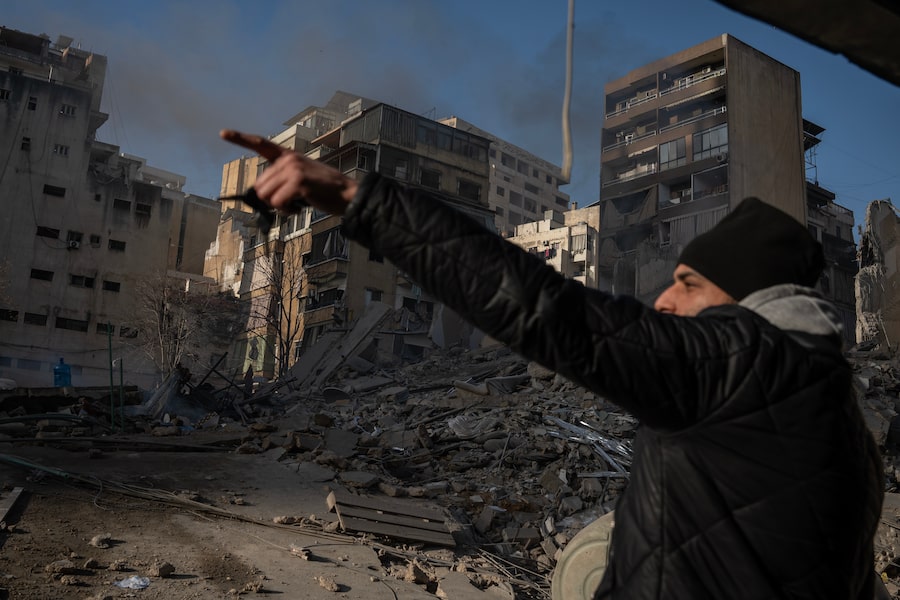
In that sense, there is nothing different about the latest crisis in Lebanon, which began on March 2 when Hezbollah, an Iran-backed proxy, sent a rocket volley into northern Israel. Since then, Hezbollah’s and Israel’s attacks and counterattacks have expanded into a full war that is engulfing the tiny eastern Mediterranean country.
“The question in Lebanon always is: How long will stability last?” said Damianos Kattar, the Maronite Lebanese economist who has held three government cabinet posts, including minister of finance.

A boy fishes in the old port of Tyre, southern Lebanon, on March 20. Despite an Israeli evacuation order, some residents, including families, remain in the city.Siegfried Modola/The Globe and Mail
The two generations of Lebanese who have known little else but war and hardship are no doubt saying to themselves: This too shall pass.
Wishful thinking, perhaps. Lebanon is being ripped apart by Israel’s aerial and ground attacks. At the same time, the Lebanese government’s efforts to disarm Hezbollah seem to be going nowhere.
Several prominent Lebanese politicians, economists and academics think this crisis is unusually severe and could even lead to another civil war. “There will be a Lebanon but not the Lebanon as we know it,” said Ghassan Moukheiber, a lawyer who was an independent member of the Lebanese parliament for 16 years, until 2018. “This is an existential crisis.”
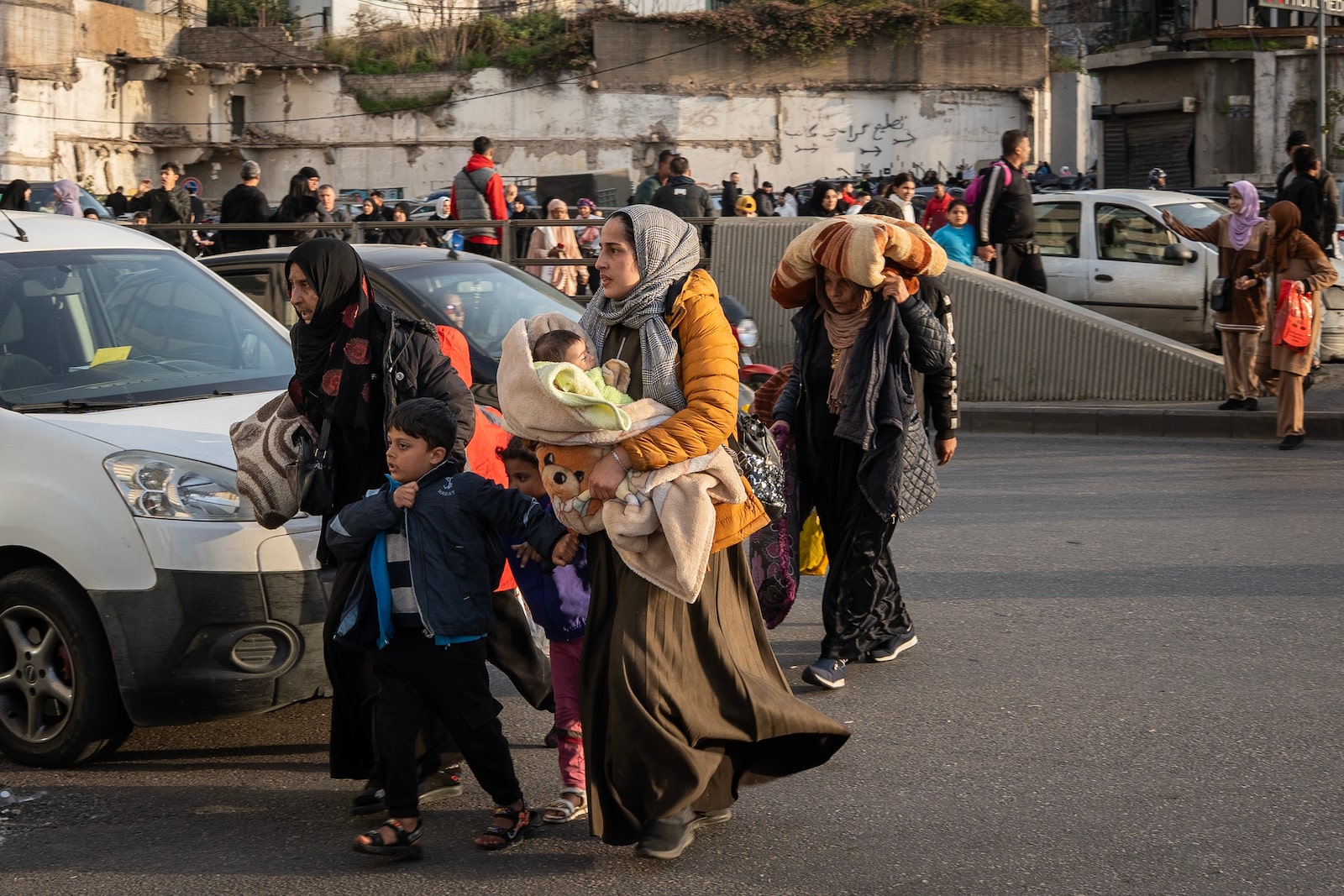
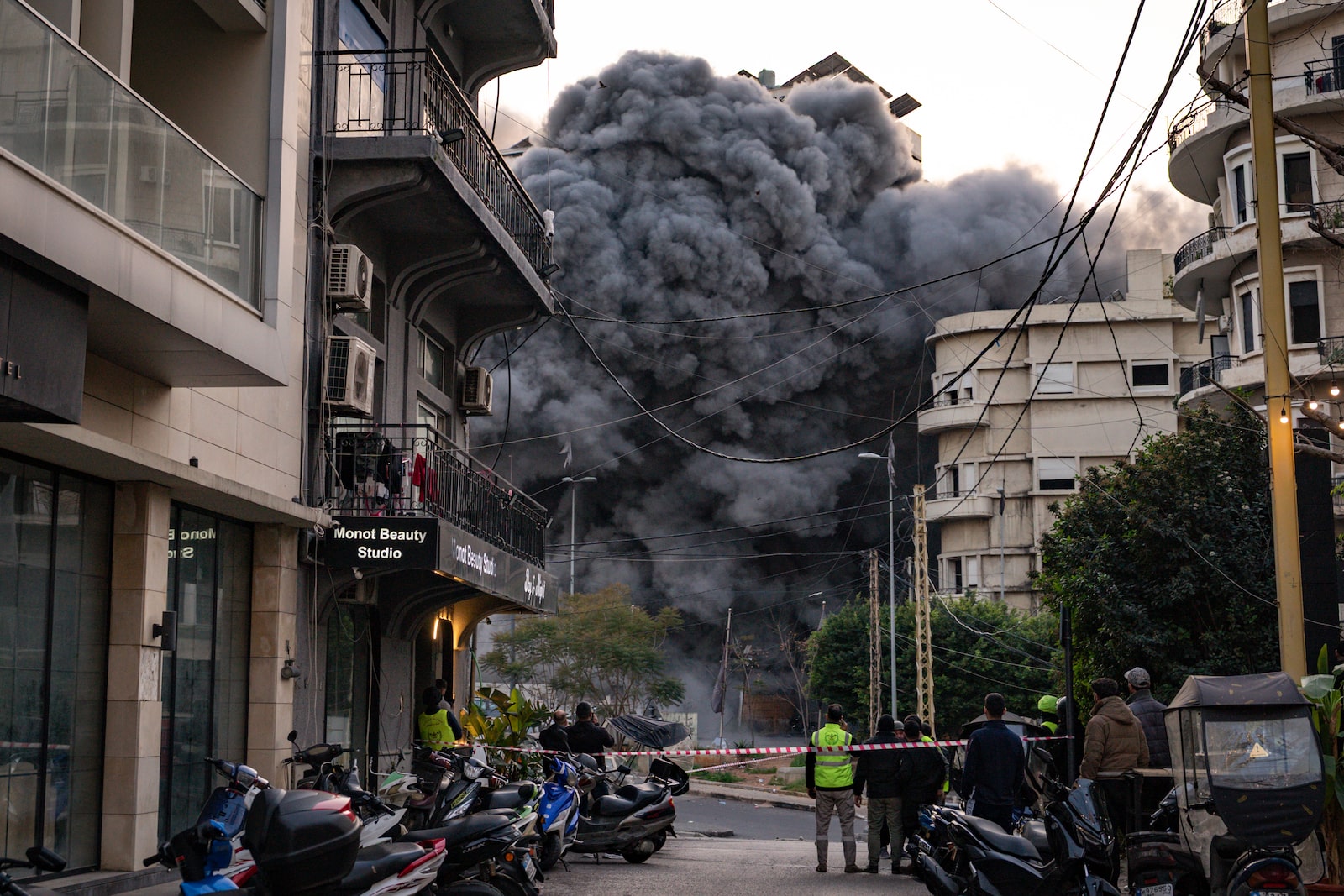
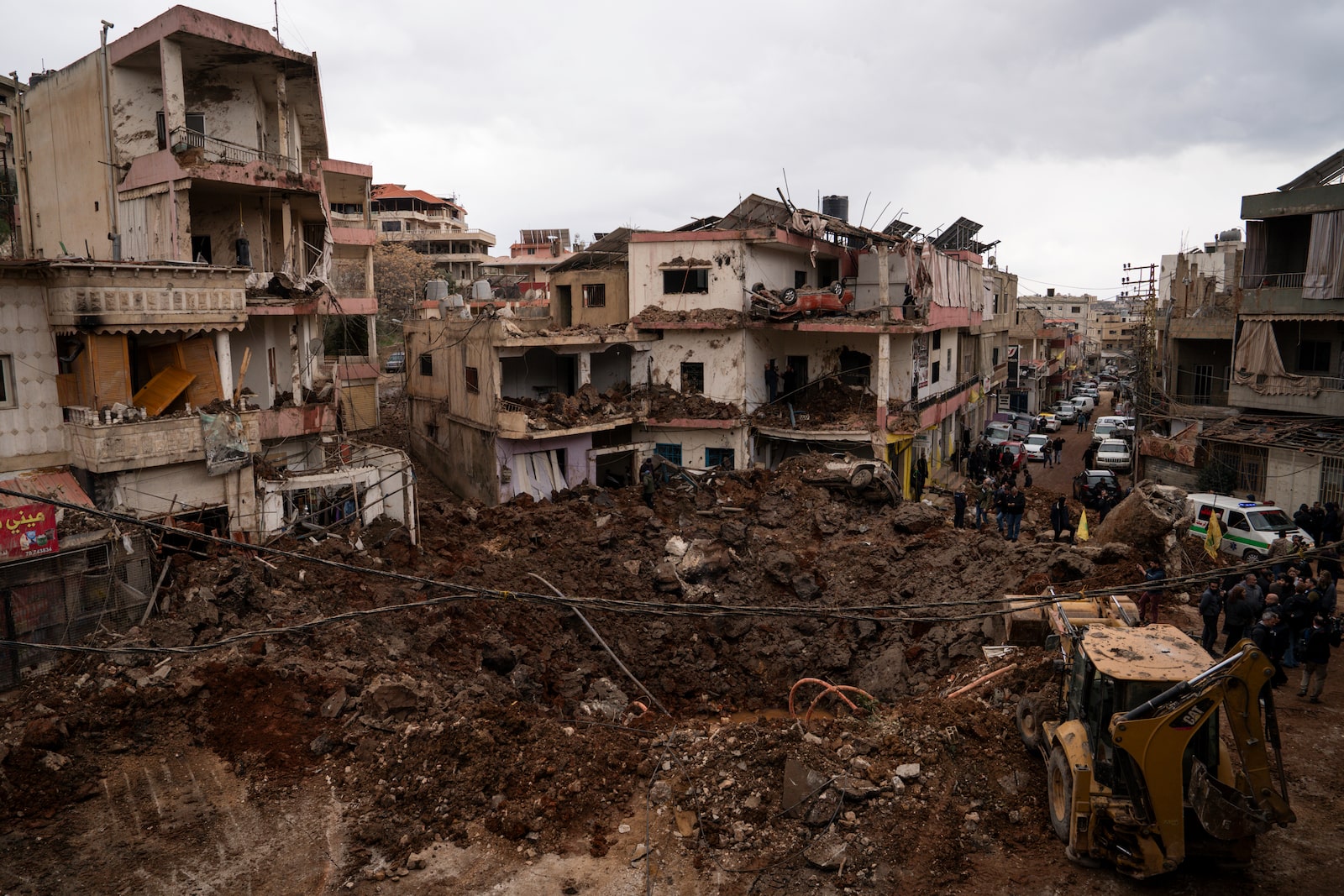
Israel has relentlessly pounded suspected Hezbollah strongholds in southern Lebanon, south and central Beirut and the Bekaa Valley, which runs parallel to the Syrian border. In the past week, Israel has expanded its invasion of southern Lebanon to create a buffer zone devoid of Lebanese that could reach the Litani River, which crosses the country from east to west about 25 kilometers north of the Israeli border.
How the ‘Dahiya Doctrine’ rose from the ashes in Lebanon
There is ample speculation among Lebanese that the Israelis, once they reach the Litani, will not leave and may actually embark on an invasion of Bekaa.

Israeli tanks amass on the Israeli side of the border with Lebanon in the Upper Galilee region of northern Israel on March 19.ODD ANDERSEN/AFP/Getty Images
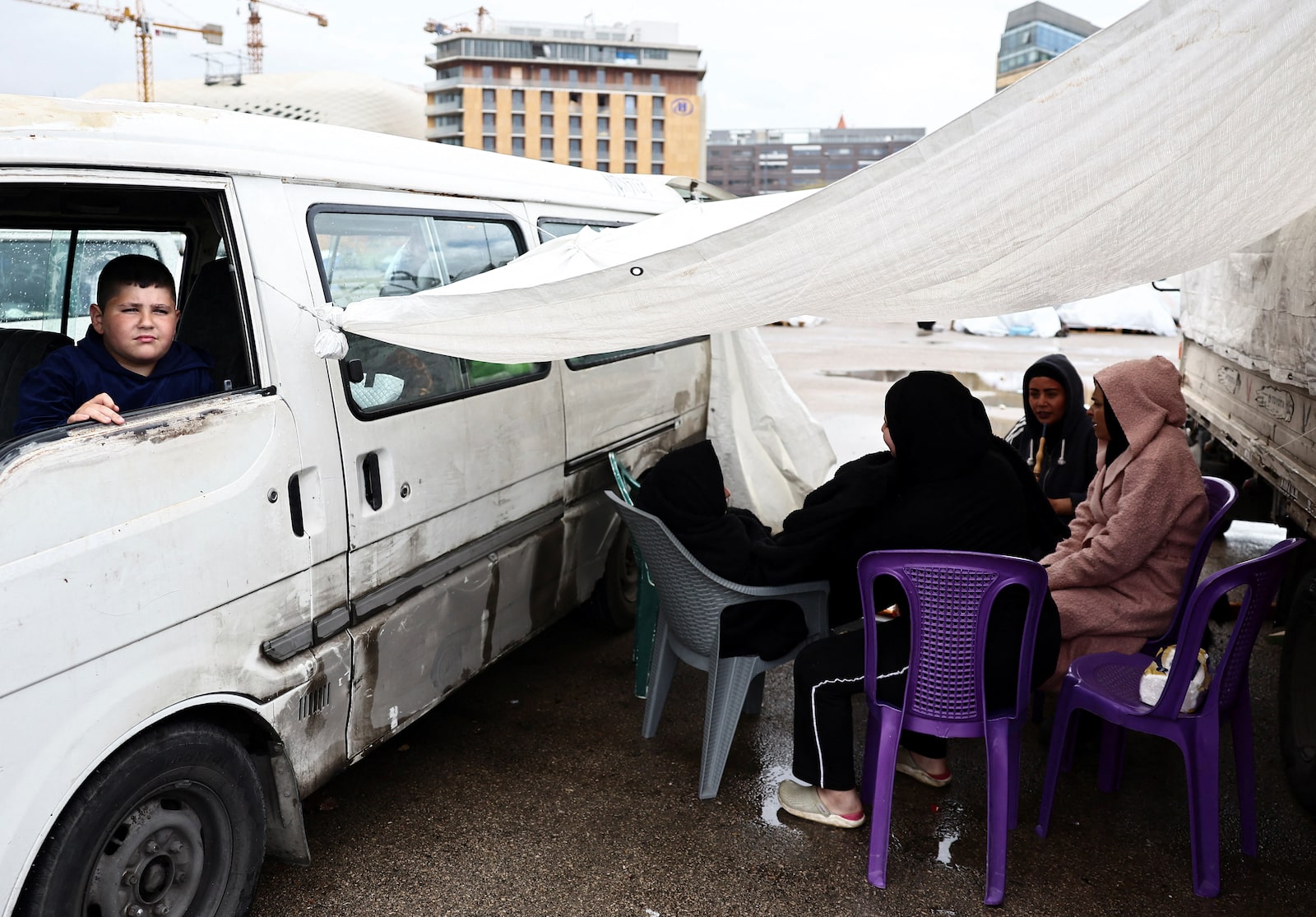
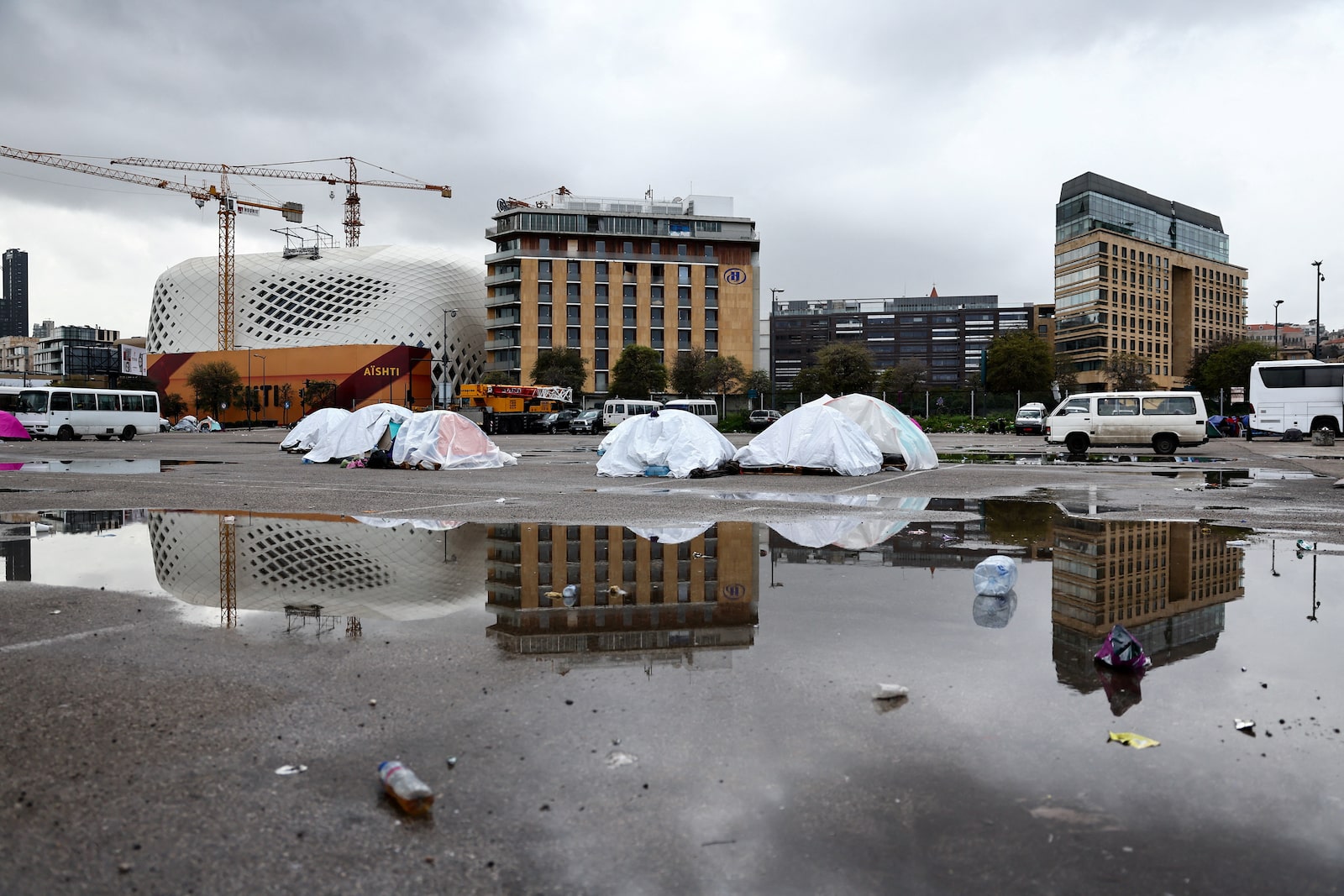
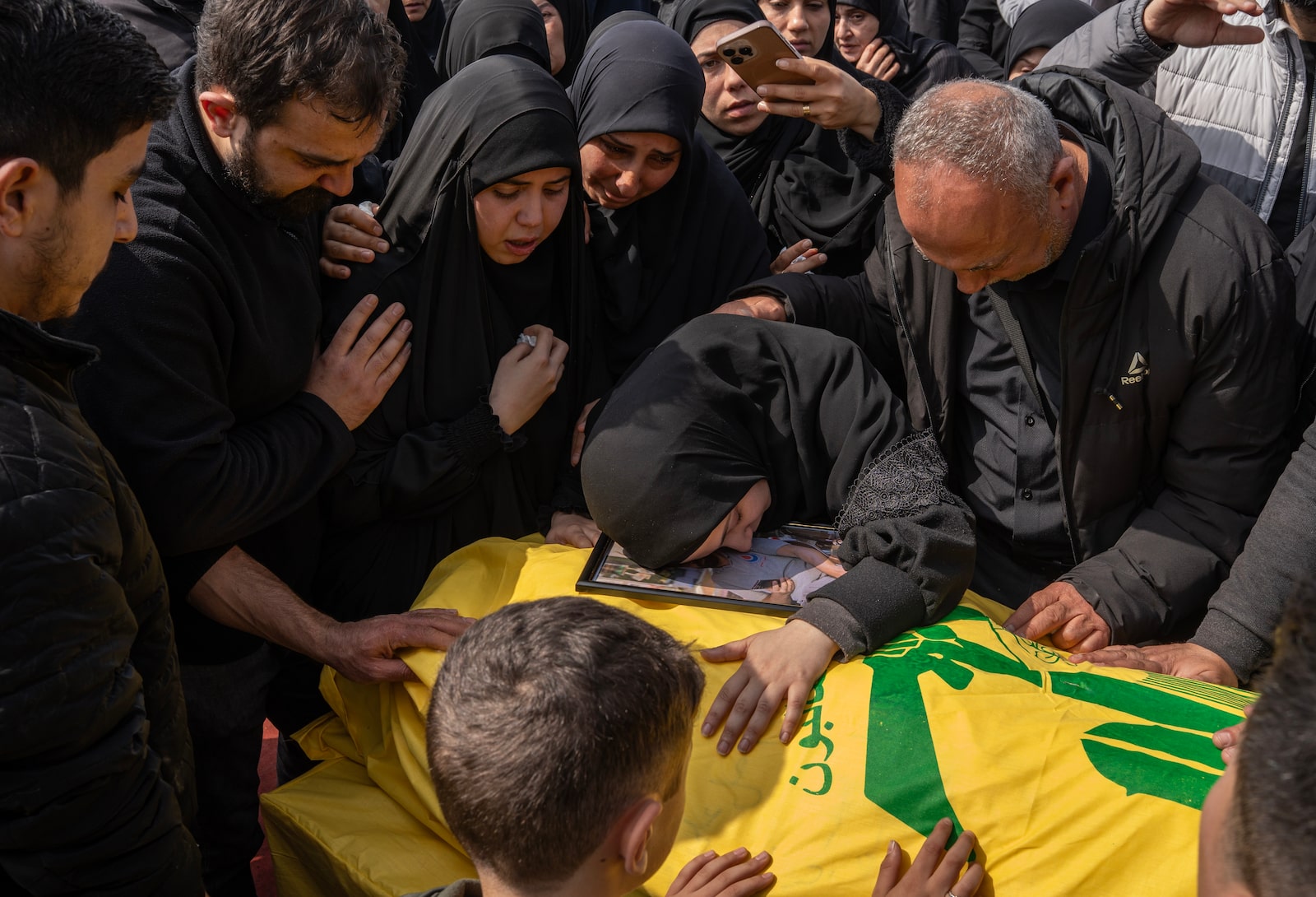
Israel has ordered the evacuation of roughly one million Lebanese, most of them Shia and most from southern Lebanon, triggering a humanitarian crisis that has overwhelmed Beirut and other towns and cities in the north with internally displaced persons. Hospitals and clinics are full; official figures by Thursday put the number of Lebanese dead at 1,001 and injured at 2,584.
Israel already seems to be laying the groundwork for occupation. Defence Minister Israel Katz said in a statement on Monday that the “hundreds of thousands of Shi’ite Lebanese residents will not return to their homes south of the Litani River until the safety of residents of the north [of Israel] is guaranteed.”
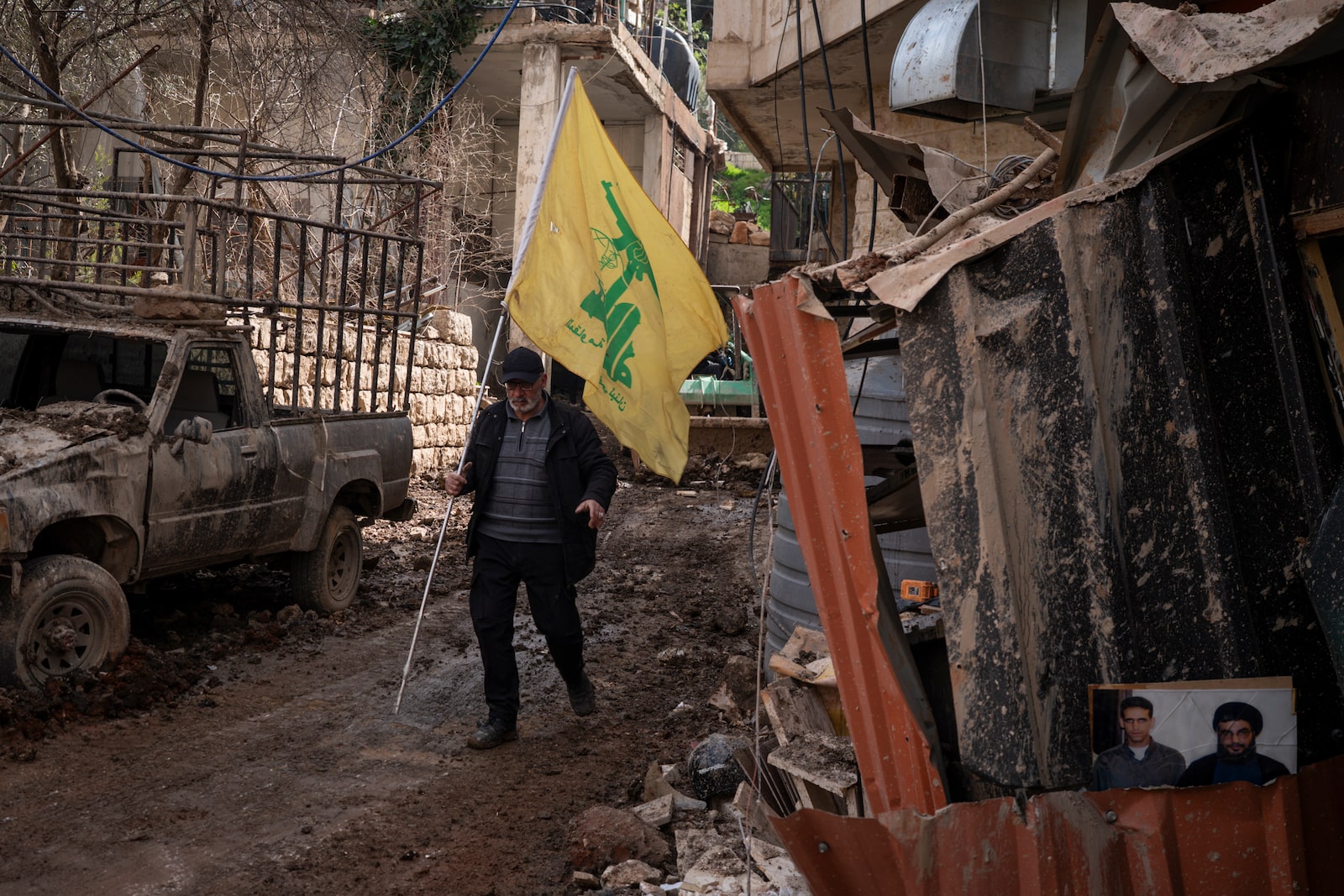
Hezbollah is at the centre of Lebanon’s latest calamity.
Israel, the Lebanese government and large parts of the population want Hezbollah disarmed. Half a year ago, a government-approved plan to rid Hezbollah of its weapons was only partly successful; Hezbollah’s strong resistance this month to Israeli ground attacks shows that it’s still capable of putting up a formidable fight. Israel has made it clear that, if Lebanon does not neuter Hezbollah, it will take on the job itself – even if doing so means destroying large parts of the country.
Hezbollah was formed in 1982 in response to the Israeli invasion of Lebanon, which reached Beirut. Over time, the resistance group effectively became a state within a state. It was also Iran’s best-armed proxy, one with ties to Iran’s Islamic Revolutionary Guard Corps and Mojtaba Khamenei, the new supreme leader who is the son of the ayatollah assassinated by Israel on Feb. 28 – the first day of the American and Israeli attacks on Iran.

Hezbollah supporters gather in Beirut on March 1 to mourn the death of Iranian Supreme Leader Ayatollah Ali Khamenei, after he was assassinated in a joint U.S./Israel attack on Iran.Hassan Ammar/The Associated Press
Hezbollah was declared a terrorist organization by Israel in 1989. Many other countries did the same, though some of them applied the label only to its military arm, not its elected political machine.
In its early years, Hezbollah enjoyed widespread support in Lebanon even though it was unaccountable to the government. Many Lebanese considered Hezbollah, not the respected but poorly equipped Lebanese military, their country’s protector against Israel, which invaded the country in 1978, 1982 and 2006 and is doing so again.
In recent years, support for Hezbollah has dropped. According to a recent Gallup poll, 79 per cent of Lebanese respondents said only the state should have weapons. Hezbollah’s critics and enemies, including the large Christian community, argue that Lebanon will never be a truly sovereign country, nor be able to make peace with Israel, as long as the militia is allowed to run rogue within its borders.
But support for Hezbollah has hardly vanished. The Shia, for the most part, continue to view Hezbollah as their guardian angels.

Portraits of the late Hezbollah leader Hassan Nasrallah (right), who was killed by targeted Israeli strikes in 2024, and former head of Hezbollah's executive council Hashem Safieddine, who was also killed that year, are seen in Beirut's Dahiya neighbourhood on Friday.Siegfried Modola/The Globe and Mail
Certainly, Israel considers Hezbollah to be one of its most capable enemies. In 2024, Israel used deep-penetration bombs to assassinate Hezbollah’s long-time leader, Hassan Nasrallah, in his underground lair in south Beirut.
The Lebanese government has also turned against Hezbollah. In early March, Prime Minister Nawaf Salam banned Hezbollah’s military activities, though not its political ones.
But how to persuade – or force – Hezbollah to give up its weapons?
The Lebanese who want Hezbollah to vanish hope that Iran, in effect, will be its executioner. “If the regime in Iran collapses, so will Hezbollah,” said Cesar Abi Khalil, a member of Lebanon’s Free Patriotic Movement party and a former minister of energy and water.
As the Iran war enters its fourth week, however, there is little sign that the Iranian regime will crumble and be replaced by one that would cast Hezbollah adrift.
Assuming the Iranian regime survives, Hezbollah’s disarmament would have to come by force, unless the group were to strike a deal that would see it voluntarily hand over its weapons. Last year, a Hezbollah official told Reuters that the group would consider disarmament talks if Israel withdraws from south Lebanon and stops its attacks on the country.
The voluntary scenario, at least for now, seems impossible. “While Hezbollah fights Israel, it won’t surrender its arms,” Mr. Khalil said.
The forced disarmament scenario seems equally fraught even in the absence of war. Mr. Kattar, the former finance minister, says the Lebanese army, like the government itself, “is a mirror of society,” by which he means it is composed of soldiers from several sects – Maronites, Shia, Sunni, Druze and Greek Orthodox, among them.

Lebanese army and civil defence members visit the site of an Israeli bombardment in southern Lebanon on March 17. The Lebanese army is as diverse as the country’s wider population, composed of soldiers from various sects.-/AFP/Getty Images
Shia Muslims represent about 30 per cent of Lebanon’s population, and about 30 per cent of the Lebanese army. “The Shia in the army and in Hezbollah will not turn their weapons against each other,” said Mr. Moukheiber, the lawyer. “Brothers and cousins will not fight each other.”
He thinks that a civil war could erupt if the army were to use violence to try to disarm Hezbollah. Mr. Khalil agrees. “If the army tries to disarm Hezbollah by force, Hezbollah and the Shia would fight back.”
There may be another option. It would see the government incorporate Hezbollah into the regular army – that is, convert the group from a state within a state into the state itself.
Israel is well aware of this possibility and fears it would amount to a Hezbollah takeover, making the group more powerful than ever.
“How do you boost the Lebanese armed forces and not let the Lebanese armed forces become the domestic Hezbollah?” Miri Eisin, former deputy head of the Israel Defence Forces’ Combat Intelligence Corps, told reporters on March 9 at the Jerusalem Press Club. “That’s what scares Israel the most.”