

Christopher Musel manages a citrus farm in the Rio Grande Valley, a region in the southernmost point in Texas where Immigration and Customs Enforcement agents have been conducting controversial work site arrests. To protect workers, he and other business owners share ICE agent sightings in a group chat, ushering workers indoors and closing up shop when they are close by.
Mr. Musel himself is part of a large, mixed-status family. He has also voted twice for Donald Trump and supports ICE – the federal agency in which his brother serves as an agent.
The Trump administration’s aggressive immigration crackdown, which has sparked nationwide protests, judicial rebukes and a congressional fight over ICE restrictions, is being experienced viscerally here in the valley, where the threat of enforcement has created a constant undercurrent of fear. Since Mr. Trump returned to office, ICE agents have arrested more than 9,100 people in South Texas, the Texas Tribune reported in December.

Christopher Musel manages a citrus farm in Texas's Rio Grande Valley. Mr. Musel opposes the work site raids, but supports the work of ICE, of which his brother is a officer.Michael Cirlos/The Globe and Mail
The administration’s immigration agenda is playing out in a region with political support. The predominantly Hispanic, four-county valley helped return Donald Trump to the White House on promises of a stronger economy and tighter border controls after years of immigrant surges from central and South America. Today, illegal crossings at the U.S.-Mexico border are at their lowest level in decades; at the same time, residents are facing labour shortages, economic disruption and a pervasive fear of encounters with federal authorities that could tear families apart.
Mr. Musel strongly opposes ICE raids on work sites, which have created extreme fear and anxiety among workers, but says border security is critically important.
“Protecting the nation is a very difficult job and there’s always going to be collateral damage,” he said.
Mr. Musel said he voted for the President because it was clear to him that Mr. Trump cared about the U.S.
“However misaligned or perverted his vision was, I didn’t doubt that he loves this country,” he said. “And with Biden, I never got that.”
Mario Guerrero, chief executive officer of the South Texas Builders Association, said the raids hurt both the economy and workers pursuing the American dream.
His group has collected dozens, if not hundreds, of video clips of job site raids throughout the Rio Grande Valley in recent months. One shows several workers calmly trowelling a freshly poured concrete driveway in a residential subdivision as ICE agents approach and handcuff them. Others show federal agents’ vehicles screeching through residential neighbourhoods, workers scattering on foot and face-down arrests on the pavement.
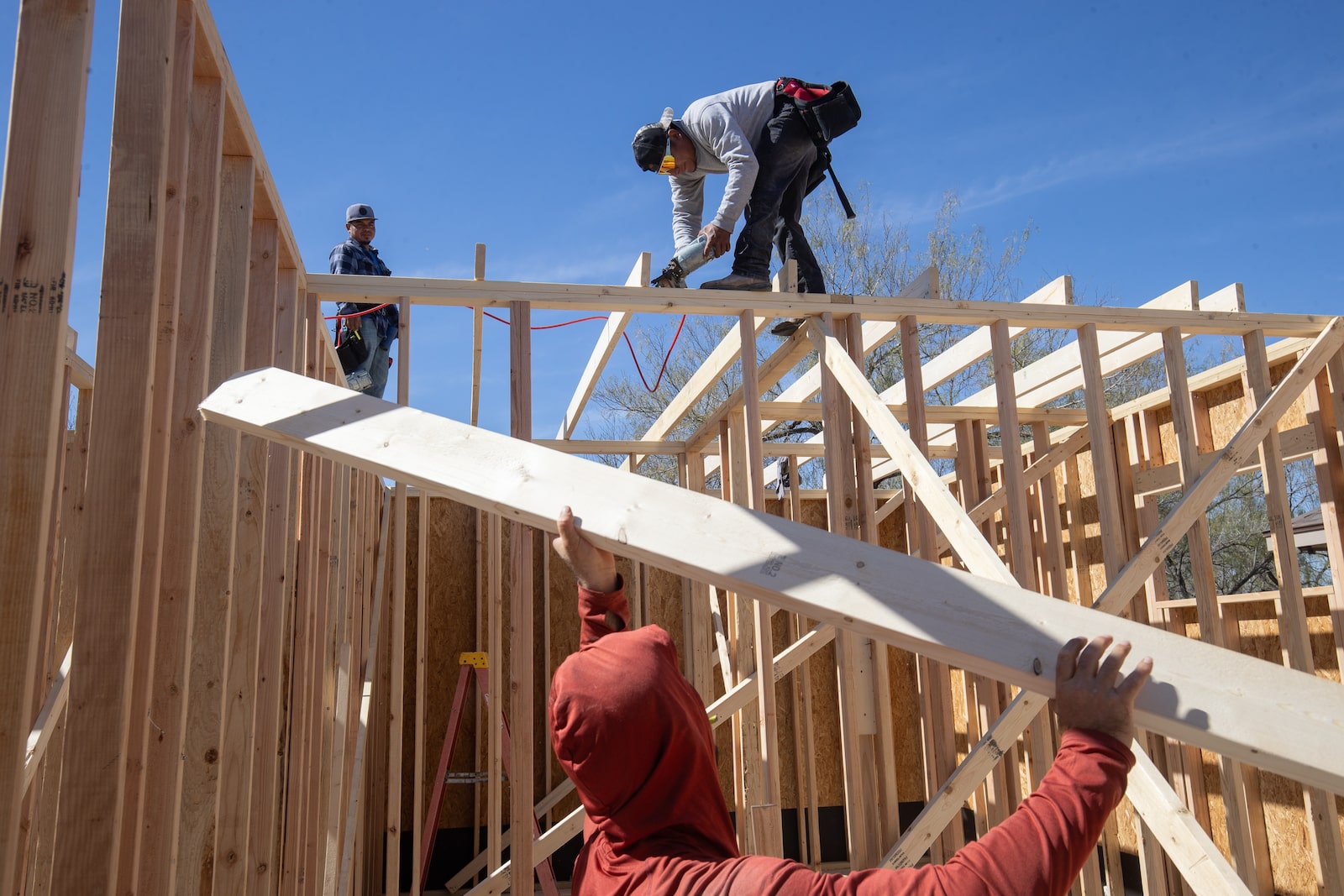
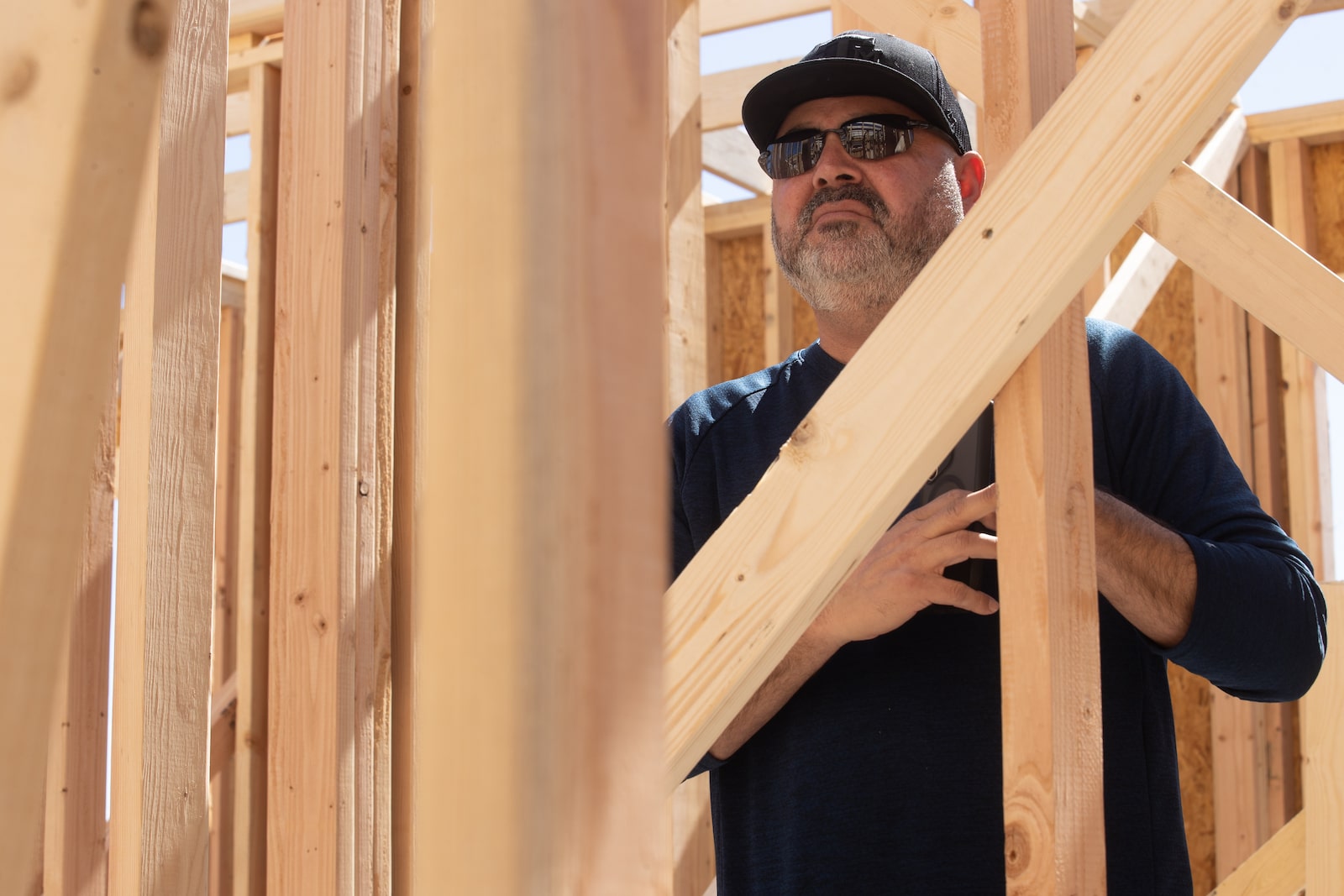
The group brought these videos to Capitol Hill this week with a warning to lawmakers that ICE raids on job sites have upended the region’s immigrant-dependent construction industry. Federal agents are arresting groups of workers at once, their blitzes creating labour shortages, stalling or cancelling projects and driving up costs. Industry leaders say construction activity throughout the valley has dropped by 30 to 40 per cent since the fall of 2025.
“I don’t think people understand how important it is for our country to actually have workers that come from another country to work,” Mr. Guerrero said. “It’s one of the most fundamental things that has made America great.”
Mr. Guerrero voted for Mr. Trump thrice and does not blame the President for the job site raids. He continues to be a fan.
“I’m a businessman. I watch The Apprentice. But this whole thing does not make sense,” he said. “What is currently happening is devastating us. It seems there’s a disconnect from some people within the administration that are not seeing the reality of what is currently happening.”
The anxiety over enforcement operations has reshaped daily life in the valley in unsettling ways. Some construction companies have begun pouring concrete in the middle of the night and erecting wire fences around residential job sites to protect workers from ICE agents. Taquerias once packed with blue-collar lunch crowds now sit quiet. Brownsville city officials warned in January that federal agents would be increasing their presence and urged residents to stay alert.

A razor wire fence was mysteriously erected in the community of Peñitas, Texas, in January. It sparked a strong rebuke from Hidalgo County Judge Richard Cortez, who said the city is not a war zone.Michael Cirlos/The Globe and Mail
A razor-wire fence that appeared mysteriously in the city of Peñitas prompted a lengthy statement from the county judge, who denounced a system “that focuses almost entirely on keeping people out” instead of creating legal pathways in.
Public opinion data show how polarizing the issue has become. A recent poll of 1,200 registered voters by the University of Texas/Texas Politics Project found that 34 per cent of voters in the state strongly approved of how Mr. Trump is handling immigration, while 36 per cent strongly disapproved. Among Hispanics, only 19 strongly approved and 48 per cent strongly disapproved.
However, such polls obscure a more complicated political calculus in the valley, where cultural conservatism, Catholic faith and pro-business attitudes intersect with life at the country’s southern edge. Residents who embrace the undocumented immigrants who have become foundational to the community also feel the border needs to be secured, having lived through years of immigrant surges.

Paul Rodriguez, president and CEO of a real estate title insurance agency based in McAllen, has spoken alongside the builders association on the harm recent enforcement tactics have done to both businesses and communities.Michael Cirlos/The Globe and Mail
Paul Rodriguez, president and chief executive officer at a real estate title insurance agency based in McAllen, said two big factors that flipped the region red in 2024 were the Biden administration’s handling of immigration and its spurning of an oil and gas industry that enriched Texans. He recalled that Ford F-150 trucks with “Trump for President” signs paraded through the streets leading up to the election.
“But I think, in the end, the young men saw the Republicans as being people they could relate to,” he said.
Mr. Rodriguez, who says he voted (reluctantly) for Kamala Harris, has spoken alongside the builders association on the harm recent enforcement tactics have had on both businesses and communities.
He called for comprehensive immigration reform, including a solution for the undocumented students who received temporary protection from deportation under the Obama-era Deferred Action for Childhood Arrivals program but are now in limbo due to continuing legal challenges and court rulings.
“We also need to acknowledge the fact that we have a lot of people that have been living here for a long time that have not broken laws, are not criminals. They’re not rapists, murderers or cartel members,” Mr. Rodriguez said.
“They are hard working, conservative, God-fearing people that just want to make a living. They want a better life for their kids, and to keep the American dream alive as best they can. And sometimes actually build the American dream for people.”
In a video supplied by the South Texas Builders Association, federal immigration agents are seen raiding a job site in Weslaco, Tx. U.S. Immigration and Customs Enforcement agents have been targeting job sites throughout the state's Rio Grande Valley, which has resulted in labour shortages, project delays and growing anxiety across the building industry.
South Texas Builders Association