

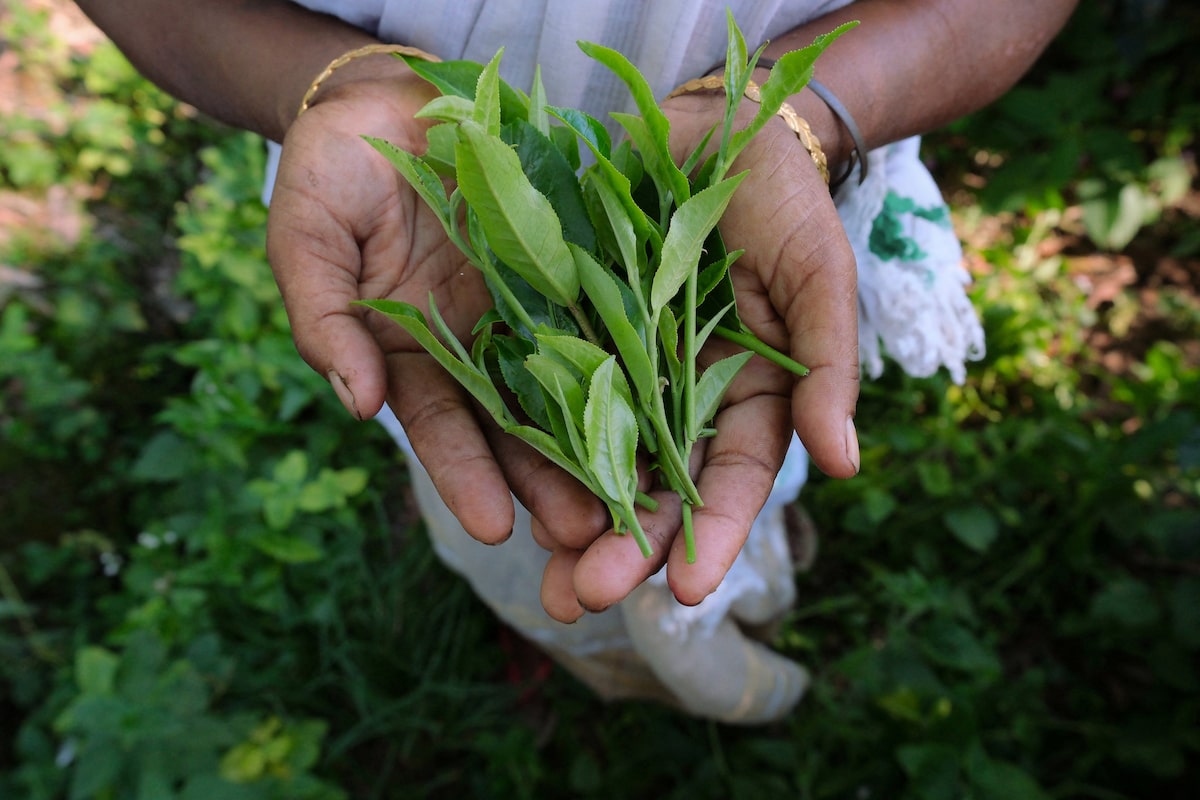
Under blazing skies at a tea plantation in India’s northeastern state of Assam, picker Kamini Kurmi wears an umbrella fastened over her head to keep her hands free to pluck delicate leaves from the bushes.
“When it’s really hot, my head spins and my heart starts beating very fast,” said Ms. Kurmi, one of the scores of women employed for their dextrous fingers, instead of machines that harvest most conventional crops within a matter of days.
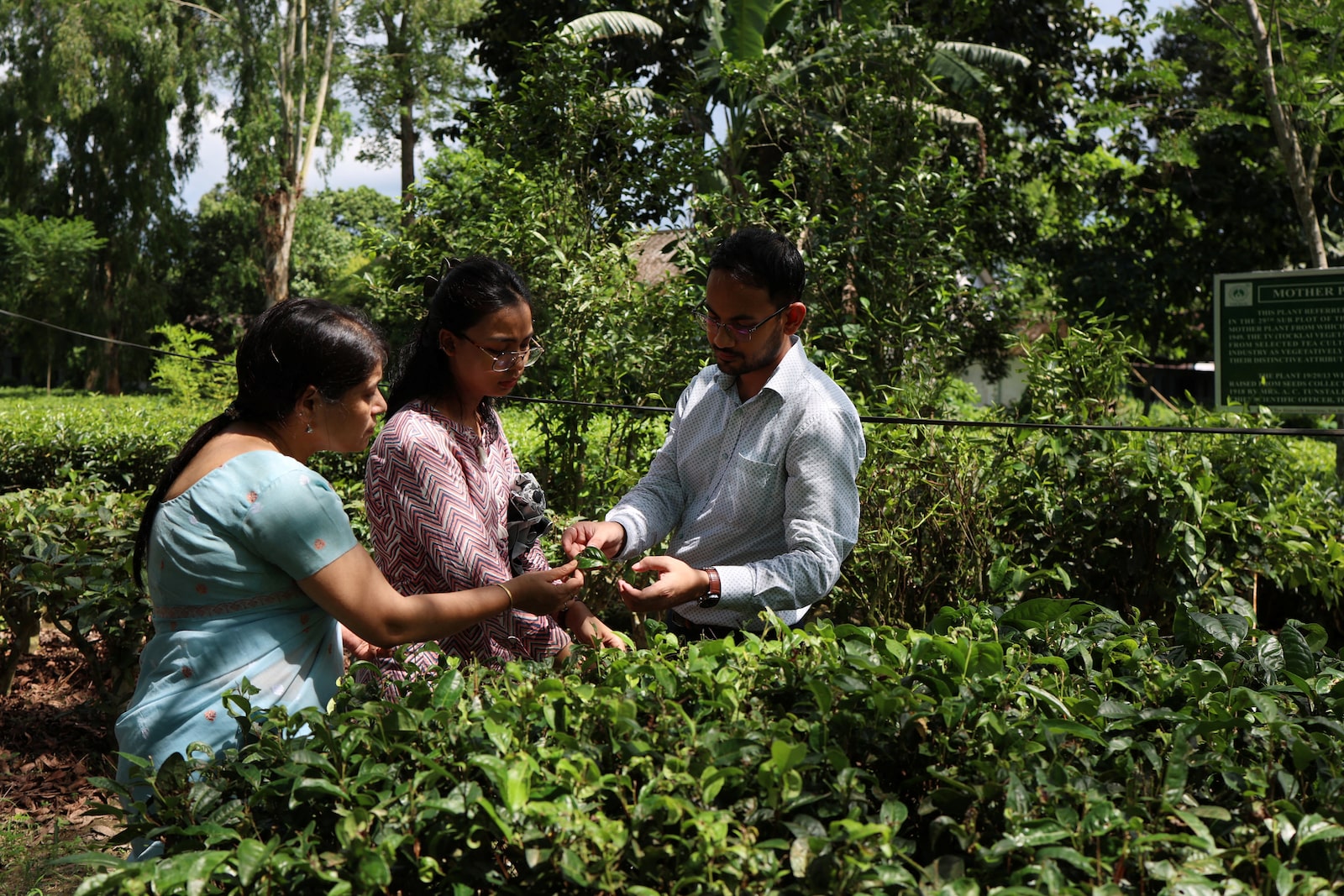
Weather extremes are shrivelling harvests on India’s tea plantations, endangering the future of an industry famed for beverages as refreshing as Assam and Darjeeling, while reshaping a global trade estimated at more than US$10-billion a year. “Shifts in temperature and rainfall patterns are no longer occasional anomalies; they are the new normal,” said Rupanjali Deb Baruah, a scientist at the Tea Research Association.



As the changing patterns scythe down yields and stall output, rising Indian domestic consumption is expected to shrink exports from the world’s second largest tea producer. While output stagnates in other key producers such as Kenya and Sri Lanka, shrinking Indian exports, which made up 12 per cent of global trade last year, could boost prices.
Tea prices at Indian auctions have grown just 4.8 per cent a year for three decades, far behind the 10 per cent achieved by staples wheat and rice. Last year’s output drop of 7.8 per cent, to nearly 1.3 billion kilograms – mostly fuelled by a sharp fall in Assam – boosted tea prices by nearly a fifth, taking the average to 201.28 rupees ($3.16) a kilogram.
“It wasn’t like this before,” said Manju Kurmi, who has worked in tea gardens for 40 years, during which she used to pick about 110 kilograms of leaves a day. “But now that it’s grown hotter, I can only manage around 60 kilograms.”


The falling yields are piling pressure on an industry already grappling with shrinking margins and heavy debt, making harder companies’ task of reinvesting in plantations, replacing aging bushes and developing climate-resilient varieties.
The most coveted part of Assam’s tea harvest is the second flush, prized for its rich aroma and flavour, which typically draws a premium over the first flush, but it is particularly vulnerable to heatwaves.
The mildly warm, humid conditions critical for the state’s tea-growing districts are increasingly being disrupted by lengthy dry spells and sudden, intense rains. Such weather not only helps pests breed but forces estate owners to turn to the little-used practice of irrigating plantations, said Mritunjay Jalan, the owner of an 82-year-old tea estate in Assam’s Tinsukia district. Rainfall there has dropped by more than 250 millimetres between 1921 and 2024, while minimum temperatures have risen by 1.2 degrees, the Tea Research Association says.
The monsoon, Assam’s key source of rain as summer and winter showers have nearly disappeared, brought rains this season that were 38 per cent below average. That has helped shorten the peak output season to just a few months, narrowing the harvesting window, said senior tea planter Prabhat Bezboruah. “Tea prices have turned volatile,” Mr. Bezboruah said. “While they are correcting this year, lower production next year is expected to drive them higher.”

Spraying pesticide at Chota Tingrai is an expensive undertaking: Farmers across northern India are using more chemicals to keep up with more pests, which means more costs.


After last year’s drought hit output, tea growers pruned trees early, dug compost pits and stepped up use of pesticide. These measures, in turn, add to costs, already rising at 8 to 9 per cent a year, pushed up by higher wages and prices of fertilizer, said Hemant Bangur, chairman of leading industry body the Indian Tea Association.
Planters say government incentives are insufficient to spur replanting, crucial in Assam, where many colonial-era tea bushes yield less and lose resilience to weather as they age out of a usual productive span of 40 to 50 years.
India’s tea industry has flourished for nearly 200 years, but its share of global trade could fall below the 2024 figure of 12 per cent, as the increasing prosperity of a growing population boosts demand at home. Domestic consumption jumped 23 per cent over the past decade to 1.2 billion kg, far outpacing production growth of 6.3 per cent, the Indian Tea Association says. While exports of quality tea have shrunk in recent years, India’s imports have grown, nearly doubling in 2024 on the year to a record 45.3 million kg.
That adds expense for overseas buyers, said executives of India’s leading merchants, at a time when global competitors, such as Kenya, face similar problems. “With India also falling short, global supplies could tighten and finally give world prices a boost,” said an official of a leading exporter in the eastern city of Kolkata, speaking on condition of anonymity.
Video: India’s tea trade in depth
Climate change has been devastating for India's multibillion-dollar tea industry. Here's a closer look at the losses farmers in Assam have faced and the effects that global markets could see.
Reuters
Food for a changing climate: More from The Globe
The Decibel podcast
Diminishing Arctic sea ice makes it harder for Inuit to fish for food and get essential goods to remote places. But people are adapting. Journalist Jenn Thornhill Verma spoke with The Decibel about her travels in Nunatsiavut, in northeastern Labrador, and the innovations she saw there. Subscribe for more episodes.
Climate solutions and resilient gardening
Could strawberries grow in Canada year-round? This greenhouse is trying
In West Africa, agribusiness leaders apply climate fixes learned in Quebec