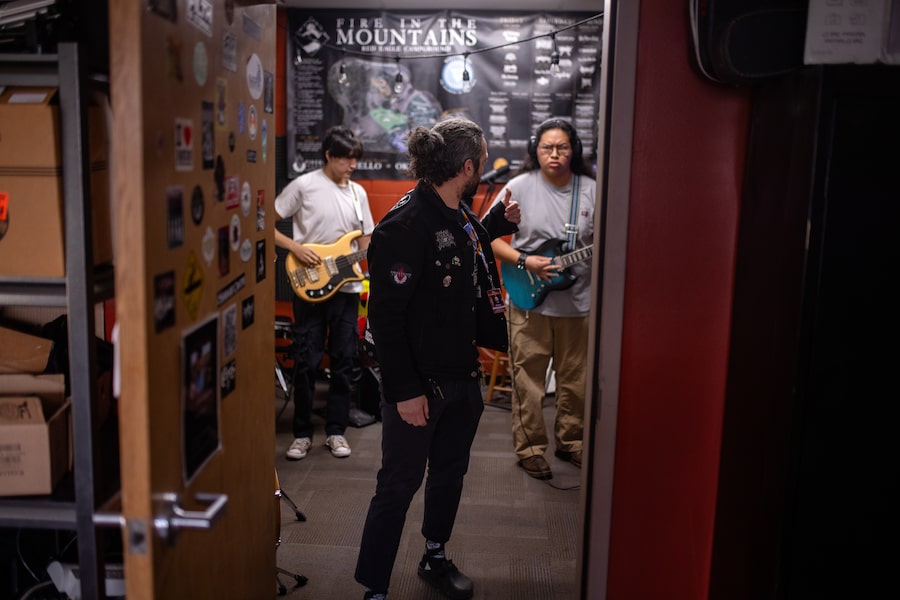
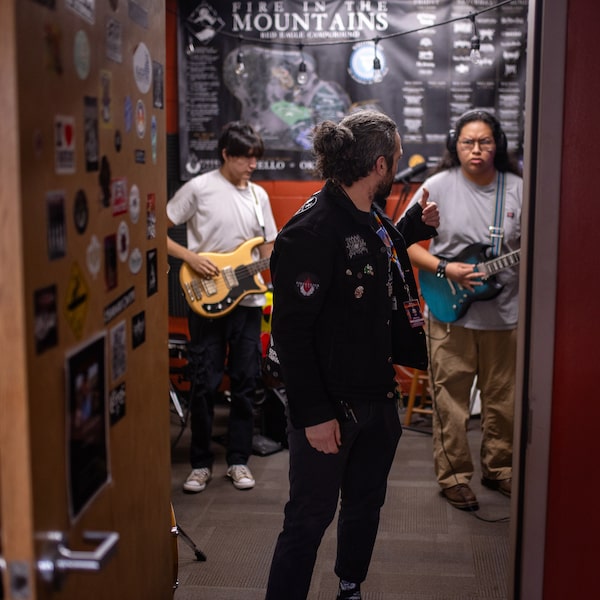
On the classroom screen, Dylan Walker is clean-cut and earnest, a bright smile in a hoodie. He could be a tech bro, maybe even a Mormon missionary − anything but the front man of a grindcore band called Full of Hell, a man once described as a “professional banshee” with a history of live shows punctuated by dead rats tossed on stage. One music video includes an extended sequence of bloody vomit gushing from the head of a man in war paint.
“Love that volcano puke,” says Charlie Speicher, the principal at Buffalo Hide Academy, a school on the Blackfeet Indian Reservation, where he has spent the past 18 months working to make music’s most clangorous sounds into a soothing melody for students who occupy a fragile place in life.
That puke, he tells the students who have gathered to ask questions of Mr. Walker via Zoom, is “really just a metaphor for being full of distress, illness, sickness and − blech, volcanoing it out.”
The class, developed by Mr. Speicher and other local instructors, brings the rigours of academic study to distorted guitars and screamed vocals. They call it the Heavy Music Symposium.
It immerses students in the freneticism of the genre, plunging into an embrace of dark thoughts in the hope that it becomes a path to catharsis.
“Metal is, like, people’s therapy music,” says Paul Medicine Horse, 17, a Grade 11 student in the program. “People jam metal when they’re angry or sad or going through some stuff. And it saves them.”
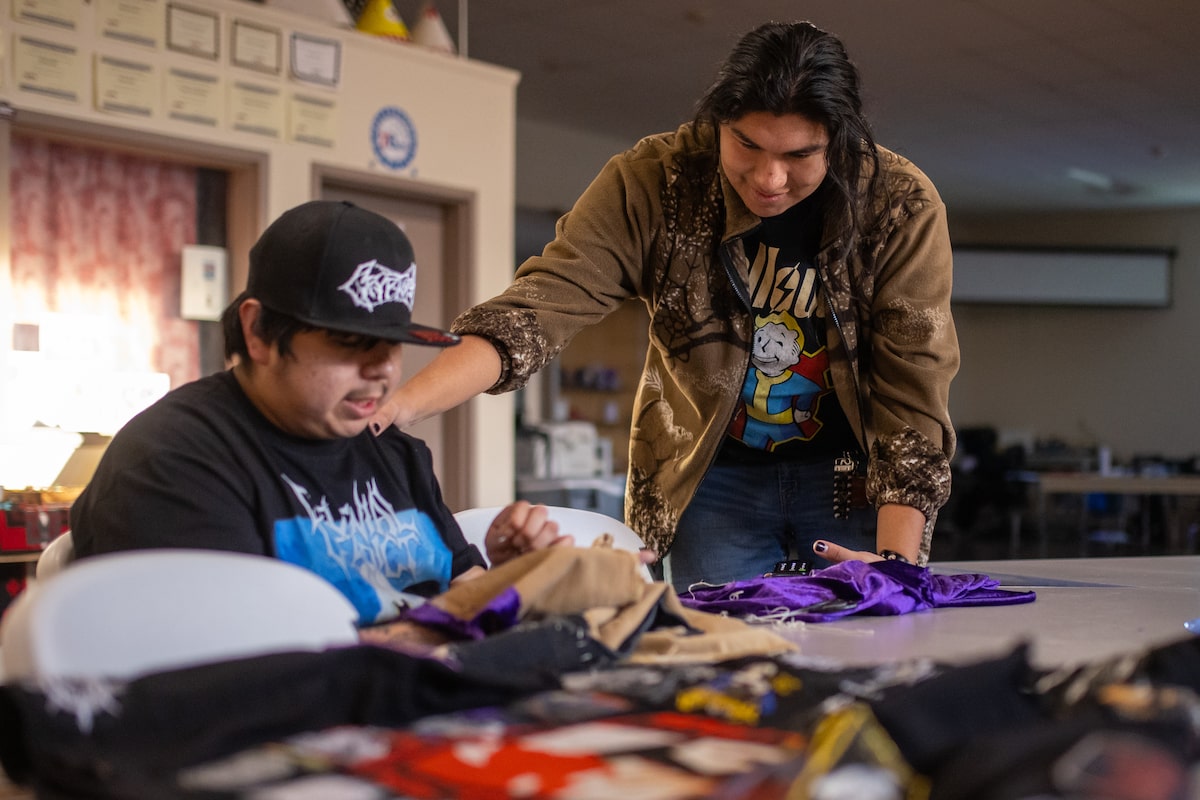
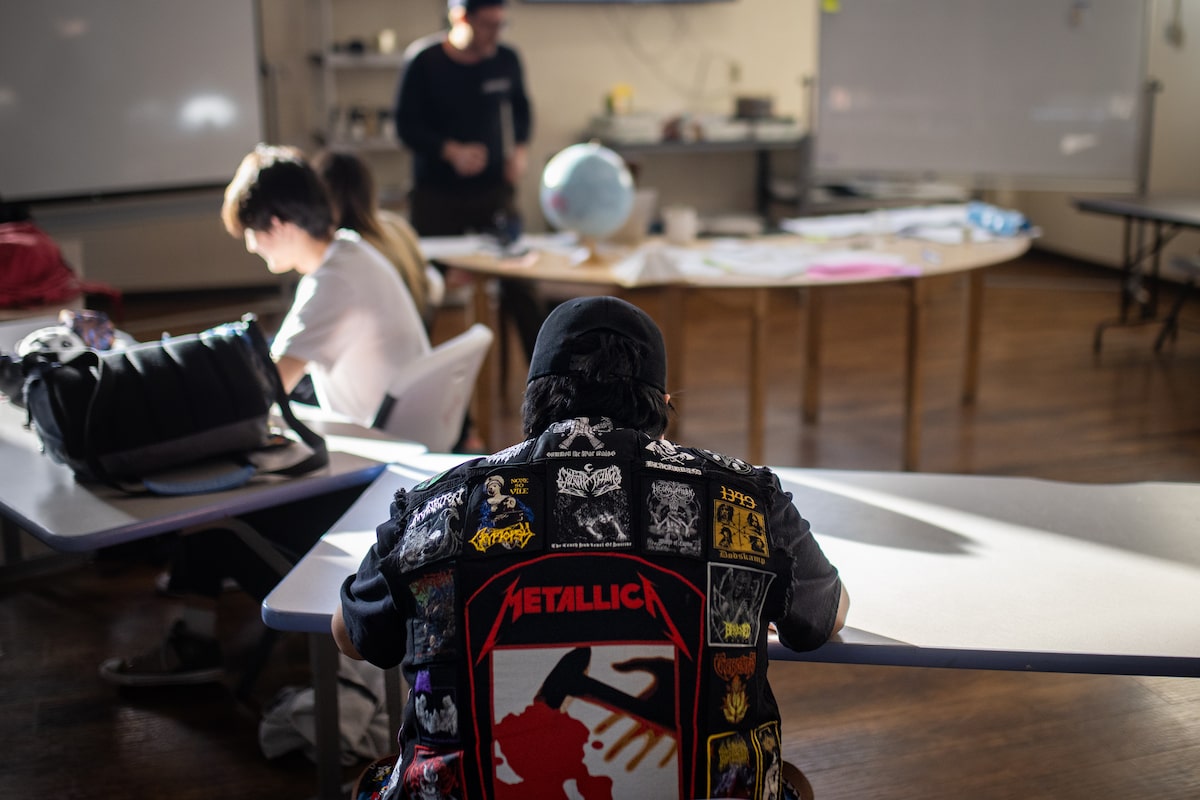
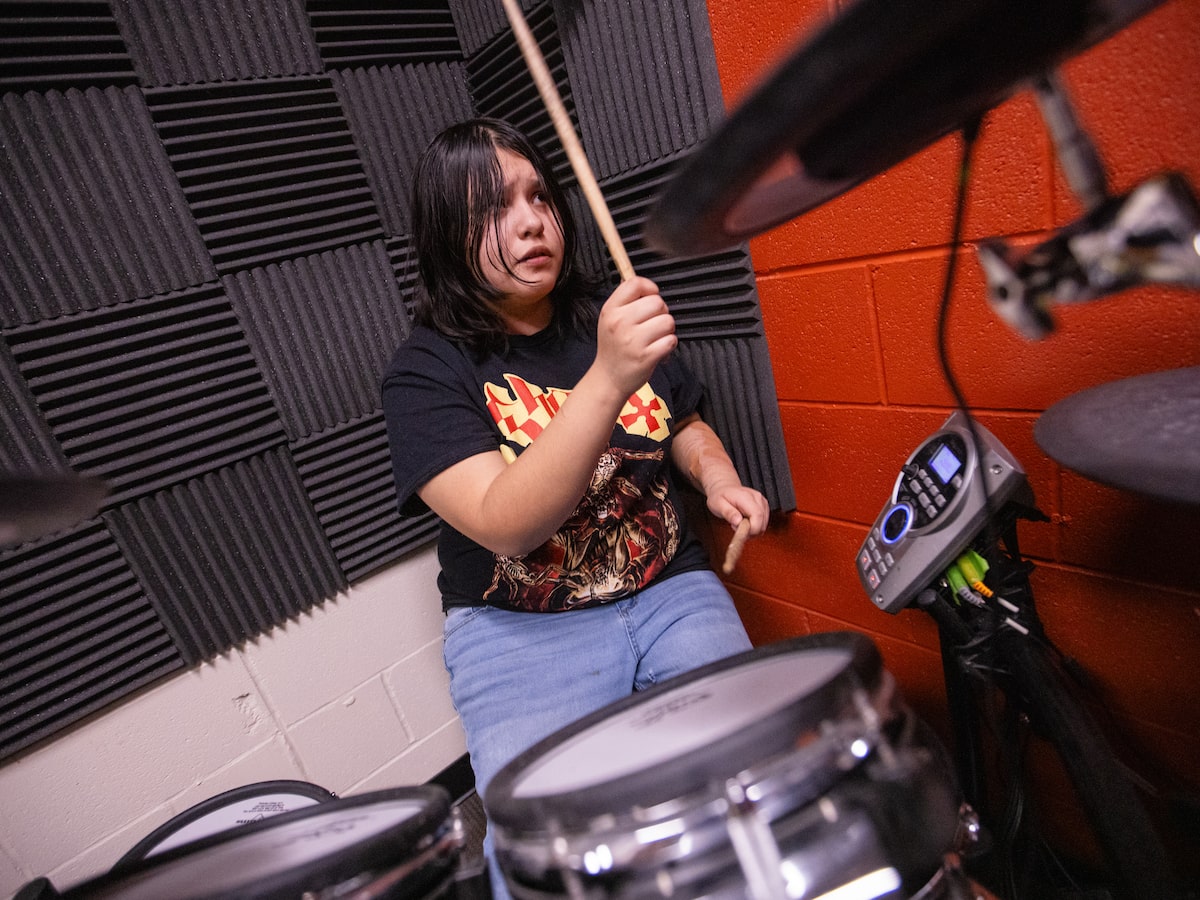
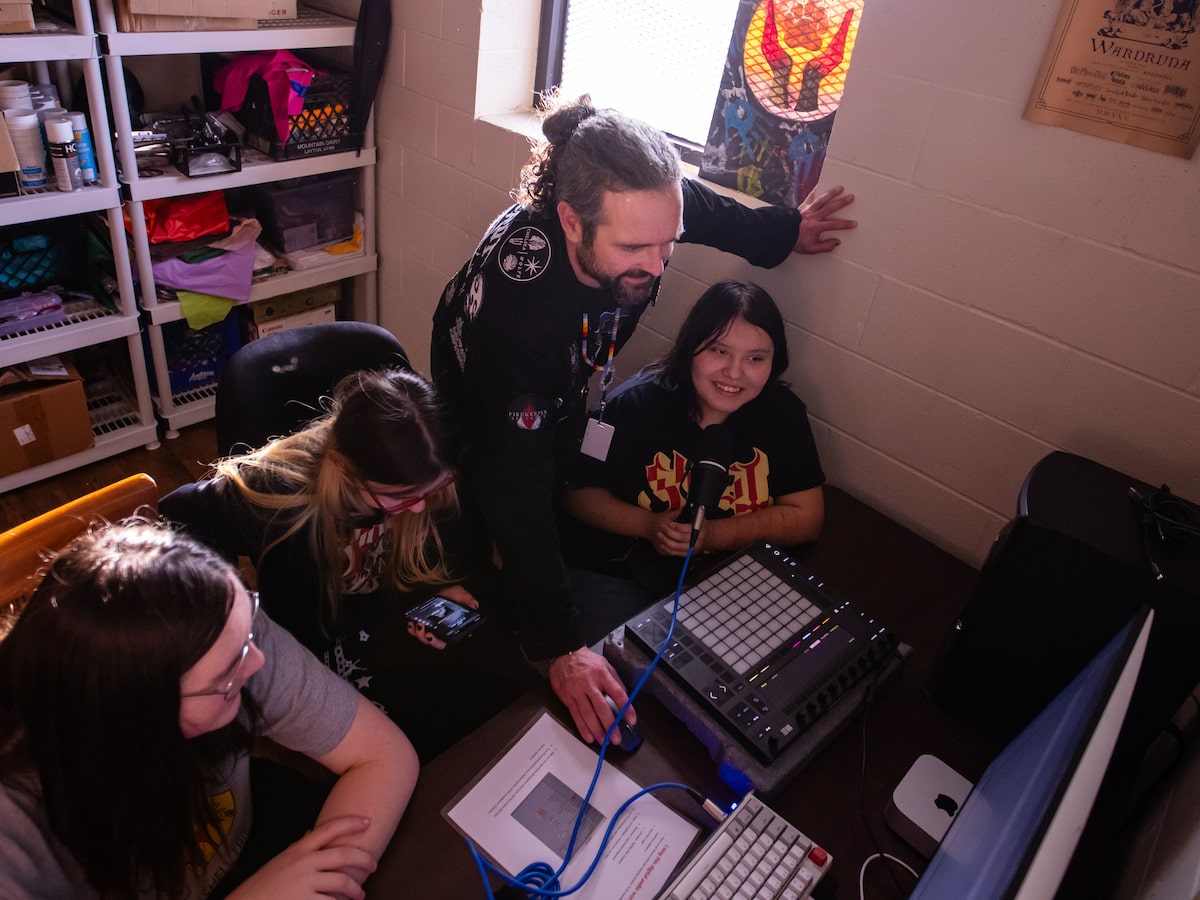
The class is school but with clinical ambitions − a shared listening experience that, educators hope, offers a less destructive outlet for those feelings.
“Ninety-nine per cent of people that walk by and hear Full of Hell playing would just be repulsed and repelled,” Mr. Speicher says. But “there’s so much darkness that we deal with and so much distress that we deal with. And this music is all about that.”
In the U.S., as in Canada, Indigenous people die by suicide more regularly than any other group. The heavy metal music class is an attempt to armour vulnerable teens against that reality.
Classes are run jointly between the academy, an alternative education school and the local public high school. Twice a week, the academy opens for an after-school heavy metal music program, where students can smash drums and wail on a guitar − or, perhaps, design a patch and sew it onto a battle jacket. They’re also invited to help in the operation of a summer metal festival, with all of the organizational and hospitality skills that requires.

The Heavy Music Symposium tests the idea that, by listening to dark sounds together, pupils can find less destructive outlets for their feelings.
But entry into the class is also an invitation into a new group, one where the musical fringe offers a broader place of refuge from mainstream pressures. “It definitely helps with social anxiety, being in this class, because I can just be myself. I can make weird jokes,” says Tylee Marso, 16, a Grade 10 student.
Last year, she spent much of her time at a counselling centre, avoiding class as she struggled with intense anxiety. Over the summer, thoughts of suicide plagued her as the metal music festival approached. “I decided that if I’m going to have to say goodbye to some of my friends, I might as well go to that festival so I could say a last goodbye.”
Something changed at the festival.
“I had a good experience there. Made a couple of friends.” This year in the heavy metal music program, she has found more people like her.
“A lot of us like comics or manga. That kind of goes hand in hand with all the weird kid stuff nowadays,” she says.
For Doc BullShoe, an 18-year-old in Grade 12, there is peace to be found in the most aggressive of music. There are moments when “I’m mad and I’m really pissed off. But I don’t want to hurt anything or break anything,” he says. “I want to express myself. And there’s things about heavy metal music − you just feel that connection and just scream or cry it out. Pour everything into it. It’s like an outlet.”


There is a growing scene of Indigenous metal bands, and in the music room, Blackfeet can test their potential to make new ones.
Heavy metal music has found such purchase across Native American communities that it has spawned a new name: “rez metal,” a genre that has caught the ear of music producers for its evocation of raw, pure emotion, says Ash Soltani Stone, a filmmaker who came up with the term. He spent four years on the Navajo reservation, creating a documentary and writing a book, Rez Metal: Inside the Navajo Nation Heavy Metal Scene, about what he observed.
It “was resisted by the elders for many years. They called it Satan’s music,” he says.
That has changed. Navajo leaders have embraced heavy metal, welcoming to Navajo territory bands that include a Maori metal group. Navajo musicians have built followings by playing small gatherings deep in the desert, their drum-heavy performances an amp-driven echo of rhythmic traditional beats.
“That’s something that really resonates,” Mr. Soltani Stone says. On Navajo land, it’s not uncommon for groups to drive several hours “to go and perform for free and then go back.” The audience often includes multiple generations, parents head-banging alongside children. “It’s more than just music. It’s just a very good way of connecting communities that are so far from each other,” he says.
That’s not to say it is a solution to social ills. Some of the people in Mr. Soltani Stone’s film are now dead. “A couple committed suicide. It’s still a very harsh reality,” he says.
Still, for the Blackfeet, having heavy metal in school is cause for hope. “One of the biggest antidotes to some of those social problems is the idea of community − and being seen and being accepted and being loved and then eventually loving yourself, right?” said Jake Arrowtop, one of the teachers in the heavy metal class. “I don’t think this is the end-all and be-all in terms of answering those things. But it’s part of it.”

For generations, music has bound Blackfeet society together, says Tyson Running Wolf, a local cultural leader. Westernization has weakened some of those bonds, but “if they’re reinventing it − no matter if it’s country, rock, hard-core metal, death metal − whatever it is, it’s all good,” he says.
Maybe there is even a way to harmonize the melodies of past and present.
For Mr. Speicher, the heavy metal music class amounts to a deliberate rejection of Western mental-health practices. He has, instead, drawn inspiration from his Blackfeet wife’s grandmother.
She has described suicide in spiritual terms.
“Whether you believe this literally or metaphysically, there’s a spirit that preys on weakness and it looks for fissures and fractures that already exist − and just malevolently harms young people, especially,” he says.
“The essence of this class is to hopefully generate a different type of spirit that can push back on that and provide safety.”