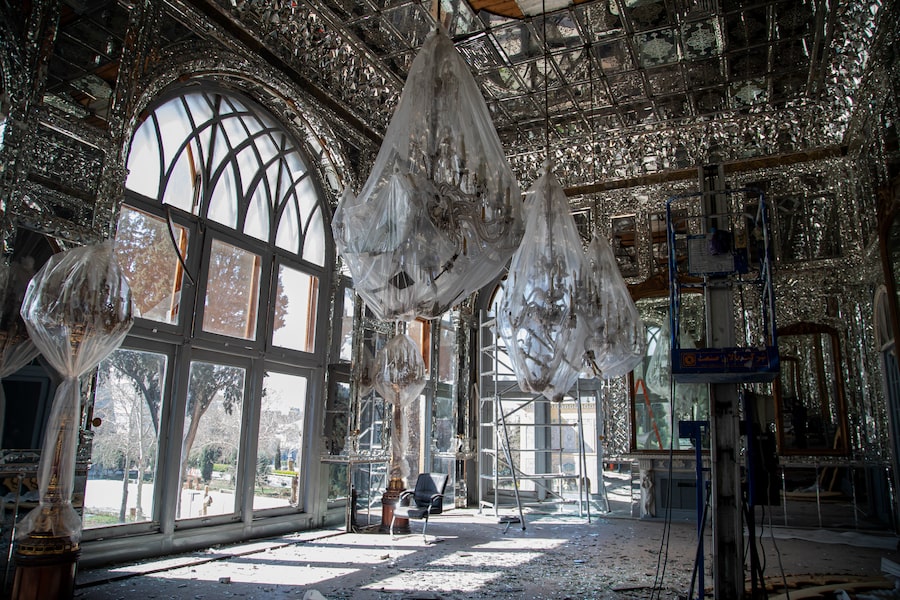
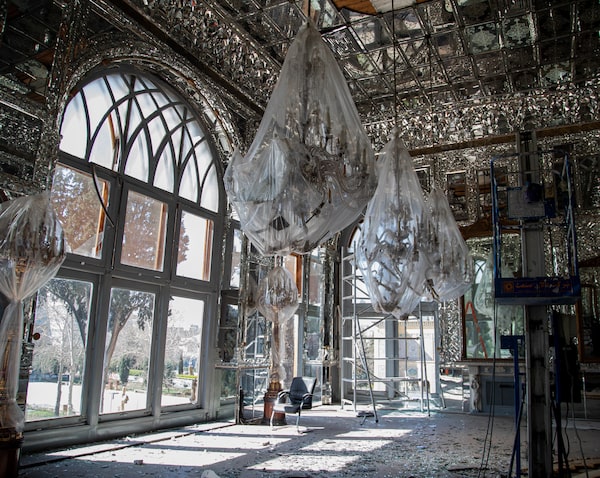
Ancient palaces, historic mosques and landmarks that are embedded deep in Iran’s history and stretch back centuries have become collateral damage in the U.S.-Israeli war on the country.
At least 56 cultural sites, museums and historical buildings have been marred, according to Iranian news agency WANA, citing Iran’s ministry of cultural heritage, tourism and handicrafts. Twenty-nine properties across Iran are designated as World Heritage Sites by UNESCO, the UN agency that promotes international co-operation in education, science and culture. UNESCO has verified damage to several properties so far.
One is the opulent, centuries-old Golestan Palace in Tehran, which appeared to have endured significant harm after nearby strikes. Shards of glass and hunks of stone litter the floors. A similar scene unfolded hundreds of kilometres south in the historic city of Isfahan. The windows of the Chehel Sotoun Palace have been blown out, leaving glass scattered on the ground.

An Iranian journalist checks the damage to Isfahan's Chehel Sotoun Palace, many of its windows shattered during an air strike.Morteza Nikoubazl/NurPhoto via Getty Images
These are two UNESCO-designated sites and should be protected, yet they are among a growing number of important cultural buildings and sites that have been damaged. While UNESCO staff are not on the ground, and it is difficult to verify images, it appears that this is the result of strikes to buildings nearby.
UNESCO has verified damage to another World Heritage property, the Jameh Mosque in Isfahan, as well as to buildings near the Prehistoric Sites of the Khorramabad Valley, in western Iran. Only the Golestan Palace has been assessed using satellite images.
Lazare Eloundou Assomo, director of World Heritage Centre, said UNESCO has communicated to all parties the geographical co-ordinates of sites inscribed on the World Heritage List as well as those of national significance “to avoid any potential, irreversible damage.” UNESCO will deploy experts on the ground, he said, when it is possible to better assess the situation.
He said UNESCO urges all parties to ensure that cultural and heritage sites remain safe and reminds them of their obligations under the 1972 Convention Concerning the Protection of the World Cultural and Natural Heritage. It also points out their responsibilities under the 1954 Hague Convention for the Protection of Cultural Property in the Event of Armed Conflict and its two protocols as part of the wider framework of international humanitarian law.
Mark Kersten, a consultant at the Wayamo Foundation, a Berlin-based non-profit that works to strengthen the rule of law and promote justice for international and transnational crimes, said in armed conflict, warring parties are required to respect cultural property such as museums and religious, educational, and scientific sites.
“Parties to a war are at all times obligated to take special care not to damage cultural property or to minimize damage to them,” said Mr. Kersten, also an assistant professor at B.C.’s University of the Fraser Valley.
“So, if one is damaged as a result of direct or indirect attacks, the question becomes what care did they take to prevent or minimize that damage?”
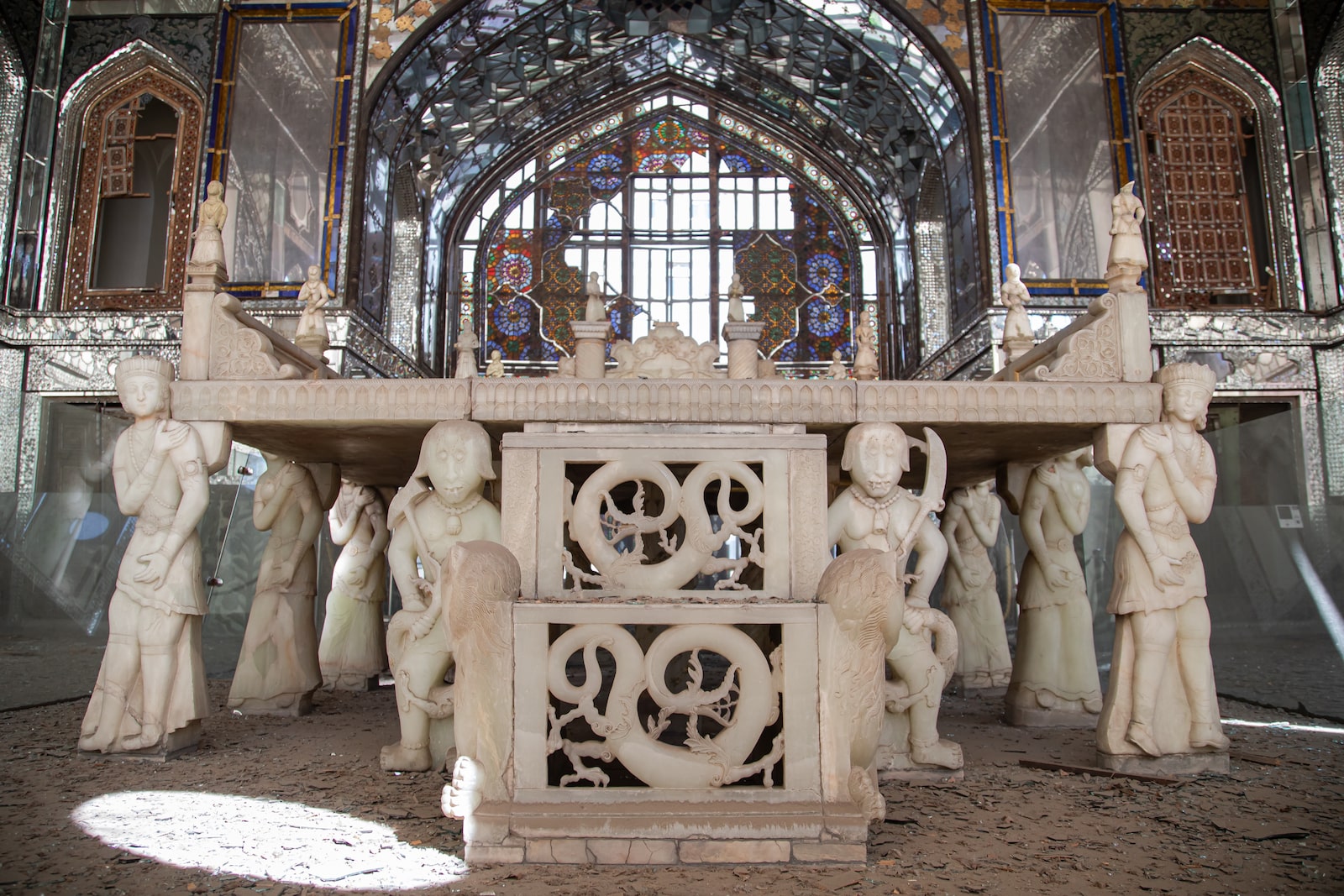
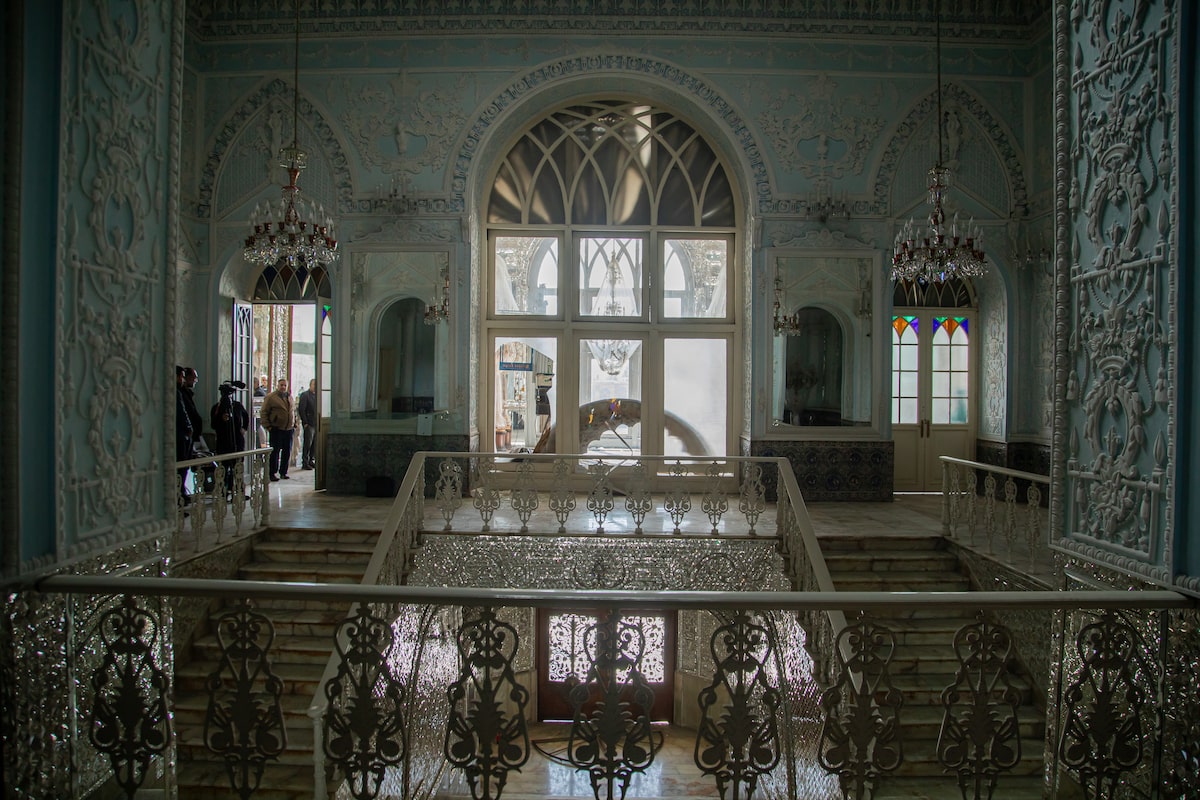
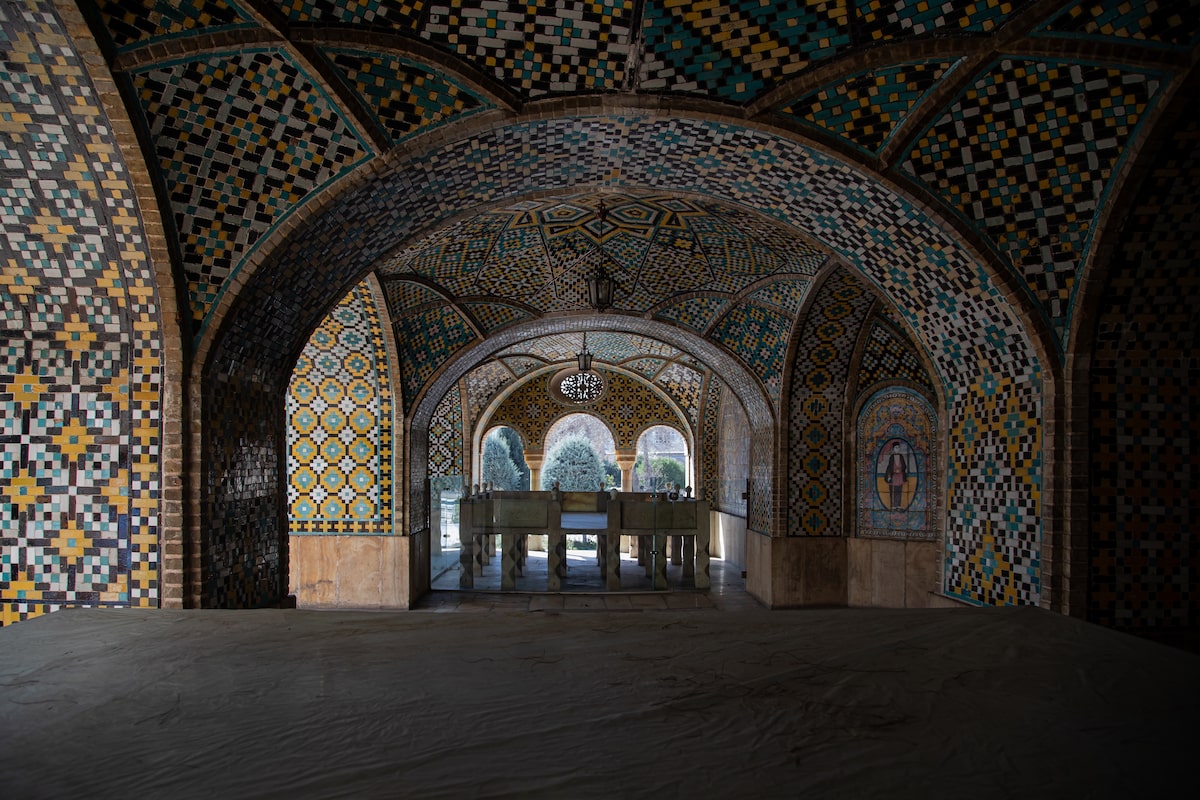
Katayoun Shahandeh, a lecturer of history of art specializing in Iranian art at the University of London, said that as an Iranian and art historian, it’s heartbreaking to see images of damaged cultural sites. And while some Iranians, she said, are angry when alarm is raised over buildings while so many people have been killed, they also care deeply about these places.
“It is part of the DNA. It’s part of the way they see themselves … it’s how a nation remembers itself, how they carry this shared history and cultural meanings.”
“In fact, increasingly, they are tied to these prerevolution sites because that is what they want to promote to the world. They don’t want the world to just see them as part of this regime, which has been known as a terrorist regime,” she said. “And of course for diaspora Iranians, it’s their connection to home.”
Ms. Shahandeh said that across the region, cultural heritage seems to be collateral damage in modern warfare. “Short of not having war in the first place, it’s very difficult to say how this can be avoided,” she said.
Iranian Foreign Minister Abbas Araghchi posted on X that “Israel is bombing Iranian historical monuments dating as far back as the 14th century.” He criticized UNESCO, saying “its silence is unacceptable.”
Ms. Shahandeh highlighted damage that’s been done to the Grand Bazaar in Tehran, to buildings around Naqsh-e Jahan Square in Isfahan and the Falak-ol-Aflak castle and museum in Khorramabad.