

Latest updates
- Israel and Iran reaffirmed support on Tuesday for a ceasefire brokered by U.S. President Donald Trump, who rebuked both countries for violating it with an exchange of missiles earlier in the day.
- Israeli Prime Minister Benjamin Netanyahu celebrated what he called the removal of “two existential threats to us,” nuclear weapons and ballistic missiles. The fate of Iran’s nuclear program is disputed, as are Mr. Trump’s claims that the sites targeted by U.S. strikes on the weekend were “obliterated.”
- The showdown with Israel came and went with no offers of help from Iran’s allies in BRICS, where Tehran, a member since 2023, did not get an emergency meeting it asked for. The Iranian regime has spent years trying to foster relationships in the global south, especially Africa, but most countries on the continent stayed quiet in the recent upheaval.
What is the conflict between Israel and Iran?
Since the Hamas attacks of Oct. 7, 2023, Israel has been more aggressively pursuing Iranian proxies in the region, with deadly results in Gaza, Hezbollah-controlled southern Lebanon and the Houthi strongholds of Yemen. The first year of the war included some missile attacks and acts of sabotage between Iran and Israel, but nothing like what has happened over the past two weeks.
On June 13, Israeli missiles targeted Iranian nuclear facilities that, the Netanyahu government claimed, were getting closer to making nuclear weapons. He said he did this without Washington’s blessing.
Iran retaliated, and in some cases managed to evade the much-touted Iron Dome defence system, hitting targets deep within Israel. Civilians on both sides have died in these exchanges.
Since some of Iran’s nuclear labs are too deep underground to be hit by conventional missiles, speculation grew that the U.S. military – whose “bunker buster” bombs are built for such scenarios – would get involved.
U.S. missiles struck on June 22, as B-2 stealth bombers targeted the Fordow, Natanz and Isfahan nuclear sites. President Donald Trump claimed “Iran’s key nuclear enrichment facilities have been completely and totally obliterated” and pressed Tehran to open peace talks.
Supreme Leader Ayatollah Ali Khamenei, head of the Iranian regime, responded with a recorded message promising retaliation:
The Iranian nation is not one to surrender. Americans should know that any military involvement by the U.S. will undoubtedly result in irreparable damage to them.
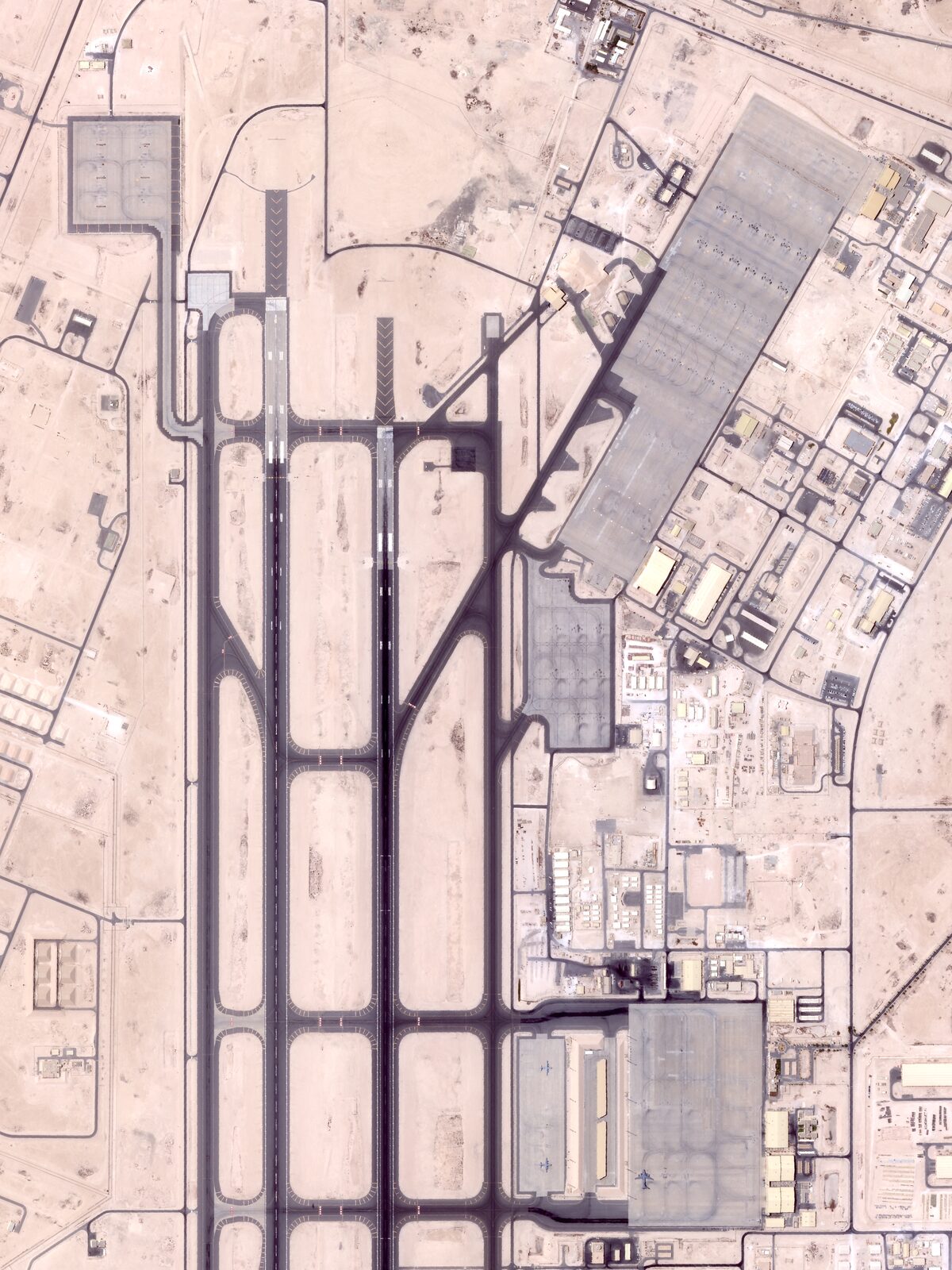
That retaliation came to the Al Udeid Air Base outside Doha, the largest U.S. military base in the Middle East. The Qatari military, alerted by Iran in advance, shot down a barrage of Iranian missiles on Monday night, with no casualties.
The Ain al-Asad Air Base in Iraq also mobilized air defences for a potential attack, but it was unclear if anything was damaged there.
Soon, Mr. Trump told the Qataris he had secured a ceasefire deal with Israel, and Qatar’s Prime Minister secured Iran’s agreement, though the regime publicly denied any ceasefire had been reached.
The ceasefire lasted for a few hours before Israel ordered new air strikes, alleging that Iran had fired first, which it denied. Mr. Trump, en route to a NATO summit in The Hague, chastised Israel and urged its pilots to return to base, and later that day the countries said the ceasefire was back on.


Does Iran have nuclear weapons? Key facilities at a glance
Iran has one operational nuclear power station, but denies having ever had a secret nuclear weapons program. The United States and the United Nations’ nuclear watchdog believe the country did, but halted the program in 2003. Under pressure of sanctions, Iran agreed to limit its nuclear activities in 2015, but that agreement collapsed during Mr. Trump’s first presidential term. This past April, Mr. Trump gave Iran a 60-day ultimatum to reach a new deal, setting the stage for the recent conflict.
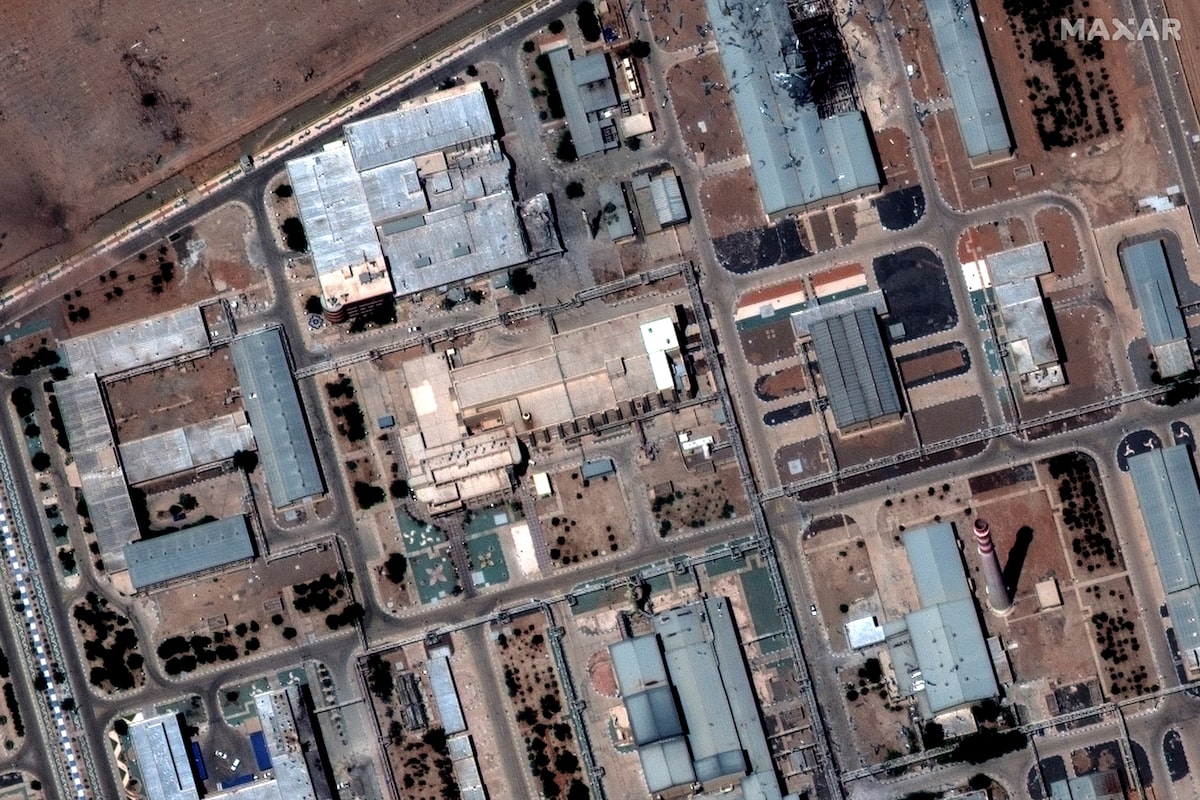
While surface-level damage is clear to see from satellite photos, some of Iran’s facilities are so deep underground that there is no way to confirm Mr. Trump’s claims that the uranium-enrichment labs are destroyed. The three main targets are:
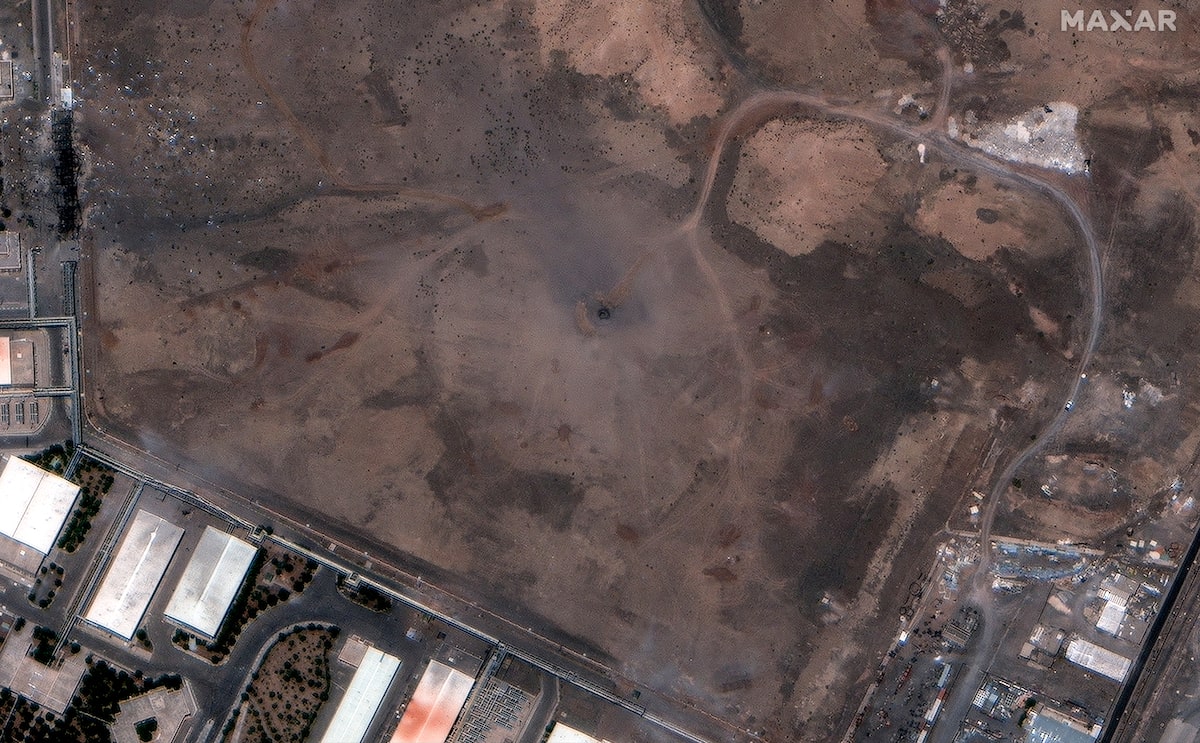
Natanz
This facility near the holy city of Qom has two enrichment plants, one above ground and one below. The first had a few hundred centrifuges that can upgrade uranium to 60-per-cent purity – close to the roughly 90 per cent that is weapons-grade. The second had around 16,000 centrifuges, roughly 13,000 of them in operation, refining uranium to up to 5-per-cent purity.

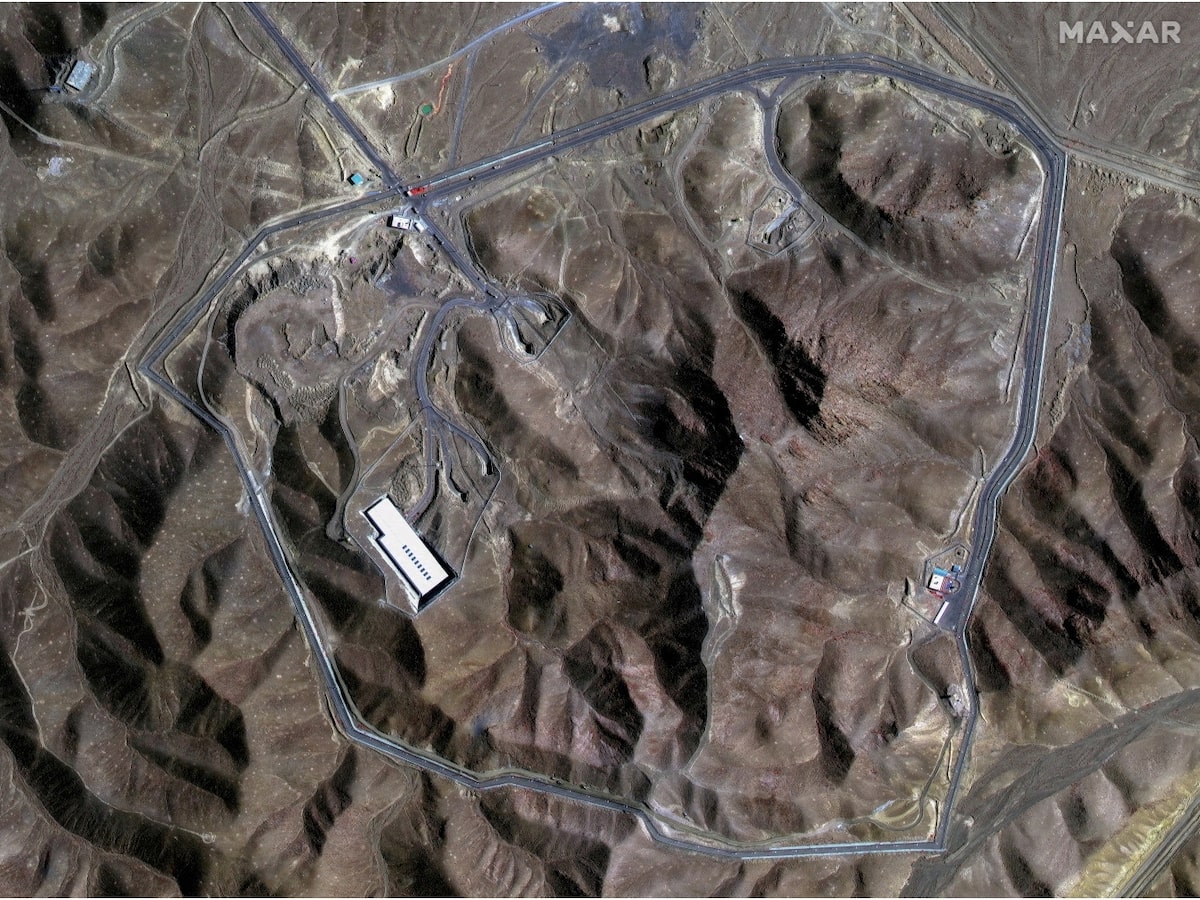
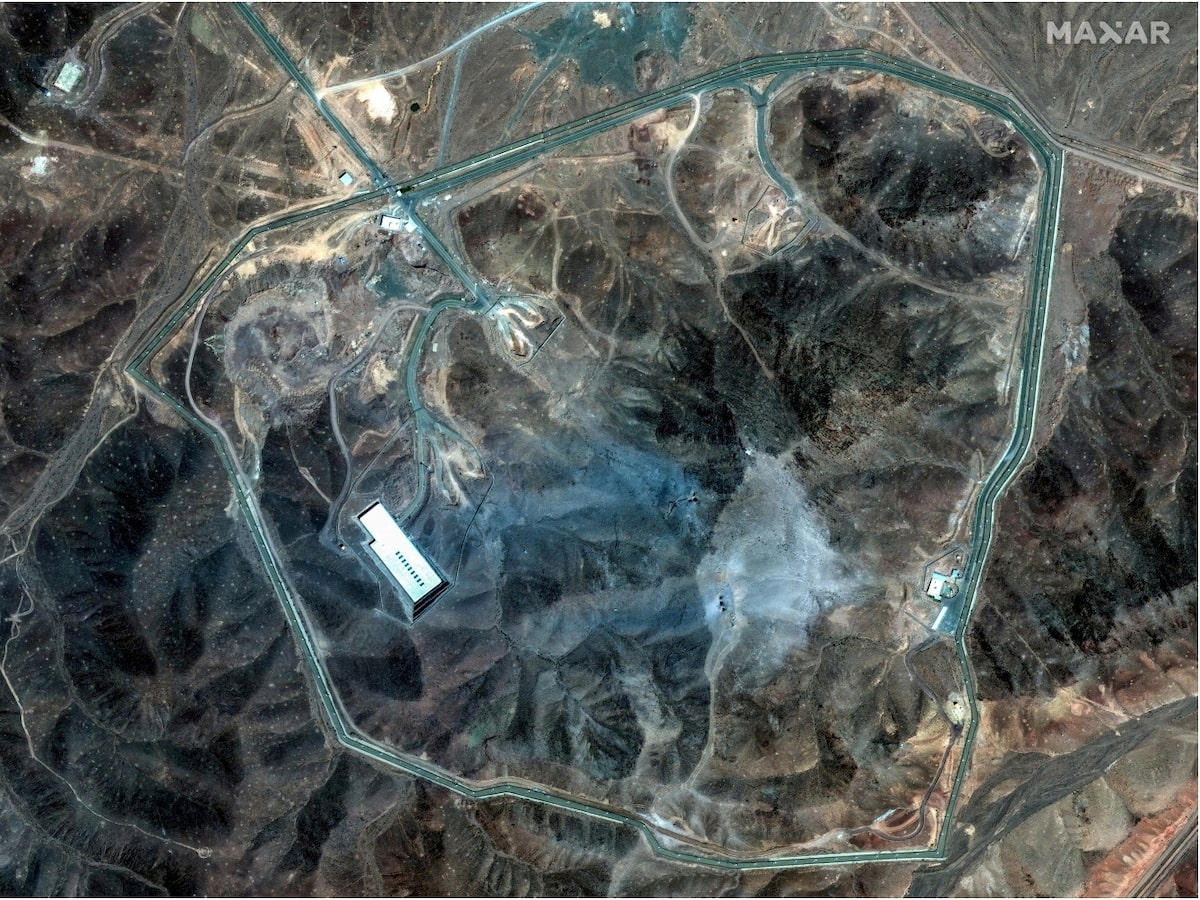
Fordow
This enrichment site, also near Qom, is mostly inside a mountain, with only a few tunnel entrances and support buildings visible above. Before the attacks, it had around 2,000 centrifuges operating, of which up to 350 were enriching to up to 60 per cent.
Isfahan
Diplomats say this facility stores enriched uranium and has equipment to make uranium hexafluoride – the substance fed into centrifuges during the enrichment process – and uranium metal, which proliferation experts worry about because the substance could be used in the core of a nuclear bomb.

Other energy infrastructure
Israel’s targets in Iran went beyond nuclear facilities: They hit missile-launching sites and military bases, but also oil depots and refineries. In previous clashes with Iran, Israel has largely left energy facilities alone, but not this time.

Where are the key U.S. military bases in the Middle East?
If Iran launches further retaliation on U.S. bases in the Middle East, there are several others in the region to choose from beside the one in Qatar.
- Bahrain: From this island nation, the U.S. Navy’s Fifth Fleet co-ordinates patrols of the Persian Gulf, Red Sea, Arabian Sea and parts of the Indian Ocean.
- Kuwait: This was a key U.S. base of operations in the 2003 Iraq War. Facilities include Camp Arifjan, Camp Buehring and the Ali Al Salem Air Base.
- UAE: The Al Dhafra Air Base south of Abu Dhabi is shared between the Emirati and U.S. air forces. Dubai’s Jebel Ali Port, while not a formal military base, is the U.S. Navy’s largest port of call in the Middle East.
- Iraq: Ain al-Asad Air Base in western Anbar province has been a target of Iranian missile strikes before, in retaliation for the U.S. killing of Iranian General Qasem Soleimani in 2020. Ain al-Asad activated its air defences on Monday for fear of a potential attack. The semi-autonomous Kurdistan region is also home to Erbil Air Base, where U.S. forces train and share intelligence.
- Saudi Arabia: Iran’s main regional adversary had 2,321 U.S. soldiers in 2024, according to a White House letter. Some are stationed near Riyadh at Prince Sultan Air Base.
- Jordan: The Muwaffaq al Salti Air Base is host to the 332nd Air Expeditionary Wing.

Anti-war protesters in New York's Times Square condemned the U.S. strikes in Iran, while pro-Trump groups rallied nearby.Kena Betancur/AFP via Getty Images
Trump vs. the spectre of ‘forever wars’
To anticipate Mr. Trump’s next moves in this conflict, world leaders and analysts have a mixed track record of statements to go on. At times, Mr. Trump has championed isolationism and spoken disdainfully of his predecessors’ “forever wars.” After the missile strikes in Iran, his cabinet members signalled that protracted war in the Middle East and regime change in Iran is not their objective. But then, in a Truth Social post, Mr. Trump suggested a new regime in Tehran would not be so bad:
It’s not politically correct to use the term, ’Regime Change,’ but if the current Iranian Regime is unable to MAKE IRAN GREAT AGAIN, why wouldn’t there be a Regime change??? MIGA!!!

U.S. troops pull down a statue of Iraq's president Saddam Hussein in 2003, the early stages of a combat mission that would not officially end until 2011.Goran Tomasevic/Reuters
Regime change and the forever war (the title of journalist Dexter Filkins’ 2008 book about the Iraq and Afghanistan conflicts) were popular phrases in the post-9/11 era, when the United States and its allies toppled another regime, Saddam Hussein’s, over claims that it possessed chemical and biological weapons of mass destruction, which ultimately proved baseless.
That conflict looms large over this one, as U.S. allies and adversaries cite it as either an aspirational or cautionary tale. Israeli Defence Minister Israel Katz, for instance, suggested Iran’s Supreme Leader could face the same fate as Mr. Hussein. At the UN Security Council, Russian envoy Vassily Nebenzia urged Washington to recall its history differently:
Again we’re being asked to believe the U.S.’s fairy tales, to once again inflict suffering on millions of people living in the Middle East. This cements our conviction that history has taught our U.S. colleagues nothing.

A rally against the U.S. strikes in Iran faced off against pro-Israeli counterprotests outside Toronto's U.S. consulate on Sunday.Arlyn McAdorey/The Canadian Press
Canada’s reaction so far
Prime Minister Mark Carney’s message so far has been one of de-escalation, and of condemnation for the “grave threat to international security” that Iranian nuclear weapons would represent. Canada, which has no diplomatic ties with Iran, urged its citizens there to register with Global Affairs Canada to get information about options to fly home from neighbouring countries. Consular officials are on hand at Turkish and Armenian border crossings to help Canadians leave Iran, Foreign Affairs Minister Anita Anand said Sunday.
Within Canada, Iranian diasporas have conflicted feelings about the events in the Middle East. Some told The Globe and Mail they were fearful about the cost for ordinary Iranians, and worried that the humanitarian crisis in Gaza would be forgotten. Others said they were cheering the U.S. strikes and the potential end of the regime.
Compiled by Globe staff
With reports from Reuters, Associated Press and Globe staff
More on the Middle East conflict
The Decibel podcast
What happens if the current conflict between Iran, Israel and the United States escalates further? International affairs columnist Doug Saunders spoke with The Decibel about the scenarios ahead. Subscribe for more episodes.
Commentary
David Shribman: Trump opens a war on three fronts with strikes on Iran
Dennis Horak: Regime change in Iran would lead to chaos
Samira Mohyeddin: Iranians deserve a path to freedom that is also free from violence
Michael Byers: Israel has the right of self-defence. That’s not the end of the matter