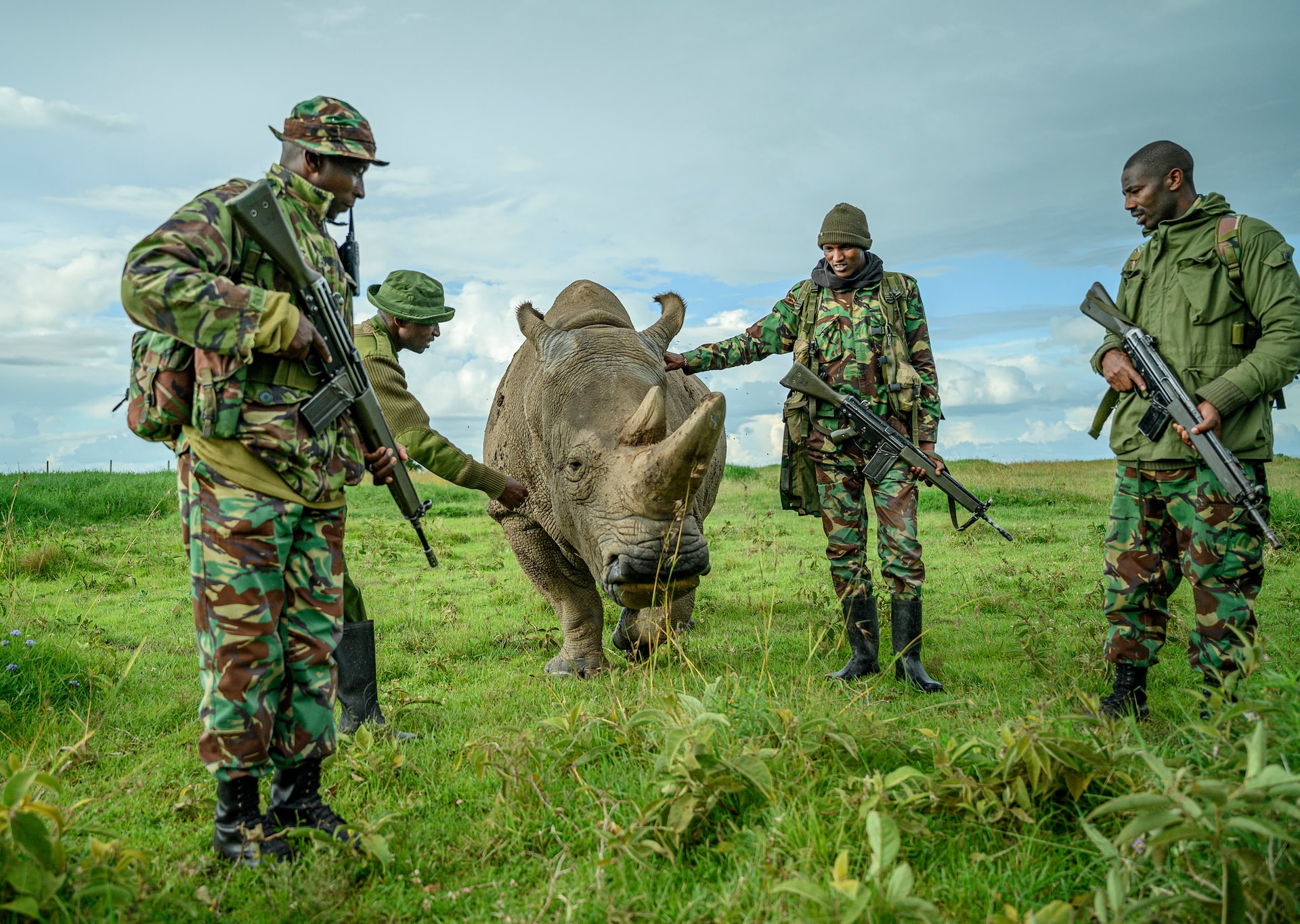
The rain fell gently on the Ol Pejeta Conservancy in Kenya on March 19, 2018, as caretakers bid their final farewell to Sudan, the last known male northern white rhino on the planet. Sudan’s euthanization, owing to age-related complications, marked the functional extinction of the northern white rhino. Only two northern white rhinos remain: Najin, a female born in captivity in 1989, and Fatu, her daughter, born in 2000.

Sudan was the last male northern white rhino in the world. In 2018, Joseph Wachira comforts him before he was euthanized.
Yet, in the midst of such grim circumstances, a glimmer of hope.
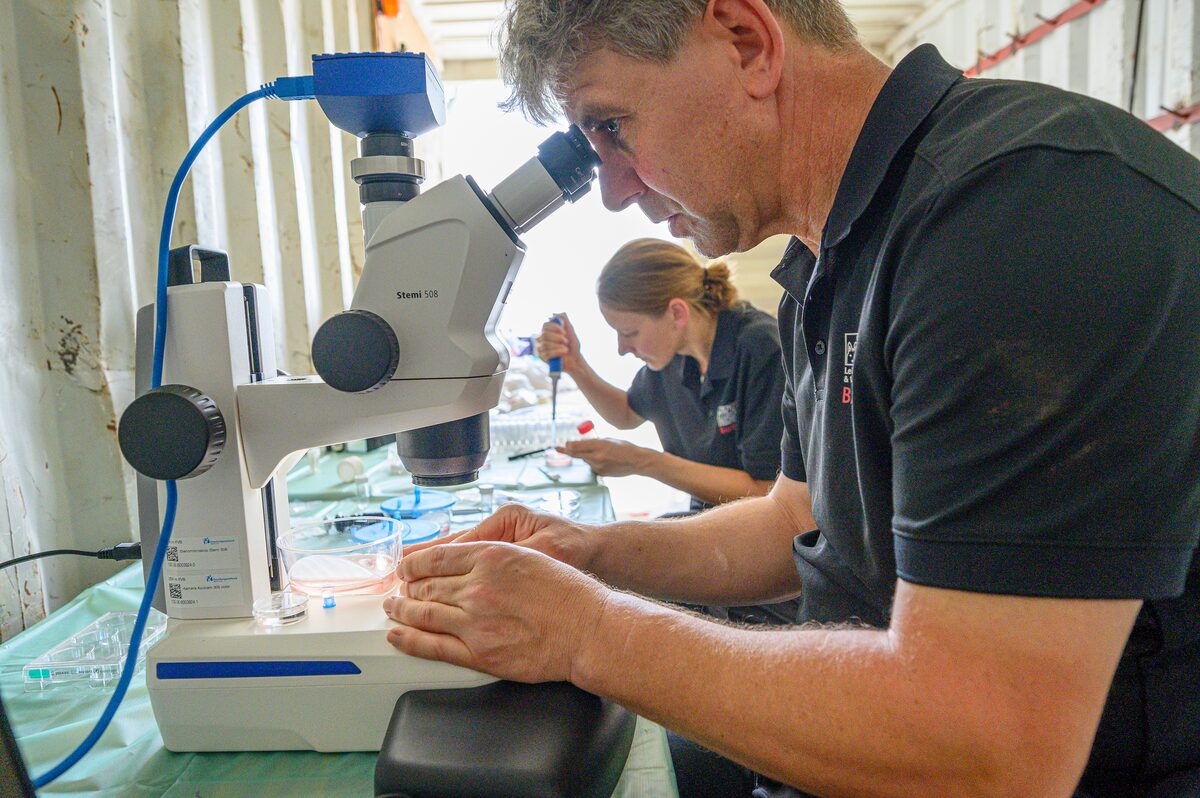
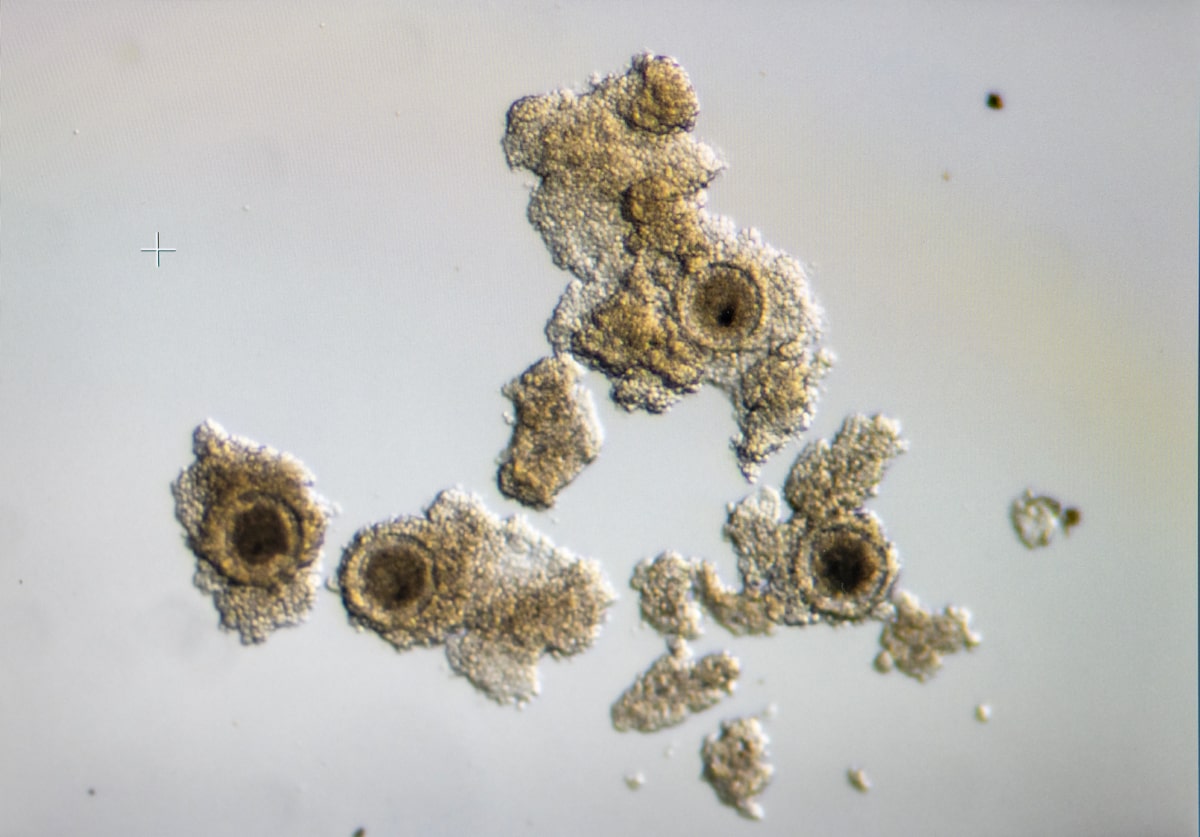
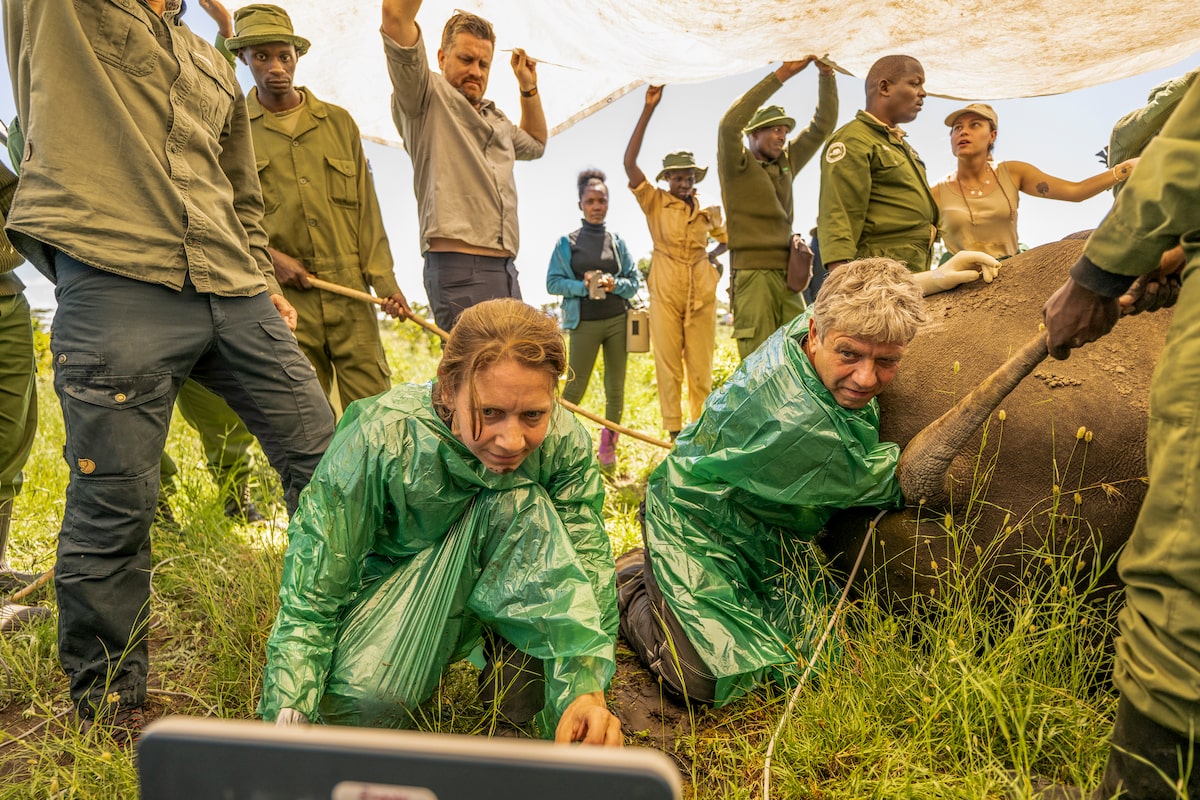
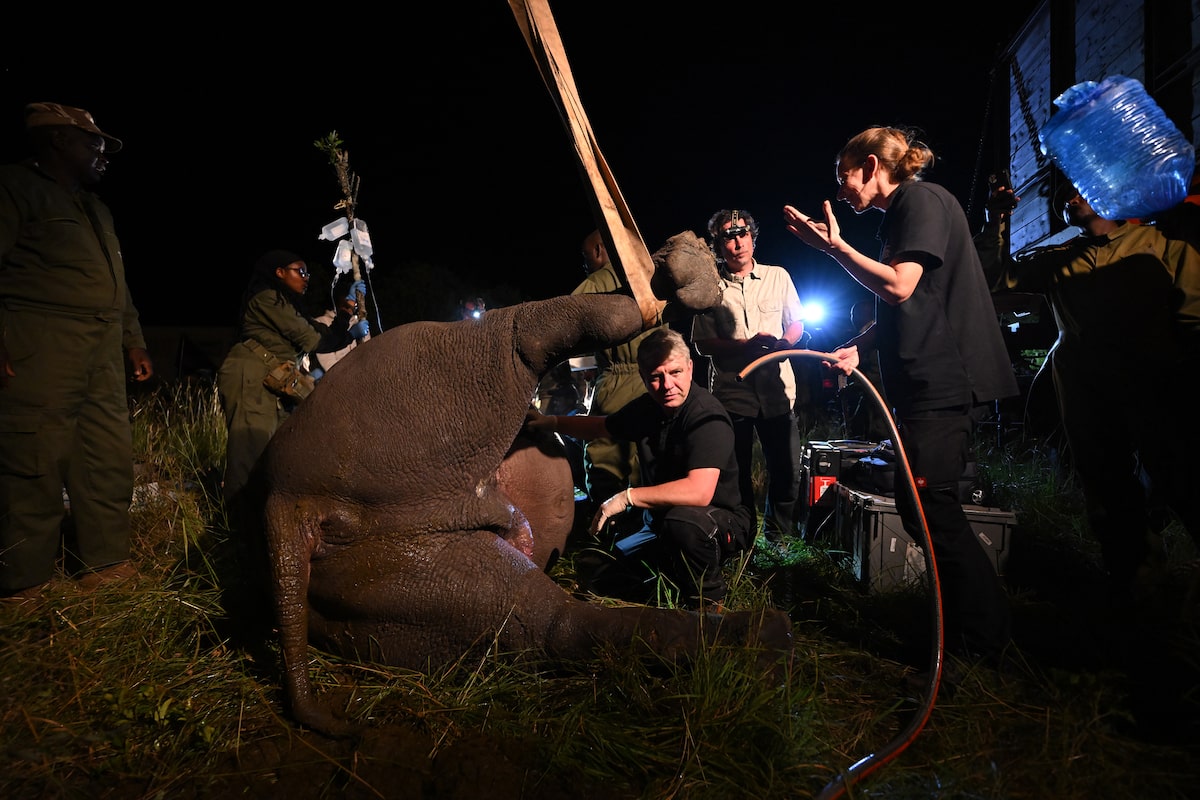
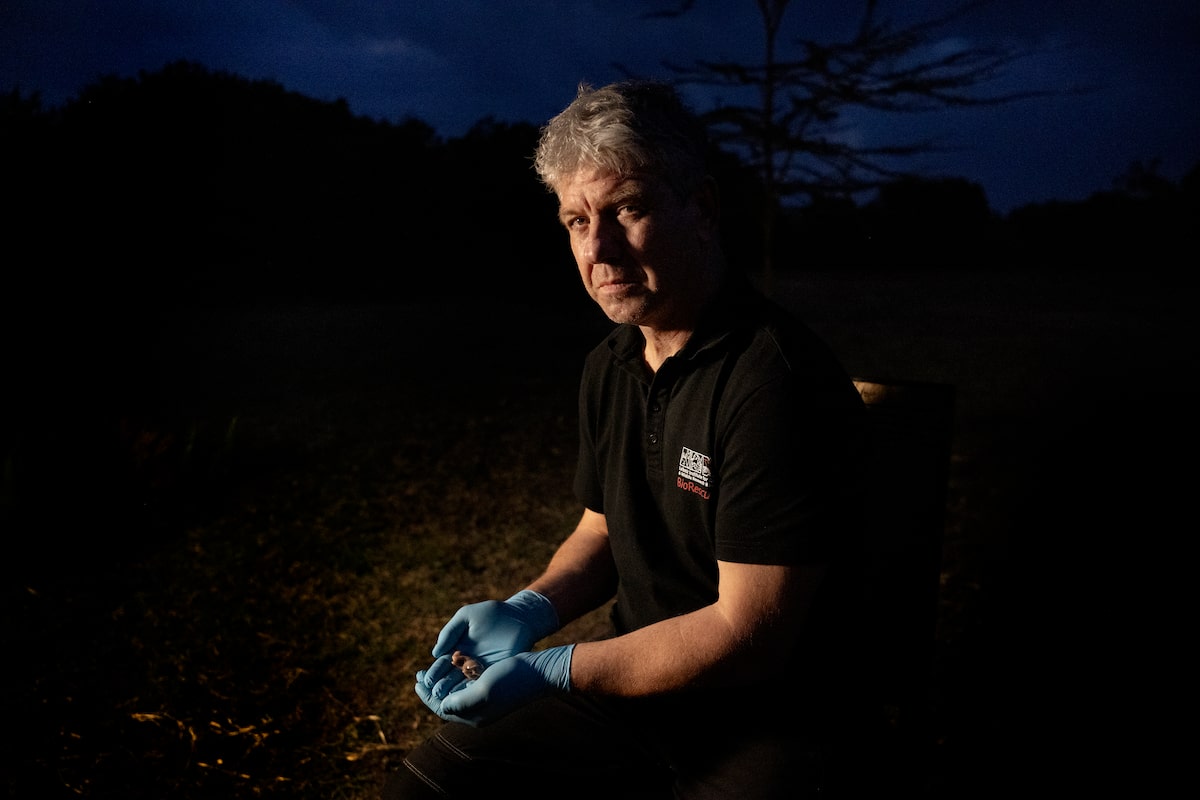
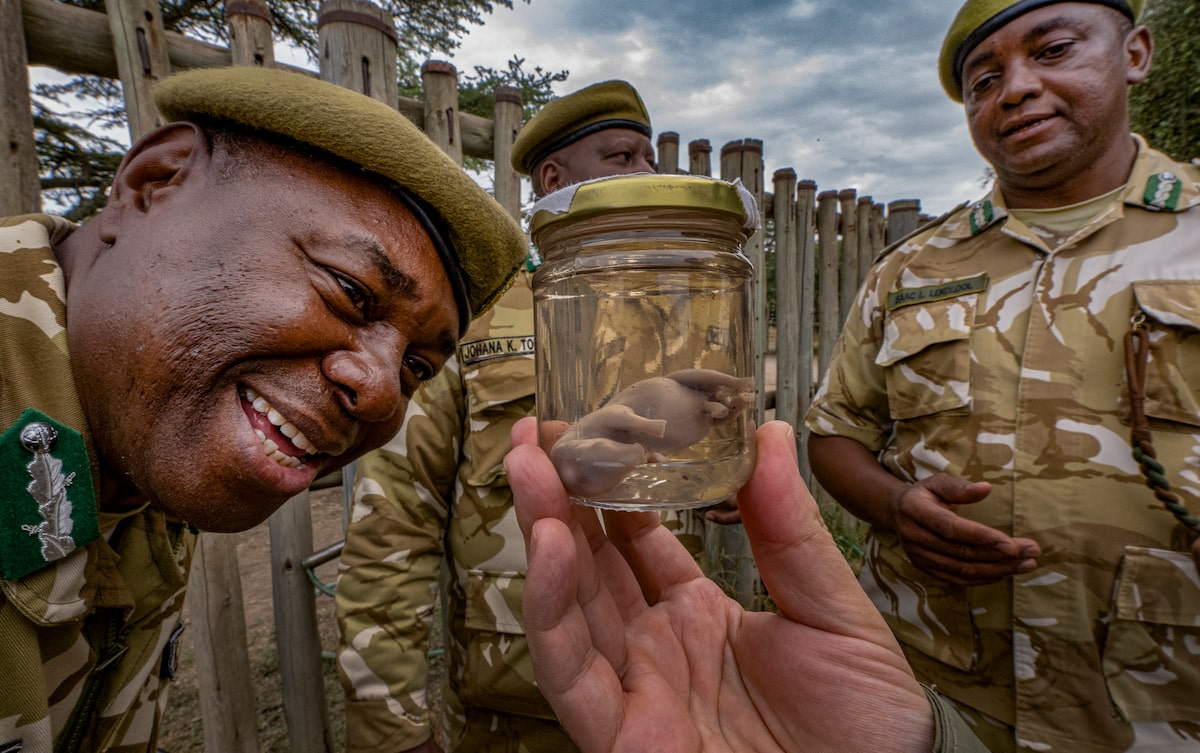
An international collaboration of scientists, conservationists and governments, led by Germany’s BioRescue Project, have embarked on a mission to rescue the northern white rhino from extinction. Using eggs from Fatu and banked sperm from male northern white rhinos, they created 30 northern white rhino embryos and used one to impregnated Curra, a 13-year-old southern white rhino. (Southern white rhinos are similar to their northern counterparts, although they are a distinct subspecies.) Last September, Curra became the first rhino to conceive through in vitro fertilization. But nearly three months into her pregnancy, a bacterial infection claimed the life of the surrogate mother, Curra, and her developing fetus.
The success of the implant, despite the tragic death of Curra, was a hopeful sign. The team is now looking at implanting a new surrogate with the northern white embryos. While embryos may be stored for an extended period, there is a rush to bring a northern white rhino baby to life within two to three years so that any offspring has the time to learn social behaviour alongside Najin and Fatu.
The IVF technology’s success not only holds promise for the northern white, but also signifies a broader potential; it could play a role in conserving other critically endangered species, offering hope for a more resilient and biodiverse future. Scientists estimate that over 50 per cent of wildlife has been wiped out by humans in the last 40 years.
Jan Stejskal, BioRescue project co-ordinator from Dvůr Králové Safari Park in the Czech Republic, emphasizes the critical significance of collaboration in this time of dire environmental crises. “Our experience from BioRescue shows that if we – as scientists, conservationists in the field and zoo experts – work together, we are much more powerful than when we work separately, and we can really bring hope for the species on the brink of extinction.”