
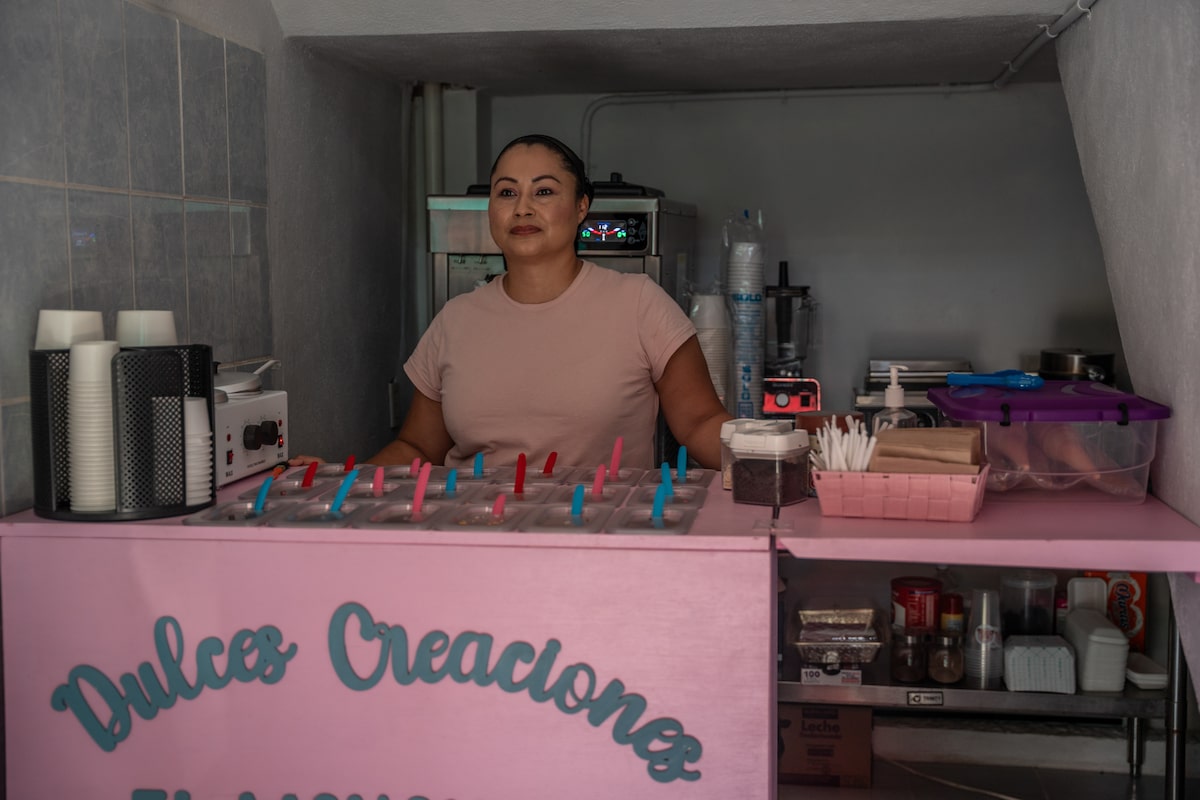
From behind a bright pink counter, Irelda Suárez dishes out generous helpings of ice cream covered in sprinkles and chocolate sauce to kids in her tiny shop. The sound of hunks of metal being hurled into a dump truck puncture the air.
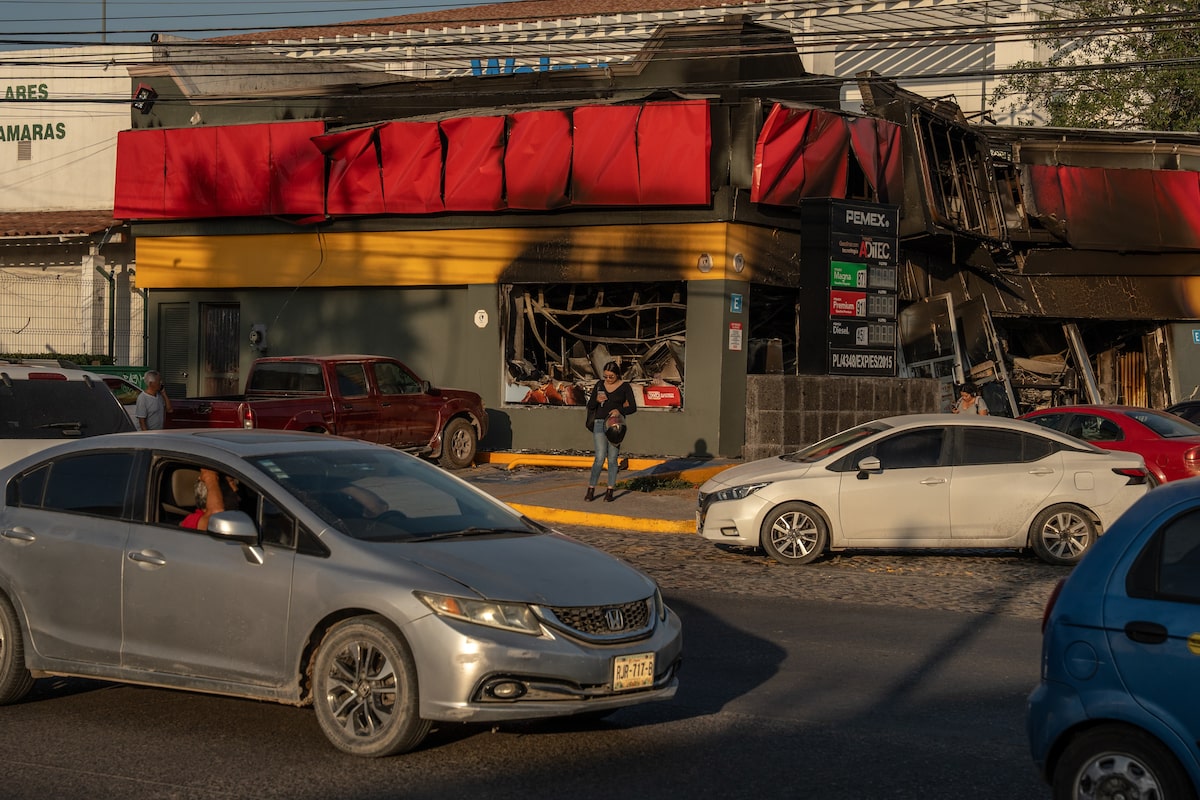
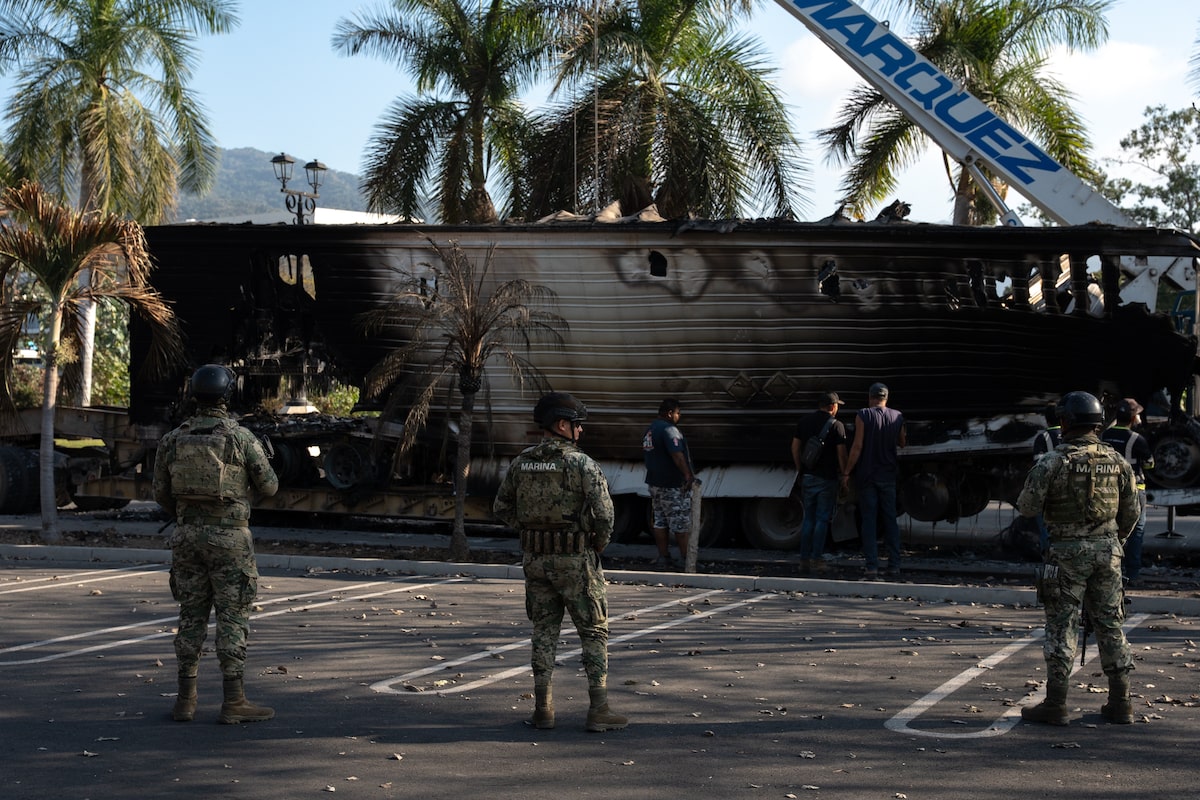
Ms. Suárez’s shop in a quiet neighbourhood in Puerto Vallarta shares a wall with a convenience store that was torched Sunday, its exterior blackened and everything inside destroyed. Across the street, a truck has been reduced to a twisted, charred skeleton.
This is not the Puerto Vallarta of a week ago.

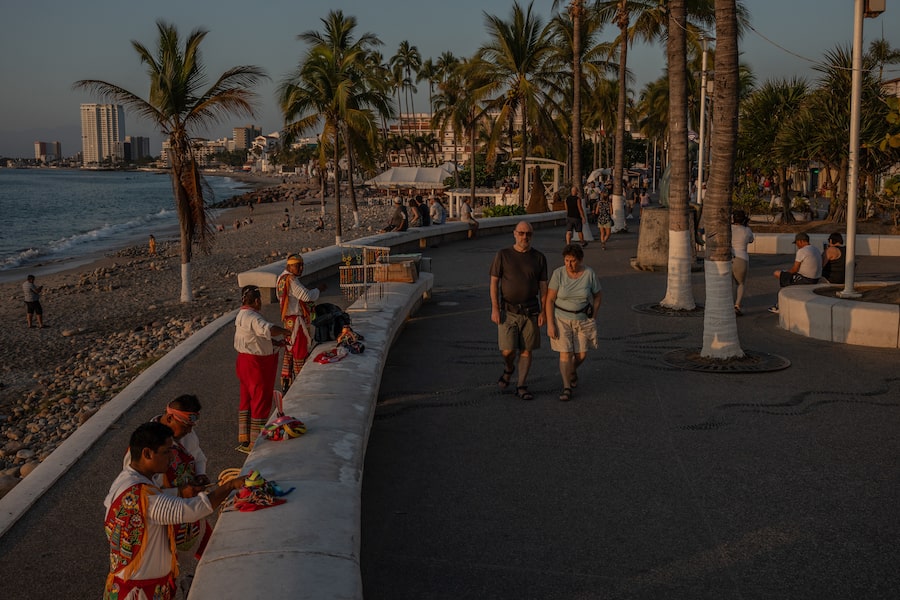
Before last Sunday’s violence, the tranquil beach town was perceived as one of the safest cities in Mexico. With its cobblestone streets, welcoming restaurants and friendly people, it has for decades been a popular destination for tourists and, for many Mexicans, a good place to live.
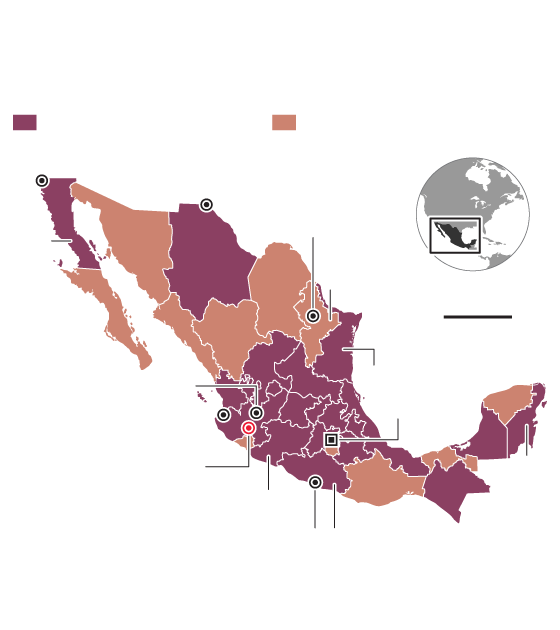
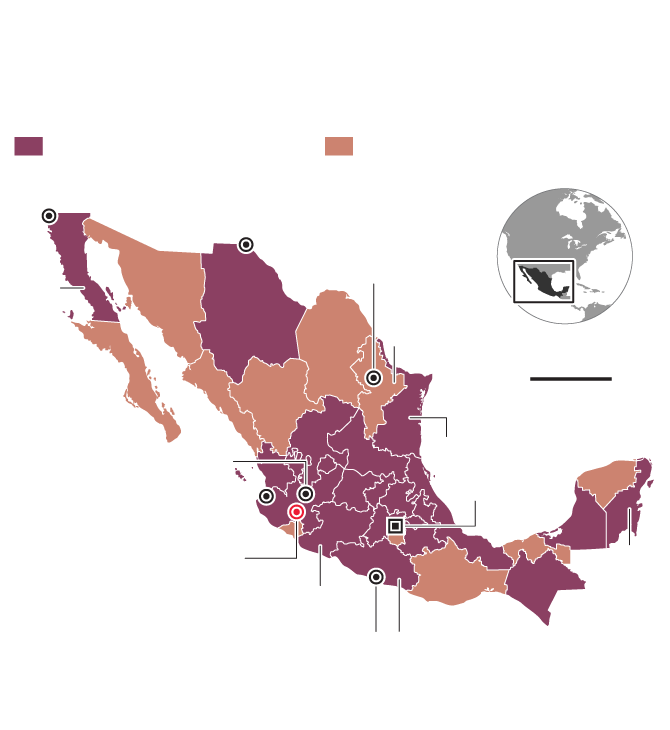
Canadians who have been coming here for years and residents alike say they’ve never seen anything like the kind of destruction that was unleased by drug cartel thugs when their leader, Nemesio Oseguera Cervantes, known as El Mencho, was killed in a shootout with Mexican special forces.
“It’s still very fresh, and we are living with some kind of uncertainty,” said Ms. Suárez, who remembered an incident from years ago involving the cartel in the city after a failed attempt to capture El Mencho. “Uncertainty that it might happen again.”
In cartel country
Nemesio Oseguera Cervantes, or ‘El Mencho,’ was mastermind of
the Jalisco New Generation Cartel (CJNG) – one of Mexico’s most
powerful drug cartels.
CJNG significant presence
CJNG presence
Tijuana
Ciudad Juárez
Monterrey
BAJA
CALIF.
NUEVO
LEÓN
400km
TAMAULIPAS
Guadalajara
Mexico
City
Puerto Vallarta
Feb: 22, Tapalpa,
Jalisco state: Oseguera
Cervantes is wounded
in a clash with soldiers
and dies while being flown
to Mexico City.
QUIN-
TANA
ROO
MICHOACÁN
Acapulco
GUERRERO
graphic news, Sources: BBC; DEA; Reuters
In cartel country
Nemesio Oseguera Cervantes, or ‘El Mencho,’ was mastermind of
the Jalisco New Generation Cartel (CJNG) – one of Mexico’s most
powerful drug cartels.
CJNG significant presence
CJNG presence
Tijuana
Ciudad Juárez
Monterrey
BAJA
CALIF.
NUEVO
LEÓN
400km
TAMAULIPAS
Guadalajara
Mexico
City
Puerto Vallarta
Feb: 22, Tapalpa,
Jalisco state: Oseguera
Cervantes is wounded
in a clash with soldiers
and dies while being flown
to Mexico City.
QUIN-
TANA
ROO
MICHOACÁN
Acapulco
GUERRERO
graphic news, Sources: BBC; DEA; Reuters
In cartel country
Nemesio Oseguera Cervantes, or ‘El Mencho,’ was mastermind of the Jalisco New Generation Cartel
(CJNG) – one of Mexico’s most powerful drug cartels.
CJNG significant presence
CJNG presence
Tijuana
Ciudad Juárez
Monterrey
BAJA
CALIF.
NUEVO
LEÓN
400km
TAMAULIPAS
Guadalajara
Mexico
City
Puerto Vallarta
Feb: 22, Tapalpa,
Jalisco state: Oseguera
Cervantes is wounded
in a clash with soldiers
and dies while being flown
to Mexico City.
QUIN-
TANA
ROO
MICHOACÁN
Acapulco
GUERRERO
graphic news, Sources: BBC; DEA; Reuters
The cleanup this week was swift. Cars and trucks that had been set ablaze were quickly taken away, leaving a pile of ash behind. Shops that had been set on fire were covered with white tarps.
On the Malecón boardwalk one evening, Barbara and Carl Nunns, who rented a condo for two months and have been vacationing here since 1998, recounted sheltering in a restaurant Sunday. The retired couple from White Rock, B.C., had been watching the Olympic gold medal hockey game when restaurant staff said they were closing the blinds and turning off the TV and lights.
Ms. Nunns said that around 5 p.m. they decided to return to their condo because they didn’t want to walk home in the dark. The streets were empty, and they passed scorched cars, buses and stores.
“But we got back home safely. We’re continuing our holiday. We’re coming back next year. We’ve already booked,” Ms. Nunns said. “They’ve been trying to find him forever and they got him,” she said of El Mencho. “So now we’ve got to deal with the aftermath, but we love it here and we will come back.”



Others who were caught up in the cartel’s retribution remain similarly determined to put it behind them.
Not long after Katharina Stieffenhofer, her husband and friends arrived at the airport to catch a flight back to Winnipeg on Sunday, they were ushered into a narrow hallway to hide.
She slept on her yoga mat and a piece of cardboard on the floor at the airport that night.
“It just seems unreal, very surreal right now, and it seems like a long time ago,” Ms. Stieffenhofer, 70, said in an interview at a hotel in Puerto Vallarta on Thursday, before catching a flight back home.
She and her husband have been vacationing in Mexico for years, and she’s not going to let one violent episode deter her future travel plans.
“The violence that happened with the cartel should not reflect on the Mexican people. I still love the people, love the country, and if my health holds out, I plan on coming back next year.”
‘Everybody just hit the floor ... I was really scared.’ Listen to Katharina Stieffenhofer’s account of chaos at the Puerto Vallarta airport, including footage of what she saw.
For locals, though, who can’t fly off if things take a turn for the worse, that uncertainty still sits heavily across the city.
Outside a string of torched shops, Maclovio Lorenzo, carried a tray of cheesecakes and banana bread – not that you could smell the sweets: The acrid smell of burnt rubber and plastic still clung to the air.
“The consequences, we carry it,” said the 63-year-old salesman, taking in the destruction. “Sales are better today,” he said, but he lost two days of work.
He said he has read about violence in other parts of the country but has never seen anything like what happened in Puerto Vallarta last weekend. “They spooked the tourists and the citizens of Vallarta,” he said.
He worries about what the future holds. “Those people are heartless.”

Once upon a time in Mexico: More from The Globe and Mail
The Decibel podcast
After years of dealing with cartels like El Mencho’s – sometimes with violence, sometimes not – Mexico is under increasing pressure from the Trump White House to show results. Freelance journalist David Agren spoke with The Decibel about the politics involved. Subscribe for more episodes.
Mexico in perspective
Fear of cartel retaliation sets rural Mexico on edge
From Cuba to Puerto Vallarta, Canadian snowbirds find fewer havens
Marsha Lederman: Travelling Canadians deserve sympathy, but spare a thought for the real victims