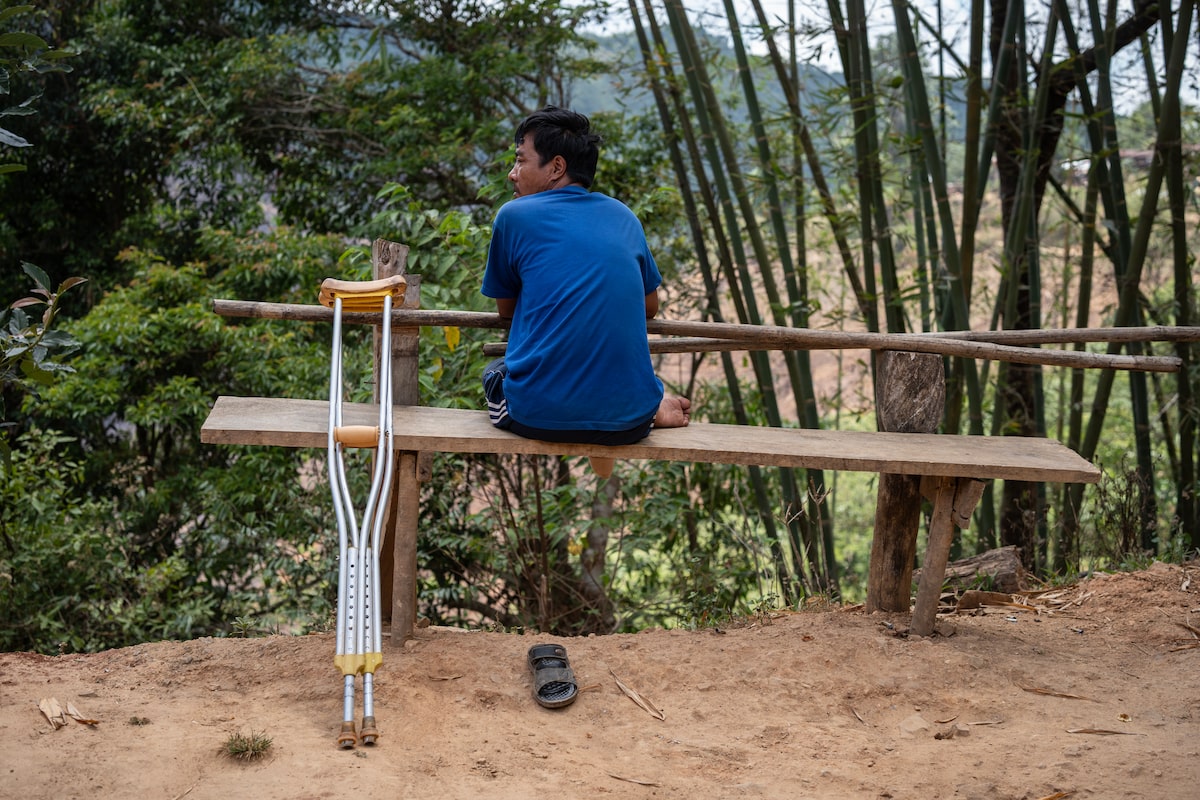
The last bombing was too close for comfort for Aung Myint Myat.
His hospital, on the outskirts of Demoso, a town in Myanmar’s Karenni State, has been open for just over a year, but already administrators like Dr. Aung are thinking of moving it to a more secret location. “The junta targets health facilities all the time,” he told The Globe and Mail. “Just last month there was a bombing near our place.”
A mountainous region in the east of the country, on the border with Thailand, Karenni — also known as Kayah State — is a key battleground in the brutal civil war that has gripped Myanmar since a military coup in February 2021.
According to the United Nations, at least 3.5 million people — and potentially double this figure — have been displaced by fighting, a third of them children. More than 20 million civilians are in need of humanitarian assistance.
Thousands have been killed and many more injured, and there have been numerous documented instances of alleged war crimes by the military junta, known as the State Administrative Council. A devastating earthquake in March of 2025 prompted the junta to announce a ceasefire, but witnesses say that the military continues to mount attacks that kill civilians.


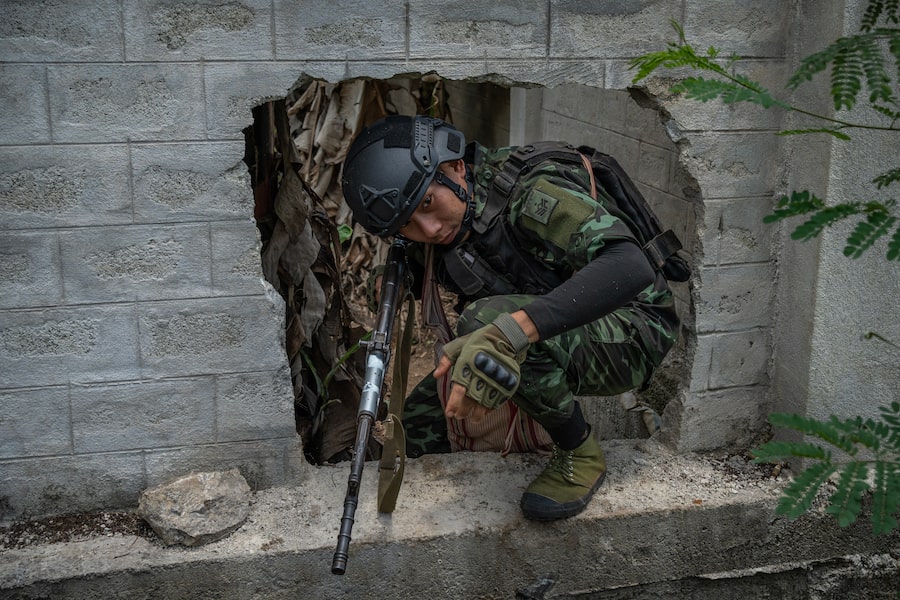
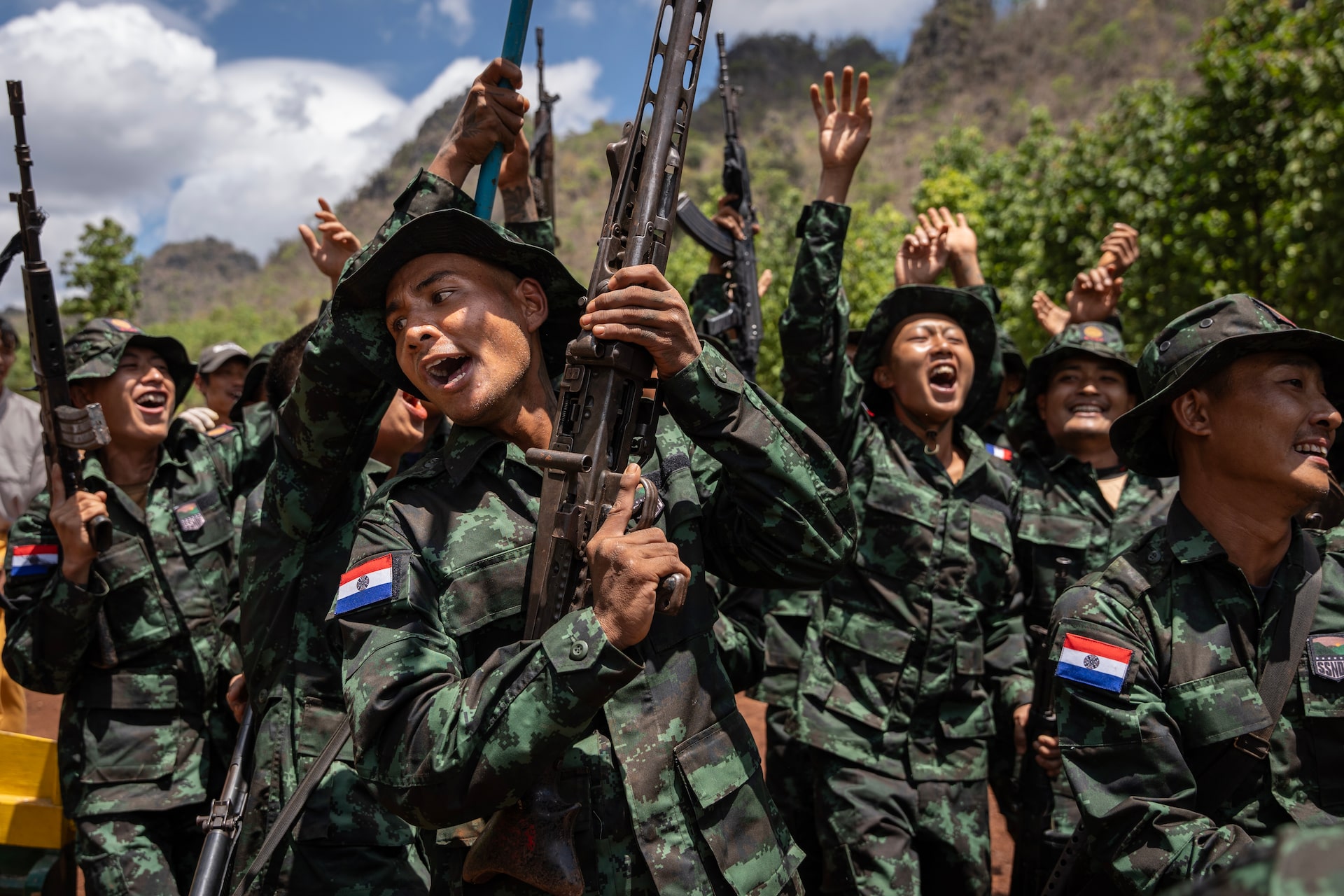
I recently returned from my fifth trip inside Myanmar, where I embedded with Karenni resistance forces attempting to dislodge the military from one of their last remaining strongholds in the region.
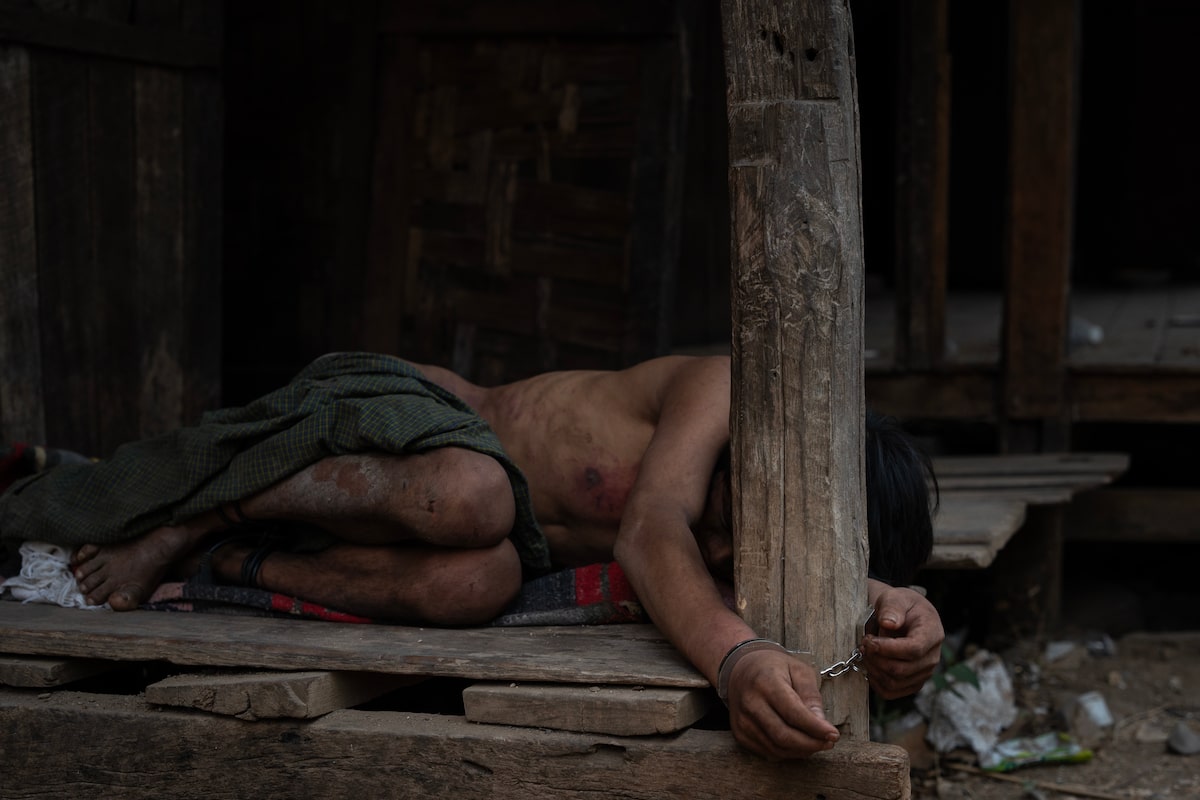
The Globe was given exclusive access to a secret prison operated by the Karenni State Interim Executive Council, a newly formed provisional government established by rebel forces in the region. The Globe was permitted to photograph prisoners but not to interview them.
Karenni forces are one of several groups that fall under the umbrella National Unity Government, a parallel administration initially formed by members of Myanmar’s elected parliament ousted in the February, 2021 coup.
The facility is deep inside a gorge, concealed from enemy planes and drones, several hours’ drive from the nearest town. It houses 150 inmates, 99 of whom are prisoners of war — junta soldiers captured in recent fighting. The inhospitable jungle terrain adds a sense of isolation, serving as a natural security barrier that deters any attempts at escape. Rebel forces across the country hold about 15,000 prisoners of war, according to People’s Goal, a Myanmar-based civil society organization tracking captured junta soldiers.
Dr. Sasa, a senior official with the unity government who goes by one name, has said all prisoners of war captured by rebel forces are “treated in accordance with the Geneva Conventions and international laws.” Karenni Nationalities Defense Force deputy commander Marwi has also said his forces treat captured soldiers humanely. KNDF soldiers have been imprisoned for killing civilians and the unity government says it investigates any allegations of human-rights abuses by forces linked to it.
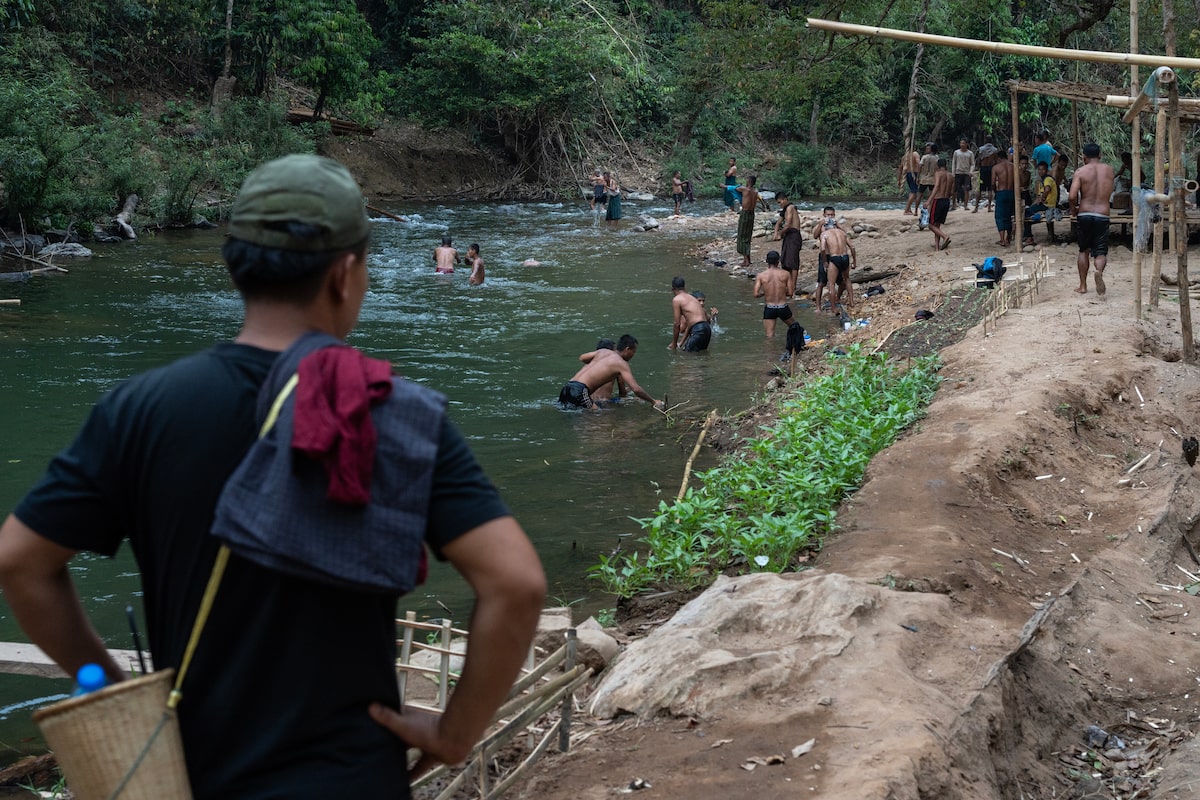
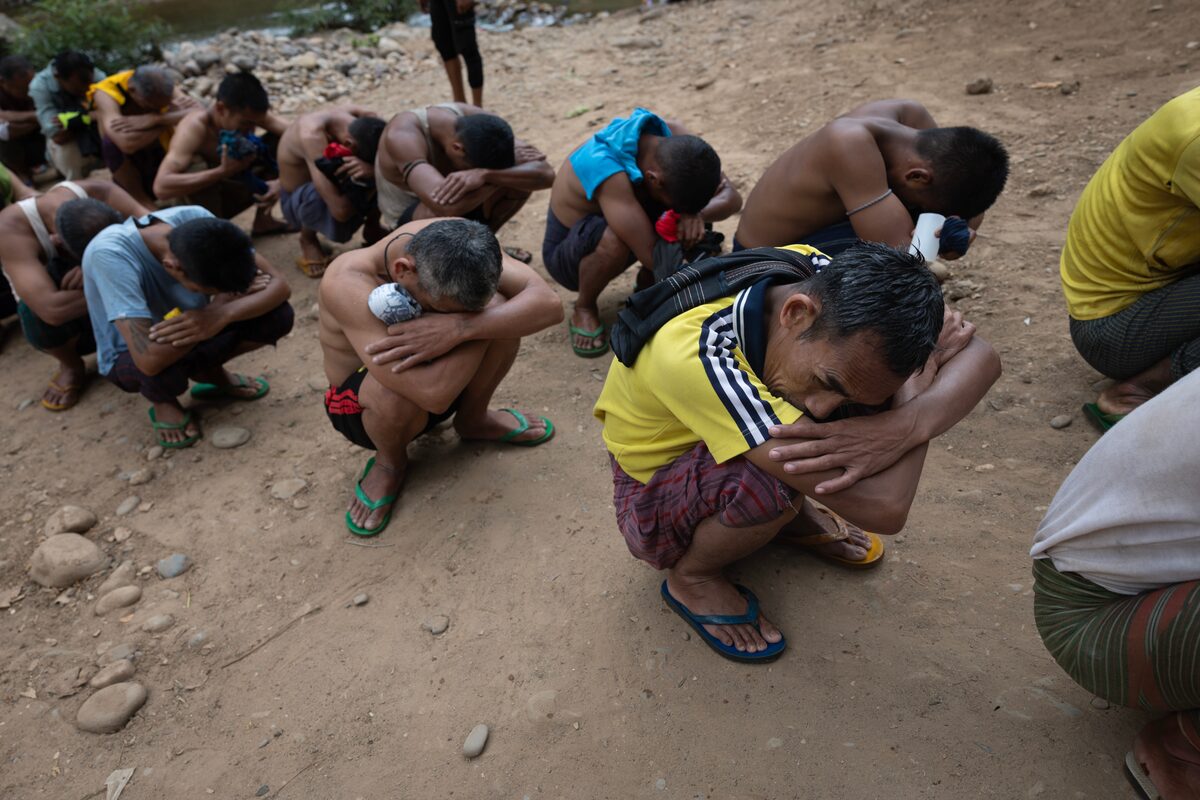

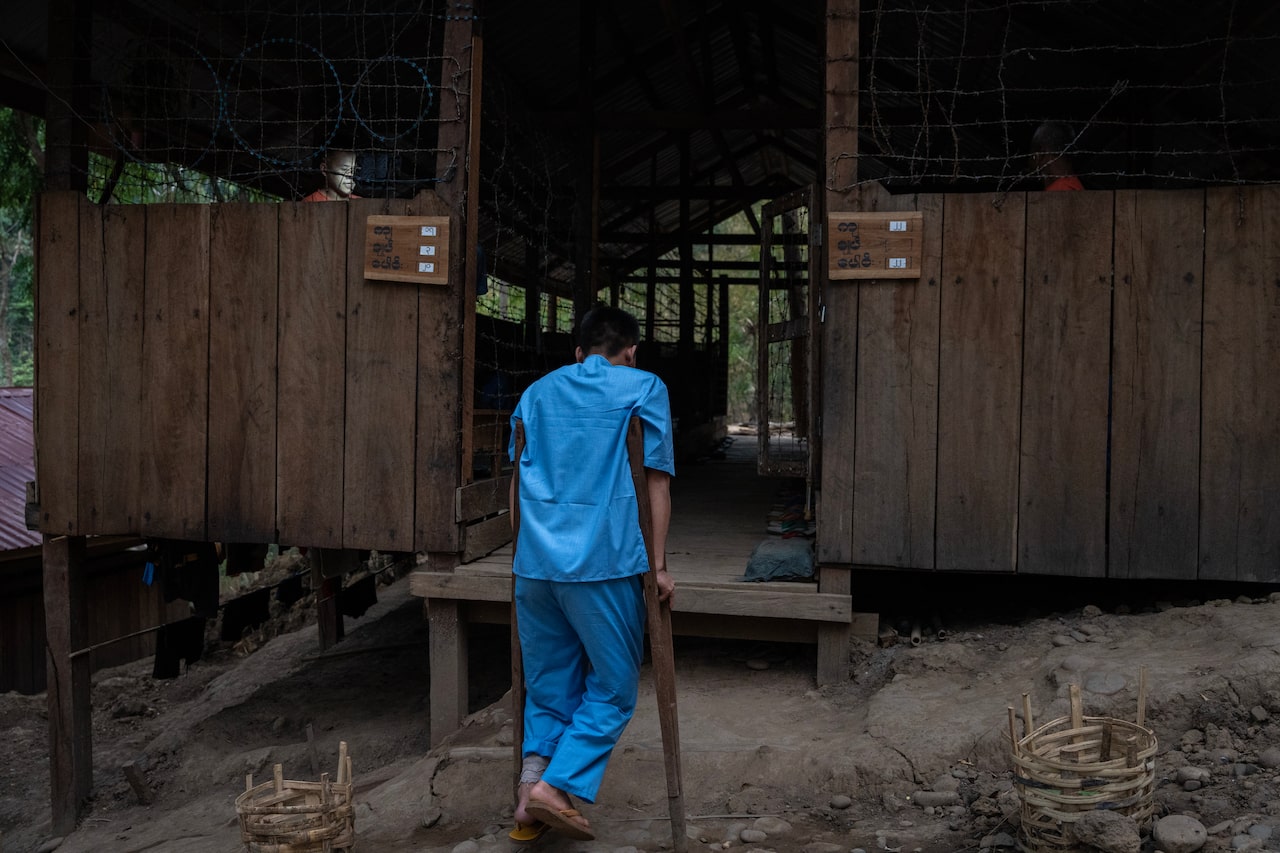
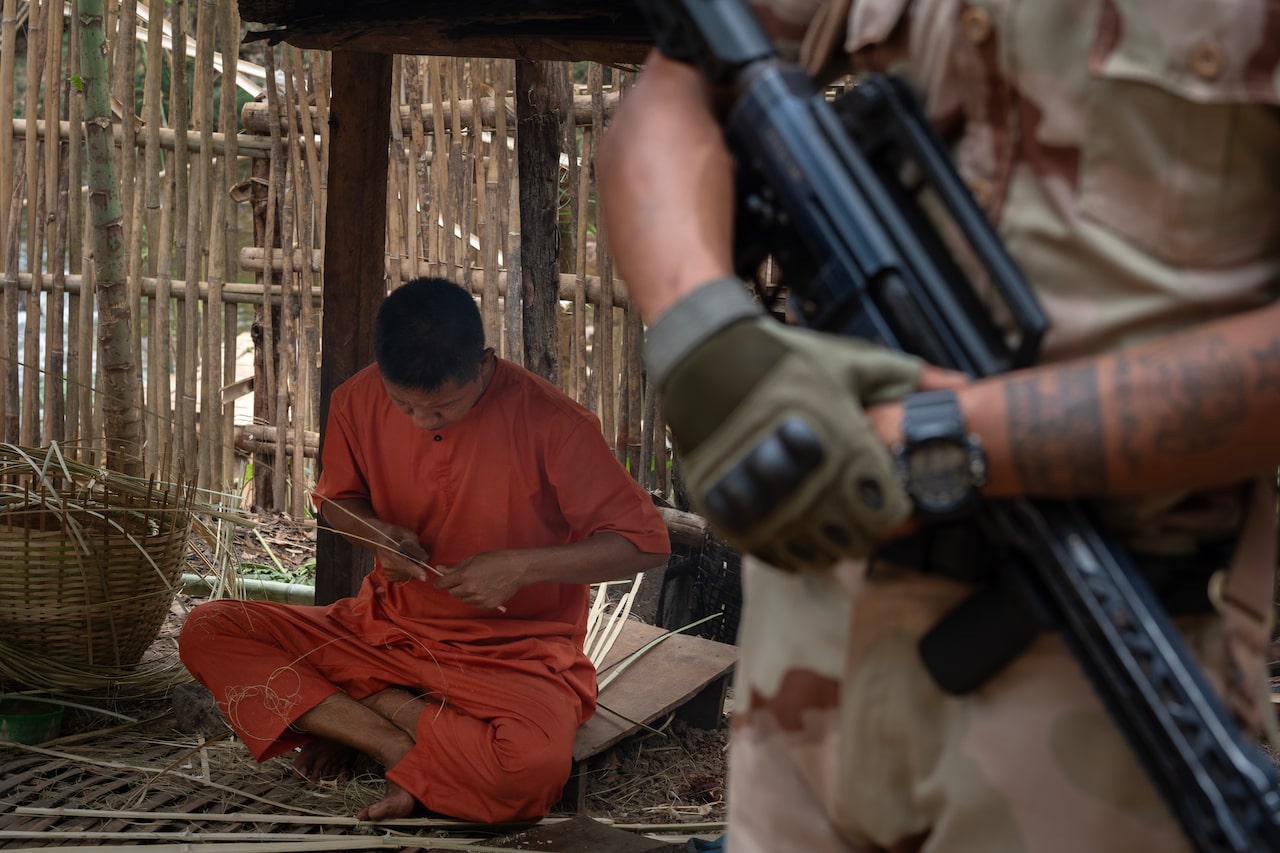
At least one prison guard was a former inmate himself, before defecting to the Karenni resistance, a reminder of the political complexity of a country in the grip of a civil war.
Like many border states, Karenni is largely outside of government control, and this time — more than a year since I last entered Myanmar — I did not have to trek for days across treacherous mountain and jungle terrain, dodging junta military positions to reach the front line. Instead, we were able to drive from the Thai border in a single day, a clear sign of how far the resistance has advanced, with the junta confined to fortified, but static positions.
A few years ago, the lack of internet connectivity posed a serious challenge on the ground, with the junta controlling all telecommunications infrastructure. Today, rebel groups have established a communication network both within and outside the country, using Starlink satellite devices and radio systems to stay connected.
The Karenni provisional government has expanded to 16 township-level administrative bodies across Karenni and parts of neighbouring Shan State, along the Myanmar-Thai border.
This parallel administration now collects taxes and manages local revenue — clear evidence that the military government exercises little control over the region.
As in other parts of Myanmar however, the junta has responded brutally to its territorial losses. According to the UN, in the past year, “as the military’s grip on power eroded, it launched wave after wave of retaliatory airstrikes and artillery shelling on civilians and civilian populated areas, forced thousands of young people into military service, conducted arbitrary arrests and prosecutions, caused mass displacement, and denied access to humanitarians, even in the face of natural disasters.”

The Kay Htoe Boe is a ritual of protection and healing, and the people of eastern Demoso often pray for both. Theravada Buddhism, the most common religion in Myanmar, is mingled with an array of folk beliefs.Siegfried Modola/The Globe and Mail
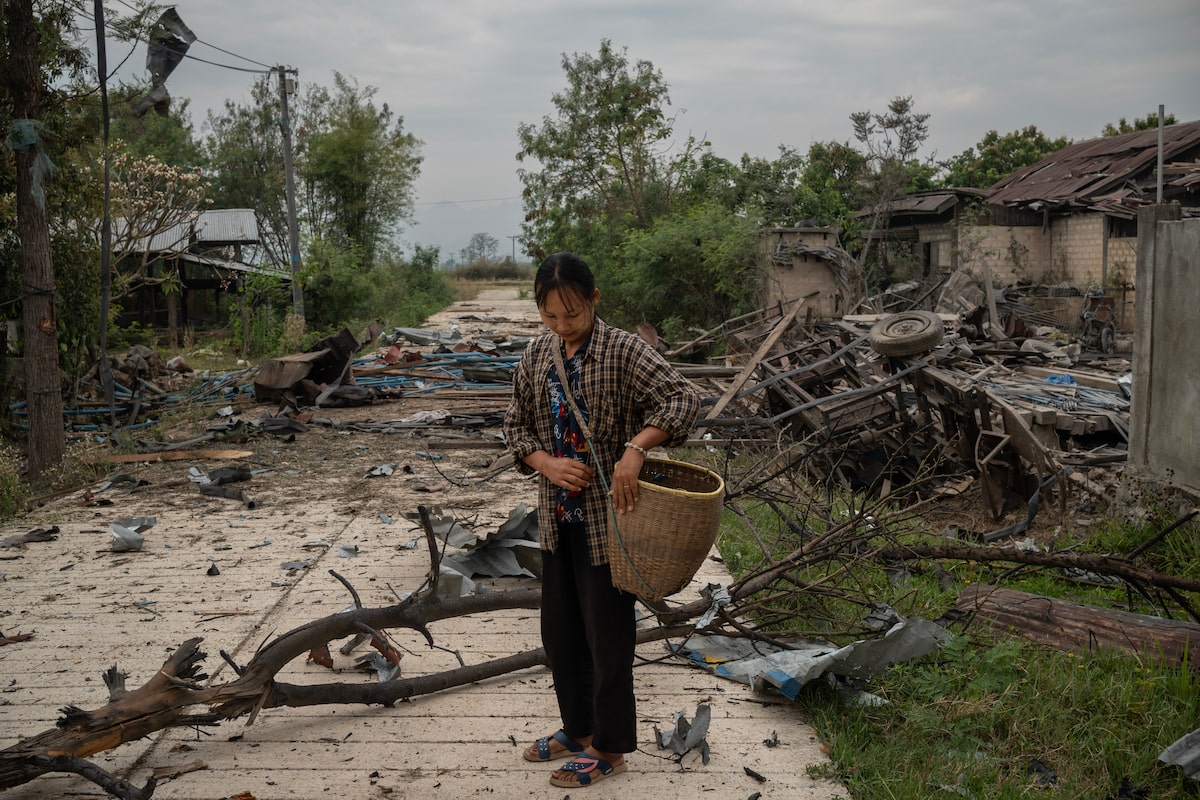
At a camp for internally displaced persons near Demoso, a 58-year-old man who gave his name only as Pio told me how his family had been forced to flee their home in Shan State after his son was killed in an airstrike. Many others had already left, Pio said, but they had remained to try and get in as much of the rice harvest as possible.
“It is not easy to survive without food,” he told me through a translator.
According to Ba Nya, an official with the Karenni provisional government, about half of the estimated 450,000 people living in Karenni State are displaced.
“We asked people to use whatever land they had to grow rice,” he said. “All the produce grown in Karenni State stays within Karenni State. Everything we grow is mobilized and distributed within our own communities.”
At the prison The Globe accessed, inmates are tasked with growing their own food in vegetable gardens spread throughout the facility. There are also workshops for carpentry, fabric weaving, and hat making, as well as a small library and medical dispensary.
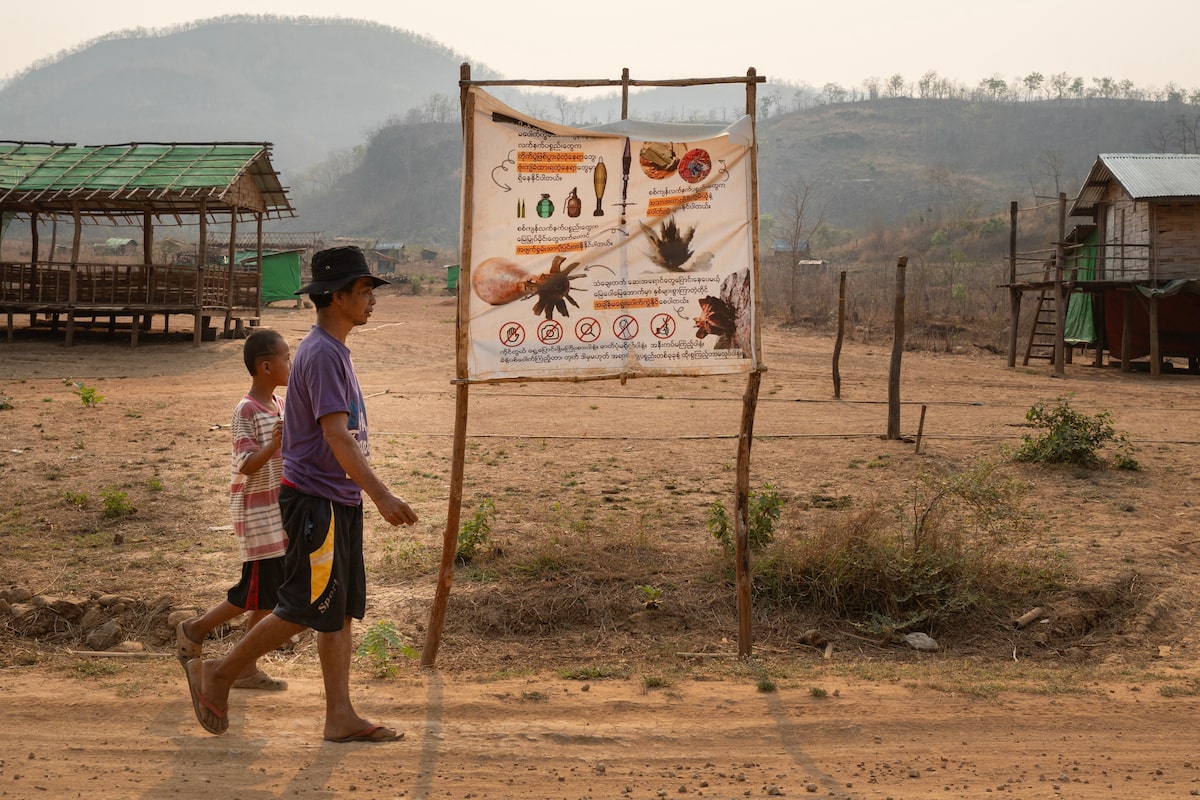
The legacy of that war, if and when it ends, will likely be felt for decades to come. A study by the UN Children’s Fund and International Campaign to Ban Landmines found Myanmar is now the world’s deadliest country for casualties caused by landmines and unexploded ordnance.

Cleaning land mines from the countryside is painstaking work, fraught with risk for the person disarming the devices.Siegfried Modola/The Globe and Mail
A recent Myanmar landmine monitor report documented 1,003 civilian deaths and injuries from landmines and explosive remnants in 2023 — nearly three times the number recorded in 2022.
Other Southeast Asian countries have shown how difficult it is to dispose of these deadly devices once they are placed: Cambodia is still dealing with landmines today that were set during its own civil war, more than four decades ago.
At his hospital near Demoso, Dr. Aung said he regularly sees victims of “landmines, artillery strikes, drone strikes.” Administrators live under the twin threat of bombs and running out of ever-dwindling funds, as getting medicine and supplies becomes more and more expensive and difficult due to fighting elsewhere in the country.
Some donations come in via international aid organizations, but Dr. Aung said there had been a drop-off in support since Washington shuttered the U.S. Agency for International Development, which funded many non-government organizations operating in Southeast Asia. “Before the Trump administration, we got more help,” he said. “But when the USAID funding was cut off, they just left and stopped all operations here.”
Following the coup, many in Myanmar hoped the U.S. might intervene or offer support to resistance forces, but Washington has preferred to limit its response to sanctions, deferring to the Association for Southeast Asian Nations, a regional bloc, when it comes to trying to find a way to end the conflict.
Some who have fled the fighting in Myanmar have ended up as refugees in the U.S., but in early June, citizens of Myanmar — along with those of Afghanistan, Haiti and nine other countries — were barred from entering the U.S. on supposed national security grounds. “We are facing more difficulties after Trump came in,” Dr. Aung said.
With a report from James Griffiths in Hong Kong
Editor’s note:
For the past four years, it has been increasingly difficult for foreign journalists to report from inside Myanmar, where a civil war has been raging, pitting a military junta against resistance-led forces. Recently, however, photojournalists Siegfried Modola and Goran Tomasevic were given access to embed with Karenni rebel fighters in order to chronicle the devastation wrought by a war that has killed thousands and displaced millions. In their time with the rebels, the journalists were given permission to photograph the operations of Karenni forces and a secret facility for prisoners of war. (The Globe was not able to speak directly with any of the prisoners.)
The Globe carefully weighed the news value of showing captives while respecting the Geneva Convention, which established protocol for treatment of prisoners of war. Rather than publishing photographs that clearly show the faces of prisoners, The Globe has opted instead for wide and group shots.