The wilderness in northeastern Minnesota occupies a landscape guarded against the heavy footprints of humanity. No road penetrates its lakes and wetlands, a watery maze that drains north to Canada. No signs blemish its campsites. No chainsaws are used to clear deadfall from its portages. Even its maps eschew modernity, marking distances with rods.
There are few places in the United States like the Boundary Waters Canoe Area Wilderness.
What lies out of sight is remarkable, too, a rich vein of ore that reaches to 1,700 metres beneath the surface. It contains a third of the copper found in the U.S., 88 per cent of the cobalt and 95 per cent of the nickel, along with platinum and palladium. The Duluth Complex is, as best any modern geologist can tell, the biggest deposit of its kind on Earth – not least because it remains entirely undeveloped, even after hundreds of millions of dollars in corporate spending to plumb its depths.
murat yükselir / the globe and mail, source: USGS; Ontario GeoHub; Minnesota Geospatial Commons; Twin Metals Minnesota; Minnesota Pollution Control Agency
The region’s striking contrasts form the fault lines in decades of debate about which of its natural attributes to prioritize, with a decision before the U.S. Senate that could reopen the underground to mining by the end of the month.
It is also a test for a U.S. leadership that stands firmly on the side of the miners. In 2020, Donald Trump promoted copper-nickel mining at a campaign stop in nearby Duluth, Minn. “Mine, baby, mine,” his administration has said, moving to speed development of projects across the country. It has approved a road for mining in Alaska, pared back environmental safeguards on massive tracts of forest and pressed forward on offshore drilling in the Gulf of Mexico.
But it is far from certain it can succeed in unlocking what lies beneath the Minnesota stands of white pine, as the seemingly indomitable first year of Mr. Trump’s tenure gives way to a second-year reality where the President no longer wields the power to shape the world – or even his own backyard – to his will. Courts have gutted his tariffs. Protesters have forced the retreat of immigration agents.
Now, some in Minnesota are preparing to undercut another key pillar of the Trump agenda: his desire to wrest from American soil more trees, oil and minerals.

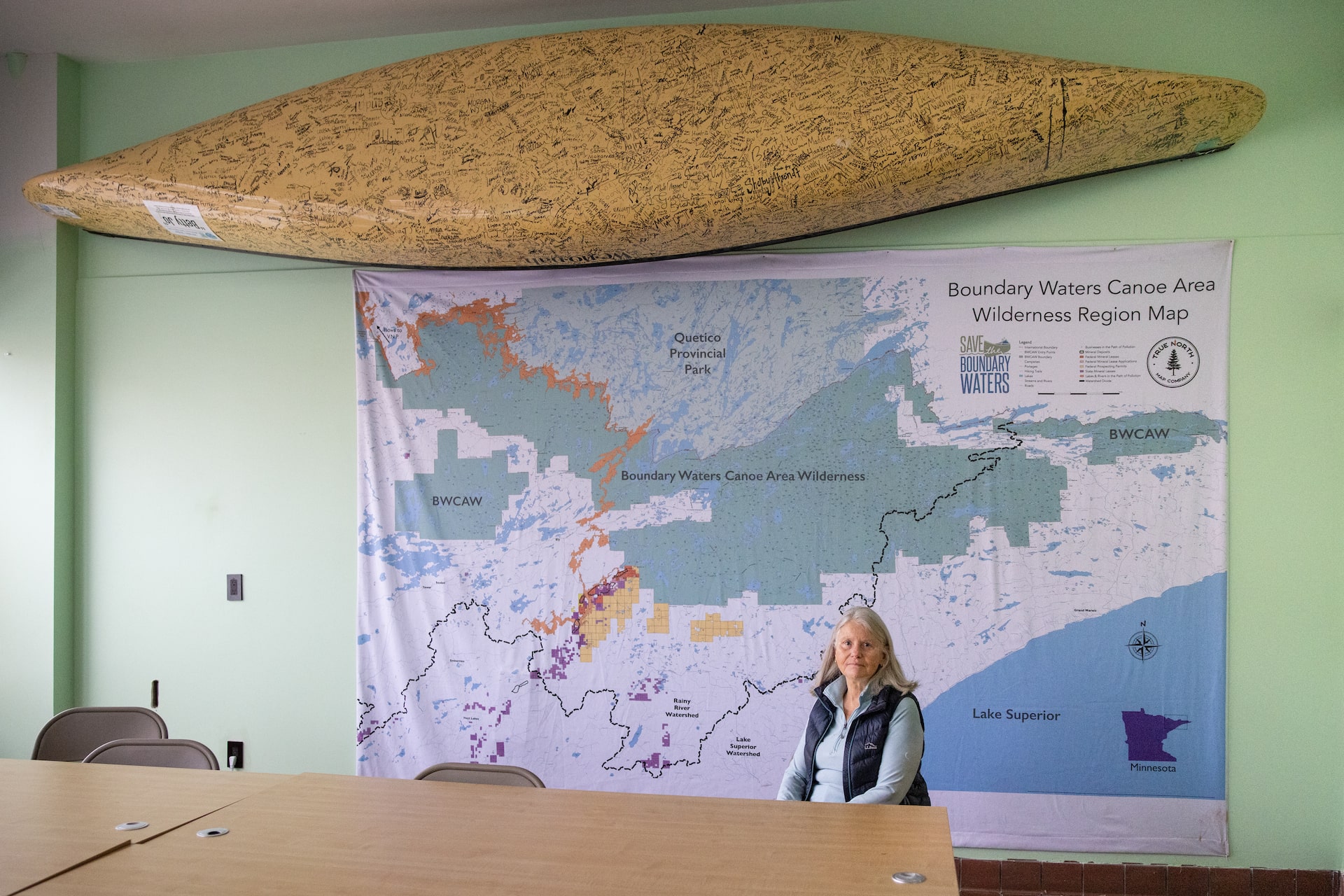
“He can be stopped,” says Becky Rom, national chair of Save the Boundary Waters, an advocacy group in Ely, Minn.
For more than half a century, paddlers here have argued that any attempt to extract minerals from land adjacent to the Boundary Waters will sully its pristine flows.
In 2022, the Biden administration cancelled a raft of federal mineral leases. The following year, it imposed a 20-year mining moratorium on a vast swath of federal land in the area, a decision important to Canada. Both the mineral deposits and the wilderness lie in a watershed that drains north. A drop of toxins that leaks in this part of Minnesota will join water flowing to Lake of the Woods and, ultimately, on to Hudson Bay.


Julie Lucas, executive director of industry advocacy group Mining Minnesota, says the proposed copper mine near Birch Lake will use modern mining techniques that are unlike previous generation iron-ore mines in the area.
The Trump administration is working with Republicans in Congress to end the ban. A measure to overturn it has already passed the House of Representatives.
“I’m hopeful,” says Julie Lucas, executive director of Mining Minnesota, an industry group.
The moratorium “shouldn’t have been put in place in the first place,” says Ms. Lucas, a water resources scientist who accuses mining opponents of promoting mistruths about the industry’s ability to operate without damaging a wilderness she herself cherishes.
But even if Congress once again clears the way for extraction, any mine must first pass rigorous state scrutiny, all while a determined opposition builds on years of organizing to block any future development.
The state review of a new mine near the wilderness would take more than a decade, estimates John Linc Stine, a former commissioner of the Minnesota Pollution Control Agency, the state’s environmental regulator.
What happens here comes down to a question of “the federal government’s priorities versus their abilities,” he says. With nearly 70 per cent of people in the state opposed, mining here would be “very risky and unlikely to be acceptable to most Minnesotans,” Mr. Stine says.
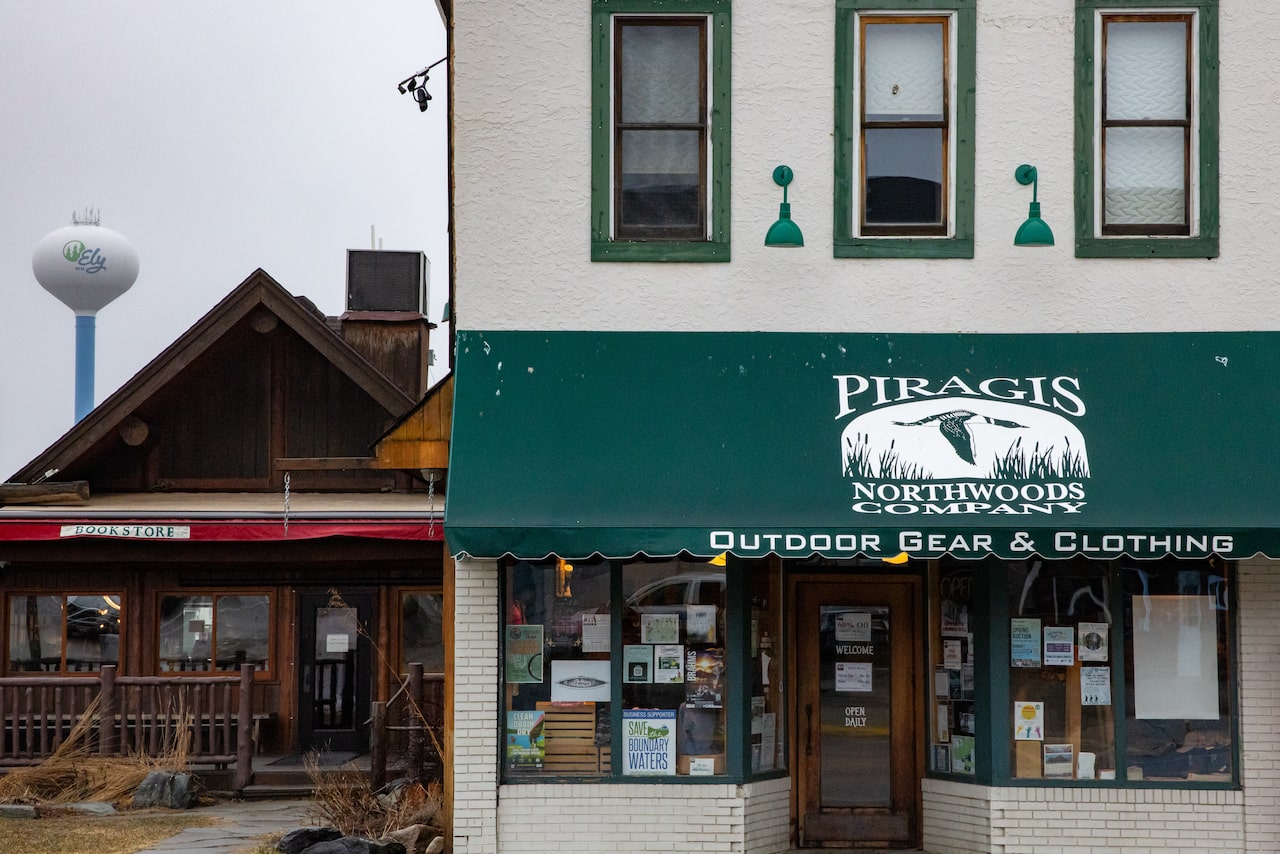
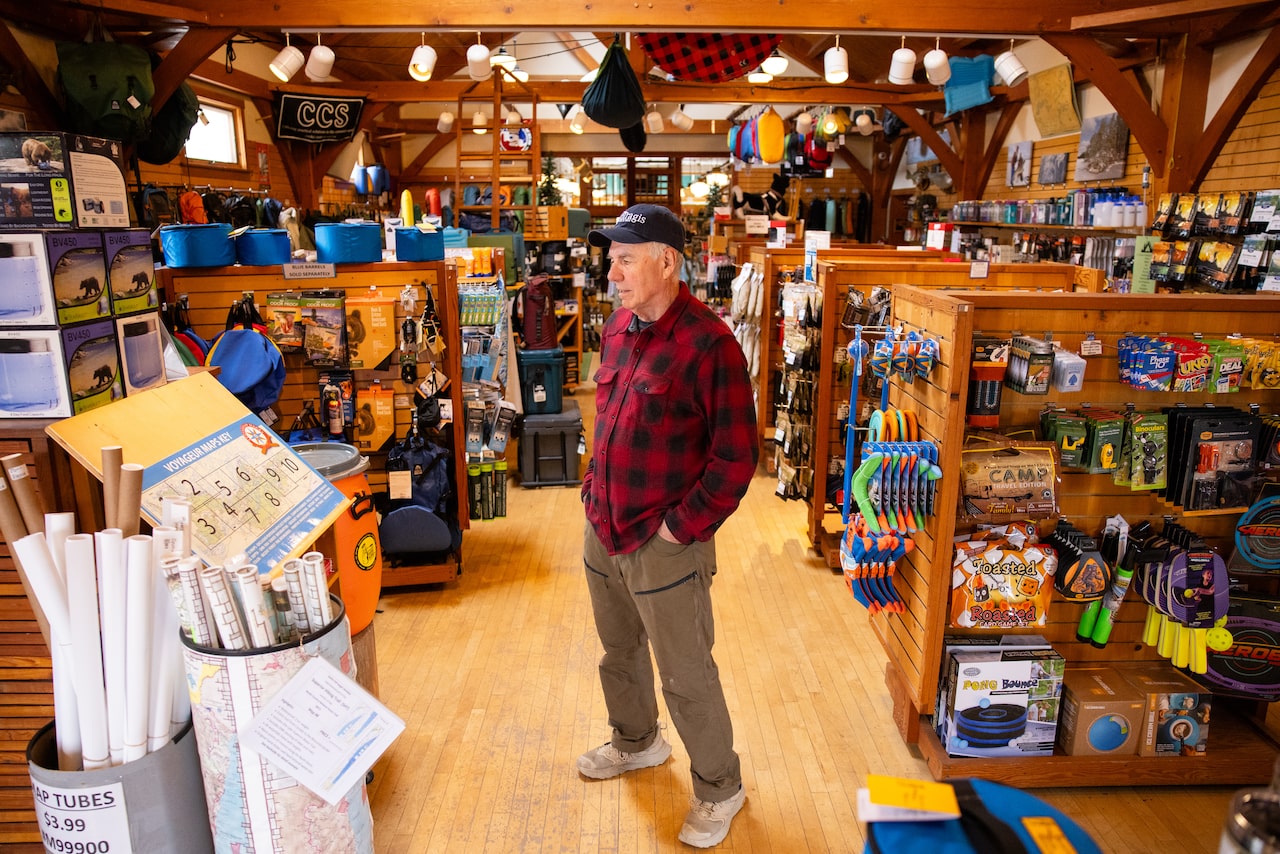
Yet new mines would also provide a jolt of industrial activity to a part of the country whose earliest economic foundations were built on logging and mining, only for it to later grow reliant on tourism. In Ely, the Chamber of Commerce is now led by outfitters and hotel managers, who depend on the 150,000 people who visit the nearby Boundary Waters wilderness each year.
It is water that sustains their work, but “copper mining is absolutely going to destroy the watershed,” says Steve Piragis, whose company outfits 8,000 visitors a year and employs 55 in summer. His shop is stocked with outdoor necessities – lures, axes, boots, Clif bars. Racks of canoes adorn local streets.

Beyond concerns for the economic health of the town's tourism industry, Mr. Piragis worries the building of the Twin Metals copper mine will damage the watershed.
Without a healthy wilderness, “we would be just a downtrodden little town with a bunch of bars and one restaurant.”
But there is an alternative narrative of Ely’s circumstances.
“This is a dying community,” counters Gerald Tyler, a local mining advocate.
In the decades since the copper-nickel deposits were discovered in the 1960s, local school enrolment has contracted by three-quarters. Annual median household income is barely half the statewide figure.
Rejuvenation lies underground, says Mr. Tyler, who has tacked his pitch to an office wall: “MINING: Because we’re not here on vacation. We live here!”
Two mines under development by Twin Metals Minnesota and NewRange Copper Nickel could together employ 1,110 and generate many hundreds of millions of dollars in government revenues.
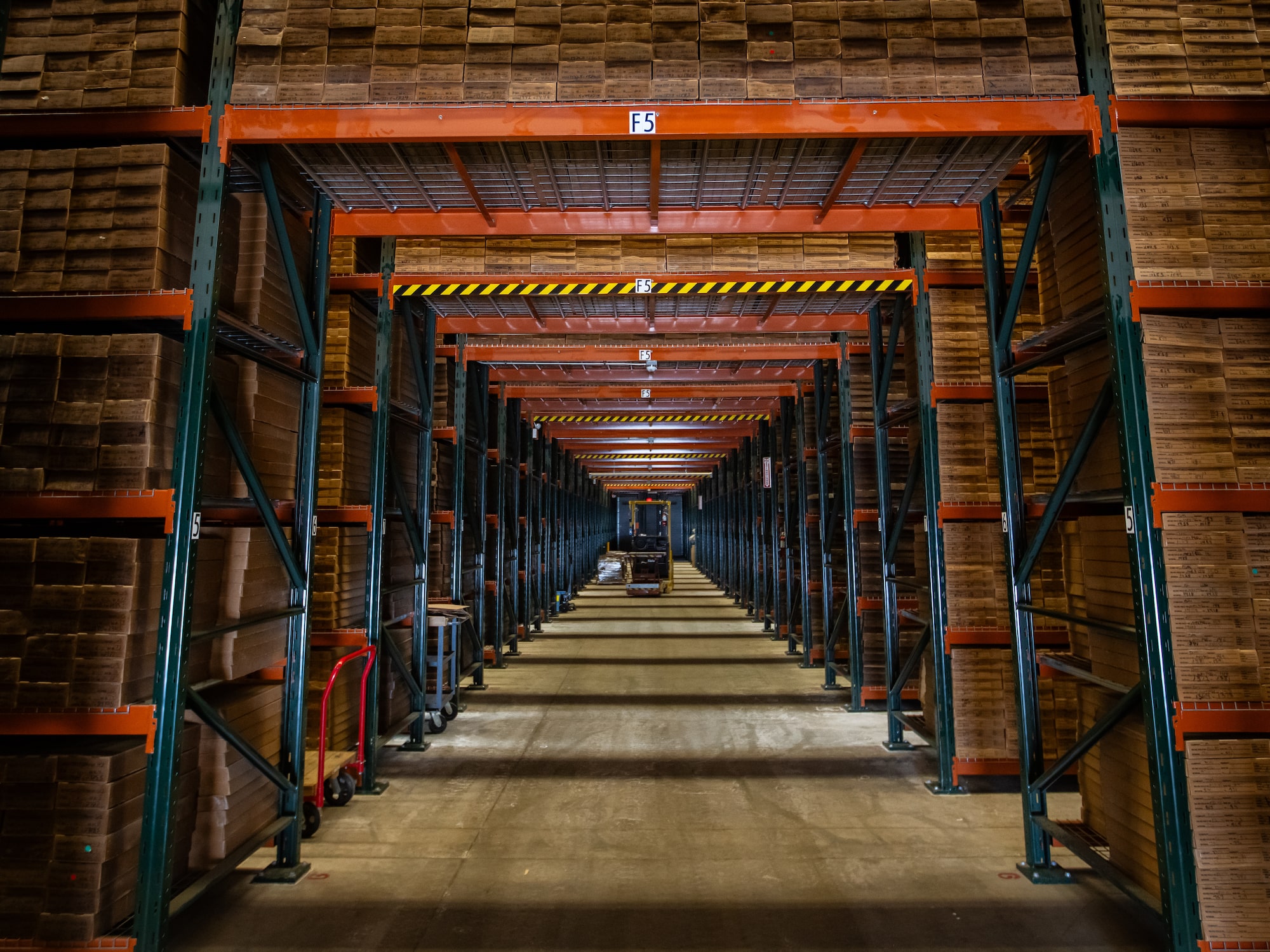
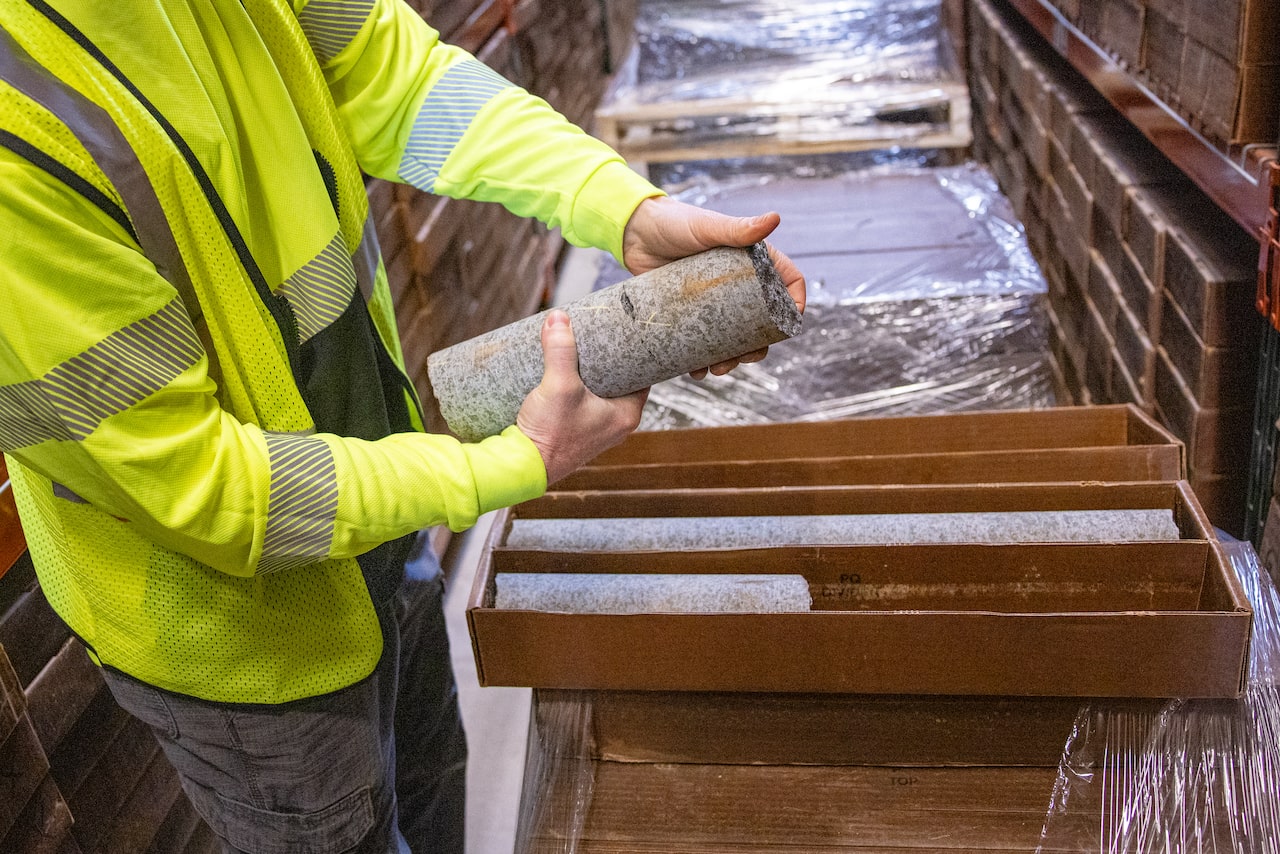
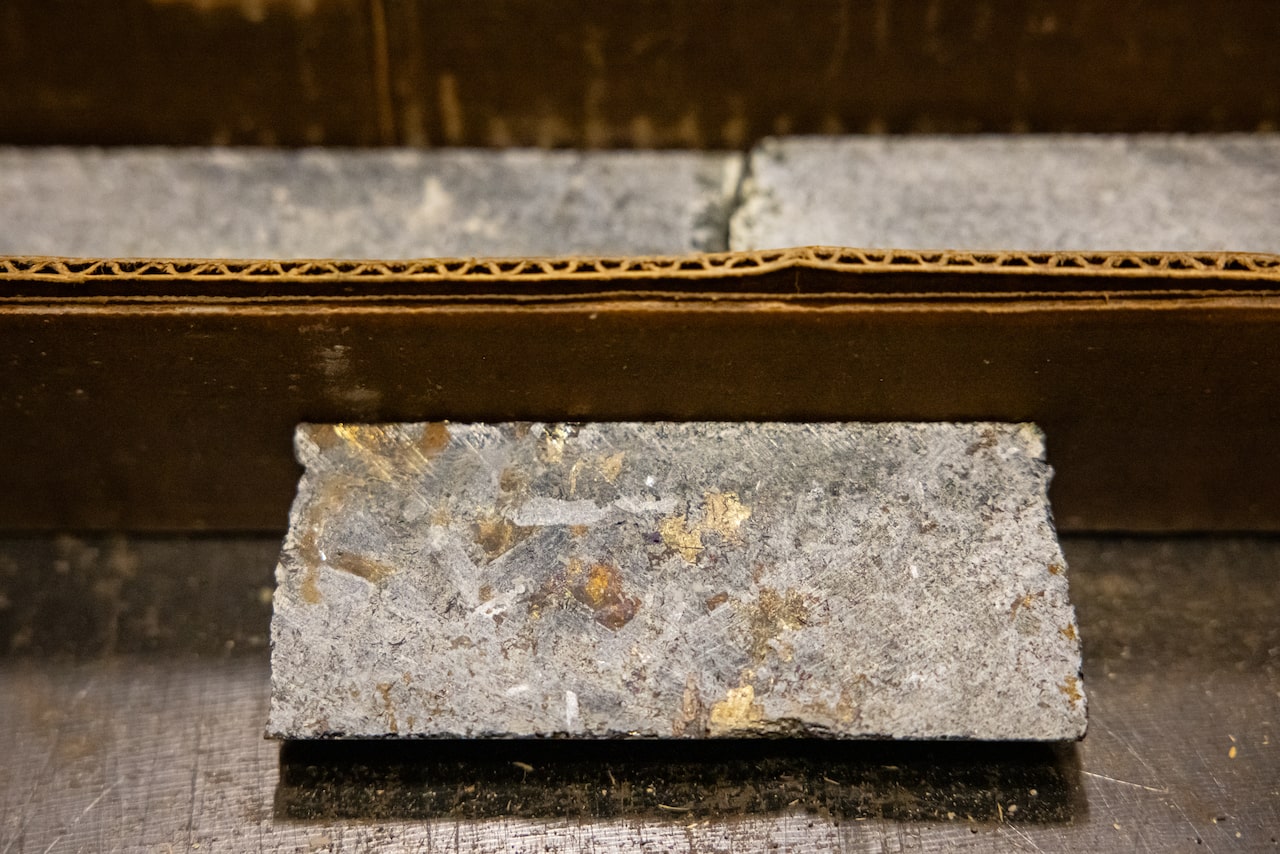
Twin Metals has already invested US$650-million to acquire property and explore in the area, storing 518 linear kilometres of core samples in a warehouse on the outskirts of Ely. The company, owned by international miner Antofagasta PLC, has promised underground operations that limit surface damage and dry stack tailings that eliminate waste ponds.
The law requires “there cannot be a drop of measurable pollution that enters the Boundary Waters,” spokeswoman Kathy Graul says. “We are very confident that we’ve designed a project that can meet that standard.”
The “goal is to one day build a mine,” she says.
But she acknowledges that, “in order to get there, it is a really long process.”
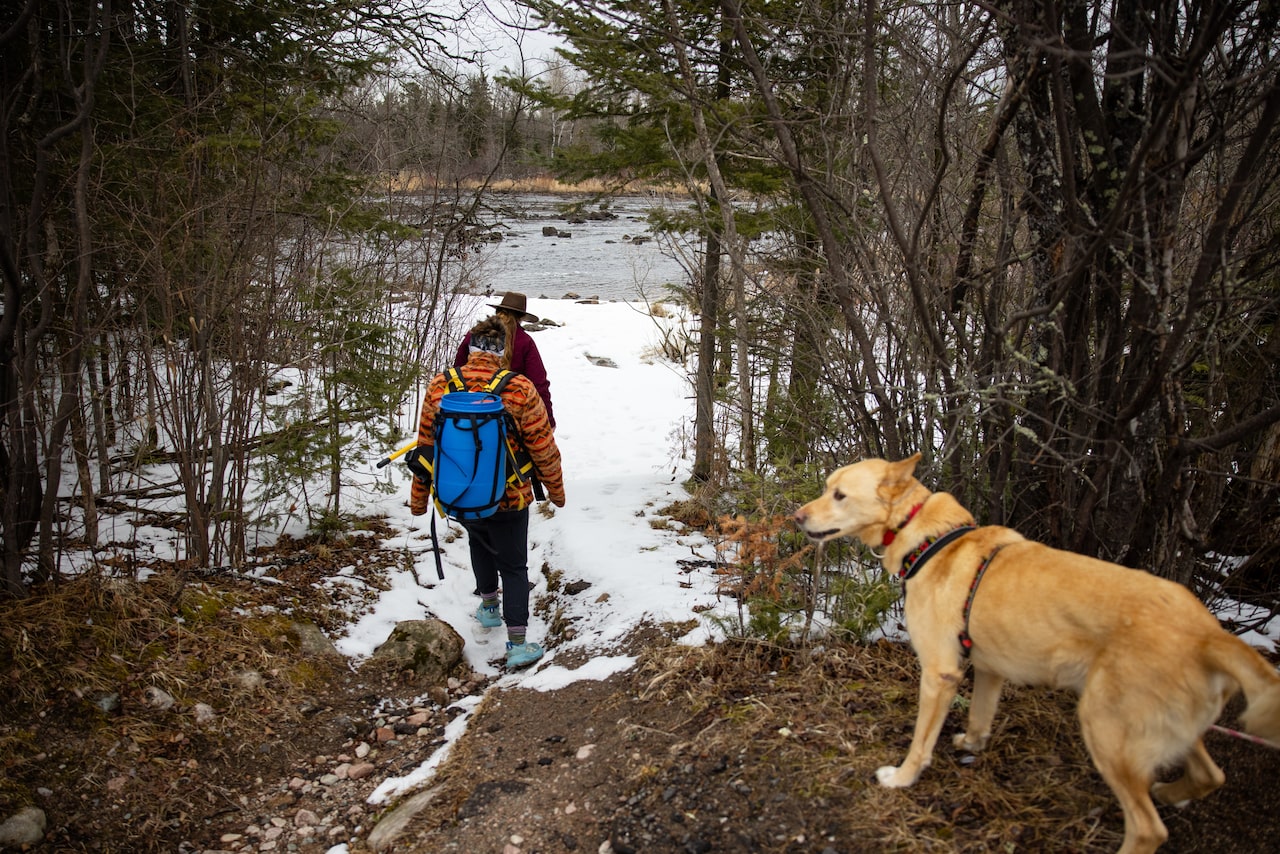
After all, anyone with the right equipment can see how easily pollution can spread through this water-laden landscape. Every week, technicians with Save the Boundary Waters pull on hip boots and dip bottles into local waterways, drawing water from seven sites; another two dozen are sampled monthly.
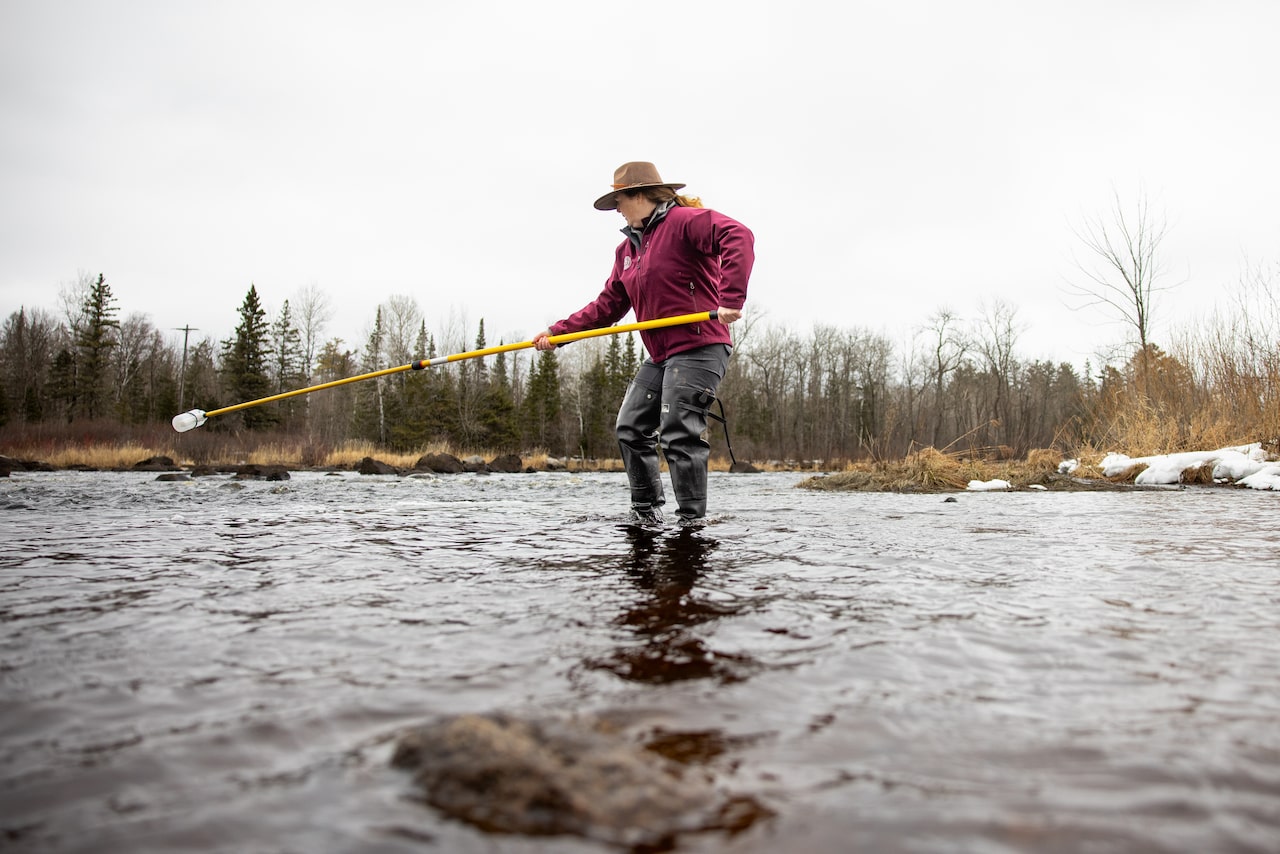
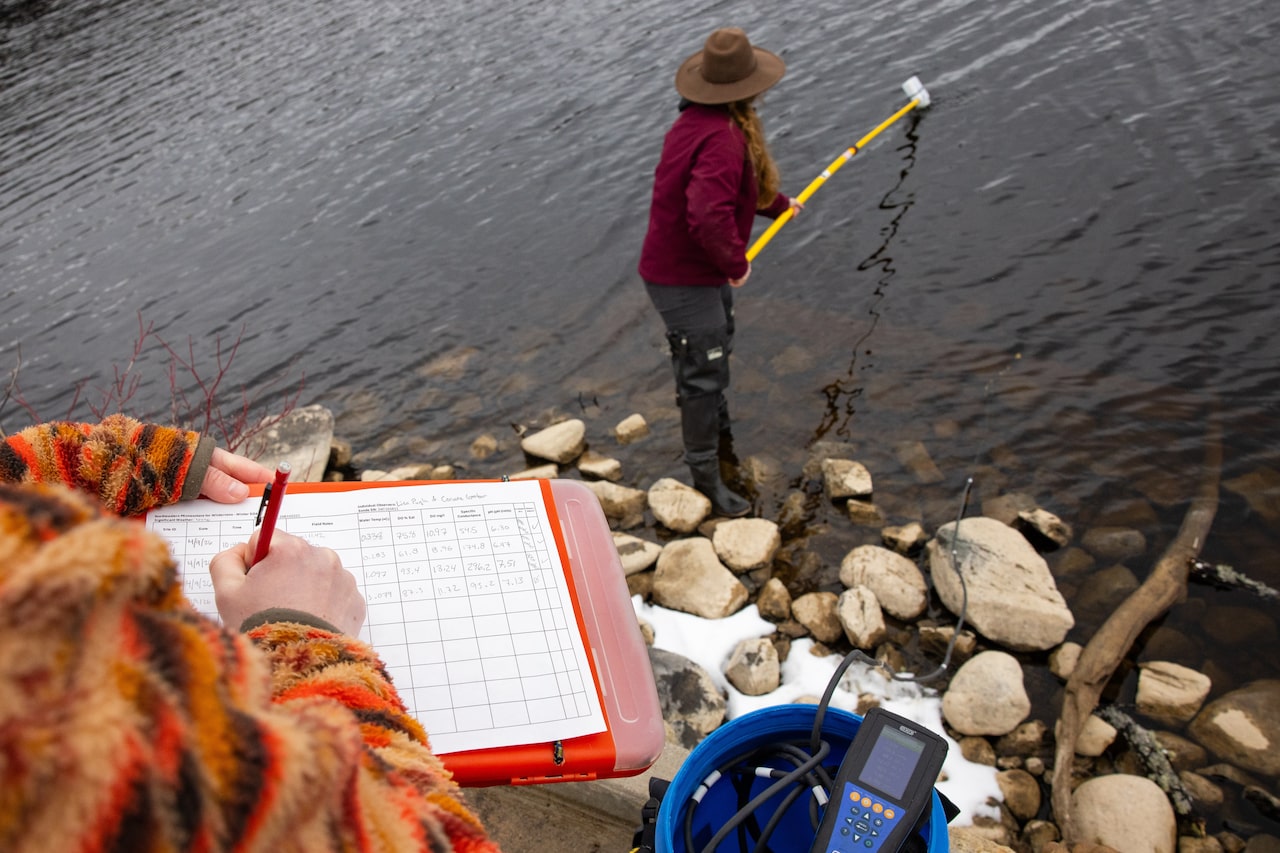
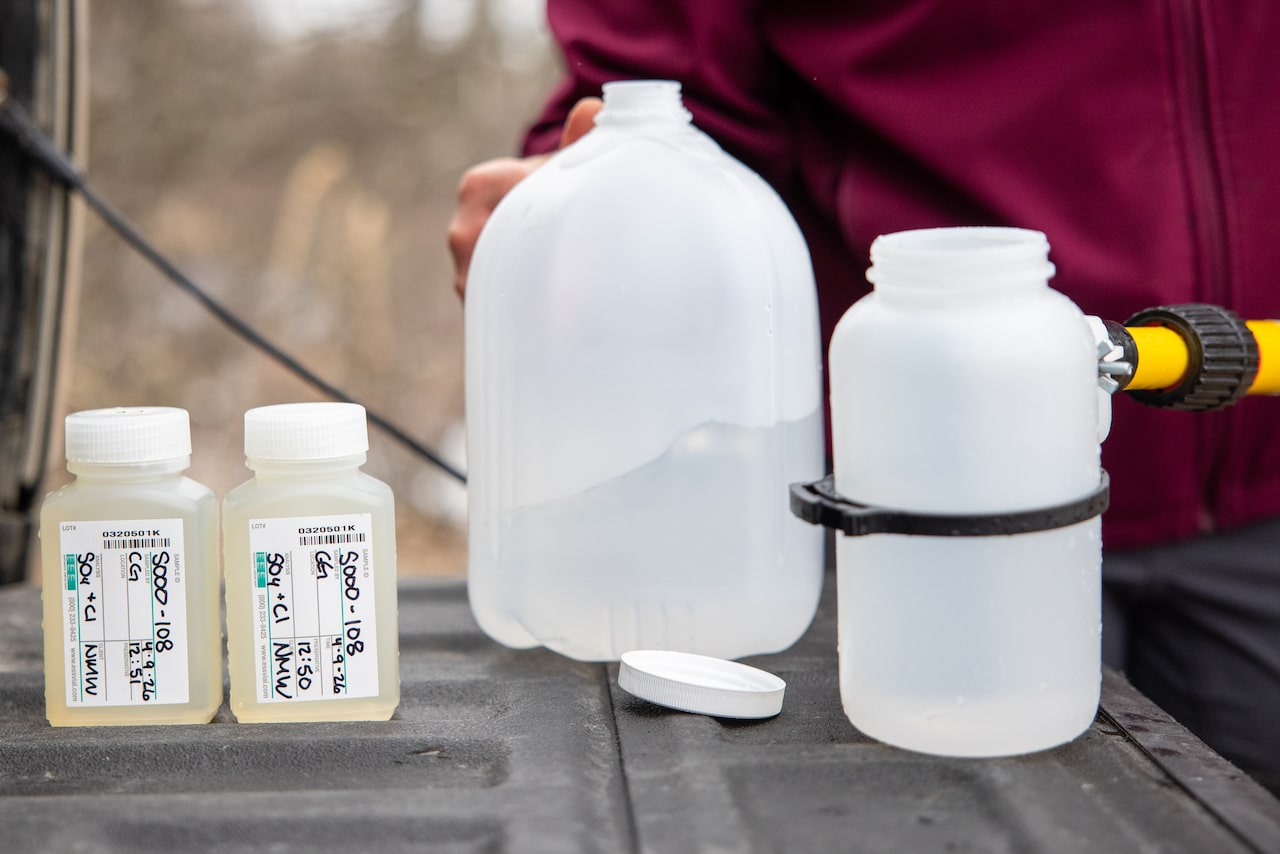
Most lie downstream of local taconite mines that have operated for decades. Samples show sulfate levels double and triple background readings – although far below the threshold for damage to sensitive local resources such as wild rice. Taconite operations use open pits and chemical processes completely unlike the work planned for copper-nickel extraction.
Still, seeing pollutants travel through waters flowing through the wilderness – and toward Canada – has brought worry. Sulfates can produce methylmercury, a neurotoxin that “gets in the bugs, the fish and the people who eat the fish,” says Lisa Pugh, the water quality operations manager for Save the Boundary Waters.
Powerful federal forces may be aligned to bring mining here. The President himself may covet what lies below this ground. But Ms. Pugh, who has spent 600 nights in the wilderness, scoops water with confidence.
“The will of the people is with the environment,” she says.

Ely Mayor Heidi Omerza at the Pioneer Mine headframe, the site of an underground iron mine that operated from 1889 to 1967 and is now a preserved historical site. She believes environmental risks are low, and more mining would be a good thing for the town.
She is not alone with that thought. Ely Mayor Heidi Omerza is among those who want more mining, dismissing critics who see it as grubby business. “It’s not that any more – it’s clean,” she says.
But she has lost hope.
“If there is going to be mining, it’s not going to be in my lifetime.”