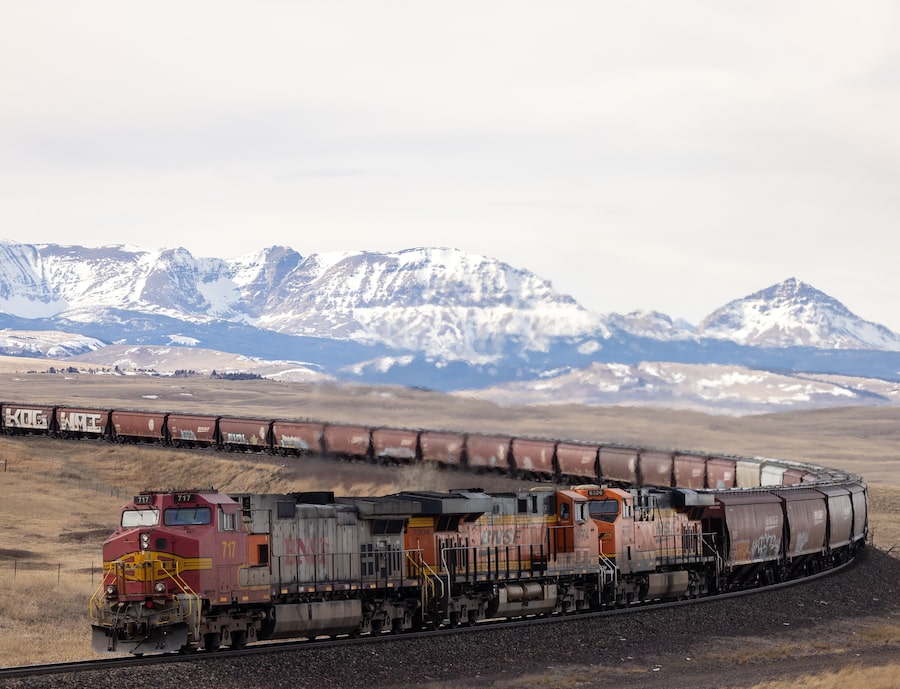
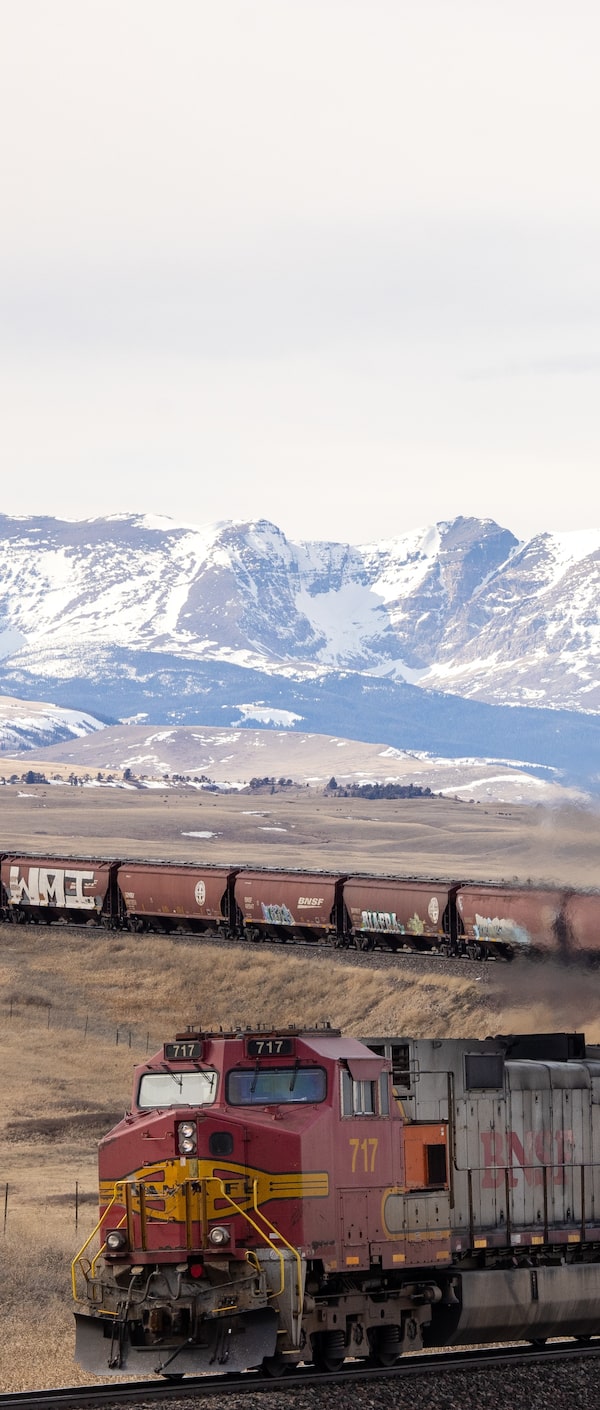
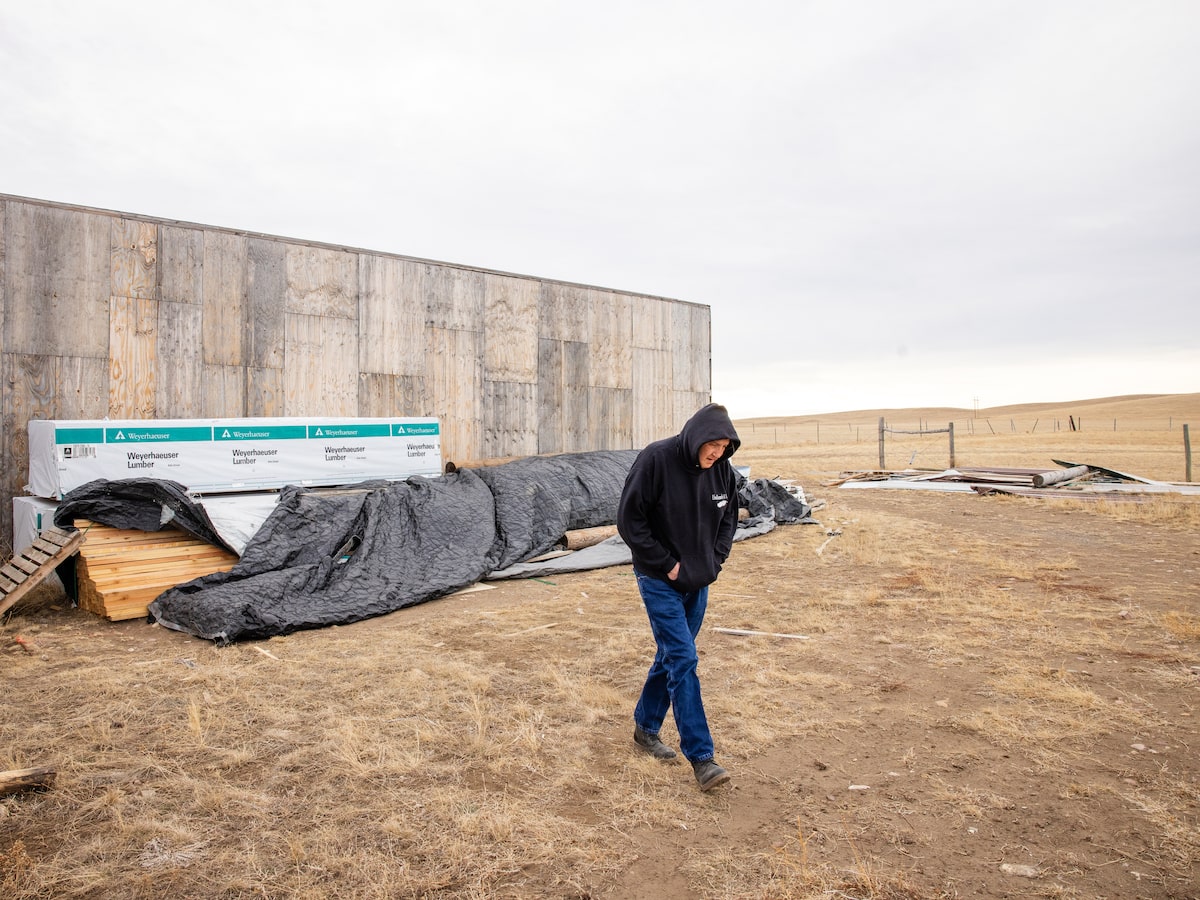
Out beside Ed Kennedy’s garage just off Highway 2 in northwestern Montana, wind lashes a dark tarp, each gust revealing a tidy stack of lumber.
This isn’t just material for a home or shed or whatever the next project is for Mr. Kennedy, a prominent builder on the Blackfeet Nation. Marked “Made in Canada,” this trove of about 10,000 pieces of wood is a piece of history − and, perhaps, a sign of things to come.
Mr. Kennedy took delivery of it before U.S. President Donald Trump began his tariff campaign, which has raised levies on some Canadian lumber to more than 57 per cent. “Now, everybody wants my wood, because they can’t buy it at what I bought it at,” he says.
For years, “the best lumber was coming out of Vancouver and Edmonton. The best price. The best wood.”
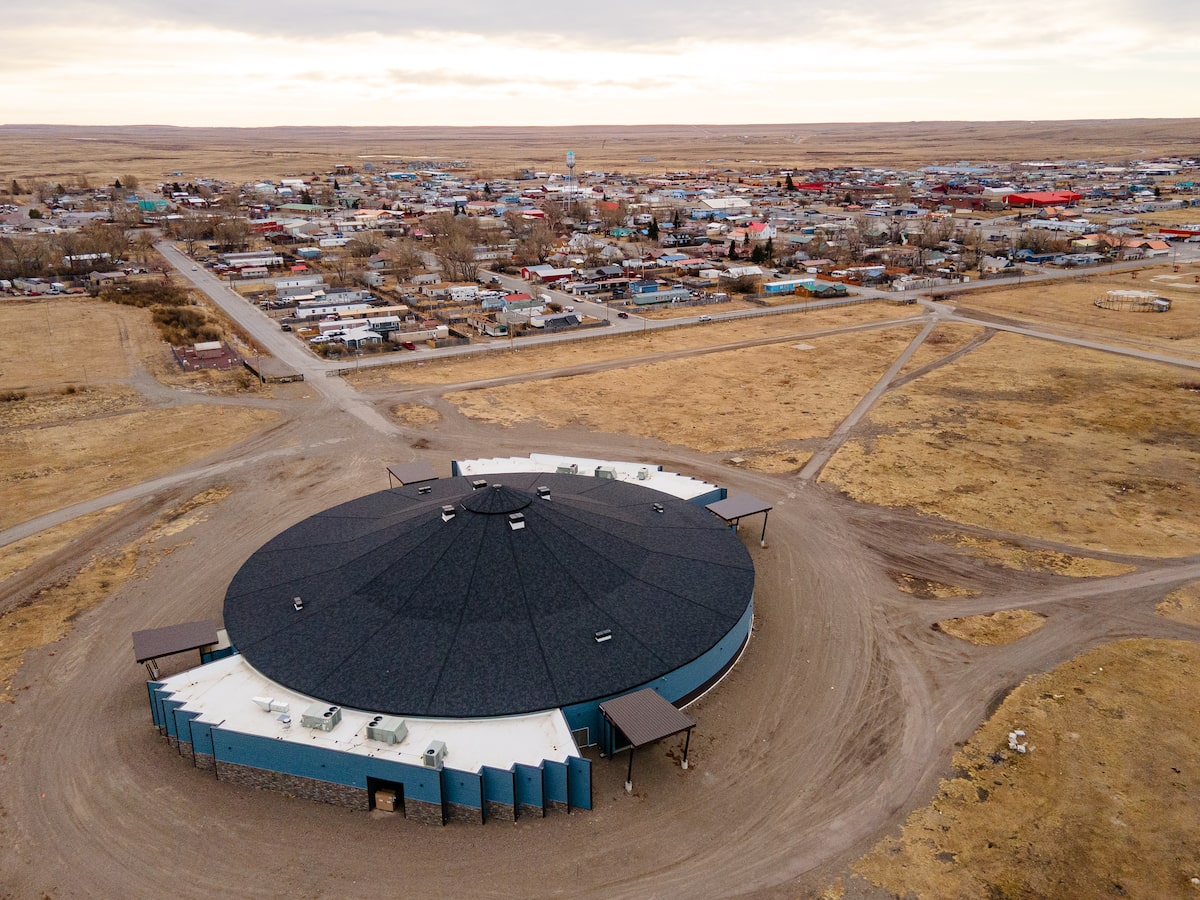
Tariffs and new countervailing duties imposed by the Trump administration have changed everything. Mr. Kennedy finished building the Arbor, a 51,000-square-foot circular pow wow and event space, last May. Today, he says, tariffs would add millions of dollars to the cost of that project. Prices have escalated so greatly, in fact, that he has halted new construction work.
“I quit,” he says.

Mr. Kennedy has been exploring legal, treaty-based ways to work around the tariffs.
Mr. Kennedy has instead begun to seek ways to avoid tariffs altogether, laying plans for the establishment of an inland seaport on Blackfeet land that could be used to import goods from Canada for re-export, or perhaps for additional manufacturing and eventual re-export, based on a belief that centuries-old law enshrines the right of Native Americans to trade duty-free.
“I already know I can get around the tariffs,” he says. “Within our treaties with the U.S. government, we’re exempt from import-export duties, including tariffs. It says that specifically.”
In other words, he believes that some of the most sensitive Canadian-made imports caught up in Mr. Trump’s trade wars can find their way tariff-free into the United States, as long as they come through a reservation. “We know how to get your vehicles into the States without any tariffs,” he says.
And not just vehicles, but aluminum, steel, lumber or any of the countless other products made in Canada that are now subject to tariffs.

ALBERTA
Milk River
GLACIER
NATIONAL
PARK
GLACIER COUNTY
Browning
Blackfeet Indian
Reservation
MONTANA
30 km
the globe and mail, Source: OPEN STREETMAP; MONTANA STATE LIBRARY
ALBERTA
Milk River
GLACIER
NATIONAL
PARK
GLACIER COUNTY
Browning
Blackfeet Indian
Reservation
MONTANA
30 km
the globe and mail, Source: OPEN STREETMAP; MONTANA STATE LIBRARY
ALBERTA
Milk River
GLACIER
NATIONAL
PARK
GLACIER COUNTY
Browning
Blackfeet Indian
Reservation
30 km
MONTANA
the globe and mail, Source: OPEN STREETMAP; MONTANA STATE LIBRARY
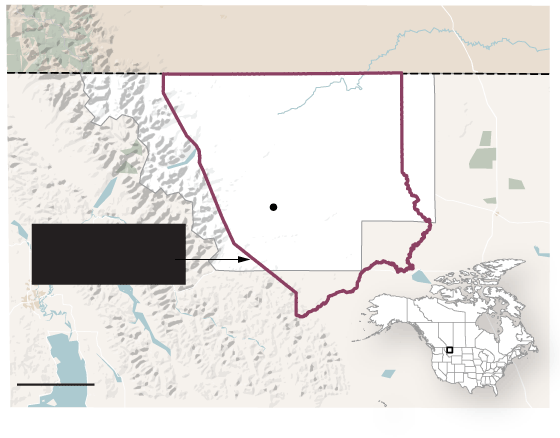
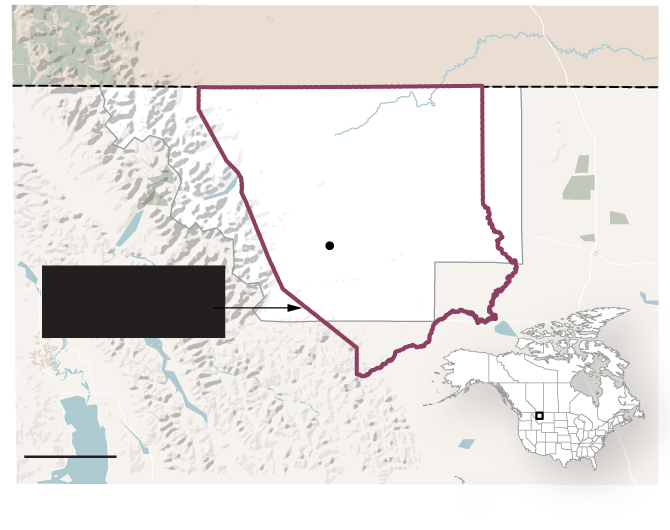
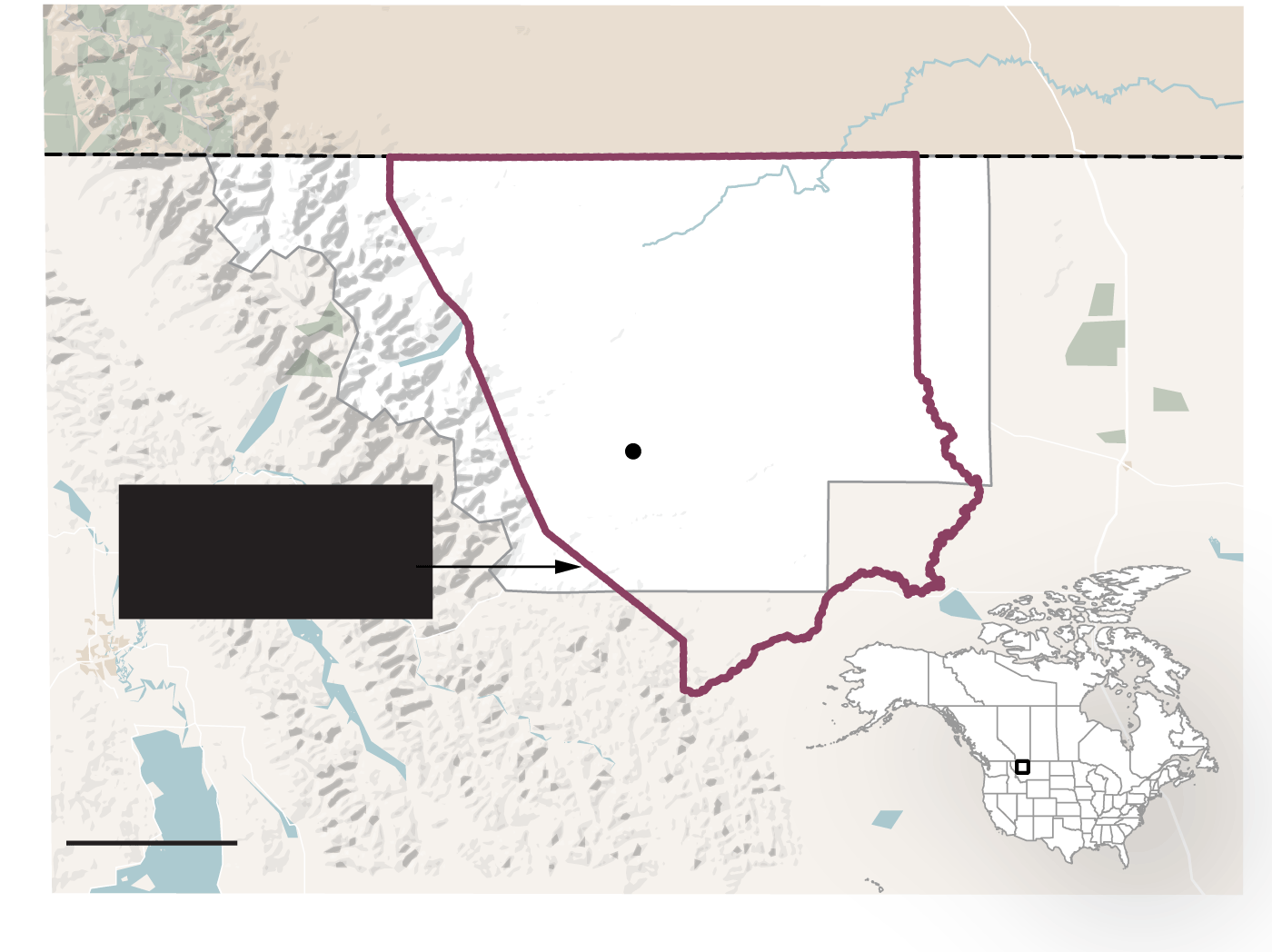
Two official crossings enter the Blackfeet reservation, whose northern reaches extend along the border. Across the continent, reservations make up 138 kilometres of the Canada-U.S. border.
In the year since Mr. Trump began his large-scale imposition of tariffs, the Blackfeet have actively sought to turn their territory into a small but potentially economically important tariff-free portal.
So far, they have failed. An initial case seeking tariff relief was rejected by a federal court, which cited lack of jurisdiction.
And the broader legal obstacles to the Blackfeet case are considerable, based in part on the modern relevance of an 18th-century treaty that Canada itself does not respect. The Blackfeet, too, lack the resources available to other groups that have challenged tariffs, not least a coalition of state governments.
Yet their fight, little noticed outside Montana, underscores the breadth of effort in the U.S. to escape the burden of century-high tariffs.
Out of that novel situation are emerging novel attempts to push back − including the Blackfeet argument that the U.S. government has no right to tax their trade. They point to the 1794 Jay Treaty between the United States and Great Britain, which says Indigenous peoples crossing the boundary between the U.S. and what was then British North America should pay no “impost or duty whatever” on “their own proper goods and effects of whatever nature.”

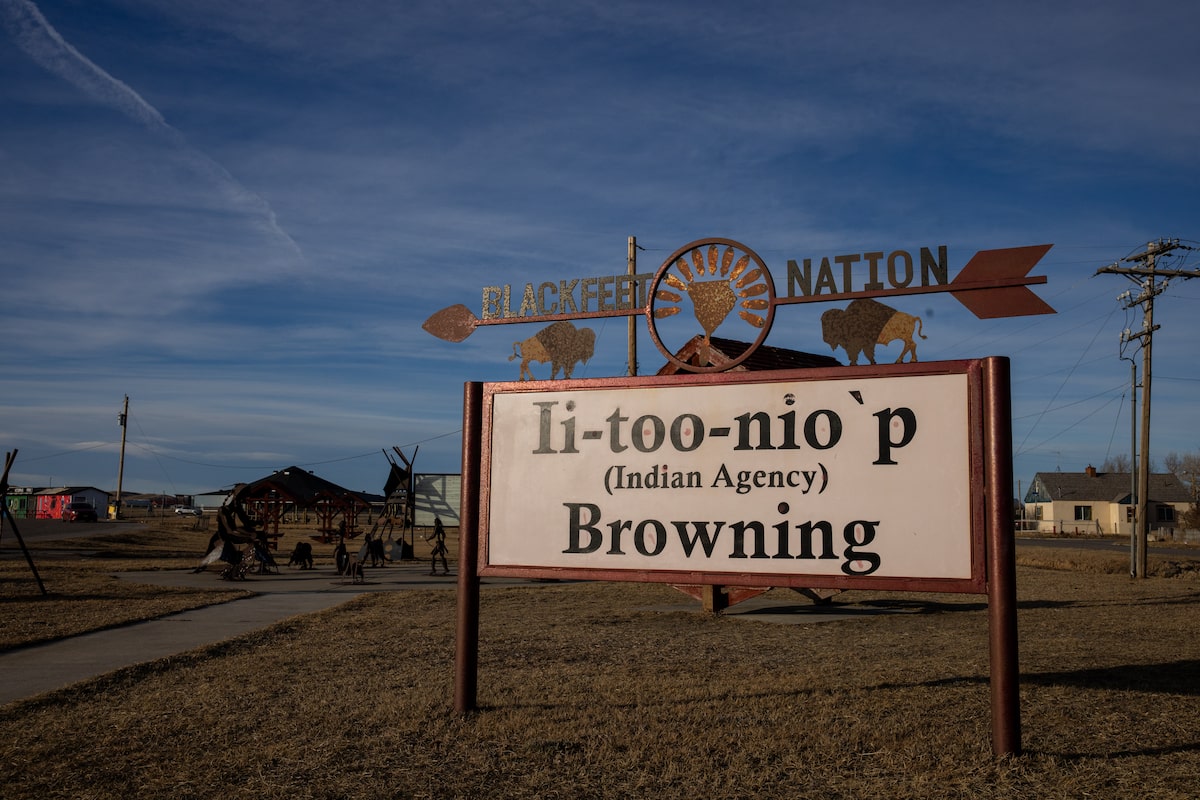
Follow the highway through Browning and you can reach one of two official crossings into Canada.
In addition, “the Constitution prohibits the executive branch from ever imposing tariffs on tribal commerce,” said Monica Tranel, a lawyer who has filed a tariff challenge on behalf of the Blackfeet.
Congress could delegate such authority to the President, “but they didn’t,” she said. Tribal commerce is not mentioned in the legislation used by Mr. Trump to impose sector-specific tariffs and, more recently, a global 10-per-cent surcharge on imports. That act governs “foreign commerce,” not tribal commerce.
“So it doesn’t apply to us,” Ms. Tranel said.
If that argument is successful, she envisions tribal entities setting up “foreign trade zones that would import goods and then distribute them out.”
What’s not clear is whether those arguments will convince a court. The Jay Treaty, for example, includes language that limits its duty-free trade provision, specifying that “bales, or other large packages, unusual among Indians, shall not be considered as goods belonging bona fide to Indians.”
Subsequent acts of Congress, supported by case law, have also abrogated the duty-free rule, said Gregory Ablavsky, a Stanford University legal historian who specializes in federal Indian law. “So, at least right now, it is not possible for native folks to bring goods duty-free under the Jay Treaty under U.S. law,” he said. (In Canada, the Supreme Court ruled in 1956 that the Jay Treaty does not apply north of the border.)

Browning falls within the Ninth Circuit, based in faraway San Francisco. U.S. appeals courts have 13 circuits, whose decisions can advance to the Supreme Court.
The Ninth Circuit, the western states’ federal appellate court that presides over Blackfeet country, has also tended to presume that federal laws generally apply to Native Americans, irrespective of whether they mention tribal groups.
But the Tenth Circuit, which oversees central parts of the country, has taken a different stand, generally presuming that a law does not apply to a tribal group “unless they are specifically named in the statute,” Prof. Ablavsky said.
“When you have what is known as a circuit split, this is a classic instance where the Supreme Court will weigh in − but it has not done so.”

When it comes to the tariff issue, 'I want to push it as far as we can,' Ms. Webber the state senator says.
On the Blackfeet reservation, leaders say they are determined to press forward.
“I want to push it as far as we can,” said Susan Webber, a Montana state senator who is Blackfeet. Success would open the door to a lucrative new role for Native American groups in the enormous business of trade between Canada and the U.S. “The tribes would bring in a lot more money than we have now.”
And a fight against tariffs, she added, carries historical resonance. “We’ve been pushed into corners so long that it’s time we stood up and said: No more.”

David and Rhonda Mountain Chief are grappling with the impact of tariffs on their taxi business.
For local small business owners, meanwhile, the quest for relief from tariffs is also a quest to end the whiplash of trade policy changes under the Trump administration.
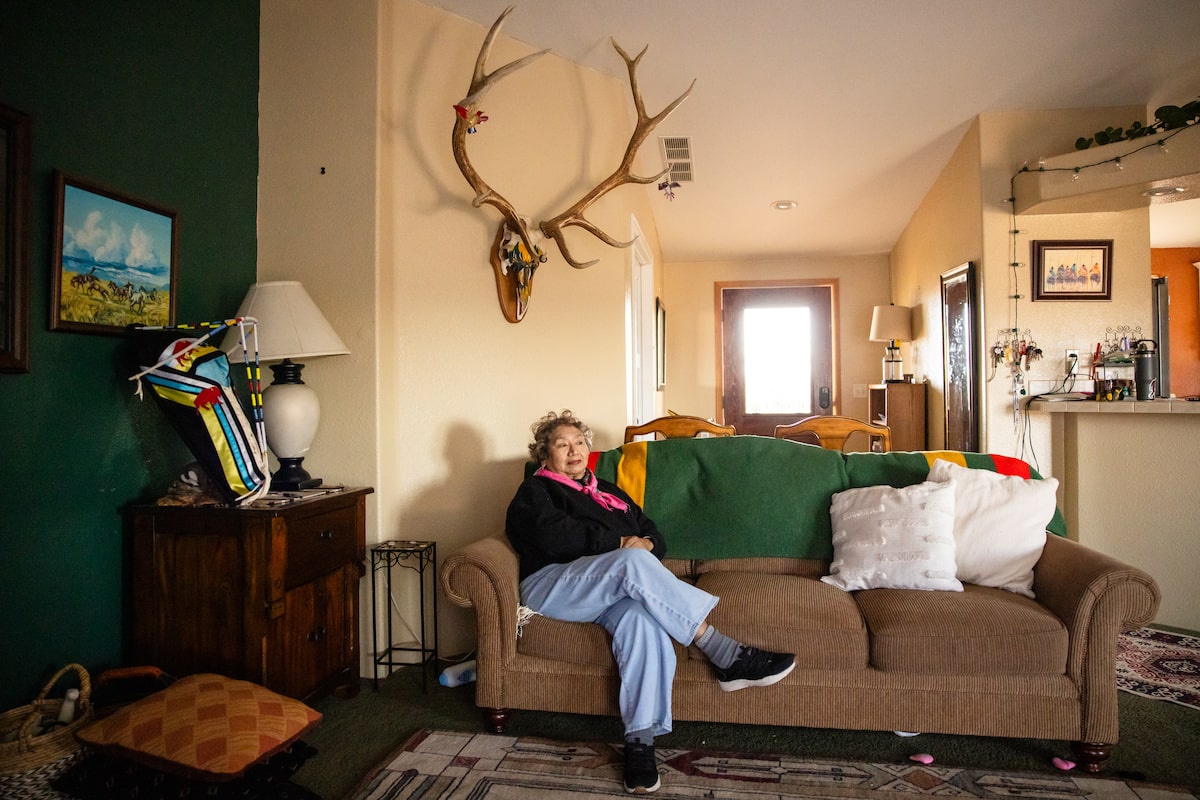
“You can’t run a business on uncertainty,” said Rhonda Mountain Chief who, with her husband, David, runs a small taxi service that shuttles hikers around Glacier National Park. The Rocky Mountains that draw visitors to the park are themselves split by a border that, to the Blackfeet, remains a recent invention, one that also cleaves their lands in two.
It wasn’t so long ago that Ms. Mountain Chief’s ancestors moved freely with their goods without regard for the 49th parallel. Now, they say, they should again enjoy that right.
“We shouldn’t have to worry about tariffs, trade or taxes,” Mr. Mountain Chief said. “Because we’ve been doing this ever since we’ve been here.”

Tariffs and their toll: More from The Globe and Mail
The Decibel podcast
To aid Canadians who buy local goods because of tariffs, inspectors are cracking down on “maple washing” – but some in the food and beverage industry think it could backfire. Reporters Susan Krashinsky Robertson and Kate Helmore spoke with The Decibel about the issues at stake. Subscribe for more episodes.
From our reporters
U.S. says Ottawa failing to block imports made with forced labour as Washington weighs more tariffs
Canada and Mexico on different paths heading into USMCA crunch time
The cost of Trump’s dairy war versus lost tourism bucks
Editor’s note: A previous version of this article incorrectly stated that the Columbia Mountains are located within Glacier National Park. It is the Rocky Mountains.