
Ukrainian servicemen fire a mortar at their Russian counterparts on the front line in Donetsk on Oct. 5. Donetsk is one of four Ukrainian territories illegally annexed by Moscow, which has said its forces will defend the areas as if they were Russian soil.ANATOLII STEPANOV/AFP via Getty Images
Russian President Vladimir Putin has hinted at the possibility of a nuclear strike in Ukraine, where the war, now in its eighth month, is going badly for him as Ukrainian fighters make compelling advances in the eastern and southern parts of the country.
The threat has alarmed Europe, the United States and NATO, leaving military bosses, geopolitical analysts and government leaders wondering if Russia really would use nukes, what the targets might be, and how NATO or its three nuclear-armed member countries – United States, France and Britain – would respond if it did.
The nuclear threat to world safety seems at its highest since the Cuban missile crisis of 1962, at the height of the Cold War, when United States and the Soviet Union came close to nuclear war.

Russian President Vladimir Putin addresses a Sept. 30 rally in Moscow's Red Square.ALEXANDER NEMENOV/AFP via Getty Images
What exactly did Mr. Putin say that got everyone rattled?
In September, before he announced Russia’s annexation of four Ukrainian provinces after sham referendums, he implied he might use nuclear weapons if Ukrainian troops tried to take those provinces back (which they are doing). “In the event of a threat to the territorial integrity of our country … we will certainly make use of all weapon systems available to us,” he said. “This is not a bluff.”
The next day, Chechen leader Ramzan Kadyrov, known as “Putin’s attack dog,” called for the use of “low-yield nuclear weapons” to reverse Russia’s recent losses in Ukraine.
Has NATO seen any evidence of the possible use of Russian nuclear weapons in Ukraine?
No. In interviews in Brussels with The Globe and Mail this week, senior NATO officials said they had seen no sign that Russia was preparing nuclear launch systems of any description to hit Ukraine. In an interview with CBS News, CIA director William Burns had the same message.
What are low-yield nuclear weapons?
Nuclear weapons are generally lumped into three broad categories.
The first category is strategic, referring to nukes delivered by intercontinental ballistic missiles, or ICBMs, that can hop oceans to flatten entire cities. Some have the explosive power 100 times greater than the nuclear bombs dropped in Japan on Hiroshima and Nagasaki by the Americans at the end of the Second World War. These are high-yield weapons, meaning they have the power to kill hundreds of thousands, even millions, of people.
The second is theatre nuclear weapons, with shorter ranges and far less power. They would be used to take out naval ports, large weapons factories, or long columns of tanks. They could be defined as low-yield, though their power varies considerably.
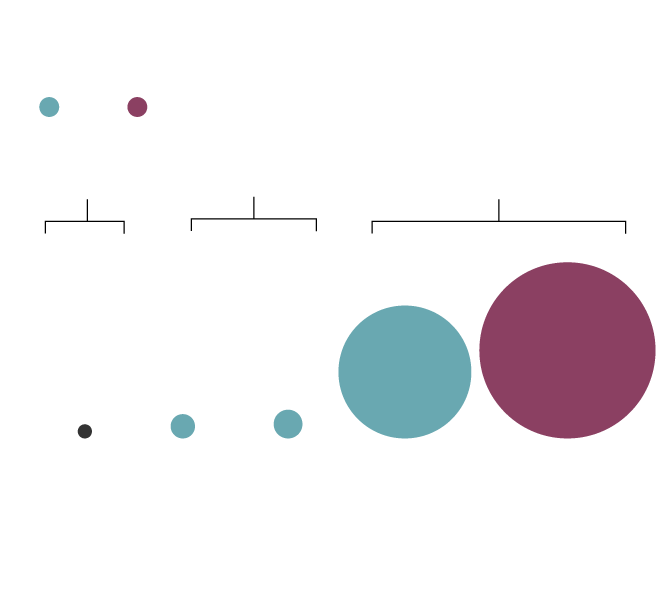
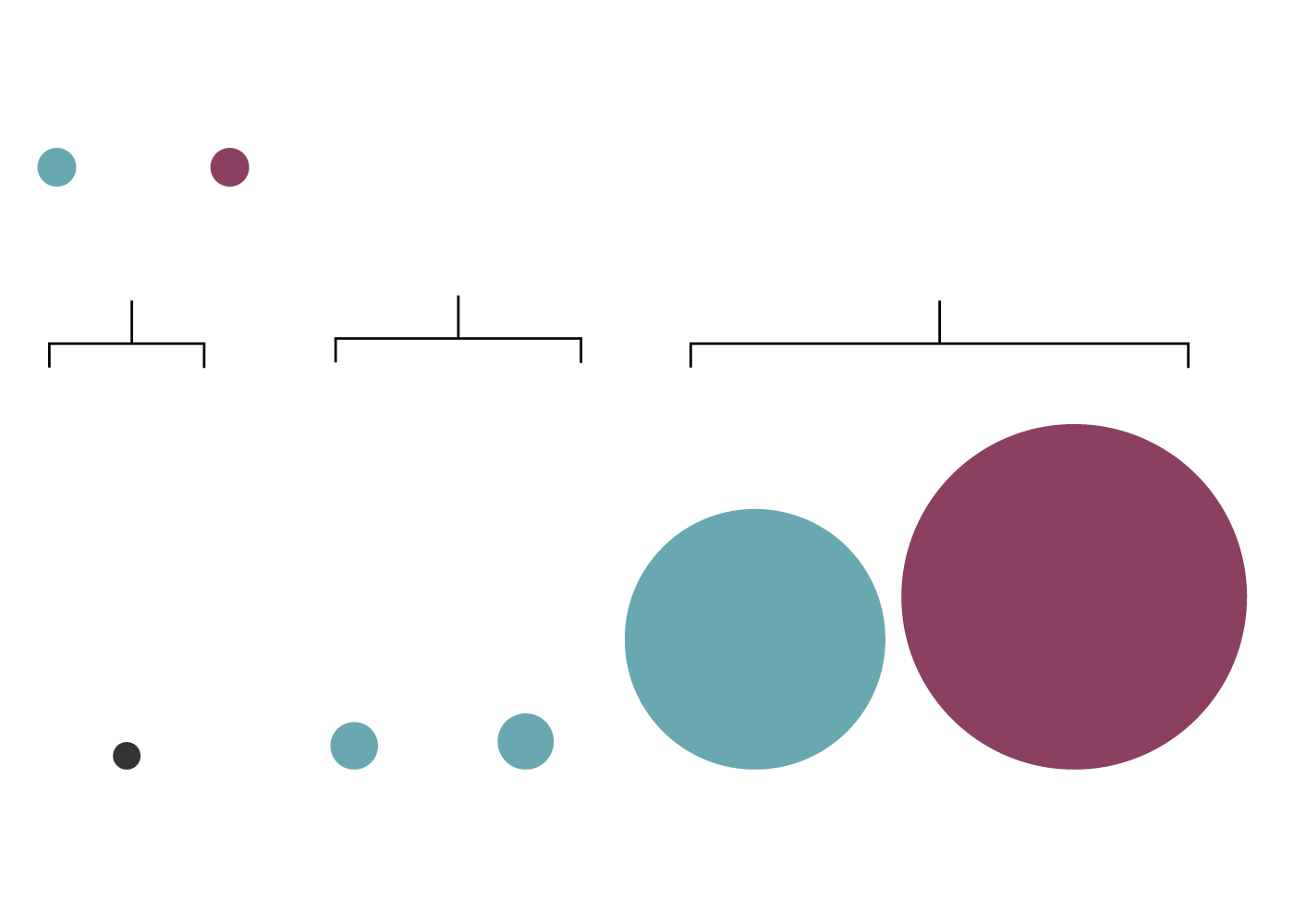
The third is tactical nuclear weapons – small nukes that can be delivered by short-range missiles or artillery, even landmines or torpedoes, that would be used on the battlefield against relatively small concentrations of fighting forces. These weapons would certainly be defined as low-yield. It appears that Mr. Putin had tactical nukes in mind when he made his threat, though some of these weapons could have greater power than the Hiroshima bomb, whose blast yield was the equivalent of 15,000 tons, or 15 kilotons, of TNT.
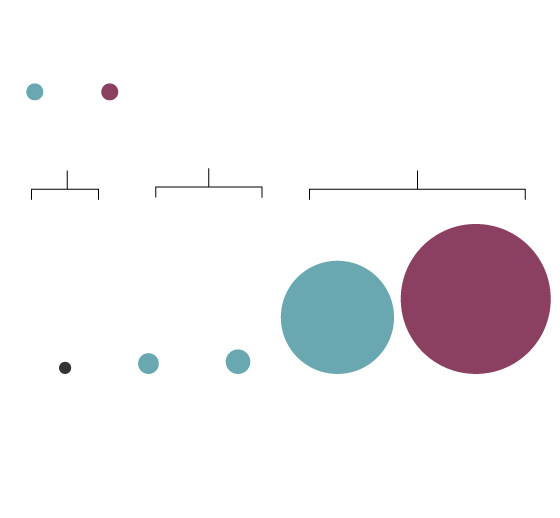
Nuclear warhead comparison
By yield in kilotons
U.S.
Russia
Bombs dropped
on Japan (1945)
Sample tactical
nuclear warhead
Largest strategic
warheads (2022)
800
455
21
15
5
“Little
Boy”
Hiroshima
“Fat
Man”
Nagasaki
MK-5 “Trident”
SLBM
SS-18 “Satan”
ICBM
the globe and mail, Source: the economist; bulletin
of the atomic scientists nuclear notebook
Nuclear warhead comparison
By yield in kilotons
U.S.
Russia
Bombs dropped
on Japan (1945)
Sample tactical
nuclear warhead
Largest strategic
warheads (2022)
800
455
21
15
5
“Little
Boy”
Hiroshima
“Fat
Man”
Nagasaki
MK-5 “Trident”
SLBM
SS-18 “Satan”
ICBM
the globe and mail, Source: the economist; bulletin
of the atomic scientists nuclear notebook
Nuclear warhead comparison
By yield in kilotons
U.S.
Russia
Bombs dropped
on Japan (1945)
Sample tactical
nuclear warhead
Largest strategic
warheads (2022)
800
455
21
15
5
“Little Boy”
Hiroshima
“Fat Man”
Nagasaki
MK-5 “Trident”
SLBM
SS-18 “Satan”
ICBM
the globe and mail, Source: the economist; bulletin of the atomic scientists nuclear notebook
Russia’s nuclear warheads:
5,977 (2022 estimate by Bulletin of Atomic Scientists)
Strategic offensive
warheads
Non-strategic, defensive
“tactical” warheads
Retired
warheads
2,565
1,912
1,500
Naval tactical warheads
935
Non-strategic air-launched warheads
500
Surface-to-air warheads
387
Surface-to-surface warheads
Iskander-M
Road-mobile, surface-
to-surface ballistic
missile
90
the globe and mail, Source: graphic news; Bulletin of
Atomic Scientists; The Heritage Foundation; IISS; Missile
Defense Advocacy Alliance
Russia’s nuclear warheads:
5,977 (2022 estimate by Bulletin of Atomic Scientists)
Strategic offensive
warheads
Non-strategic, defensive
“tactical” warheads
Retired
warheads
2,565
1,912
1,500
Naval tactical warheads
935
Non-strategic air-launched warheads
500
Surface-to-air warheads
387
Surface-to-surface warheads
Iskander-M
Road-mobile, surface-
to-surface ballistic
missile
90
the globe and mail, Source: graphic news; Bulletin of
Atomic Scientists; The Heritage Foundation; IISS; Missile
Defense Advocacy Alliance
Russia’s nuclear warheads:
5,977 (2022 estimate by Bulletin of Atomic Scientists)
Strategic offensive
warheads
Non-strategic, defensive
“tactical” warheads
Retired
warheads
2,565
1,912
1,500
Naval tactical warheads
935
Non-strategic air-launched warheads
500
Surface-to-air warheads
387
Surface-to-surface warheads
Iskander-M
Road-mobile, surface-
to-surface ballistic
missile
90
the globe and mail, Source: graphic news; Bulletin of Atomic Scientists; The Heritage
Foundation; IISS; Missile Defense Advocacy Alliance

How many small nukes do Russia and the United States have?
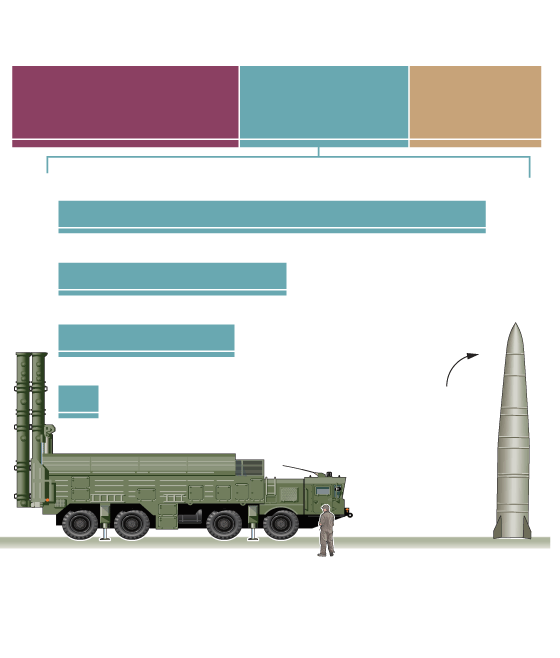
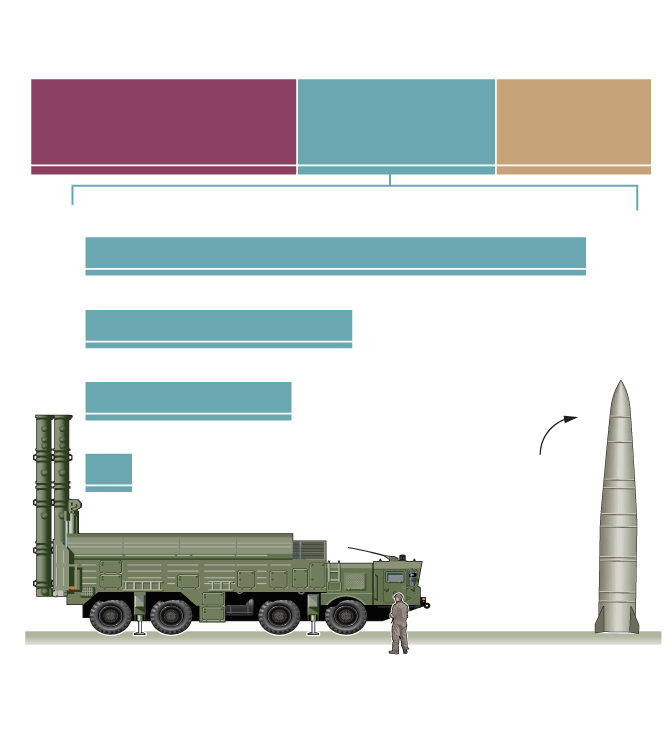
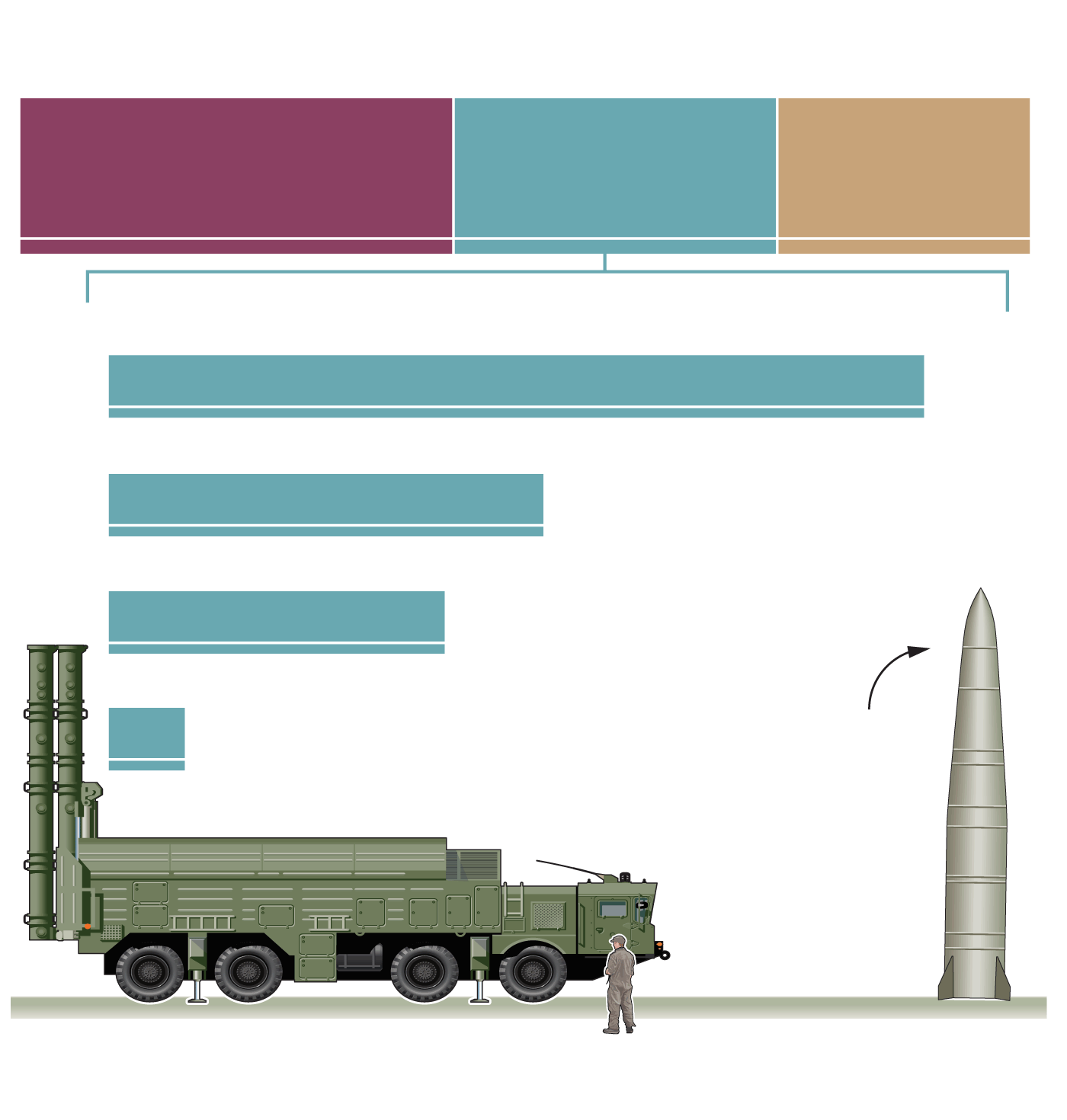
Russia has about 1,900 nonstrategic nukes in its arsenal, far more than the United States’ 230, according to the Bulletin of the Atomic Scientists.
Why does the United States have so few nonstrategic nukes?
Both the United States and Russia used the SALT and START arms-control treaties, starting in the late 1960s, to reduce their nuclear arsenals and limit or stop the launch of new nuclear programs. The Americans went further than the Russians in getting rid of their tactical nukes partly because of great advances in the power and precision of conventional weapons, such as Tomahawk air- and sea-launched cruise missiles, which were used in the 1991 Gulf War and, most recently, against Syrian chemical weapons sites in 2018.
“The weapons became so accurate that they didn’t even need to be nuclear,” William Alberque of the International Institute of Strategic Studies, and former director of weapons of mass destruction arms control at NATO, said in an interview. “These things have the same battlefield effect of a small tactical nuclear weapons.”
The Russians, alarmed by the new generation of long-range U.S. cruise missiles, which would allow “contactless warfare” – the ability to fight wars without committing ground troops – slowed their elimination of tactical nukes. “The Russians knew they were conventionally inferior, so they knew they had to rely on nuclear weapons,” Mr. Alberque said. “They were not as confident on their ability to wage war with long-range, high-tech weapons.”

Intercontinental ballistic missiles are launched from the Sea of Okhotsk by a Russian nuclear submarine in 2020.Russian Defense Ministry Press Service via AP
If Russia were to use a tactical or theatre nuke, what might the targets be?
Speculation in the West varies greatly. Some believe that Mr. Putin would use a “demonstration” strike in a non-populated area, perhaps over the Black Sea, to show his resolve to win the war, or at least not lose it, by any means possible, or to intimidate Ukraine and its allies into starting peace negotiations that would allow Russia to keep some or all of the Ukrainian territory it has taken.
Others believe that he might use a tactical nuke against a concentration of Ukrainian troops and armour, perhaps in the Kherson area, where Russia is losing ground, to stall the Ukrainian advance. Still others think he would use a somewhat bigger nuke to take out a fairly large target like the port of Odesa on the Black Sea.

A U.S. Army soldier takes part in exercises with NATO allies in Hohenfels, Germany, on Sept. 8.Lukas Barth/Reuters
How would NATO, or its member countries, respond if Russia were to hit Ukraine with a nuclear weapon of any size?
The bigger the target, the greater the response, especially if mass numbers of civilians were killed. Mr. Alberque thinks a nuclear strike of any size would have to be met with some response from NATO or individual NATO countries, and probably make Russia a global pariah that would see the country lose any lingering support from China and India.
“I do think the U.S. would probably try to get the U.K and France together, the three nuclear states, to cripple the Russian army and Black Sea fleet in Ukraine, he said. “You would not have to hit Russia territory. I think Russia would have to be seen to pay a cost. We know that if you stand up to Putin, he backs down, if you don’t, he keeps going.”
War in Ukraine: More from The Globe and Mail
The Decibel
Nuclear scientist and national-security expert Cheryl Rofer spoke with The Decibel about the Russian nuclear arsenal and how President Vladimir Putin might use it. Subscribe for more episodes.
The Globe in Ukraine
Putin’s threats put world on edge of new Cuban Missile Crisis, Ukraine says
Exodus of Russian men is larger than original invasion force, NATO says
Ukraine says it has full control of Lyman, a strategic city
Commentary
Thomas Homer-Dixon: Putin isn’t bluffing about using nuclear weapons in Ukraine
Michael Bociurkiw: Moscow’s recklessness at Zaporizhzhia could cause a nuclear catastrophe
Andrew Coyne: There can be no end to this war that leaves Putin in power