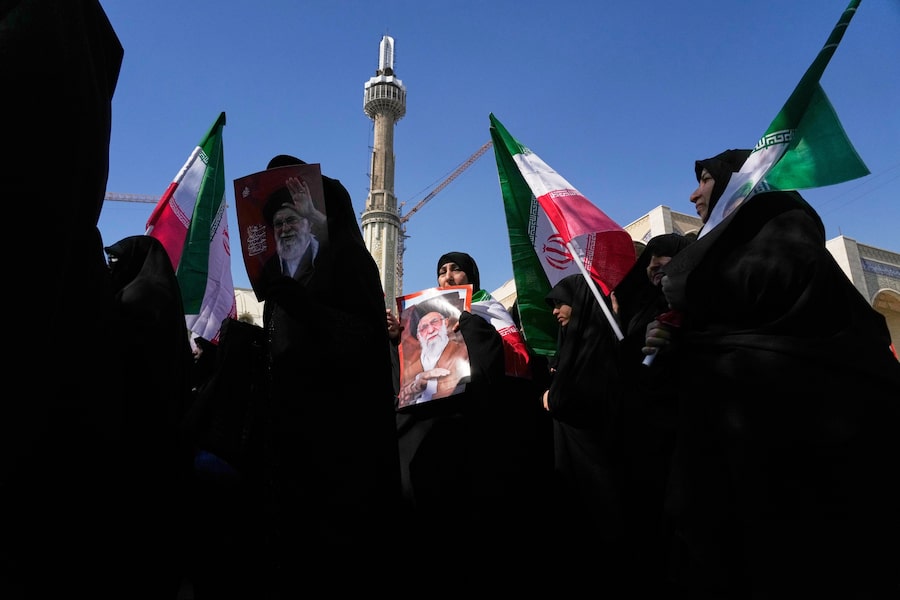
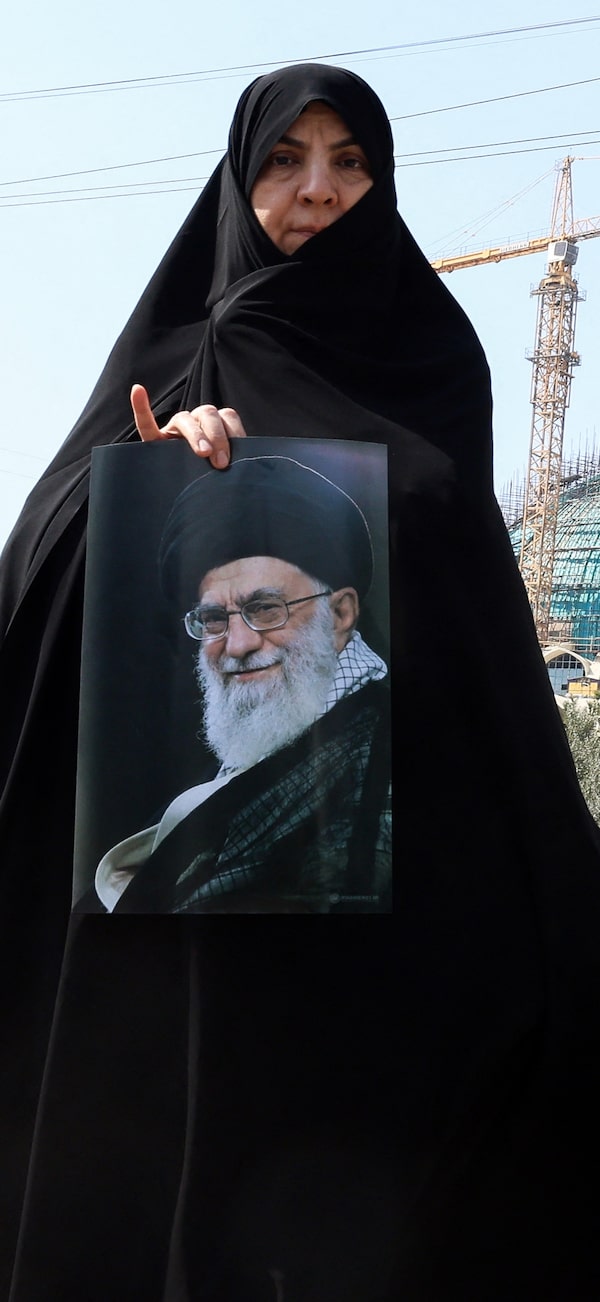
When the United States and Israel launched their attack on Iran last week, their first target was Ayatollah Ali Khamenei himself. The idea was to decapitate the Iranian regime, clearing the way for its opponents to seize power.
While that may yet happen, the assassination of Ayatollah Khamenei has tainted the way many Shia Muslims view the week-old conflict.
Some Shias feel their entire religion is the target in this widening war, leading to dire warnings about potential repercussions far beyond the Middle East.
Anger over Ayatollah Khamenei’s death has rippled across the so-called “Shia Crescent” that stretches for more than 4,000 kilometres across the Middle East and South Asia, an area otherwise dominated by Sunni Muslims. There were outpourings of grief and rage all the way from Lebanon to the Pakistani city of Karachi, where 22 people were killed after attempting to storm the U.S. consulate on Sunday.
In the eyes of many of the world’s 200 million Shias, Ayatollah Khamenei was more than the Supreme Leader of Iran, the stern face of a violent and repressive regime. The 86-year-old was also a marja, a religious authority whose words were carefully studied and whose rulings were consulted by followers seeking guidance about everything from marital issues to the proper way to pray.
While Ayatollah Khamenei’s reputation had been marred by a series of brutal crackdowns on dissent inside Iran – as well as his regime’s support for Syrian dictator Bashar al-Assad in that country’s long civil war – he has now been rehabilitated as a martyr in the eyes of many Shias.
“For Khamenei, being assassinated in this way, in the middle of Ramadan, it actually has given him ... a bigger position as a symbol within the Shia faith than what he could have done by staying alive,” said Maryam al-Khawaja, an exiled Bahraini human-rights activist who now lives in Denmark. “They have given him the best gift.”
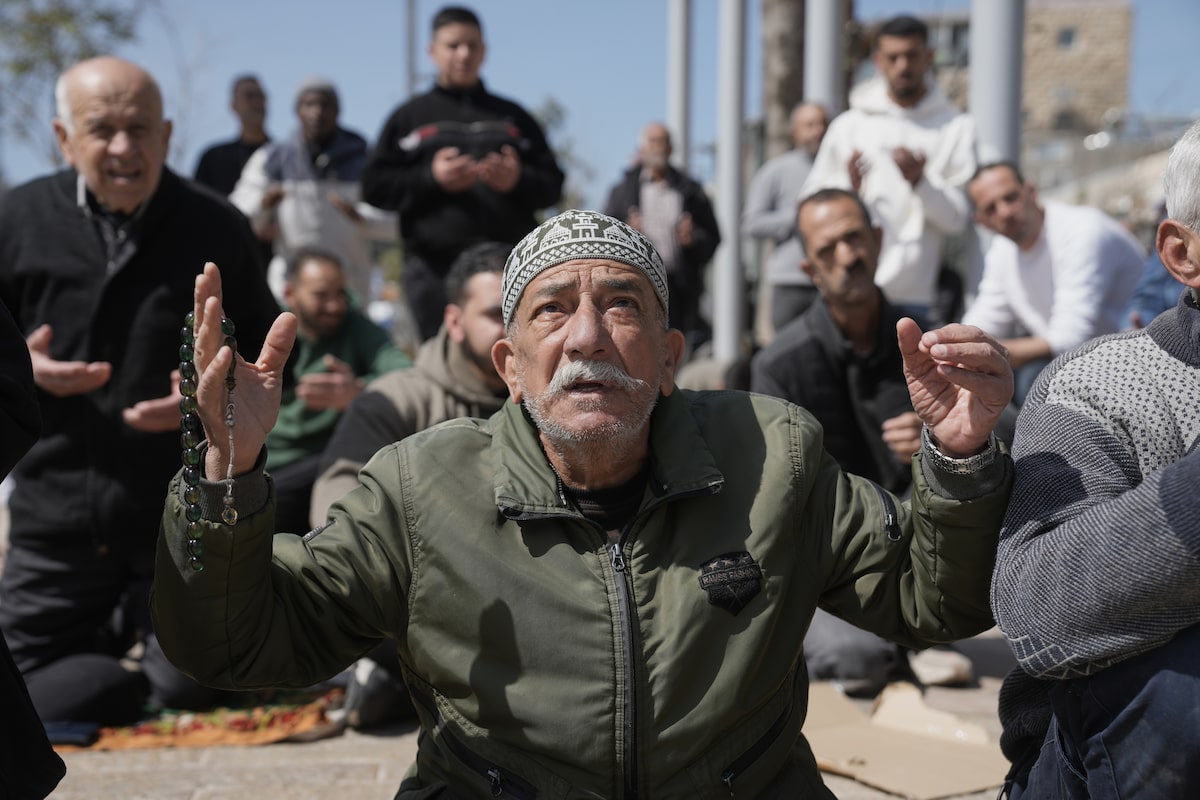
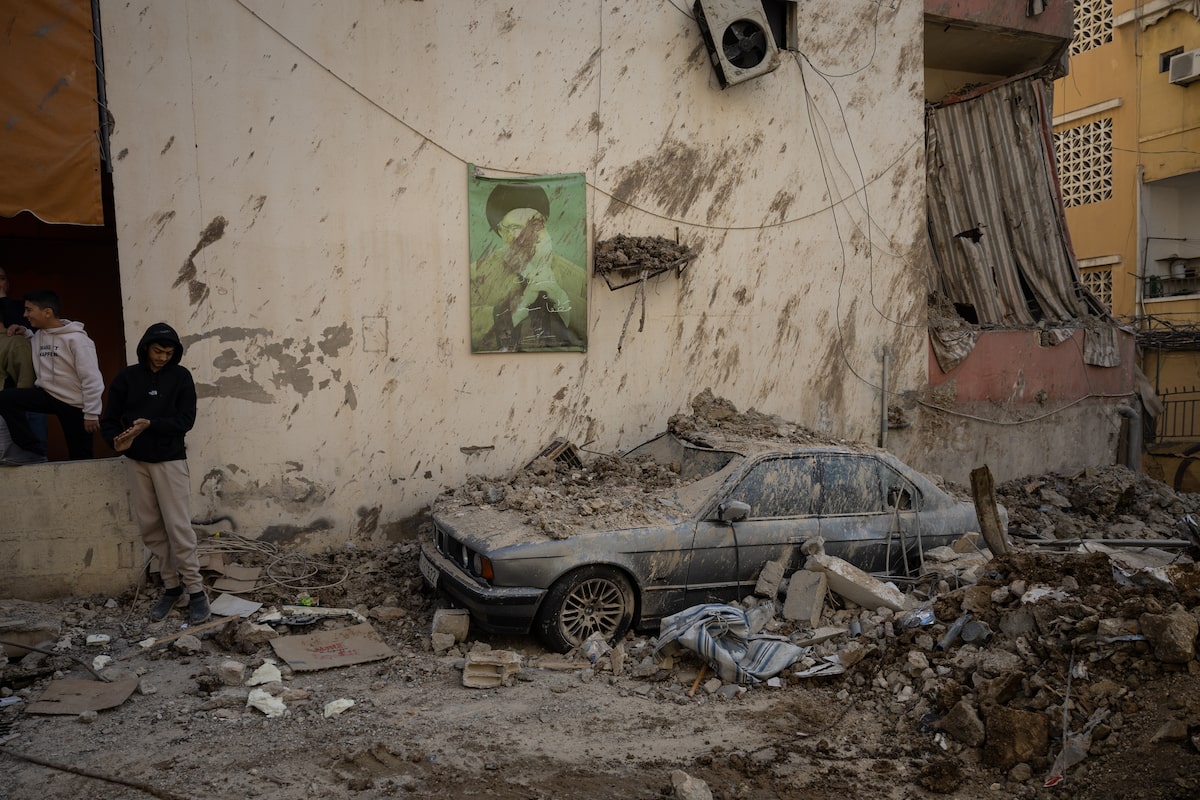
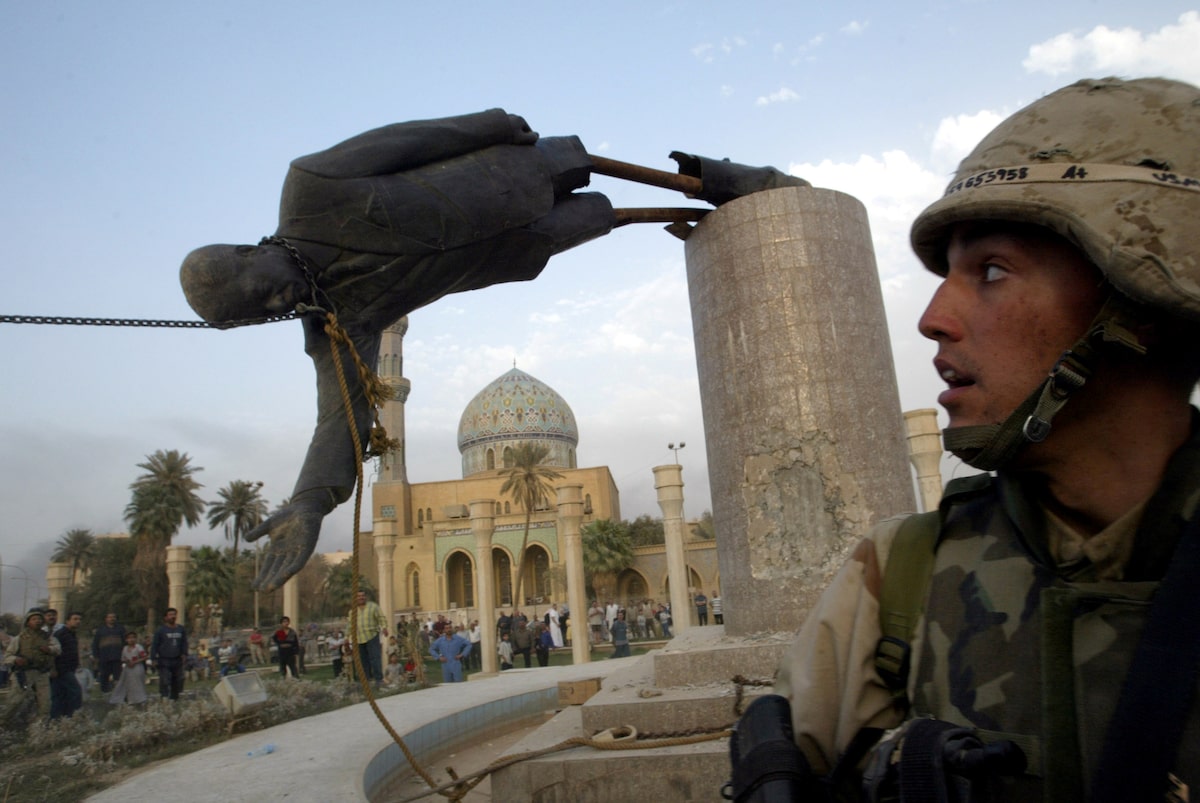
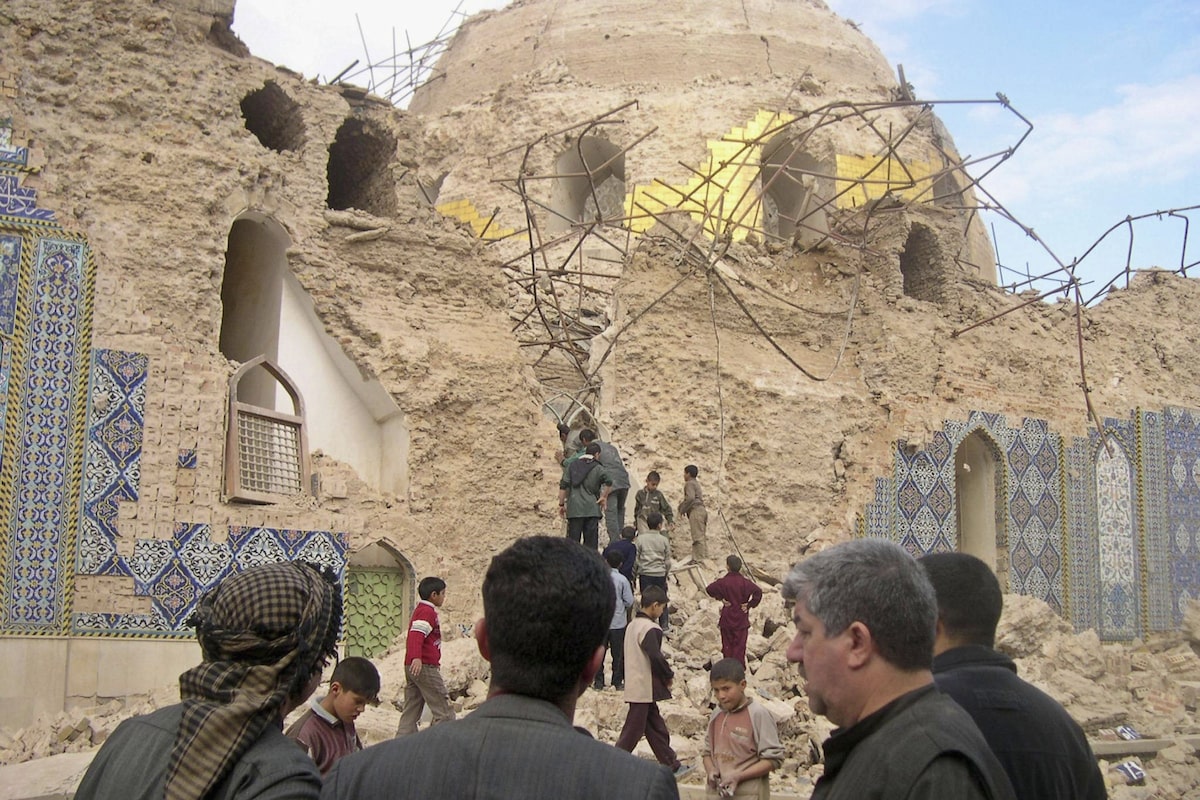
Some fear that the U.S.-Israeli assault on Iran – the world’s biggest Shia majority state – will have consequences comparable to the U.S.-led invasion of Iraq in 2003. That war initially seemed like a victory for the U.S. and its allies, as Sunni dictator Saddam Hussein was swiftly deposed and later executed. It later came to be seen as a disaster that fuelled the rise of Sunni jihadi groups, including Islamic State, over the decades that followed.
Echoing the United States’ defence of the war in Iraq, the U.S.-Israeli assault on Iran has been justified with wobbly claims that the Iranian regime was about to develop weapons of mass destruction, in this case nuclear weapons – something there is no evidence Iran was close to doing.
The conflict, which has rapidly expanded over the past week to encompass almost the entire Middle East, increasingly looks like a war pitting the Shias against everyone else.
In Lebanon, Israel has concentrated its firepower almost exclusively on southern Lebanon and the southern suburbs of Beirut. Both areas are Hezbollah strongholds – Hezbollah is a Lebanese Shia political party – and also home to the large majority of Lebanon’s Shia.
Dozens have been arrested at rare protests in Bahrain, which is ruled by a Sunni monarchy but has a large and oppressed Shia population. In Iraq, a network of Shia militias has launched attacks on U.S. military bases in the country.
Though the U.S. and Israel have carried out strikes on Iran before – U.S. President Donald Trump claimed that a 12-day conflict last June “totally obliterated” Tehran’s nuclear program – this war immediately took on a very different character.
“When they killed Khamenei, it’s like they killed our pope,” said Haider Baddah, a social worker with Amal, a Shia political party in Lebanon.
The comparison to the head of the Roman Catholic Church is apt from a religious point of view. While the 86-year-old Ayatollah Khamenei wasn’t the leader of all Shia Muslims – just like the pope isn’t followed by all Christians – he was arguably the most prominent marja.
But Ayatollah Khamenei was more like popes of centuries ago, in that he was also the commander-in-chief of an army. And even Pope Julius II, the 16th-century “warrior pope” who famously led his own troops into battle, didn’t have ballistic missiles and explosive drones at his disposal.


The 1979 revolution began decades of enmity between Iran and the United States, whose former Tehran embassy – adorned with anti-U.S. murals – now houses a museum.Atta Kenare/AFP via Getty Images)
Supporters of Iran’s 1979 revolution – including Hezbollah, which was founded three years later by Iran’s Islamic Revolutionary Guard Corp – believe it to have been divinely inspired, and consider Iran’s Supreme Leader to be the sole marja.
But many Shia Muslims follow other marjas or look to the teachings of more than one marja.
For many non-Iranian Shias, the most significant marja is Grand Ayatollah Ali al-Sistani, the 95-year-old spiritual leader of the Shia majority in Iraq and a longtime rival of the Iranian leadership. While four minor Shia scholars issued calls for jihad, or holy war, against the U.S. and Israel over the past week, Ayatollah al-Sistani notably did not ask his own followers to join the fight.
For those who regarded the Ayatollah Khamenei as a marja, the loss has been made more painful by the way some have celebrated his killing.
His assassination was ridiculed with trademark irreverence on the front page of France’s Charlie Hebdo satirical magazine – which featured the ayatollah’s turban and glasses drawn atop a toilet – and cheered in TikTok dances by exiled Iranians who put Mr. Trump’s declaration that “Ayatollah Khamenei is dead!” to a house music beat.
“You don’t have to be kind about it, but don’t mock his death,” Mr. Baddah, the social worker, said. “We don’t feel like anyone is standing with us.”

While events in Iran elicited praise in parts of the diaspora, such as this Feb. 28 rally in Los Angeles, celebrations of the ayatollah's death have not gone over well with many Shias in the Middle East.Jill Connelly/Reuters
Analysts of the region say Mr. Trump and Israeli Prime Minister Benjamin Netanyahu either didn’t understand – or didn’t care about – the religious significance of Ayatollah Khamenei when they ordered his assassination.
Ms. al-Khawaja said that while spreading chaos – simultaneously weakening all of its regional rivals – seemed to be part of Israel’s strategy, it was “very un-smart” for the U.S. to have authorized and taken part in the assassination. (While the ayatollah was killed by an Israeli missile, his location was first pinpointed by the CIA, and U.S. warplanes joined the attack.)
Mr. Trump’s assertion on Thursday that he expected to have a role in choosing Iran’s next leader suggested he saw the post of Iran’s Supreme Leader as being little different from the head of any other authoritarian regime. “We’re going to have to choose that person along with Iran. We’re going to have to choose that person,” Mr. Trump said in a telephone interview with Reuters.
“They thought it would be like Venezuela,” said Qassem Qasir, a political analyst close to Hezbollah. “Iran is not Venezuela – you don’t change one person and the regime falls down. This is a belief, a religion.”


Since Ayatollah Khamenei’s Tehran compound erupted in flames, his son Mojtaba Khamenei, also a Shia cleric, has emerged as a possible successor.Pleiades Neo (c) Airbus DS 2026 via REUTERs; Rouzbeh Fouladi / Middle East Images / AFP via Getty Images
The process of electing a new Supreme Leader – who is chosen by the 88-member Guardian Council – has taken longer than expected, reportedly due to concerns that whoever they name will immediately be targeted for assassination. The U.S.-Israeli aerial assaults on Tehran and other cities have been so intense that the Iranian government was forced to postpone Ayatollah Khamenei’s funeral this week.
Mojtaba Khamenei, the 56-year-old son of the ayatollah, and a hardline cleric in his own right, is considered the front-runner to succeed his father. His elevation would be controversial among some followers of the Islamic Revolution, which ended more than four centuries of dynastic rule in what was previously known as Persia.
Mr. Qasir said Ayatollah Khamenei’s religious importance – and the sense that Shiism as a religion was under attack – was part of the reason Hezbollah decided to open a front with Israel. While that decision that has been widely criticized within Lebanon, Mr. Qasir said that joining the war while Israel was also contending with ballistic missile and drone launches from Iran, was seen as preferable to waiting for the U.S. and Israel to finish their campaign against Iran – after which Hezbollah assumed it would be the next target.
“Either you fight now and die fighting, or you wait for death to come to you,” was how Mr. Qasir explained Hezbollah’s logic.
He said Shias across the Middle East felt under siege in a way they haven’t since the early 1980s, when Saddam Hussein’s Iraq invaded Iran with U.S. support, hoping to strangle the Islamic Revolution in its infancy – while Israel was also occupying southern Lebanon. That sense of threat, he warned, could lead to unpredictable consequences.
“If you look at the Iran-Iraq war, there were Shia groups that arose and started doing attacks on embassies,” Mr. Qasir said, referencing 1983 suicide attacks on U.S. embassies in Lebanon and Kuwait that were carried out by Hezbollah and other Iranian-backed groups. “I believe you will find that there will be Shia factions that will rise up – like the one that attacked the consulate in Karachi.”


On March 1, a police officer fires tear gas to disperse protesters at the U.S. consulate in Karachi; that evening, people arrange the coffins of those killed for breaching the consulate's outer wall.Akhtar Soomro and Shakil Adil/Reuters
So far, it’s the Shia who are suffering. At least 1,132 Iranians and 217 Lebanese had been killed in the fighting as of Friday – compared with six U.S. soldiers, 12 Israeli civilians and nine citizens of Sunni Arab states targeted by missiles and drones launched by Iran and its allied militias.
Classes were cancelled at many schools across Beirut this week, as they were converted into receiving centres for those fleeing the Israeli attacks on southern Lebanon and the suburbs of Beirut.
“There are a lot of people who hate the Shia,” said Shahinaz Khalil, a 45-year-old widow who watched as her two sons tried to sleep on the floor of a hallway of the technical college that had been converted into a shelter. She said Ayatollah Khamenei was “a good man who wanted peace and tried to protect us.”
But Ibrahim Shamseddine, a former Lebanese cabinet minister whose father was a prominent Shia imam, said Hezbollah and its followers were suffering not because of religious persecution, but because of the political leaders they followed. The Iranian Revolution, he said, had abused the Shia faith in order to expand its power across the region.
“The Lebanese Shia are bearing the consequences of the bad decisions imposed on them” by Hezbollah, he said, “just as the Iranian Shia are bearing the consequences of bad decisions imposed on them by the Revolutionary Guards,” he said. “The threat to the Shias is from within.”