

Somehow, the fear is back in Syria. Perhaps it never went away.
The sudden fall of Bashar al-Assad’s repressive regime last Dec. 8 was met with elation in Damascus. After decades of ruthless dictatorship, millions felt free to speak their minds for the first time in their lives.
But less than 12 months after the new Syria was born, many are again scared to talk. Once more, citizens are worried about who might be listening, and what the punishment might be for saying the wrong thing.
Over the course of a 10-day reporting trip, The Globe and Mail repeatedly met Syrians who told of being shot at, beaten, jailed or otherwise threatened by the black-uniformed General Security forces that ultimately report to President Ahmed al-Sharaa, who seized power after the collapse of the Assad regime. But after telling their stories, they asked that their names not be used, for fear of future repercussions.
Syria has made noteworthy progress over the past year, particularly on the international front. Mr. al-Sharaa – sought for more than a decade by the United States as a “specially designated global terrorist” – has met three times with U.S. President Donald Trump, most recently on Nov. 10 in the White House, where he secured a series of promises to lift the Assad-era sanctions that still cripple Syria’s economy by preventing most international transactions.


President Ahmad al-Sharaa’s Washington trip signaled a change in attitudes from nations that once deemed him a terrorist.BRENDAN SMIALOWSKI/AFP via Getty Images; Jacquelyn Martin/AP
Domestically, Mr. al-Sharaa has overseen the introduction of a new interim constitution that kept sweeping powers for himself, while also promising Syrians “freedom of opinion, expression, information, publication and press.” The country held semi-democratic elections in October, with local electoral councils of 500 people per district choosing MPs for the first postwar parliament.
But for all his accomplishments on the world stage, Mr. al-Sharaa is viewed at home as a Sunni leader, and one who seized power at the head of a jihadi militia known as Hay’at Tahrir al-Sham (HTS).
Five decades of divisive rule by the Assad family – who gave power and privilege to their own Alawite sect while also portraying themselves as the protector of Syria’s Christian and Druze minorities – followed by a 13-year civil war fought largely along sectarian lines, meant that it was always going to be difficult to stitch Syria back together.
Worryingly, the divisions have deepened over the past year. The common thread among those scared to speak is that they are members of minority groups who feel unsafe now that the country is ruled by its Sunni Muslim majority, some of whom have sought violent revenge against those they believe co-operated with, and profited under, the old regime.
An abbreviated list of those who told The Globe that they were scared to talk includes the families of Alawite children kidnapped off the streets by gunmen who the victims believe are affiliated with the government, the beleaguered owners of Christian bars in the Old City of Damascus, and Druze civilians fleeing the sectarian violence that has killed hundreds of people in the country’s central Suwayda region.
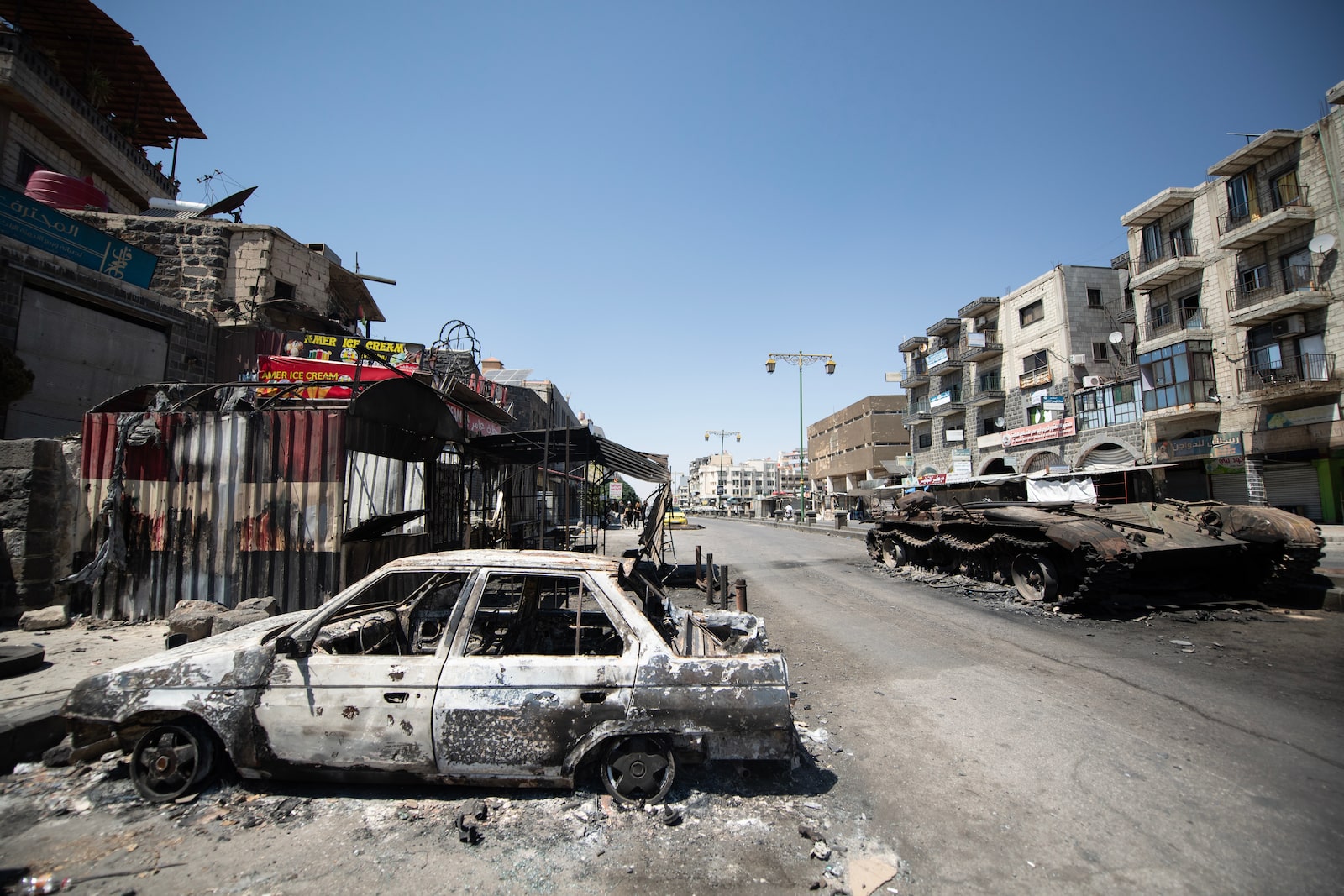


It’s a sharp change from The Globe’s previous visit to the new Syria, in March, when the freshly gained freedom of speech was on display, with regular demonstrations challenging the government on the streets of Damascus. The mood changed dramatically, however, after the outbreak of intercommunal violence on the country’s Alawite-dominated Mediterranean coast that month, an episode that left more than 1,400 people dead, according to the UN Syria Commission of Inquiry.
The UN body reported in August that “acts that may amount to war crimes” had been committed by both pro- and anti-government forces – and named “members of the interim government’s forces and private individuals operating alongside or in proximity to them” as key perpetrators.
Of course, Mr. al-Sharaa’s Syria cannot be compared to what came before. Bashar al-Assad and his father, Hafez, “disappeared” hundreds of thousands of people over the course of their five-decade grip on power in the country. Back then, it was the Sunni majority – who make up almost three-quarters of the population – who cowered in fear, afraid to meet with foreign journalists.
More than 600,000 people died in a civil war that Mr. al-Assad could have averted by stepping down in the face of the Arab Spring protests of 2011. Another 100,000 people are still officially considered missing.
But there’s a growing sense that today’s Syria is for the conservative Sunnis who rode to power on Dec. 8, 2024. And the rest of the country will be made, one way or another, to follow the rules that they set.
“We’ve changed the driver of the bus,” said one Alawite businessman, who was afraid that he’d be punished for complaining about the situation to a foreign journalist. “But the passengers are the same.”


The dark side of the new Syria arrived at Hamin al-Mhethawy’s home in the tiny Druze village of Lubayn on a hot July morning.
Groups of gunmen – some of them Bedouin farmers from the surrounding countryside, some wearing the uniforms of Mr. al-Sharaa’s security forces – rampaged through Lubayn and other parts of the Suwayda region, looting and setting fire to Druze homes.
The Druze are a secretive religious minority who made up 3 per cent of Syria’s pre-war population, with many of them living in Suwayda. Syria’s Druze are sometimes accused of having sympathy for Israel, where many of their co-religionists live.
While many Lubayn residents fled before the attack began, Ms. al-Mhethawy and her family remained in their home. Her father, a veterinarian, had treated the livestock of many of the Bedouins, and didn’t believe they would attack his family.
Out of respect, the bearded extremists who broke in agreed to transport the family to safety before they looted the home and lit it ablaze. But that deal lasted only until the first checkpoint, when a different group of gunmen disagreed with the decision to let a family of Druze live, and opened fire.
“We could easily have been killed,” recounted Ms. al-Mhethawy, a 24-year-old medical student.
The family escaped while the two groups of gunmen fought each other, and spent the next 12 days on the run before they reached the relative safety of Jaramana, a predominantly Druze suburb of Damascus. Jaramana has seen its population swell in recent months with Druze families fleeing the campaign of attacks in Suwayda, which the United Nations says has left more than 500 civilians dead.
Ms. al-Mhethawy said she wanted her story to be told so that people outside Syria would know what was happening. Other Druze victims who met with The Globe were scared that they would be punished for speaking out about what had happened.
Sheikh Abu Yusef, one of the leaders of the Druze community in Jaramana, said the Dec. 8 anniversary was not a date that would be celebrated by Syria’s Druze. The country, he said, was at imminent risk of sliding back into open conflict. “There are embers under the ashes,” Sheikh Abu Yusef said. “It seems like the fire has gone out, but at any moment we can have a new sectarian war because we are ruled by a terrorist organization.”

The past year has been a whirlwind for Raed al-Saleh. The long-time head of the famed White Helmets rescue organization, he spent much of the civil war leading teams as they dug people – alive and dead – from under the rubble of air strikes carried out by the Assad regime and its Russian allies.
Today, Mr. al-Saleh is Minister for Emergency and Disaster Management in Mr. al-Sharaa’s government. The white helmet and yellow high-visibility vest are gone, replaced by a sharp charcoal suit and bright green tie. Instead of a tent near a disaster site, his office these days is a two-floor building in central Damascus that once served as the local headquarters of the ruling Ba’ath Party.
It has been a whirlwind of change, one that no one could have anticipated 12 months ago. The challenges are equally daunting to contemplate. The World Bank estimates the cost of rebuilding the country at US$216-billion. More than 90 per cent of the country, which had a pre-war population of 22 million, lives below the official poverty line, subsisting on less than US$2.15 a day.
Mr. Trump’s promise, after his Nov. 10 meeting with Mr. al-Sharaa in the White House, to temporarily lift the so-called “Caesar Act” sanctions – which had effectively sealed the country off from the international banking system – will help, though it will take an act of Congress to repeal the sanctions completely.
And yet, there has been enough progress that many Syrians – at least those in the Sunni majority – believe they finally see a hint of light at the end of what has been an epically long tunnel.

Emergency Minister Raed Al-Saleh says ‘hate speech that is found on both ends of the spectrum’ is a challenge for the new Syria.
“We’re very happy with what we achieved over the last 10 months. Some of these tasks could have been expected to take more than five years, but we were able to do them,” Mr. al-Saleh said in an interview in his office, sitting under the new postwar Syrian flag.
In addition to the international recognition – and a May deal that saw Saudi Arabia and Qatar jointly pay off Syria’s debts to the World Bank, clearing the way for new loans – the country achieved an important milestone on Nov. 16 when Damascus saw 24 hours of unbroken electricity for the first time since 2012.
But, Mr. al-Saleh acknowledges, intercommunal tensions are holding the whole nation-building project back. (In addition to the tensions with the Alawites and Druze, a large swath of the northeast of the country – plus two neighbourhoods of the country’s second-largest city, Aleppo – remains under the control of a Kurdish-dominated militia that has occasionally clashed with pro-government forces.)
“The biggest obstacle that we have in our way is the civil unrest, and the hate speech that is found on both ends of the spectrum,” Mr. al-Saleh said. “Both the secular movement and the Islamist movement have become very radicalized.”
He blamed the spread of hatred in Syria on social media, where photos and videos of the latest internecine violence – most of them real, some elaborately faked – spread much further and faster than the new government’s own versions of what happened and how they plan to deal with it.
“The challenge is to find a balance between limiting hate speech without at the same time limiting freedom of speech,” Mr. al-Saleh said. “This is a very sensitive transitional period.”


Father Youhanna Shahade, who survived the bombing, presides over another Sunday service at Mat Elias in late October. He was unhappy with the new government's response to the tragedy.
Three weeks before the gunmen attacked Lubayn, a suicide bomber stepped into one of the largest churches in Damascus and detonated his vest in the middle of Sunday mass.
“All I remember was seeing the walls of the church covered in blood and guts,” said Father Youhanna Shahade, who was in the midst of delivering his sermon when the bomb went off. “I thought it was a hallucination. I was trying to convince myself this wasn’t a terrorist attack.”
It was all too real. Thirty people were killed, and Mar Elias was so badly damaged that the inside of the Greek Orthodox church was still a construction site more than four months later.
The government blamed the attack on the Islamic State, which still controls some remote parts of Syria. A previously unknown group, Saraya Ansar al-Sunnah, claimed responsibility, saying its goal was to drive all Christians, Alawites, Druze and Shia out of Syria.
Father Youhanna said it matters little to him which extremist group carried out the attack. What worries him is the lack of action by the new government. It took 27 days, he said, for police to ask him for a witness statement.
“We expected a lot, but we received so little,” he said of the new government’s first year in power. Many of his parishioners are now planning to leave. “In these times, with terrorist attacks reopening old wounds, and the uncertain direction of the country, the easy answer is, ‘Just get me out of here.’ ”

Hind Kabawat holds the social affairs and labour portfolio in Mr. al-Sharaa’s cabinet.
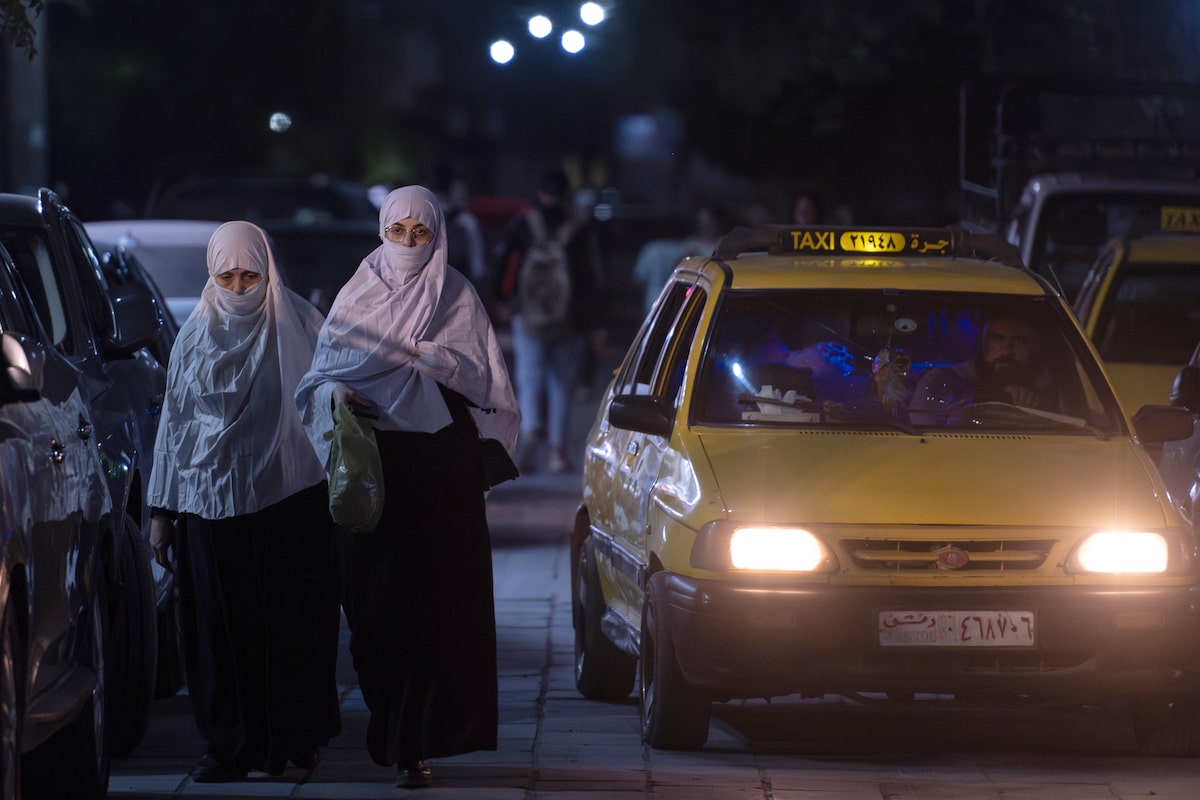
Hind Kabawat knows people are scared. As the only woman in Mr. al-Sharaa’s 23-member cabinet, she hears from women who are afraid to travel after dark in the new Syria. As a Christian, and the only representative of a minority group in Mr. al-Sharaa’s inner circle, she also hears from religious minority groups who no longer feel safe.
There are, she said, outside forces that don’t want the new Syria to succeed, chief among them Iran. Tehran, which is ruled by a Shia theocracy, was the main foreign backer of the Assad clan, seeing the Alawites – who are a sect of Shia Islam – as co-religionists. Iran lost much of that regional clout when the Assad regime fell.
While some Syrians were afraid of the new government’s forces, Ms. Kabawat said her own biggest worry was that Lebanon’s Hezbollah militia – another Shia force which used to receive Iranian money and weapons via Syria – would not accept the emerging regional order and would seek to plunge Syria back into chaos.
“We all feel insecurity. This is a new country,” Ms. Kabawat said in an interview at her home in Damascus. No one from any sect, she added, was safe under Mr. al-Assad. While Alawites, who made up about 13 per cent of the pre-war population, played an outsized role in the security forces of his former regime, they were also the target of sporadic purges of those not deemed loyal enough.
The government’s mission now, she said, was to promote a new and inclusive Syrian identity that made the various minority groups feel comfortable inside the state.
“Mistakes,” she said, had been made during the March violence targeting Alawites, as well as the ongoing fighting in the Druze regions of the country. The government, she vowed, would hold the perpetrators – from all sides – to account.
“Mistakes happen in transitions. Mistakes happen in postconflict situations. … But we’re going to get people to justice. This is what we need to do to – to have transitional justice as soon as possible,” she said. “We’re all Syrian, and we need to protect each other.”

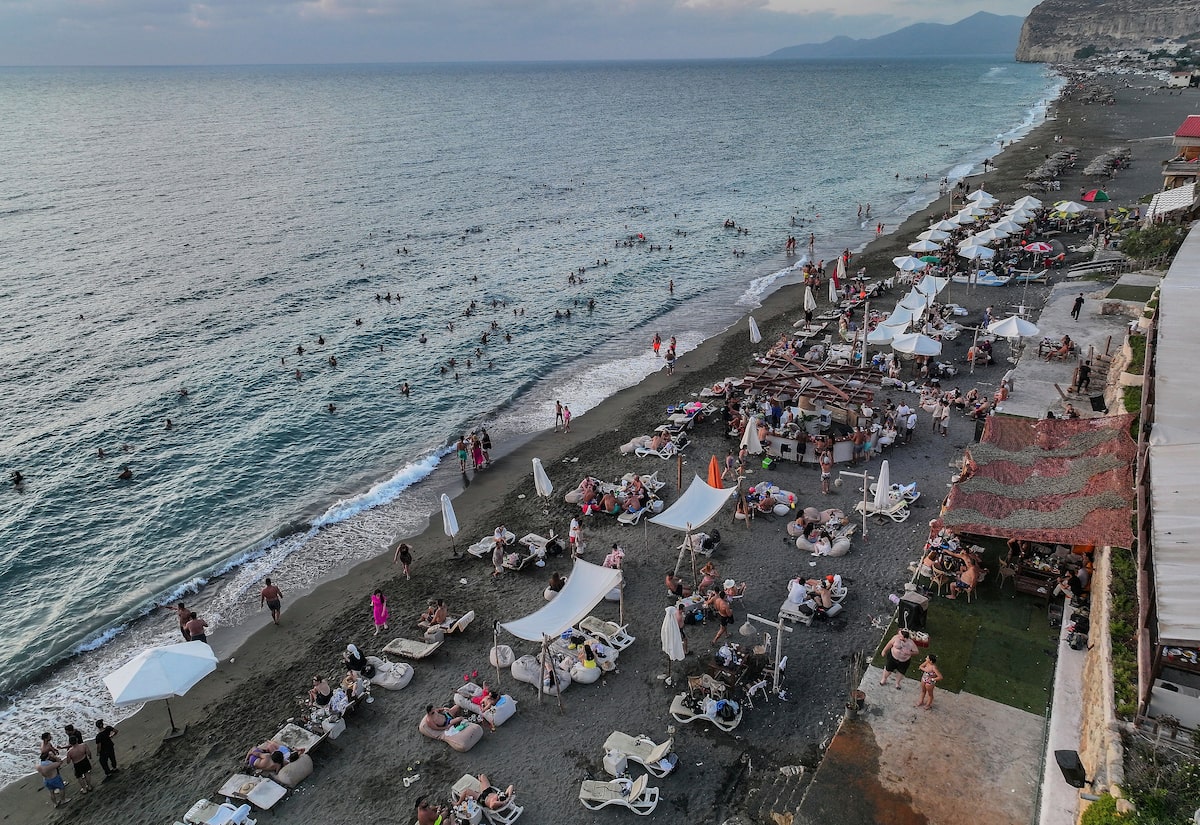
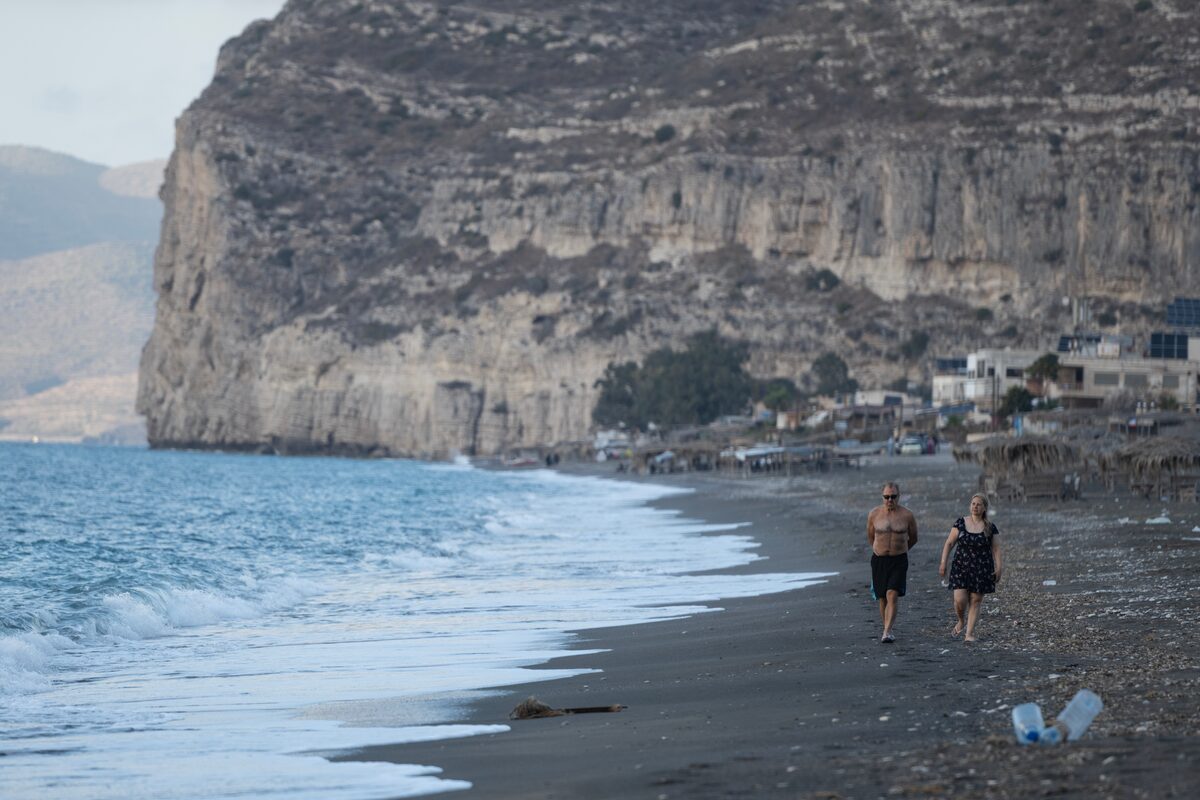
It’s in the coastal region of Lattakia, a four-plus-hour drive northwest of Damascus in Syria’s northwest, where the fear is most acute.
The mass killings of March have stopped, replaced by a spate of kidnappings targeting Alawites – particularly those seen as having built comfortable lives while the country was ruled by the Assad clan. The family of one of the kidnap victims told The Globe that they were in contact with 30 other families who were each seeking the return of a relative taken by armed gunmen.
The most shocking incident saw 12-year-old Mohammed Haidar kidnapped off the street in front of his Lattakia school right before classes were due to begin on a recent Wednesday morning. Witnesses say the boy was yanked into a white jeep that quickly sped away.
Mohammed’s family struggled to pay a ransom demand worth hundreds of thousands of dollars, receiving daily phone calls with threats – laced with anti-Alawite insults – to kill the boy until they sold off their property to raise the cash.
“It’s very similar methods to what the previous regime used,” said the uncle of one of the kidnap victims, recalling how Mr. al-Assad’s forces would arbitrarily jail Syrians until their families paid exorbitantly high bails. “The only difference is we used to pay bail money; now we pay ransoms.”
Three weeks after Mohammed disappeared, the sidewalk in front of his school in Lattakia emptied within minutes of the end of classes as parents rushed to collect their children directly from the school gate.
“Everybody is scared,” said a teacher who lingered briefly on the sidewalk.
“I might be targeted just for talking to you,” he said before walking away briskly.
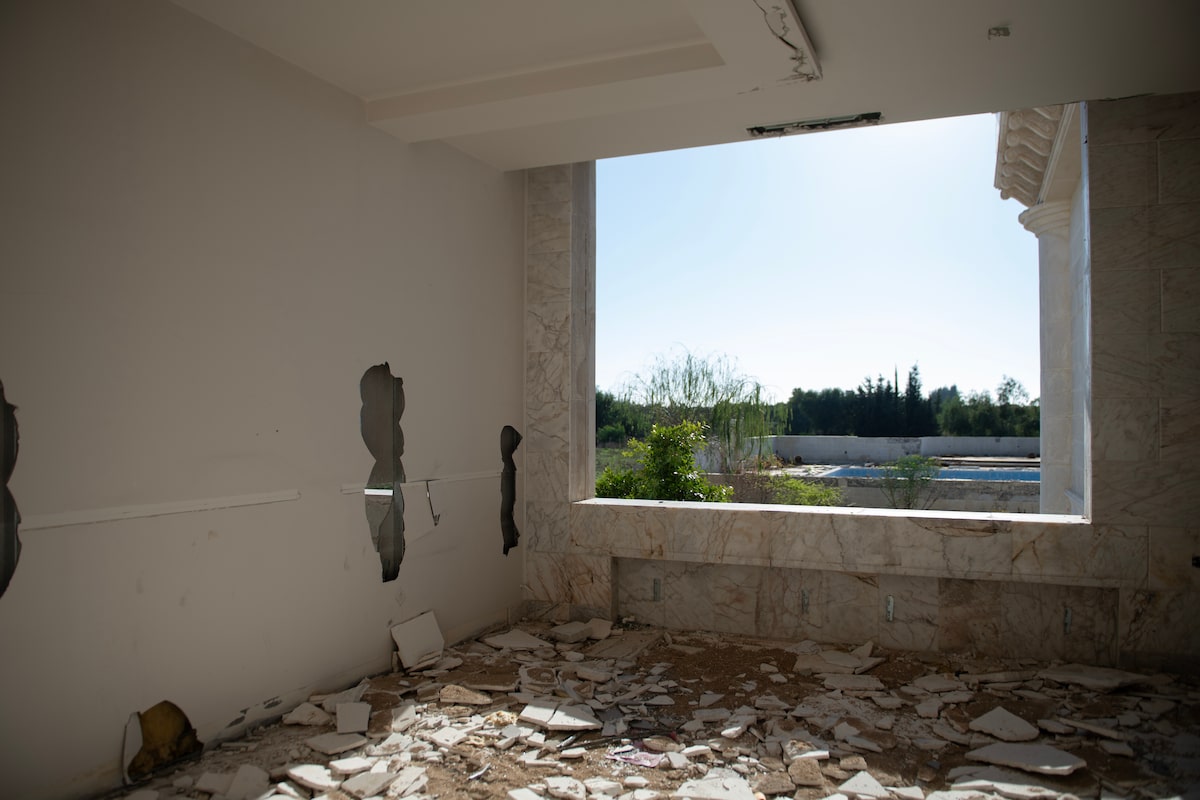
Along the highway south of Lattakia lies a semi-scorched reminder of where the sectarian hatred comes from: a building known locally as “the White House” – the marble palace of Bashar al-Assad’s cousin, Fawaz.
Fawaz was the inventor and (until his death in 2015) leader of the shabiha, a paramilitary force that the Assad clan used to terrify all Syrians. His men were notorious for prowling the streets of Lattakia, plucking men at random for violent interrogation. Locals say large numbers of women were taken to the White House and raped. Alawites weren’t spared, but the Sunni majority suffered more.
Today, the White House, which his wife and children used after Fawaz’s death, is a looted ruin. The crowds that arrived shortly after the fall of the regime took everything they could carry away. The marble floor has been chipped at with tools, and someone tried – and failed – to walk off with the toilet.
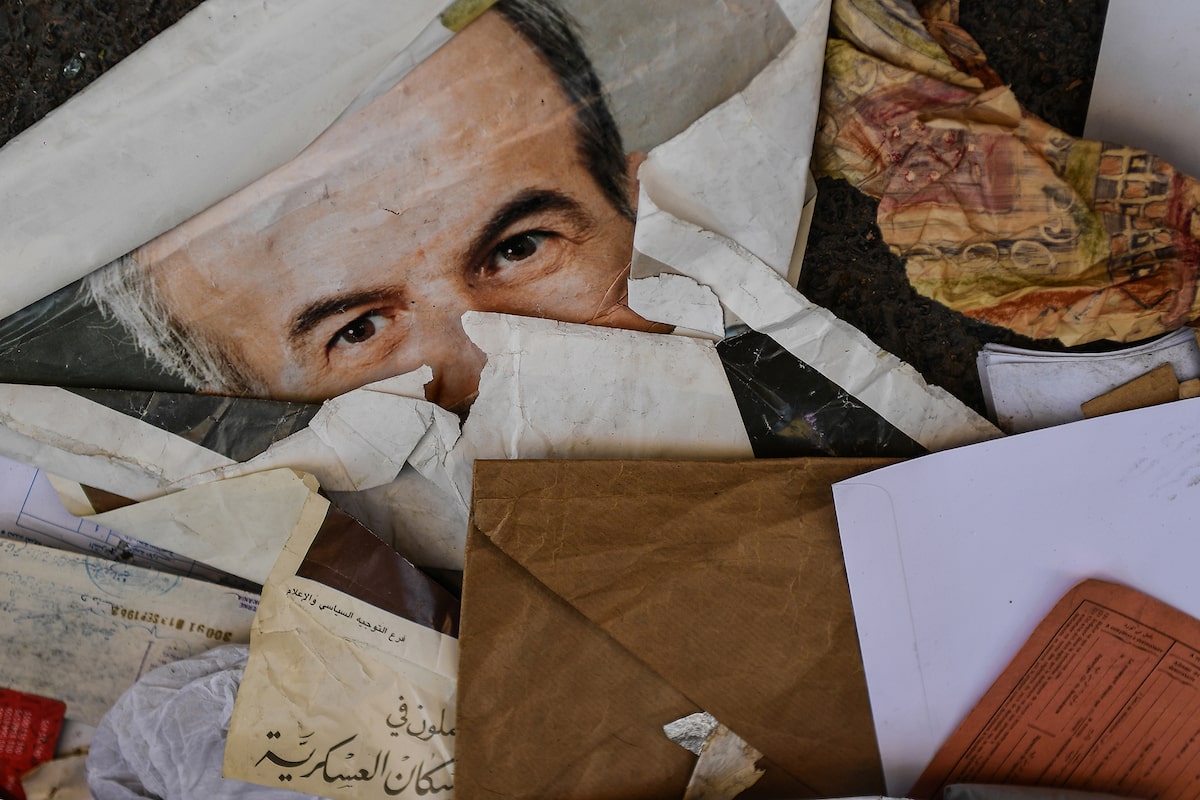
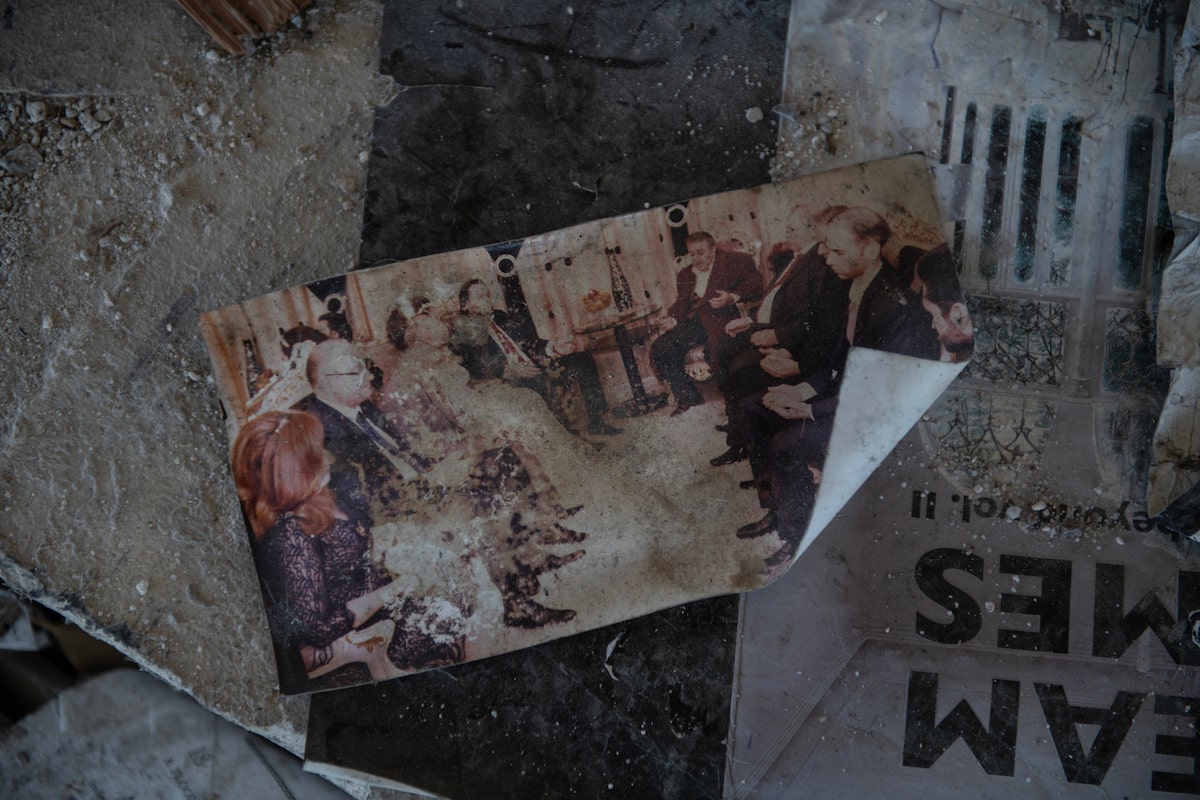
More than 10 months later, The Globe found evidence in the rubble of the lifestyle the Assad family enjoyed while their country was mired in poverty and war. One document showed a €1.3-million payment from the Assad family to Pierre Bergé, the late partner of Yves Saint Laurent, for 35 shares in a French investment vehicle. Other papers ignored by the looters included a business proposal to open a club in Dubai and a bill from a celebrity gynecologist in Beverly Hills.
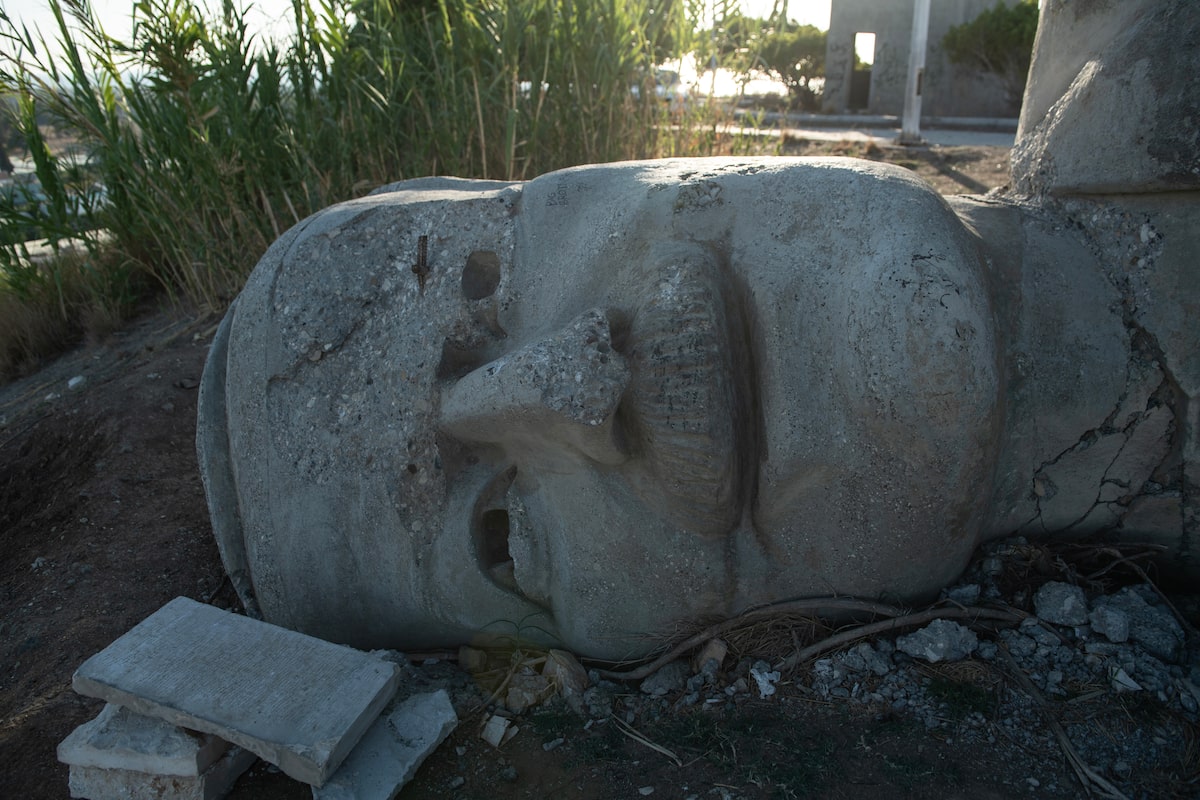
A short drive south from the White House, on a hill providing a vista of the entire coastal region, a massive statue of Hafez al-Assad lies on its side, his granite face still grinning grotesquely even as it lies partly buried in the hillside.
The day the statue was toppled should have been a victory for all of Syria’s people, but only one group claimed it. Halfway up the statue’s back, someone has spray-painted the words “Army of Islam.” On the plinth, someone has used green paint to declare “The Umayyads came here” – a reference to the seventh-century Sunni caliphate established after the death of the Prophet Mohammed.


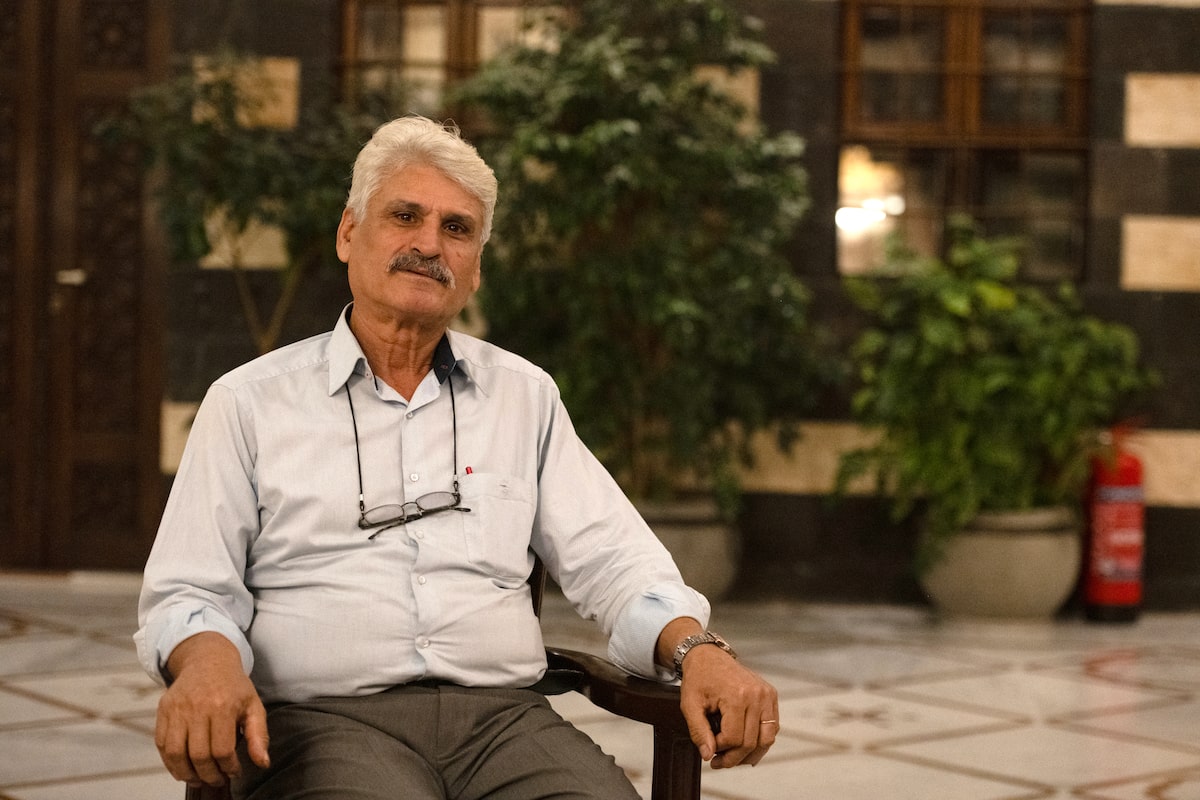
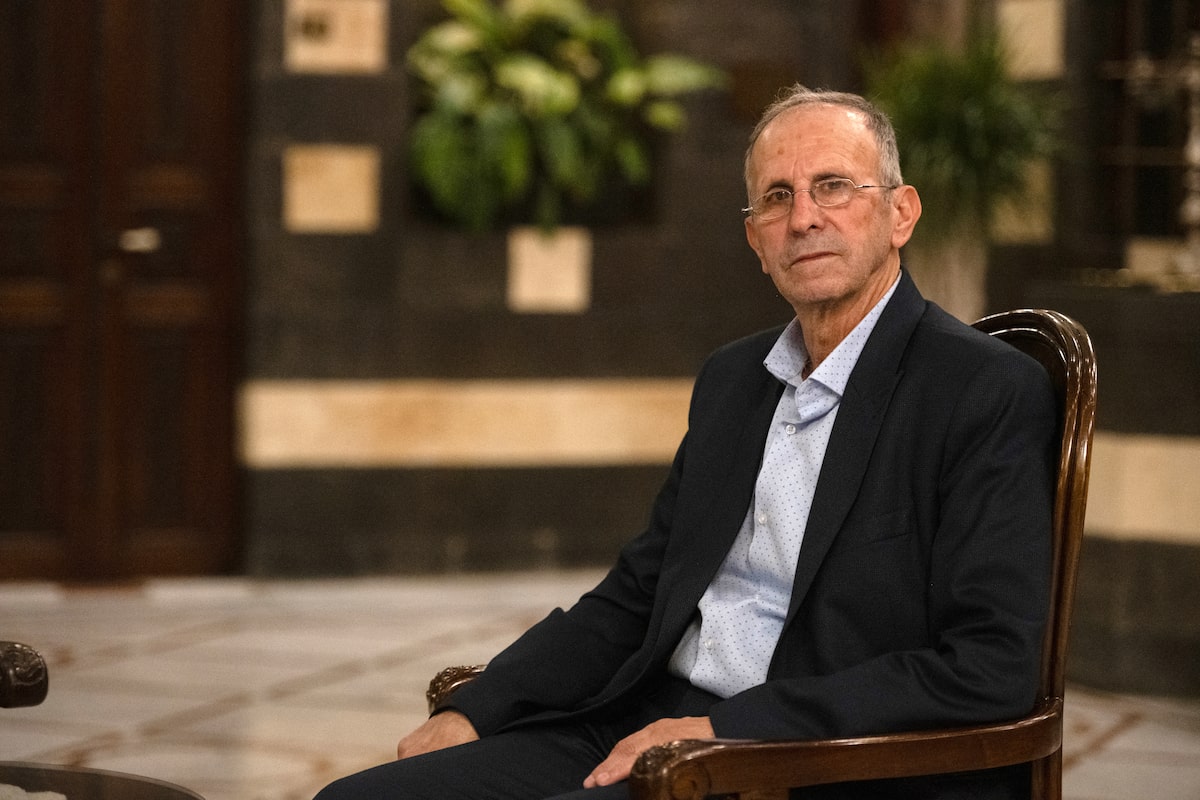
Despite hailing from different sects, Mahmoud Issa and Yousef al-Bunni have been fighting for change in Syria – often together, sometimes separately – since the 1980s. Each man spent more than a decade in jail for speaking out against the Assad regime.
For the first time in their many years as friends and political allies, the two men are in disagreement about what to do now. Mr. Issa, an Alawite, is disappointed and worried by the direction Syria has taken under Mr. al-Sharaa. He thinks Syrians need to stay in the streets to keep pressure on the new government.
Few agree. After a series of anti-government protests in the first months after Mr. al-Sharaa took power, the 62-year-old Mr. Issa says many activists have been scared off by what they see as government-sanctioned violence against the Alawites and Druze.
“I try to persuade my friends to go into the streets and to be brave. We were not cowards under Bashar al-Assad, so why now?”
Mr. al-Bunni, however, believes Syrians need to show more patience with their new government. As the manager of a clothing factory, what he wants to see more than anything else right now is a period of stability.
“We have to wait a bit. Maybe they will make some mistakes, but we cannot blame them for everything,” the 72-year-old Sunni businessman says of the new government.
“This is not the result we wanted when we started protesting against the Ba’ath Party, but this is the reality. We have to give them a chance and work with them, even if this regime is not the one we were dreaming of.”

Celine Kasem has lived most of her life outside Syria, including some time in Canada, but has returned with her own perspectives on how Syria can move forward.
Celine Kasem couldn’t get to Syria fast enough after the collapse of the regime last Dec. 8. Born in Saudi Arabia to Syrian parents, the 25-year-old human-rights activist grew up between the United States and Canada, and is a proud Canadian citizen. But in her heart, Syria always came first.
After 15 years away, she returned to Damascus six days after HTS entered Damascus and Mr. al-Assad and his family fled to Moscow. Ms. Kasem was enthralled, like most Syrians, by the changes taking place.
Soon afterward, she was offered what might in other circumstances have been a dream opportunity: a job at the country’s Ministry of Information, dealing with foreign journalists and acting as the English-language spokesperson for the new government.
Hiring Ms. Kasem – with her North American-accented English and social-media savvy – would have given Syria’s new rulers a very different look, at least in Western media. But Ms. Kasem decided to turn down the offer, at least for now, and instead, took a job as a journalist with a local affiliate of Al-Jazeera.
She admits she was worried about becoming the face of a government she couldn’t support. “I kind of decided to wait a little bit until things kind of pan out,” she said. “I don’t know if I want to burn myself at this stage.”
Ms. Kasem’s concern springs from what she calls the “revenge massacres” against the country’s Alawites and Druze. Herself a Christian, she says the enmity between minorities and the Sunni majority is another part of the awful legacy of the Assad years – something she predicted it would take the country “generations” to truly escape.
But she’s decided to stay, in part to make sure it wouldn’t only be religious men with guns who filled the vacuum created by the fall of the old regime. The good news, she said, is that Mr. al-Sharaa’s government wanted to hire someone like her, even if she wasn’t quite ready to accept.
“It’s going to take time,” she said. “But I do believe that slowly, they’re kind of realizing that they won’t be able to build a country by themselves.”

The new Syria: More from The Globe’s Mark MacKinnon
Syrians with close Canadian ties play outsized role in postwar government
For Syrians, the race to rebuild collides with efforts to unearth the human toll of the civil war
Crackdowns at the beach heighten women’s fears for their freedoms
Damascus rave offers a chance to unwind, but new regime ever present