
Syrians walk past one of Aleppo's destroyed structures near the northern city's historic citadel on Dec. 5, 2024.OMAR HAJ KADOUR/AFP/Getty Images
In recent years, Syria was the other war. Not quite forgotten, but rarely mentioned as the world’s attention shifted to Ukraine, Gaza and Lebanon.
Those more recent conflicts have now affected the 13-year-old struggle for Syria, distracting and weakening the allies of Syrian dictator Bashar al-Assad and creating a new opening for the hodgepodge of rebel and jihadist groups that were thought to have been defeated.
The front lines in the civil war – which began in 2011 when Mr. al-Assad’s forces launched a brutal crackdown on peaceful demonstrators – barely moved over the past eight years. Though opposition fighters still held sway in corners of the country, Mr. al-Assad had managed to cling to power in the centre thanks largely to his allies in Russia, Iran and Lebanon.
That outcome is suddenly in question, after a dramatic week and a half during which Syria’s rebels, led by a Turkish-backed jihadi group that once had ties to al-Qaeda, have captured hundreds of square kilometres of territory, including the country’s second-largest city, Aleppo.
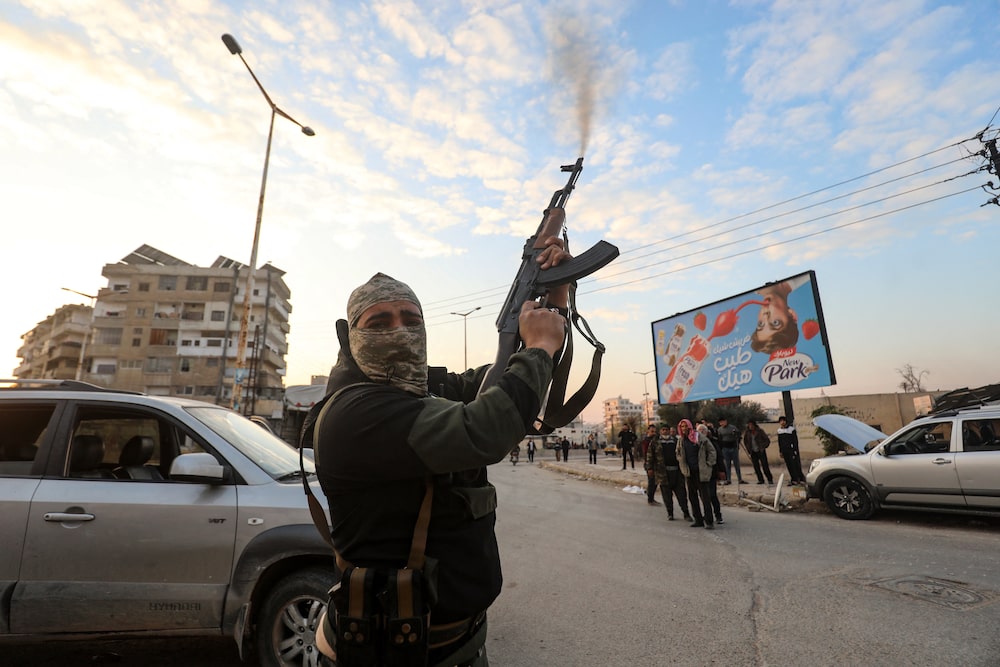
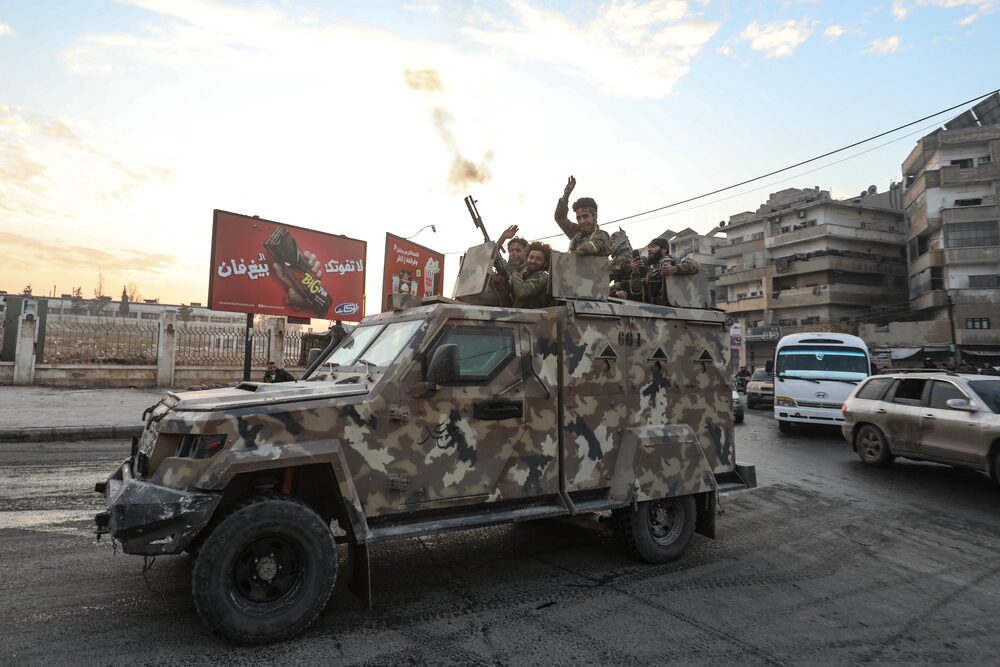
On Thursday, photographs and videos posted to social media suggested that fighters from the jihadi group Hayat Tahrir al-Sham had entered the city of Hama, a key crossroads on the road to Damascus, releasing hundreds of prisoners from the city’s main jail. In a statement, the Syrian military said its forces had withdrawn from the city “to preserve civilian lives and prevent urban combat.”
It’s the first time Hama has fallen outside of government control in a war the Syrian Observatory for Human Rights says has killed more than 500,000 people since 2011, while driving millions more from the country. The front line is now just over 200 kilometres from Damascus, half the distance it was at the start of the offensive.
Syria’s multisided war has been a proxy conflict from the start, and the sudden HTS gains are a result of shifts in the balance of power between Mr. al-Assad’s allies and foes.
Mr. al-Assad’s forces seemed on the brink of defeat a dozen years ago, until Iran and its proxies – most notably Lebanon’s Hezbollah militia – began wading deeper and deeper into the war on the side of the regime.

Russian President Vladimir Putin and Syrian President Bashar al-Assad shake hands during a meeting at the Kremlin in Moscow, March 15, 2023.SPUTNIK/Reuters
An even bigger turning point came in 2015 when Russian President Vladimir Putin deployed his air force to bolster Mr. al-Assad and defend Russia’s Cold War-era bases in Syria. Russian warplanes helped drive the rebels, who had nothing in the way of modern air defences, away from Damascus and Aleppo.
By the end of 2016, the predominantly Sunni Muslim rebels that had once seemed on the verge of ousting Mr. al-Assad were confined to the northwestern province of Idlib, under the umbrella of their nearby Turkish patrons. Turkey’s military maintains outposts inside the Syrian region. There, HTS – which was previously known as the al-Nusra Front and remains listed as a terrorist group by Canada, the U.S. and most Western countries – reportedly adopted more moderate positions as it became the de facto government for the five million people living in the region, many of whom are refugees from other parts of Syria.
Separately, Kurdish forces – who had come to fear Turkey and its Syrian allies almost as much as the regime – held the east of the country, protected by the Euphrates River and the U.S. Air Force.
Front lines that had appeared frozen since that time actually began to thaw in 2022, when Russia launched its invasion of Ukraine. That war, which was supposed to result in a rapid conquest, has instead turned into a grinding conflict that has required nearly all of the Russian military’s attention. As soon as it became clear that Ukraine’s resistance far exceeded what the Kremlin had been expecting, Russia began redeploying some of its best generals, troops and military equipment from Syria to Ukraine.
Then came the Oct. 7, 2023, attack on Israel by Hamas, a Gaza-based militant group and Iranian ally. That attack was followed a day later by Hezbollah opening a second front against Israel.
Fourteen months later, Iran’s treasured “axis of resistance” – a network of proxy forces around the Middle East – is in tatters. Much of Hezbollah’s leadership was wiped out this fall in a series of Israeli assassinations. After losing thousands of fighters in battle since September, when Israel launched an invasion of its stronghold in southern Lebanon – and with a Nov. 27 ceasefire on the verge of collapsing back into all-out war – Hezbollah doesn’t have the capacity to fight in Syria too. (HTS appears to have timed the start of its offensive with the declaration of the ceasefire in Lebanon, likely so that it couldn’t be accused of aiding Israel by creating a new front for Hezbollah and Iran to worry about.)
Iran, which has also exchanged long-range attacks with Israel over the past year and is bracing for the return of U.S. president-elect Donald Trump to the White House, is much more distracted than it was a decade ago when it first intervened on Mr. al-Assad’s behalf.
“Iran’s strategic position in the region was already deteriorating; the rebel attack on Aleppo and the apparent renewed threat to the Assad regime put it further in jeopardy,” Middle East expert Steven A. Cook wrote this week in a brief for the New York-based Council on Foreign Relations.
The other key players in the war are Turkey and the U.S., two NATO allies with very different visions for Syria. While Turkish President Recep Tayyip Erdogan appears to have given his blessing to the HTS offensive, the U.S. has serious qualms about the possibility of Islamic extremists taking power in Damascus and gaining a border with Israel.
The roughly 900 U.S. troops in Syria have largely focused on protecting the Kurdish region in the east of the country, and combatting the remnants of the so-called Islamic State that a decade ago captured swaths of eastern Syria and western Iraq.
There are questions about whether the U.S. will remain in Syria after Mr. Trump returns to office in January. Mr. Trump abruptly withdrew the majority of U.S. troops from the country in 2018, during his first stint in the White House, and has vowed to bring an end to U.S. involvement in foreign wars.
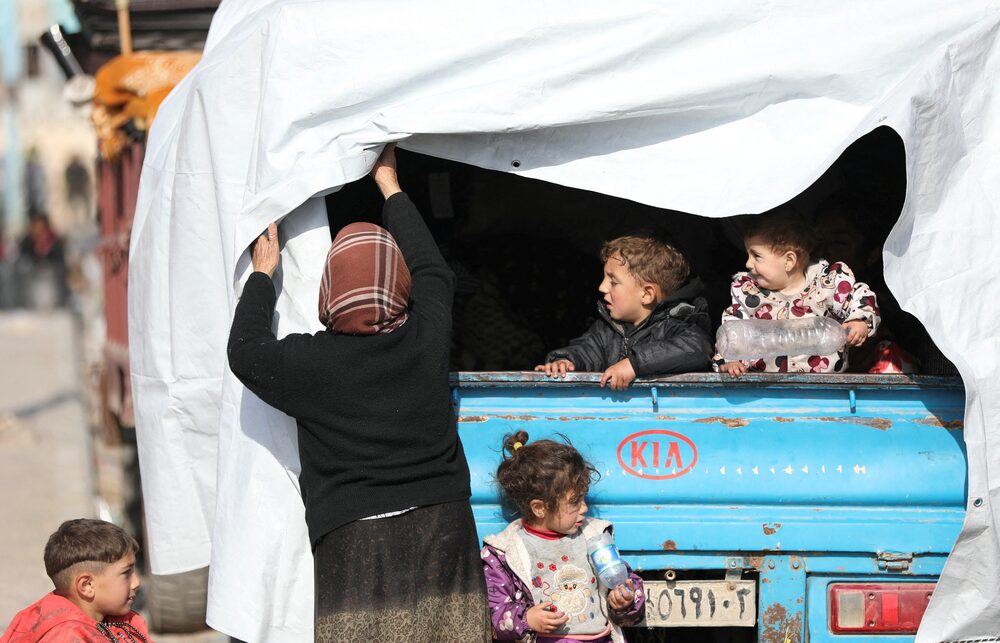
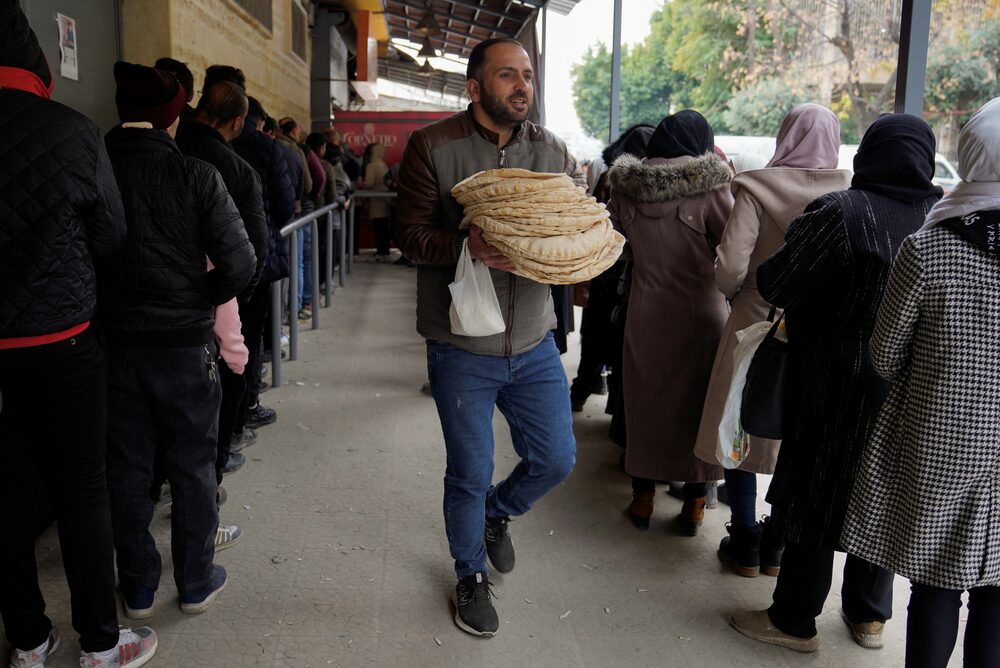
Such debates feel remote to many Syrians. For now, they’re just hoping to survive the latest escalation in a seemingly unending war.
Bahia Mardini, a Syrian journalist and human-rights activist now living in exile in Britain, said she had been receiving “continuous appeals from civilians to protect them” as Russian and regime warplanes pounded the rebel-held cities of Aleppo and Idlib in response to the rebel offensive. She said residents were facing severe shortages of bread and clean water, and the White Helmets rescue group posted footage Thursday of the aftermath of an air strike on Aleppo’s main hospital.
“The factions’ attacks were an attempt to impose a new reality and change the balances on the ground and change the areas of control,” Ms. Mardini said. “I fear the shedding of more blood.”