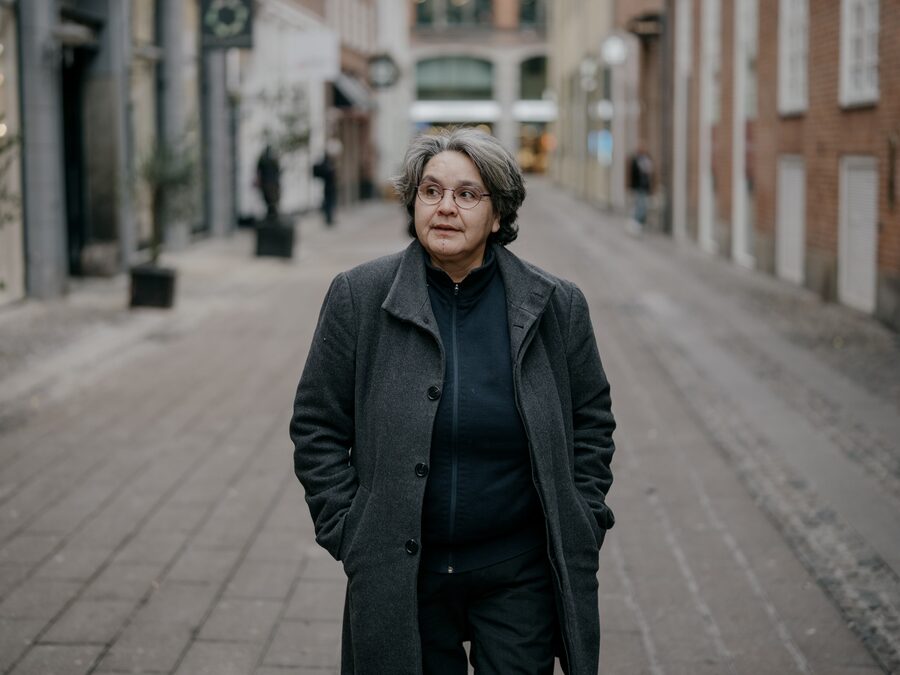
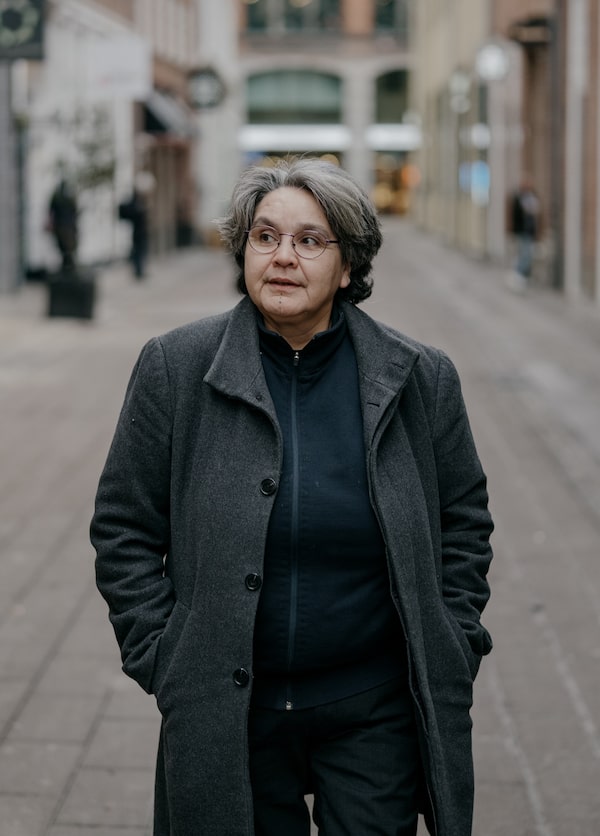
Liina Clasen scowled and practically spat out the words when she described the bitterness she feels as a Greenlander toward Denmark, which has ruled the ice-covered island for centuries.
Ms. Clasen was born and raised in Greenland but has spent much of the past 40 years living in Copenhagen and other parts of Denmark, working as a seamstress.
She’s never felt part of Danish society and bristles at the stereotypes she says many Danes have about Greenlanders as drunken layabouts.
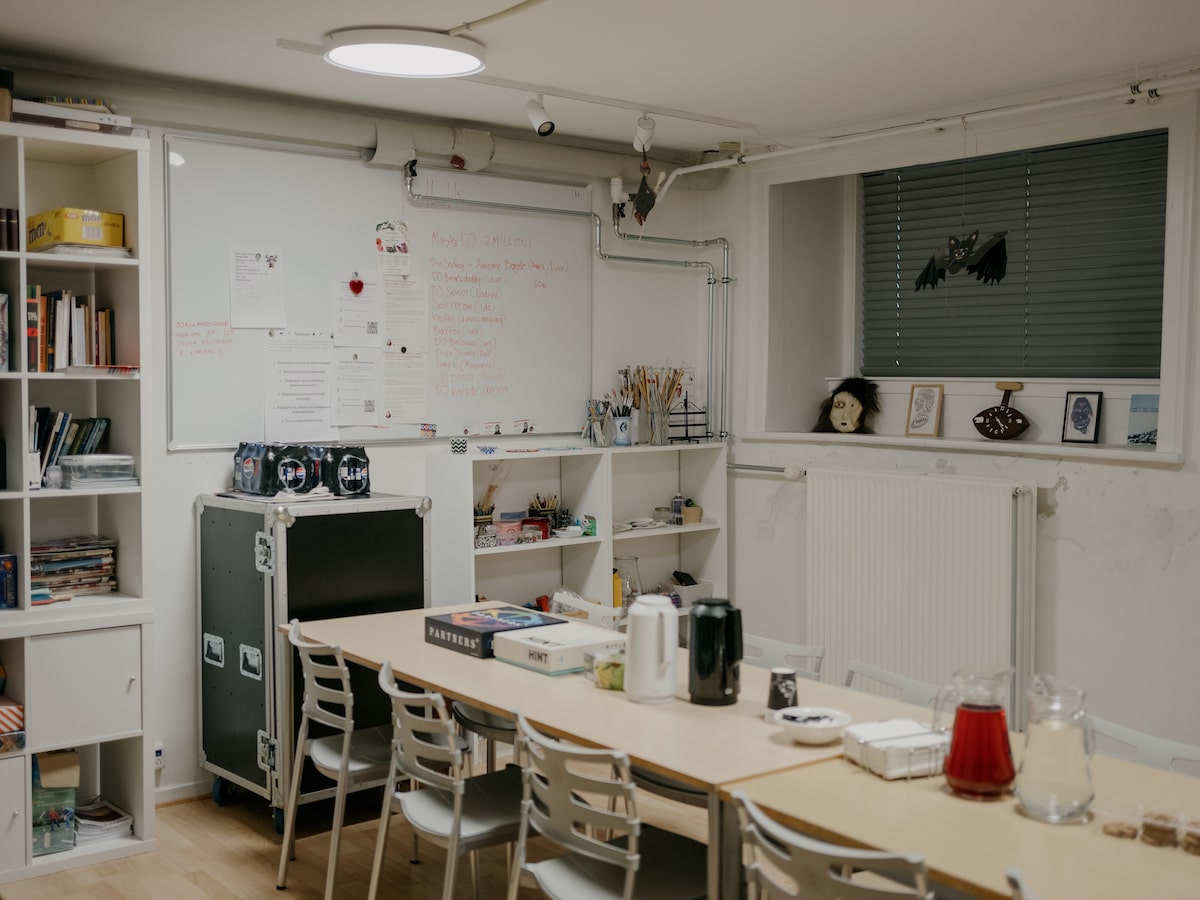
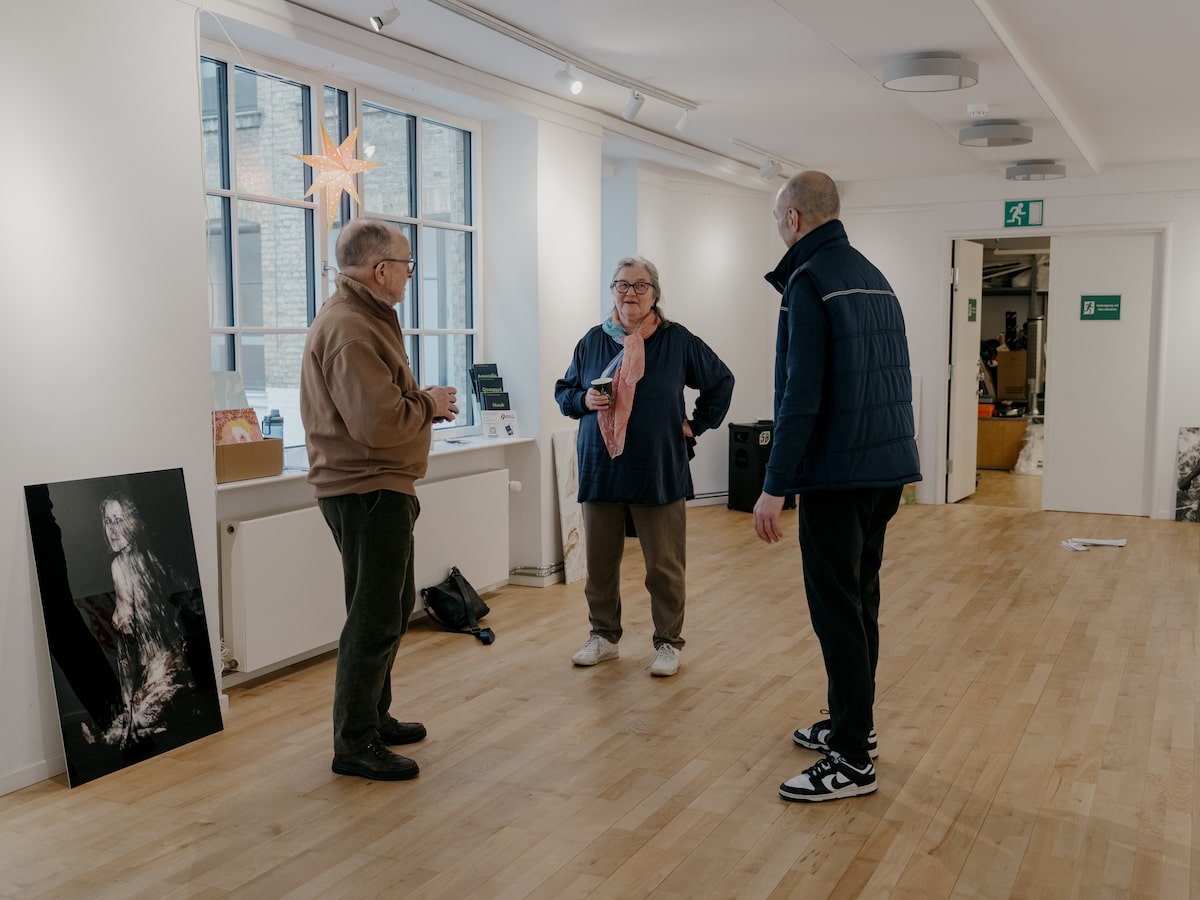
“We are the lowest part of the society, totally, the bottom of the bottom. Nobody notices Greenlandic people here,” Ms. Clasen said, sipping coffee in Greenlandic House, a cultural centre in central Copenhagen.
Her answer to U.S. President Donald Trump’s quest to take over Greenland – why not?
“The Danish government is not protecting us in any way. They are destroying us. So why not try it?” she said with a shrug.
Ms. Clasen’s views are typical of how most Greenlanders view Denmark and how they chafe under Copenhagen’s rule.
At the same time, many Danes feel largely indifferent about their distant countrymen and some resent the huge sums of tax dollars needed to support Greenlanders who have been given substantial autonomy.
As leaders from Denmark and Greenland confront Mr. Trump and his rapacious desire to buy the island or take it by force, they also have to address difficult questions at home about Greenland’s place in an increasingly fractured realm.
Opinion polls show overwhelming support in Denmark for Greenland to decide its own future, and clear opposition to Mr. Trump’s bid to annex the autonomous territory. But many Danes acknowledge that before Mr. Trump’s outbursts, they rarely gave Greenland much thought.
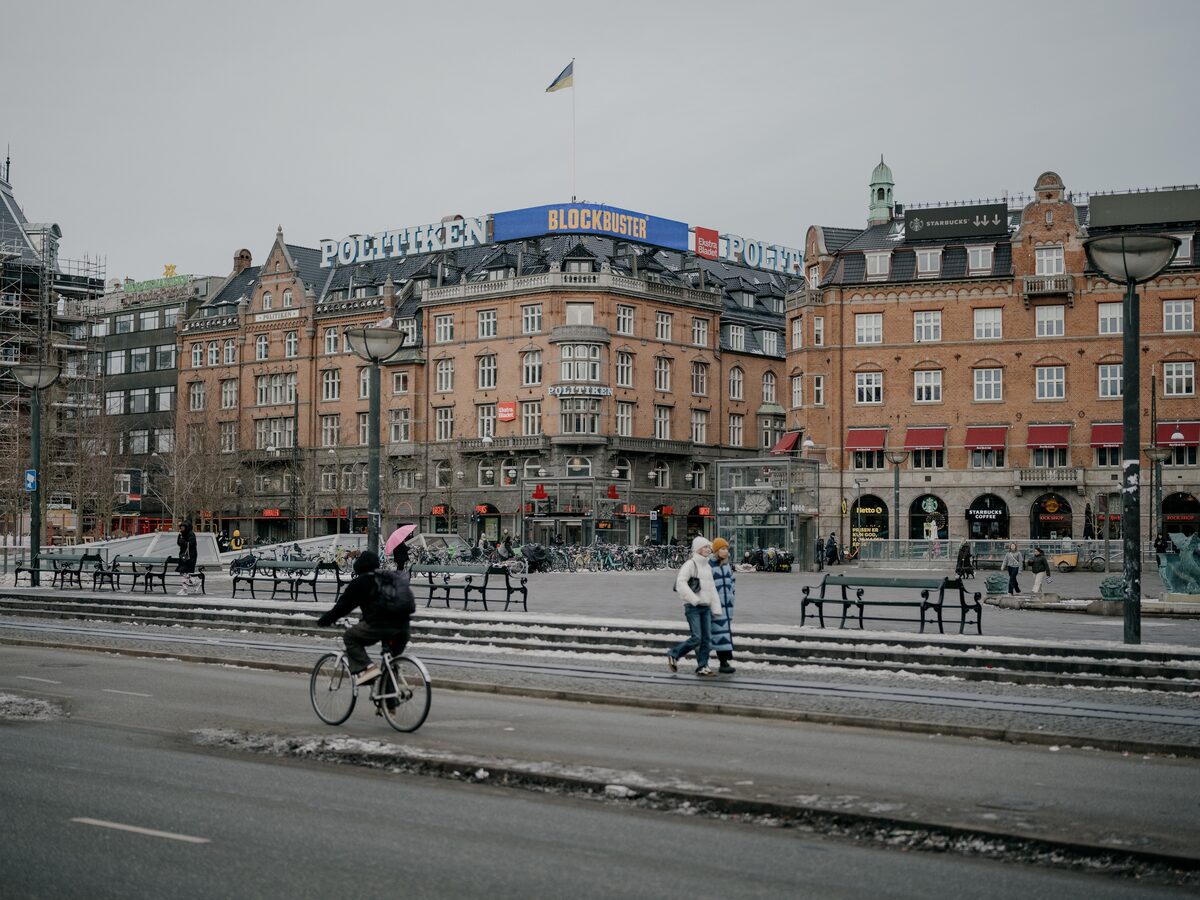
“For me and most people I know, Greenland has been, until Trump, a non-topic. Nobody ever thinks about it,” said Morten Høi Jensen, a Danish author who has written about Denmark’s long indifference toward Greenland. Like most Danes, Mr. Jensen grew up knowing next to nothing about Greenland. He’s never visited the island and wasn’t taught much about Greenland’s history or culture in school. “I grew up with the stereotypical attitude of Greenlanders sitting on a bench with a bottle. And our curiosity never really goes beyond that,” he said. “From my perspective, Danes have betrayed Greenland by not taking any kind of interest in it.”
He views the outrage from Danish politicians who rail against Mr. Trump and his threats as somewhat “hollow.”
“It’s not that they really care about Greenland. It’s that this concern for Greenland now is hollow, that it really has more to do with a sense of national pride and betrayal,” he said. “Greenland has been taking steps for years to go in a separate way, and nobody has cared here.”

Morten Høi Jensen sees Denmark's current concern for Greenland as 'hollow' and too little, too late.
Conservative MP Rasmus Jarlov rejects the notion that Danes don’t care about Greenland or its future.
“I think it’s pretty clear from all the polls that Danes appreciate the union,” Mr. Jarlov said in an interview in his parliamentary office. “Why would anyone think that the Americans would be better partners for Greenland than Denmark, which has six-and-a-half centuries of history together.”
He accepted that Denmark’s colonization and rapid push to modernize Greenland in the early part of the 20th century left many Greenlanders without a sense of identity. “There are a lot of tough words being said sometimes, but I still have to emphasize that they’re part of Denmark voluntarily, because they have had the option of leaving for a long time and they have not even requested it.”

Rasmus Jarlov is chair of Denmark's parliamentary defence committee. Questions of Danish sovereignty now weigh heavily as the country addresses Mr. Trump's threats.
The connections between the island and Denmark run deep. They share the same currency, social system and language – Greenlanders speak Danish and Greenlandic. The island is home to 57,000 residents and another 15,000 Greenlanders live in Denmark.
The Danish government provides roughly half of the territory’s US$1.5-billion annual budget and covers the cost of running prisons, police, health care and other services. It has also set out a clear process for Greenland to gain independence. “Obviously, Denmark is a much better partner for the Greenlanders to develop their country, and it’s certainly their only hope of independence,” said Mr. Jarlov.
On Tuesday, Greenland’s Prime Minister, Jens-Frederik Nielsen, made it clear that his choice was Denmark. “If we choose between the USA and Denmark here and now, we choose Denmark, NATO and the EU,” he told reporters during a news conference in Copenhagen.

The prime ministers of Greenland and Denmark, Jens-Frederik Nielsen and Mette Frederiksen, have signalled that they plan to keep their territories together.Liselotte Sabroe/Ritzau Scanpix via AP
Out on Copenhagen’s streets, Jorgen Boassen has been making the opposite argument: that Greenlanders should consider Mr. Trump’s offer.
Mr. Boassen, a bricklayer from Nuuk, is one of Mr. Trump’s biggest supporters in Greenland and he’s become something of a MAGA spokesman for his homeland. He spends most of his time in Copenhagen with his former partner and their daughter, but he wants to run for office in Greenland and pursue his vision of bringing the territory closer to the United States.
“Of course we want to be independent, but I think it’s too late to see what we can do. Trump has decided to take it the easy way or the hard way,” he said.

Jorgen Boassen is trying to change minds in Christianshavns Torv. His ‘American Badass’ T-shirt shows Mr. Trump’s defiant gesture after one of last year’s assassination attempts.
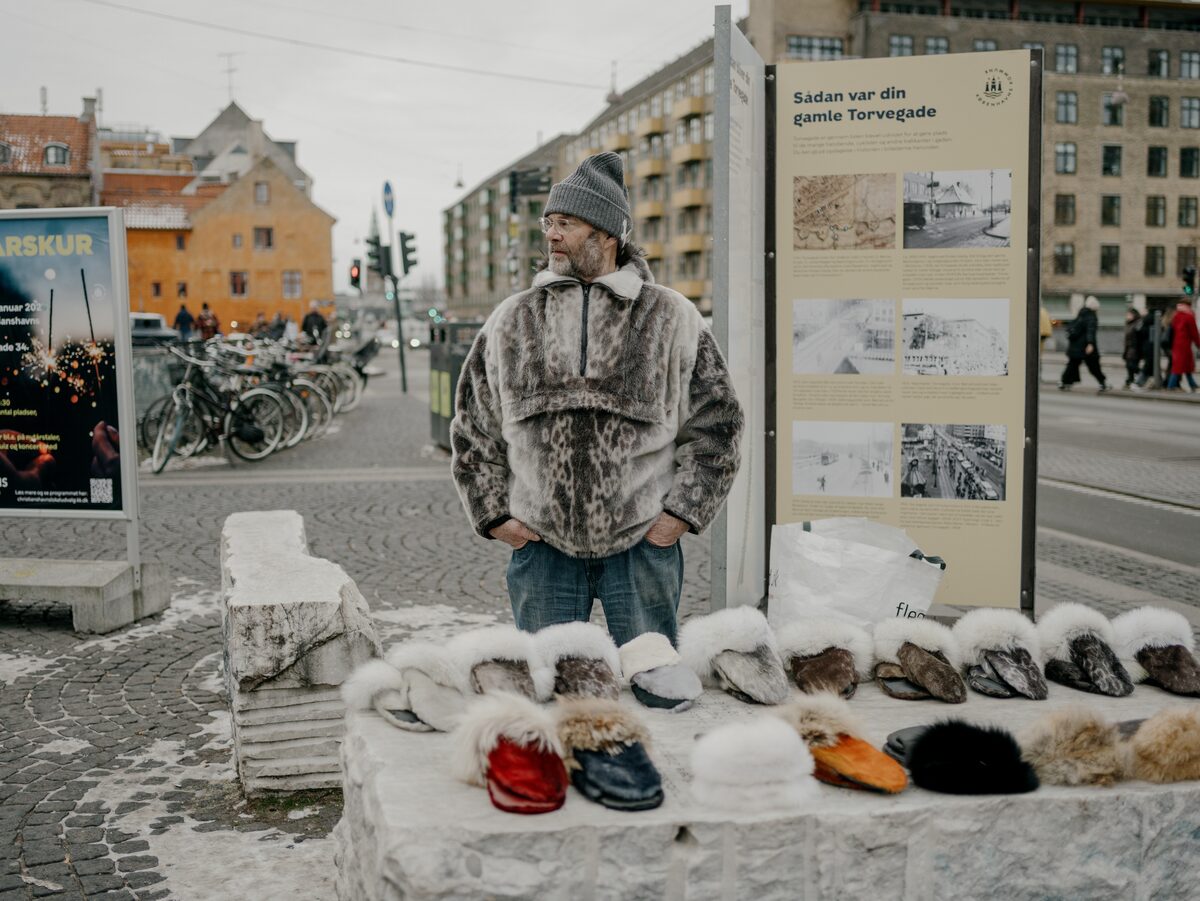
On a cold Monday afternoon, Mr. Boassen, 51, took his pitch to a group of Greenlanders huddled in Christianshavns Torv, a square near Copenhagen’s hippie district of Christiania. It’s a popular hangout for Greenlanders, and despite the frigid temperature, several men and women were sitting on benches drinking cans of beer. One man dressed in a fur coat was selling sealskin mittens and gloves from a small table he’d set up next to a statue depicting Inuit hunters.
Mr. Boassen began talking up Mr. Trump’s plans. “Don’t let the Danish elite dominate Greenland any more,” he told a handful of onlookers. “Make them recognize we are a people and America and Greenland should work together.” A couple of men sitting on benches nodded in agreement but the man selling fur mittens wanted nothing to do with Mr. Trump.
Mr. Boassen wasn’t deterred. He’s convinced that Greenlanders will be better off with the U.S. as a partner rather than Denmark. “We are not protected as a minority, as Indigenous people,” he said.
Would Mr. Trump do better? “I think so. I hope so.”
Back at Greenlandic House, Anne-Marie Giedde Olsen, an art historian who was born on the island, recoiled in horror at the suggestion that the U.S. should take over Greenland. “No, no, no, no, no, no, not at all. And all my family says No,” said Ms. Olsen, who has lived in Copenhagen for years. “We belong to Denmark.”
Trump’s new world order: More from The Globe and Mail

OLIVIER MORIN/AFP via Getty Images
The Arctic and Canada
For Canadian Rangers in the Arctic, help is far away – and talk of a Golden Dome even more so
After decades of stalling, projects in Canada’s North gain momentum as part of defence push
Ottawa aims to improve Arctic communications with new defence agency’s first procurement
Record Arctic warmth meets retreating climate action, leaving the North exposed
The Decibel podcast
Donald Trump’s rhetoric on Greenland, like his actions in Venezuela, fit into a larger plan for U.S. dominance that his administration laid out last year. Vincent Rigby, a former Canadian national security adviser, spoke with The Decibel about this Monroe Doctrine 2.0. Subscribe for more episodes.