
A displaced woman who fled El Fasher following the city's fall to the Rapid Support Forces rests in Tawila, in war-torn Sudan's western Darfur region.-/AFP/Getty Images
After a week of horrific atrocities in Darfur, political pressure is mounting on the United Arab Emirates to halt its arms sales to the Sudanese militia that has videotaped its own massacres of civilians in the besieged city of El Fasher.
The videos, now verified by a wide range of independent experts, show fighters of the Rapid Support Forces calmly gunning down hundreds of people in the city, including hospital patients and fleeing refugees, in close-range executions.
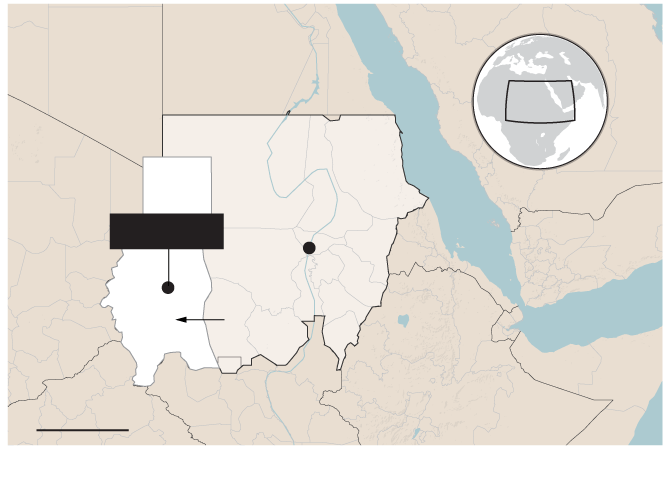
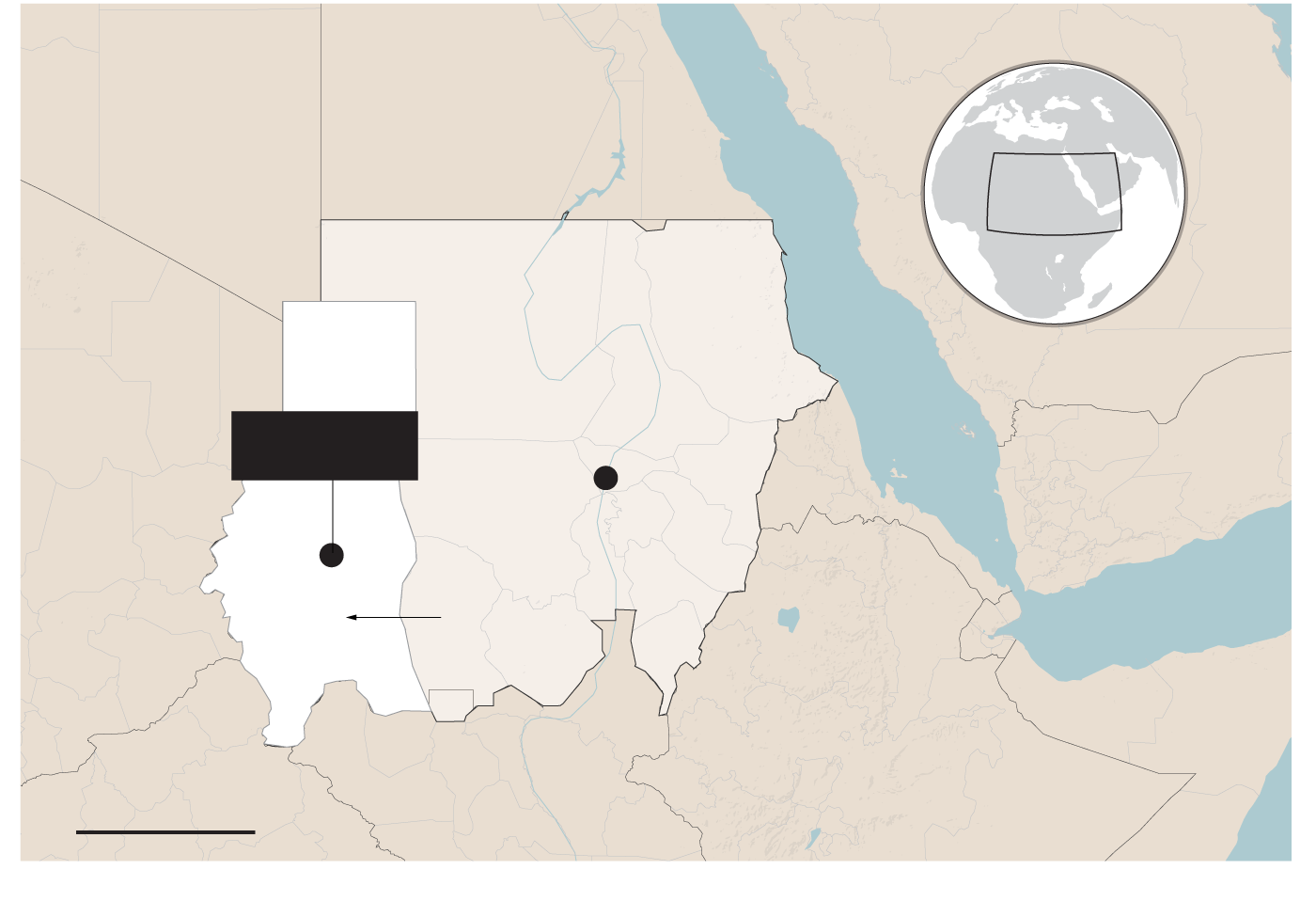
The Sudan War Monitor, a group of independent researchers, estimates that at least 3,000 people were killed in the first four days after the RSF captured El Fasher, the capital of North Darfur. It is the latest grim chapter in the 30-month-old Sudan war, which has triggered famine and forced 12 million people to flee from the fighting between the RSF and its former ally, the Sudanese army.
Here’s what you need to know about the war in Sudan, including how the conflict started, and its human toll so far.
The UAE government has repeatedly denied that it is supplying weapons to the RSF, but a growing number of politicians, humanitarian agencies, expert analysts and human-rights groups – along with the Sudan government itself – have identified the wealthy Gulf country as the main supplier of weapons and money to the powerful militia that now controls almost all of Darfur.
In a sign of the rising backlash against Abu Dhabi, a bipartisan group of U.S. senators issued a statement on Friday citing the UAE as one of the foreign backers that have “fuelled and profited from the conflict and legitimized the monsters destroying Sudan.”
The senators included Jim Risch, a Republican who heads the Senate foreign relations committee, and Jeanne Shaheen, a Democrat who is the ranking member of the committee, along with four other senators from both parties. In addition to the Emirates, they also cited Russia and Iran, which have supplied arms to the Sudanese military, and China, which has produced weapons in the arsenals of both sides.
Canadians say relatives in Sudan receiving visas after massacres
Analysts see the UAE as the weapons supplier most likely to be vulnerable to international pressure, since it is heavily reliant on Western arms and has sought to polish its global image with high-profile sporting events and concerts. The United States alone has sold billions of dollars in weapons to the Emirates in recent years.
Many other U.S. lawmakers have focused on the UAE this week. “Why is the U.S. allowing the UAE – which we fund militarily – to help the brutal RSF engage in mass atrocity?” asked Chris Murphy, a Democrat senator, in a social-media post.
Some, including Gregory Meeks, the top Democrat on the House of Representatives foreign affairs committee, are vowing to block any U.S. arms sales to the UAE if it continues to support the RSF. Sara Jacobs, a Democrat on the committee, said in a post this week: “The UAE needs to cease their support NOW.”

A still from video footage released on the RSF's Telegram account on Oct. 26, showing RSF fighters holding weapons and celebrating in the streets of El Fasher.-/AFP/Getty Images
Jeremy Konyndyk, president of Refugees International, a leading U.S.-based humanitarian agency, notes that the UAE is a key sponsor of the Tour de France, National Basketball Association tournaments, music concerts and many other sports and cultural events. “The strongest point of leverage that Washington or anyone has is to puncture that public image,” he told an online media briefing this week.
Refugees International, along with other civil-society groups, has called for the NBA to suspend its partnership with the UAE. “The UAE cares immensely about how it curates its global reputation,” Mr. Konyndyk said. “The double game the UAE is playing is to project that public image while, out of public view, providing arms to this genocidal paramilitary group.”
U.S. President Donald Trump, however, has shown no interest in putting pressure on the Gulf country. “Unlimited cash,” he said, smiling broadly, as he shook hands with a senior UAE politician, Sheik Mansour bin Zayed Al Nahyan, at a summit earlier this month.
In Canada, politicians such as Heather McPherson of the NDP and some civil-society groups have urged Canada to halt any arms exports to the UAE that could be shipped onward to the RSF.

LIBYA
EGYPT
SUDAN
Red
Sea
Khartoum
El Fasher
CHAD
Darfur
Region
ETHIOPIA
S. SUDAN
500 km
the globe and mail, Source: openstreetmap
LIBYA
EGYPT
SUDAN
Red
Sea
Khartoum
El Fasher
CHAD
Darfur
Region
ETHIOPIA
S. SUDAN
500 km
the globe and mail, Source: openstreetmap
LIBYA
EGYPT
SUDAN
Red
Sea
Khartoum
El Fasher
CHAD
Darfur
Region
ETHIOPIA
S. SUDAN
500 km
the globe and mail, Source: openstreetmap
They noted that The Globe and Mail, in an August report, had documented evidence that armoured vehicles from a Canadian-owned company, Streit Group, have been deployed by the RSF in its siege of El Fasher this year. Streit Group, which has a large factory in the UAE, has not responded to The Globe’s requests for comment.
Last year, Canada issued 12 export permits for a total of $7-million in military-related exports to the UAE, according to a federal government report.
“Canada continues to sell arms to the UAE despite its clear role as a facilitator of genocide in Sudan,” said Michael Bueckert, acting president of Canadians for Justice and Peace in the Middle East. “The discovery of Canadian armoured vehicles in the hands of the RSF in El Fasher, only months before the latest massacre, should raise alarm bells for this government and prompt immediate action.”
Foreign Affairs Minister Anita Anand, asked by a journalist on Thursday about the risk of Canadian weapons ending up in Sudan through the UAE, said Canada’s arms exports are tightly regulated. “Any violation of that statute is closely monitored and enforced,” she said.