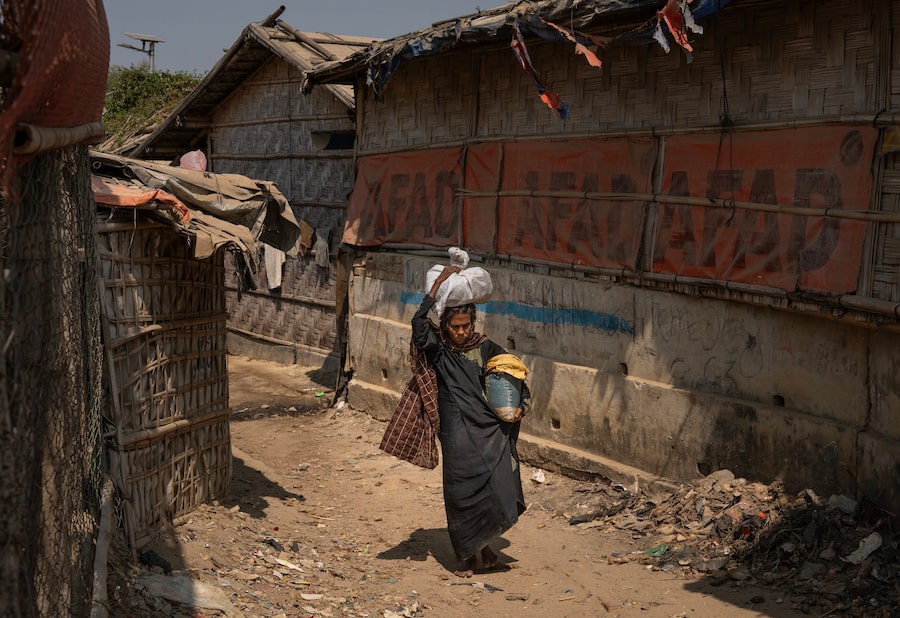
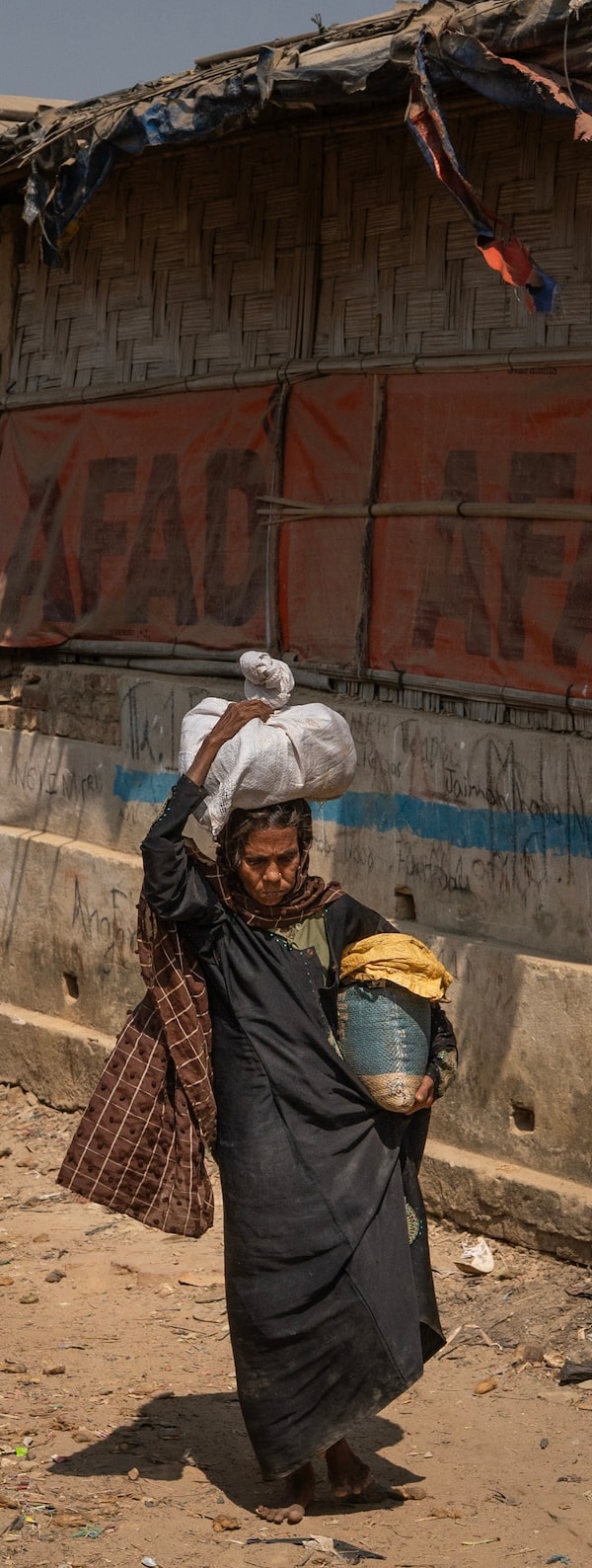
This year has seen historic elections in both Myanmar and Bangladesh, but neither will affect the fate of the hundreds of thousands of Rohingya refugees living along their shared border more than the vote that brought Donald Trump back to the White House.
Last year, Mr. Trump shuttered the U.S. Agency for International Development (USAID), claiming it was wasteful, despite the fact Washington was only spending about 1 per cent of its budget on foreign aid. (For all of 2024, USAID had a budget of about US$35-billion; by way of comparison, the first six days of the war in Iran cost the U.S. more than US$11-billion.)
The U.S. has also cut funding to United Nations programs and to Rohingya-specific relief efforts, though the State Department did allocate US$73-million to the World Food Programme (WFP) last year for Rohingya refugees.
That will not be enough. Last year, the UN only received about 37 per cent of the funding needed for programs in Rohingya camps. As of March, the 2026 appeal stands at 18 per cent, with the bulk of funding coming from Canada and the European Union − none of it from the U.S.
“If we were doing a worse job, you’d see the true effect of these cuts more,” said one senior international aid worker, whom The Globe and Mail is not identifying because they were not authorized to speak publicly.
Rather than let refugees go without food, agencies have instead slashed staffing, they said, refocusing on vital services and cutting “everything that gives people even the tiniest bit of dignity.”
The first thing to go was trash pickup in the camps. Refuse once collected by various international NGOs now litters streets and clogs up waterways. While some is burned, huge piles of stinking waste can be found throughout the camps, awaiting a pickup that could be days or even weeks away.
After the trash, it was the schools. In the past year, UNICEF alone has shuttered thousands of schools. Many other educational charities have stopped operations completely, laying off hundreds of teachers and leaving hundreds of thousands of children without access to an education. More than half of the total Rohingya refugee population is under 18, children who now mill around during the day with nowhere to go and little to do.
The loss of such services is doubly painful because most of those employed to provide those services were themselves refugees. “Many of our brothers and sisters working for NGOs lost their jobs,” said Amoinar Rashid, who lives in refugee Camp 9. “Now they are not able to support their families.”
That was last year. This year is likely to be far worse, with the United Nations Refugee Agency and the WFP both warning of further cuts, including to food provision, which refugees interviewed by The Globe said was already being limited. “In 2025, it was somehow manageable but getting worse,” said Camp 13 resident Mohammed Hubaib. “Already in 2026, a lot has changed.”


Rashida Begum has been at Camp 15 for nine years, and says the quantity and quality of food has gone down in the past year.
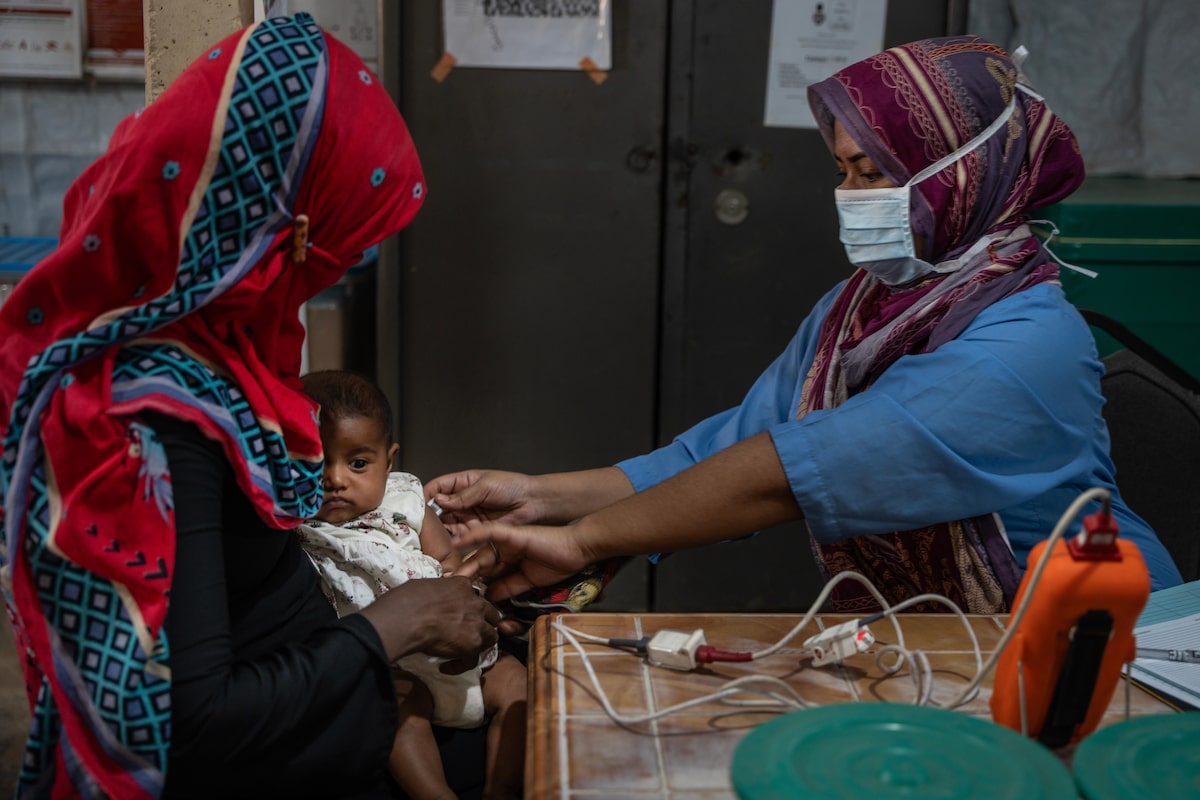
Speaking to The Globe at a local clinic, new mother Rashida Begum said there has been a notable decrease in the amount and type of food provided in the past year. “It has gotten a lot less, and it often arrives in damaged or opened packages,” she said.
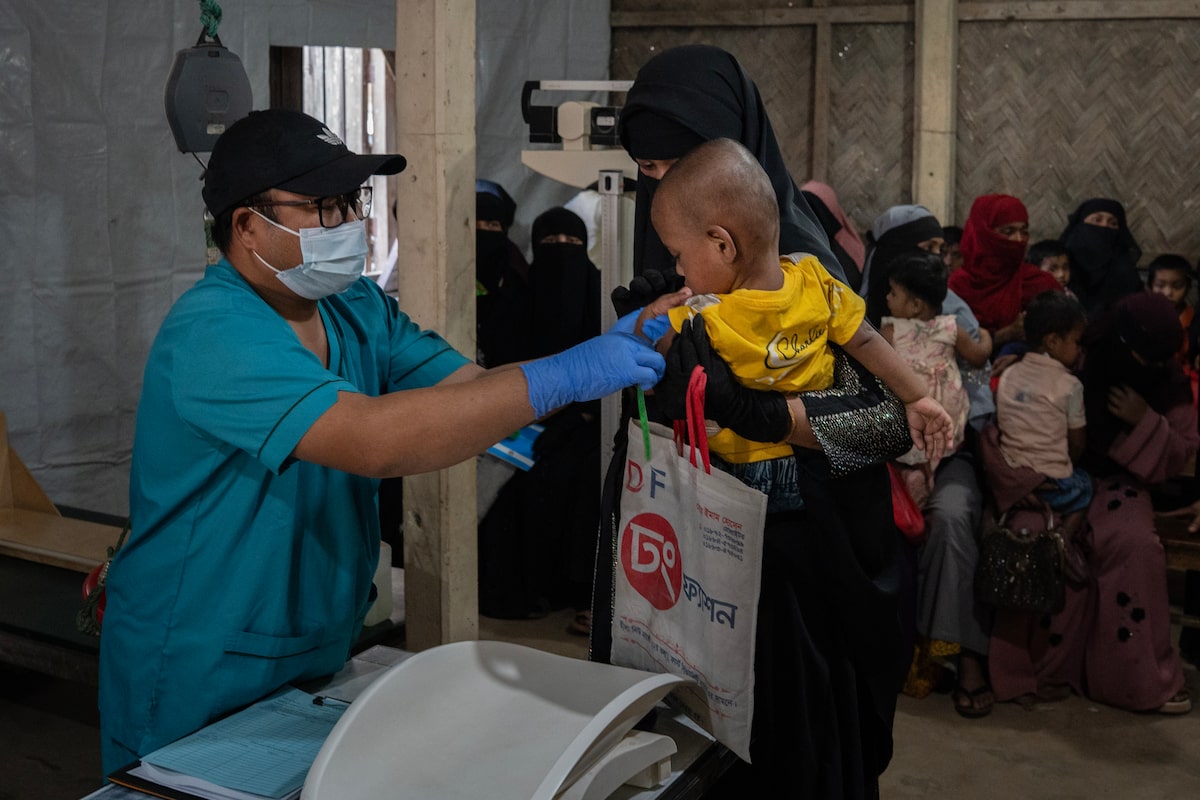
Medical services have also been cut, with many smaller camp clinics closing down entirely, forcing patients to seek help at larger NGO hospitals or from untrained, unlicensed quack doctors offering medicine for a fee.
“Primary health care facilities have suffered a lot as a result of the funding cuts,” said Nadim Shaharigar, deputy director of a Médecins Sans Frontières hospital in Kutupalong serving Rohingya refugees. “Since 2024, many are very much understaffed, so this forces people to rely on MSF.”
In the contained environment of the refugee camps, even small changes can create dangerous feedback loops.
Trash piling up spreads infection, putting more pressure on primary health care facilities, which in turn divert patients to hospitals, which become overstretched and over budget, resulting in further cuts.
The loss of jobs and education could have even direr results that will be felt beyond the borders of the camps themselves.

International attention first focused on the Rohingya in the 2010s after thousands of refugees took to the sea in rickety boats, many drowning or needing to be rescued as they tried to make it to safety in Thailand or Malaysia. Only Bangladesh’s generosity in hosting hundreds of thousands of refugees stopped the flow. But that was never supposed to be a permanent solution, and even before the cuts, as the years have dragged on and the Rohingya have not been able to return to war-racked Myanmar, many have looked to move elsewhere by any means necessary.
“People are thinking about their future, where they can go to find assistance,” said Camp 13 resident Bul Bul Akter. “They’re already taking risky action, going to different countries.”
What is currently a trickle could turn into a flood if the relative stability of the camps devolves once again into violence and intimidation. Armed groups operating in the camps and across the border in Myanmar have been accused of forcibly recruiting young men and extorting and kidnapping refugees for funds. Young girls have been sold or forced into marriage, making a mockery of the signs erected by international NGOs vowing an end to gender-based violence.
Crime has increased in recent months, as have random acts of violence − including arson, a terrifying prospect for people living in crowded, temporary wooden shelters. “During the night we have a great fear of fire,” Ms. Begum said. “I’m scared all the time. I can’t sleep.”
And even as the situation in the camps worsens, the war and military rule in Myanmar means the flow of refugees continues. Some 100,000 new asylum seekers made it to the camps last year. “The new arrivals don’t have shelters, they have to pay rent,” Mr. Hubaib said. “The situation is getting worse for them fast, as they sell all their belongings and run out of money. Many may not survive.”

Asia in focus: More from The Globe and Mail
The Decibel podcast
War between Iran, the United States and Israel has hit especially hard in Asia, which depends on energy from the Gulf states. James Griffiths spoke with The Decibel about what that means and why China has found itself on the sidelines of this conflict. Subscribe for more episodes.
More from James Griffiths
Can Bangladesh make the July revolution stick?
New Delhi’s ‘strategic autonomy’ in doubt after U.S. sinks Iranian ship in Indian Ocean
China’s Gen Z opts for Sunday coffee raves instead of nightclubs