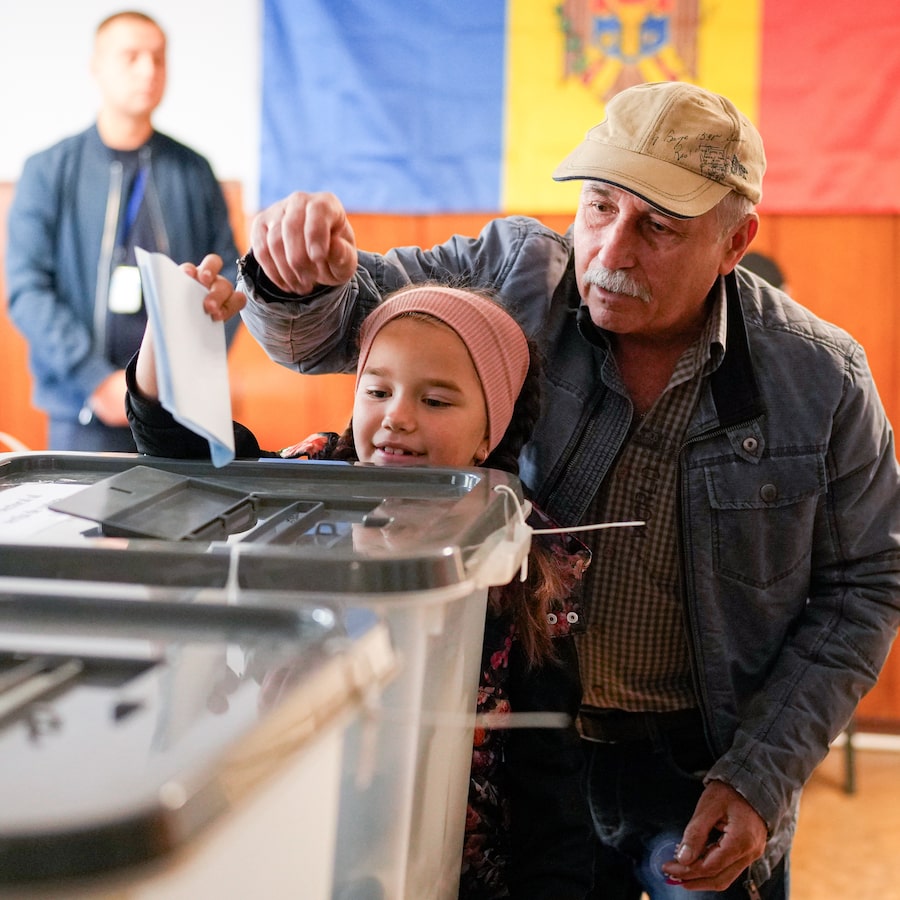
As the results of a crucial parliamentary election were made official Monday, confirming an overwhelming victory for Moldova’s main pro-European Union party, Alina Radu felt optimistic about her country’s future for the first time in a long while.
“Democracy won!” Ms. Radu said after it became clear that the Party of Action and Solidarity, which is led by President Maia Sandu and seeks to bring Moldova into the European Union, would keep its majority in the country’s 101-seat parliament. “It means we may manage to make irreversible changes as a whole society and to enter the EU at the end, to be safe.”
The final tally of Sunday’s vote showed the PAS had won 50.2 per cent of the ballots cast, a thumping victory over the Moscow-backed Patriotic Bloc, which took just 24.2 per cent. Pre-election polls had predicted a much closer race, with the Patriotic Bloc expected to take advantage of voter anger over the lack of economic progress in Moldova, the poorest country in Europe.

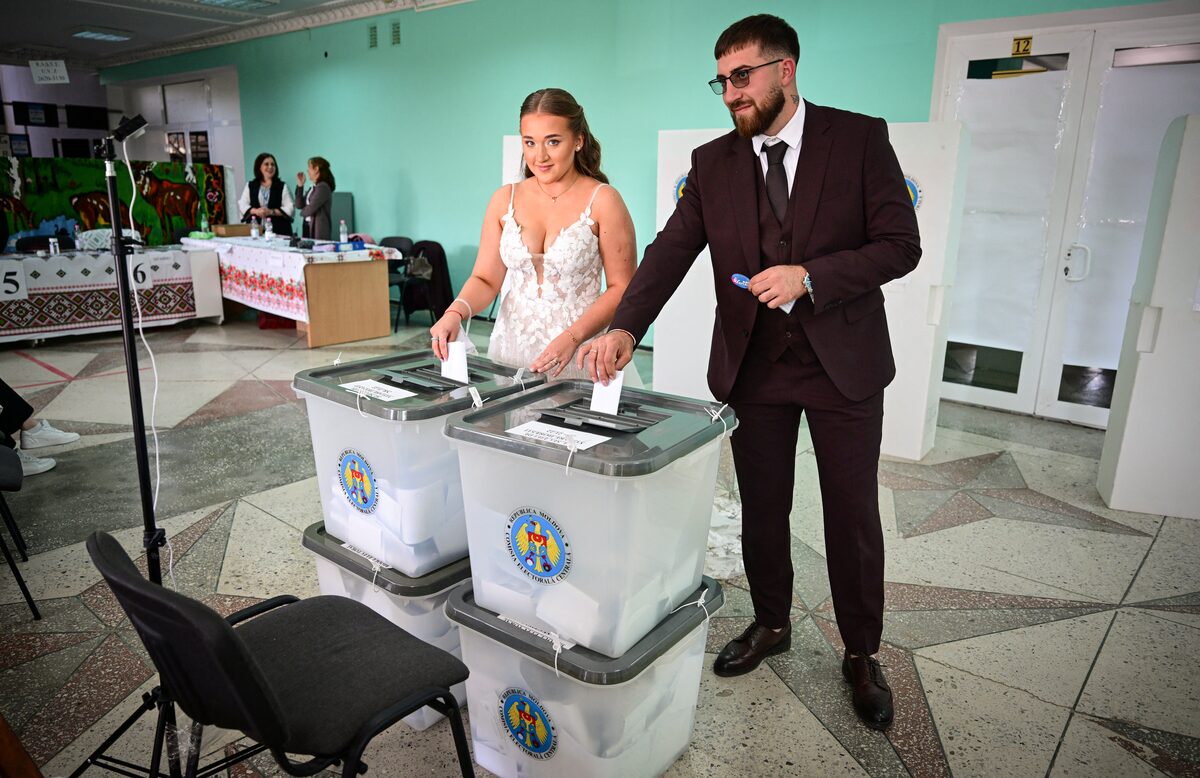
President Maia Sandu, who cast her ballot at a Chisinau high school on Sunday, has been working for years to usher her country into the European Union, which its neighbour Romania belongs to.DANIEL MIHAILESCU/AFP via Getty Images
“The people of Moldova have spoken, and their message is loud and clear,” Antonio Costa, President of the European Council, which represents the EU’s 27 member states, wrote on social media. “They chose democracy, reform, and a European future, in the face of pressure and interference from Russia.”
Hours before the voting began, Ms. Radu – who edits Ziarul de Garda (ZdG), a famed and feisty investigative newspaper headquartered in Chisinau, the capital – had been forecasting a much darker future for Moldova, a tiny former Soviet republic of 2.4 million people wedged between war-torn Ukraine and the eastern edge of NATO.
The Kremlin had thrown so much money and resources at influencing the election, Ms. Radu said, that pro-Russian forces appeared likely to take control of parliament – or at least force the PAS to accept them as awkward coalition partners. The Patriotic Bloc had a “foreign agents” bill – modelled on the one the Kremlin uses to suppress dissent inside Russia – ready to pass into law, aiming to criminalize organizations such as ZdG that rely on Western donor support. (ZdG’s financial backers include the Canadian government.)
“If they win, the next day we are closed,” Ms. Radu said.
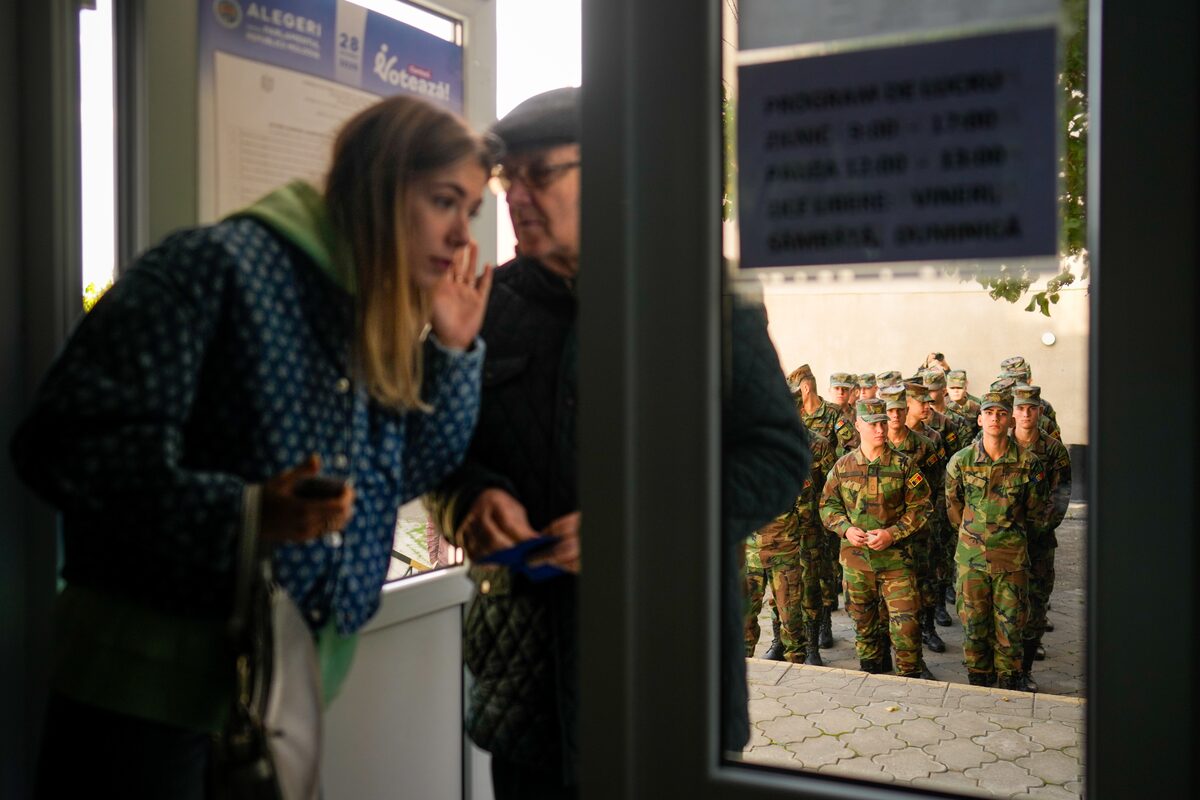
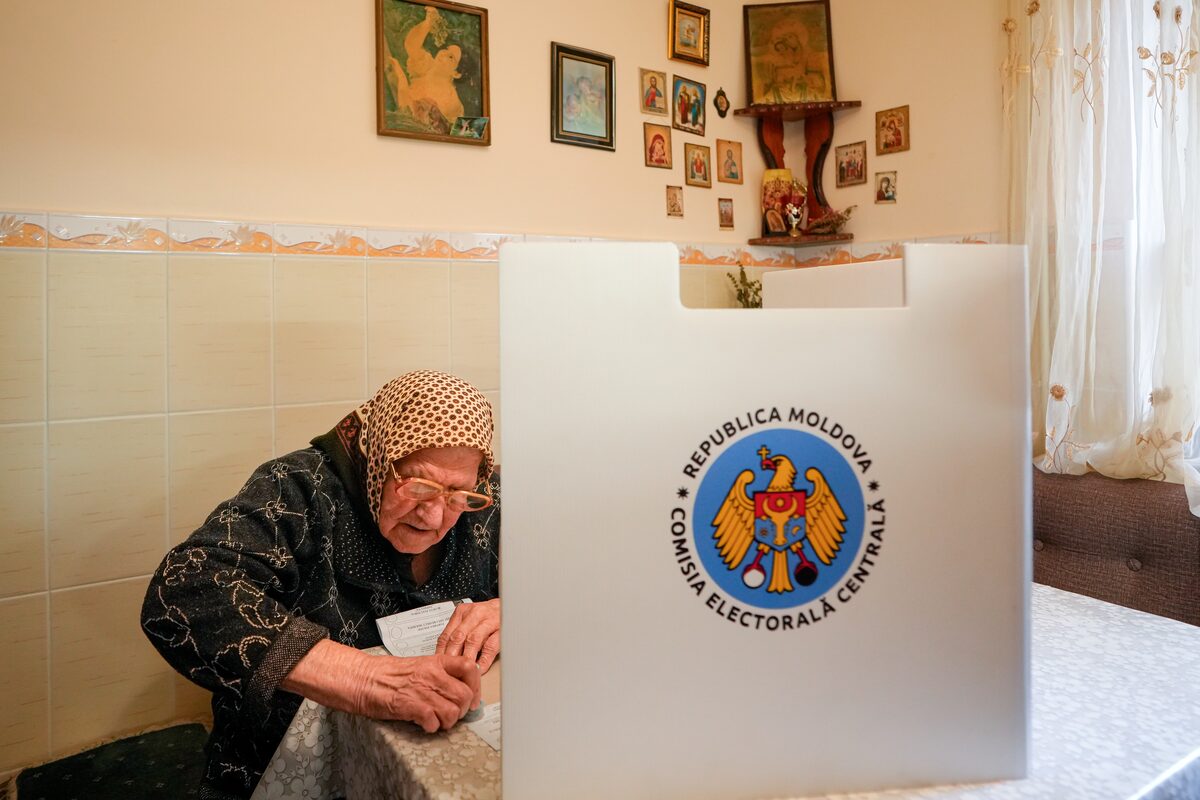
Election monitoring organizations told The Globe and Mail ahead of the vote that Russia’s meddling campaign – which included alleged vote-buying schemes and a wide-scale disinformation campaign about the EU – was worth some US$200-million, or about 1 per cent of Moldova’s gross domestic product.
Adding to concerns, the Kremlin push came after U.S. President Donald Trump shut down the U.S. Agency for International Development, ending support for democracy promotion programs – such as election monitoring groups and independent media – in Moldova and around the world.
Despite polls showing the PAS would lose its majority in parliament – some surveys had suggested the Patriotic Bloc could take power with the support of other, smaller pro-Moscow parties – Ms. Sandu’s program of seeking EU integration triumphed over the Patriotic Bloc’s vision of rebuilding ties with Moscow.

Ms. Sandu's EU counterparts have drummed up support for her in the months leading up to this vote. The leaders of Poland, France and Germany were on hand for independence celebrations in August.DANIEL MIHAILESCU/AFP via Getty Images
It was the third time in less than a year that Moldovans voted on the question of their country’s geopolitical orientation. Ms. Sandu was re-elected in November to a second term on a pro-EU platform, and Moldovans voted a month earlier in a referendum to amend the constitution so it officially stated the country’s desire to join the bloc. (The EU referendum passed with 50.3-per-cent support.)
But parliament, which chooses the prime minister and cabinet, has more power in Moldova than the largely ceremonial president, meaning a pro-Russian victory Sunday could have effectively reversed the other two results.
Laurentiu Plesca, a political analyst with the German Marshall Fund of the United States, said Sunday’s result showed Moldovans had once more made “a conscious choice to support the safest pro-European option to preserve stability and maintain the country’s European trajectory” and reject the alternative offered by Moscow.
“Pro-Russian narratives and structures of propaganda and corruption can no longer dominate the Moldovan political scene,” he added.

Sunset in Moscow's Red Square. The Kremlin, siding with the Patriotic Bloc in Moldova, has raised concerns about how it believes Moldovans in Russia should have been allowed to take part in the election.Pavel Bednyakov/The Associated Press
On Monday, it was Russia’s turn to cry foul, with Kremlin spokesperson Dmitry Peskov claiming that “hundreds of thousands” of Moldovans living in Russia had been prevented from voting because of the limited number of polling stations that had opened there.
Separately, Emily Wall, a 36-year-old Canadian activist living in Bulgaria, said a group of 48 people organized by the left-wing group Solidarity Bulgaria had been denied permission to act as official observers of Moldova’s election process. In an e-mail, Ms. Wall said the exclusion of her group gave her “little trust” in the official result announced Monday.
While the Organization for Security and Co-operation in Europe, which sent 415 observers to monitor the vote, had been “competitive” and “demonstrated a high level of commitment to democracy amid unprecedented hybrid threats coming from Russia,” stories such as Ms. Wall’s could be seized upon by Igor Dodon, a former Moldovan president and the co-leader of the Patriotic Bloc.
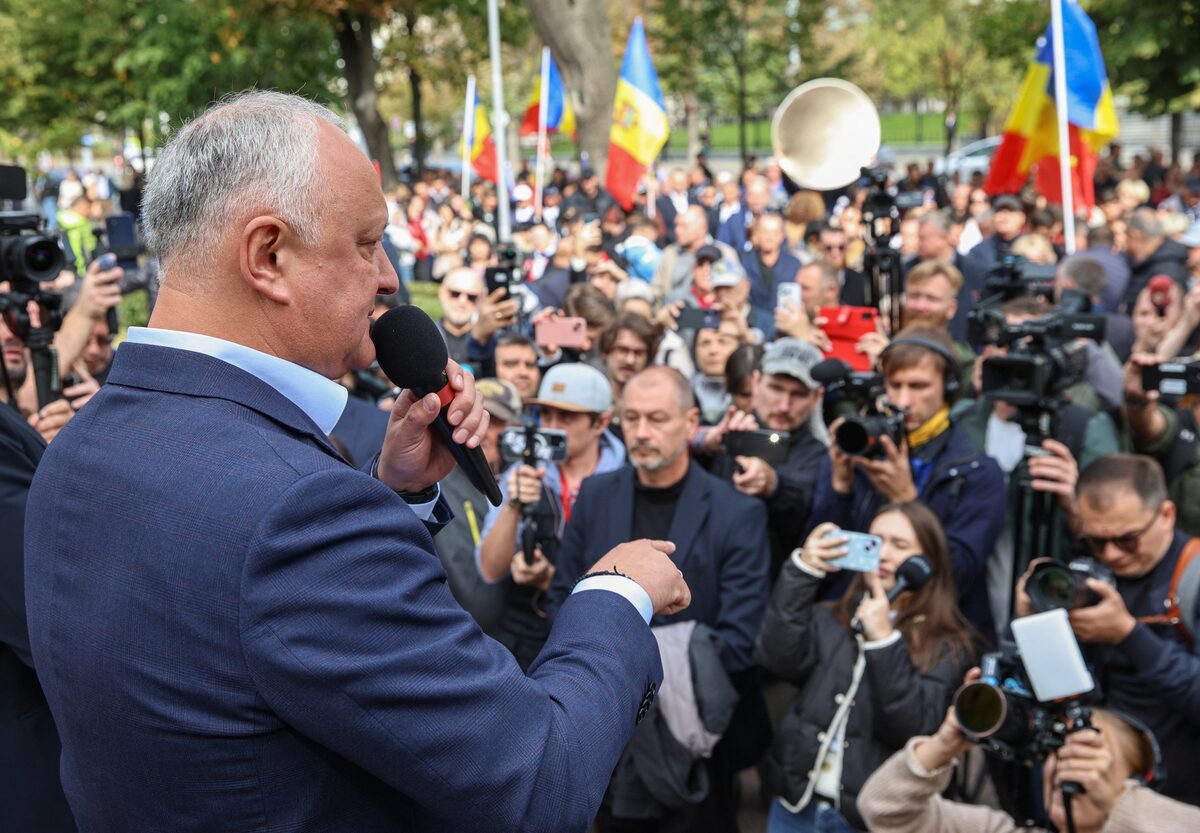
Mr. Dodon called for protests in Chisinau, but only about 100 people turned out to support him Monday as he filed documents with the Central Election Commission alleging violations by the PAS.
Ms. Radu said the country was still waiting to see if the Kremlin had further plans to push Moldova into turmoil. Hanging over the country’s future is the fate of the Transnistria region, a self-declared mini-state that has been protected by a small garrison of Russian troops since a 1992 civil war.
“Today’s protest was very weak,” Ms. Radu said, referring to the appearance by Mr. Dodon and his supporters at the Central Election Commission. “But we’ll see in the next few days if Russia gives them instructions to do something with more noise and impact.”

Vadim Ghirda/The Associated Press
Europe under fire: More from The Globe and Mail
The Decibel podcast
Since the war began, Russia has been spiriting away young Ukrainians to training camps designed to turn them against their homeland. Reporter Mark MacKinnon spoke with The Decibel about a project, partly funded by Canada, that tracks the children so they can be brought home one day. Subscribe for more episodes.
From our correspondents
Lech Walesa has a few ideas about how to save democracy
A Ukrainian journalist shares his story of survival in Russian captivity
Ethan Lou: Can Canada truly spurn the U.S. and be closer to Europe?