Crossing to the north
Federico Ríos is a photojournalist from Colombia, whose narrow land border with Panama is a popular, but dangerous, crossing for migrants who hope to find better, safer lives in North America. His long-term project documented those journeys through the years leading up to 2024’s presidential elections in Panama and the United States, whose victors, José Raúl Mulino and Donald Trump, each promised tougher fortifications at their southern borders and policies to send asylum seekers back where they came.


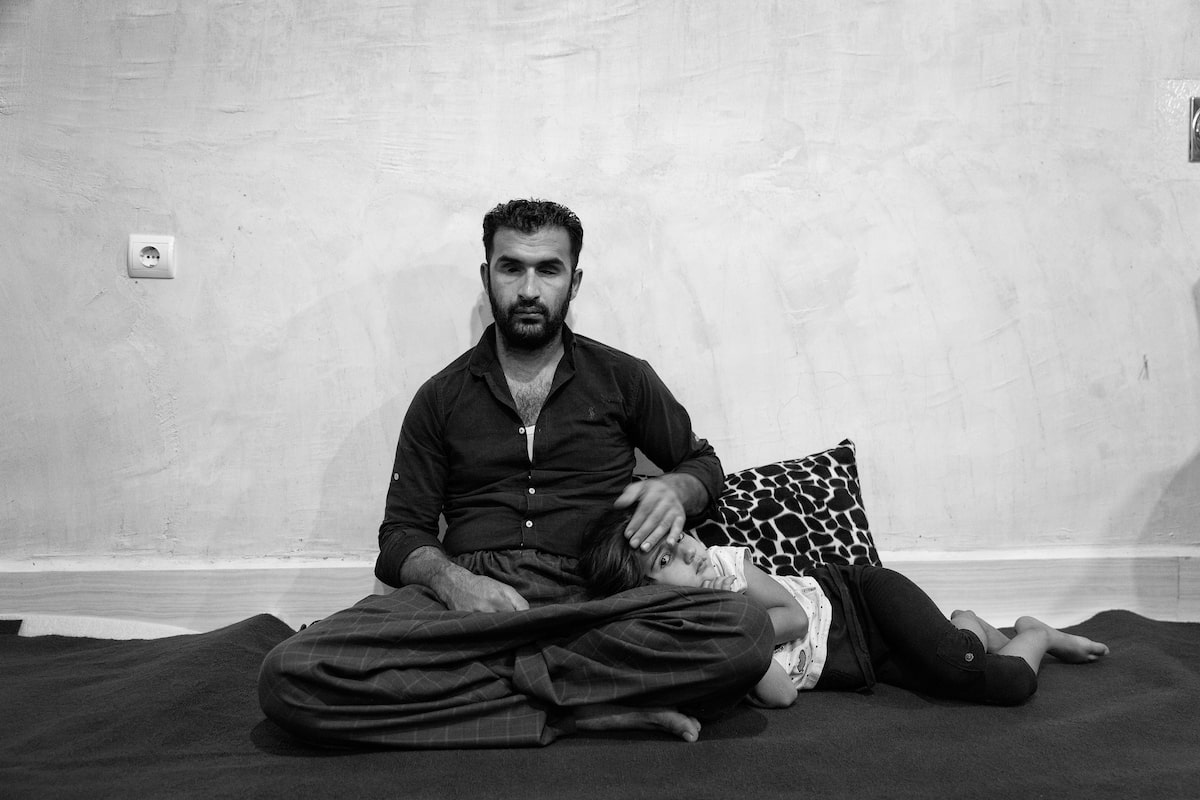
Crossing to the east
For this project, Kurdish photojournalist Ebrahim Alipoor travelled the borderlands between Iran, where he was born, and Iraq, which supplies the Islamic republic with items that its rulers forbade after the 1979 revolution. Porters, known in Kurdish as kolbars, brave the harsh mountain climate and sometimes bullets from Iranian border patrols.



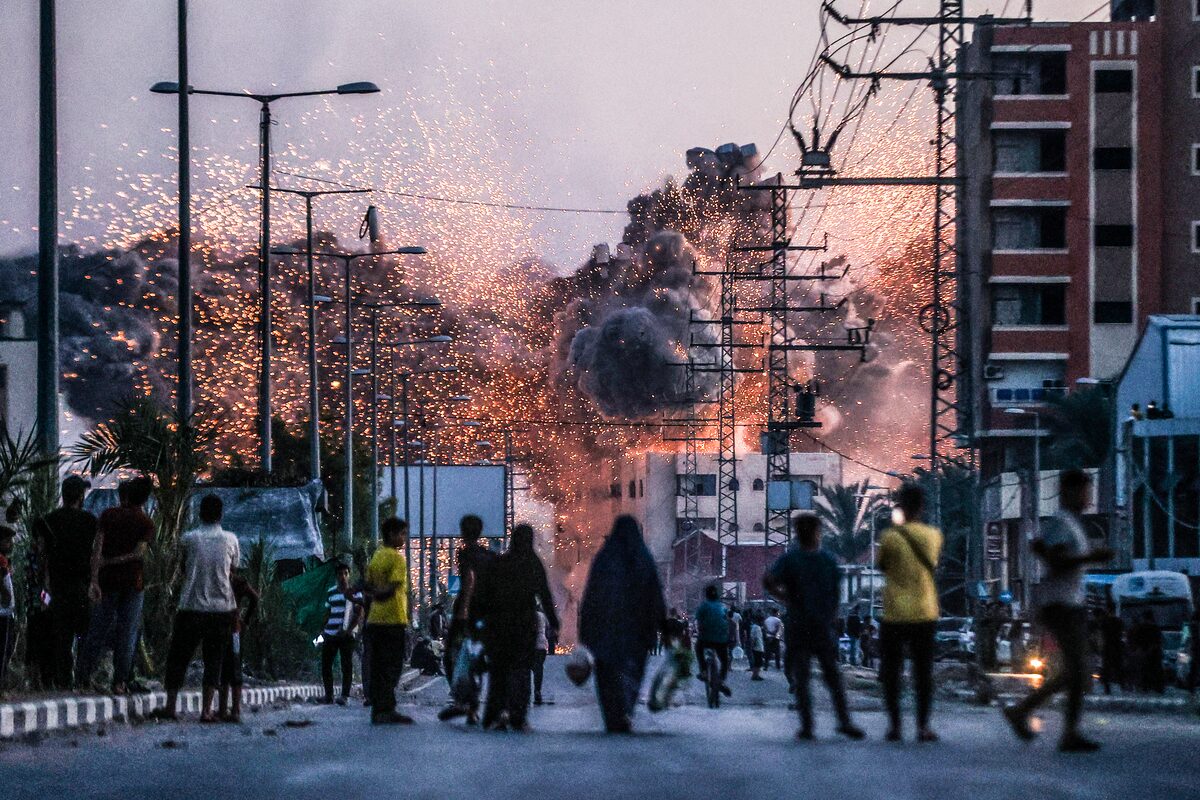
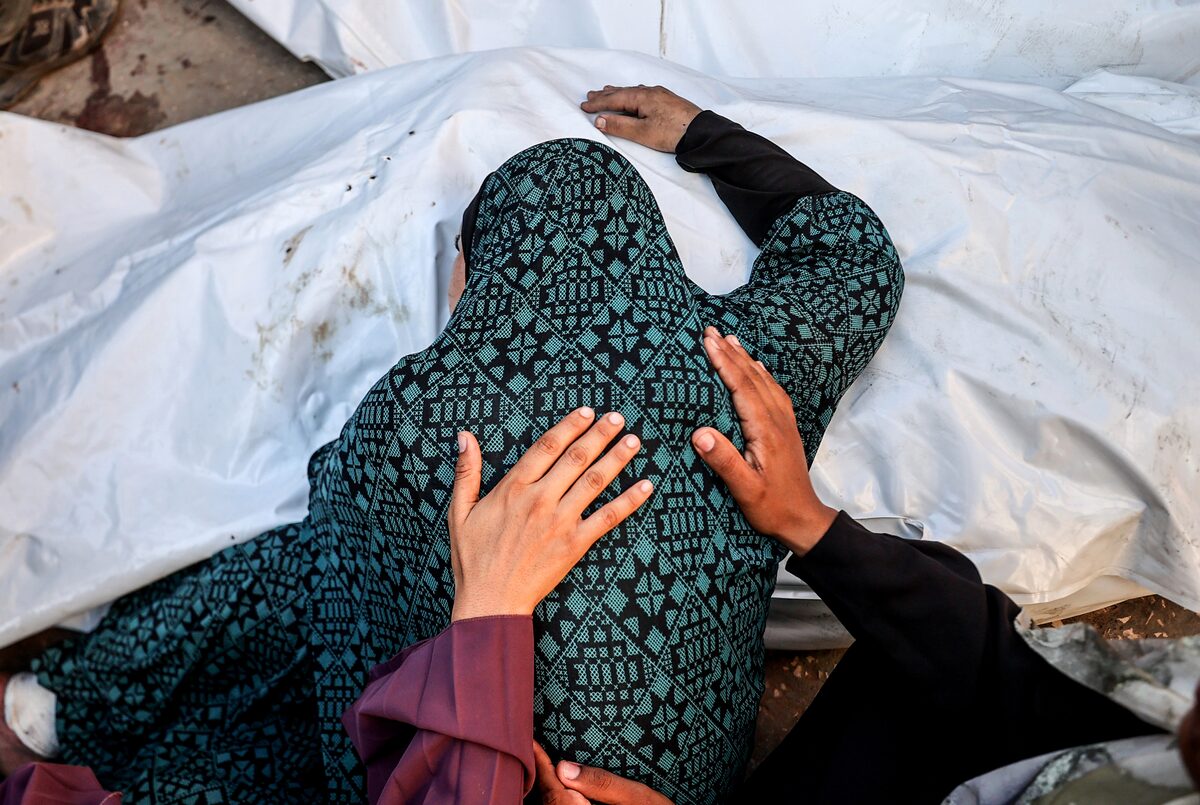
Grief in Gaza
Palestinian photojournalist Ali Jadallah has lost much since the Oct. 7 attacks of 2023, and the Israeli invasion of Gaza that followed. His father, four siblings and cousins perished in an Israeli air strike, though he found his mother alive in the rubble. “There is nothing like feeling a living hand beneath the ruins,” he told the World Press Photo contest. “... Now, as I document Gaza’s devastation, I search for moments that hold the same spark of life.”

Rejoicing for Brazilians
No matter how the match turned out in Buenos Aires on Nov. 30, Brazilians would cheer. On one side was Atlético Mineiro, a club that had won the Libertadores cup before; on the other was Botafogo, which hadn’t. André Coelho, a staff photojournalist for news agency EFE, went to Botafogo’s home stadium in Rio de Janeiro as fans watched the team triumph 3-1. It was the the third Libertadores win in a row for a Rio club, and the sixth consecutive win for Brazil overall.

Rough times on the rivers
The Amazon is the world’s largest river, but two straight years of extreme drought have taken a heavy toll on its tributaries. Mexican-Peruvian photojournalist Musuk Nolte visited the Brazilian interior in the October dry season and found riverbeds that resembled deserts. Two other World Press Photo winners for South America, Amanda Perobelli and Anselmo Cunha, found the opposite in Rio Grande do Sul: Heavy floods in May put populated areas under water.


Lives lost in Colombia
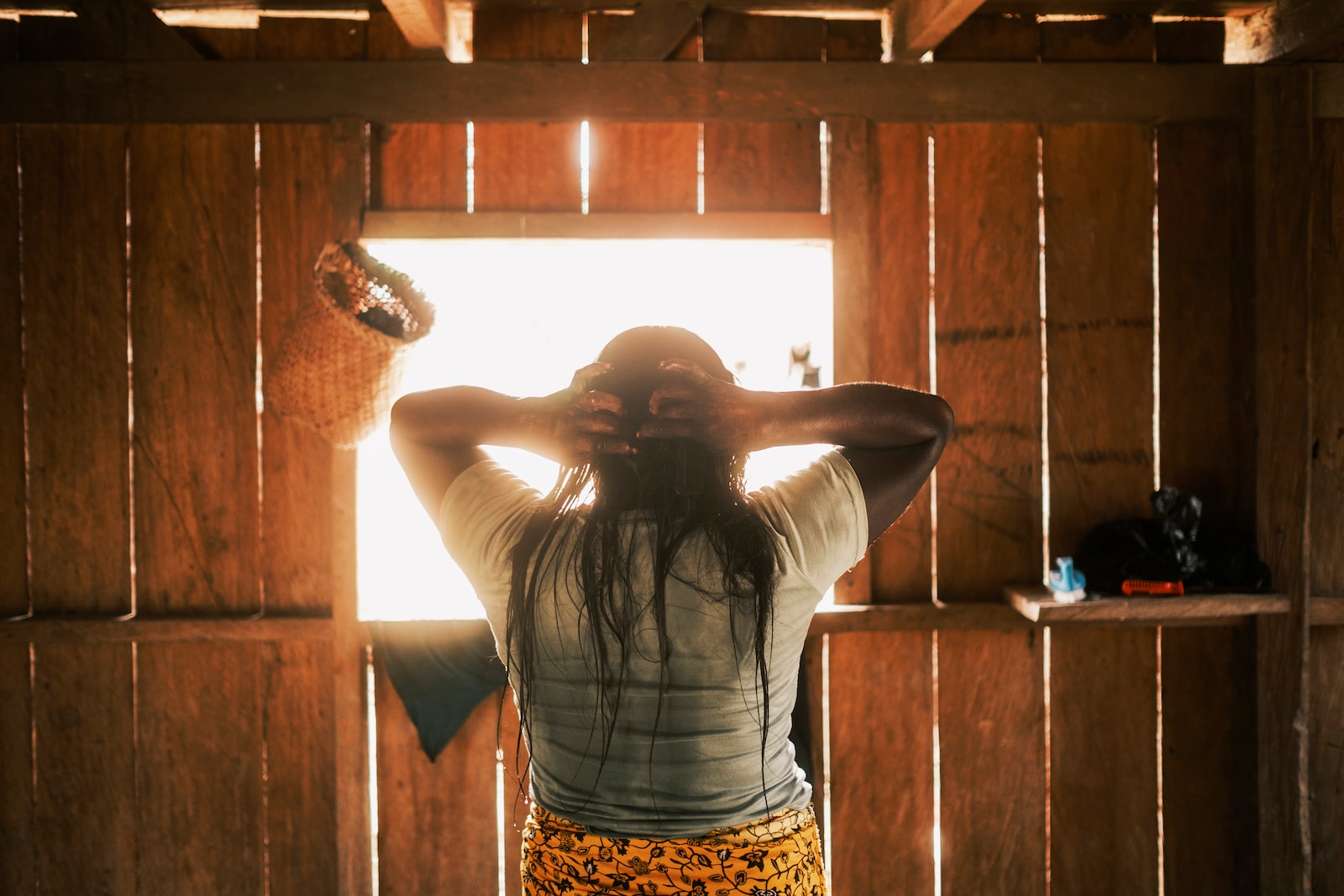
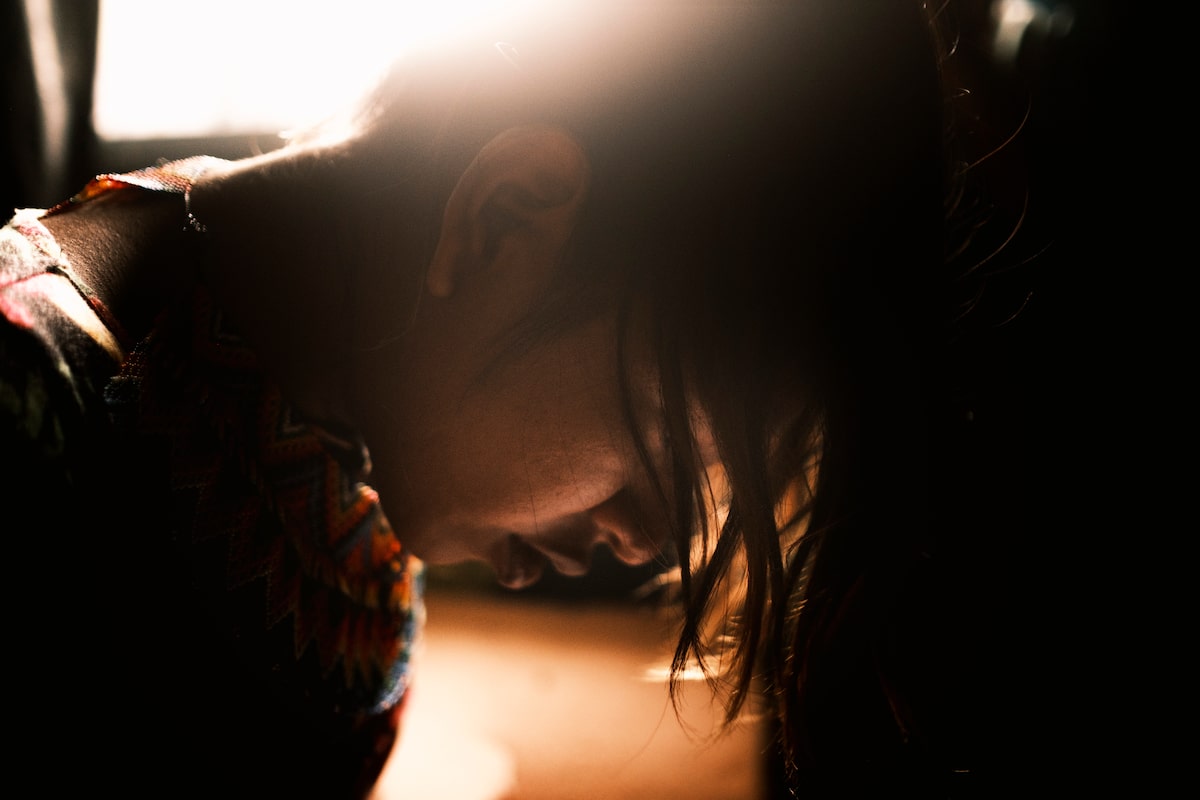
The village of Puerto Antioquia is long acquainted with dangers from outside – constant warfare, drug trafficking, forced recruitment by armed groups – but there is another threat from within: Suicide. According to the local diocese, 60 people in the Indigenous communities of Colombia’s Bojayá River have killed themselves between 2015 and 2024. Documentary photographer Santiago Mesa set out to learn more.


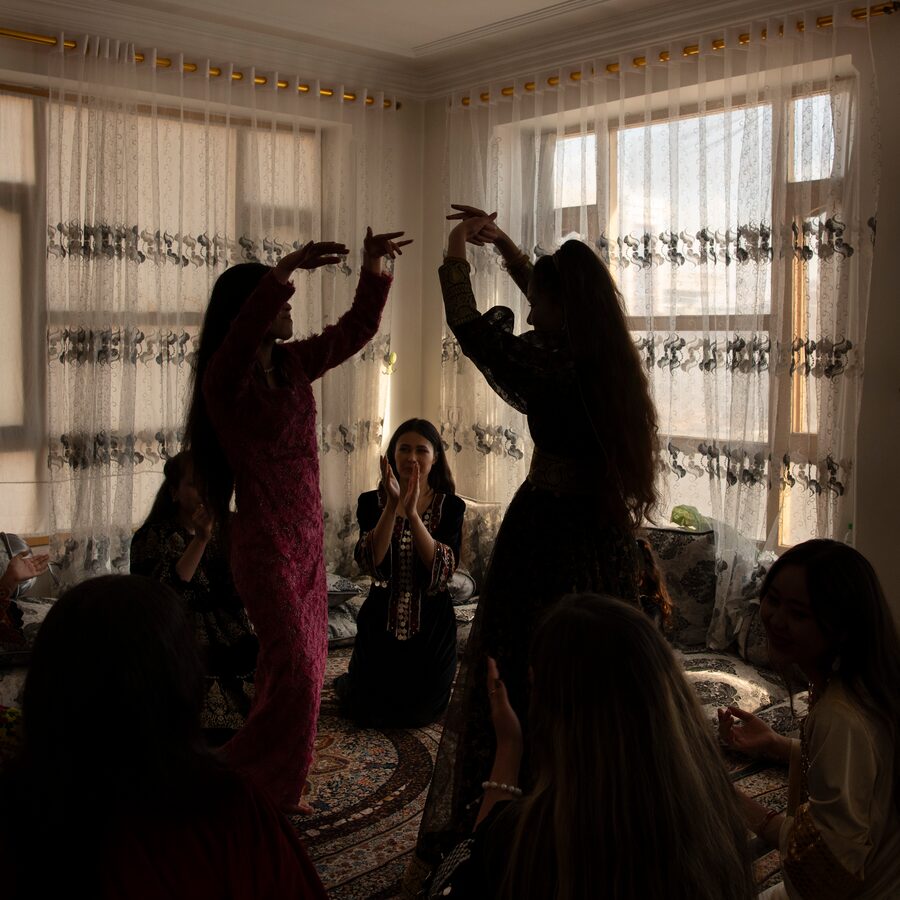
Lives interrupted in Afghanistan
Last year, Canadian-Iranian photographer Kiana Hayeri and researcher Mélissa Cornet crisscrossed Afghanistan, speaking with dozens of women. Since the Taliban takeover of 2021, the regime has steadily stripped away women’s rights to education, work and free expression. Many said they had lost hope for the future.


