Rising seas and salty soil upend rural life in Vietnam's Mekong Delta
In Southeast Asia, Globe photographer Goran Tomasevic joined columnist Doug Saunders for an in-depth exploration of what climate migration looks like
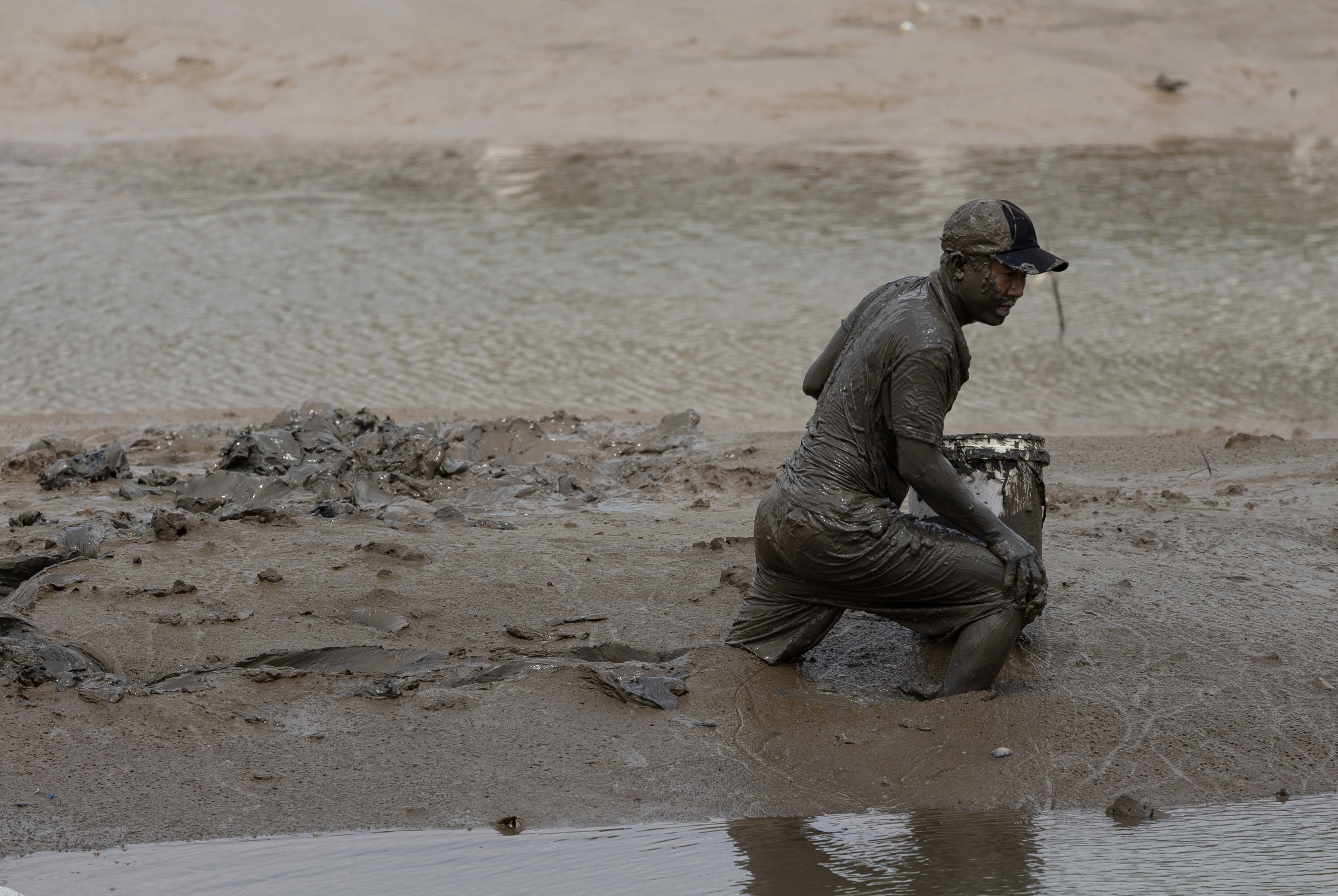
A man fishes for shellfish and eels in Mekong River mud at Tran De, a Vietnamese village. Many in this region who used to depend on rice farming have turned to other pursuits, or moved to big cities to find work, as rising sea levels make their land too salty.GORAN TOMASEVIC/The Globe and Mail
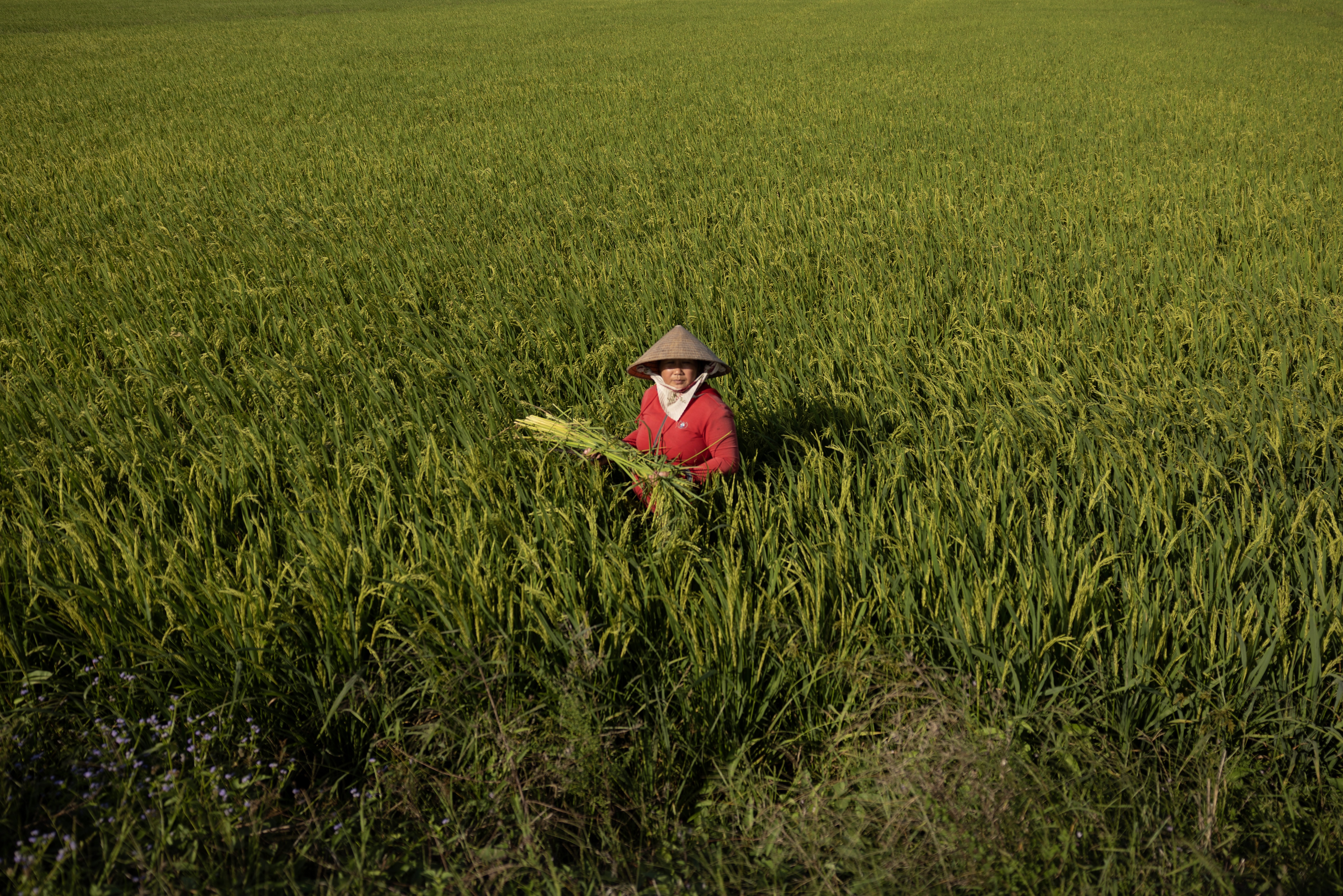
Tran Thi Hong weeds her rice paddies in Bac Lieu province. She has told her three children she expects them to get postsecondary educations and leave the Mekong Delta, making her the last in the family to grow rice.GORAN TOMASEVIC/The Globe and Mail
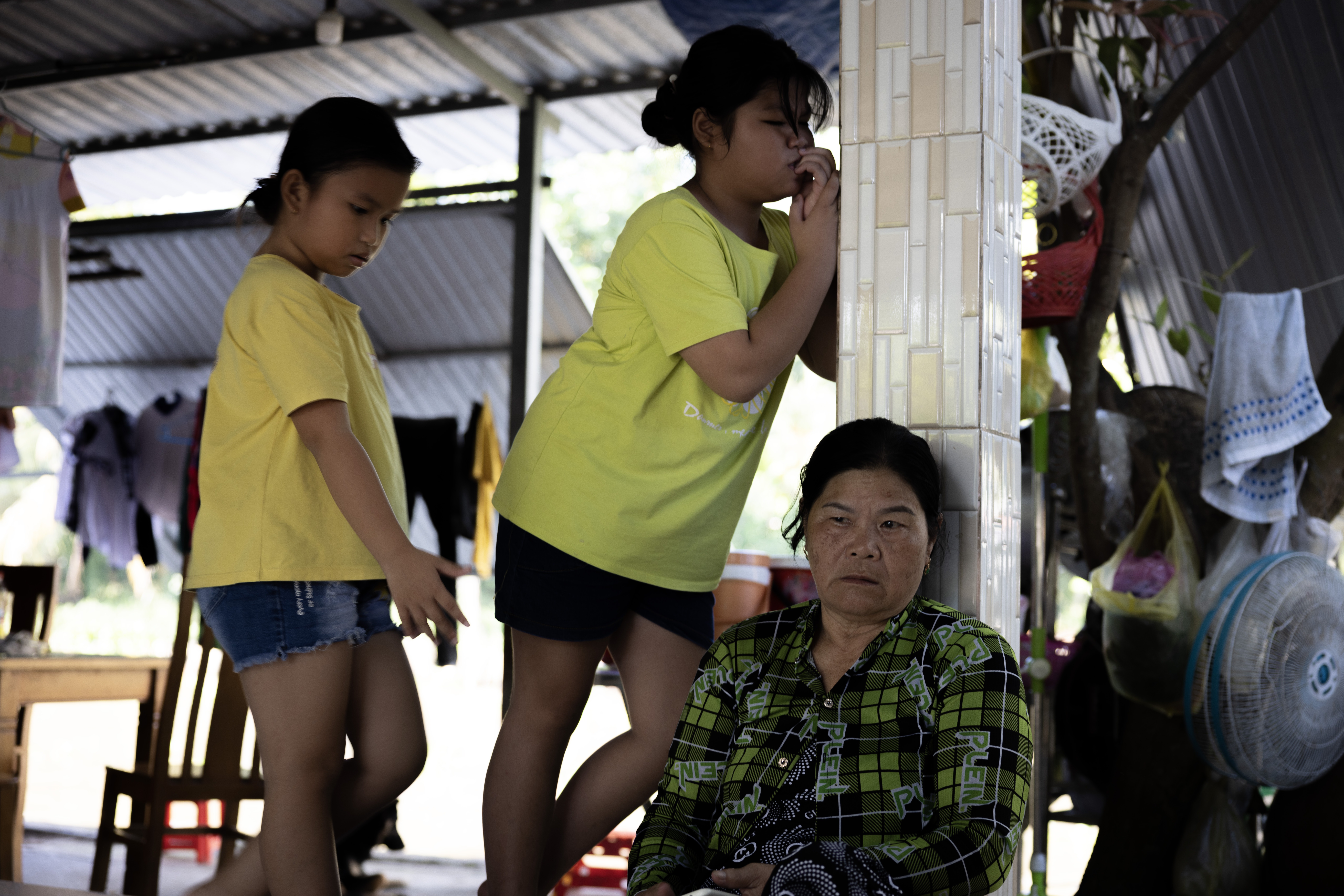
In the farming village of Tam Phuoc, Hao Van Dung looks after two grandchildren who have returned from school. Ms. Tam’s children moved to the city for factory work that, among other things, has paid for this house.GORAN TOMASEVIC/The Globe and Mail
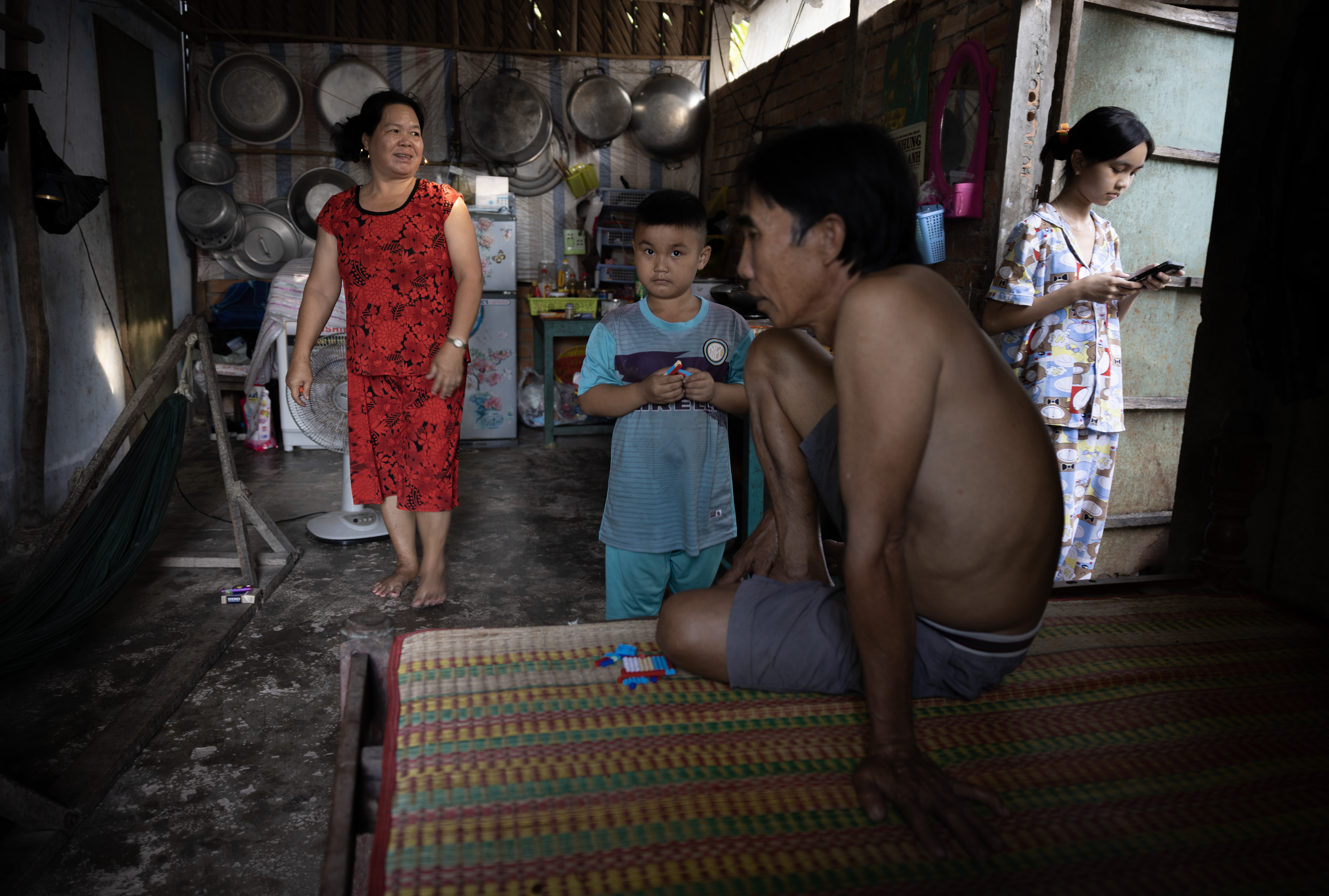
Tran Thi Bich Lien, 55, and her husband Vo Van Sach, 56, gather with their two grandchildren in their one-room house in Tam Phuoc. The childrens’ parents work in Ho Chi Minh City.GORAN TOMASEVIC/The Globe and Mail
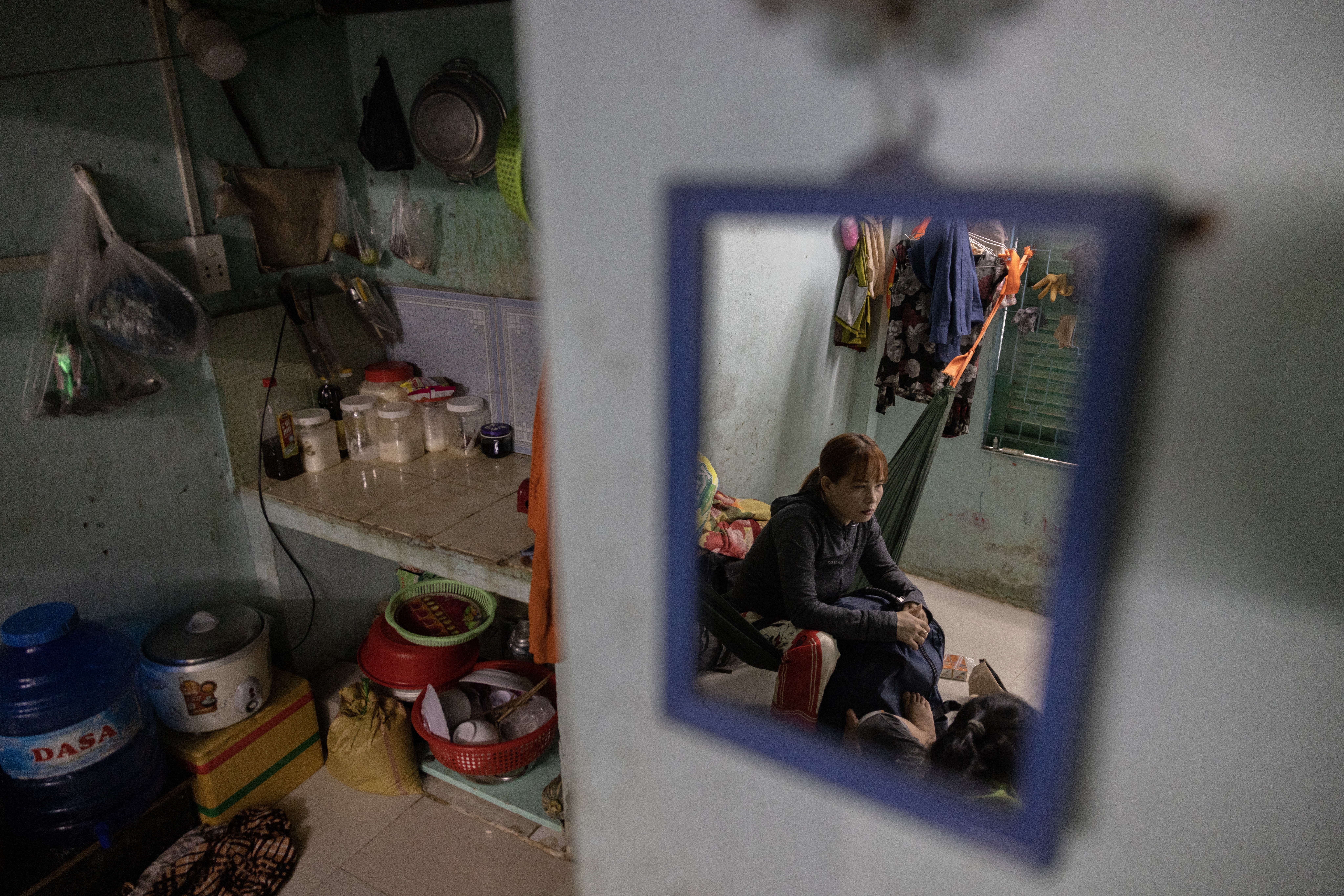
Luong Thi Nam visits her parents’ one-room apartment in Ho Chi Minh City. She and her husband live on his farm, a six-hour bus trip away, but they have had to migrate to the city for work.GORAN TOMASEVIC/The Globe and Mail

Buddhist monks relax at the temple in Nuoc Man, a village whose name, meaning ‘salt water,’ long predates the local farmers’ current salinity-related struggles.GORAN TOMASEVIC/The Globe and Mail
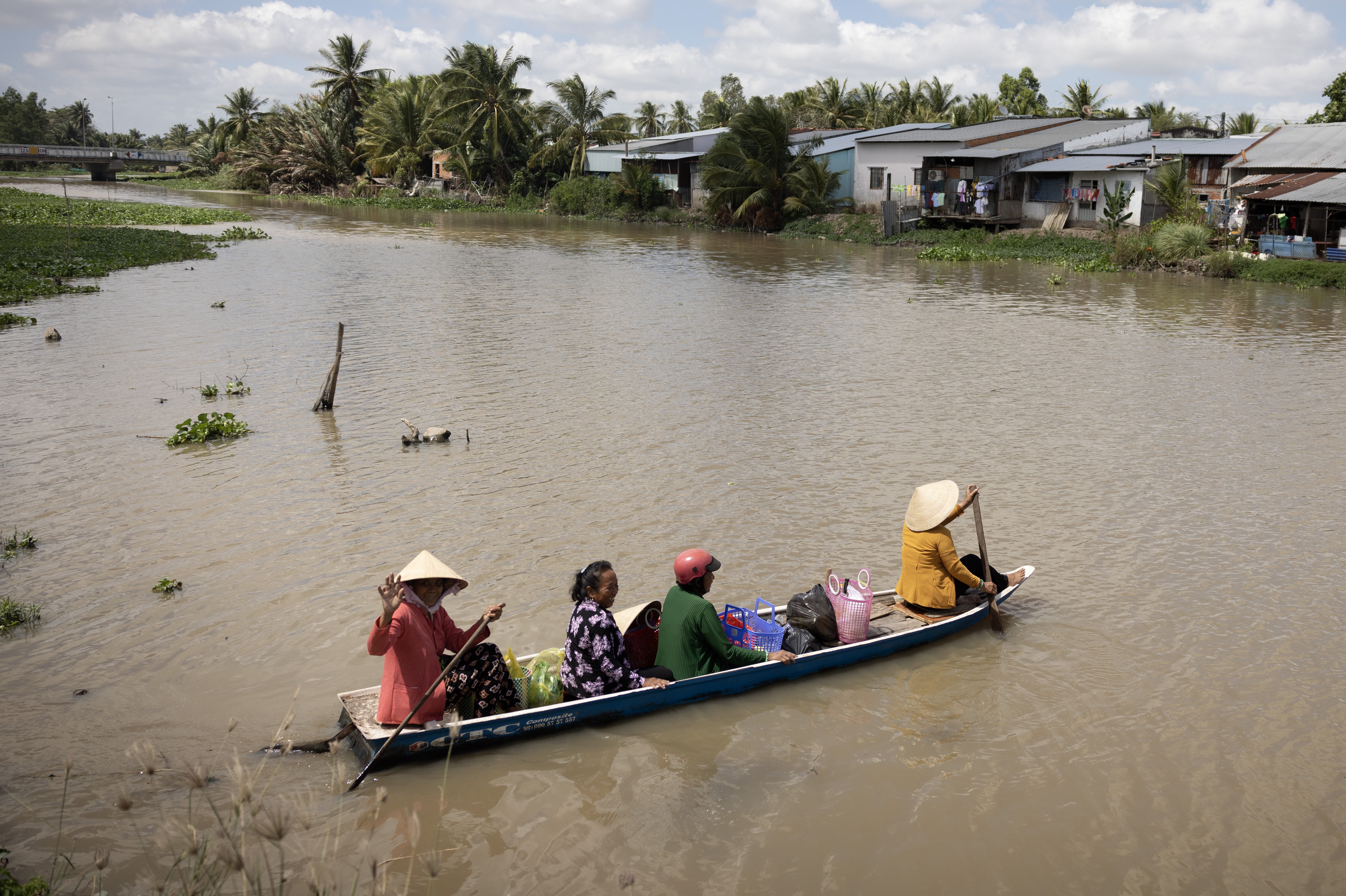
Grandmothers Huynh Thi Song, 64, Dao Thi Uc, 60, Ly Thi Kim Hinh, 64 and Dao Thi Uol, 70, paddle back to their village after a day of cooking and cleaning at the Buddhist temple in Nuoc Man.GORAN TOMASEVIC/The Globe and Mail
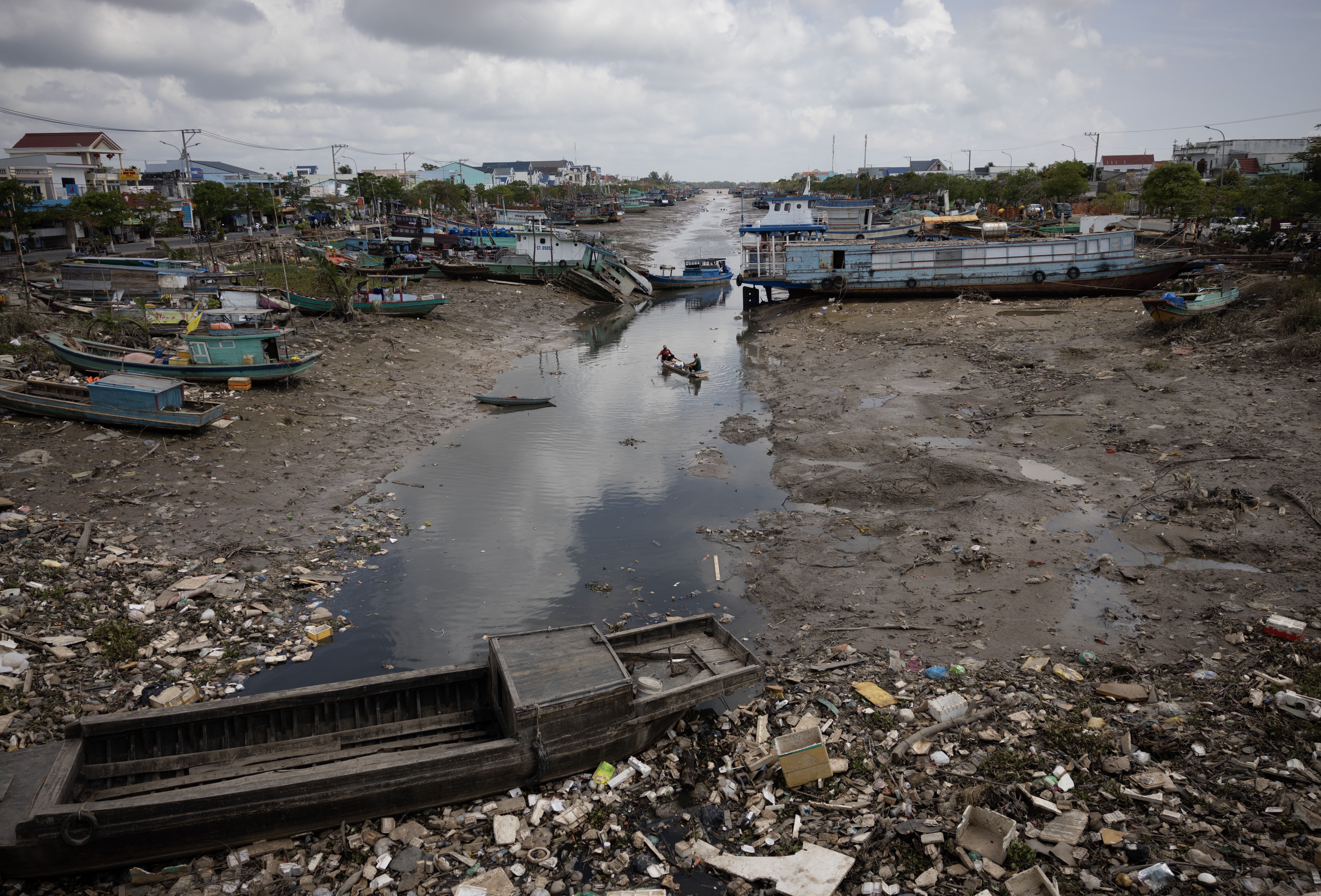
It is low tide at Tran De, a town near a spot on the Mekong that has been dammed to prevent inland salination from the rising seas.GORAN TOMASEVIC/The Globe and Mail