When she worked as a television journalist in Venezuela, Andreina Ramos says she endured constant harassment for airing stories critical of President Nicolás Maduro’s regime.
Her car was pursued whenever she went to report on a story. Officers from the National Guard would photograph her and threaten her, and, on one occasion, broke her camera equipment. The minister of the interior denounced her on his television show.
Even after Ms. Ramos fled to the United States two years ago, she says, the intimidation didn’t stop. Most recently, she was told that if she returns to Venezuela, she will be thrown into El Helicoide, a notorious Caracas prison.
“Every time you say anything against the dictatorship, you immediately receive threats,” Ms. Ramos, 35, told The Globe and Mail from her home north of Atlanta, where she has settled with her husband and six-year-old son.
Now, she faces a new threat: That she will be swept up in U.S. President Donald Trump’s expanding mass deportation push.

Venezuelan asylum-seeker Andreina Ramos, who now lives in the Atlanta area, fears being sent back to face the harassment she once suffered as a journalist in the country.Supplied
While Mr. Trump paints migrants as menacing gangsters, his far-reaching immigration roundup goes well beyond kicking violent criminals out of the country. He aims to remove everyone without legal status, as well as many who entered the U.S. legally.
Among other things, the President has ordered the end of temporary protected status and a humanitarian parole program that allowed Cubans, Haitians, Nicaraguans and Venezuelans to live and work in the U.S. because their home countries are unsafe. His aim is to strip swaths of legal immigrants of their status.
“There are many Venezuelans here who are doing things right, who want to contribute positive things to the country and comply with the laws, who are grateful to the country that welcomes us,” Ms. Ramos said. “I can’t return to Venezuela because returning means going directly to prison.”
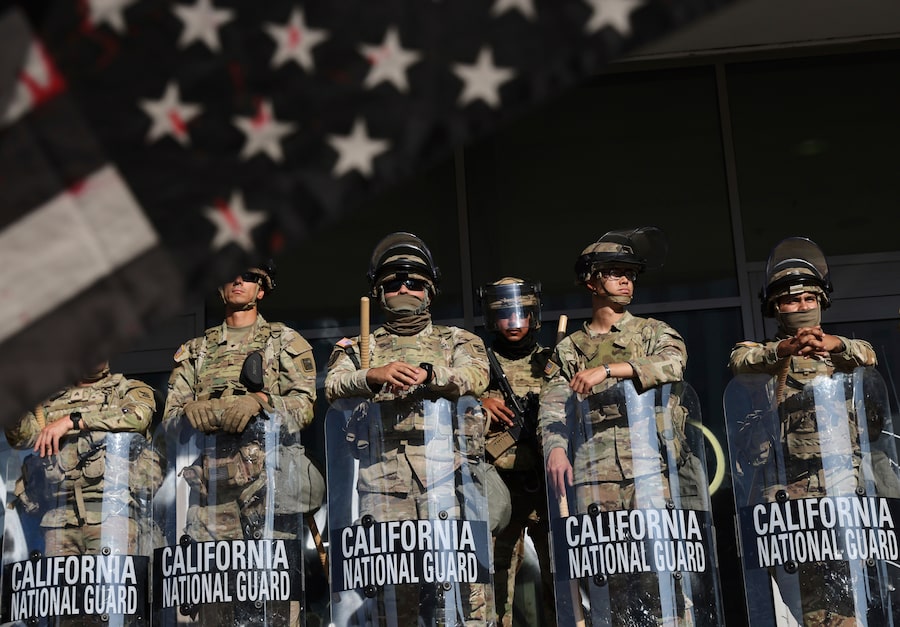
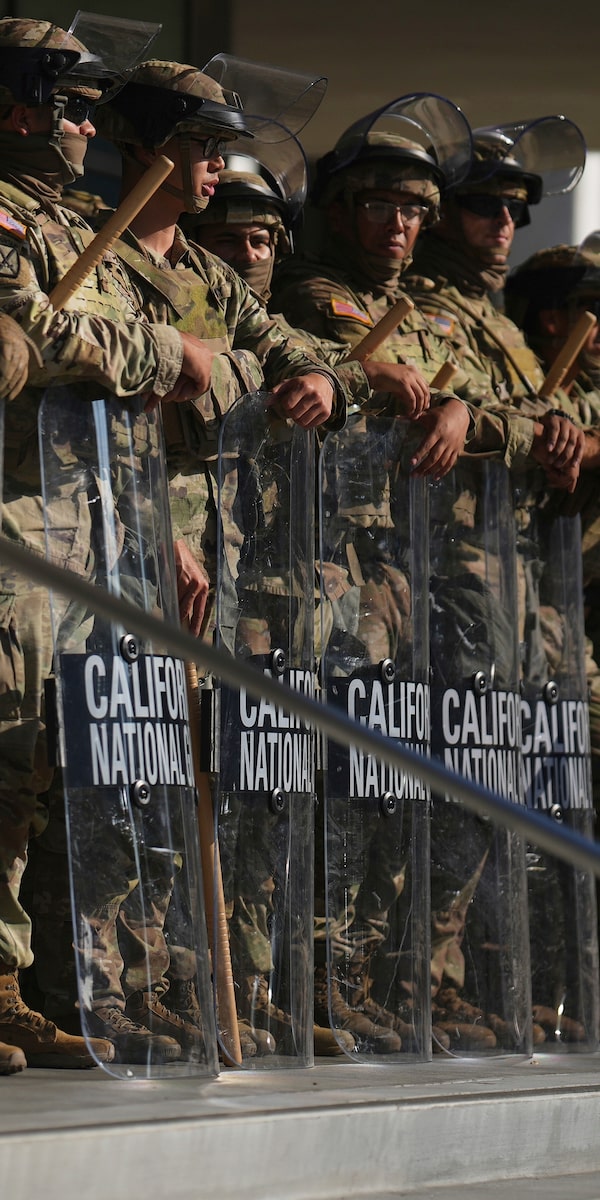
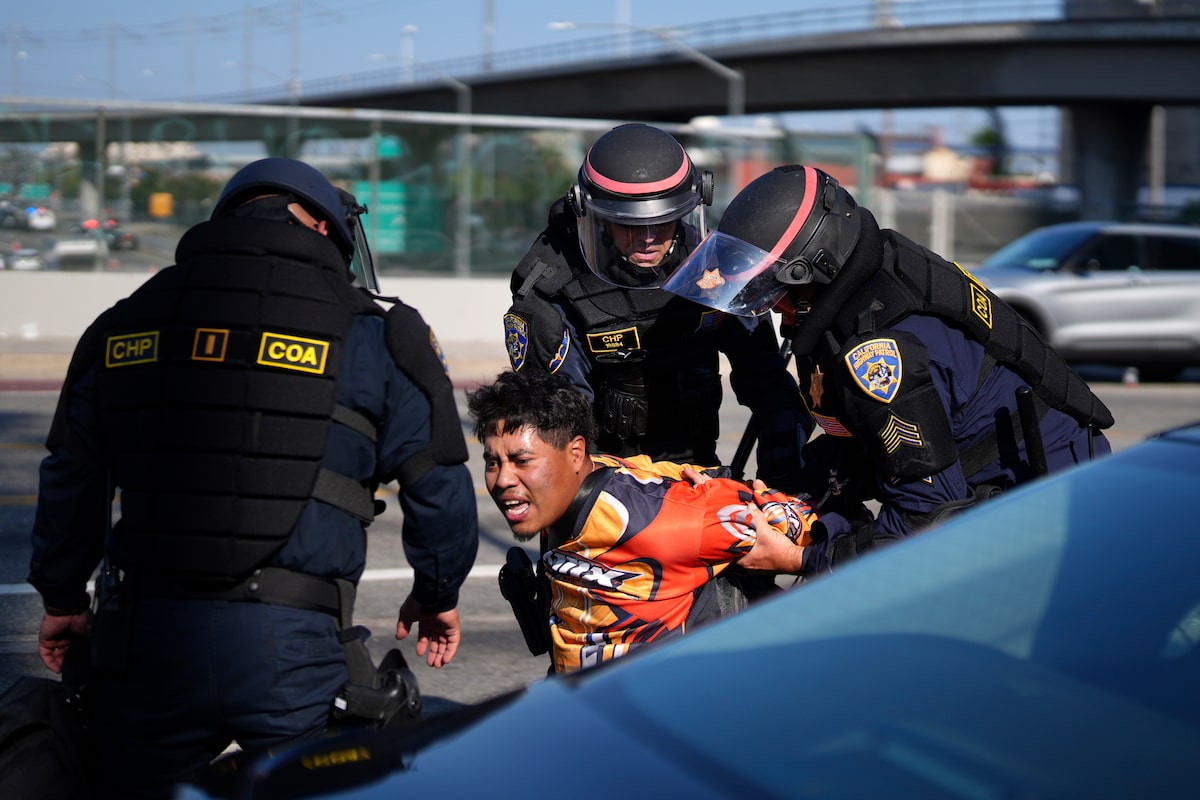
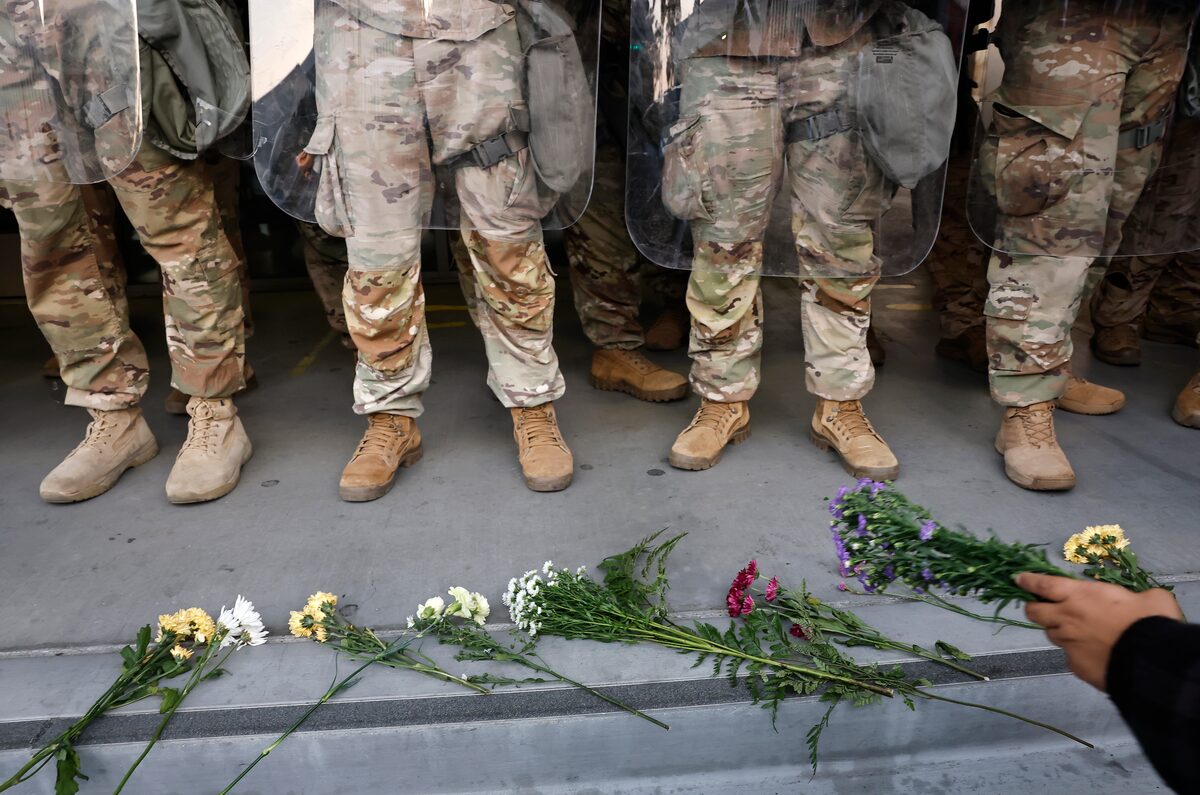
Immigration and Customs Enforcement has begun launching workplace raids in recent weeks, targeting restaurants, farms and factories. White House policy chief Stephen Miller has reportedly set a target of 3,000 immigration arrests a day, more than one million annually. One such raid, at a Los Angeles clothing warehouse, touched off protests this past weekend in which some demonstrators hurled rocks at ICE vehicles and set fires. In response, Mr. Trump deployed the National Guard and Marines to the city, drawing accusations of authoritarianism and a court challenge from California Governor Gavin Newsom.
Demonstrations have since spread across the country, from Austin, Texas, to New York, Chicago and Atlanta. On Wednesday, Defence Secretary Pete Hegseth warned that the administration might expand its troop deployment to put down protests in other cities as well.

Meanwhile, for the millions of immigrants across the country at risk of being caught in the dragnet, the worst may only just be starting.
“No one knows what or how things are going to be done. We are in the dark,” said Lindsay Aimé of the Haitian Community Health and Support Center in Springfield, Ohio. “Some people don’t want to show their faces.”
Mr. Aimé came to the U.S. in 2019 after a group of gangsters in Haiti accosted him at gunpoint and punched him in the head. He initially landed in Miami before a friend told him about the job opportunities and affordable housing available in Springfield, a small industrial city with a declining population. He quickly found work at an auto parts plant and “fell in love with Springfield,” one of an influx of more than 10,000 Haitians who have driven the city’s revitalization.

Lindsay Aimé of Springfield, who came to the U.S. after a gang attacked him in Haiti, fears what will happen to people who are sent back to the Caribbean nation.Jessie Wardarski/The Associated Press
The community famously became a target of Mr. Trump’s anti-immigration rhetoric. During last year’s election campaign, he repeated and amplified a false accusation that Haitians were eating dogs and cats in Springfield. Despite this, the city has rallied and stayed strong, Mr. Aimé said.
Besides, returning to Haiti is almost unimaginable: Much of the country is under the control of gangs, who have shut down hospitals, schools and businesses.
One local family in Springfield decided to self-deport rather than risk losing legal status in the U.S., Mr. Aimé said. They were promptly attacked by a gang when they returned to Haiti. “The situation is very scary. When you send someone back home, in that country, anything can happen to them,” he said.


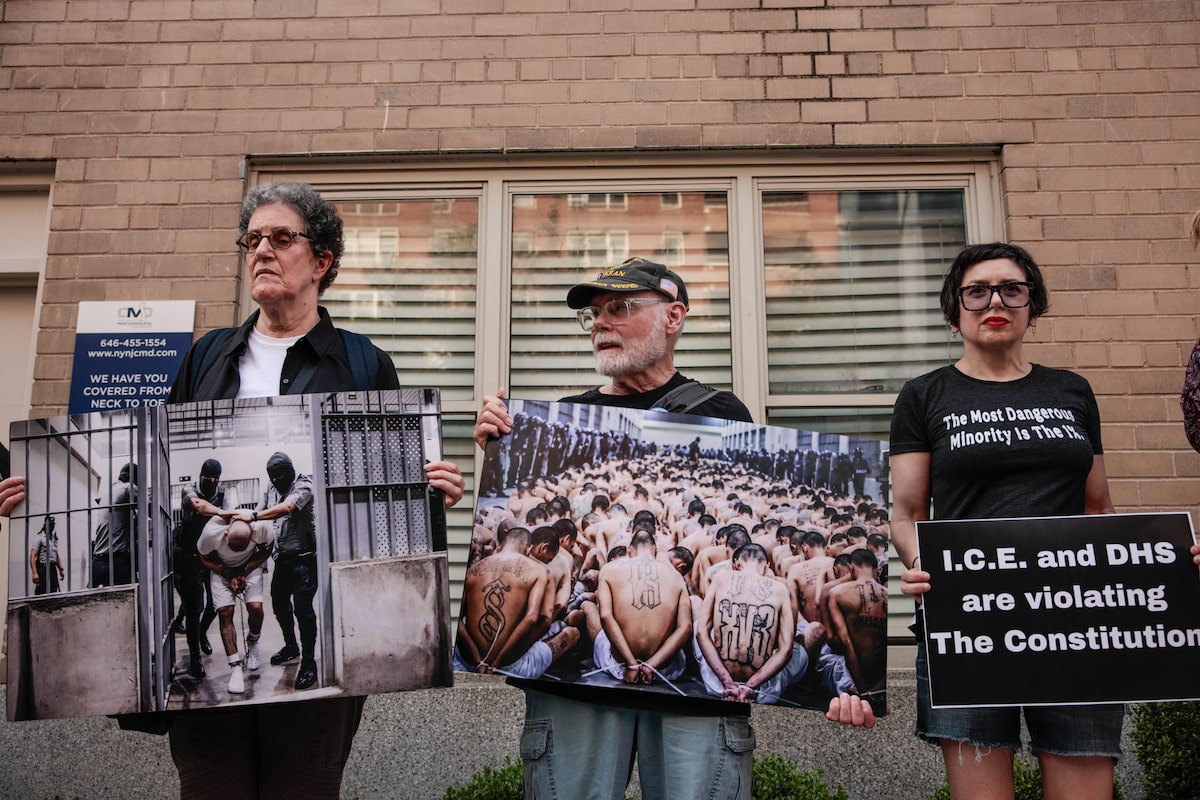
Ironically, migrants who came to the U.S. legally may actually be at greater risk of deportation than those who did not because the government has their names and addresses.
“Even if they want to find the 11 million people in the U.S. without a regular immigration status, the authorities don’t have a clue where they are. But for those with temporary protected status or humanitarian parole, the authorities know where they are,” said Héctor Arguinzones of Venezuelans and Immigrants Aid in New York.
The purpose of the parole program, instituted by former president Joe Biden, was to manage migration in a more orderly way. Rather than have people just show up at the U.S. border, they applied in advance, required a sponsor in the U.S. and underwent vetting.
Now, Mr. Arguizones says, people are afraid to go to immigration hearings because it is an opportunity for ICE to arrest them.
“For us, it’s very disappointing. We try to educate people to do the right thing, and they feel persecuted even when they’re complying with the process,” he said.
Mr. Arguizones, 53, came to the U.S. in 2015 with his wife and then-six-year-old son, fleeing a wave of political repression in Caracas. They ultimately received asylum, but it took eight years for the government to process their case, he said. In the interim, they applied for temporary protected status as a backup.


Some Cuban-American Trump supporters are rethinking their choices in Miami's Little Havana, where murals honour exiled singer Celia Cruz and vendors hawk coconut water on historic Calle Ocho.Lynne Sladky/The Associated Press
Even Cubans, who once had a fast track to citizenship because of U.S. opposition to the island’s communist regime, are now being targeted.
Liyian Paez, a Miami woman who voted for Mr. Trump last year, as did most Cuban-Americans in Florida, says she was shocked when her husband was arrested a few months later at an immigration appointment, put into hand and leg shackles and deported.
“I feel totally betrayed,” she told broadcaster Univision in an interview. “I believed that the President would deport criminals, not those with clean records.”
Eduardo Gamarra, a politics professor at Florida International University who does public opinion research among Latinos, said Venezuelan-Americans have shifted to supporting Mr. Trump in large numbers since 2016. One reason is his tough rhetoric regarding Mr. Maduro, including a threat during his first term to invade Venezuela and overthrow the regime, which many Venezuelans believed. Another is his accusation that Mr. Maduro has deliberately sent members of the violent Tren de Aragua gang into the U.S.
“When Republicans had this message, Venezuelans said, ‘We’re the good ones, we’re not Tren de Aragua.’ … Well, you know the story – it turns out they’re all ‘bad,’” Prof. Gamarra said.
The survey he oversees, the Latino Public Opinion Forum, has shown that about half of Venezuelan-American voters surveyed who voted for Mr. Trump still supported him, while half were either having second thoughts or fully regretted their decision.
As for Ms. Ramos, the Venezuelan journalist, she and her family are putting their hopes in an asylum claim. It’s the sort of thing that can take years.
In the meantime, they are putting down roots and contributing to their new country. She has found work as an office administrator, he as a waiter at the Atlanta Braves’ stadium. They also run a small business that engraves thermoses and prints clothing. And she has continued broadcasting an online current affairs show criticizing the Maduro regime.
Her fellow venezolanos who voted for Mr. Trump, she said, were “manipulated.”
“What they are doing is promoting the persecution from which we Venezuelans fled,” she said. “I can assure you that more than one must be repentant at having cast that vote.”

Beyond borders: More from The Globe and Mail
Canada’s proposed Strong Borders Act, designed in part to ease Washington’s fears of illegal crossings, would transform the asylum and deportation process in this country. Reporter Sara Mojtehedzadeh spoke with The Decibel about what the Carney government seeks to do. Subscribe for more episodes.
From our correspondents
For immigrants in Kansas, getting out of Dodge is not an option
Transgender American seeks asylum in Canada after Trump’s gender edict
Starmer, under pressure from reform, vows changes to UK immigration