Omelí Rodríguez voted for Donald Trump because she sees him as a “strong” leader who makes decisions with ease. The U.S. President’s war on Iran, she contends, is justified because he is defending Israel from a bellicose regional rival. But she wants the conflict over as soon as possible: The rising price of gasoline is squeezing her budget, and she worries about having to pay more for food.
“The war is a loss for the U.S. because it’s raising prices on everything. I would like it to end,” said Ms. Rodríguez, 36, as she worked the counter at a Dominican café in York, Pa., one recent weekday afternoon. “It’s brought more crisis to this country.”
As the fighting approaches the one-month mark, Mr. Trump is vacillating between escalating the war with a ground invasion and seeking a swift, negotiated end. The consequences of a conflict in the Middle East are roiling the global economy: Oil prices have spiked 50 per cent and are threatening to drive up the costs of food and other goods amid fertilizer shortages and higher transportation costs.

Omelí Rodríguez voted for Donald Trump and thinks his war with Iran in justified. But the economic consequences of the conflict are being felt at the gas station and grocery stores where she lives in York.
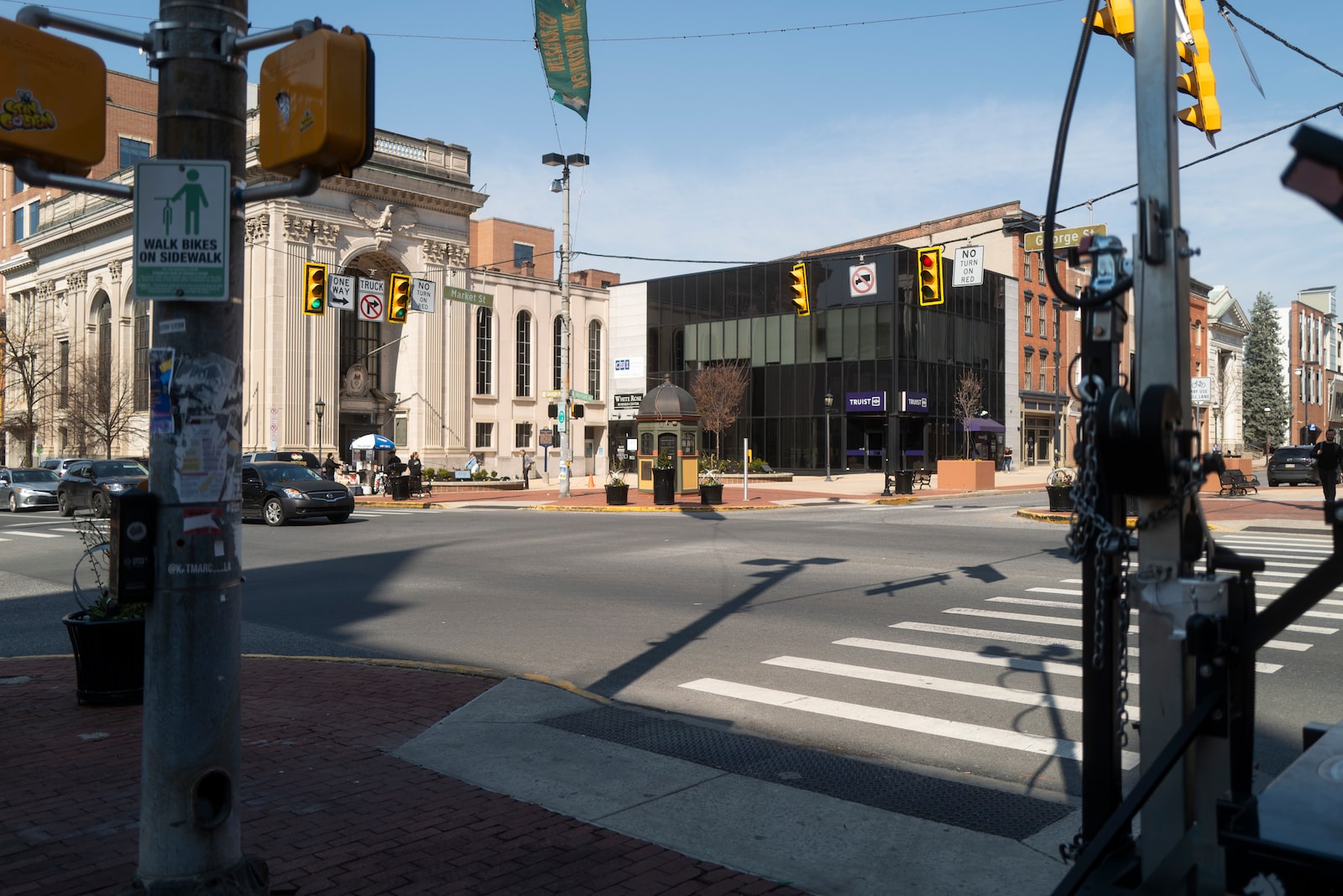
It is people such as Ms. Rodríguez, in places such as York, who will determine whether the President faces electoral backlash for this. This area is part of Pennsylvania’s 10th congressional district, which the Republicans won in 2024 by a single percentage point and is certain to be one of the country’s most hotly contested districts in November’s midterm elections.
Among voters in this town of 45,000 in the forested hills of southern Pennsylvania, views on the war vary widely. Some see it as necessary to destroy the military capabilities of a rogue state. Others view it as a needless and deadly distraction from bread-and-butter economic concerns. Many agree with its premise but express deep unease with its unintended effects.
Jim Reynolds, a 73-year-old retired math professor, said the war “started out as a good thing” but that the U.S. appeared to have underestimated the capacity of Iran’s regime to resist. He worried that now the only way out for Mr. Trump would be to send in troops to secure Tehran’s enriched uranium and reopen the Strait of Hormuz, whose closing by Iran has caused petroleum shortages.
“I’m afraid that, if we’re going to be successful, we’re going to have to have boots on the ground and widen the war. It has the potential to blow up for the entire world,” Mr. Reynolds said as he ate lunch at a mall food court on the outskirts of town. “We probably didn’t have the best battle plan in place.”


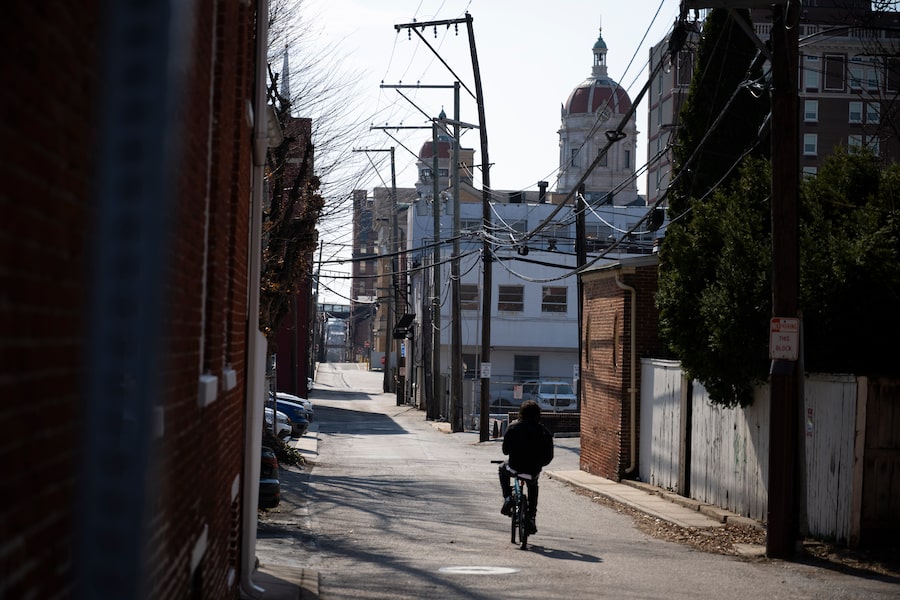
Pennsylvania’s 10th congressional district, which includes the town of York, will be one of the country’s most hotly contested districts in the midterm elections later this year.Joe Lamberti/The Globe and Mail
It all reminded him of the U.S. invasion of Iraq in 2003, which was initially sold as a short operation to remove dictator Saddam Hussein but turned into a protracted war.
A registered Democrat, Mr. Reynolds said he voted for Mr. Trump in 2024 because he felt then-president Joe Biden had mismanaged the U.S. border with Mexico and not done enough to combat inflation. But he soured on the President over his belligerent treatment of Canada and other friendly countries.
“We’ve gone out of our way to alienate almost every ally we had. I can’t blame the other countries who haven’t rallied to the cause on Iran,” he said.

Dianna Blanco voted for Mr. Trump and supports his war with Iran.
To Dianna Blanco, who also voted for Mr. Trump, the conflict is worthwhile to stop Iran from threatening Israel.
“If Trump hadn’t done it, no other country would have,” said Ms. Blanco, a 49-year-old housekeeper, as she stood in the unseasonably warm sunshine on Market Street, York’s central downtown thoroughfare. “If he hadn’t done it, this would have continued and continued and continued. They aren’t going to stop.”
Unsurprisingly for a President who returned to office vowing to end foreign conflicts and lower consumer prices, Mr. Trump has struggled to get the country behind him. In a Reuters/Ipsos poll this week, approval of his job performance fell to 36 per cent, the lowest of his term so far. Just 35 per cent of respondents agreed with his launch of the war.
Around York, gasoline at most service stations sat at US$3.99 a gallon ($1.46 Canadian per litre) when The Globe and Mail visited, a roughly 30-per-cent increase in just a month − high by the standards of a country accustomed to inexpensive fossil fuels.

Leslie Ellis is concerned about affordability as gas prices rise.
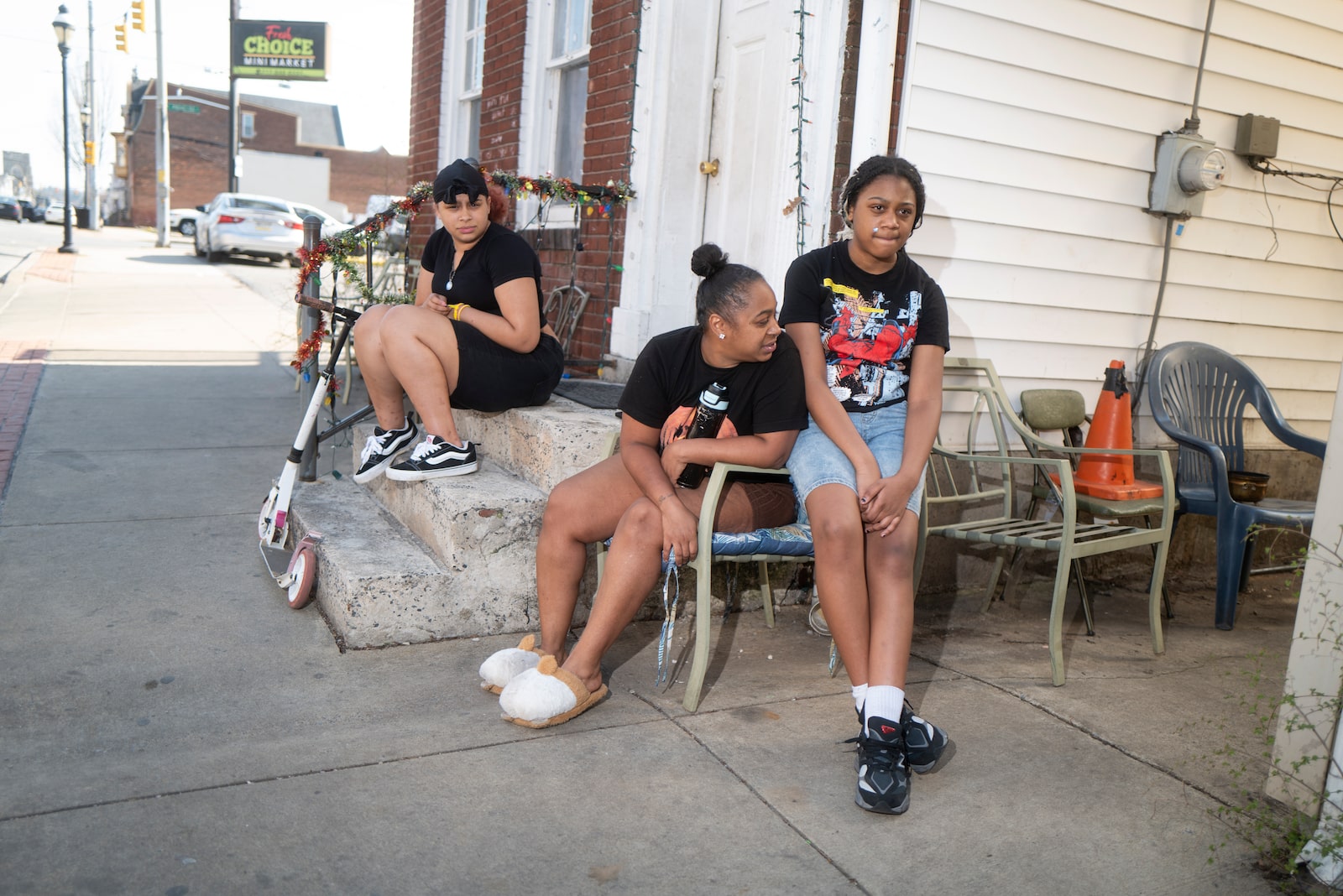
“People are going over there and risking their lives for what? I still need to put gas in my car,” said Leslie Ellis, 35, sitting on her front stoop in a neighbourhood of brick and clapboard row houses as children played on the sidewalk.
Cristi Shankland, 53, described the war as a “waste of money” at a time when her health insurance coverage is getting worse. Mr. Trump’s Republicans opted not to extend health care tax credits at the end of last year, leading prices for some plans to more than double.
“It’s just another Trump distraction. He should be taking care of us,” Ms. Shankland said as she took a break from her sales job near the town’s central plaza. “I’m not a scholar on politics, but I think we should just mind our own business.”
Ujunwa Anene pointed to Mr. Trump’s shifting explanations for attacking Iran. After a June, 2025, air strike, he said he had “obliterated” Iran’s nuclear program, only to later cite that program as a reason for the current war.
“They were saying that we got rid of the nuclear weapons, but suddenly we’re back because of the nuclear weapons?” said Ms. Anene, 27, a rehabilitation assistant. “Why are we starting new wars?”
Yvonne Small, an 82-year-old retired social worker, said there were more important reasons to oppose the war than economic ones. “It’s sad that people are focused on gas prices instead of killing.”
But if the war has given people such as Ms. Small, who already opposed Mr. Trump, even more reason to criticize him, it has made at least some of his top supporters double down.
One of those is Peg Blymire, a 75-year-old retired factory worker. Affordability concerns are top of mind for her: “You go to the grocery store, it’s going up. Medical insurance doesn’t pay for half the stuff – that’s why people don’t go to the doctor. Gas is at US$4 a gallon,” she said as she sat in the mall.
Her landlord recently raised her rent for only the third time in 16 years and warned that, if the cost of home heating oil stays high, it may be raised again, she said.
But Ms. Blymire said she believed Mr. Trump would sort it all out.
“I voted for him and I’m going to stick by him. It’s going to take a while to get things straightened out. He’s more for the American people than anybody,” she said. “I’m just putting faith in that he’s going to have solutions.”