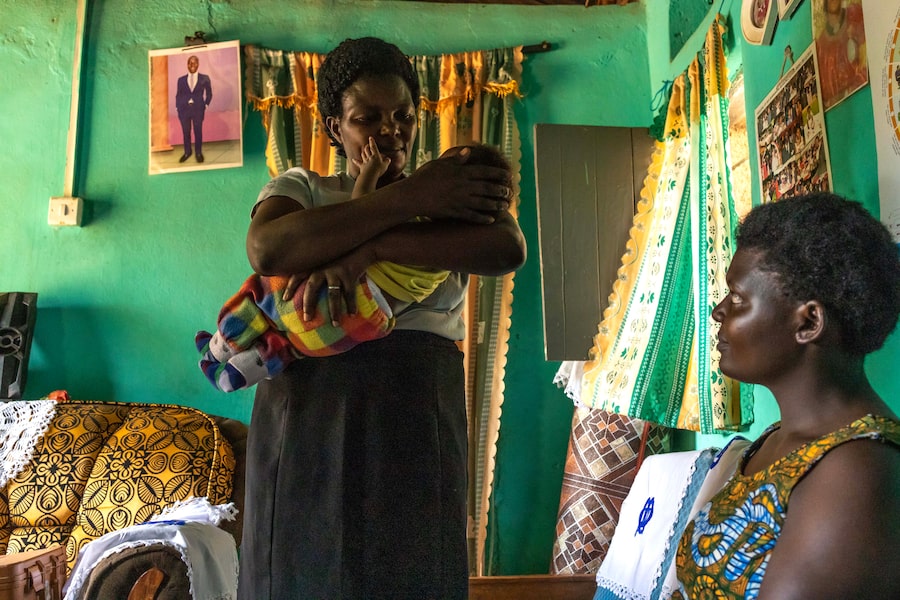
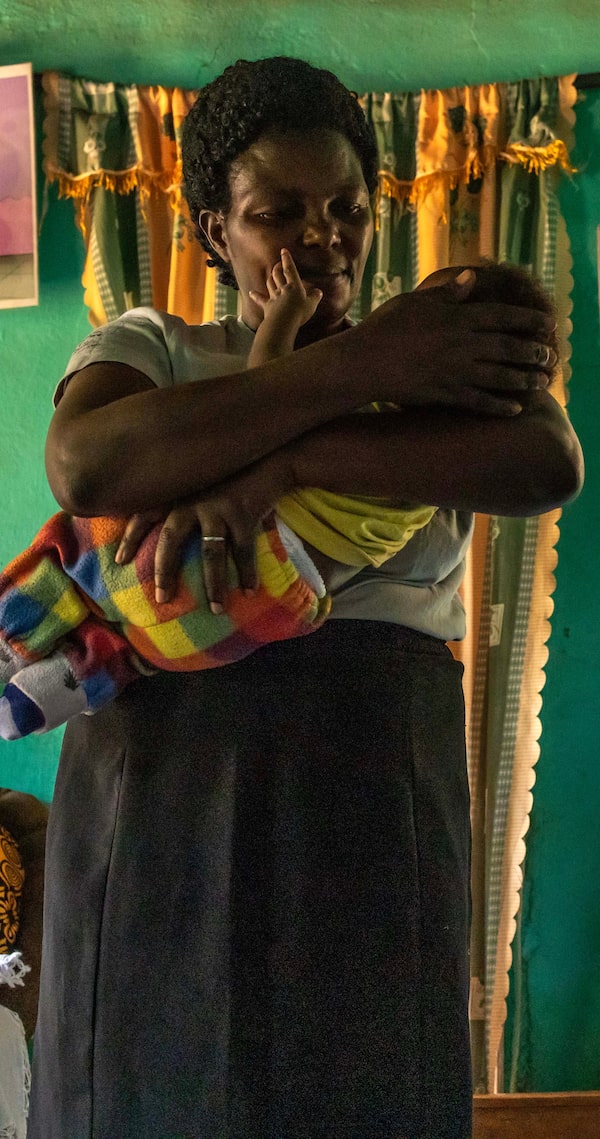
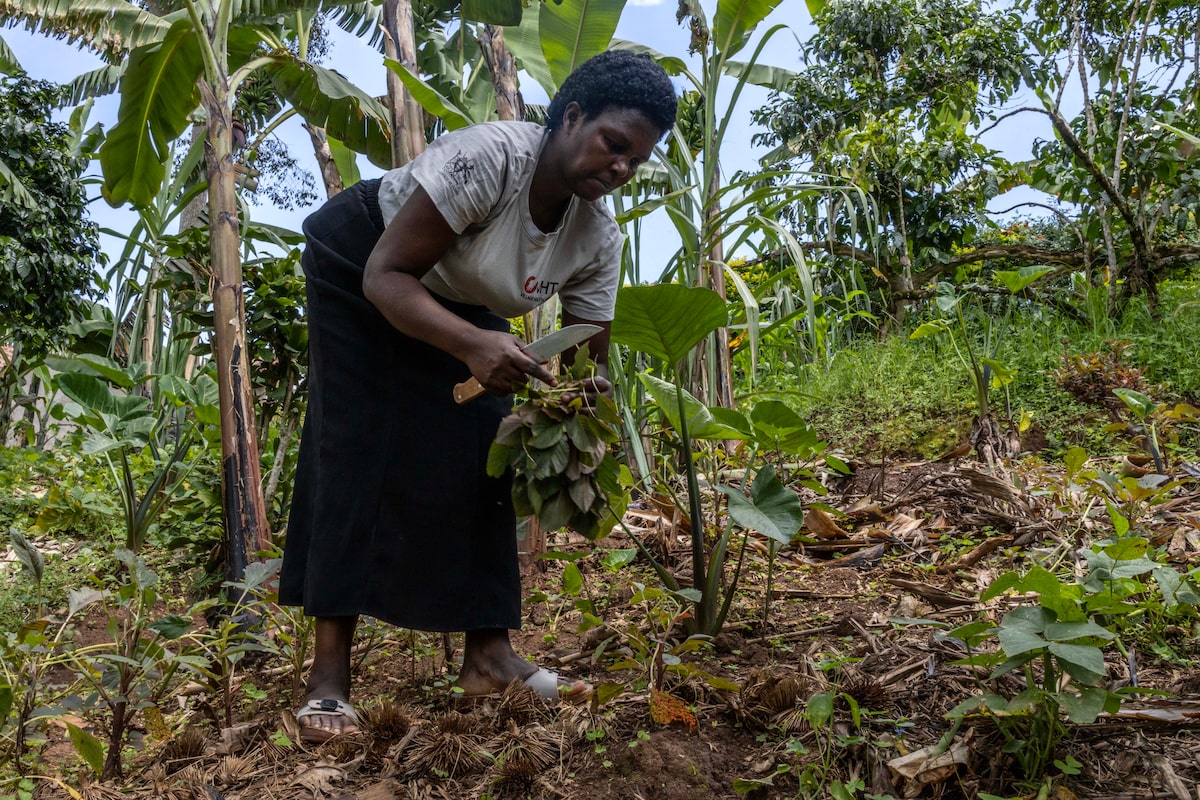
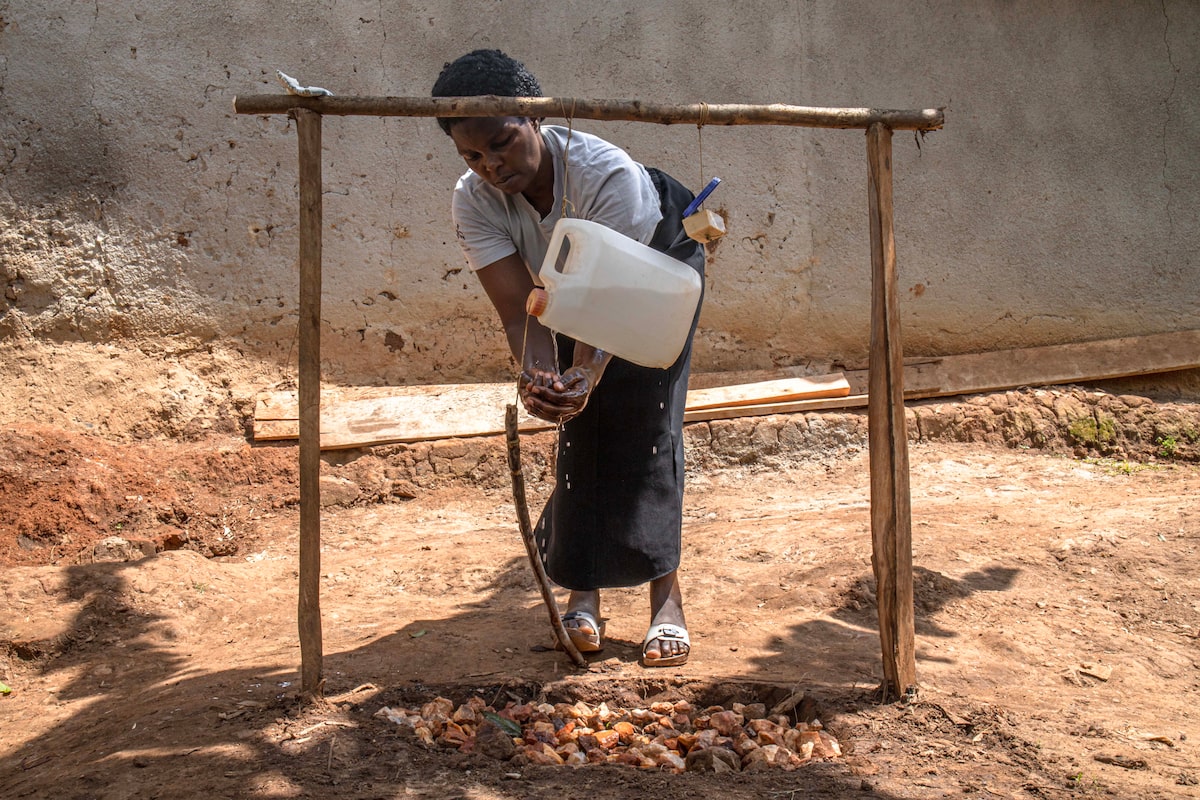
In a village in southwestern Uganda, volunteer health care workers walk quickly through the rain to visit a woman’s home. They check to make sure she and her family sleep under mosquito nets and that she boils her drinking water. They also encourage her to visit the clinic if she or her children are unwell.
In this rural community, where people live in extreme poverty and mosquitoes carrying malaria pose a daily risk, basic advice from trusted and trained community members can be lifesaving.
The volunteers are the first line of defence in health care here and are part of a wide-ranging and decades-long Ugandan-Canadian initiative to improve the health of women, newborns and young people in the East African country.
In a meeting room at Mbarara University of Science and Technology, lecturer and physician Jerome Kabakyenga recalled when the university launched a medical school and needed support.
Canadian cardiologist Zaheer Lakhani, who has roots in Uganda, wanted to help and reached out to a fellow Canadian colleague, John Godel, who launched an initiative that saw Canadian pediatricians travelling to Mbarara with funding support from the Rotary Club of Edmonton Mayfield.
Jenn Brenner, who was then a pediatric resident at the University of Calgary, went to Mbarara with Dr. Godel in 1999 to work in the pediatric ward. At the time, southwestern Uganda had no locally trained pediatricians.
The situation was desperate, she said, with children dying every day from preventable diseases such as malaria, measles, pneumonia, diarrhea, malnutrition, meningitis and preterm birth.
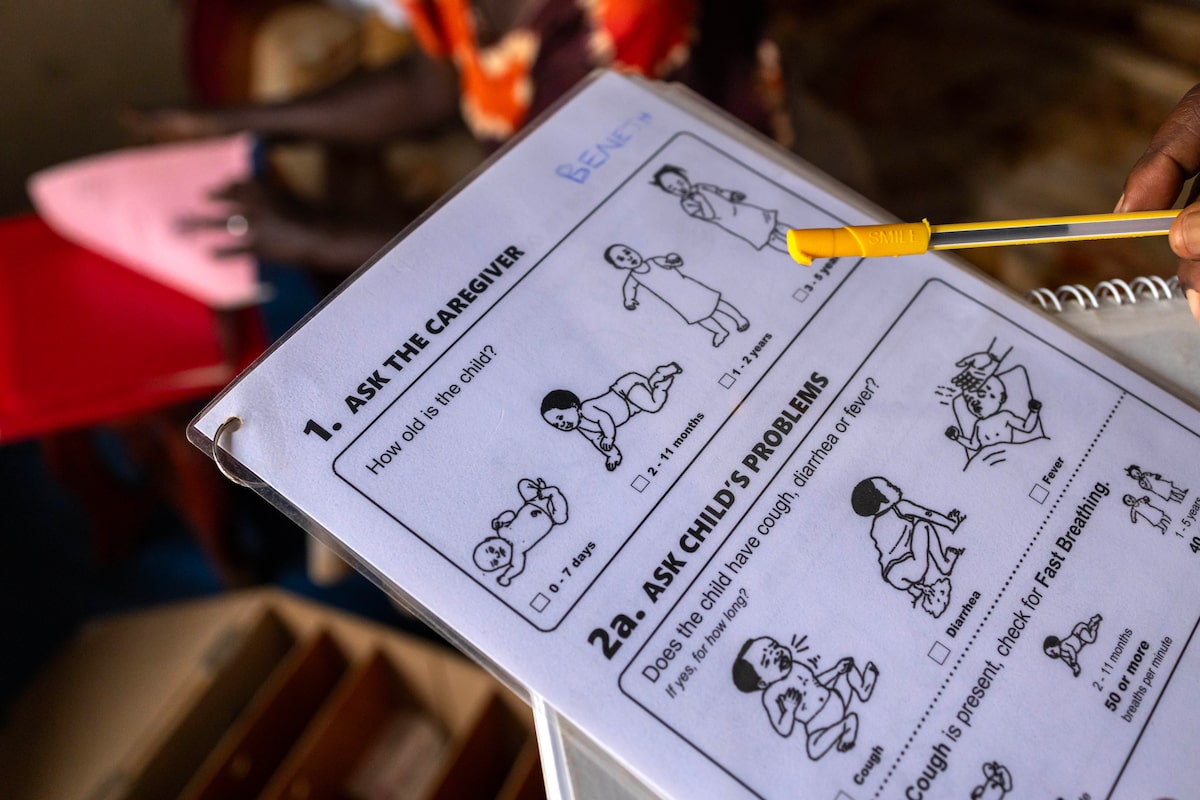
She returned to Mbarara several times, eventually meeting Dr. Kabakyenga. He and his colleagues were proposing to train community health volunteers in villages to promote health care initiatives for children under five years of age and identify and manage illnesses early among babies and young children.
Dr. Brenner and Dr. Kabakyenga teamed up to co-found Healthy Child Uganda (HCU). Through the Canadian Paediatric Society, she requested a small grant from Ottawa.
The Globe and Mail travelled to Uganda to speak with Healthy Child Uganda staff, their partners and beneficiaries to understand the success they’ve had because of the support of the Canadian government.


Co-founder Jerome Kabakyenga and program manager Teddy Kyomuhangi were among the Healthy Child Uganda officials The Globe met in Mbarara City.
With that initial grant, HCU trained more than 115 community health volunteers to undertake basic child health promotion.
They were so successful that they quickly scaled up their work, and partnerships in communities grew.
With more support from the Canadian government, they expanded the network of volunteers and added training on child health management and support for rural health care facilities, then expanded the network further still, training a total of 2,700 volunteers and supporting local districts and health care centres.
With the support of the Ugandan government and other partners, HCU also shared its experiences with partners in Tanzania, who undertook similar work using its model.
There have been many spinoff initiatives, such as the creation of a centre for pediatric simulation-based training at Mbarara University.
HCU also hosts research training workshops for junior faculty throughout East Africa, and there is strong collaboration on maternal and child health research between the university and Canadian doctors and scientists.

Mbarara University has dummies of newborn babies to train students at its simulation unit.
Dr. Brenner said that because they have an academic partnership, they evaluate what works and continue to roll out programs related to maternal, newborn and child health.
And although Global Affairs Canada offers grants for projects that have a beginning and an end, HCU doesn’t view the support that way because trained volunteers continue to deliver services even after the money runs out.
“Our goal is to work with communities, with health facilities, with health systems, with decision-makers and policy makers to try to see what we can do to strengthen health systems and to make change with communities and for communities to be able to make change for themselves,” she said.
The results have been higher vaccination and prenatal care rates, better survival rates among newborns and significant reductions in child deaths and illnesses. And most volunteer health care workers continue to serve their communities a decade later.
Christine Mubangizi, 52, who has been volunteering for more than a decade, said that in addition to her health care duties, she’s also become a trusted confidante.
She has helped teenaged girls – one who had become pregnant, another who married young – navigate their situations and return to school.

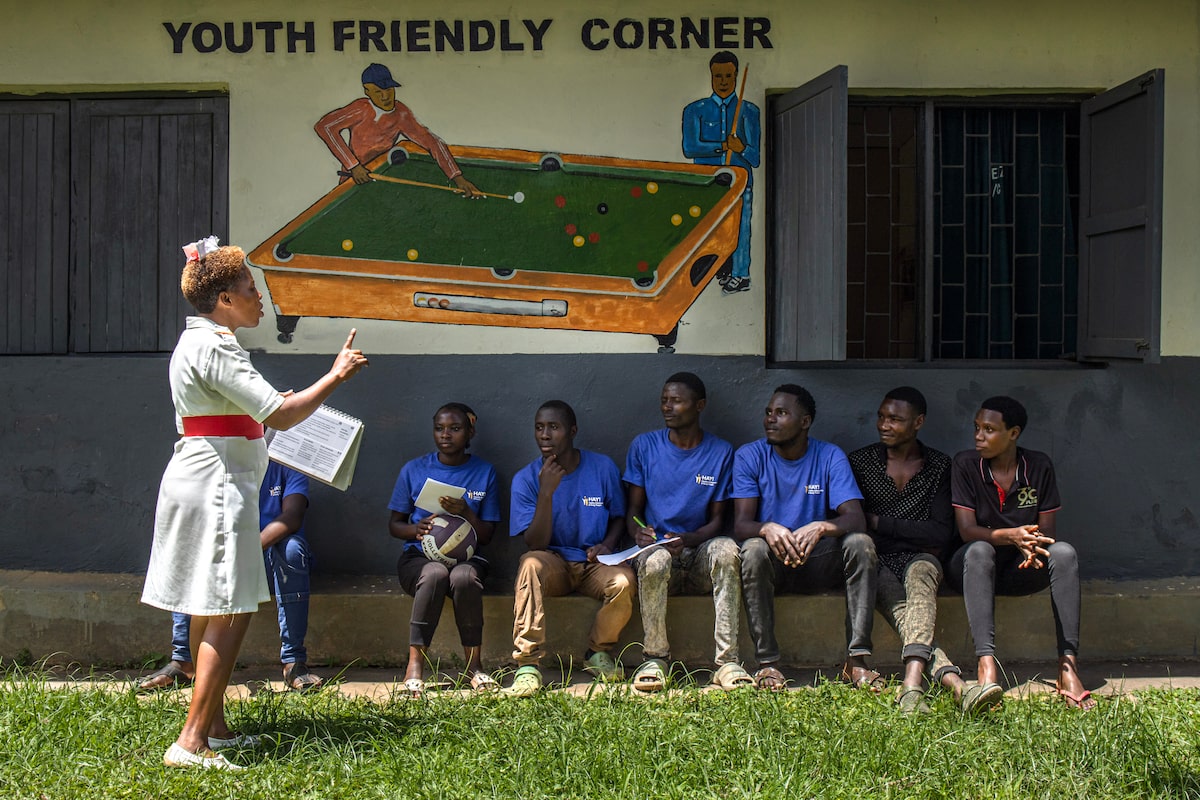
HCU has now turned its attention to young people, launching a program called HAY! in 2020. It too is supported by Global Affairs Canada and involves activities that address nutrition, puberty, reproductive health, mental health and gender-based violence, among other topics.
Funding from GAC enabled districts to provide short workshops promoting HAY! messages to school leaders. That training helped spur organic innovations using local resources, such as students forming HAY! clubs and teachers coming up with ways to improve adolescent health.
Tayebwa Danson, the head teacher at Mwengura Secondary School, said the training made his school realize there were gaps in the way it was addressing adolescents’ needs, particularly around health issues.
One example he shared was how the school had not been supporting girls who were menstruating. Before, he said, when a girl was on her period, she would be embarrassed and fail to attend school – particularly if her male classmates found out. Mr. Danson said they addressed the issue by providing menstrual kits and by talking about it. As a result, absentee rates started to fall.
“Now boys don’t find it something to talk about and call others and get excited about – no, it has happened through sensitization. These are sisters, help them.”

Mwengura Secondary School has a club with HAY!, a program that teaches adolescents about basic health. One of the messages on their sign reads: 'Take small steps together to create big change.'
School staff also started talking with students about issues they were going through, and in turn the students started opening up to them, seeking advice on sensitive topics.
“Through this, our school has become known. The learners are proud of being here. They have seen many visitors coming over this issue over health, over HAY!,” Mr. Danson said.
National school guidelines for adolescent health promotion are being developed based on the success of HAY! at the school, he said.
Promise Owomugisha, 19, who is studying math and entrepreneurship, said that since the changes at school, girls have more confidence, and their relationship with boys has changed.

Promise Owomugisha and Agaba Mackson are part of the HAY! club at Mwengura.Janice Dickson/The Globe and Mail
Not far from the school, The Globe met Patience Akampurira, a 23-year-old midwifery student. She was at the top of her class and almost finished high school when she found out she was pregnant. She thought that would be the end of her education.
But when she told her teacher, she remembers him saying that pregnancy did not mean the end of her life. He told her to focus on her studies.
It turned out he had received HAY! training.
“There were a lot of different, complex issues that the school was able to work through, and she was the student that they were first able to do that with. So hopefully she has paved the way for other students,” Dr. Brenner said.

In Rubirizi district, nursing student Patience Akampurira is training to become a midwife. She once relied on Healthy Child Uganda's help after facing challenges during her pregnancy.
Dr. Brenner said HCU is well positioned to scale up its efforts and make big changes quickly, particularly to the program for adolescents, if it had enough resources. That’s because it’s embedded within existing systems and the materials and government support are there.
She said support from the Canadian government has been critical to its success. But future funding is uncertain – in the last federal budget, Ottawa announced it would cut $2.7-billion from foreign aid over four years.
“What I think has sometimes been underappreciated is just what a huge contribution Canada has made over the past decade or even longer, which has really helped to accelerate maternal and child health progress globally.”

As the village health teams continue their rounds in southwestern Uganda, it remains to be seen how foreign funders such as Canada will continue to support such work.Janice Dickson/The Globe and Mail
Mothers of invention: More on maternal health from The Globe
The Decibel podcast
Maryam Fatima had her first seizure within minutes of being born. On bad days, she had hundreds. To save her brain, doctors would have to destroy part of it with a radical surgery, never used in Canada before. Health science reporter Jennifer Yang spoke with The Decibel about what happened next. Subscribe for more episodes.
Solutions in action
Toronto-based doula service aims to end disparities in Black maternal and neonatal health
In groundbreaking procedure, Ontario doctors perform rare heart surgery on pregnant woman
How volunteer cuddlers of St. Michael’s support infants in intensive care