The first thing you’re required to do when entering Aston Martin Racing’s sprawling new Formula One research and development hub in Silverstone, a couple of hours outside London, is surrender your phone. A receptionist then cheerfully places a green Aston Martin sticker over the camera and a matching rectangular strip over the lens on the front. Spies will not be tolerated.
Behind these walls, a team of 1,100 people—ranging from machinists and mechanics to 3-D printing technicians and aerodynamicists—are designing Aston Martin’s F1 car for the 2026 season, a project that is consuming vast sums of Canadian billionaire Lawrence Stroll’s money. Secrecy is paramount.
Formula One is a sport deeply concerned with the threat of industrial espionage. The difference between races won and lost often comes down to some sort of engineering sorcery that produces a competitive advantage only for as long as it remains exclusive and uncopied. Teams are known to employ long-lens photographers tasked with capturing intel from cars idling on the grid. Aerodynamicists will sometimes walk the paddock in search of trade secrets, prompting rival mechanics to spring into action, clustering around the car as they shield its most precious intellectual property from prying eyes.
But even by Formula One’s paranoid standards, a new level of omertà has descended in recent months.
Next season, the Fédération Internationale de l’Automobile, or FIA, is introducing some of the most sweeping changes in the history of F1, which dates back to 1950, when the first race was held at Silverstone. The regulations governing each car—the formula in Formula One—are being reworked to make the cars smaller, lighter and more agile, and the races more competitive.
The new regs include updated specs for both the engine and the chassis. This has the potential to shake up a leader board that’s primarily been dominated by McLaren, Red Bull, Mercedes and Ferrari.
With the right engineering, a middle-of-the-pack team could suddenly become a contender, particularly if one of the leaders gets its car wrong. F1 teams are ploughing huge investments and brain power into their designs in hopes of gaining an edge. This is precisely the moment Stroll has been waiting for.
How F1’s new owners helped add another $1-billion to Lawrence Stroll’s net worth
The Montreal fashion magnate, who amassed a fortune worth more than $5 billion as an early investor in Ralph Lauren, Tommy Hilfiger and Michael Kors, has always held F1 aspirations. A collector of fast cars who introduced his son, Lance, to racing at an early age, 66-year-old Stroll became a team owner in 2018, when he assembled a group of investors to buy Force India F1 from the brink of bankruptcy for US$117 million.
Stroll renamed the team Racing Point, and it competed for two seasons under that name, with Lance as one of its two drivers. Then, in 2020, Stroll led a similar group of investors in a US$235-million deal for 16.7% of Aston Martin, the iconic British automaker famous for its starring role as James Bond’s getaway car. Stroll was appointed executive chair and merged the F1 team with the brand. After a 61-year absence, Aston Martin was back on the grid.
Its on-track results have been middling so far, with Aston Martin and Racing Point bouncing between fourth and seventh in a field of 10. But Stroll is playing a longer game. “When I went into this, I went in with my eyes wide open,” he says in a rare interview. “I said, ‘This is going to be a 10-year process.’”
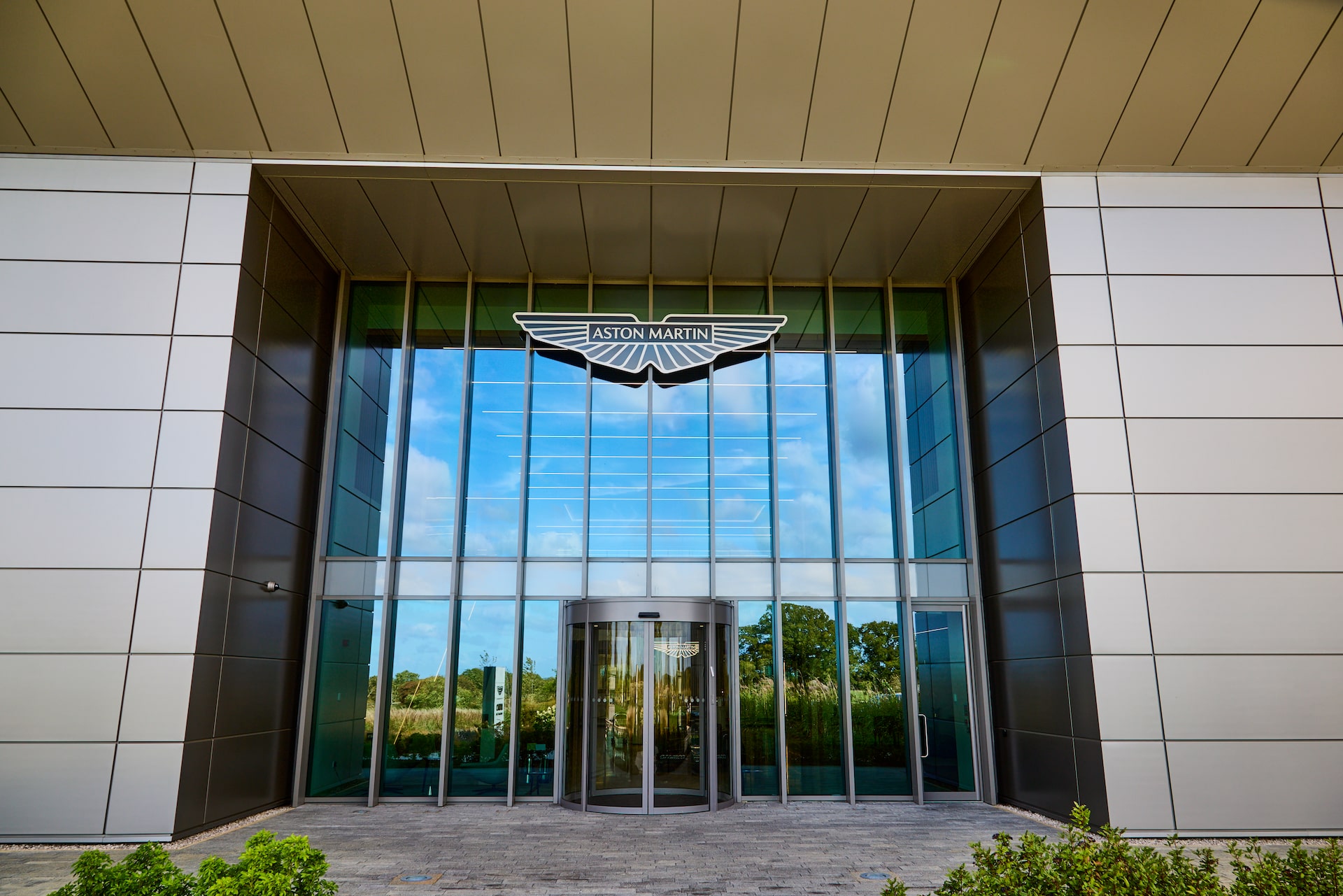
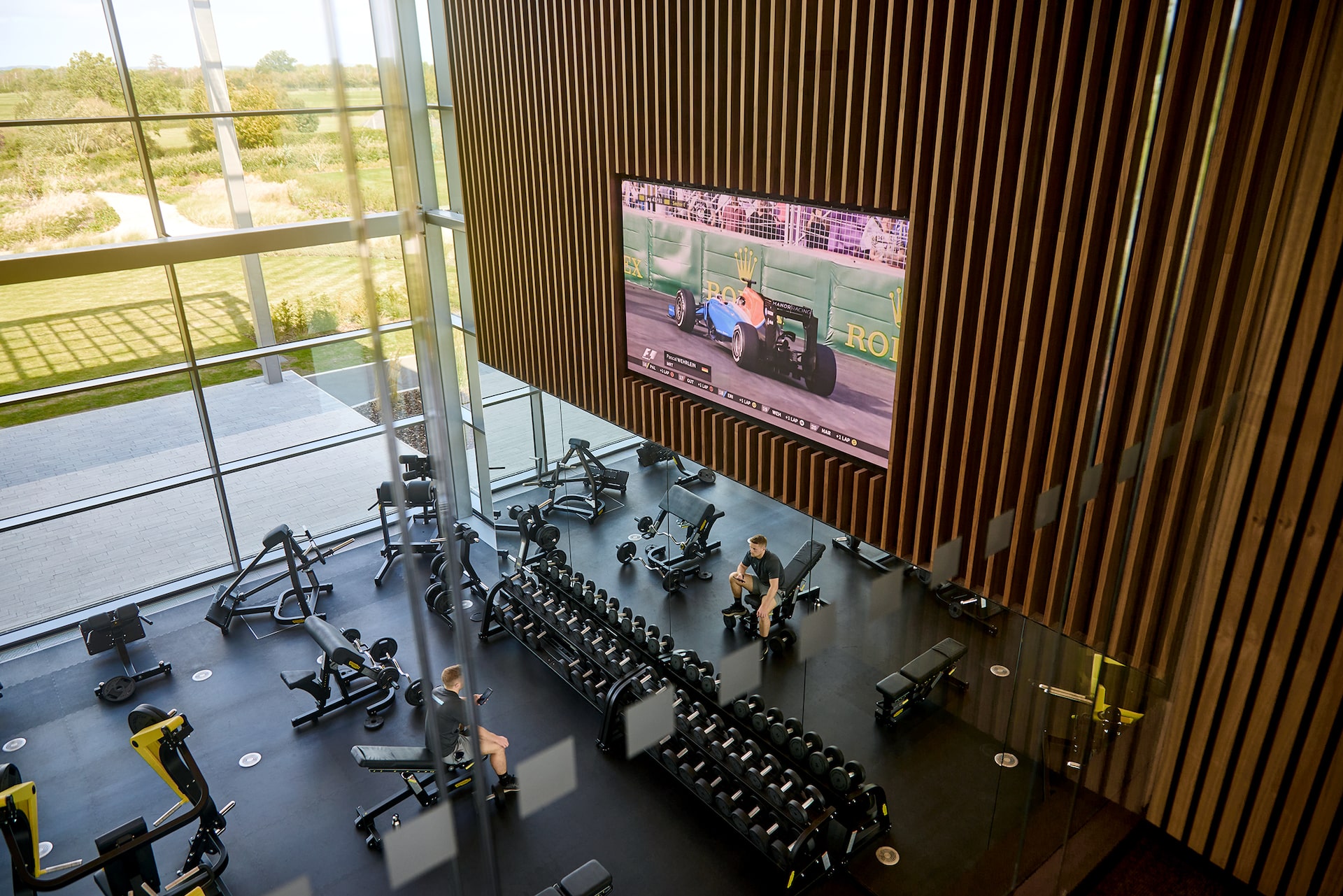
Soon after buying the team, he set to work building the Aston Martin Racing Technology Campus, the newest factory in Formula One. Located a few minutes from the Silverstone circuit, home of the British Grand Prix, the recently completed £200-million-plus facility resides in the heart of England’s motorsport valley—home to seven F1 teams all within 100 kilometres of each other. It’s the first stage in Stroll’s master plan to win an F1 championship.
The facility boasts a US$150-million state-of-the-art wind tunnel, where engineers test and retest their designs—on models built to 60% scale, as per Formula One regulations—before taking them to the track. “Why doesn’t everybody just build a wind tunnel? Because it costs $150 million,” says Stroll. “It’s a hell of an expensive tool.”
It’s also an example of Stroll’s spare-no-expense approach to winning. The new factory skimps on nothing, from the olive trees imported from Italy to a helipad for Stroll as he commutes between Silverstone and his private jet, flying to races and between properties across Europe, including Switzerland.
The campus’s first building opened in 2023, making way for the next stage in Stroll’s plan: securing high-end talent. During three months last year, Stroll convinced former top Mercedes F1 engineer Andy Cowell to join Aston Martin F1 as CEO and team principal; poached former Ferrari aerodynamicist Enrico Cardile as chief technical officer; and then stunned the sport by prying legendary car designer Adrian Newey away from Red Bull Racing as his managing technical partner.

Stroll recruited former top Mercedes F1 engineer Andy Cowell to join Aston Martin as CEO and team principal last year in a bid to move the team up the standings.David Goldman/The Globe and Mail
All three are highly respected, but Newey is revered. He’s won 12 Constructors’ Championships (bestowed on the team that amasses the most points in a season), including six at Red Bull. To land him, Stroll had to offer up an annual salary reportedly between £25 million and £30 million, while also making Newey a shareholder. In a press release announcing the hire, the team called the move a statement of ambition.
“He’s a unicorn. He interprets the loopholes better than anyone,” Stroll says. “Him and air have a relationship no one can figure out.”
Formula One imposes an annual cap on how much each team can spend on the car. This season, that number was US$135 million. But the construction of new buildings and wind tunnels, along with salaries for top executives, fall outside that limit.
All told, Stroll figures Aston Martin and its sponsors are spending more than US$500 million to build a winner. “To be honest with you,” he says, “I don’t even know the exact number. I just put in whatever’s necessary.”
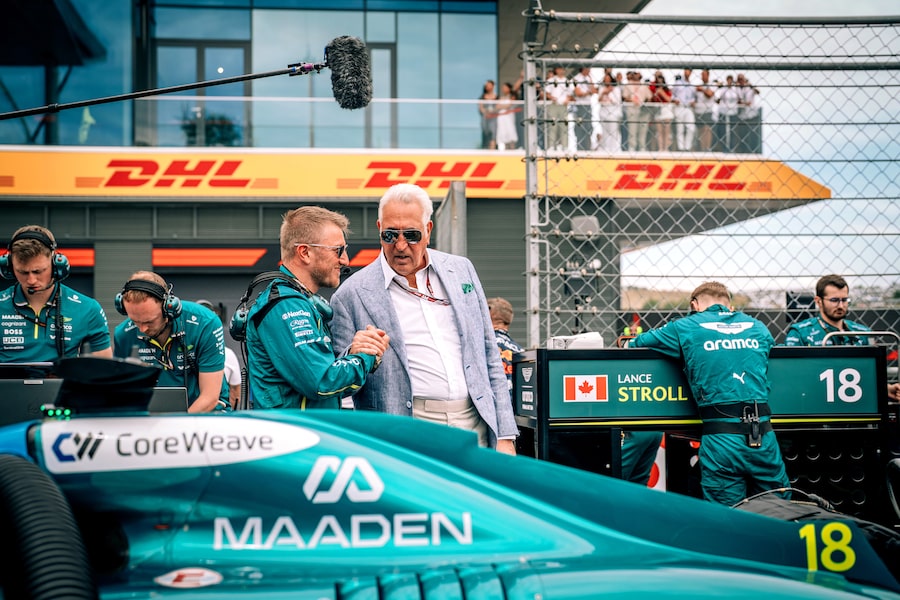
Stroll is a larger-than-life character who cuts an imposing figure trackside. He’s drawn to races—attending 20 out of 24 this year—and he’s more visible in the paddock than most team owners. At least once each broadcast, the cameras catch Stroll in front of a monitor, headset on, brow furrowed, immersed in the drama.
His voice tends to boom, and when he answers a question, he’s direct and to the point. His unbridled ambition has made him a polarizing figure in a sport known to be cliquey and exclusive, even among billionaires.
Stroll was raised in the Côte Saint-Luc area on the west side of Montreal, in what he describes as a fairly middle-class childhood. “We had a lovely home,” he says, “But we were not extremely wealthy people.”
His father, Leo Strulovitch, who later anglicized the family name, started a kids’ clothing label called Maggie Muggins in 1967. It grew into a fashion import business after Leo obtained the Canadian rights to the children’s lines of Pierre Cardin and Polo Ralph Lauren.
“There are a lot of billionaires who buy sports assets as a trophy. This is not a trophy asset for me. This is a huge business that I’ve made a huge investment in, and it’s a business like all the businesses I’ve owned before.”
– Lawrence Stroll
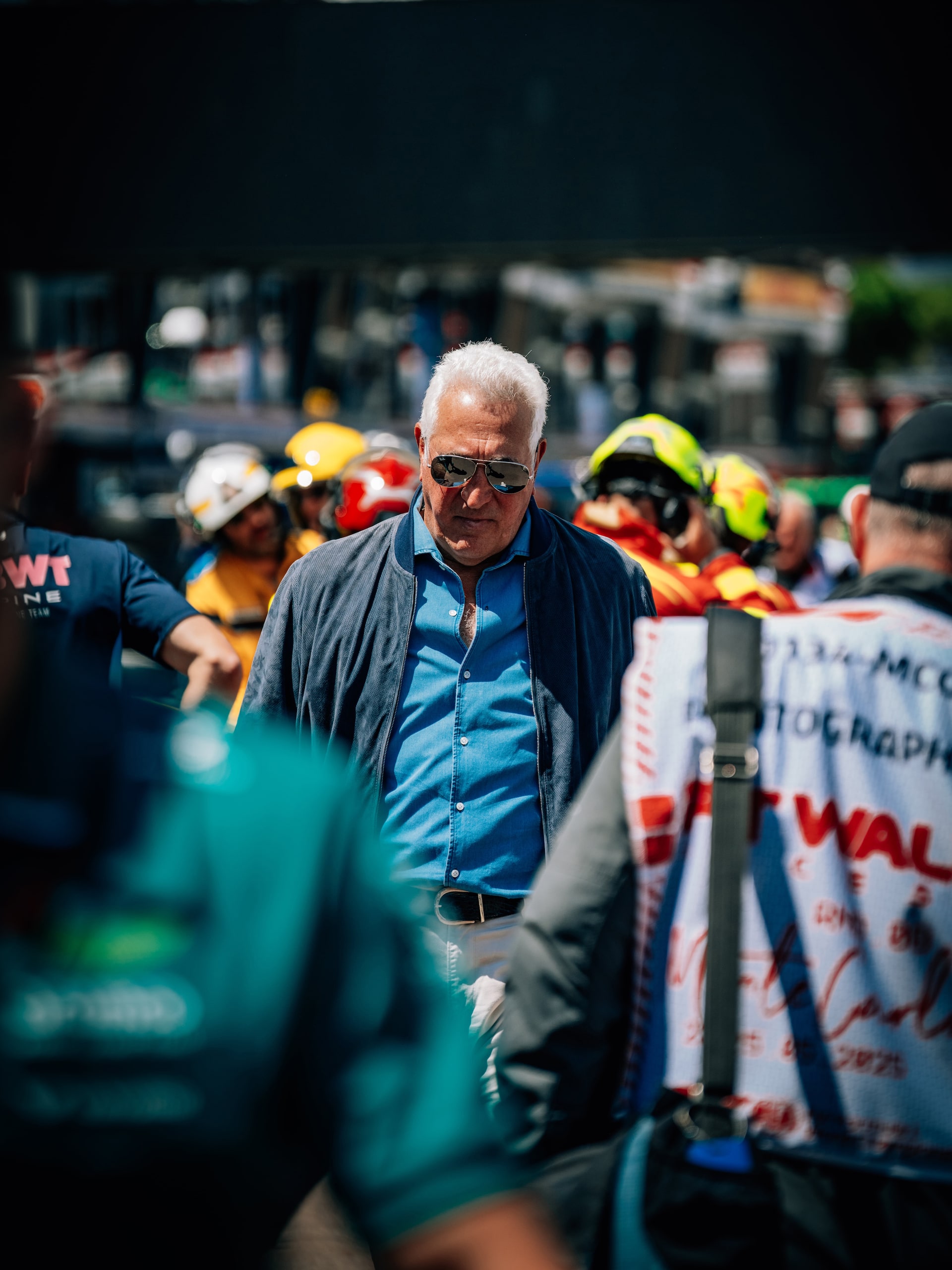
Stroll followed in his father’s footsteps, joining the company at age 16, eschewing university for a hands-on education. As the 1980s dawned, he sensed the potential for Polo beyond North America and acquired the European rights to the brand, including the men’s and women’s lines. It was the beginning of his empire.
On a trip to visit suppliers in Hong Kong, a family friend recommended Stroll meet the Chou family, who were knitwear manufacturers. Stroll’s friendship with scion Silas Chou became the backbone of their collective future success. At 23, Stroll left Canada to manage the Ralph Lauren brand in Europe, settling first in the fashion hub of Milan but soon moving to London and Paris, which made more sense for running the business.
Stroll sold his Ralph Lauren interest in 1989 and, with Chou, founded Sportswear Holdings, which bought a majority stake in a struggling American design label called Tommy Hilfiger for a reported US$3 million. It became a fixture of the 1990s aesthetic and grew into a multibillion-dollar business. It also sponsored the Lotus F1 team, Stroll’s first dalliance in the sport.
Stroll rarely discloses his financials, but when he sold Hilfiger in the early 2000s, he reportedly netted more than US$600 million. Stroll and Chou duplicated their playbook at Michael Kors, spending US$85 million for a majority stake. By the time Stroll ultimately cashed out in 2014, he’d made more than US$1 billion.
Along the way, he dabbled in other interests that fuelled his love of cars: He bought a Ferrari dealership in Quebec and a racetrack near Mont Tremblant, and amassed a collection of rare Ferraris, which included a 1967 275 NART Spider (one of only 10 made) he bought in 2013 for a reported US$27.5 million. After Stroll assumed control of Aston Martin, he unloaded the dealership and liquidated the Ferraris. His prized possession now is an Aston Martin DB4 GT Zagato worth US$15 million.
Stroll instilled his love of racing in Lance, whose mother, Claire-Anne, is a Belgian designer. (In 2020, Lawrence got remarried to a Brazilian-born, Milan-based designer who runs a luxury women’s clothing line under her maiden name, Raquel Diniz.)
By 11, Lance had emerged as a promising talent in the junior go-karting ranks, and Ferrari offered him a coveted spot in its young driver academy, designed to groom future F1 stars. In 2016, before he had a driver’s licence, Lance won the F3 championship. That same year, at age 18, he signed with Williams F1 with his dad’s backing, then joined him at Racing Point a few years later.

Lance Stroll arrives on the grid prior to the Azerbaijan Grand Prix in September. Like some of its rivals, Aston Martin has curtailed investment in this season’s car, choosing to focus on the regulatory changes coming for 2026.Peter Fox/Getty Images
Lawrence insists his decision to buy an F1 team was borne out of business sense, not to feed his ego. “My ego is my bank account,” Stroll says. “There are a lot of billionaires who buy sports assets as a trophy. This is not a trophy asset for me. This is a huge business that I’ve made a huge investment in, and it’s a business like all the businesses I’ve owned before.”
A decade ago, a complex like the Aston Martin facility wouldn’t have made financial sense. But in under a decade, the F1 business model has been turned on its head, and team valuations have risen sharply.
When U.S.-based Liberty Media bought Formula One from Bernie Ecclestone and CVC Capital Partners in 2017 for US$8 billion, it was a relative backwater in the entertainment world. It hadn’t fully embraced social media or streaming, and seemed intent on sticking to its European roots, rather than chasing newer markets.
In short, F1 lacked hype. But as the owner of concert promoter Live Nation and SiriusXM, Liberty had hype to spare. The new owners revamped F1’s online presence, began streaming races and insider footage, played up the personal lives of drivers, and partnered with Netflix to create the splashy docuseries Drive to Survive. Now approaching its eighth season, it’s won two Emmys and drew more than 10 million views in the first half of this year. After that came a Hollywood movie starring Brad Pitt, which has made US$625 million since June—the sixth-highest-grossing film in the world in 2025.
Most importantly, Liberty introduced more races in the United States, including one on the Vegas strip. Purists—drivers among them—found it gauche. But the way Liberty saw it, F1’s biggest mistakes were assuming America, the world’s largest consumer market, wasn’t interested, and ignoring China, the next F1 frontier.
Data released by media tracking agency Nielsen Sports estimated Formula One’s global following at more than 825 million in 2024, up 12% from the year before, largely on growth from North America and Asia. F1 is now worth US$27 billion, more than three times what Liberty paid for it.
When Stroll mobilized a group of investors, including Chou, to buy Force India in 2018, the price tag was small by today’s standards. By 2024, its value had soared. Stroll brought in new private equity investors in a deal that pushed the team’s value to US$2.4 billion. This past summer, when Aston Martin the car maker sold off its 4.6% stake in Aston Martin the F1 team, the transaction valued the team at US$3.2 billion. That makes Stroll’s stake worth more than US$1 billion.
“Only 10 years ago, even less, Formula One teams were worth several hundred million dollars, not billions,” Stroll says. “It didn’t make any financial sense to build a factory like I built when the business had that level of valuation. You couldn’t spend that kind of money—the factory cost more than the value of the team.”
With his return locked in, Stroll wants to win—which is where the new facility and Adrian Newey come in.
“I always had my sights set on 2026,” Stroll says of the new regs. “That was, for me, when life really begins.”
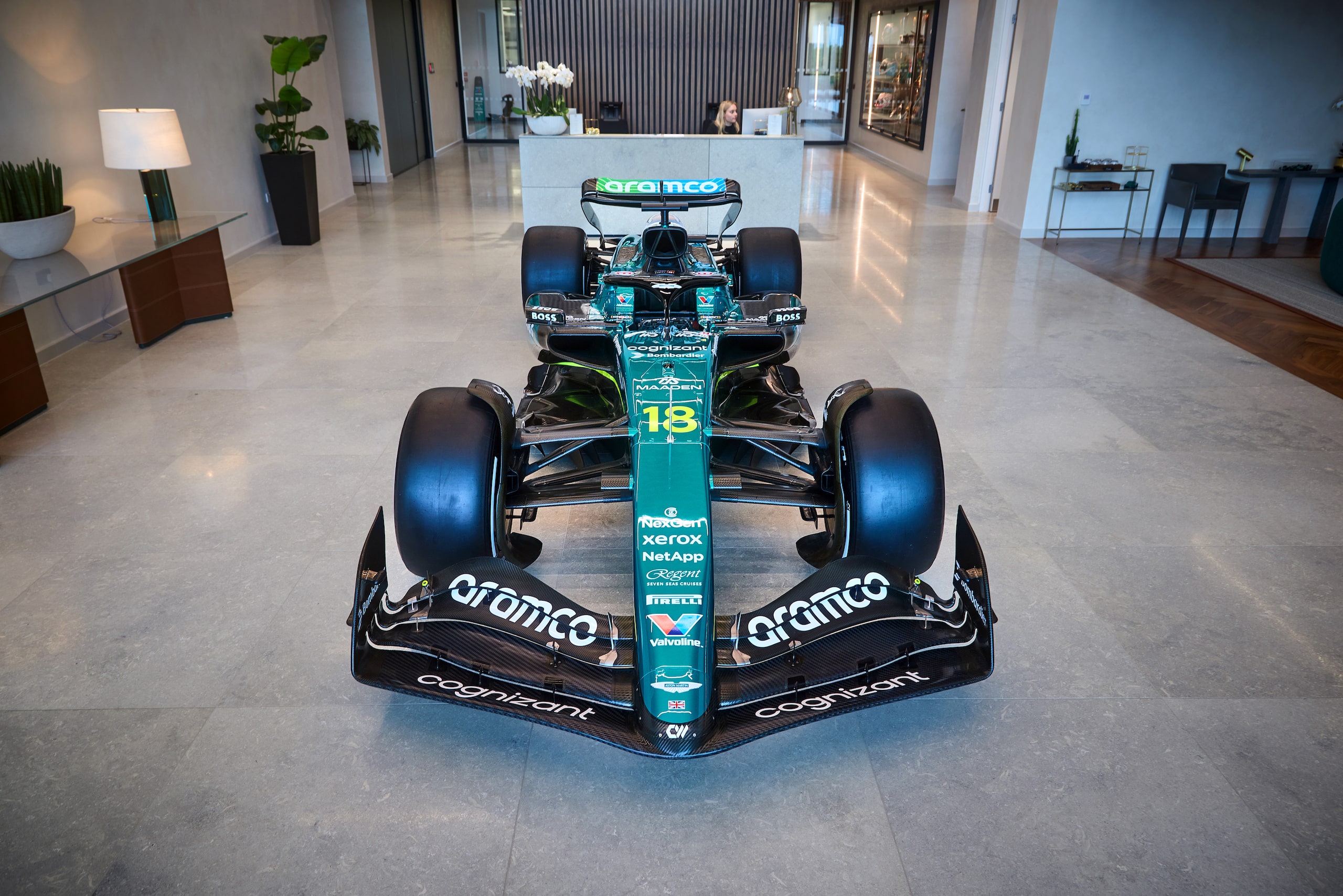
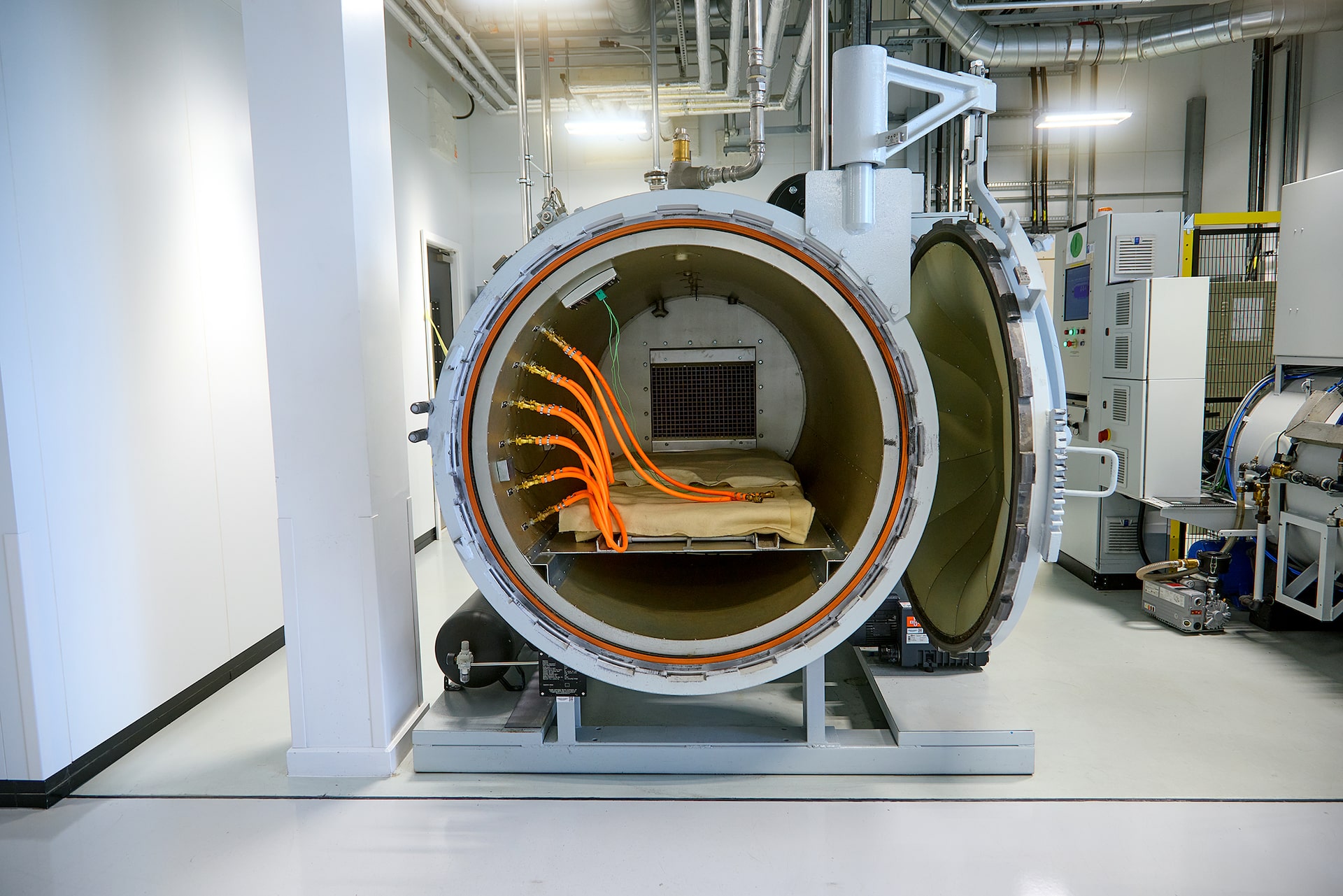
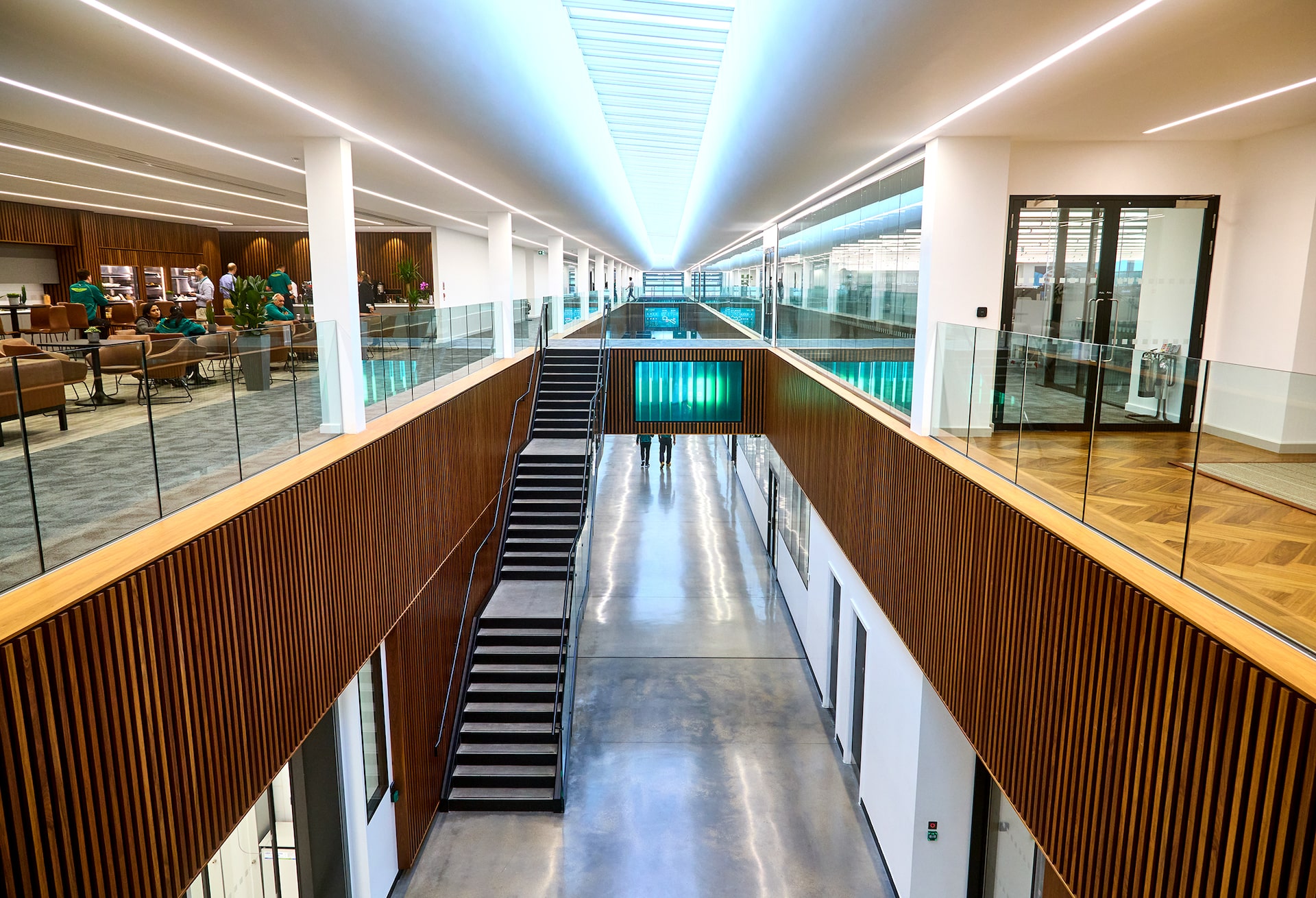
Walking through Building One of the AMR Technology Campus, chief operating officer Ben Fitzgerald pauses briefly to point out Newey’s office, a glass-encased space about the size of a bedroom and adorned with an oversized drawing board. We’re comically far away from it—at least the width of a football field, across a sea of cubicles and computer screens—which is about as close as Aston Martin is willing to let an outsider get to Newey’s workspace.
“That’s his office,” Fitzgerald says. “That’s where all the ideas come from.”
Newey was hired in September 2024 but couldn’t join the team until March, after a six-month cooling-off period. It’s known in F1 as gardening leave, designed to keep IP from walking out the door and directly to a rival.
At 66, Newey is famous for drawing by hand, rather than using computer-assisted design software. According to his 2017 book, How to Build a Car (probably the most detailed glimpse into his mind that exists), learning CAD would slow him down. By his estimation, only about 25% of the ideas he sketches make it on the car. Yet his record is unrivalled. In addition to 12 Constructors’ Championships, he’s contributed to 14 Drivers’ Championships between Williams, McLaren and Red Bull. His cars have finished first in well over 200 races, led by Red Bull’s 2023 car, which won 21 of 22 Grands Prix that season—the closest any team has come to perfection.
“I’ve never done the job for the money, I do it for the passion,” Newey wrote in his memoir. “Even so, we all have an ego. And one way of measuring your success is by how much you’re paid. If you can command decent money, then why not?”
To make a Formula One car go fast, it needs power, it needs grip, it must be as light as possible, and it must minimize aerodynamic drag. Designers like Newey spend much of their time figuring out ways to manipulate the air swirling around the car to create downforce—downward pressure that suctions the car to the track as it hurtles around the corners.

Aston Martin’s hiring of legendary car designer Adrian Newey as the team’s managing technical partner caused a stir. Newey has designed some of the most successful cars in F1 history. His salary is reportedly between £25 million and £30 million.Getty Images
But there are other factors that can be manipulated to great effect. What’s made Newey a legend is his ability to interpret rule changes and find ways to exploit them faster than his competitors.
For the 2011 season, F1 mandated the inclusion of a kinetic energy recovery system, which stores energy from braking and converts it into horsepower. But the battery unit was heavy and risked throwing off the weight distribution. Newey split it into four units and installed them in different places. Even his own Red Bull colleagues objected to the unconventional move, but the team went on to win three straight championships.
For all his successes, Newey has had crushing lows. When Ayrton Senna died in 1994, it was in a Williams car Newey oversaw. Several members of the team faced manslaughter charges in Italy after investigators pinned the crash on a fractured steering column. But Newey was cleared in 2005.
Less painfully, some of his cars have faltered for reasons even he can’t explain. His 1989 car for Leyton House was a dud, as was his 2003 McLaren, even though both tested immaculately in the wind tunnel. Each serves as a costly example of the mysteries of car design. “When you’ve got a car performing badly,” he writes, “the answer is to increase, not reduce, your research expenditure, and hope to develop your way out of it.”
For the 2026 season, Newey and Stroll are hoping to exploit four key regulatory changes. Next year’s cars will be lighter, shorter and narrower. The new engines will be 50-50 electric-fuel hybrids. A new power-boost button will give drivers a surge of acceleration when they’re in the chase. And they’ll be able to open new flaps in the front and rear wings to reduce drag and maximize straight-line speed.
How each team incorporates the changes is up to the designers. But Fitzgerald’s job is to ensure Newey’s ideas get turned into reality as quickly as possible. That’s where Aston Martin’s new 400,000-square-foot headquarters comes in.
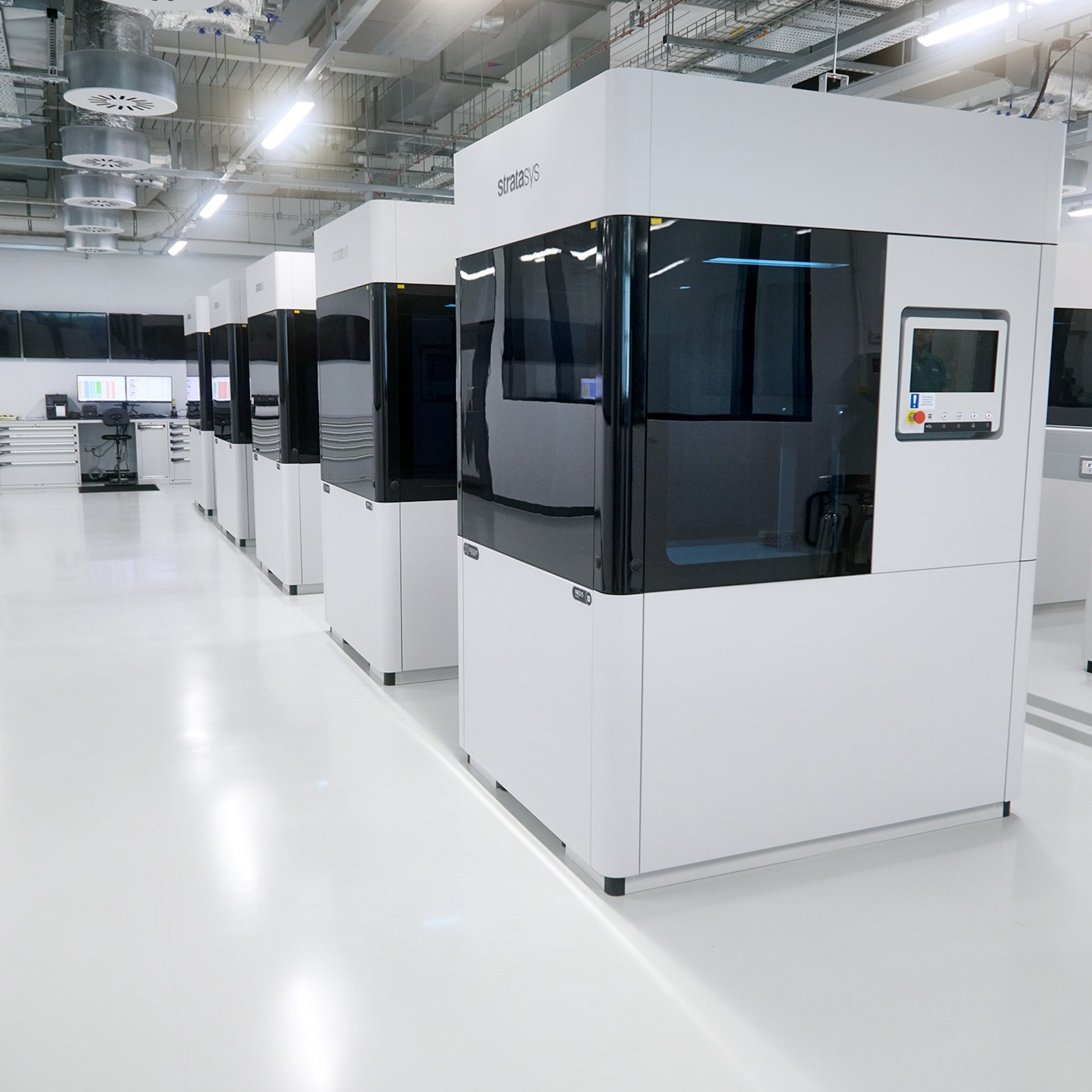
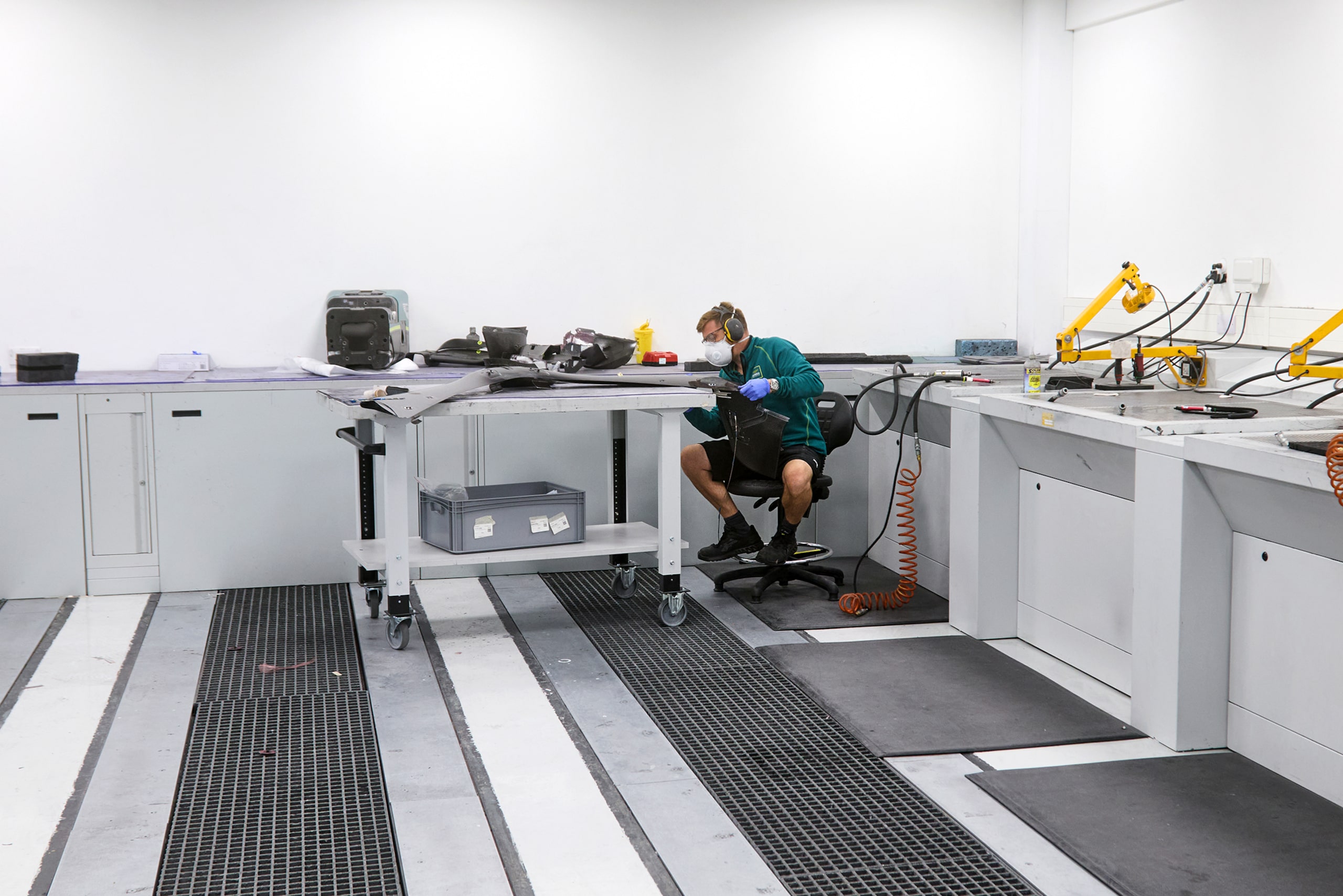
The car-assembly rooms are surgical-suite white and gleaming. Rows of 3-D printers, each the size of a walk-in closet, hum as they churn out new parts, while people in white lab coats and blue latex gloves bustle about. In one area, a robotic arm works in silence, measuring the accuracy of each new part down to the micron, gently poking their surfaces with a hyper-sensitive probe.
Fitzgerald points to a tooling block that will be used to make an element of next year’s chassis. “You can see 26J means it’s a ’26 season part,” he says.
Since a tooling block is used to make a mould for the final part, we’re essentially looking at the cake pan, not the cake. But even this can’t be photographed.
The design of the car’s undercarriage—the floor—is guarded most zealously. Fitzgerald calls it “everybody’s sort of hidden gem.” Each one costs about £135,000, and it’s where aerodynamicists spend much of their brain power, trying to manipulate air flow around the vehicle. When an F1 car is hoisted off the track after a crash, it’s a rare opportunity for rival teams to see what design tricks might be hiding underneath.
When Fitzgerald arrived in 2023, it took eight weeks to build a floor. Now, one can be produced in 26 days. Smaller parts, made using 3-D printers, can be ready for testing in the wind tunnel (which is off limits to non-employees) in a matter of hours. “The critical thing for us is to take Adrian and the technical team’s idea…and get it to the car as quickly as possible, at the right quality level, with the minimum cost,” Fitzgerald says.
If the new facility looks like something you’d find in Silicon Valley, that’s no accident. “Realistically,” he says, “we’re competing with those companies, because we’re trying to find the best brains.”

Aston Martin technicians work on a car ahead of the Grand Prix in Austin, Tex., in October. Starting with the 2026 car, Cowell says the team has “complete freedom” over the design, from the aerodynamics to working with Honda on a custom engine.JIM WATSON/AFP/Getty Images
Aston Martin’s ranks will soon reach 1,200, compared to 300 when Stroll bought Force India. To realize the owner’s vision, Cowell must make them all run like a finely tuned machine.
He’s done it before: Cowell oversaw the powertrain at Mercedes F1 during its rise to dominance a decade ago. As the sport shifted to early versions of hybrid engines, Mercedes secured eight consecutive championships, including a remarkable 2016, when it won 19 of 21 races.
But building a winner takes time, and with Aston Martin sitting in seventh, Cowell’s focus is on how to make a middling outfit great. The biggest influence on that transition will be transforming it into what’s called a works team: an operation that does almost everything in-house, rather than outsourcing parts and testing to other companies and, in some cases, rival teams. That includes the wind tunnel, a new simulator, control over how all aspects of the car are manufactured and, crucially, the ability to design its own engine.
Aston Martin had been using a Mercedes engine but had limited input. For 2026, the team will work closely with Honda on a motor designed specifically for its own cars. Honda engines helped Red Bull win constructor titles in 2022 and 2023, and powered Max Verstappen’s four straight Drivers’ Championships (from 2021 through 2024).
As a works team, Aston Martin is now a serious outfit. “We’ve got complete freedom across the whole race car to determine every single aerodynamic feature, every single suspension element, every single surface on the transmission, every single feature of the power unit,” says Cowell.

With all the attention on 2026, it’s tough to figure out how much to invest in the current season, which will wrap up Dec. 7 in Abu Dhabi, versus cutting bait on 2025 and focusing on next year’s car. Finding the right balance requires a series of decisions that fans and followers rarely see. “An F1 team is a little bit like an iceberg—the bit you see at the circuit is the bit that’s poking above the ocean surface,” Cowell says. “For me, the thing that perhaps people don’t understand is that the real race happens in the factory. How quickly can we create ideas and get them race ready so that they turn up at the circuit and just work? That’s the real secret to F1.”
Next season will see a more crowded field, with Cadillac joining the 10 teams already on the grid. Cowell says they don’t know much about how anyone else is faring. “We don’t know where they’re progressing with their race cars for next year. It’s only when we go racing that we’ll find out.”
Whatever the case, he wants to instill a new culture of winning, and that starts with attitude. “Trying to set the ambition that it’s not just races we want to win—it’s championships,” he says. “And it’s not just one championship. Great teams win back-to-back championships.”
Cowell is careful and measured, and doesn’t seem particularly prone to exaggeration. But back-to-back championships? It’s the kind of frothy statement most executives are conditioned to avoid. But Cowell doubles down: “I don’t think anybody’s ever won all the races in a championship.”
The boardroom suddenly falls silent.
Cowell’s attaché leans in with a helpful bit of info: “Red Bull came close,” he says, referring to 2023.
“There you go,” Cowell says. “One of my phrases that I throw around now and again is that you should shoot for the stars, and you’ll definitely clear the trees.”
F1 isn’t just a racing circuit. It’s an entertainment and advertising business. Like every team in the paddock, Aston Martin’s ambitions rely on a roster of commercial benefactors, led by its title sponsor, Saudi oil and gas giant Aramco.
But Jefferson Slack, the man whose job it is to keep the sponsorship money flowing, says F1’s recent surge in popularity is attracting new money from non-traditional quarters, including private equity firms and tech companies that want to lend their logos to an exclusive global product that hopscotches to a new international destination with each race. “If you’re a marketer, and you want to promote a particular product, brand or technology, but you want to have a consistent story and be able to activate in 10, 12, 15 different countries, this is the platform to affiliate yourself with,” says Slack.
He’s new to F1. Long before Stroll hired him as Aston Martin’s managing director of commercial and marketing, Slack was the first American to run a top European football club, Inter Milan. And he spent years at a sports agency overseeing sponsorships. He got his start in the early 1990s at ProServ, where Michael Jordan was a client. He still remembers the day Jordan’s Gatorade deal came buzzing across the fax machine: US$1 million-plus a year for 10 years. It seemed like a mountain of cash.
The first time he met Jordan, Slack wore Reeboks. Jordan suggested he invest in a pair of Nikes or find other work. Jordan had a way of joking but not joking at the same time.
No one’s kidding around at Aston Martin, either—least of all Newey, who regularly pulls long hours at his drawing board. “It’s really inspirational,” says Slack. “You see that, and you go, We’ve got Michelangelo.”
He admits that success on the track would make his job easier, since sponsors gravitate to a winner. But F1’s rise in popularity—plus the scarcity effect, with Cadillac likely the last new team admitted for the foreseeable future—means there’s almost a wait list for sponsorships. Cars and driver suits can only fit so many logos.
As for the debate over whether winning hinges on the driver or the car, Slack is adamant: “It starts with the car—it’s 90% to 95% car.”
Though Aston Martin is sitting at No. 7 in the team standings, Slack figures it’s third or fourth in terms of commercial revenue this year. And he says sponsorship money will increase by at least 30% this year, for the second straight year. “We certainly lost some deals to teams that are doing better than us on the track,” he says. “But ironically, every time we lost a deal, three or four months later, we did one that was better.”

Amid speculation about Aston Martin’s driver lineup, it's understood Lance Stroll has tenure within the team for as long as he wants it.LILLIAN SUWANRUMPHA/AFP/Getty Images
For Lance Stroll, Formula One is part of what he calls the new family business. And at times, he says, it can be a love-hate relationship when the frustrations mount.
Breaking into F1 was a dream come true and a privilege, he says via video call from Monza days before the Italian Grand Prix in September. But in nine seasons, he’s never finished a race higher than third. His best showing this year is sixth; at Monza, he’d finish a disappointing 18th (His teammate, Fernando Alonso, would be knocked out entirely). That will weigh on a guy.
“You have good days, and those good days and those highs are the best feeling in the world,” Lance says. “And when it’s tough, it hurts. And that hasn’t changed.”
If the sting of losing ever stops, he says he’ll know it’s time to do something else. But 2026 is a moment to reset. For the first time, he’ll be driving a Newey car. “Next year is really the opportunity for us to see what we can do with all the tools in place,” he says. “Having the factory, the wind tunnel, the new simulator, all the people who have joined over the past couple of years—it’s really the test for us to see what we can do.”
He’s optimistic but measured. “I think if we take a good step forward next year, and we’re comfortably fighting for top-five, top-six positions every weekend,” he says, “then the following year, podiums. And the year after that, race wins and fighting for the championship. I think that’s a realistic goal for us as a team.”
Aston Martin’s future driver lineup is the source of endless speculation. Lance, who turns 27 at the end of October, arguably takes more heat from the F1 masses than anyone else on the grid. But his father has always backed him unconditionally, ignoring the naysayers. When it comes to the family business, Lance has tenure for as long as he wants it. (Alonso, a spry 44, is up for renewal at the end of 2026 and has mused about retirement.)

Stroll figures Aston Martin and its sponsors are spending more than US$500 million to build a winner.Hector Vivas/Getty Images
Lawrence is only about halfway through his 10-year plan—he’s a man who works in decades. Ralph Lauren owned the 1980s. Hilfiger was synonymous with the ’90s. Michael Kors rose to prominence in the aughts. “Now,” he says, “I’m creating the Aston Martin decade.”
On Drive to Survive, he’s portrayed as a bit of a villain. In the Season 6 premiere, titled “Money Talks,” Stroll is cast as the bad guy with bags of money who’s come to steal the championship.
He hasn’t seen it—he admits he doesn’t like watching himself on TV—so he’s a bit surprised to hear this. But he doesn’t object.
“That’s fair,” he says. “I don’t know that wanting to be successful in any business makes you out to be a villain. But if that’s the case, I’m definitely the ultimate villain, because I have a very huge competitive nature, and I’m here to win—I didn’t do this not to win.”
For all the secrecy in Formula One these days, Stroll has no problem stating those intentions loud and clear.
Photography by David Goldman, davidgoldmanphoto.com