Canada is waking up to its own power, or what its own power could be.
Not only has U.S. President Donald Trump’s trade war prompted widespread acknowledgement that this country has spent recent decades depending too heavily on its southern neighbour.
It has also caused politicians, business leaders and the general public to recognize that Canada is blessed with an enviable array of natural or accumulated advantages – from almost limitless natural resources and bountiful agriculture, to a highly-skilled manufacturing work force and world-leading researchers, to coastal access to most major markets – that should allow it to be a much bigger global player than currently.
Better leveraging some of these strengths has been an early theme of the federal election campaign that’s taking place in Mr. Trump’s shadow, though party leaders’ promises for how to do so have often been vague or oversimplified.
The real work will start after the April 28 vote. For the next government, the imperative will be to work with the provinces, territories and private sector to capitalize on the current wave of backs-to-the-wall patriotic fervour before the sense of urgency starts to subside.

A ‘Shop Canadian’ poster is displayed in a store in Edmonton, Alta. in March, 2025. A wave of patriotism has emerged amid U.S. President Donald Trump’s trade war, prompting consumers to focus on products made by and for Canadians.Artur Widak/Reuters
That will require a nimbleness that governments have long lacked. Hurriedly throwing money at every sector or recklessly tearing up regulations could do more harm than good absent comprehensive planning. But there’s also little time or patience for years-long road-mapping exercises that produce anodyne documents aimed at keeping every interest group happy, to which Ottawa often defaults.
The ideal balance would be actionable strategies, clear-eyed about attainable growth goals and policies that could be swiftly implemented to meet them, that take shape within months.
Rapley: Donald Trump’s bizarre trade war brings the Western age to its end
Recent interviews with industry leaders and experts pointed toward 10 areas where those strategies are needed – and toward the sorts of policy actions that may be needed. There are only so many different such fronts that Ottawa can conceivably move on at once. And Canada has enough untapped potential that this is not even an exhaustive list.
But as Vancouver School of Economics professor Kevin Milligan put it: “When there’s a fire lit under you, you can do it.”
These opportunities, to build the economic sovereignty that Mr. Trump has attacked, will test how hot that fire is burning.
A reality-based plan for getting more resources to market
As has become a refrain, Canada has what the world wants – oil and gas that continue to drive global energy consumption and mineral reserves for the transition to cleaner fuels atop current technological uses.

It also has byzantine regulatory processes that have contributed to some of those resources staying in the ground or failing to reach overseas markets.
That doesn’t mean the next prime minister will be able to snap their fingers and make any project happen, as campaign rhetoric has suggested. The economics have to work and approvals have to be rigorous enough to not get blocked in court.
A good place to start would be selectiveness about which investments to try to fast-track.
When it comes to fossil fuels, for which demand will eventually start to decline, projects that could be built reasonably quickly and serve relatively reliable long-term demand are an obvious objective. For all the recent talk of reviving the Energy East oil pipeline that was controversially abandoned last decade – despite no company currently proposing to build it and European markets it could reach likely to move off oil quicker than elsewhere – trying to get more natural gas to Pacific ports seems like a better bet.
There’s also danger in fixating on critical minerals opportunities that have most famously been slow to progress – such as Ontario’s Ring of Fire, which is relatively difficult logistically because of its location – at the expense of less flashy options that offer quicker progress.
As for fast-tracking whatever projects prove to be priorities, there’s no need (or time) to reinvent the wheel by scrapping existing regulations such as the much-derided Impact Assessment Act.
Claire Seaborn, an environmental lawyer at Torys LLP who served as chief of staff to Natural Resources Minister Jonathan Wilkinson, pointed to a quicker course of action. It involves using the IAA’s provision that enables Ottawa and the provinces and territories to strike co-operation agreements in which only one order of government conducts all or some of an environmental assessment if it meets both governments’ standards, which could shave years off processes by eliminating overlap.
So far, only one such arrangement has been struck, with British Columbia, and it’s already helped with progress on projects such as Cedar LNG. Reaching similar deals with every other resource-rich province and territory epitomizes the sort of goal the next government should set for its early months.
A manufacturing sector that can make more than (just) cars
The automaking sector concentrated in Southwestern Ontario is being hit very hard by Mr. Trump’s tariffs, and it may never fully recover.

But there is far too much value there, in physical infrastructure and especially in one of the most skilled manufacturing work forces anywhere, to give up on even in the worst-case scenario.
The hundreds of Canadian parts manufacturers that supply global automakers already showed an ability to pivot when some of them helped produce medical equipment early in the COVID-19 pandemic. Now, there is a chance to do so to meet other domestic needs.
One major opportunity comes from the planned increase to Canada’s defence spending. “The most logical thing they could do instead of automotive is, like, a military truck,” said Brendan Sweeney, managing director of the Trillium Network for Advanced Manufacturing.
Other needs parts makers could help meet, he suggested, include mining equipment and even components for Ontario’s planned new builds of nuclear reactors.
Government can’t dictate that companies diversify. But it could empower them to do so through procurement policies, plus training programs and financial incentives for necessary capital investments.
None of that would mean giving up on automaking, which will hopefully bounce back. But it could strengthen the industry regardless, while allowing more needs to be supplied domestically.
Agri-food for which the world will only get hungrier
Canada is already one of world’s top food exporters, even if it has slipped a little (from fifth to seventh) in recent decades. And its role should increase, both for its own interests and global ones, given that its agricultural sector will not experience climate change as negatively as those in most other countries.

But that might require seizing this moment to break from a period of overreliance on the U.S. market, which has come to account for the majority of Canadian food exports at the expense of other countries, and has led to some complacency in terms of modernizing and expanding production.
The most immediate need, stemming from the trade war, might be to use government incentives to encourage investments in food processing. As Canadian Agri-Food Policy Institute managing director Tyler McCann pointed out, farmers’ fields aren’t going anywhere, but manufacturing facilities for those raw goods are more up for grabs.
There are also lots of other steps to be taken to boost long-term global competitiveness – as Murad Al-Katib, the AGT Food and Ingredients Inc. chief executive officer who has emerged as one of Canada’s most prominent agricultural voices, readily itemized.
Among them are the continued knocking down of regulatory barriers to interprovincial food trade, which Mr. Al-Katib said is necessary and doable by the end of 2025, and investment in rural digital infrastructure to allow technology uptake.
Mr. Al-Katib, a former Saskatchewan trade officer, also suggested a far more aggressive effort to build relationships with overseas markets – including making use of Canada’s free-trade deal with the European Union and pursuing more bilateral trade agreements in Asia.
He cautioned that patience will be needed: “Our trade relationship [with the United States] was built over decades. Our diversification is not going to happen over months.” But the urgency of this moment is a good time to start that momentum.
Embracing our sea-trade destiny
Having coastal access to Asia and Europe is no small thing. But it’s sometimes been treated as one, another consequence of Canada’s reliance on continental trade.
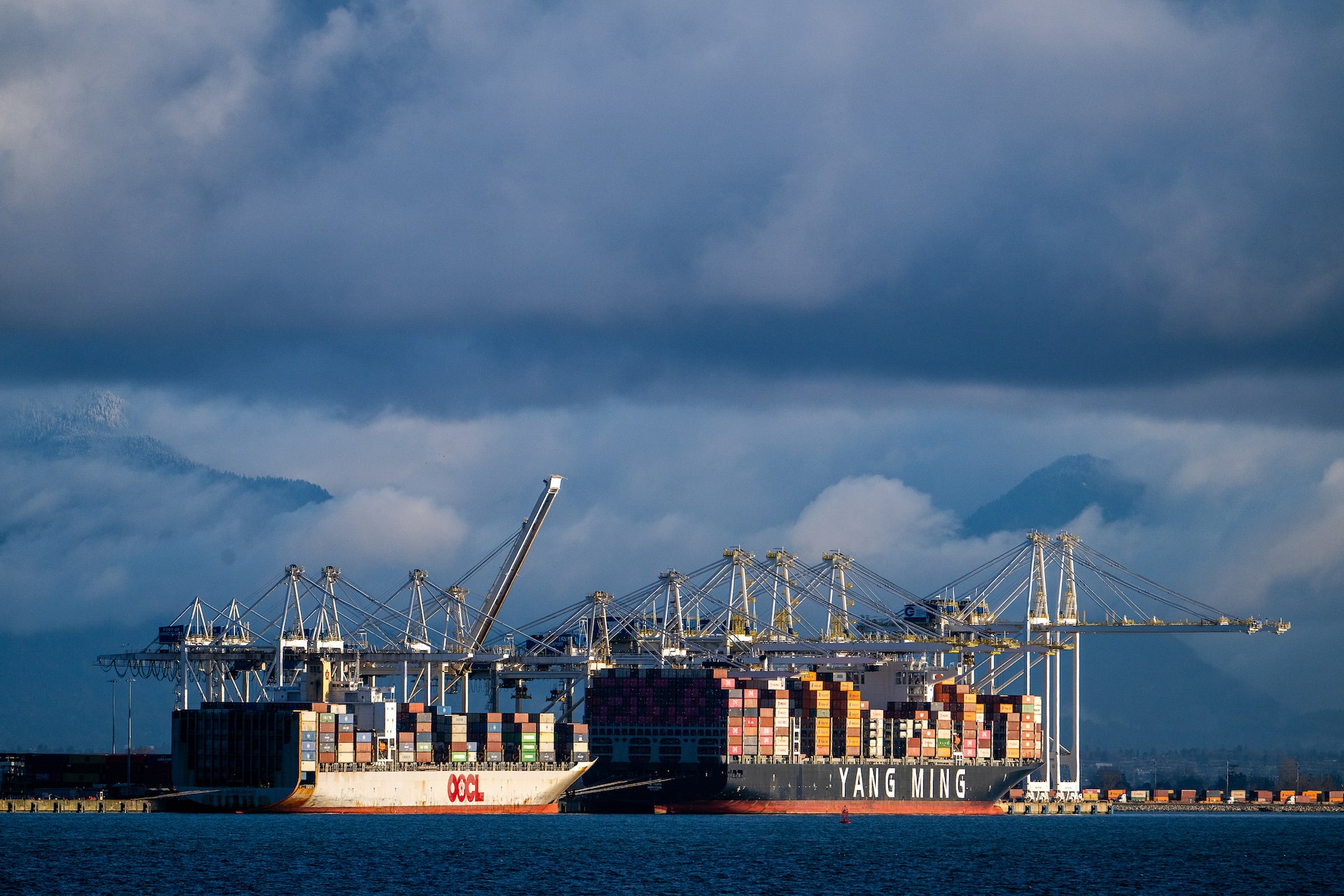
A refrain across sectors – including energy, food, manufacturing and others with high overseas export potential such as forestry – is a lack of confidence in trade infrastructure to get more goods to and through ports.
That’s partly about the ports themselves, arms-length federal entities that are considered inefficient by international standards; it’s even more getting goods to them, with rail bottlenecks an impediment to the just-in-time model on which marine transport is supposed to operate.
There have been recent investments, including an expansion of Vancouver’s port, the country’s largest. But “the gestation period is painfully long,” as former Vancouver Fraser Port Authority president Robin Silvester put it, because of long planning, permitting and financing processes.
A first step, he and others suggest, would be for Ottawa to convene port authorities and other commercial transportation operators and establish a list of the most urgent de-clogging initiatives – a level of focus that’s generally been lacking as entities have jockeyed for support.
That could then inform both permitting fast-tracks and allocation of limited public funds, since this sort of infrastructure inevitably involves some federal dollars. At the same time, the government could lean more heavily on the Canada Infrastructure Bank (CIB), which has trade corridors within its mandate to finance public-private partnerships, and could probably do more of that if priorities were clearer.
If the next government felt brave, it could also tackle the thornier issue of how to avoid frequent labour disputes – including work stoppages last fall in Vancouver, Prince Rupert and Montreal – that have hurt perceptions of Canadian ports’ reliability.
Nation-building through Indigenous empowerment
One recently emerging strength has been the empowerment of Indigenous communities near major energy, resource and infrastructure projects to be leaders or partners in them.

Credit entrepreneurial Indigenous leadership, public policies that mandate or incentivize Indigenous equity, and Canadian companies that increasingly recognize they need to engage with those communities from the earliest stages of project development.
Still, there’s a long way to go to maximize the economic opportunities for communities and to avoid projects of national interest being rendered legally or logistically unviable by Indigenous opposition.
The next government will need to follow through on a $5-billion loan guarantee program that, along with similar provincial mechanisms and the CIB, will help overcome structural obstacles to accessing capital.
Less obvious but equally important is to address what Tabatha Bull, the president and CEO of the Canadian Council for Aboriginal Business, called “varying degrees of economic development” in Indigenous communities. Some now have high capacity to assess and invest in projects, but others lack resources or expertise to do so.
Ms. Bull suggested establishing a federal fund that communities could access for hiring, training and other investments to level the playing field. Compared to many of the other economic imperatives ahead, it jumps out as a measure that could be introduced quickly and could serve many interests at once with hardly anyone objecting.
Leading North America in the energy transition
Fighting climate change by transitioning to a low-carbon economy may not be top of mind for most Canadians right now, amid the trade war and sovereignty threats. But that shift is still happening globally, despite Mr. Trump’s disinterest in it, and his administration’s antipathy toward all things environmental gives Canada an opportunity.
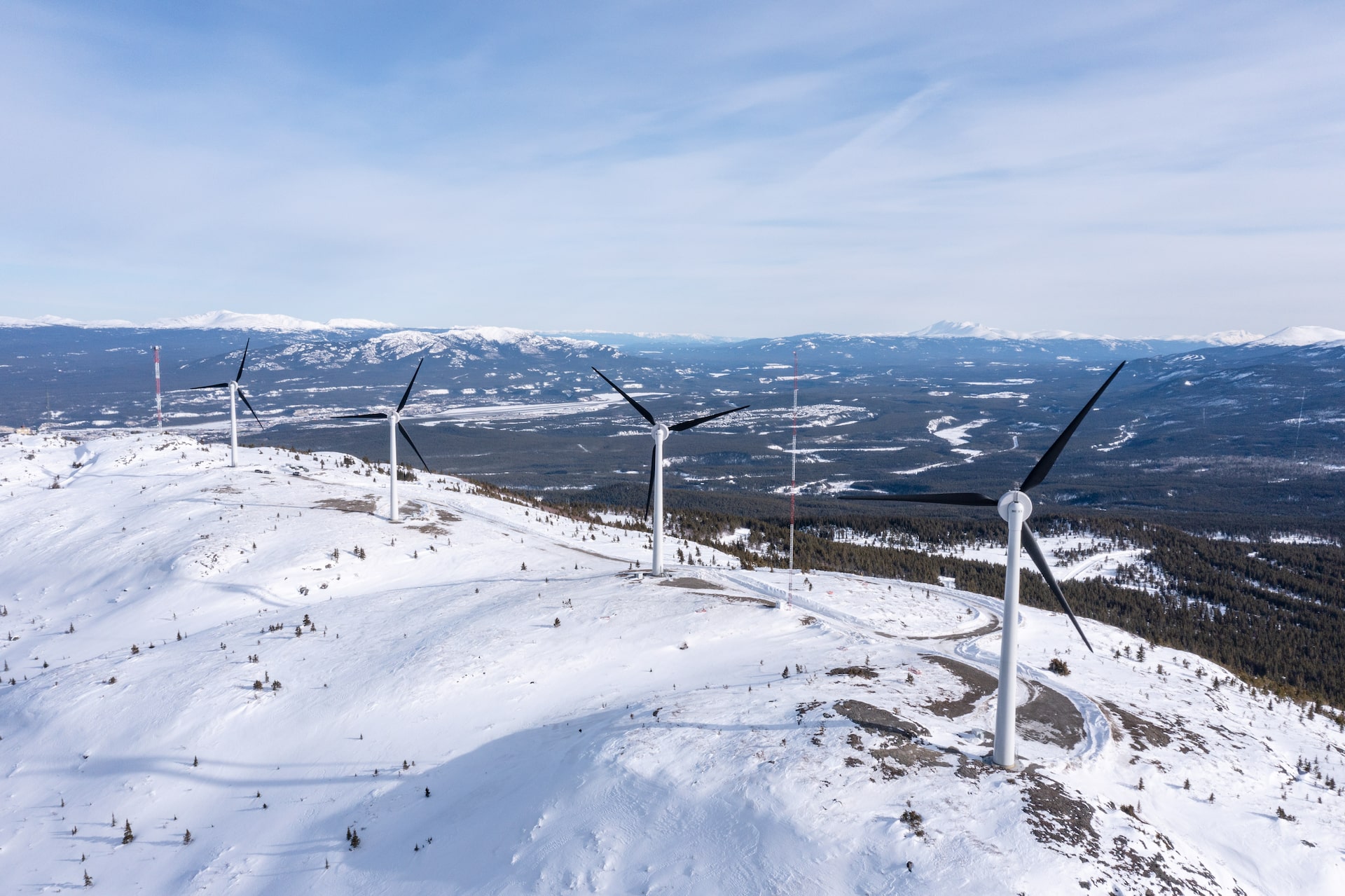
For one thing, this country has an unusual ample supply of clean electricity, by international standards, which is a pull for many companies, particularly in manufacturing. And as Canada adds supply to meet rising demand, there’s a chance to widen the edge by attracting investments in renewable energy that might have been drawn to the U.S. by subsidies that Mr. Trump is trying to scrap.
There is also a chance to capitalize on uncertainty around U.S. support for other clean-tech sectors that it has to been outspending Canada to attract.
The best bets are in areas where this country’s geography and existing industry give it a leg up. In addition to electricity, Bentley Allen – an industrial-policy expert with the Transition Accelerator – pointed to the battery supply chain, geothermal energy, sustainable aviation fuel and wood products as fitting the bill.
For the next government, attracting that capital could start by putting in place the last of the green tax credits – notably one for clean-electricity investment – that Ottawa spent the past couple of years introducing. It could also figure out how to relaunch the Net Zero Accelerator, a rather broad multibillion-dollar grants program for low-carbon industry, with better strategic focus on priority sectors. And it could fine-tune the mandates of the CIB, Canada Growth Fund and other financing entities to attract decarbonization investments.
Going (more) nuclear
Speaking of non-emitting electricity, enthusiasm for nuclear power is rising globally. And Canada’s nuclear industry may be resurgent enough to capitalize, as might a mining sector with the second-highest uranium production in the world.

A modernized Candu reactor is being developed by AtkinsRéalis Group Inc.; Westinghouse Electric Co., another maker of reactors, is now under Canadian ownership and scaling up operations here; one of the world’s first small modular reactors is being installed at the Darlington nuclear plant near Toronto. While the action is centred in Ontario, there’s potential to meet some other provinces’ needs as well – and, through domestic uptake and validation, to boost exports of nuclear technology and expertise.
Ottawa has already been supportive of the sector in recent years, including through backing from the Infrastructure Bank, but it’s going to be called on to provide more regulatory certainty, financial help and international advocacy.
There is also an emerging debate, which the next government will have to weigh, about whether Canada should get into uranium enrichment. That hasn’t been prioritized previously, because all of the country’s existing reactors are Candus, which use unenriched uranium. But most other models around the world require the enriched variety, some of it produced by unreliable trade partners such as Russia, which could make for an energy-security play.
Institutional investors for infrastructure
Just how much more domestic benefit could Canada get out of the Maple 8, the global-heavyweight pension funds with about $2-trillion in assets, roughly a quarter of those assets in this country?

The last debate on this subject didn’t go too well, when an open letter from 90 business leaders that called on Ottawa to use public policy to encourage more domestic investment was met with warnings from pension leaders about compromising their obligations to their members. But the discussion is starting to pick up again, amid the Buy Canada movement.
Although it passed largely unnoticed amid political chaos, last December’s Fall Economic Statement put forward a few moderate measures that could get the ball rolling, among them removing the so-called “30-per-cent rule” that limits the proportion of Canadian corporations’ shares that pension funds can hold, and creating a new financing program to attract pension dollars into data-centre projects. Former Bank of Canada governor Stephen Poloz, who led a working group that recommended the measures, called them “low-hanging fruit” if the next government wants to boost investment.
There’s certainly more that could be done, short of setting domestic-investment quotas. That includes, for instance, revisiting the financing structures for ports to see if less restrictive rules could draw pension funds more into the trade-infrastructure game.
A good artificial intelligence start to (belatedly) build off
Somehow Canada managed to be a pioneer in artificial-intelligence research, including by Nobel Prize winner Geoffrey Hinton, and then fall behind in AI commercialization and adoption, which contributed to concerns about national productivity.

That necessitates playing catch-up to some extent now, including investing in AI infrastructure (to which Ottawa committed $2-billion last year, which is unlikely to suffice) and providing industry with capital-investment incentives and training programs.
But it doesn’t mean there aren’t still opportunities to move ahead of the curve internationally.
Jas Jaaj, a managing partner for AI with Deloitte Canada – which recently released a report on the subject – suggested that while the window to commercialize innovations in the base technology may be narrowing, Canada could still use targeted policy to take a lead in scaling usage in certain sectors. He listed health care, mining and forestry as examples where there’s the chance to develop exportable solutions.
Mr. Jaaj also said that, with AI set to cause major work force and societal disruptions, there could be an opportunity to position Canada – relative to the U.S. and elsewhere – as committed to adopting AI in a responsible and humane way. When it comes to talent attraction, he said, a focus on equitable outcomes and sustainability “can be a magnet for people around the world.”
Embracing the brain gain
Current dynamics in the U.S. – including a haphazard defunding of research programs and an uninviting environment for economic migrants from much of the world – offer an opportunity for a talent influx far beyond just AI.

But that requires getting Canada’s immigration system, once a huge strength, back on track after an explosion in temporary residents led last year to dramatic curtailment.
Scotiabank economist Rebekah Young, who has authored several immigration reports, expressed some relief that immigration is not a hotter issue in the federal campaign, with a de-escalation of rhetoric offering a chance to be thoughtful about next steps, without lurching back to overheating the system (or cutting further). That window could involve sharpening the economic focus of the points system for choosing skilled workers, she suggested.
The same window might be used to ensure the country is fully addressing some of the intersecting factors that contributed to the recent whiplash, including housing shortages, and to figure out a healthy way for Canadian universities to welcome and empower foreign talent without overrelying on their tuition fees again.
Meanwhile, Ottawa could consider whether there are any specific talent streams being turned away from the U.S. for which it could offer expedited access here – something it flirted with during Mr. Trump’s first term.
But the overarching need is to return to treating Canada’s draw to newcomers – its vast land, high quality of life, stability and inclusivity – not as political plaything or liability, but as an as a core competitiveness asset and underpinning for everything else.
“We do have rocks and trees, and oil and minerals,” was how Prof. Milligan, the Vancouver economist, put it.
“But it’s the people. Everyone’s been crapping on immigration the past two years, but it’s a huge advantage that the best and brightest want to come here.”
Adam Radwanski writes about politics, policy and business. Reach him at aradwanski@globeandmail.com