
Putrid debris covers the floor at Atlantic Seafood Sauce Co.'s abandoned fish-sauce plant in St. Mary’s, N.L., which is still seeping effluent into the bay that is harmful to fish.Johnny C.Y. Lam/the Globe and Mail
On a warm afternoon in late August, seagulls wail from the rooftop of the abandoned fish sauce plant at the edge of St. Mary’s Bay on Newfoundland’s Avalon Peninsula. Inside the plant, flies buzz overhead, and tracks of boot prints mark the black sludge covering the floor – evidence of leakage from the plant’s fermenting tanks. One of the 3,000-gallon tanks lays on its side, like a giant carcass cracked wide-open, its guts a putrid heap of dark residue.
“Multiply that by a hundred,” says Stephen Ryan, the mayor of St. Mary’s, standing in the plant’s doorway and pointing at the spillage.
With that many tanks or more in the 20,000-square-foot plant, there is enough fish sauce to fill half an Olympic-sized swimming pool. And that estimate doesn’t include the dozens of boxes of bottled sauce wrapped in stretch film on pallets. All that sauce has been festering since the company – Atlantic Seafood Sauce Co., a local success story – was shut down by a government order in 2001, 11 years after opening.

Birds fly over the abandoned fish plant.Johnny C.Y. Lam/the Globe and Mail
For years, townspeople have complained about the stench coming from the abandoned facility. On occasion, the plant’s sour odour wafts up over the beach to neighbouring houses, then spreads up the hill to Dunne Memorial Academy (the K-12 school), and all the way to St. Mary’s Town Hall.
Living with the foul smell was bad enough, but then earlier this year, the town of about 300 people learned that the leftover sauce was even more menacing than they knew. In January, the town council found out that effluent leaking from the abandoned plant’s main drainage pipe into the bay was deadly to fish. That finding came from Environment Canada’s testing of the effluent seven years prior – results which only became public after an Access to Information and Privacy request issued to the federal department by CBC-Radio Canada, and then by The Globe and Mail.
According to one document – a November, 2016, Fisheries Act Direction – “all fish placed in the effluent died within 15 minutes.”

In the foliage beside the fish plant, a broken sewer pipe leads into St. Mary’s harbour.Johnny C.Y. Lam/the Globe and Mail
Federal inspectors later returned to the site to confirm that the leaky pipe had been properly sealed, but Mr. Ryan says it’s short-sighted to think sealing drainage pipes will keep effluent out of the bay. Between coastal erosion and storm surges, the bay already reaches the plant. The town erected a small seawall last year as a coastal defence to protect the beach from further erosion, but waves continue to damage the plant’s footings and exterior walls.
“The federal government has been no help whatsoever and this situation has everything to do with the federal government – they put money into the company when it started, they are responsible for the ocean, and they knew the product is deadly to fish, which is also theirs to protect,” says Mr. Ryan, adding that the federal government has not spoken to the town about their toxicity findings or remediation efforts.
When asked by The Globe and Mail whether the federal government would support remediation, Environment and Climate Change Canada said its authority was limited to preventing deposits of harmful substances into the water.
And so, the question of who will pay for the cleanup, and how soon that can happen, is yet to be determined.

Sanh Ngo, 81, now lives in Toronto, far from the fish-sauce plant he founded in Newfoundland. He is speaking for the first time about the ‘number one fish sauce business in the world’ fell apart in 2001.
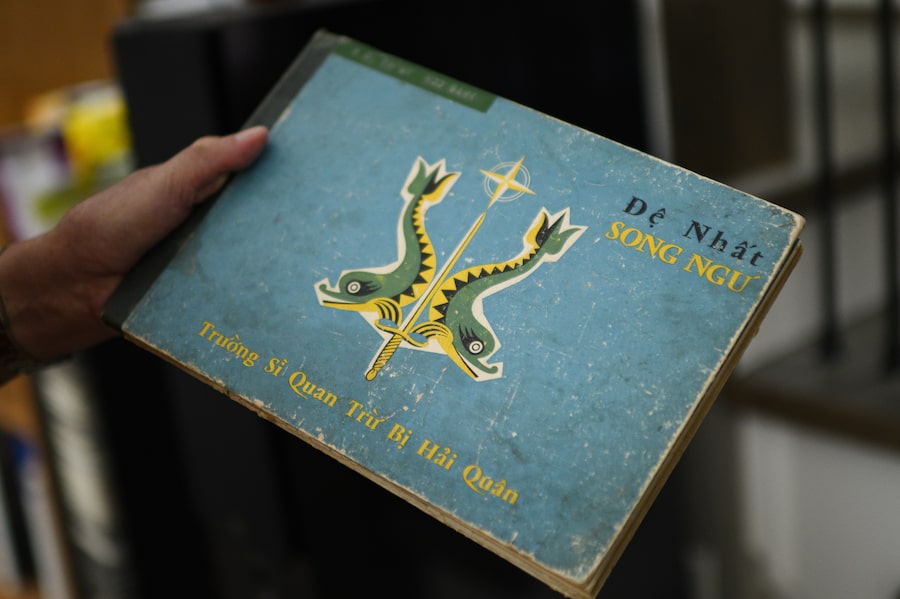

Before the derelict fish plant turned into one town’s pungent quagmire, it was the innovative brainchild of Sanh Ngo.
Mr. Ngo, who moved from Vietnam to Newfoundland and Labrador in the late 1970s, hasn’t spoken publicly about what happened to the Atlantic Seafood Sauce Co. since it closed more than two decades ago.
“This company was the No. 1 fish sauce business in the world, but everything fell apart,” says Mr. Ngo, 81, from his Toronto home, where he splits his time, spending summers in Canada and winters in Vietnam.
The idea for the fish sauce came to Mr. Ngo while captaining a Canadian Coast Guard fisheries research vessel with Fisheries and Oceans Canada (DFO) in 1983. From the deck of CCGS Wilfred Templeman, Mr. Ngo learned 50,000 metric tonnes of commercially harvested capelin were destined for landfills annually.
“I thought this is a big waste of food. I compare with what happens in Vietnam where these fish can be processed to provide a lot of protein for the people,” says Mr. Ngo, who knew there could be a big market for bottling the small oily fish as seafood sauce.
“For Vietnamese people, no fish sauce, no meal. They must have fish sauce to cook or prepare their meal.”

Mr. Ngo opens a box of Song Ngu fish-sauce bottles.Christopher Katsarov/The Globe and Mail
A million-dollar grant and loan insurance from the Atlantic Canada Opportunities Agency, a federal agency created in the late 1980s to spur local business innovations, provided Mr. Ngo with the capital to open the company.
Mr. Ngo remains nostalgic about those days, and still keeps some sealed bottles of the product that bears his name. “By Captain Ngo,” a reference to his Canadian Coast Guard and Vietnamese navy days, embellishes the bottle’s stopper and “Song Nhu,” Vietnamese for “Two Fish,” a reference to Mr. Ngo’s Naval Academy class, adorns the label. When he began bottling the sauce in the brand-new St. Mary’s facility, it marked the first North American-made product of its kind.
As a boy, Mr. Ngo worked on the rice fields of a small village near Vietnam’s south-central coast, before being enlisted into the army during the Vietnam War. He spent five years on and off the battlefield before receiving the order to leave the country. He fled to a Pennsylvania refugee camp, but he dreamed of life in Canada, home to the St. Lawrence River, the biggest waterway in the world. “So I can have more chance to get back to the job on ship,” he explains.
Mr. Ngo’s tenacity saw him through training at the Marine Institute in St. John’s, where in 1979 he graduated a Master Mariner. By then a Canadian citizen, he successfully applied to work for the Canadian Coast Guard, where the idea for the fish sauce was born.
When the plant opened in 1990, it promised year-round operations with as many as three dozen jobs for St. Mary’s, where unemployment soared in the double-digits and the main employer was the summer-run fish processing plant. Mr. Ngo’s bold business plan was the counternarrative the Canadian government needed, with a deepening recession and impending Atlantic cod fishery closure.
Within a few years of operating, Mr. Ngo’s fish sauce reached international markets – primarily in the U.S. and Australia. The sauce became so popular that the company had to take a counterfeit product in U.S. markets to court to shut it down. The company’s biggest break – a multimillion-dollar distribution deal – was on the table when everything came to a crashing halt.

A bag of white plastic caps, used for bottling, lies on the dirty floor at the old plant. Mr. Ngo estimates they had 1.3 million litres of product here when the federal government ordered him to close.

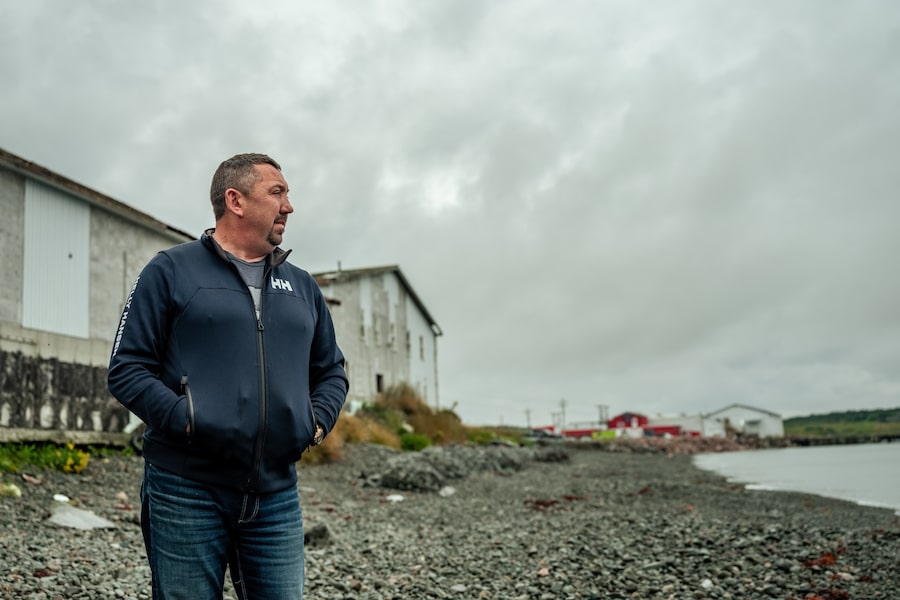
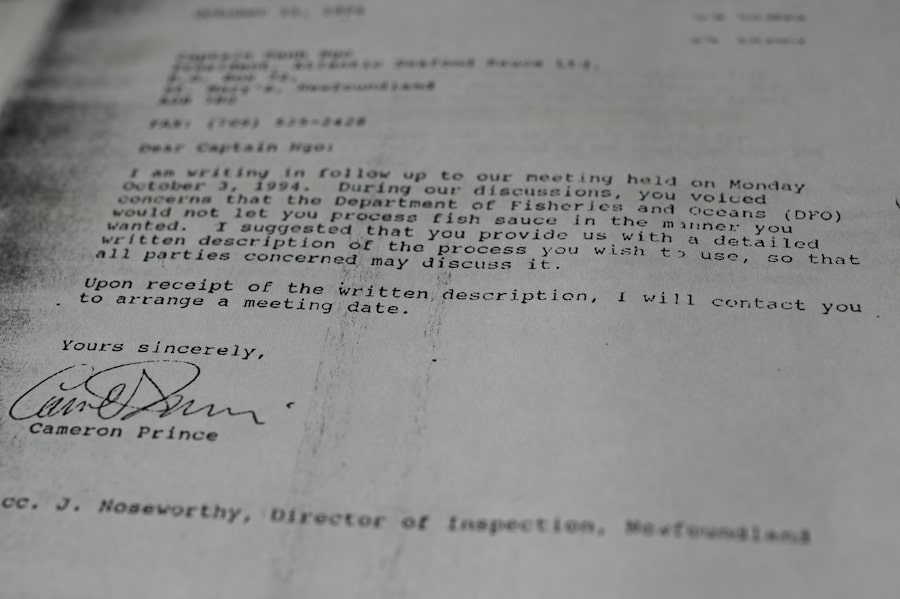
The fall of Atlantic Seafood Sauce Co. began in 1994, when Mr. Ngo grew concerned that a lot of imported fish sauce in the Canadian market was not meeting Canadian food quality standards. He wrote to the federal department of industry to alert them of his suspicions.
The following year, the DFO carried out a compliance retail survey of imported fish sauce, which found that only four of the 67 sauces evaluated were acceptable to the Canadian market. The main non-compliance issues cited were container defects, mislabelling and nondeclared or non-permitted additives – including banned substances like saccharine, sorbic acid and histamine, which can cause food poisoning.
But then, a year later, in 1996, the DFO came to inspect Mr. Ngo’s fish sauce plant. That inspection came after years of Mr. Ngo operating his business under the inspection of the Canadian Food Inspection Agency.
Canadian fish inspection regulations handle six kinds of fish products: fresh fish, frozen fish, salted or dried fish, shellfish, pickled fish, and any other type of processed fish. The regulations do not have a protocol for assessing seafood sauce, which is made with fermented fish.
As a result of that void, in their inspection, the DFO used a protocol for pickled fish – and consequently found a number of issues. Among those was the protracted amount of time the sauce spent in the tanks, which wasn’t unusual while fermenting fish, but would be for pickling.

A broken fibreglass tank lies outside the plant. Regulators took issue with how long Mr. Ngo kept sauce fermenting in tanks like these.Johnny C.Y. Lam/the Globe and Mail
Inspectors called for Mr. Ngo to dispose of his product and start fresh. But doing so would have immediately killed the company because, due to the lengthy fermenting process, it would take more than three years for him to make his products again.
He won a court case to keep the business open, but the federal government still forced the fish sauce operation to close in 2001 using an administrative order.
To this day, Mr. Ngo is confident that his product was of higher quality than any other fish sauce on the market.
“They destroyed my life and killed a new and good industry for Newfoundlanders,” he says now. He estimates that, at the time of closing, the company had more than 1.3-million litres of product at the plant, worth more than $10-million by present-day value.

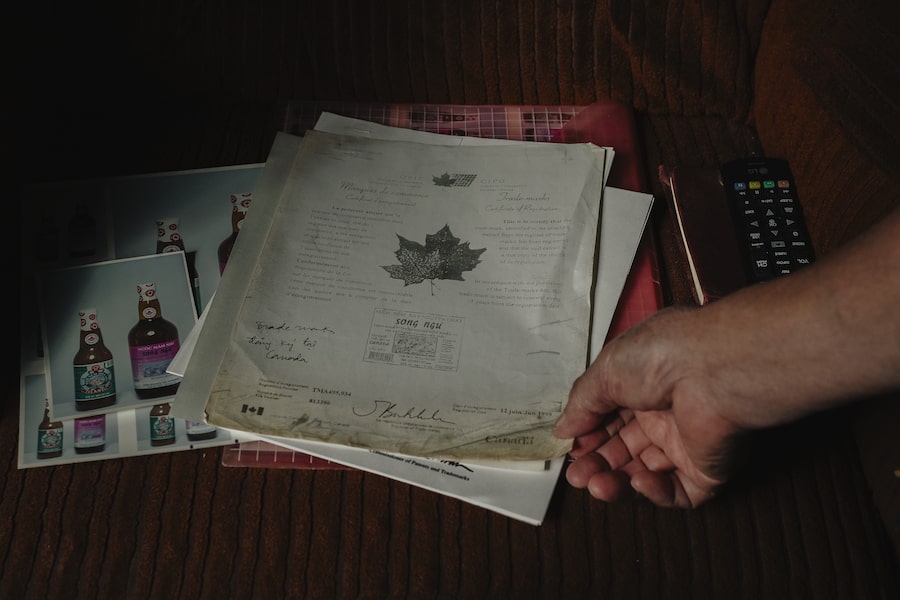
Those in St. Mary’s who remember Mr. Ngo – which is most of the town – don’t blame him for the stench he left behind.
“He’s honest. He’s hard-working. He’s one of the finer men next to my father I ever met,” says Ambrose Yetman, who worked for Mr. Ngo for 10 years, watching the businessman scale his fish sauce from a salt-beef bucket to a full-scale operation.
For the last 13 years, as deputy mayor and for the last three years as mayor, Mr. Ryan has been trying to figure out how to get the abandoned plant cleaned up, and the recent revelation that the spilled sauce is killing fish has created more urgency.
Glenn Sharp heads up the environmental engineering firm contracted by the St. Mary’s Town Council to develop the remediation plan of the environmental wasteland.
“I wasn’t surprised to see that the effluent would kill fish. There are lots of things that would kill fish that are not toxic. When you put this kind of material into the water, with its very high concentration of salt, it sucks all the oxygen out of the water, leaving none for the fish to breathe,” says Mr. Sharp, adding brackish or inshore saltwater has a salinity of about 22 parts per thousand (ppt), while the rotting fish sauce’s salt content is 18 times that.
“It’s not a standard waste, so it’s not fitting into the standard testing or waste removal,” says Mr. Sharp, who has been handling sewage and waste removal for 35 years. The company is currently awaiting test results on the 30 samples they collected from the plant in September. Mr. Sharp says the results will shed light on the chemistry of the waste, which will help know how best to dispose of it.
The first order of business will be to determine if the waste can be composted, but with a high sodium content, Mr. Sharp thinks that’s unlikely given how costly it would be to separate the salt from the other organic material.
Mr. Ryan says the cost could run upwards of $1.5-million and require the material to be trucked off-site and buried where it cannot leach into the ground. As soon as he has disposal plans, the mayor says he’s calling on the federal government to foot the cleanup bill. The NL government has already provided the town with some of the funding needed for the latest testing and to develop the remediation plan. Mr. Ryan hopes the cleanup can get under way in spring of 2024.

Environmental engineers have been testing waste from the fish-sauce plant to see how best to get rid of it.Johnny C.Y. Lam/the Globe and Mail
Ken McDonald, the member of Parliament for the NL riding of Avalon, says Ottawa is responsible for the cleanup.
“It’s hard to drop the ball so badly in this community. It’s a wonder it’s gone on as long as it has. I want to see this done and cleaned up as quickly as possible so the town can move on,” says Mr. McDonald.
“Do something. Please do something. My God,” says Murial Whelan, who lives directly behind the plant. Ms. Whelan, who is president of the town’s Seniors Club, has lived in St. Mary’s for 45 years. For a time, she also worked for the fish sauce company, climbing a ladder to clean the empty tanks. There was no smell then, but now all it takes is a “certain wind” for that to change.
“It’s unreal. We just can’t go outside. We can’t hang clothes on the line. We can’t leave our windows open when the smell is there. You got to block your nose and stop breathing – and that’s not a word of a lie,” says Ms. Whelan, adding she’d pack up and leave if it weren’t for having everything she owns invested in her house and in this town.
For his part, Mr. Ngo wishes that he hadn’t been forced to leave it all behind. He wishes he was still making fish sauce on that site today.
“I would like to apologize for what happened to the town. It was not our intention, not our decision,” he says. “Our intention was to create jobs for the people, to keep the environment clean by using fish usually dumped in landfill, to build a better town.”
Editor’s note: An earlier version of this article referred to Environment and Climate Change Canada incorrectly. This version has been updated.

Rain falls through the old plant's damaged roof, bringing more water to carry its noxious mess into the sea.Johnny C.Y. Lam/the Globe and Mail