Canada has spent months wrangling with the United States over tariffs, but the real discussion about the future of North American trade is only just beginning.
In the coming weeks, the United States Trade Representative Jamieson Greer is expected to kick off consultations over the renewal of the continental free trade pact, the United States-Mexico-Canada Agreement.
That will formally start the clock on one of the most consequential trade negotiations in Canada’s history.
The USMCA, which replaced the North American Free Trade Agreement, NAFTA, in 2020, was always scheduled to be reviewed after six years, with July 1, 2026, as the formal renewal date.
This was meant to be a mostly technocratic process. But U.S. President Donald Trump’s attempt to remake the global trading order, and his willingness to hit his neighbours with hefty tariffs, have raised the stakes dramatically.

U.S. President Donald Trump, along with then-prime minister Justin Trudeau and Mexico's president at the time, Enrique Peña Nieto, hold a signing ceremony for USMCA in Buenos Aires.Pablo Martinez Monsivais/The Associated Press
Like NAFTA before it, the USMCA underpins trillions of dollars of trade, and provides the foundation for North America’s integrated supply chains. It has also shielded Canada and Mexico from the worst of Mr. Trump’s global trade war.
All of this is at stake as Ottawa, Washington and Mexico City pivot from months of free-wheeling and fruitless trade talks into a more formal discussion about the structure of the North American economy in an era of U.S. protectionism and geopolitical fragmentation.
“CUSMA, in a very different trade environment, is going to look different. And what we need to do is to make sure we’re focusing on areas where the mutual benefits are very clear,” Prime Minister Mark Carney said last month, using the Canadian acronym for the deal.
It remains to be seen whether Washington will seek a comprehensive renegotiation of the agreement – which Mr. Trump secured during his first term and once called the “fairest, most balanced, and beneficial trade agreement” ever – or something narrower.
Either way, automobile content rules, dairy supply management, digital regulation and Canada and Mexico’s relationship with China are all expected to be on the table. As are quotas for “strategic” industries, like steel, aluminum, autos and lumber.

U.S. Trade Representative Jamieson Greer speaks during a cabinet meeting with Mr. Trump at the White House in late August. Mr. Greer is expected to kick off consultations over the renewal of USMCA in the coming weeks.MANDEL NGAN/AFP/Getty Images
Mr. Trump may also threaten to walk away from the agreement entirely.
In some ways, this is a rerun of 2017/18, when the future of NAFTA hung in the balance. Only Canada and Mexico are in a more precarious spot this time around.
Both countries are entering the negotiations with steep U.S. duties on key industries, while the threat of an across-the-board 25-per-cent or 35-per-cent tariff looms in the background should the treaty collapse. A string of one-sided deals the White House has struck with major trade partners in recent months has only emboldened the President.
“The Trump administration writ large is less constrained by any sense that it has to play by the rules, whether that’s legal trade rules or economic rules of gravity,” said Emily Kilcrease, senior fellow at the Center for a New American Security in Washington and a former U.S. trade official.
The question remains: What are Canada and Mexico willing to accept to preserve some semblance of free trade with a mercantilist U.S. President?
Here’s what we know about the shape of the negotiations to come.
What is the timeline and process?
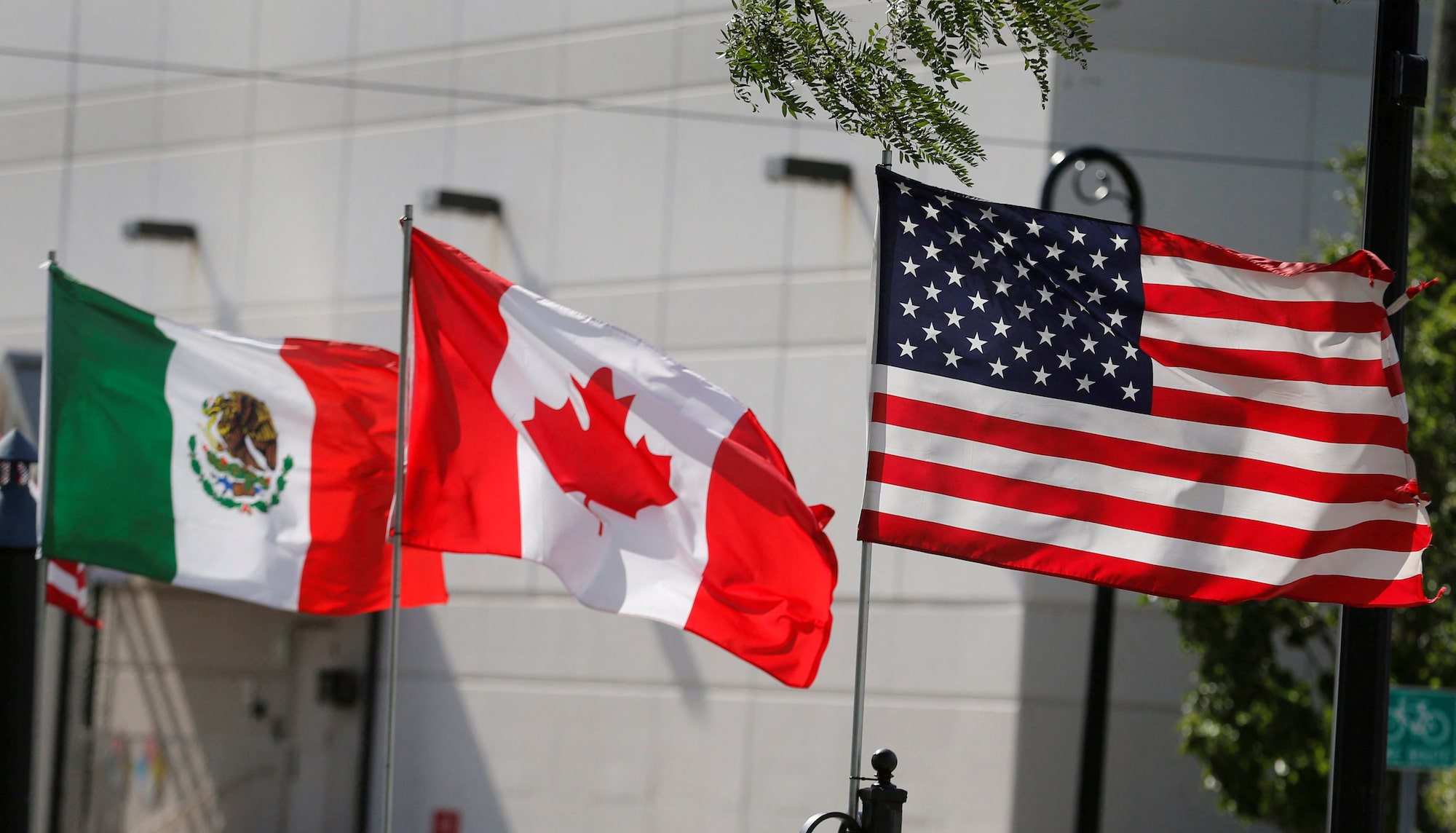
The official review deadline is July 1, 2026, at which point the three countries need to agree to renew the USMCA, punt or seek an off ramp. They could also reach an agreement before then.
There are essentially three options on the table: The parties can extend the treaty for another 16 years; they can start a process of annual reviews, after which the agreement will expire in 2036; or they can withdraw from it with six months notice.
While observers are hoping for a renewal, no one is holding their breath. “I think the probability is that we do, but I can’t put a high probability on that,” Bank of Montreal chief executive Darryl White said at a conference this week.
Christopher Sands, director of the Center for Canadian Studies at Johns Hopkins University, said in a recent newsletter that he expects the U.S. to opt for annual reviews, rather than renewal or withdrawal.
“That shields U.S. businesses from the chaos of a full withdrawal while creating recurring leverage points for Washington. Politically, it also avoids the fallout of withdrawal before the 2026 midterms while preserving a campaign issue for 2028,” he wrote.
The timeline for negotiations will largely be set by Washington. The United States Trade Representative (USTR) has to publish a notice formally commencing the renewal process no later than Oct. 4. Trade watchers expect it any day now.
That will launch several months of public consultations and Congressional hearings, after which the USTR will send a report to Congress in January laying out its goals and strategy for the trade talks.
What happens next depends on whether the Trump administration is aiming for a complete renegotiation of the deal, or smaller tweaks around the edges.
If it wants to reopen the text of the agreement and make major changes, USTR would need to seek something called Trade Promotion Authority from Congress, which gives lawmakers the chance to vote on the final agreement.
Trade experts doubt the administration will seek TPA, although it remains a possibility. Given the slim Republican majority in both the House of Representatives and the Senate, and the 2026 mid-term elections, putting the final text of any agreement to Congress could be politically risky.
“I think there’s a scenario where it’s not a full reopen, but it’s a series of bolt-ons or side agreements that address the issues without actually opening the whole thing,” said Michael McAdoo, director of global trade and investment at Boston Consulting Group.
Ultimately, the pace of negotiations may depend on how much ground Mr. Carney and Mexican President Claudia Sheinbaum pre-emptively cede to Mr. Trump.

Prime Minister Mark Carney inspects the interior of an armoured medical vehicle at the Adazi Military Base in Latvia in August, 2025. In recent months, Canada has ramped up military and border security spending at the behest of Mr. Trump.Christinne Muschi/The Canadian Press
Canada has already ramped up military and border security spending in recent months at the behest of Mr. Trump, aligned with U.S. tariffs on Chinese metals, and scrapped the digital services tax on U.S. internet giants, which was expected to be a major point of contention in the USMCA talks.
In August, Mr. Carney removed retaliatory tariffs on U.S. goods that comply with the continental trade agreement, in order, he said, to restart stalled discussions over sectoral tariffs and clear the decks for USMCA negotiations.
“To the extent that both Canada and Mexico meet the non-trade, and then some of the trade demands ahead of the USMCA, there’s probably a better chance that it will be renewed, even if there will be some bitter pills to swallow,” said Christopher Hernandez-Roy, deputy director of the Americas program at the Center for Strategic and International Studies in Washington.
What does the U.S. want from Canada?
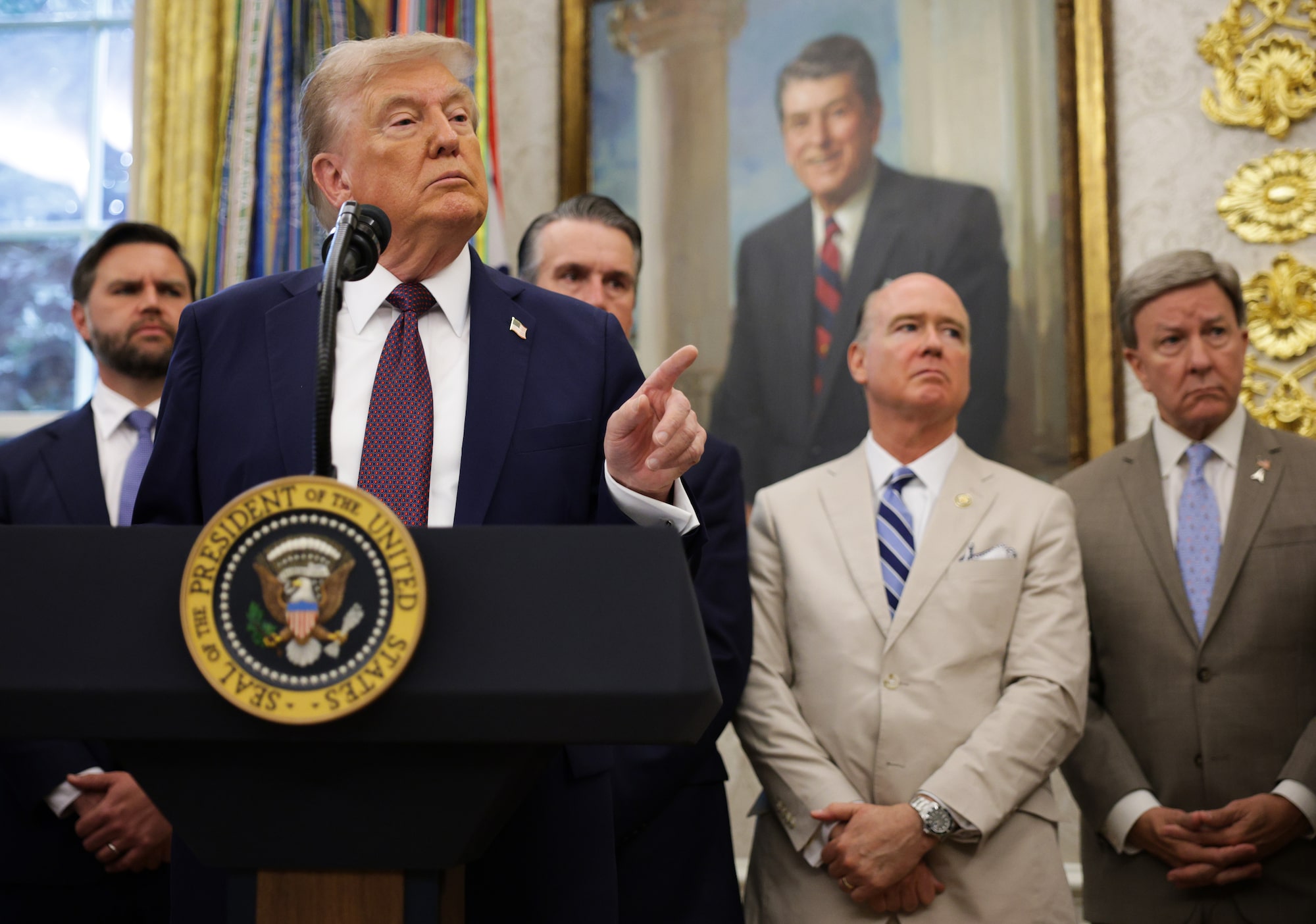
The U.S. demands won’t be a mystery.
Mr. Trump has repeatedly complained about Canada’s supply-management system for dairy, eggs and poultry, which places high tariffs on U.S. imports outside small quotas. And he has griped about challenges foreign banks and financial institutions face in the Canadian market.
USTR also publishes a document every year outlining America’s trade grievances with other countries. When it comes to Canada, agriculture tops the list, including how dairy quotas are allocated and how milk products are classified.
The document also highlights provincial liquor control board rules, Canada’s online streaming act, restrictions on single-use plastics and Quebec’s French-language labelling laws, among other complaints.
“Over and over again, these are the issues that we hear coming up. So that is what Canada should be working with right now in terms of anticipating what we think the big issues are going to be,” said Meredith Lilly, a professor of international economic policy at Carleton University and former trade adviser to Prime Minister Stephen Harper.
Wrangling over supply management, in particular, could prove politically noxious in Canada.
Parliament passed a law earlier this year forbidding Ottawa from negotiating away additional dairy and poultry quotas in future trade agreements, as happened in the 2018 USMCA negotiations. But the law doesn’t prevent changes to how existing quotas are allocated among American farmers and across different food categories, giving Canadian trade negotiators some room to maneuver, Prof. Lilly said.
Mr. Trump has also made clear his desire to see heavy manufacturing move back to the U.S., and said repeatedly that the U.S. should not import cars from Canada.
There are limits to how far he can push this agenda, given huge cross-border investments by big U.S. automakers. But he’s expected to push for changes to automobile rules of origin that incentivize companies to direct future investments towards the U.S. instead of Canada and Mexico.
Under NAFTA, 62.5 per cent of the core of a vehicle needed to be manufactured in North America for the finished car to qualify for tariff-free treatment. The Trump administration pushed for this to increase to 85 per cent during the 2017-18 trade talks. Canada and Mexico countered, and the three countries settled on 75 per cent.

Mr. Trump speaks about USMCA during a visit to Dana Incorporated, an auto supplier manufacturer in Michigan, in January, 2020. Mr. Trump has said repeatedly that the U.S. should not import cars from Canada and he would like to see heavy manufacturing move back to the U.S.SAUL LOEB/AFP/Getty Images
Brian Kingston, chief executive of the Canadian Vehicle Manufacturers’ Association, expects the U.S. to once again push for higher North American content, and to demand on top of this that a specific portion of each vehicle be made of U.S. auto parts.
“We are already at very high levels of U.S. content in Canadian-produced vehicles. The question is, do you want to codify that? Which ultimately does reduce the flexibility of a manufacturer based in Canada to use and source parts and components from other parts of the world,” Mr. Kingston said.
“When we’re talking about rules of origin in auto, you can only push content so far because in some instances you simply don’t have the capacity in North America to build some of these parts and components and to do so in a cost competitive fashion,” he added.
If recent deals the White House has struck with other trade partners provide any guidance, the President will see the negotiations as an opportunity for a shake down.
The European Union, Japan and South Korea all agreed to purchase large quantities of U.S. goods and to make investments worth hundreds of billions of dollars into the United States in return for lower tariffs than Mr. Trump had threatened.
“We should always expect and anticipate the kind of king’s ransom that Trump might add to the very top of everything at the end,” said Prof. Lilly.
What are Canada’s goals?
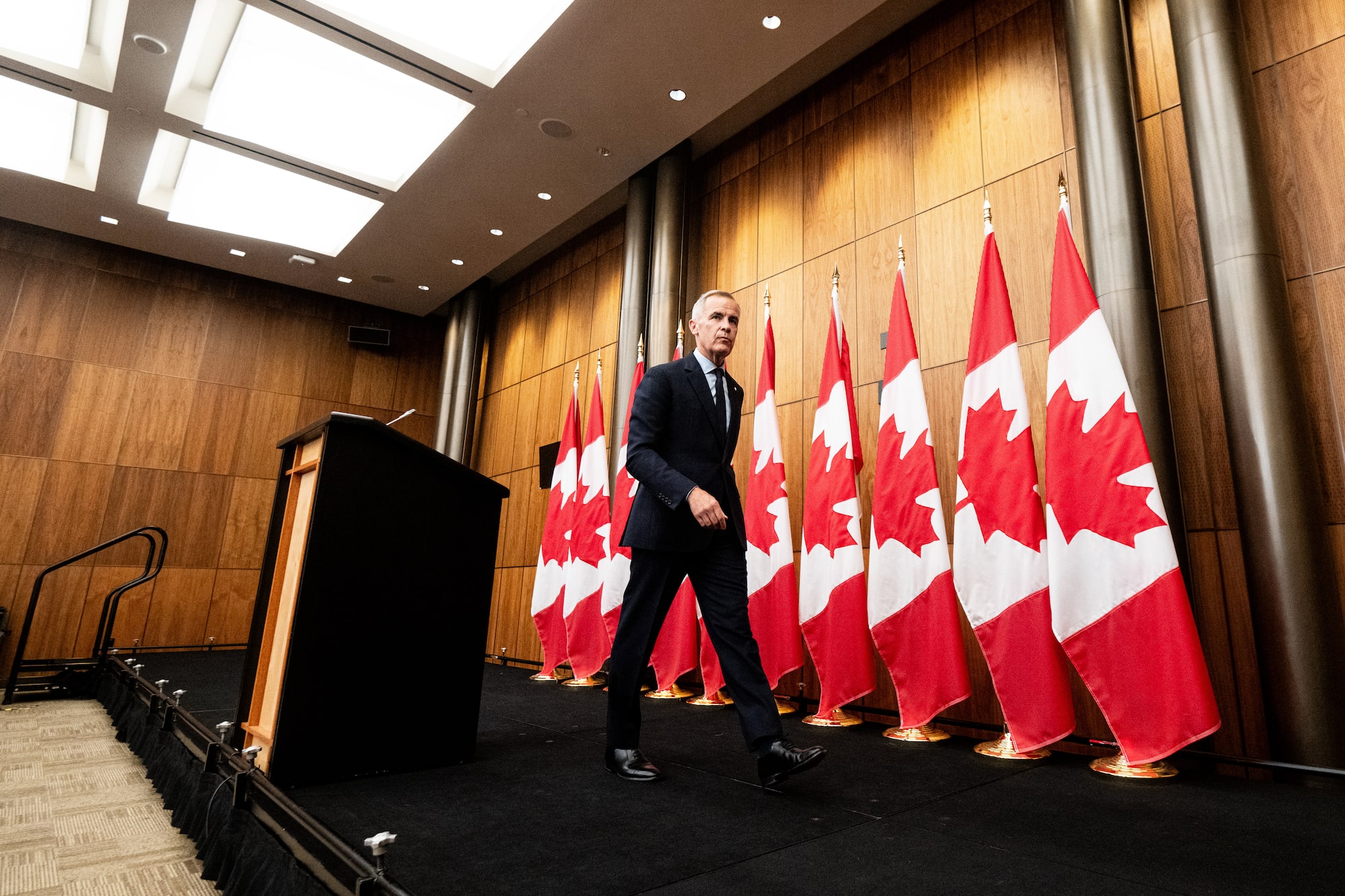
Canada’s main objective is straightforward: Preserve the USMCA.
The trade agreement is the main thing protecting Canadian and Mexican exporters from crushing tariffs.
Although Mr. Trump imposed a blanket 25-per-cent levy on both countries in March – ostensibly to push them to address fentanyl trafficking – he granted a carve-out for products that comply with USMCA rules of origin. That exemption remained in place when the “fentanyl tariffs” on Canada increased to 35 per cent in August.
For Canada, the carve-out covers around 85 per cent of exports, and means that Canadian goods currently face an average effective U.S. tariff rate of only about 5.5 per cent, the lowest of any U.S. trade partner.
“Obviously, our main objective is to preserve the exemption,” Dominic LeBlanc, minister responsible for Canada-U.S. trade, said in an interview with The Globe and Mail last week.
The future of these blanket tariffs, imposed under the International Emergency Economic Powers Act, is uncertain after a U.S. federal court ruled last week that Mr. Trump had overstepped his authority and acted illegally. But the Trump administration has appealed the decision to the Supreme Court. And until the legal outcome is clear, the USMCA exemption remains Canada’s best protection against the IEEPA tariffs.
“If anything, the stakes are much higher for Canada than they were three or four months ago, because if something were to happen to USMCA, the baseline tariff rate is incredibly high for Canada now,” said Prof. Lilly. “The United States is aware of that, which means they’re in an even stronger negotiating position than they might have been six months ago.”
Ottawa will also focus on getting relief for “strategic” industries hit by sector-specific tariffs for which there are no USMCA carve-outs, Mr. LeBlanc said.
This includes steel, aluminum, automobiles and copper – which are subject to Sec. 232 tariffs aimed at protecting U.S. national security – and lumber, which faces anti-dumping duties as part of the longstanding softwood lumber dispute. The U.S. has launched Sec. 232 investigations into nine other products, including aircraft, pharmaceuticals and semiconductors, which are expected to result in additional tariffs.

Steelworkers work at the ArcelorMittal Dofasco plant in Hamilton, Ont., in March. Ottawa is focused on getting relief for 'strategic' industries hit by sector-specific targets for which there are no carve-outs under USMCA, Canada-U.S. Trade Minister Dominic LeBlanc said.Nathan Denette/The Canadian Press
Mr. Carney said this week that he expects to reach “small agreements, in some of the strategic sectors.” But it’s unclear whether these can be finalized in the coming weeks and months, or whether they’ll be folded into broader USMCA discussions next year.
It’s also unclear what these deals might look like. The general consensus among trade experts is that sectoral agreements would likely involve some sort of tariff-rate quota system, where a certain amount of product is allowed to cross the border tariff-free or at a lower tariff rate, with higher tariffs above that threshold. Recent U.S. deals with Britain and the EU have included TRQs for some sectors facing 232 tariffs.
“In the initial USMCA, there was a series of side letters about how Canada and Mexico will be subject to 232 processes in the future, but those do not seem to have provided as much protection perhaps as Mexico and Canada wanted,” said Ms. Kilcrease, the former U.S. trade official.
“They’re absolutely going to want to get as much assurance as they can... that once they get to a renegotiated USMCA, those terms hold and actually provide some protection and certainty for their trade.”
While Ottawa will mostly be playing defence, there are some areas where Canada could make gains in a more up-to-date continental trade agreement. This includes increased collaboration with the U.S. around developing critical minerals resources, or working on joint regulation for artificial intelligence.
Where does Mexico fit in?
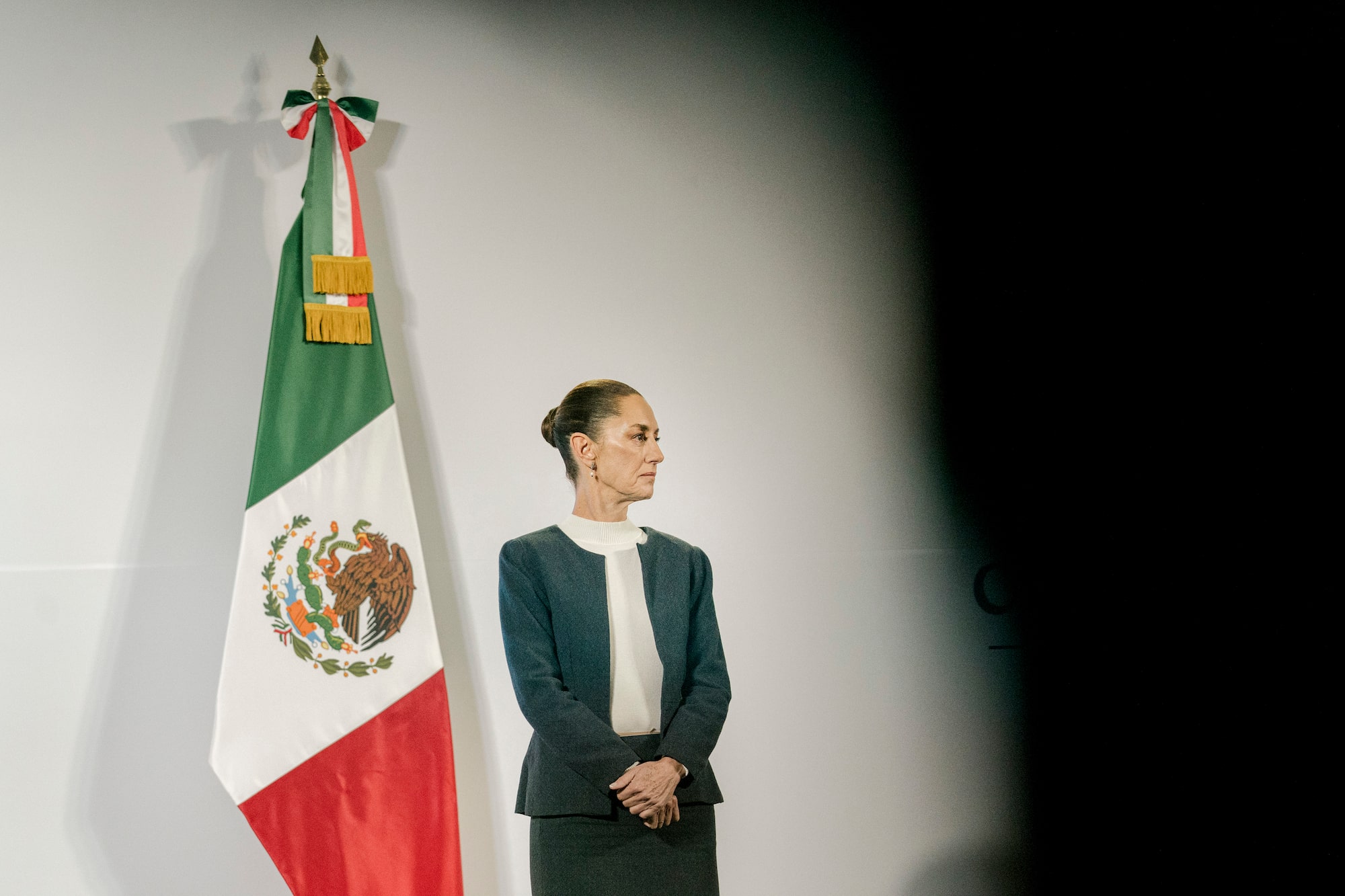
As the much smaller partners in the trilateral relationship, Ottawa and Mexico City will need to collaborate.
In 2018, the Trump administration sidelined Canada at a crucial point in the negotiations, and tried to deal bilaterally with Mexico. Mexico City demanded that Canada be brought back to the table.
“It will all come down on whether Mexico and Canada can work together as a unit in order to have more leverage against the U.S. in negotiations. But I’m not sure that is going to happen,” said Diego Marroquín Bitar, a fellow at Center for Strategic and International Studies in Washington.
Canadian politicians, most notably Ontario Premier Doug Ford, offended their Mexican counterparts last fall by suggesting the U.S. and Canada should cut Mexico out and pursue a bilateral trade deal, Mr. Marroquín Bitar said. “They really hurt the bilateral relationship and undermined trust.”

Mexican President Claudia Sheinbaum meets with Finance Minister François-Philippe Champagne and Foreign Affairs Minister Anita Anand in Mexico City in August. Canada and Mexico have teamed up in two formal disputes against the U.S. around auto content rules, both of which they won.Mexico Presidency Press Office/AFP via Getty Images
Lately, Ottawa has sought to repair the relationship. Finance Minister François-Philippe Champagne and Foreign Affairs Minister Anita Anand met with Ms. Sheinbaum, Mexico’s president, in Mexico City last month. Mr. Carney will follow suit this month.
There are areas where Canada and Mexico’s interests align, especially on rules of origin for automobiles. The two countries worked together to counter U.S. auto demands in 2018, and have since teamed up in two formal disputes against the U.S. around auto content rules, both of which they won.
But there are also points of disagreement, particularly around labour issues, Mr. Marroquín Bitar said. Mexico wants to change the “rapid response mechanism,” a key innovation in the USMCA aimed at shoring up collective bargaining rights, while Canada is unlikely to back the change.
The risk for both countries is that Mr. Trump, a longtime proponent of country-to-country deals over multilateral treaties, seeks to split the agreement into two bilateral deals, weakening both Mexico and Canada’s bargaining position.
Is Fortress North America the answer?
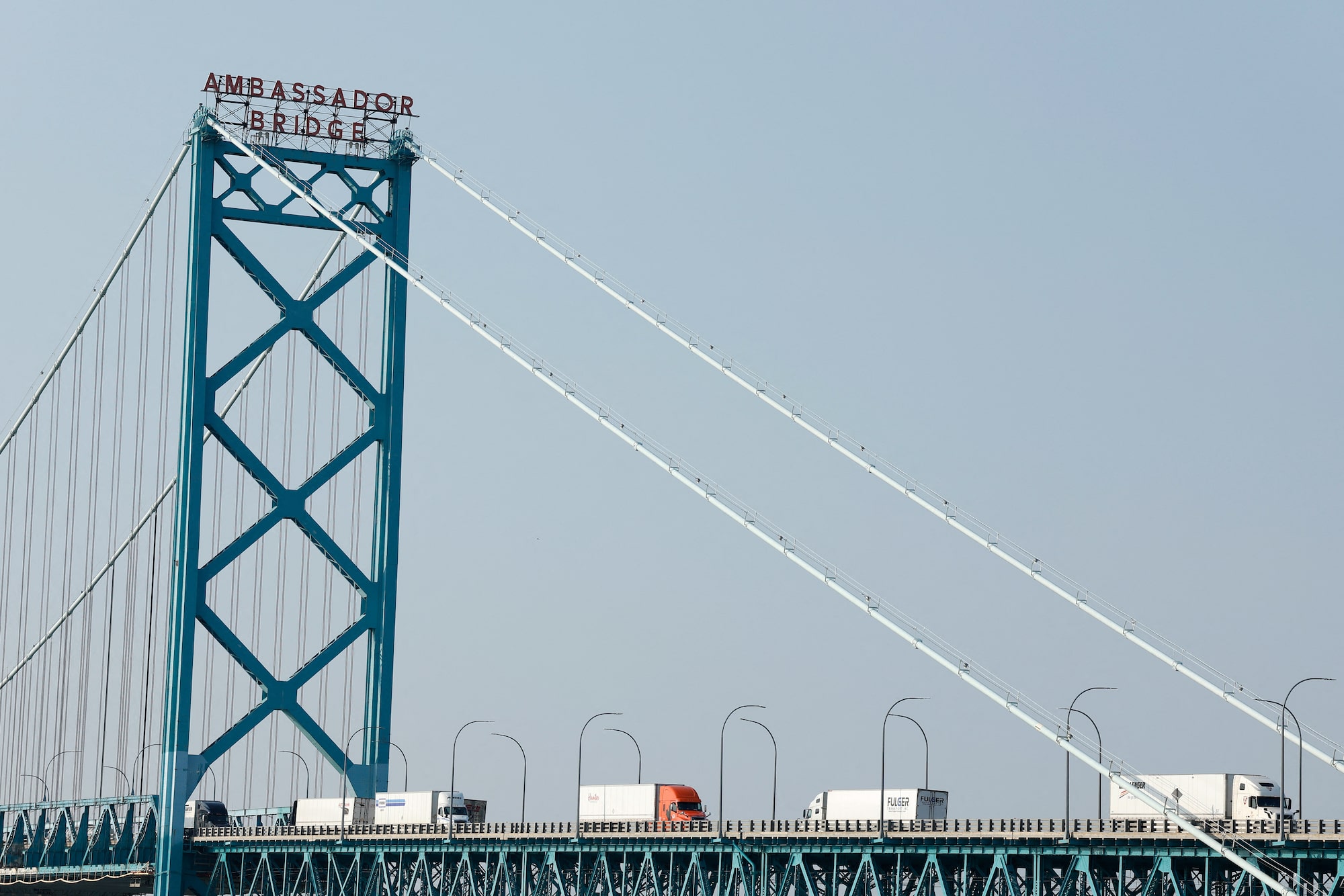
The USMCA talks aren’t happening in a vacuum. The United States is re-evaluating its trade and security relationships with the rest of the world in an attempt to re-industrialize and go toe-to-toe with an increasingly powerful and technologically advanced China.
Geopolitics may, ultimately, play in Canada and Mexico’s favour. Mr. Carney has pitched Canada as an alternative source to China of critical minerals needed for advanced manufacturing.
Ottawa has also matched U.S. tariffs on Chinese electric vehicles and metals in a bid to address Washington’s concerns that Chinese products are being “transshipped” through Canada into the U.S., undercutting American companies.
The USMCA already contains a clause, forbidding any of the three countries from starting trade negotiations with a non-market economy – a code word for China – without informing the others. Experts expect the U.S. to push for additional restrictions on Chinese foreign direct investment in North America, with a particular eye to Chinese auto investment in Mexico.
“For North America to be globally competitive, it needs to be doing it as a bloc. And it’s not just globally competitive against China, it’s also against the Europeans, against other areas,” said Mr. Hernandez-Roy.
“A Fortress North America approach, one which ensures that supply chains within North America are not penetrated by the Chinese or by other foreign entities of concern, is a very good argument for the renewal,” he said.

Prime Minister Mark Carney, centre, is welcomed to the European Council Building by Antonio Costa, President of the European Council, and EU Commission President Ursula von der Leyen for the Canada-EU Summit in Brussels on June 23. Mr. Carney won an election promising to diversify trade beyond the U.S.Sean Kilpatrick/The Canadian Press
This comes, however, with political risks for both Canada and Mexico. Mr. Carney won an election promising to diversify trade and seek new economic partnerships, and he has begun to try to patch up relations with Beijing, including sending a delegation to China this weekend to discuss trade irritants such as Chinese canola tariffs. A Fortress North America approach could pull Canada deeper into the American orbit and further entrench the country’s dependence on the United States.
Ultimately, the best hope for Canada and Mexico is that U.S. economic self-interest eventually wins out, and Mr. Trump decides not to blow up decades of continental integration that has created huge opportunities for American companies and lowered prices for American consumers.
The successful renegotiation of NAFTA during Mr. Trump’s first term, and the President’s decision to exempt USMCA-compliant goods from the harshest tariffs, offer a sliver of hope. But there will be months of white-knuckle uncertainty before the trajectory of North American trade becomes clear.
“The President is very unpredictable, and so like they say in the stock market, past performance is not a prediction of future performance,” said Mr. Hernandez-Roy. “I would say that Canada can still expect to have a very rocky time ahead.”
With a report from Nojoud Al Mallees