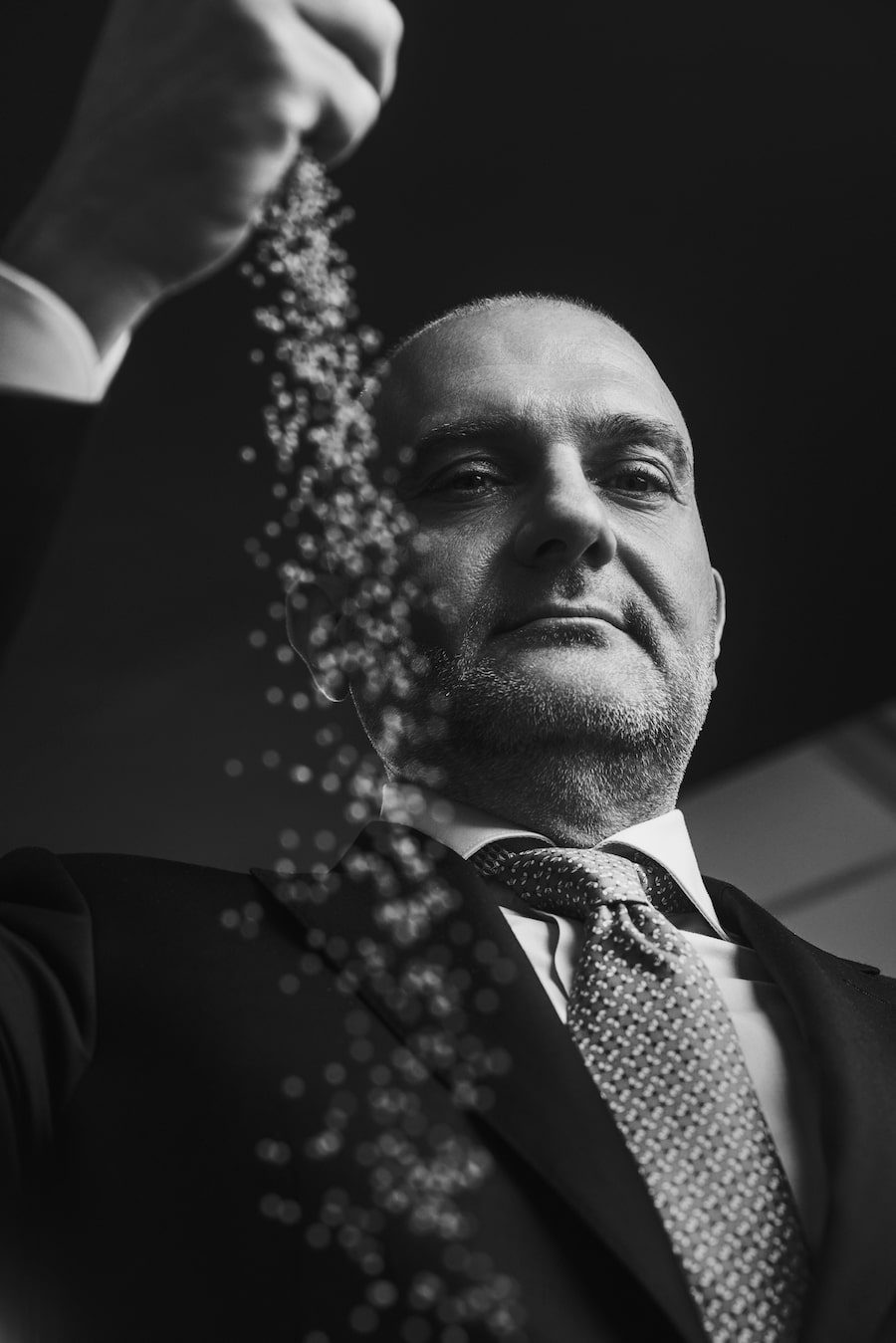
Joining the Best Managed Companies program is an accomplishment in itself. Staying on it for years? That’s another level entirely. We talked to four leaders of platinum companies—those who’ve remained on the Best Managed list for seven years or more—about what they’ve learned along the way and their best advice for other leaders.
Take it from the top: Lessons from the 30 newest Best Managed Companies
Welcome to the club: What it takes to become a Best Managed Company by the people who know best
Still the best: Welcome Best Managed Companies 2026
Larry Rosen
Harry Rosen Inc.
Best Managed since 2005
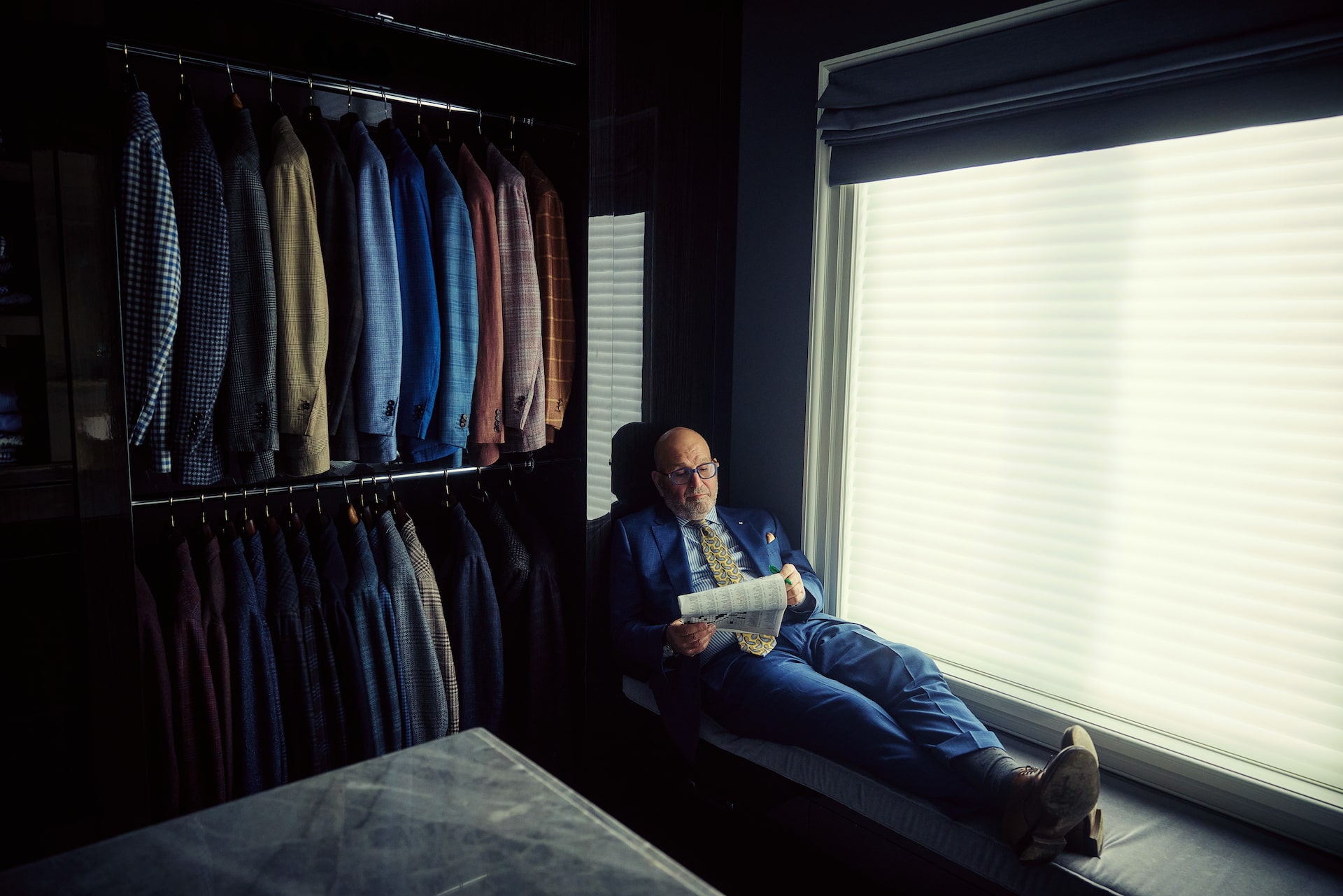
Larry Rosen didn’t plan on joining the family business. He was practising law when his father began growing the men’s clothing company he’d launched in 1954. The expansion was “too exciting to not be a part of,” says Rosen, who signed on in 1985 and has made Harry Rosen the country’s leading men’s retailer, with 19 stores across Canada.
When I asked about joining the company, my father said, “I’ll mentor you, but you’ve got to prove yourself.” So I joined, and eventually, when he was ready to step back, I became the CEO. It was a successful transition, but a lot of that was luck. It wasn’t planned enough.
Succession shouldn’t happen by accident. It’s something you really have to work at, strategize, think through.
With my own kids, I went to them when they were teenagers, and I said, “Look, we have a great family business, and if anyone’s interested in joining, there’s a bunch of rules. You have to have a serious business degree from a top school, you have to have five years of outside experience”—that kind of thing. And of my three sons, two took up the challenge and fulfilled all the requirements.
They came to the company with a lot of good ideas, but once they joined, they had to prove themselves and be mentored. There were a number of times when I found something that needed some work, and we hired an outside consultant to help them develop certain skill sets. Nothing was left to chance—we were very intentional about it.

My son Ian has led our digital transformation. It now accounts for a little over 20% of our volume, and most of our new customers come through our website. But there’s a huge advantage to being a bricks-and-mortar retailer, too. People buy things online, and they look at them and maybe think, That’s not exactly what I want, so I’m going to go into the store. Sometimes they want to return what they’ve bought, but it gives us an opportunity to re-engage with them and see if there’s something else they might want.
When Nordstrom announced it was coming to Canada, and they were coming in a big way, and Sak’s, too, we just doubled down. We upgraded our stores through that period—every point of competition, from our service to our website. We did everything. I knew we were vastly superior to them—our taste level, our buying and our service—and said, “Dammit, we’re gonna let everybody know it.” And at the end of the day, they left with their tails between their legs.
We have a very strong culture here, and it’s a culture of teams. It’s a culture of our leaders letting our people shine, a culture of recognizing their achievements. Those are really, to me, the fundamentals of great leadership.
When I look back on our history, I think about how my father dreamed he could open a megastore on Bloor Street. Everybody thought he was nuts. And when he dreamed about taking our concept across the country, there were a lot of skeptics. But dreaming big is important—dreaming big and dreaming that you can achieve great things.
Bruce Poon Tip
G Adventures
Best Managed since 2005
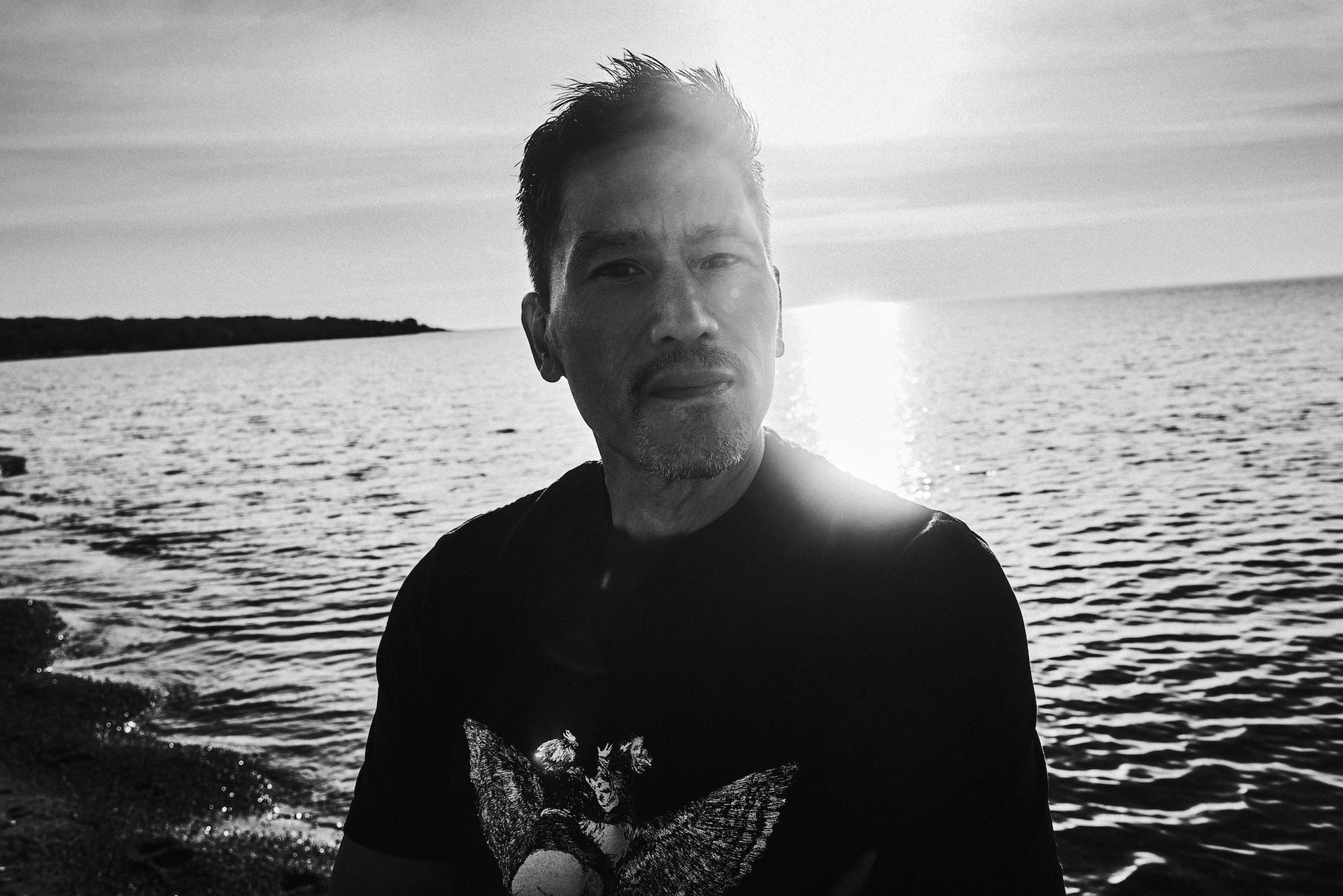
Bruce Poon Tip used credit cards to bootstrap his fledgling travel company, Gap Adventures, when he launched it in 1990. Now called G Adventures, it operates in more than 100 countries—and has changed dramatically over the past five years.
I’ve never been more motivated with the business than I am now, because we’ve totally rebuilt it since COVID-19.
During the pandemic, our business went to zero overnight. It was like a zombie apocalypse for us—we had to lay off more than 2,000 employees globally. But that turned out to be one of the best things that could have happened to us as a company. It gave us an opportunity to act like a startup.
Everyone was questioning whether we’d survive, but I had the confidence to double down and say, “Well, we’re not gonna sit around and just wait. Let’s get these dream projects done that we never thought we’d do.”
We used the time to put in new systems—automated accounting, an HR talent management system, stuff like that. And because we’re a global operation, we thought about things like where different positions should sit if we wanted to become more tax-efficient.

When COVID ended and business started coming back, we were in a different world. We’d spent a lot of money on our offices—we were famous for having slides and all kinds of fun things, but suddenly, people didn’t want to come back to the office. They wanted hybrid schedules.
It was hard for us—we were kind of tied to the idea of coming in—but remote working created an opportunity for us to expand our talent pool. Before, we hired people who were within 50 kilometres of one of our offices, and suddenly, there was new talent available to us. We’re hybrid now: Tuesday, Wednesday and Thursday in the office.
Because of all that, 65% to 75% of our employees are new to the company, so we’ve had the opportunity to rethink our culture code.
It used to be that when we were hiring, we looked for people who were like us. When we found someone, we’d say, “Welcome home.” We built this whole business based on hires who were like each other, and that worked really well when we were trying to solidify our global footprint, because there was a clear road map for people and for how we defined success. But that doesn’t necessarily make the strongest company. You have to be linked by values and purpose.
Communityship, which is what we call our new culture, is about celebrating the strength in diverse thought and diverse opinions and unique cultures. It’s finding the connective tissue that keeps us together, and that’s what we focus on now.
It’s hard to change. It was really hard for me, because I like being around people I want to hang out with. But we’re a much stronger company now, and the people that remained with the business are all battle-tested.
Nothing can really shake us. We’re experiencing great pain with this Iran war—we’ve had to shut down trips to Jordan and Egypt. Turkey is slowing down. But we feel as if we can handle it. Everything just feels like a speed bump now.
Susan Niczowski
Summer Fresh Foods
Best Managed since 2007
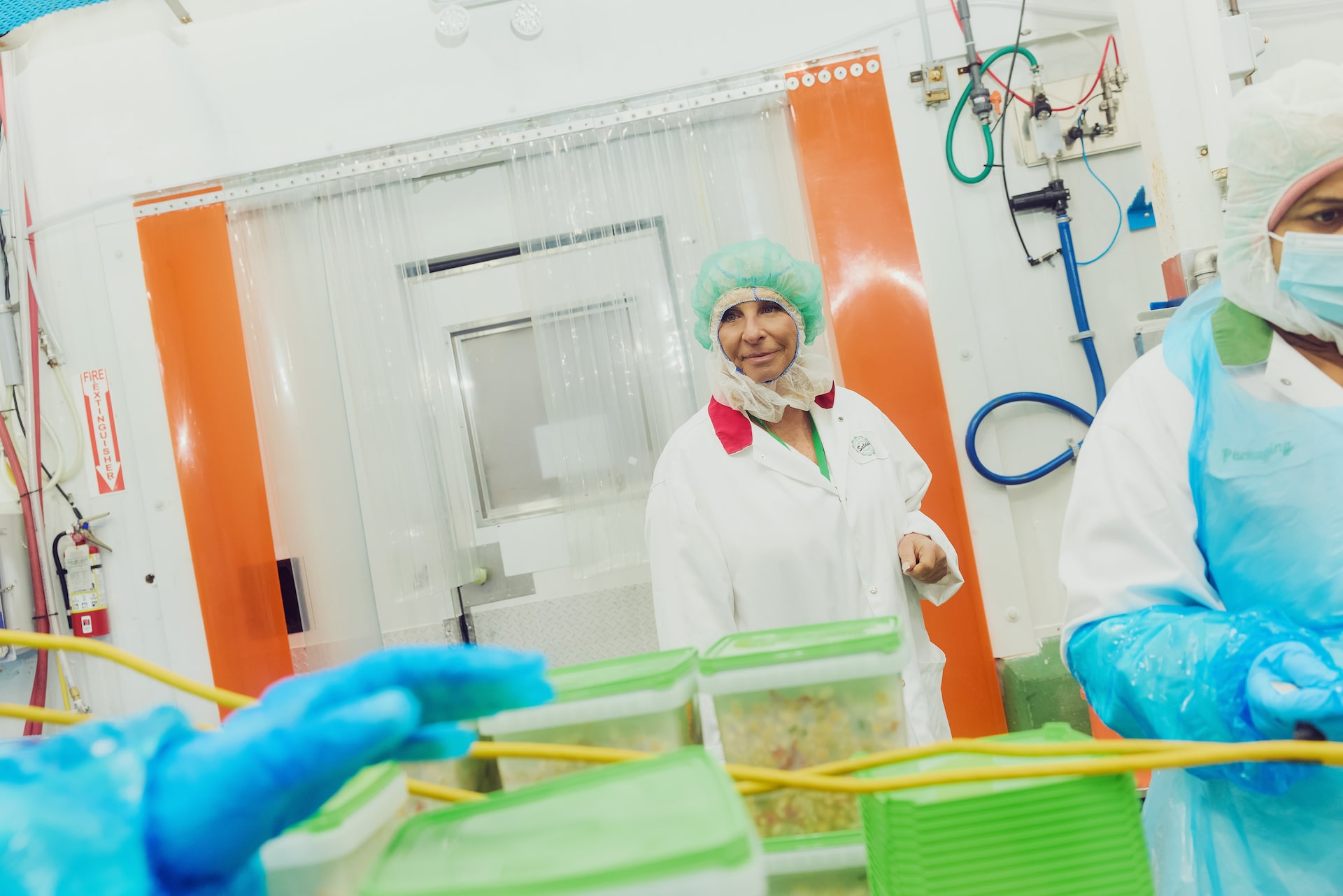
New products and flavours are always on Susan Niczowski’s mind. She launched her fresh-prepared foods company in 1991 with hummus and now sells more than a dozen types—including dill pickle, everything bagel and pumpkin pie—along with salads, dips and a variety of other products, all made in one of four Summer Fresh facilities in Woodbridge, Ont.
We try to bring out exciting innovations and flavours twice a year. We used to do four times a year, but the retailers couldn’t handle it, so now it’s typically an August launch for the holiday season, and then April for spring and summer.
We look at trends, and we travel and try things, and we buy data: what restaurants are serving and what consumers are purchasing, both online or in-store. Then as a team, we decide, yeah, we’re going to launch this, or no, we’re not.
We’ve got a whole new area we’re kicking off now, which is pickled veggies—onions, carrots, cucumbers, original and spicy. We’re pickling the products with apple cider vinegar, so it’s extremely great for gut health. We’re trying to take that health halo, as we always have, but really focusing it on gut health now.

For every product success, we probably have 10 failures, but that’s just the nature of the beast. Sometimes you’re too ahead of your time and the product can flop, and other times, you’re bang on and the product will succeed.
When I wanted to start my business, I thought my mom and dad would loan me the money. To my surprise, my father said no. So I had to go to the bank and ask for a loan, and they said, “Sure, but you’re going to have to get a co-signer.” My dad said, “Absolutely not, because not everything’s going to be given to you on a silver platter.” He made me sweat it out.
By Monday morning, I was able to convince my mother to co-sign, but it taught me a lesson. If you don’t have a dollar, you don’t spend a dollar, and that’s the way I run the business today. Obviously, we do have loans, and we do have debt. But it’s important to look at your debt-to-equity ratios, and know what’s doable and what’s not.
I have high expectations for myself and our team leaders. Am I a hard-ass? Absolutely. On a scale of one to 10, I expect 20. But I would not treat anybody any differently than I would treat myself.
Last year, the talk of tariffs scared the living daylights out of us. It was like, what are we gonna do? Do we open a manufacturing facility in the U.S.? But we spoke with our vendor partners, and we came up with an agreement where they’d pay for part of the tariffs, and we’d pay for the other part. The relationship with your customers is extremely important—explaining everything and being upfront.
It was tough. I was in meetings, dealing with governments, dealing with suppliers, dealing with customers. It was three months of that—I was fried.
We were very fortunate that tariffs didn’t last that long, but raw materials coming into Canada definitely increased in terms of pricing. So that was hard on the bottom line. And today we’ve got an issue with oil and crude, so the price of raw materials is increasing vastly, and it changes by the second.
I’m a big believer in giving back to the community. I mentor 25 to 35 young adults. I think mentorship is really important, and more people should be doing it.
Zaid Qadoumi
BroadGrain,
Best Managed since 2014
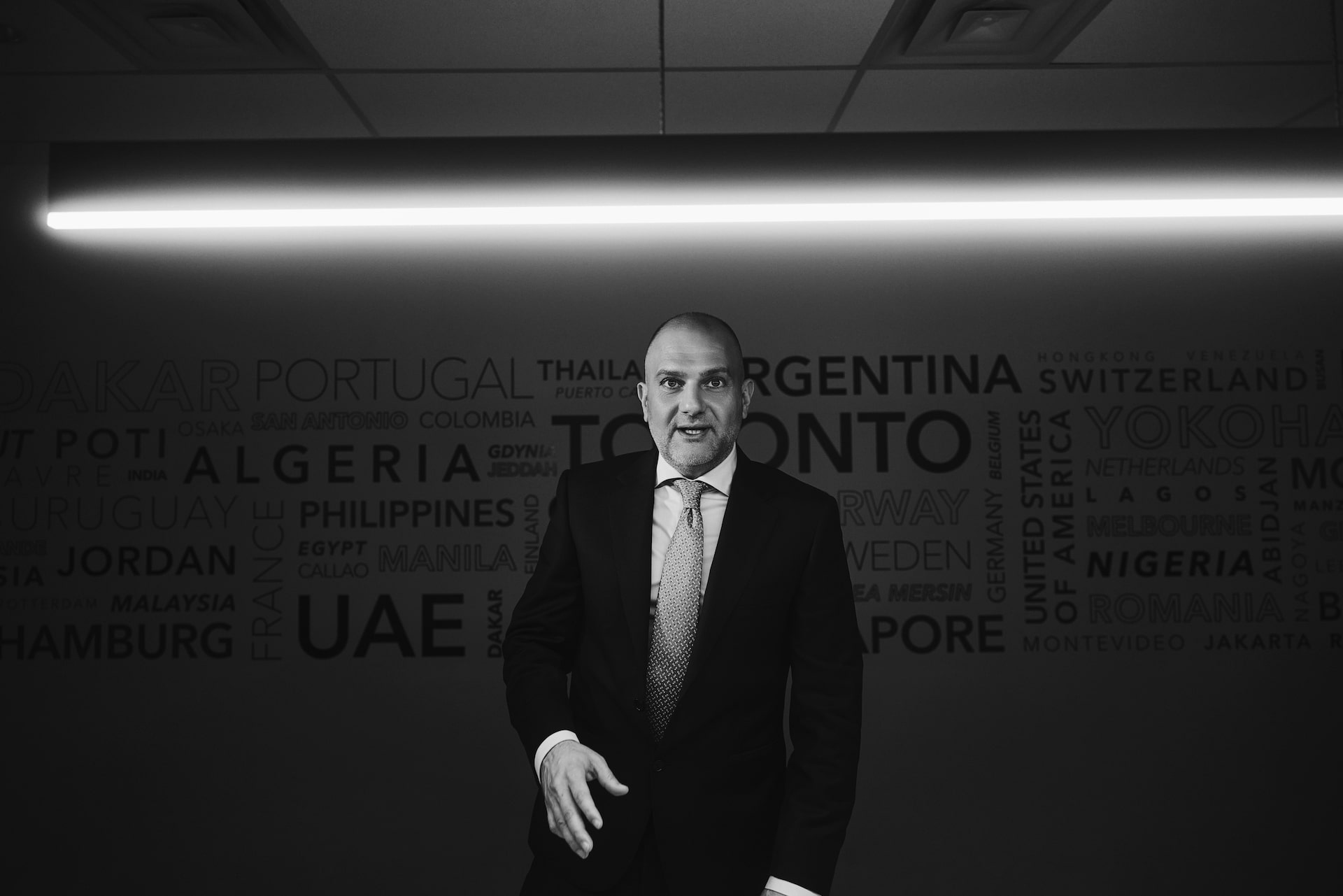
Agribusiness BroadGrain began modestly, with a single grain elevator in Seaforth, Ont., acquired in 2003, and a focus on animal feed. The fast-growing Toronto-based company now trades, ships and produces a wide variety of grains, food-grade pulses and specialty crops, and has operations around the world, including in China, Nigeria, Algeria, Argentina and the United Arab Emirates. It isn’t a business for the faint-hearted, says CEO Zaid Qadoumi. Droughts and floods can cause massive disruptions. So can tariffs and pandemics.
Our company handles products that are the basic building blocks of the majority of human and animal nutrition—products like corn, soybeans, wheat, pulses. It’s a commodity business, and our space is full of companies that are much larger than us, much more well capitalized than we are, so being able to be part of this supply chain is a challenge on a daily basis.
We grew the business through relationships—the focus all along was, how can we provide our customers and our stakeholders with a reliable supply that’s competitive, and understand our customers’ needs, their problems?
The pandemic was a wake-up call for us. It made us realize how easy it is to go from normal to completely outside of normal in the blink of an eye. Suddenly, something as simple as delivering a truck of mustard to a manufacturer was no longer a simple process. Everything became a question of, how do I get it from here to here?
Everybody pulled together and we made it work, but it took perseverance, determination and discipline. What was important was to look at challenges from a perspective of solutions, as opposed to, Oh my God, the world is crumbling. It’s these principles that allowed our team to be innovative, to work together and find solutions—encouraging truckers to come in at certain times or opening up at certain times, and also understanding what it requires for a shift in the supply chain.
I’m a big believer in flat organizational and management structures, where everybody is encouraged to be part of the debate. It’s important for people to be in an environment that encourages them to bring out ideas and to speak about them. I always say there’s no bad idea. We hold these things dear in the culture of our organization, and I credit them with our ability to navigate through difficult times.
Something else that’s tested us is the volatility that tariffs created in the market and the shifts in supply. Suddenly, China wasn’t buying soybeans from the U.S., so it needed to buy from somewhere else, and that shift in such massive quantities caused a lot of volatility. That was a challenge to deal with. And the Russian-Ukrainian war was a massive shock in our industry, because that area of the world produces a significant amount of wheat and corn.
What has helped us as a company is our diversification. My survival is not tied to corn or any other single product—or any single country. It’s a basket of products, and sometimes some of these products are going to face a lot of challenges, but others are going to have successes.
Our darkest days were in the fall of 2024, when we had a ransomware attack. They shut down our systems—systems we depend on to track every single movement of our products—and we were running the company on Excel spreadsheets. You have to continue. Nobody cares that you have a ransomware problem. In the end, they just want to know, “Where is my product? Where’s my corn?”
It pushed us to the limit, but we came out a more resilient, more capable company, with more buffers and a system that’s capable of going through something like that. But the truth is, being ready for an attack like this is almost impossible. It’s how you react when it hits you that is the most important.