It is 8 o’clock on a cold Saturday morning. Most 14-year-olds are at home in bed. Not Madison Lawrence.
Clad in a camo jacket and a pink ball cap, the slight, blonde-haired girl is standing on a muddy lawn with a camera, pointing the long lens at a tiny olive-green songbird: a ruby-crowned kinglet. As water seeps into her runners, she snaps picture after picture.
“Oh my goodness, I love kinglets so much,” she says, her voice full of wonder. “They’re so cute.”

Male ruby-crowned kinglets normally conceal their red feathers, but show them off when excited.
Madison is not your average teen. When many are cruising the mall or following the latest social-media drama, she spends hours at a Toronto park snapping kinglets, swallows, hawks and warblers. Photographing them is her passion, her anchor, her solace.
Being different has not always been easy for Madison. Living with a severe form of attention deficit hyperactivity disorder, she struggled at school and found it hard to make friends. Other kids bullied her or froze her out. At one point, she had become so isolated she was eating her lunches alone in the school washroom.
But at a family cottage in Southeastern Ontario’s Prince Edward County, she discovered birds. When she was little, she would sit on a big swing with her beloved grandmother, Chris Lawrence, and listen to the morning chorus of birdsong.
Chris was a huge figure in her life, an avid cook, gardener, knitter and dog lover who spent countless cozy days with Madison, especially after her parents split up and Madison was shuttling between households. Chris and her wife Mary Scott took Madison on bird walks and lent her field guides so she could learn to tell one species from another.

A camera for Christmas helped Madison, then 8, take her bird fixation to a new level.Courtesy of Lawrence family
Soon Madison was borrowing their binoculars and watching birds on her own. Then one magical Christmas morning when she was eight – “the best Christmas of my life” – she found a big, heavy package under the tree. In her letter to Santa Claus, she had been specific about what she wanted: a 600-millimetre camera lens.
When she unwrapped it, she burst into tears. Ever since, she has been a serious bird photographer. Going to the park with her camera soothes her anxiety and gives her buzzing mind something to focus on.
“It’s just such a way to disconnect from school life, from regular life, from anything that’s on my mind,” she says. “The other day, I was so stressed because I had lots of school work. I went to the park and then I felt instantly better. It just heals me.”

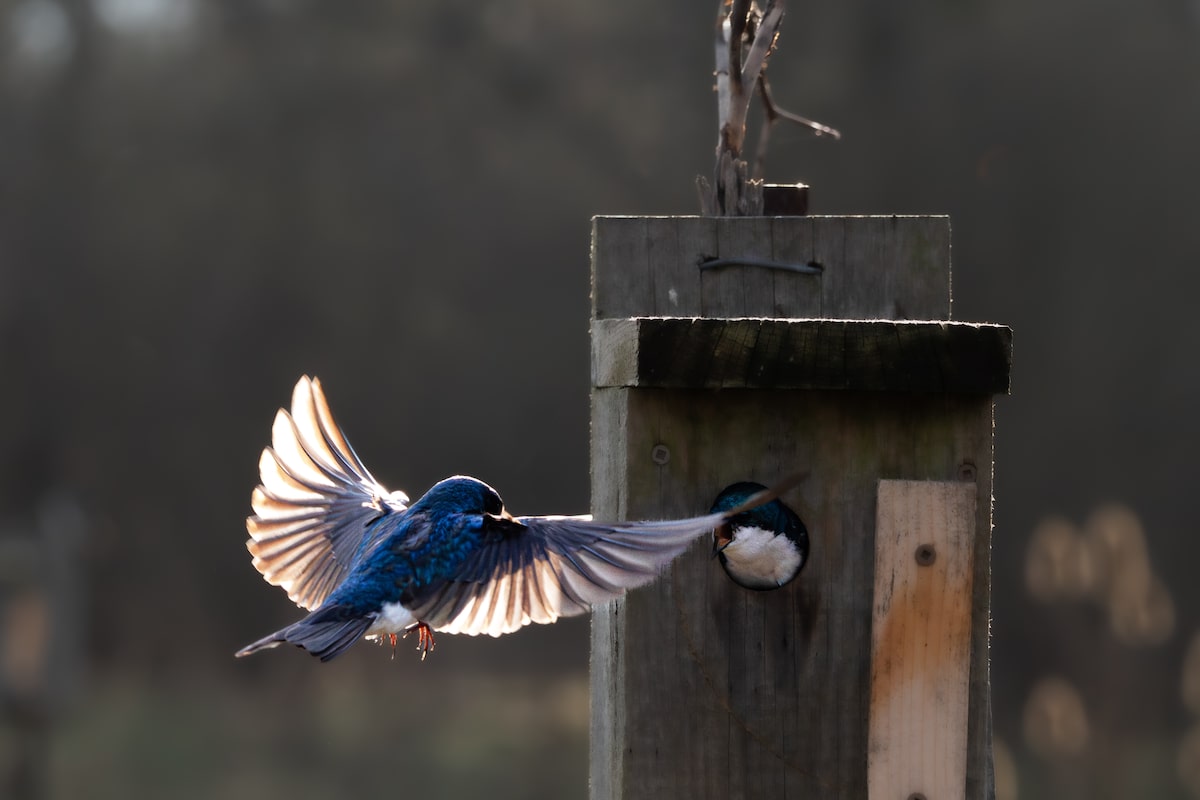
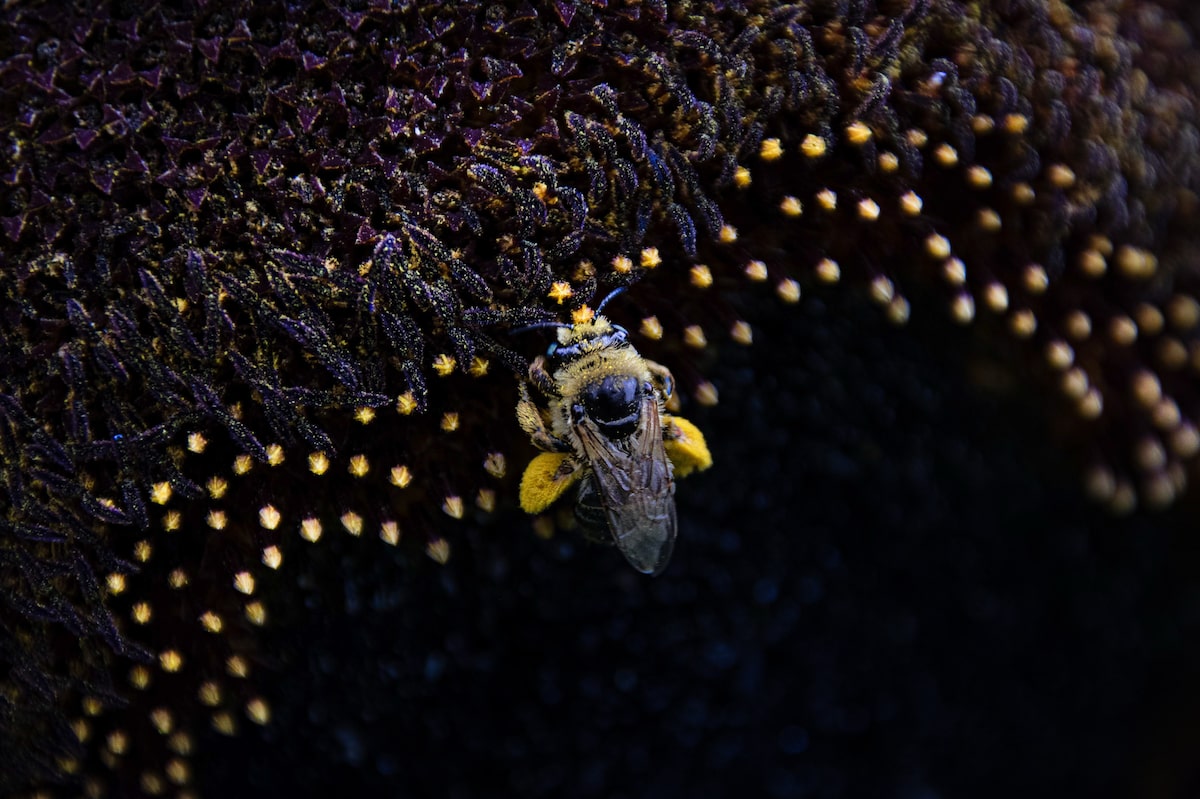
Madison’s skill and enthusiasm have made her a familiar figure at Toronto’s Colonel Samuel Smith Park, a birdwatching hot spot on the shores of Lake Ontario that draws throngs of wildlife photographers. She may not be the best of them, but she is probably the keenest – and, among all the grey heads and floppy hats, one of the youngest.
If it weren’t for her classes at Etobicoke School of the Arts, where she is a Grade 9 film student, she would be there at dawn every morning this time of year, when waves of birds are returning to Canada to breed. As it is, her father, Gabriel Lawrence, drives her down from his nearby home most weekend mornings.

Madison found this wood duck at High Park's Grenadier Pond last October.
When she isn’t in the field, firing away with her aging Canon EOS Rebel SL3, she spends hours sorting and editing her photos, posting the best on her Instagram. One of them just got an honourable mention in a competition run by the Royal Ontario Museum. It shows a wood duck spreading its wings.
People with ADHD often find it hard to complete tasks, meet deadlines and answer messages. But when they find something they love, they go all in.
That intense focus is Madison’s superpower. After years of struggling with friendship, school and life in general, she has found something she is really good at.
“It has just brought her nothing but joy,” says her mother, Jennifer Lawrence, an insurance executive. “Without this, I don’t really know what she would have.”

Madison and grandmother Chris Lawrence, in a family photo from 2015, took nature walks that kindled a love of birds.Courtesy of Lawrence family
Her love of birds has helped Madison get through even the hardest of times. Last year, her Grandma Chris grew ill. A cancer she thought she had beaten was back. Within months, she was gone. For Madison, it was like losing a second mother. Kids with ADHD spend a lot of their lives getting yelled at, says Madison’s mom. For being forgetful. For being messy. For talking too much. But in her grandma’s eyes, “Madison was perfect.”
Madison was inconsolable when she heard the news. She cried so hard she gasped for breath. For weeks after, she was a wreck. Gradually, though, she righted herself. Her sorrow has turned into what her mom calls “a gentle sadness.” At school she is making a documentary about how she got into birding and photography, beginning with those childhood hours on a swing in Prince Edward County.
She says learning about birds with her grandmother “sparked a curiosity in me that I didn’t know I had.” She finds everything about birds fascinating. They live everywhere from the frozen Arctic to the deepest tropical jungles. They are descended from the dinosaurs. Oh, and “they can, like, fly. They’re just so unique for that.”

Kinglets are rarely still, but this one was a more photogenic subject than most.
When she grows up, Madison would like to be a photographer who “travels the world and works for National Geographic.” At least, “that would be the dream.”
This morning, though, she is just trying to get the perfect picture of that little kinglet. Kinglets tend to flit around constantly, making them hard to capture. But this one obliges her by perching on a low branch and belting out a song. Opening its beak wide like Pavarotti at La Scala, it sings and sings. Madison raises her big lens. All distractions forgotten, she homes in and takes her shot.

For the birds: More from The Globe and Mail
The Decibel podcast
Birds in Canada have had to adapt their habits to climate change and human activity. The spring migration in Ontario’s Point Pelee National Park is an ideal time to see that. Two years ago, a team from The Decibel went to Point Pelee to hear as many kinds of birdsong as they could. Subscribe for more episodes.
The world of birds
New Zealand sees results in fight to save its strange, wonderful birds
Woodcocks that wiggle are drawing fans to their nesting grounds