The Globe is visiting communities across the country to hear from Canadians about the issues affecting their lives, their futures and their votes in this federal election.
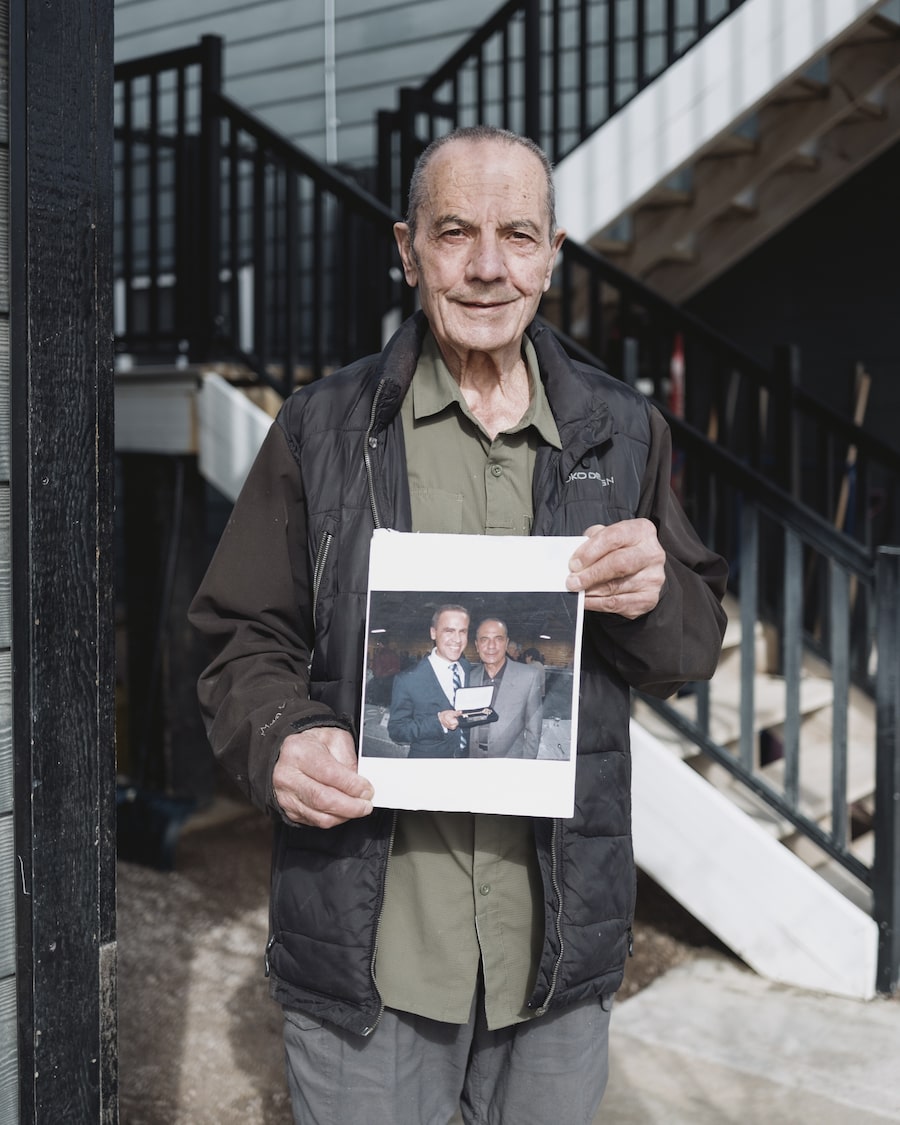
For years, the printer-paper photograph hung on the wall of Berro’s Pizzeria: Mark Carney, smiling over a partially consumed Hawaiian pizza. The photo was snapped during a visit to Fort Smith, NWT, in 2009; Mr. Carney, then the governor of the Bank of Canada, was visiting the place where he was born in 1965.
The house where he lived is still there, still yellow, right next to the school where his father was principal. Though he left while still a small child, the Liberal Leader’s connection to Fort Smith often comes up in his speeches and in coverage of him in the media.
Over a Berro’s chicken donair, local Tim Gauthier recalls how he just about fell out of his seat when he heard the words “Fort Smith, Northwest Territories” uttered by Mr. Carney to Jon Stewart on The Daily Show.
“Now he has put Fort Smith on the map,” says Fort Smith Métis Council president Allan Heron, who stopped in for some take-out lasagna.

Talk to the patrons at Berro’s Pizzeria in Fort Smith, and chances are you'll find some opinions about Mark Carney. Born in town in 1965, he is the first Canadian prime minister from the North.

Mr. Carney lived in this house as a small child, until the family moved to Edmonton.
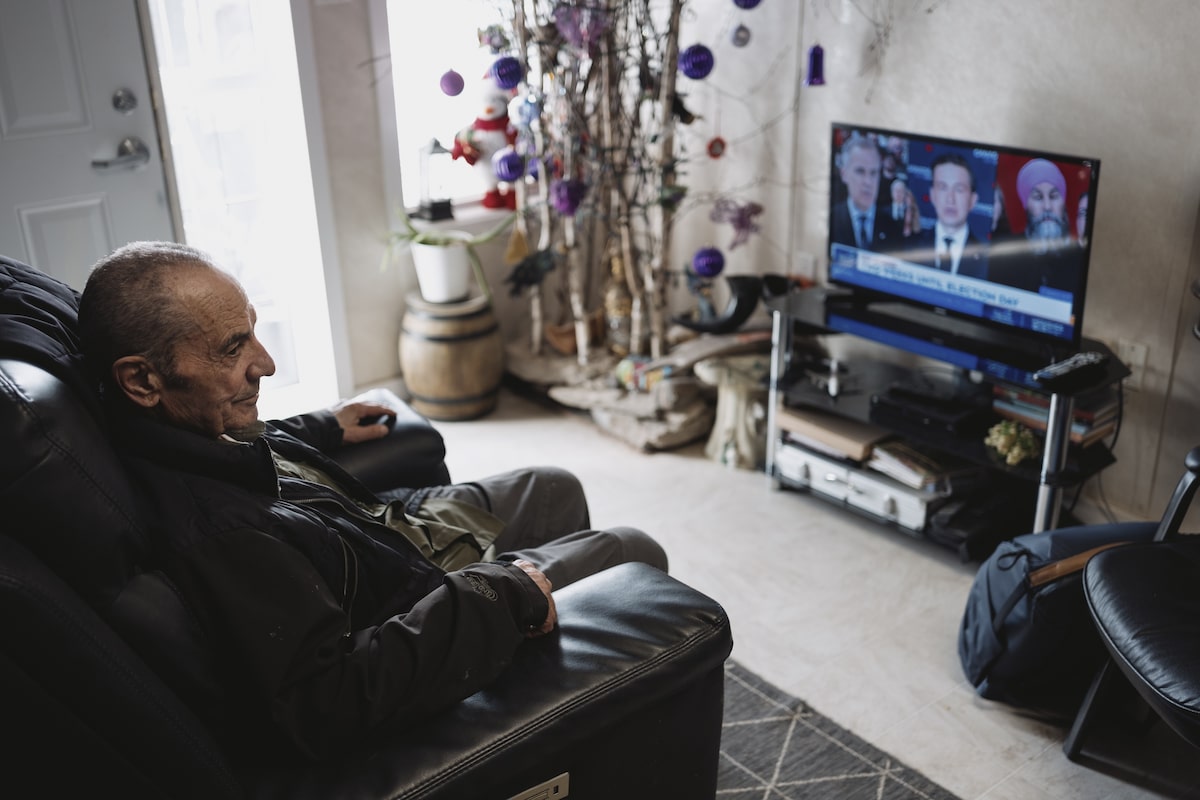
This is a political town. It seems like the news is on everywhere – homes, stores. Much of the talk these days is about Mr. Carney, including that 2009 visit.
The invitation was issued by then-mayor Peter Martselos, who organized a community banquet and bestowed upon Mr. Carney the key to the city. “I said, ‘Mark, you know what I need now?’ ” Mr. Martselos recalls of that presentation. “‘I need the key to the Bank of Canada.’ ” The joke got a big laugh, but Mr. Martselos did see the visit as a chance to remind an Ottawa policy-maker about the issues northerners face.
While here, Mr. Carney visited the three-bedroom, one-bathroom home where he spent his first years, and took a bunch of photos. Local Métis artist Michel (Mike) Labine created a stained-glass rendition of the yellow house as a gift.
As a hometown dignitary, Mr. Carney was asked to cut the ribbon to open a homeless shelter, erected when Frieda Martselos, Peter’s wife (50 years married this June), was chief of the Salt River First Nation. Together, the couple run the Wood Buffalo Inn. And they are rooting for Mr. Carney. “I think that his ideas will come from the heart,” says Ms. Martselos, who was an MLA from 2019 to 2023.
It’s Ms. Martselos who noticed over dinner that same evening that the photo of Mr. Carney was no longer hanging at Berro’s. The owners, it turns out, had taken it down when they painted, and seeing that it was damaged, didn’t put it back up. Ms. Martselos took the photo home, bought a frame and, a few days later, returned it to the restaurant so people could see it again. ”It’s a very important time in our lives, to have a prime minister from Fort Smith.”
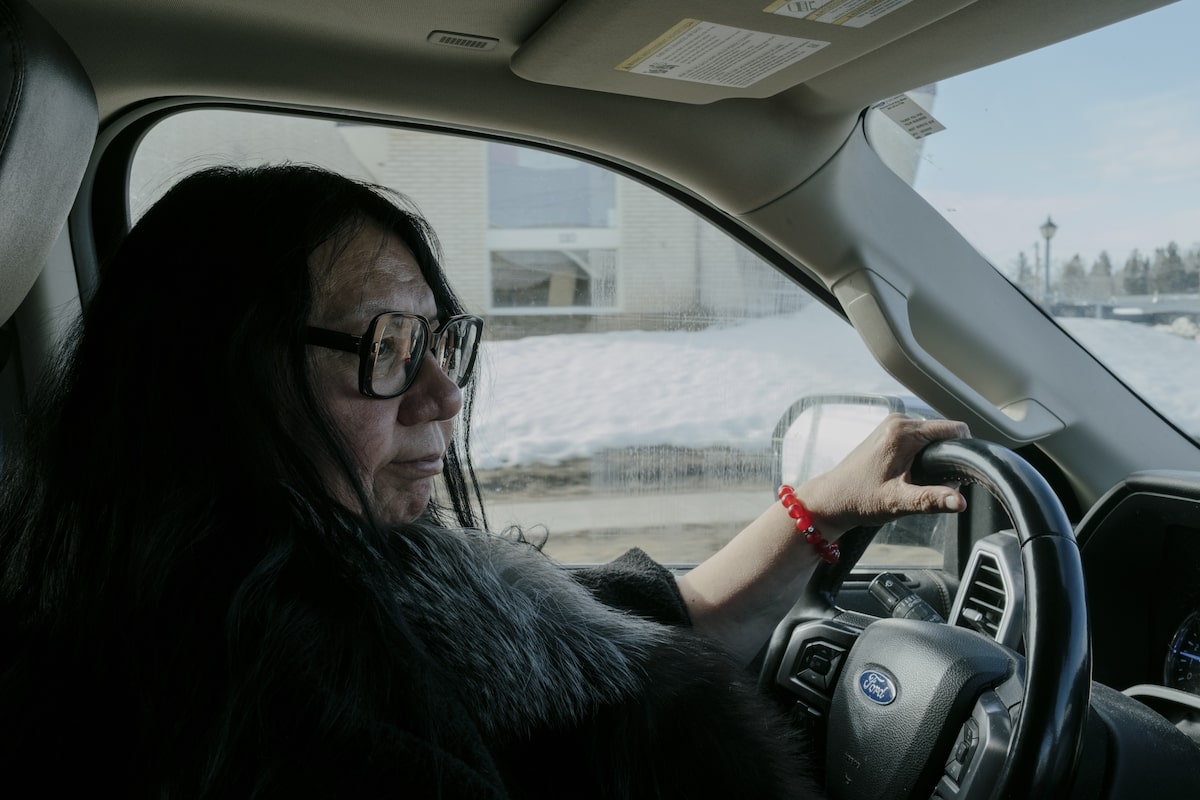


The town, with a population of about 2,500, sits on the long, bendy Slave River. Once the administrative centre of the Territories before Yellowknife was selected as the capital in 1967 (still a point of contention), Fort Smith is on the Alberta border, at the edge of the enormous Wood Buffalo National Park, with its herds of free-roaming bison and its whooping crane nesting grounds.
A memorandum of agreement signed last year between the Salt River First Nation, Smith’s Landing First Nation, Fort Smith Métis Council and the Town of Fort Smith created the Thebacha Leadership Council to work collaboratively. “That is really the true path forward for our success as a community,” says the fifth signatory, Thebacha MLA Jay Macdonald, in his constituency office.
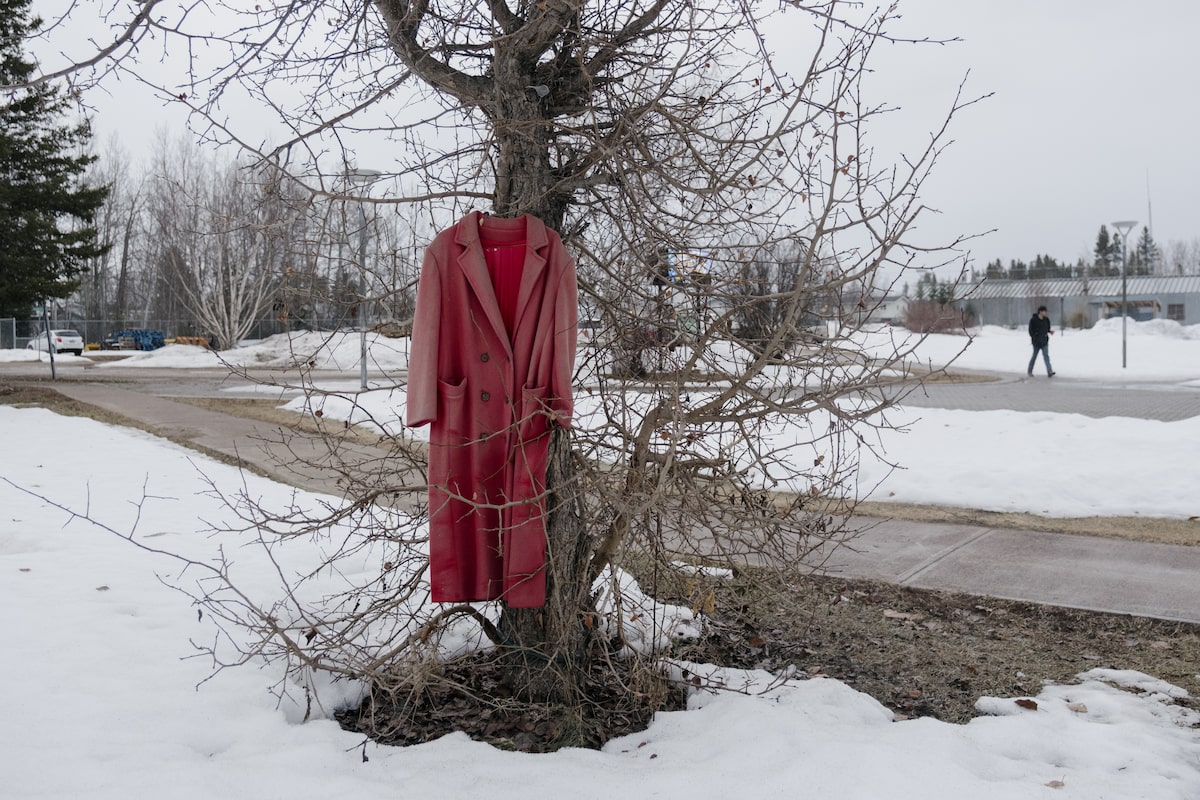
The town has been through an awful lot recently: a deadly plane crash just after takeoff last year that killed six people, and a massive 2023 wildfire that forced the town’s evacuation.

A poster at the Northern Life Museum and Cultural Centre honours the wildfire fighters who fought to save the city in 2023.
There is a large cathedral here, and it’s also home to the main campus of Aurora College. Locals note that when Yellowknife was made capital, they were promised Fort Smith would remain the education centre. The rivalry with Yellowknife comes up often in conversation as locals discuss what’s on their mind during this election campaign. People want assurances that postsecondary education here will remain vibrant.
They also talk about the need for a permanent road due south, through the park. Right now, when the winter road is closed, there’s only one road out – to Hay River. There are concerns this is insufficient during an emergency, like the wildfire.
Global warming is not hypothetical here; residents of Fort Smith are living it, with permafrost degradation, floods and fires. “We are on the front lines of climate change,” says Hélèna Katz. She and her husband, who run an alpaca farm just outside town, lost all five of their alpacas and both livestock guardian dogs in the 2023 wildfire.

Hélèna Katz, whose alpacas and dogs perished in 2023's wildfires, says climate change is a top issue for her in this election.
Like the rest of Canada, locals are worried about jobs and the economy. Specific to the north, there’s talk about the proposed Mackenzie Valley highway to Inuvik.
But the election issue that comes up repeatedly is leadership – especially in relation to Donald Trump (referred to, variously, as a “bully,” “brawler” and “goon”).
“If we’ve got to deal with a guy like Trump, you need somebody that’s rock-solid,” says Don Webb.
Now retired from his job with the Town of Fort Smith, he is also a former Conservative who helped organize a 2014 visit by then prime minister Stephen Harper. (The room where Mr. Harper stayed at the Wood Buffalo Inn features a framed banner from that occasion.)
Mr. Webb quit the party after Pierre Poilievre was chosen as leader. He plans to vote for Mr. Carney.
“I don’t think anybody else can save Canada. We’re on a roller-coaster ride here; we need somebody very stable.”
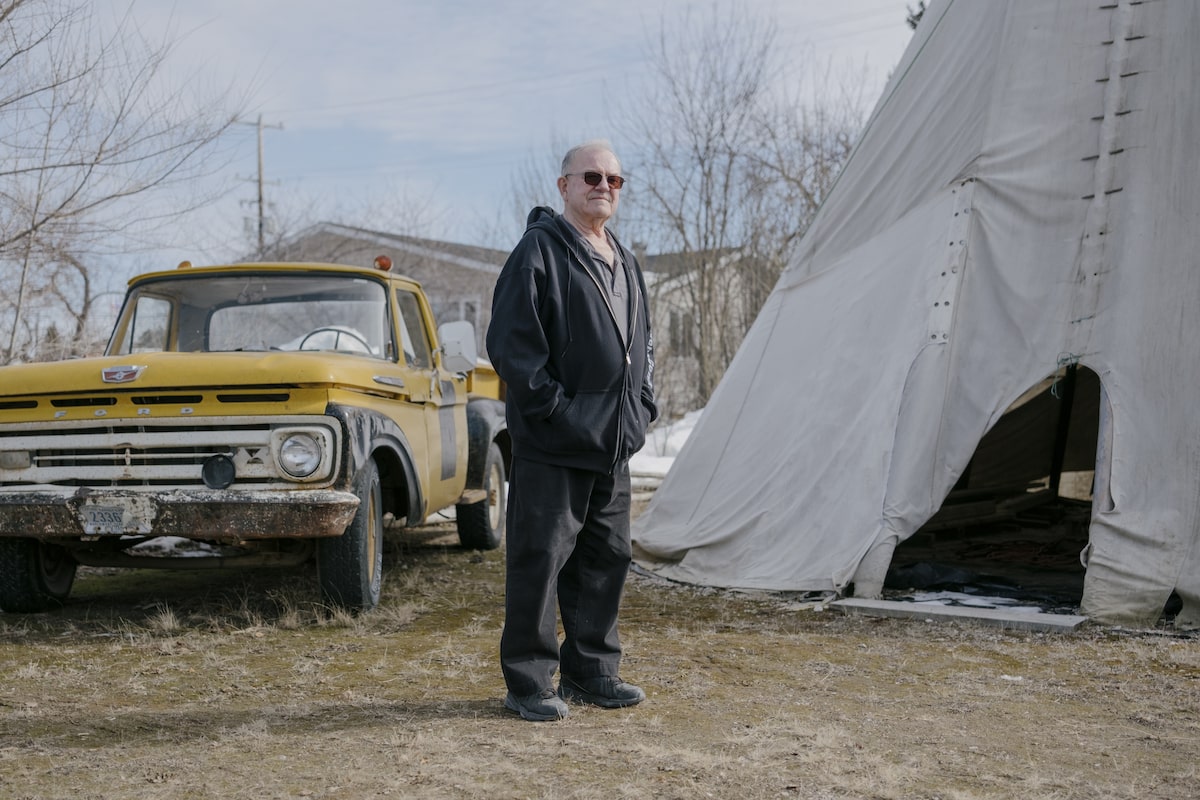
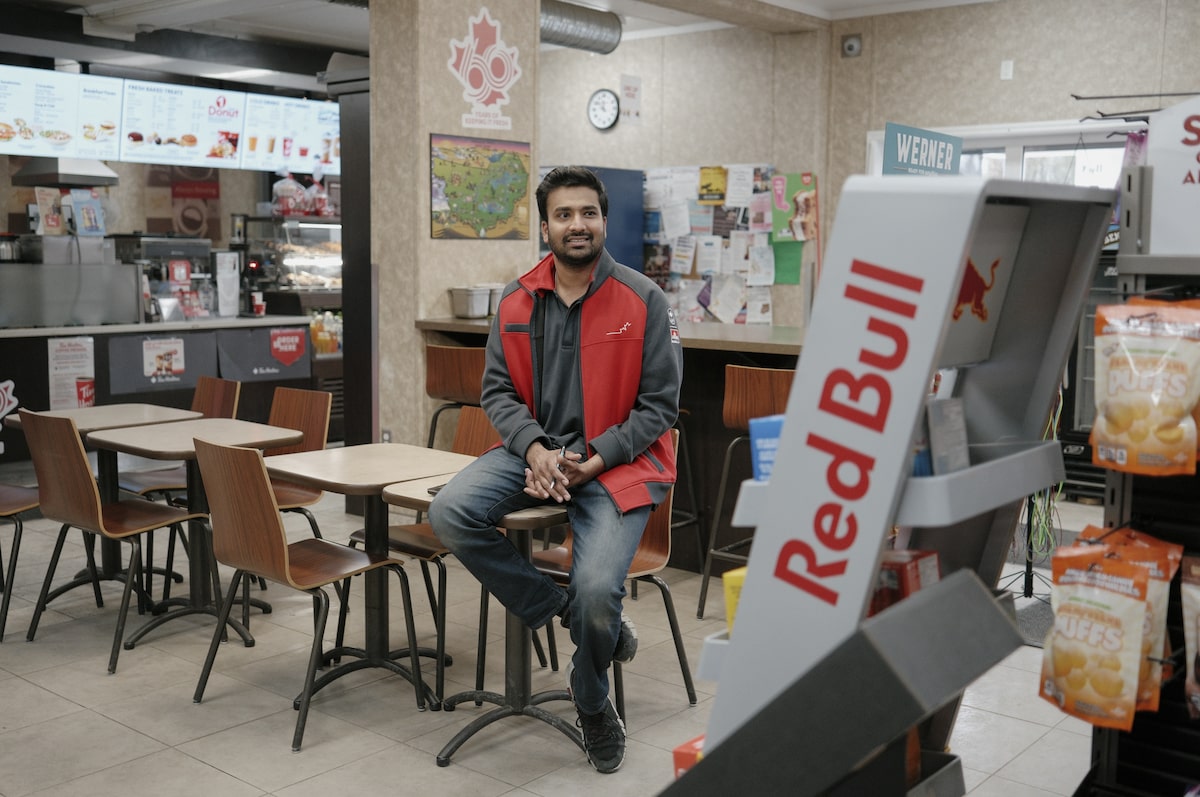
While there’s palpable pride in Mr. Carney being from here – and a belief he’ll understand northerners’ needs – the approval is not universal. Richard Mercredi, a Métis hunter and trapper, plans to vote Conservative. A one-time Liberal voter, he doesn’t like the party’s stand on affordability or gun control. “City people, far as they’re concerned, if all the guns are gone, they’re safe.”
He’s one of a group of retired government employees who gather regularly at the local Petro Canada/Tim Hortons for coffee and conversation. Mr. Mercredi’s friend Don Tourangeau, a member of the Salt River First Nation, also plans to vote Conservative. He thinks Mr. Poilievre will do more for the North, including opening up exploration for oil, gas and minerals.
Like many in town, Mr. Tourangeau remembers when Mark Carney’s father was principal at the local Indian day school. His memories of Robert Carney are not positive. “He made us Indians stand in the back of the room … at any function,” he says.
But other former students have more positive recollections of Robert Carney, and felt it wasn’t fair that the CBC dredged up decades-old quotes in a recent report.
“Mark Carney’s father was the best principal I ever had,” says Ms. Martselos.
In the office at the inn, a guest book bursts at the seams with loose thank-you notes and cards stuffed inside. One is from Mr. Harper. Another is on Bank of England notepaper.
“I appreciated being reminded of Fort Smith,” Mark Carney wrote from London in 2016, thanking the Martseloses for a gift years after his visit. “It’s a long way from here to there, but the town and its people remain very close to my heart.”


East to West: More from The Globe and Mail
The Decibel podcast
Through the 2025 election, producer Kasia Mychajlowycz is travelling across Canada to ask locals what’s on their minds. In Nova Scotia and New Brunswick, many spoke of increasing patriotism and anger at Donald Trump, as well as their struggles with cost of living in rural communities. Subscribe for more episodes.
From our reporters
Tories hold the line in Poilievre's old Southwest Calgary haunts
Calgary’s diverse Northeast has big hopes and gnawing worries
Regina powwow tries not to let trade malaise break its stride
Trois-Rivières, feeling sting of tariffs, considers abandoning the Bloc