Donna Reardon, the mayor of Saint John, doesn’t know what the future holds for her city and its 78,000 citizens.
“It’s like being on a roller coaster with a blindfold on,” she said of U.S. President Donald Trump’s ever-changing plans to impose tariffs on Canadian exports. During a 20-minute interview, with few answers about what will happen or how to react, Ms. Reardon said variations of “I don’t know” 27 times.
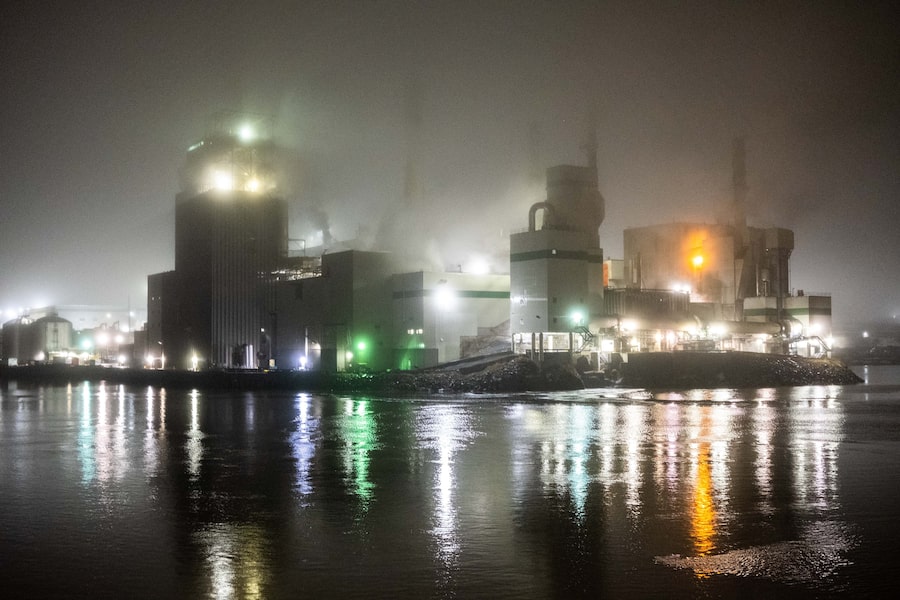
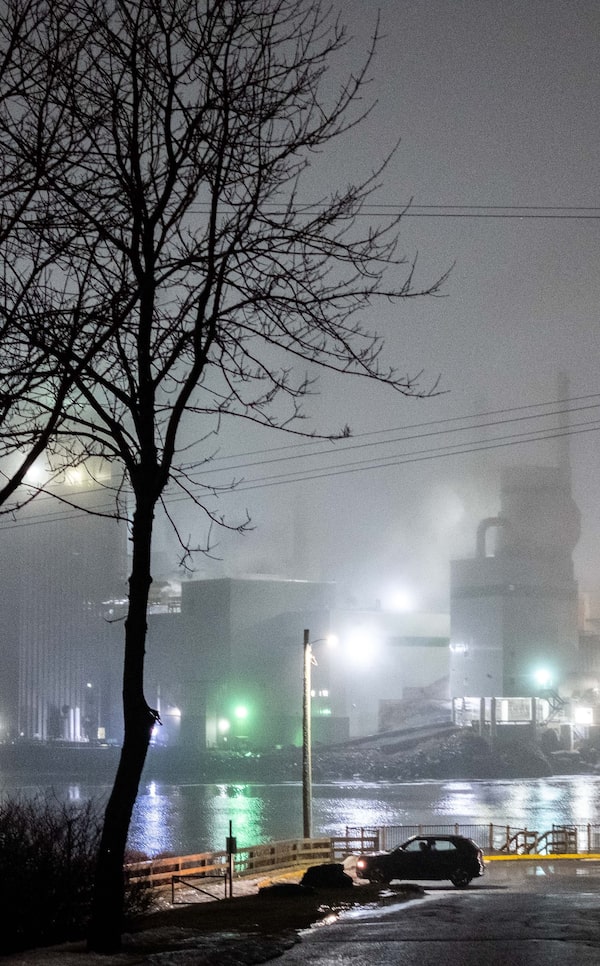
In a place often enveloped by fog rolling in over the towering tides of the Bay of Fundy, not much is clear for the mayor of a city that could be facing an economic catastrophe given its reliance on trade with the United States. Built along the water, on the mouth of the Saint John River and just an hour’s drive from the U.S. border, the oldest incorporated city in Canada has for nearly 250 years been inexorably tied to the whims of this country’s southern neighbour. Fishing and lumber have long dominated, but now energy has made that relationship even tighter.

This grocer on the west side of Saint John sells local seafood and steak. The U.S. market for such products is increasingly unreliable and expensive as the tariff war continues.
Last month, the Canadian Chamber of Commerce named Saint John the country’s “most tariff-exposed” city because of its economy’s heavy reliance on the export of oil, lumber products and seafood to the U.S. Calgary and Windsor completed the top three for the importance of oil exports and the automotive industry, respectively.
“Every morning I get up, I don’t know what the landscape is going to be,” Ms. Reardon said from City Hall a few weeks ago, referring to the uncertainty around tariffs. The city can’t do any long-term planning for its tariff response when the severity of the situation isn’t known, she said.
Ms. Reardon’s role in the trade war, as she sees it, is limited to advocating for and supporting New Brunswick’s efforts to mitigate its impact. In early March, the province unveiled a plan to support residents and businesses affected by the tariffs, break down interprovincial trade barriers and promote local products.
Tariffs of 10 per cent on Canadian energy and critical minerals and 25 per cent on all other goods went into effect at the start of the month but were then postponed – for the second time – two days later for goods compliant with the United States-Canada-Mexico Agreement (USMCA).
Those tariffs are expected to take effect April 2, though Mr. Trump said this week he “may give a lot of countries breaks” and has suggested he would target certain sectors rather than implementing across-the-board levies.
Washington went ahead with 25-per-cent tariffs on global steel and aluminum exports on March 12.
With a federal election to be held April 28, how the new government handles trade disputes between the two countries looms large.

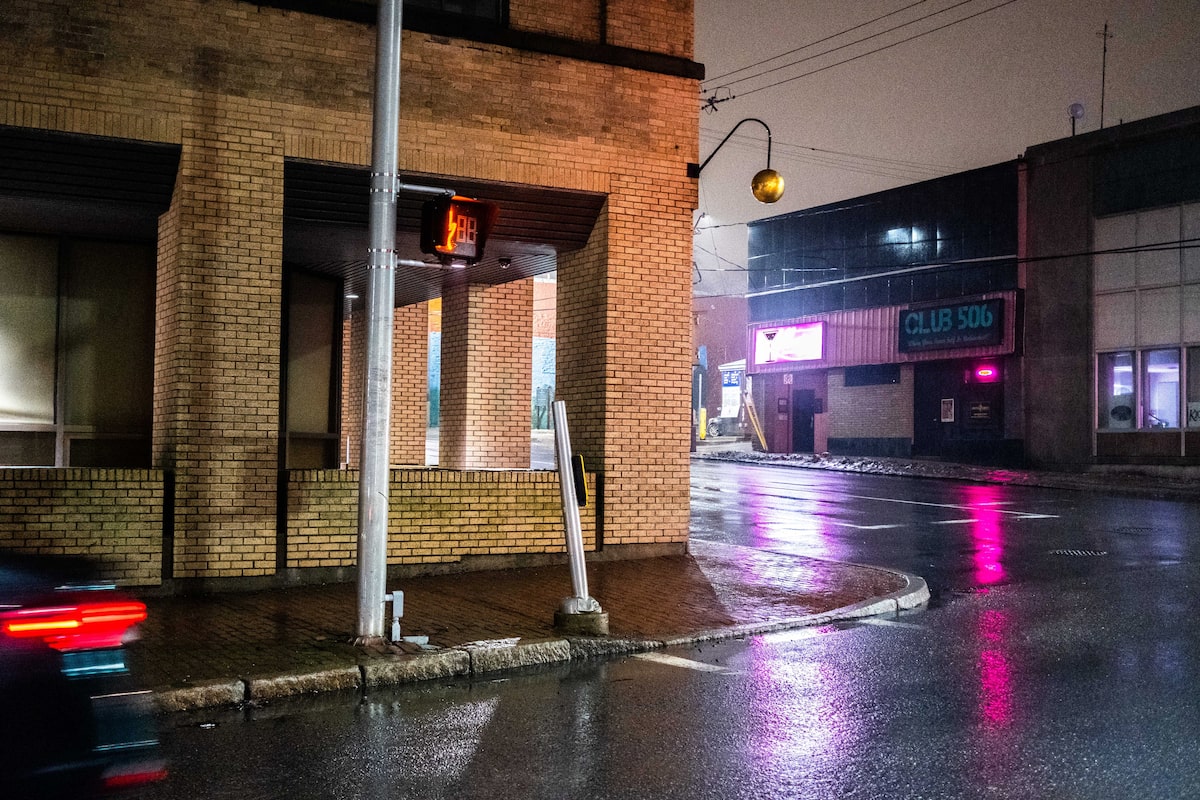

Saint John’s dependent relationship to the U.S., and the industry behind it, is noticeable from almost anywhere in the city. Uptown Saint John, the name given to the gritty downtown area, and City Hall sit along the water, facing the port’s towering cranes. To the east, the Irving Oil refinery, Canada’s largest, belches out uninterrupted plumes of smoke. On the opposite side of the harbour, to the west, the Irving Pulp and Paper mill does the same.
After enduring several business closings and relocations, accompanied by a substantial population decline in the 1990s and early 2000s, Saint John went through a significant economic lull. Things started to rebound in 2016. Employment and income levels rose, and immigration increased the population at the highest rates in decades, according to Envision Saint John, a regional economic development organization.
The city went through a period of intense excitement when the Energy East pipeline was proposed in 2013, followed by extreme disappointment when it was cancelled in 2017. The Irving Oil refinery was the planned end point of TransCanada’s defunct project, which would have brought western crude to the East Coast. And while recent calls for its resurrection have been met favourably by leaders of all political stripes, the current provincial government has declined to take a stand.
The project would first need a promoter and remains “hypothetical,” said Jean-Claude D’Amours, New Brunswick’s Minister of Intergovernmental Affairs, in an interview.
A staggering 92 per cent of New Brunswick’s international exports go south of the border, Mr. D’Amours said. Last year, this represented nearly $16-billion worth of goods supporting more than 40,000 Canadian jobs, according to the Canadian Chamber of Commerce. Exports mostly went to Texas, Maine and Massachusetts.
“There’s big concern,” said Shannon Merrifield, the Saint John Region Chamber of Commerce CEO. If planned tariffs do come into force, “it’s going to affect our region significantly,” she said in an interview.

Maple syrup goods at City Market are carefully labelled to show their Canadian origins. Retailers have been working hard to cater to Buy Canadian sentiments, while managing added tariff-related costs.
In its latest economic outlook, published on March 18, the New Brunswick Department of Finance and Treasury Board anticipated real GDP to grow by 1.1 per cent in 2025, down from 1.5 per cent in 2024, “as slower population growth and trade uncertainty outweigh the effects of lower interest rates.” Employment, salary and investment growth are also expected to slow down.
Amanda Morrell, a spokesperson for Port Saint John, Atlantic Canada’s largest port by volume, said in an e-mail that the port is “deeply concerned about the implementation of tariffs and the impact they will have on our entire Canadian economy and supply chain.”
Nearly 2.3 million tonnes of potash and more than 24.4 million tonnes of liquid bulk, which includes oil products, transited through the port in 2023. Much of that was destined for the U.S. “Many Port partners will feel the effects from these measures, and we are particularly worried for our liquid bulk partner Irving Oil,” said Ms. Morrell. “We continue to monitor the situation closely and remain flexible and ready for exporters seeking a fluid gateway for diversified global markets.”
Irving Oil did not respond to multiple requests for comment.
In a statement posted online on Feb. 2, the day before tariffs were postponed the first time, the company said these would “result in price increases for our U.S. customers and have impacts on energy security and the broader economy.” Most of what is produced at the Saint John refinery is bound for the U.S.
In a notice to clients circulated online the same day, Irving said the cost of tariffs would be added to its prices.

Irving Oil ships millions of tonnes of products through the port of Saint John each year.
J.D. Irving, Ltd. which operates the pulp and paper mill and other facilities in Saint John, also did not respond to requests for comment.
In a joint statement with the New Brunswick Lumber Producers and Forest NB, the company said on Feb. 4 that additional tariffs on wood products “would have severe impacts on the entire forest sector of New Brunswick,” which employs 24,000 people.
The statement noted that more than 80 per cent of the province’s forest products exports cross the U.S. border. For U.S. customers, “tariffs will lead to higher prices and could lead to fewer choices,” it said.
Saint John-based Cooke Inc., which describes itself as the largest private family-owned seafood company in the world, declined a request for comment.
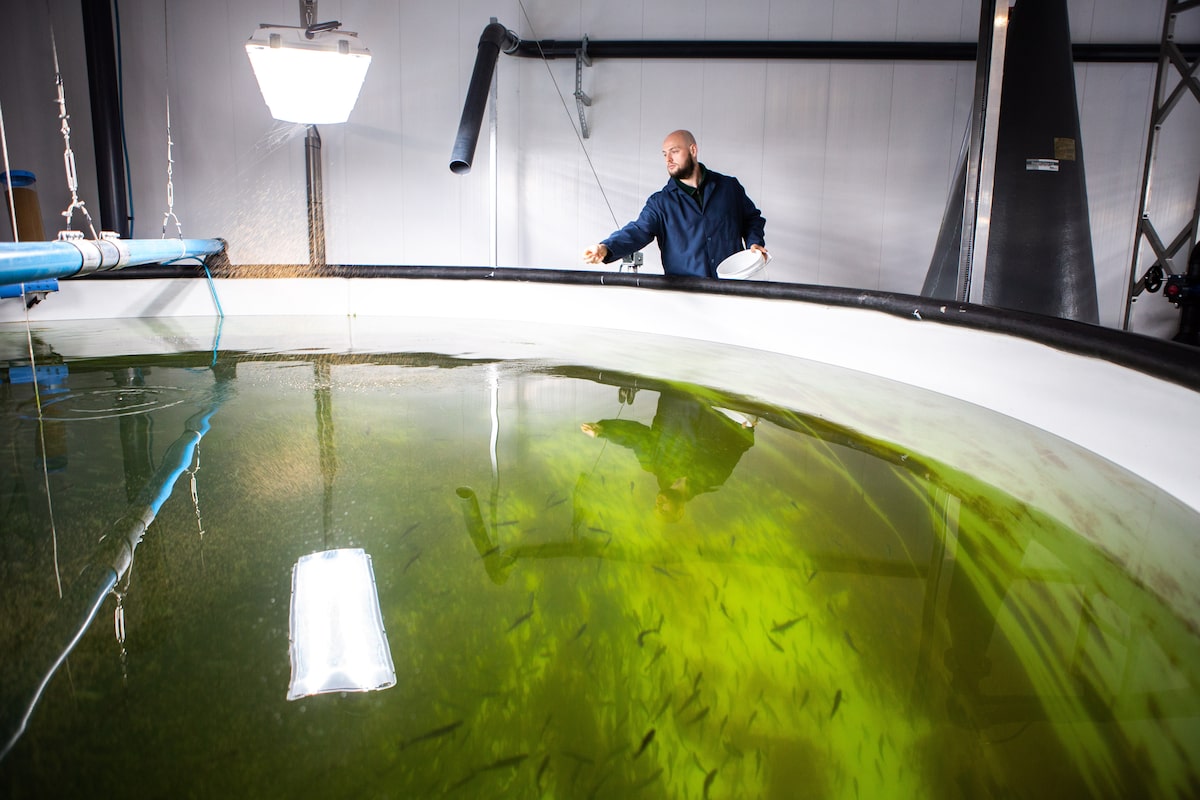
David Campbell, a consultant and former chief economist for the New Brunswick government, said seafood might be less vulnerable to U.S. tariffs than oil refining and wood products. “It’s not like you can move the fish down there,” he said in an interview.
Nonetheless, all three industries will face short-term disruption owing to rising prices for customers south of the border, Mr. Campbell said. In the long run, however, it could mean companies moving capital from Canada to the U.S., just as Mr. Trump would like.

Jennifer Murray, the Atlantic regional director for Unifor, which represents about 7,200 New Brunswick workers in just about every sector of the economy from food distribution to papermaking, said the union is “buckling up for an impact to our members and workers across the country.”
Tariffs are going “to end up impacting every single person in the province of New Brunswick and in our nation,” she said in an interview.
New Brunswickers have responded to Mr. Trump’s economic threats in big and small ways. The province stopped contracts with U.S. businesses; the Saint John Ale House bar replaced their Kentucky Maker’s Mark bourbon with Newfoundland’s Signal Hill whisky.
And like so many Canadians from coast to coast, residents said they changed their shopping habits in the wake of the trade war. “I try to buy Canadian anyway,” said Caitlin Small, who was shopping for dinner at the Saint John City Market earlier this month. “But I’ve been looking harder and making sure that things are products of Canada or made in Canada.”
“I like the fact that they’re indicating ‘Made in Canada,‘” said Brad Brown, referring to new labels that have popped up in stores, as he walked out of Picaroons General Store, a downtown brewery. “Why didn’t they do that before?”

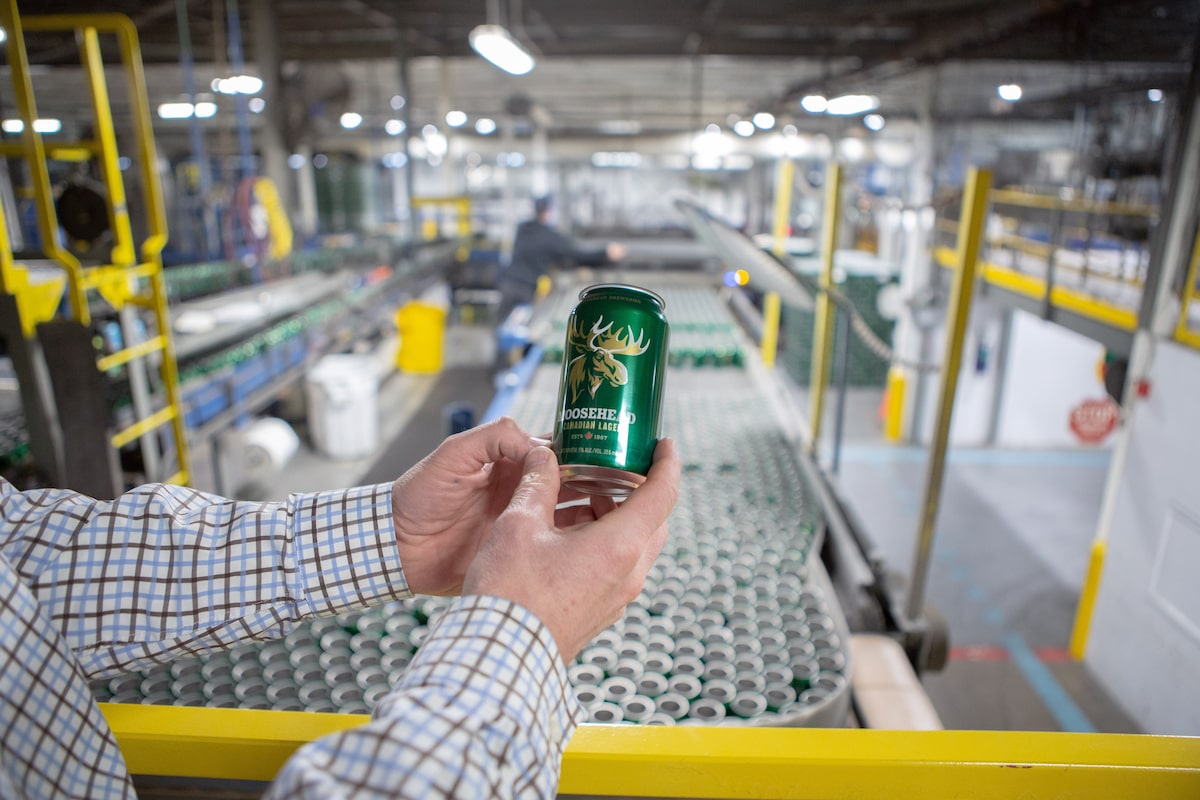
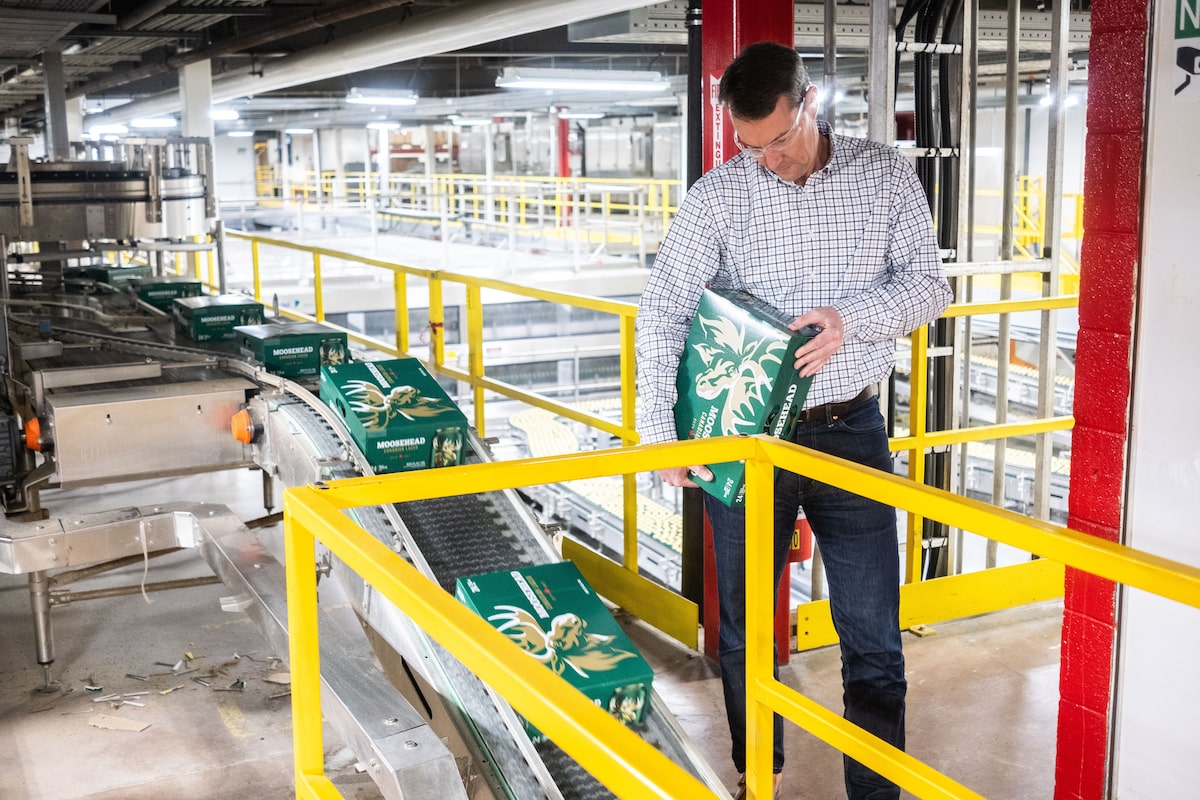
Andrew Oland, president and CEO of Moosehead Breweries, said the trade war presents both challenges and opportunities. A sixth-generation co-owner of the Saint John-based brewery, Mr. Oland worries about a potential hike in input prices, such as for aluminum cans, because of tariffs and countertariffs. He also foresees an impact on U.S. sales, which represent 20 per cent of the business.
“On the positive side, there is renewed pride and interest in Canadian products,” Mr. Oland said in an interview. “We are leaning in heavy to that and trying to make the most of a bad situation.” The business owner has been vocal about the need to take down interprovincial trade barriers that limit sales in other provinces.
Premiers across the country have pledged to abolish such barriers over the past few weeks. Mr. Oland is not convinced. “There’s a lot of talk and there’s been a lot of talk in the past, so I am skeptical,” he said.
But Mr. D’Amours said the province is serious about making it happen.
“Our goal is to eliminate more than 50 per cent of our exemptions” from the Canadian Free Trade Agreement, he said. New Brunswick stopped short, however, of introducing broad legislation to lift barriers on out-of-province goods and workers as Nova Scotia did in February.
The province is also working to abolish the personal limits on alcohol purchased in other provinces and allow greater labour mobility for professionals licensed elsewhere, Mr. D’Amours said.
“What we are experiencing today is certainly disgraceful,” he said of the U.S. tariffs. “But I think it is a wake-up call.”

The politics of trade: More from The Globe and Mail
The Decibel podcast
Trade diversification is a good idea in a tariff war, but is not the magic bullet some think it is. Chris Wilson-Smith, author of the Business Brief newsletter, spoke with The Decibel about why finding new partners abroad takes time and effort. Subscribe for more episodes.
Readers’ tariff questions answered
What could tariffs do to my personal finances?