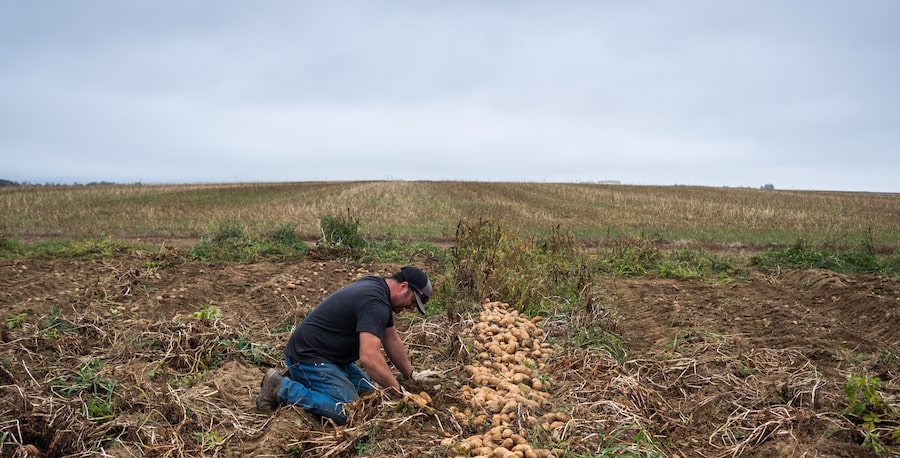
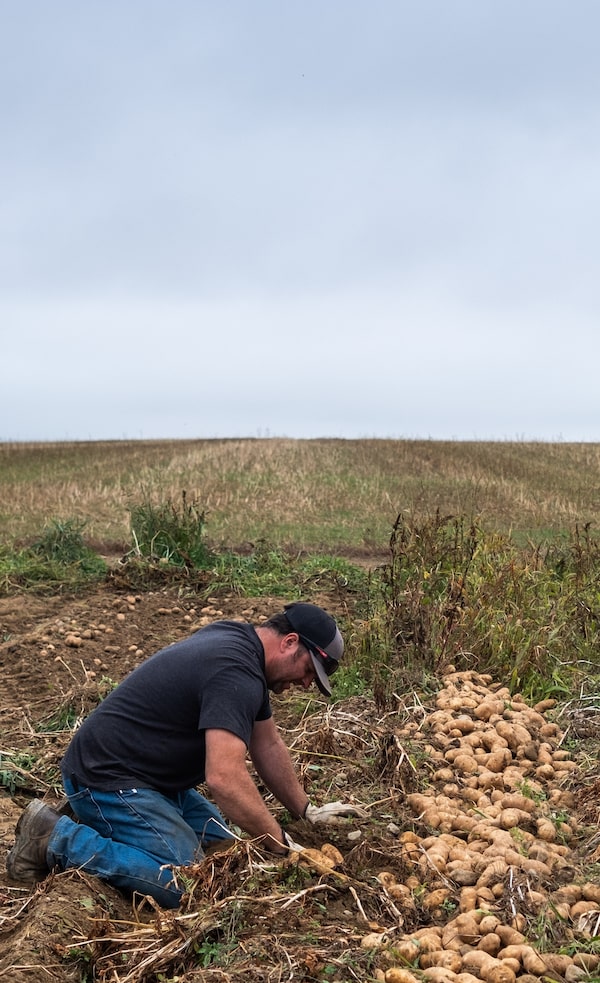
In the Canadian imagination, Prince Edward Island is the land of the potato. While smaller, the lesser-known upper Saint John River Valley in New Brunswick punches above its weight in the spud industry, with high-yield crops that many farmers attribute to fertile soil.
The valley, which runs down the western edge of New Brunswick from Grand Falls to Woodstock, is home to potato-growing hubs such as Florenceville-Bristol, the self-appointed “French Fry Capital of the World” and birthplace of the founders of McCain Foods.
The potato reflects the culture of New Brunswick and its working-class communities, said Tammy Kirkland, director of Potato World, Florenceville-Bristol’s museum celebrating the tubers’ long history in the province. “The potato is a humble food,” she said. “It’s not expensive. It’s hard work to produce and it feeds hardworking people.”
New Brunswick’s potato industry has about 200 potato farm operations, with about 50,000 acres of land dedicated to growing the vegetable.
“Around here, from the time the seeds are in the ground to the time the fries are on the table, most people in this region are part of that process in one way or another, whether it be planting, harvesting, transportation or processing,” said Ms. Kirkland.
“It’s a food that fits our lifestyle in a cultural sense.”


Andrew Stephenson, the co-owner of Stephenson Farms, has been driving a potato truck since long before he was allowed to drive a car.
He remembers the days when schools took a “Potato Break” in late September every year to coincide with the harvest. “For two weeks of the year, the schools shut down completely and kids all went to work on the farm,” he said.
The province ended the practice in 2012, but students are still allowed to take the time off on a case-by-case basis.
This year, Mr. Stephenson says, he had one student obtain special permission to be on Potato Break and work on his farm.
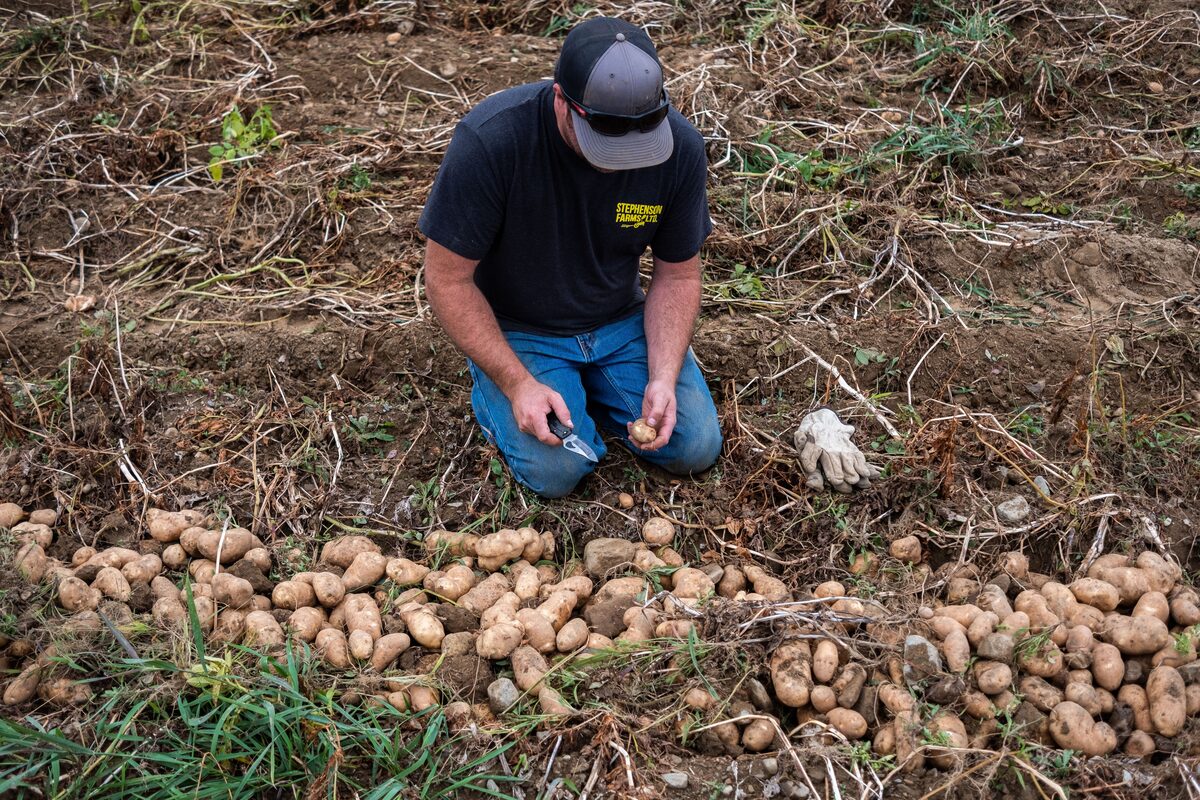
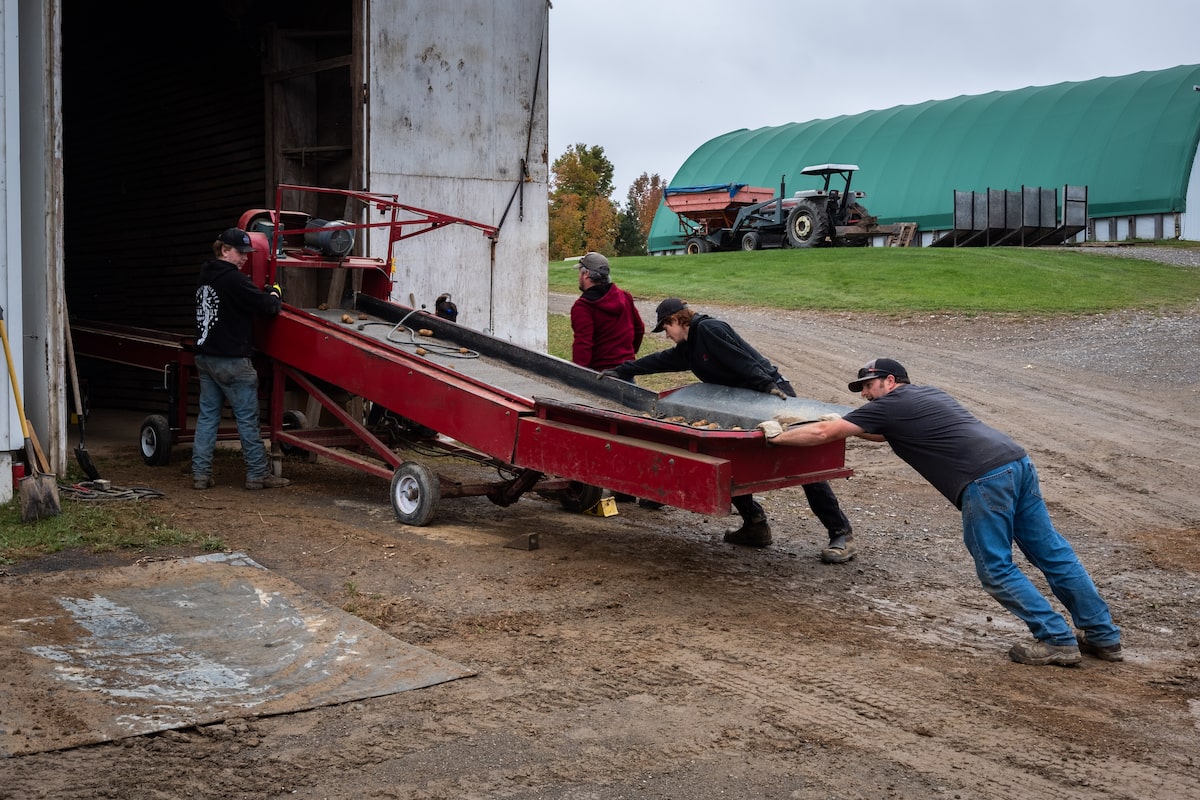

Harvest season is usually the busiest time of year for Mr. Stephenson, but the annual harvest this year is facing challenges after a dry season.
According to Agriculture and Agri-food Canada, New Brunswick saw one of its driest summers this year, receiving less than 25 per cent of normal rainfall, with several locations recording one of their top five driest Augusts on record.
“It’s been a tough year,” Mr. Stephenson said while looking over at the Saint John River from his farm on a hill near Hartland. “The river is really low.” He worries about the future of farming. “We’ve seen these dry conditions maybe four times in the last ten years.”
Droughts lead to fewer and smaller potatoes, which is a problem for farmers like Mr. Stephenson who need to grow potatoes large enough to cut into French fries for contractors such as McCain. To compensate, this year Mr. Stephenson grew more Caribou Russet potatoes, which are larger than Russet Burbanks, his usual crop. He also had to use more water on his farm than normal.
“If these dry conditions continue and keep getting worse, I think we will need to keep changing the way we do things.” he said. “It’s just something we need to get used to.”

This spud’s for you: More from The Globe
When potato warts devastated Prince Edward Island’s industry three years ago, it was a moment to reflect on the vegetable’s real value to Canadians. Adrian Lee, an editor in The Globe's Opinion section, spoke with The Decibel back then about why potatoes matter and what it takes to produce them. Subscribe for more episodes.