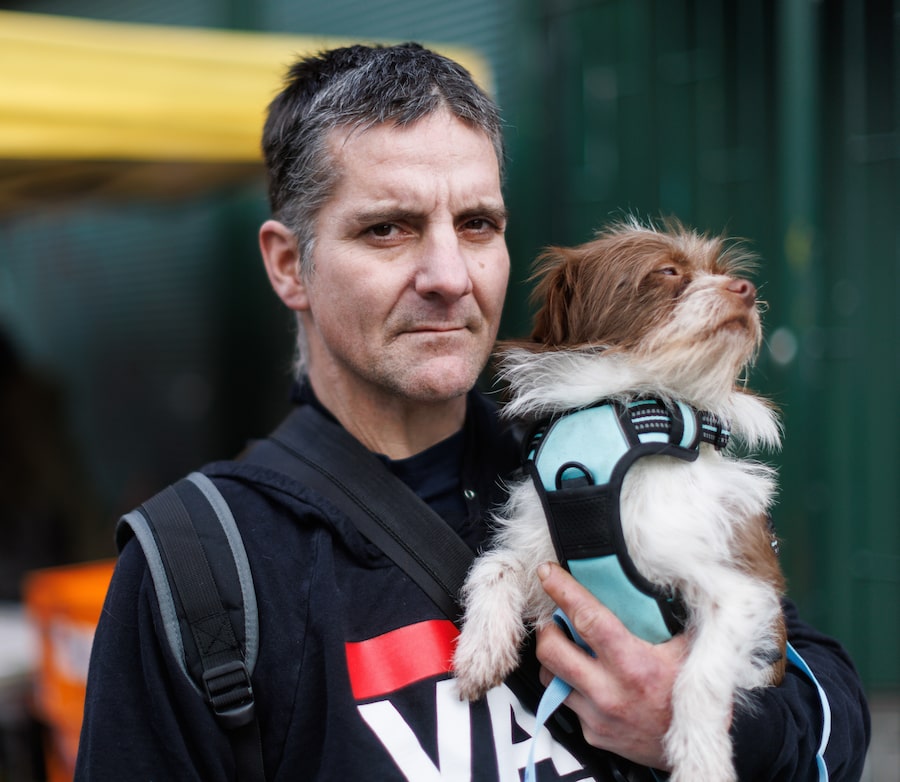
The latest national figures show overdose deaths across Canada are declining, but one phenomenon threatens progress in the fight against the toxic drug crisis: the rapid rise of xylazine.
Although the latest Health Canada figures show a 12-per-cent decrease in overall overdose deaths from January to September of 2024 as compared with the same period the year prior, there has been a simultaneous uptick of xylazine – a nonopioid veterinary tranquillizer – detected in the illicit supply.
The drug is increasingly being cut into illicit fentanyl supplies across the globe, further contaminating an already volatile market. Dubbed the “zombie drug” or “tranq,” the combination of xylazine and fentanyl can leave users immobilized and with no recollection of their high. Injecting the drug is also associated with “tranq wounds,” which can cause limbs to rot and require amputation. And because xylazine is not an opioid, there’s no overdose-reversal agent, like naloxone, to backpedal its effects.
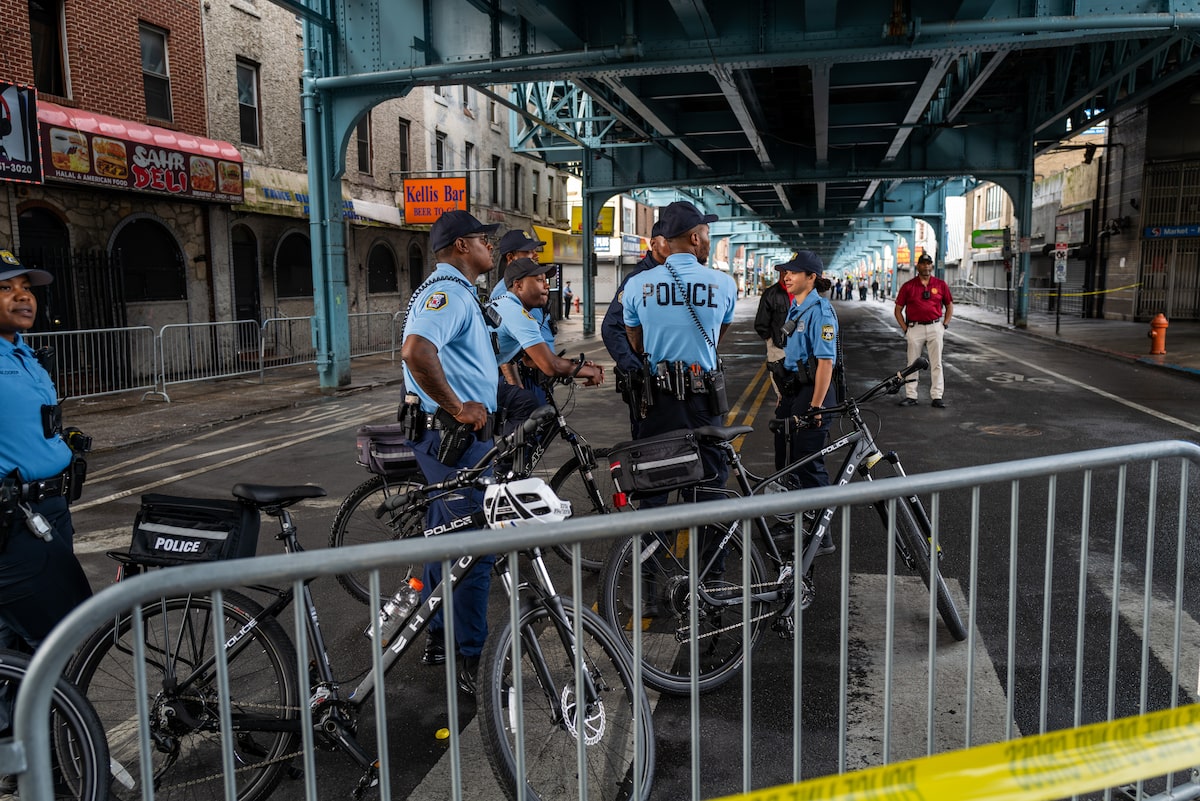
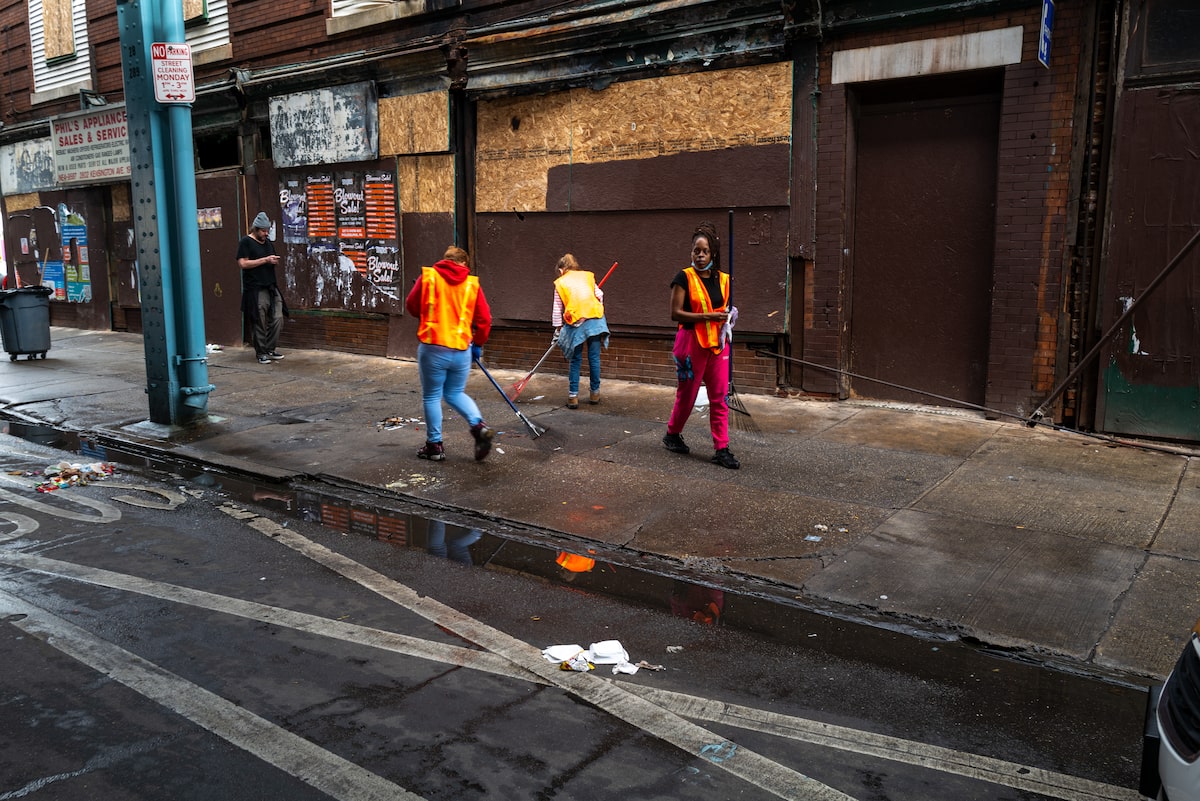
Xylazine has ravaged places such as Philadelphia. First detected there in 2006, xylazine became so entrenched in the street supply that by 2021, it was detected in more than 90 per cent of the city’s lab-tested dope samples. The drug has contributed to hundreds of overdose deaths across Pennsylvania.
State health authorities last year signed legislation criminalizing the misuse of the drug, creating specific penalties for people who add illicit xylazine to the drug supply. What has unfolded in Philadelphia is seen as a warning for other jurisdictions about the need to take the threat seriously.
Now, new data show xylazine is starting to take hold in Canada. The federal Drug Analysis Service, which examines drug samples submitted by law enforcement and public health agencies, released figures this month showing that nearly 13 per cent of opioid samples contained xylazine in 2024 – almost double the proportion from the year prior.
That grim picture is consistent with the latest data from another study, at the local level. The Toronto Drug Checking Service is one of the country’s only projects with the technology to identify and measure the components of samples from the unregulated drug market.
The service’s most recent figures show that xylazine was found in 55 per cent of the expected fentanyl samples that were tested in the two-week period ending March 7. That is by far the highest proportion of samples found to contain the tranquillizer since the service first detected the drug in 2020.
Public-health officials are watching closely. In the wake of the new figures published by the Drug Analysis Service, the Council of the Chief of Medical Officers of Health released a statement noting the sharp increase in xylazine’s presence.
“This rapid shift highlights how quickly the drug supply can change, underscoring the need for continuous monitoring across all jurisdictions to assess emerging substances and their potential impact on the overdose crisis,” said the council, which includes the country’s chief public health officer as well as medical officers from the provinces, territories and Indigenous health authorities.

A bag of xylazine powder is labeled at a safe house in Mexico’s Sinaloa state. It’s normally given to animals in liquid form.Meridith Kohut/The New York Times

At this safe-consumption site in Kitchener, a bulletin board warns drug users of the wounds that can result from using xylazine.Marcus Gee/The Globe and Mail
Governments around the world are facing questions about how to tackle the ever-changing nature of the illicit market, including as it relates to xylazine. Earlier this year, Britain tightened control of the tranquillizer by bringing it under the Misuse of Drugs Act, and several U.S. states have opted to use regulatory tools to create stricter controls.
The U.S. government became so concerned by the rise of tranq – it has been detected in nearly every state’s illicit drug market – that the Biden-Harris administration in 2023 took the unusual step of designating fentanyl combined with xylazine an “emerging threat” to the country. Since taking office in January, U.S. President Donald Trump has pledged to combat the scourge of fentanyl and has cited the country’s toxic drug crisis as grounds for launching a trade war against China, Mexico and Canada, countries that he blames for the flow of fentanyl into American territory.
The uptick in xylazine in Canada will add fuel to the debate already under way here about whether the tranquillizer should be listed under the Controlled Drugs and Substances Act. The decision will be facing whichever party forms the government after the upcoming federal election. The Conservative Party of Canada says the tranquillizer must be listed under the act so as to deter its improper use. Under the current Liberal government, Health Canada – the department with the authority to list drugs under the legislation – says it is monitoring the situation.
Harm-reduction advocates, meantime, are skeptical that tighter regulations will address the growing number of contaminants in the illicit drug supply. And the Canadian Veterinary Medical Association is advocating for the protection of the drug’s legitimate use, namely for the sedation of animals during common procedures.
Here, The Globe and Mail explores how xylazine is complicating an already challenging and deadly opioid crisis. In the nine years since British Columbia – the epicentre of the crisis – took the unprecedented step of declaring a public-health emergency, the rate of opioid-related deaths across the country has climbed. Since 2016, nearly 50,000 people have died.
This story is part of an ongoing Globe and Mail series examining the country’s toxic drug supply, the impact it has had on our country and what it will take to tackle it.
What is tranq and what are its effects?
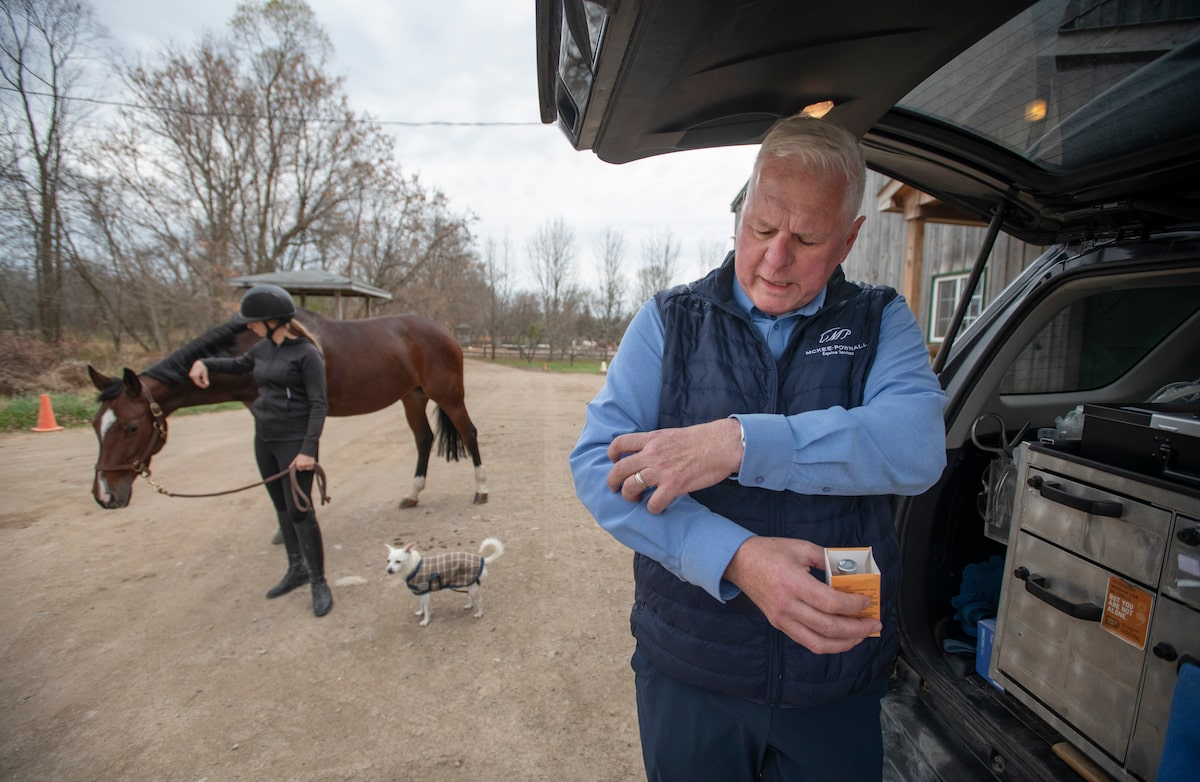
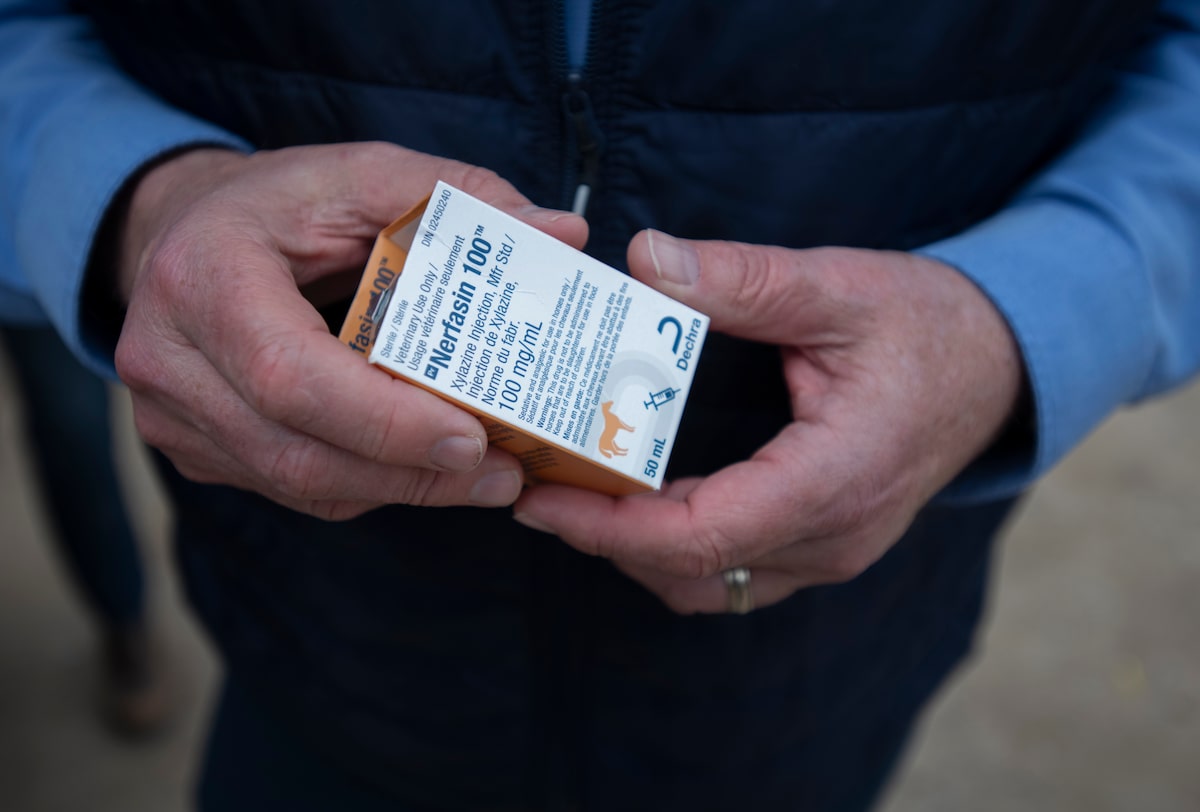
Xylazine is a powerful sedative and pain-management drug approved for veterinary care. It is predominantly used for sedating large animals such as horses and cattle, but it can also be used in the treatment of cats and dogs. It is not intended for human consumption. In fact, many opioid users are unaware they’re taking it.
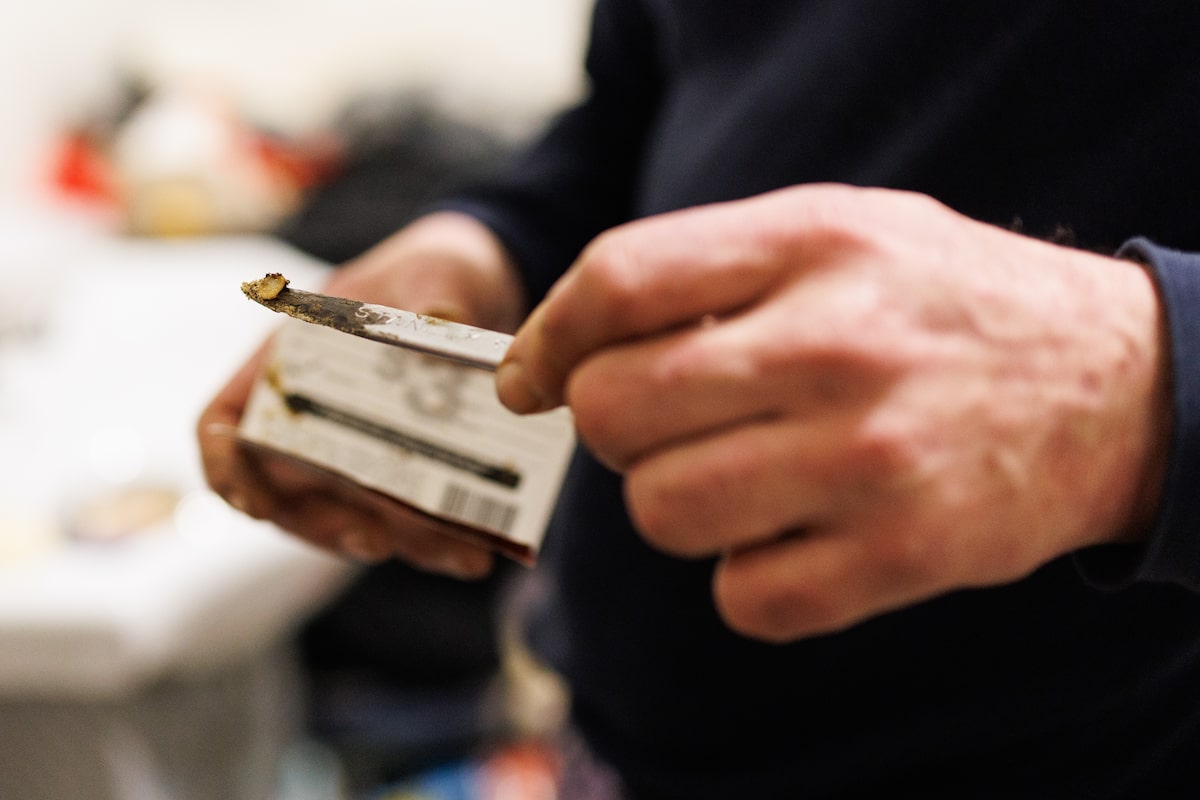
While the drug is administered by veterinarians as a liquid, its illicit use tends to be in powdered form and mixed with other drugs, predominantly fentanyl. In humans, the sedative can cause difficulty breathing, loss of consciousness, decreased heart rate and blood pressure, drowsiness, amnesia and skin lesions. Drug users have said xylazine adds “legs” when cut into opioids; that is, it extends the duration of an opioid high.
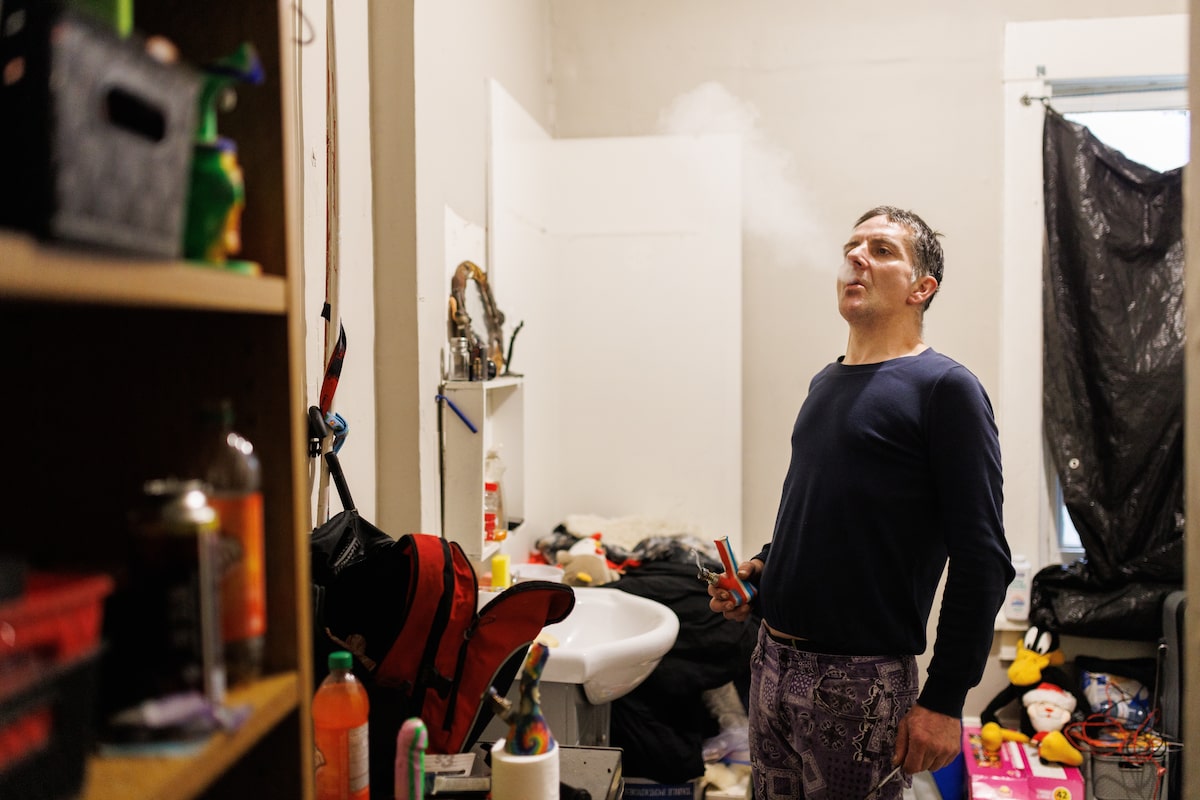
Vancouver’s Michael Bonneau discovered that tranq comes with other dangerous and unwanted side effects. In an interview with The Globe, Mr. Bonneau said he woke up late one afternoon in a fog of confusion, finding himself on a friend’s couch across the city from his own home, where he had intended to go to sleep 12 hours earlier. He had a bloody gash on his forehead and his money was gone. The last thing he remembered was taking a puff of the illicit opioids offered to him by an acquaintance in the middle of the night.
A drug user of 30 years, Mr. Bonneau was no stranger to the toxic mix of drugs on the streets. An acquaintance staying with him that night last October offered him some “down” – the colloquial name for illicit opioids such as fentanyl or heroin – and he accepted. He would later come to believe that it was laced with xylazine.
Mr. Bonneau, who had intentionally consumed xylazine some years back, said the tranquillizer made him feel “very, very confused.” When he came to, he was unsure of the time and date, how he got where he was, or why he had a cut on his forehead. In comparison, an opioid cut with benzodiazepines – another common combination on the streets, often referred to as “benzodope” – would have made him intensely sleepy, he said. Both combinations have been known to leave users unconscious for hours and have been used in thefts and sexual assaults, drug users told The Globe.
After that day in October, Mr. Bonneau began asking around, trying to piece together what had happened. He gathered that he had somehow made his way downtown, and into a credit union where he hadn’t banked for many months. The manager at the overdose prevention site where he works spotted him there, bleeding from the forehead and sobbing, and brought him to the site. A friend later took Mr. Bonneau to his house and let him crash on the couch. Mr. Bonneau recalls none of this. “That’s hours gone, disappeared,” he told The Globe. “It’s scary, because I don’t remember any of it. You have to go by what people are telling you to get flashbacks.”

Where is it turning up?
Xylazine was first identified in Canada’s illicit drug supply in 2001 but only began to proliferate in 2019, according to Health Canada. Data from the department’s Drug Analysis Service indicates that the Western provinces were first to see the increase.
Soon, though, the situation shifted east. In 2020, there were just nine xylazine identifications from samples submitted by Ontario law-enforcement agencies, according to a federal document detailing the emergence of illicit xylazine in Canada. Two years later, that number had climbed to 1,011.
Because the service is only required to report substances that are regulated under the Controlled Drugs and Substances Act, the data inevitably underestimates xylazine’s presence in Canada.
In Canada, there are only two drug-checking projects that use mass spectrometry – an analytical technique that identifies and measures the components of a drug by breaking it into charged particles and analyzing their mass. One is in B.C., run by a team at the University of Victoria, and the other is in Ontario. In 2024, xylazine was detected in 6.3 per cent of 3,641 opioid samples checked on Vancouver Island, up from 4.8 per cent the year prior. The Victoria service said the tranquillizer started to become more prevalent in July, reaching an adulteration rate of 12.3 per cent by December.
In Ontario, Toronto’s Drug Checking Service first detected xylazine in 2020. The drug has continued to turn up since then; it was found in more than half of the 93 expected fentanyl samples tested between Feb. 22 and March 7. The service also found a massive uptick in the presence of another veterinary tranquillizer, medetomidine, which was detected in 43 per cent of the samples. Just a few months prior, in December, xylazine turned up in approximately one-tenth of the 191 samples expected to be fentanyl, while medetomidine was found in nearly one-quarter.
In the United States, approximately one-third of all fentanyl powder and 6 per cent of all fentanyl pills seized in 2023 by the Drug Enforcement Administration contained xylazine, according to a grand jury indictment of a Chinese company accused of selling illicit fentanyl and xylazine. As for Britain, a 2024 study out of King’s College London determined that xylazine had already penetrated the country’s illicit drug market. The authors of the study, which was published in April in the journal Addiction, said the public-health threat seen in the United States “has now expanded to the United Kingdom.”

Is tranq detected in overdose deaths?
Although xylazine has been detected in a growing number of drug toxicity deaths across Canada, the full scope of fatalities connected to the drug are unknown. That’s because of differences in testing and reporting in each province and territory. Available data show Ontario and British Columbia are bearing the brunt of xylazine’s impact. Although xylazine can be used on its own (and very rarely is), there are no reports in Canada of it being the sole cause of any death.
In Ontario, xylazine was either detected in or attributed to 281 overdose deaths between January, 2020 and June, 2024, representing nearly 2 per cent of total deaths during that time period, according to data from the Ontario Office of the Chief Coroner. It was predominantly involved in opioid-related fatalities.
The largest year-to-year increase took place between 2020, with six deaths involving xylazine, and 2021, when the number jumped to 75. There were 65 deaths in 2022, 82 in 2023 and 53 in the first half of 2024. Xylazine was considered a direct contributor to death, in addition to other drugs, in about 35 per cent of these cases, according to the data.
B.C. similarly recorded a spike between 2020 and 2021, from six to 47 deaths where xylazine was determined as “relevant to the fatality,” according to the provincial coroner’s service. Sixty-one deaths were recorded in 2022 and 99 in 2023. Amber Schinkel, a spokesperson with the coroner’s office, said in a statement that data for 2024 is not yet available, but there are early indications that xylazine detection has decreased from 2023.
In the U.S., the observation of xylazine in fentanyl-related deaths among 21 jurisdictions grew by 276 per cent from January, 2019, to June, 2022, according to a report by the U.S. Centers for Disease Control and Prevention. Xylazine was co-listed with other drugs as the cause of death in 12 cases in early 2019. By mid-2022, that number had jumped to 188.


Fentanyl precursors and pills of the finished product are a lucrative business for smugglers, easier to transport at scale than drugs such as cocaine.Claudia Daut and Andrew Kelly/Reuters
Where is tranq coming from?
China has for years been a major source of fentanyl and the precursor chemicals used in manufacturing the synthetic opioid. Chinese companies have also been implicated in the distribution of nonopioid additives such as xylazine.
Last fall, for example, the U.S. Department of Justice announced charges against a Chinese chemical company, its director and three senior employees for allegedly selling fentanyl precursor chemicals and xylazine. As part of an undercover investigation, fentanyl precursor chemicals and xylazine were determined to have been “falsely imported into the United States as furniture parts, vases, makeup and other items,” a press release from the Department of Homeland Security said.
At a news conference in 2023 announcing a separate string of charges against China-based companies and their employees, DEA administrator Anne Milgram said that in one of the cases, agents seized xylazine shipped from a company in China to Miami and paid for in Bitcoin. That same company, she said, shipped xylazine to a fentanyl trafficker in Philadelphia multiple times a month.
“Xylazine makes the deadliest drug threat – fentanyl – even deadlier,” she said. “We know where this xylazine comes from: It comes as powder from China and as liquid diverted from veterinary supply chains.” More recently, U.S. authorities have indicated that xylazine is also coming from countries such as Argentina, Columbia, India, Mexico and Thailand.
Here in Canada, the number of organized crime groups manufacturing illicit drugs such as fentanyl has nearly doubled in the past year, according to a recent report by the Criminal Intelligence Service Canada. Such gangs, which are mostly based in Ontario, British Columbia and Quebec, are buying more and more drug ingredients from China and forging alliances with Mexican drug cartels for manufacturing and trafficking, the report said.

How is xylazine regulated in Canada?
In Canada, xylazine is classified as a prescription drug and is subject to regulations under the Food and Drugs Act. It is not captured under the Controlled Drugs and Substances Act, which lays out terms for the sale, production, possession and distribution of certain drugs.
Controlled substances are drugs the federal government has categorized as having a higher-than-average potential for abuse or addiction; they range from illegal drugs to prescription medications. Cocaine, fentanyl and methamphetamine are examples of substances covered by the act.
Tammy Jarbeau, a spokesperson for Health Canada, said xylazine is only authorized for use by veterinarians in liquid form. Seizures of illicit xylazine have been in powder form, she said. She said the department will monitor available evidence to determine whether scheduling xylazine under the act may be warranted.
The federal Conservatives believe this is a necessary step. In a statement to The Globe, the party’s health critic, Stephen Ellis, a doctor from Truro, N.S., said that this measure should be taken in order to establish penalties to deter the improper import and use of xylazine.
Mike Pownall, an equine veterinarian based in the Greater Toronto Area, said a discussion is taking place among veterinarians who are aware that xylazine is increasingly being used as a cutting agent in the illicit market. Many wonder how and if regulations could evolve in Canada.
“It’s just such a common drug that we use,” he said. “If we’re using it for dentistry, we know before we even see the horse we will need xylazine because we need to sedate them.”
Vets use other drugs captured under the Controlled Drugs and Substances Act, like ketamine, but those are used less frequently, Dr. Pownall said. When a drug is controlled, rules apply for how a medication must be secured and specific tracking protocols must be followed. “It’s another administrative hurdle,” he said.
In 2023, the Canadian Veterinary Medical Association issued a statement on the need to protect the legitimate use of xylazine in veterinary medicine. It noted that Health Canada was mindful that the sedative is an important tool used for the safe and humane handling of animals. The association’s position remains unchanged.

Test strips, like these Canadian-made kits, offer one way to see which drugs contain xylazine, but that's just one of many substances that might contaminate a local drug supply.Angela Weiss/AFP via Getty Images
What do harm-reduction experts think about all this?
Adams Sibley is a post-doctoral fellow at the University of North Carolina at Chapel Hill’s Injury Prevention Research Center, which develops programs, practices and policies to reduce injury and violence. He said scheduling the tranquillizer would have the effect of punishing people who didn’t necessarily want xylazine in the first place. As well, disrupting the supply wouldn’t reduce use or demand, but rather would change the stability and predictability of the illicit market.
“Drug trafficking organizations are always one step ahead of enforcement agencies and policy-makers,” he said. “If a substance is targeted, whether through interdiction or distribution and possession penalties, there will always be a next-adulterant-up. And that adulterant could be more dangerous, more deadly, more unpredictable.”
In his research developing and evaluating best practices in harm reduction for the centre’s Opioid Data Lab, Dr. Sibley says an unexpected outcome of xylazine contamination is that it has caused some people who use illicit opioids to use less or stop altogether. “At least when fentanyl supplanted heroin, people were still getting a form of what they expected: pain relief, euphoria and, most importantly, postponement of withdrawal symptoms. Xylazine offers little to none of these benefits.”
Hayley Thompson, manager of Toronto’s Drug Checking Service, said a focus on any one drug takes away from what should be a larger conversation about a highly volatile illicit drug supply.
“We are just going to keep seeing these things pop up,” she said. “Today, it’s xylazine. Tomorrow, it’s medetomidine. Who knows what it’s going to be in six months … We need to look at the big picture: What are we doing to intervene with this supply?”