In the Faroe Islands, the landscape is a work of art. Across the country’s 18 islands, waterfalls tumble over dramatic cliffs into the North Atlantic, waves carve out arches in rough rock, and hills are covered with grass so uniform that it looks like they’ve been blanketed in green felt.
The connection between creativity and geography runs deep. As part of the country’s tunnel network, which allows travellers to pass through mountains and connect to neighbouring islands, there are four subsea roads. One such underpass, the Eysturoy Tunnel, is illuminated by a lightshow and art installation.
Upon entering the tunnel and tuning the car radio to 97.0, the atmospheric ÆÐR (“vein” in English) starts playing. The composition, by local composer and producer Jens L. Thomsen, was commissioned for the public infrastructure project. The ambient soundscape is at times haunting and at others soothing, embracing the listener for a dark, underwater journey. The culmination of the experience is the world’s first underwater roundabout, which has an illuminated pillar at its centre. Blue, green, yellow and red light glows on an 80-metre steel sculpture by multimedia artist Tróndur Patursson that wraps around it, a chain of people holding hands that represents a traditional Faroese dance from the Middle Ages that’s still performed today.

The streets of central Tórshavn are accented with public art projects and natural elements.
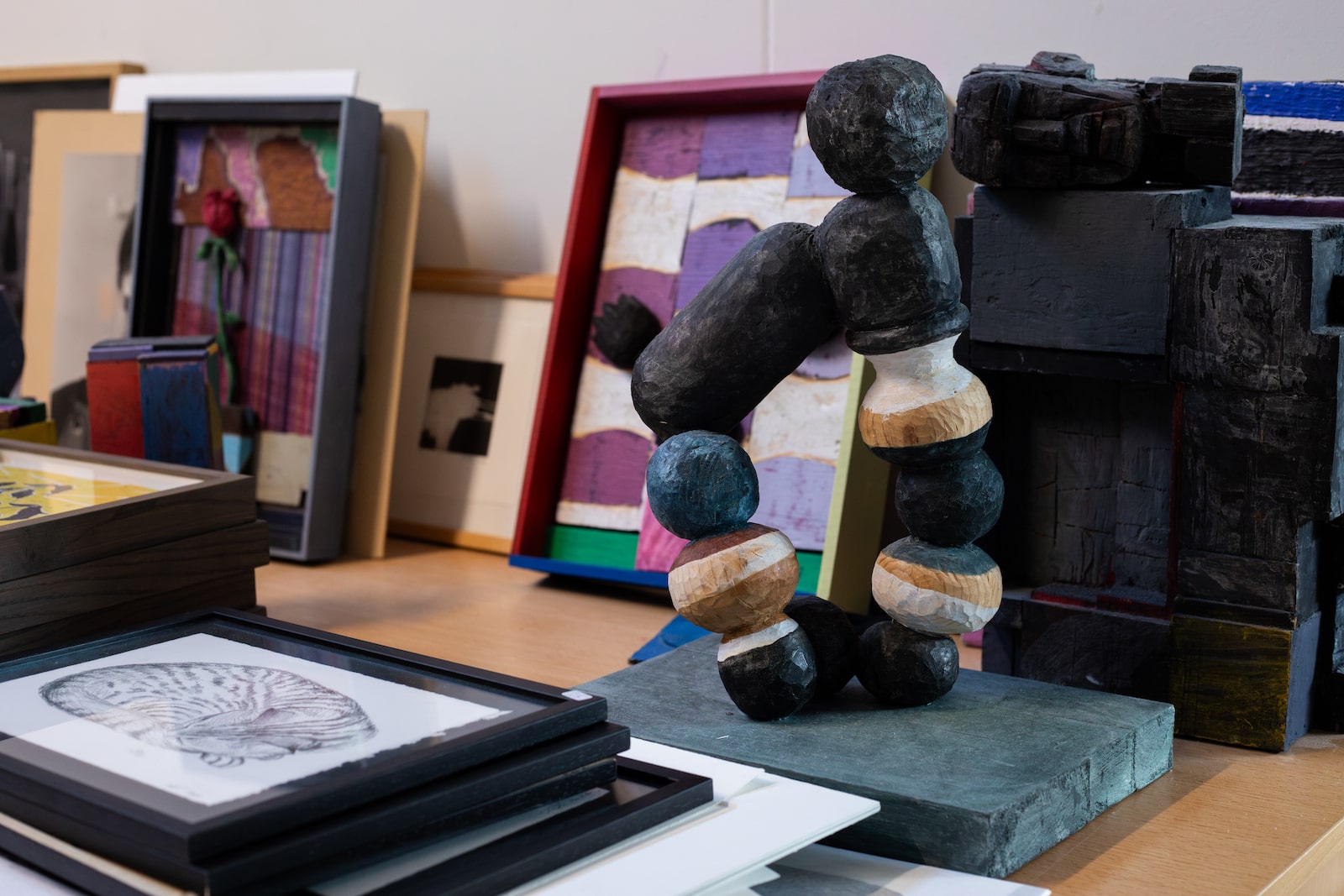
Wherever the Faroese can include art in daily life, they do. Back above ground, it’s hard to walk through Tórshavn, the capital city, without encountering public sculptures and murals. Often, these creative spaces place the focus on a natural element. Listasavn Føroya, the national art gallery, displays a beautiful tiled wood floor made from felled trees.
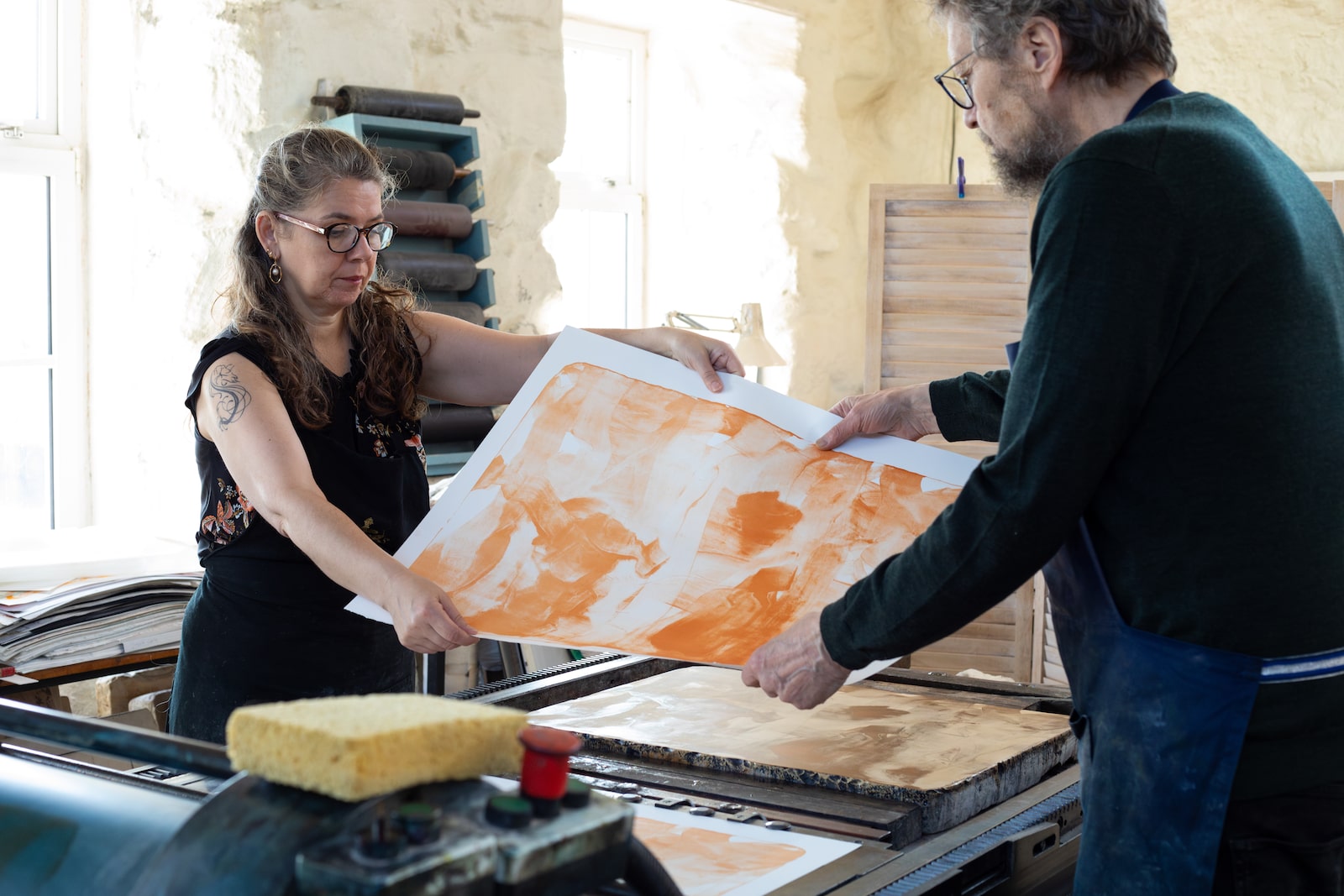
Art is not so much admired as shared. You can see that ethos in real time in Tórshavn’s harbour. There, Steinprent is a lithograph gallery with a working studio on the second floor. This is a gathering space for local and international artists and many of the pieces are an abstract melange of shape, colour and texture. In the workshop, a giant lithographic print is laid out. Several feet long, it’s a sketch of one of the islands’ rugged cliffsides, the entire piece washed in blue (it’s also by Patursson). The scene is not unlike the views of the dramatic sea arch, Drangarnir, and the cliffs of the island of Vágar that you can experience on a zodiac tour with adventure tour company Bluegate.
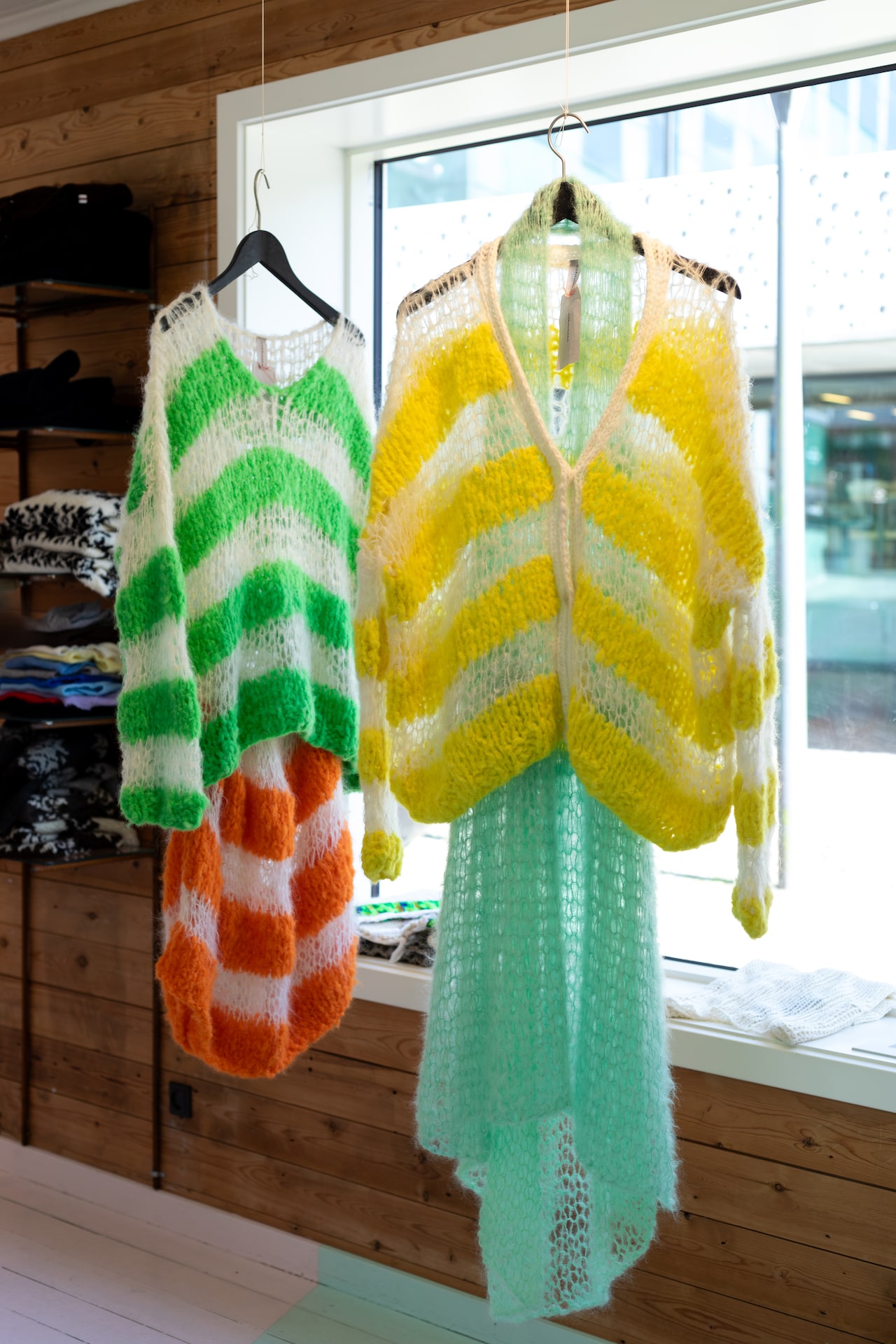
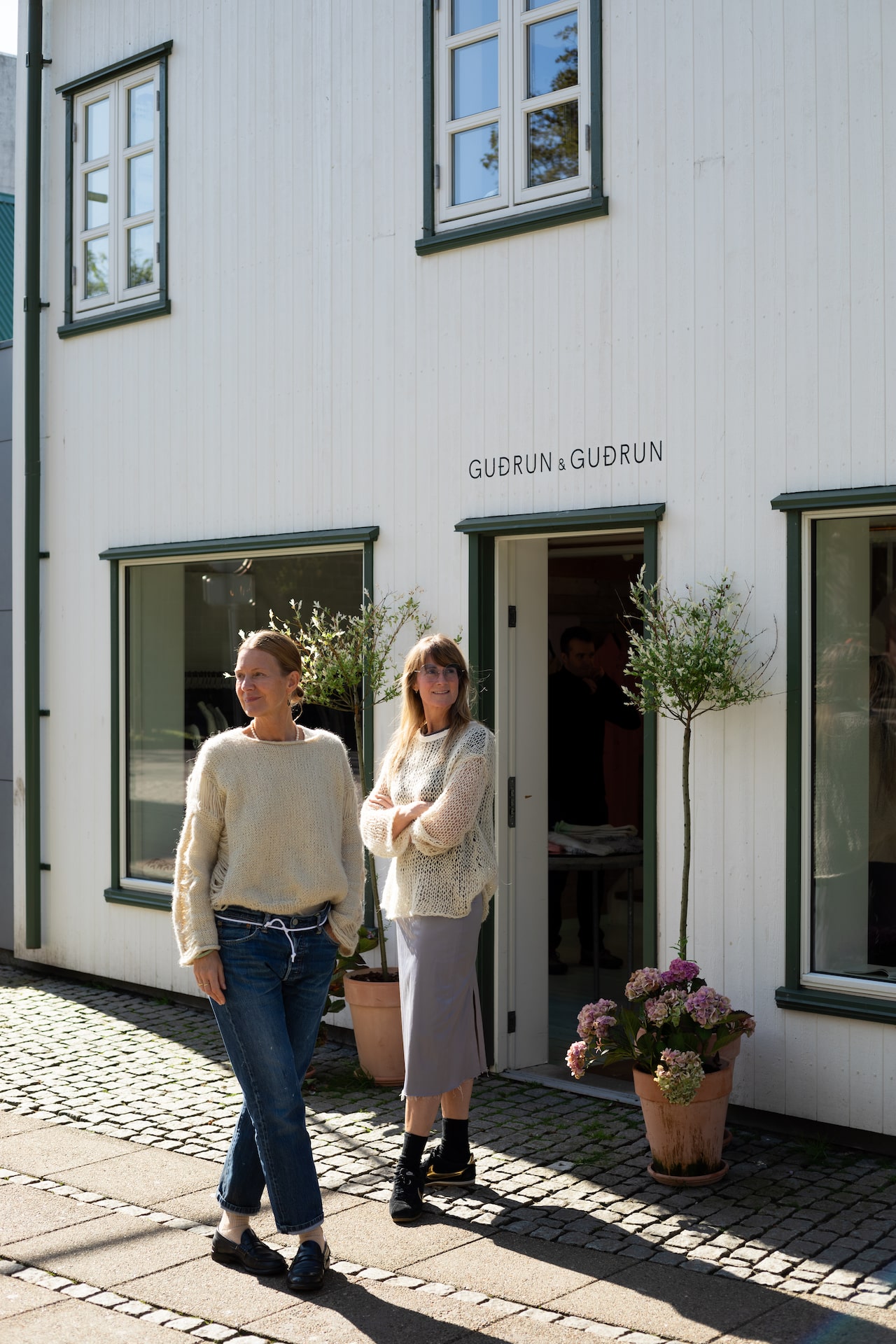
Walk a few minutes into the central business district and shop windows are filled with knits that celebrate the colours and textures of the environment. One such shop is Guðrun & Guðrun. Its founders, Guðrun Ludvig and Guðrun Rógvadóttir, offer a fashion-forward take on the country’s tradition of knitting, something that runs centuries deep and is vital to its cultural heritage. For a time, when the islands were under Danish rule, wool was used as a local currency, with knitted garments traded for pantry items and other daily essentials.
Ludvig and Rógvadóttir’s brand turns traditional patterns on their head. Its sweaters, dresses and matching sets incorporate loose stitches, which they call “whisper knitting.” Ludvig pioneered the technique to bring a fluidity and airy sensibility to the hand-knit pieces, the thick Faroese wool contrasting with the open knit mimicking dramatic contrasts found in nature.
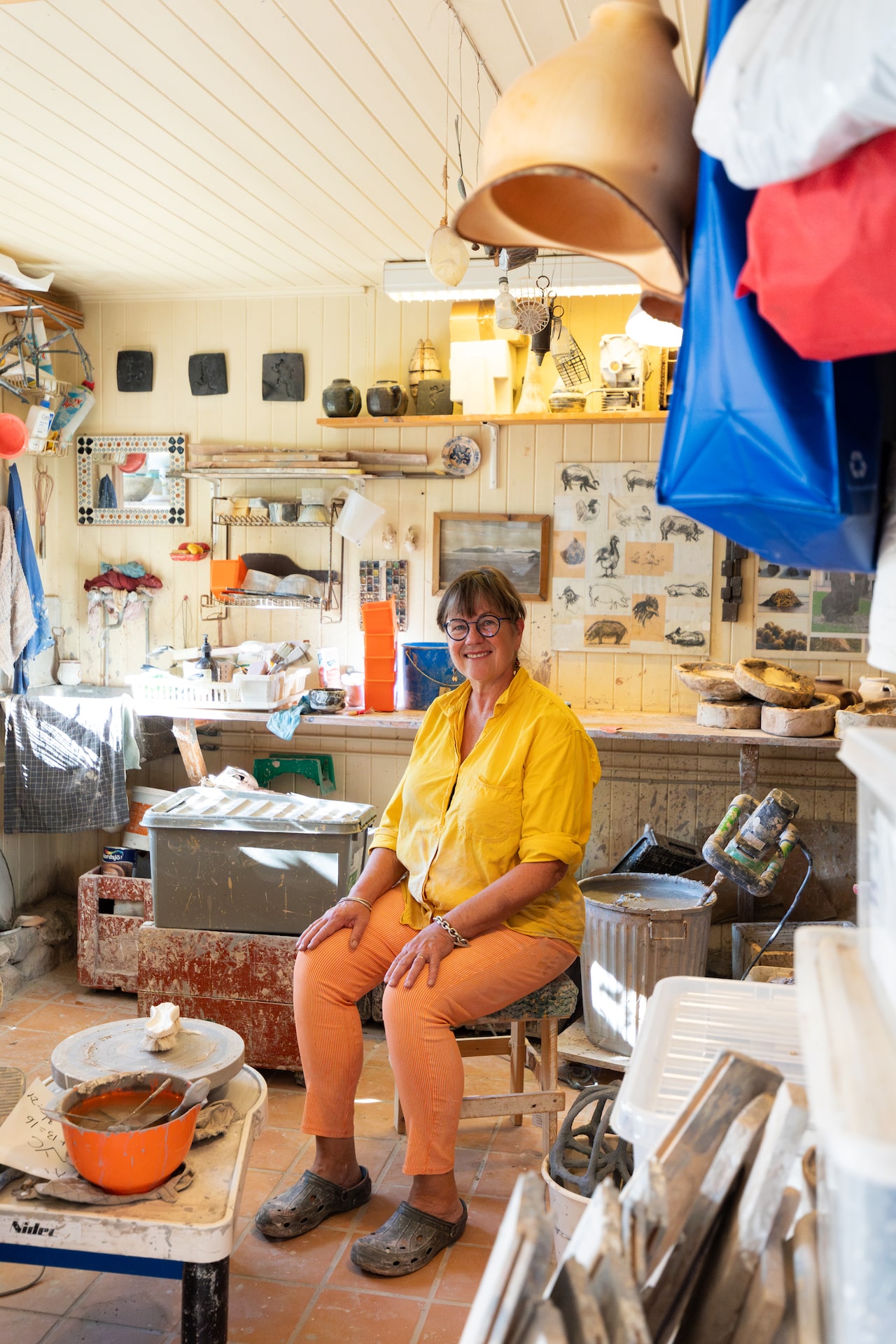
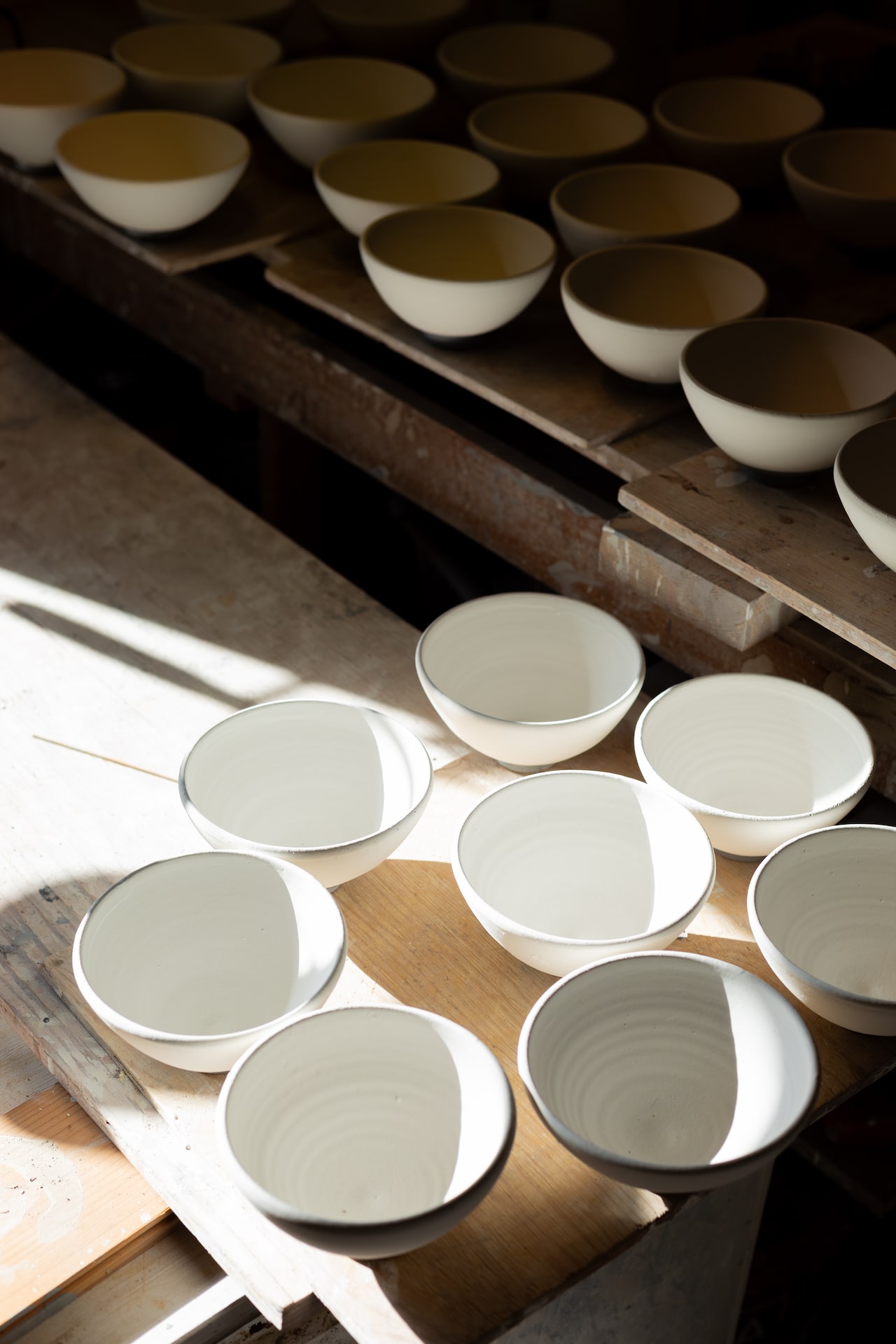
Not too far from the shop is Leirlist, the atelier and small boutique of artist and ceramicist Guðrið Poulsen. Her ceramic mugs and bowls, meant to be cradled in two hands, feel raw. Poulsen shapes ridges, folds and nubs into them and glazes the clay pieces shades of brown, green, grey, yellow and blue. “I have the landscape inside me,” she says of how she uses her art to connect to her environment. “You have to think about how you’re going to hold the bowl or cup. It’s rough, it might be hot,” Poulsen says. “Smoothness is anonymous.”

Artist Katrina í Geill designs knitwear and hosts knitting retreats.
This craving for texture is something Poulsen has talked about with fellow artist Katrina í Geill, who works with textiles, designs knitwear and hosts knitting retreats. In her projects, she links the living culture of making clothes with the natural environment and a growing craving for stimuli. “It is incredibly important to let everybody meet the rugged surface, to live in and on the surface, to become a more whole, robust and sensuous person,” she says.
Appreciating this archipelago in its wild ocean waters is something that’s simple enough to do. Driving its islands, hiking its hills and stopping for cozy meals all offer opportunities to experience a sense of place. But connecting to it – to get a bit of the landscape inside you – is to understand it through its art and craft traditions. Rough bits and all.

The connection between creativity and geography runs deep in the Faroe Islands.
ON LOCATION
Hotel Brandan
Just outside of the city centre and a short walk from the national art gallery, this is a modern and quiet option for a base in Tórshavn. Stays from DKK800/night through hotelbrandan.com.

Stop in for a cup of coffee at Kaffihusid, a chic spot on the Tórshavn harbourfront.
Kaffihusid
Stop in for a cup of coffee at this chic spot on the harbourfront. kaffihusid.fo.
Raest
This restaurant specializes in a set menu featuring fermented foods, a staple of Faroese culinary heritage. raest.fo.
Roks
Recognized by the Michelin guide, this restaurant focuses on a casual take on seafood. roks.fo.
Icelandair connects Vancouver, Toronto and Halifax to the Faroe Islands via a short layover in Reykjavik. icelandair.com.
Style Advisor travelled to the Faroe Islands as a guest of Icelandair and Visit Faroe Islands. The companies did not review or approve this article prior to publication.
Keep up to date with the weekly Sightseer newsletter. Sign up today.